
This Georgia Mountain Town Feels Like The Clock Stopped Decades Ago
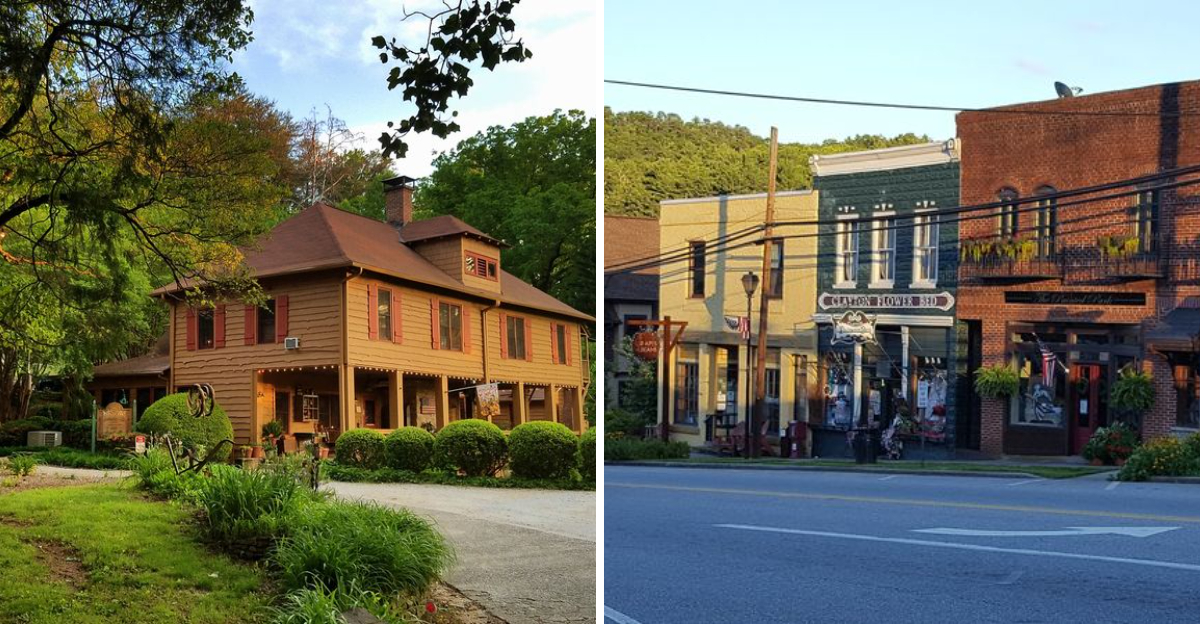
The first thing you notice is how little seems to be in a hurry here. This Georgia mountain town still has the sort of main street that makes you want to park the car and wander for a while.
Old storefronts, quiet sidewalks, and mountain views give the town a look that feels wonderfully removed from modern life. You can grab a bite, browse a few local shops, and spend an afternoon without feeling like you need a schedule.
That slower pace is a big part of its appeal. Georgia has plenty of mountain towns, but this one feels especially connected to an earlier era.
The charm is not polished or forced. It feels natural. Spend a few hours here and you may start wondering why more places do not still feel this simple.
Downtown’s Timeless Main Street
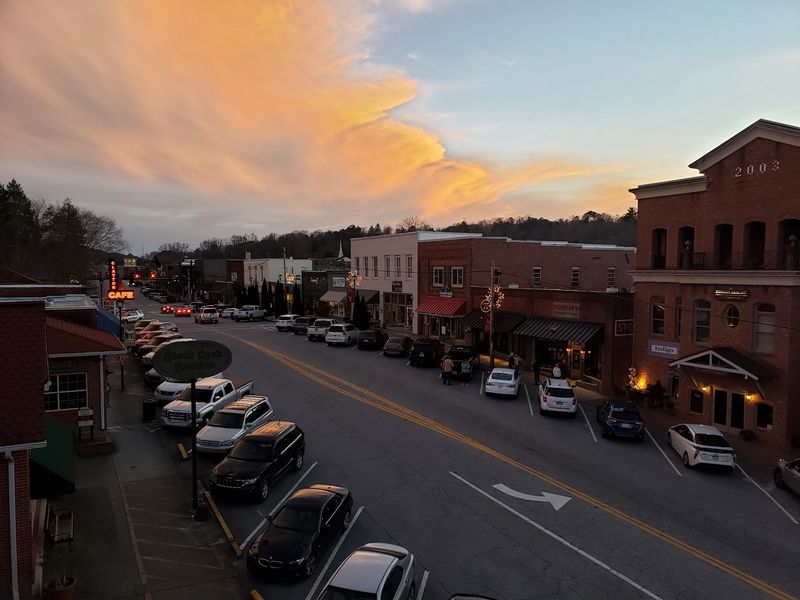
Walking down Main Street feels like stepping onto a movie set designed to capture small-town America from the 1950s. The historic buildings maintain their original facades, with painted signs advertising businesses that have operated in the same location for generations.
Local shop owners still sweep their sidewalks each morning and chat with passersby about the weather or upcoming community events.
The absence of big-box stores or franchise restaurants creates an atmosphere that modern development hasn’t managed to erase. Hardware stores with wooden floors creak underfoot, and five-and-dime shops display merchandise in vintage glass cases.
You can still find soda fountains serving ice cream floats and lunch counters where regulars claim the same stools every day.
This stretch of downtown Georgia represents what countless American towns once looked like before homogenization took over. The preservation isn’t intentional tourism marketing but rather a natural result of a community that values its heritage over rapid change.
Family-Owned Businesses Spanning Generations
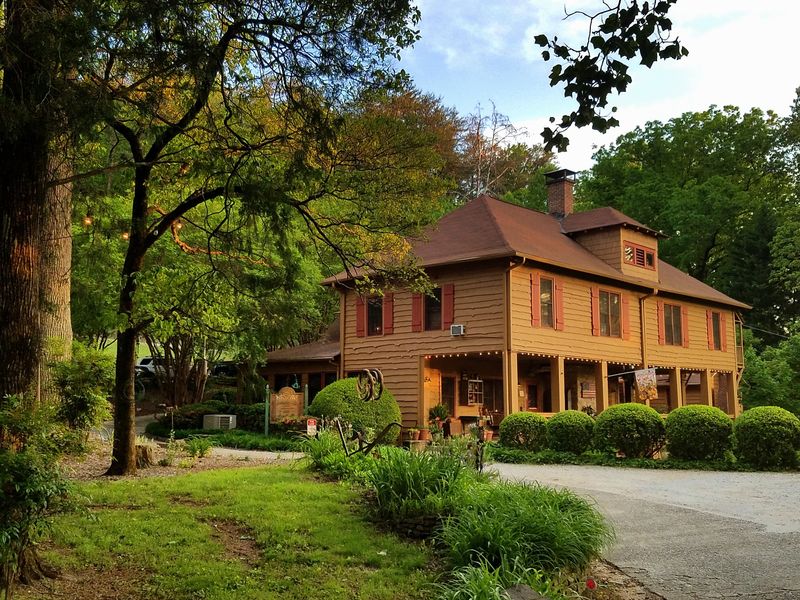
Several businesses in Clayton have remained in the same families for three, four, or even five generations. These aren’t corporate franchises following standardized procedures but genuine family operations where grandchildren work alongside their grandparents.
The knowledge passed down through decades creates a level of expertise and personal service that chain stores simply cannot replicate.
Store owners remember their customers’ preferences, family histories, and even which products their parents and grandparents preferred. This continuity creates relationships that extend far beyond typical commercial transactions.
When you purchase something, you’re supporting actual families who live in the community, not distant shareholders.
The commitment to keeping businesses within families demonstrates values that prioritize stability over expansion. Owners could likely sell to developers or larger companies, but they choose to maintain traditions that define Clayton’s character.
This dedication to heritage over profit makes the town feel authentically rooted in its past.
The Unchanged Courthouse Square
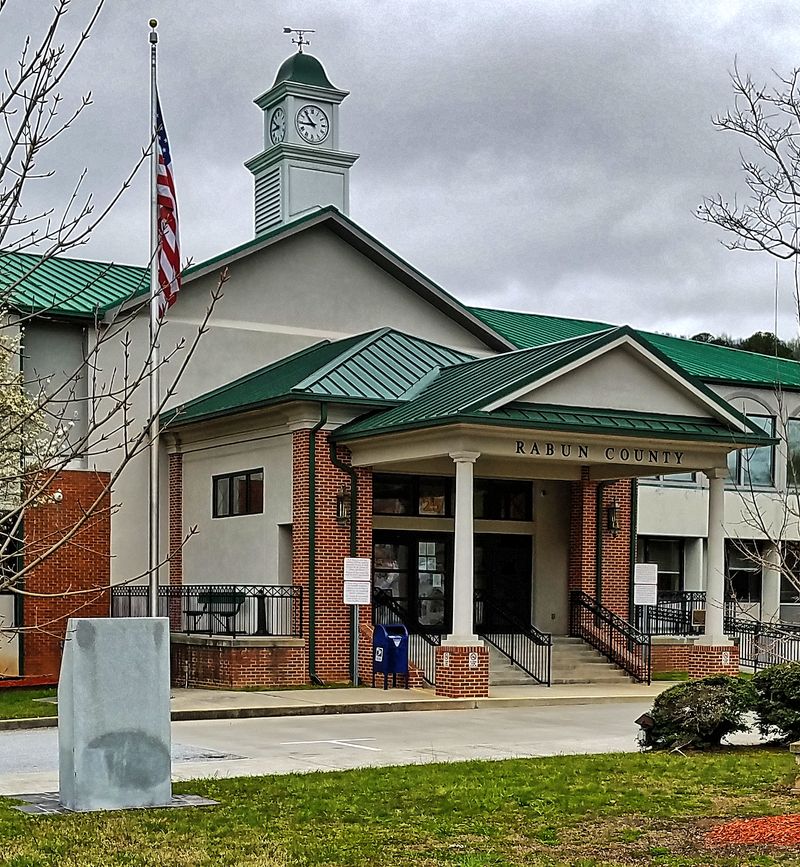
Rabun County’s courthouse anchors the town center with architectural dignity that modern civic buildings rarely achieve. Built in a traditional style that reflects its mountain setting, the structure has witnessed countless community gatherings, legal proceedings, and civic celebrations.
The surrounding square remains a gathering place where locals meet for festivals, farmers markets, and casual conversations.
Benches positioned around the square still host retired farmers discussing crops and weather patterns. The lawn sees children playing while their parents conduct business inside various county offices.
This central location functions exactly as courthouse squares were originally intended: as the literal and figurative heart of community life in Georgia.
Unlike many towns that have relocated government functions to modern complexes on the outskirts, Clayton keeps its civic center exactly where it has always been. The decision maintains foot traffic downtown and preserves the traditional relationship between government and citizens.
Walking across this square connects you directly to generations of Rabun County residents who traversed the same path.
Traditional Southern Diners And Cafes
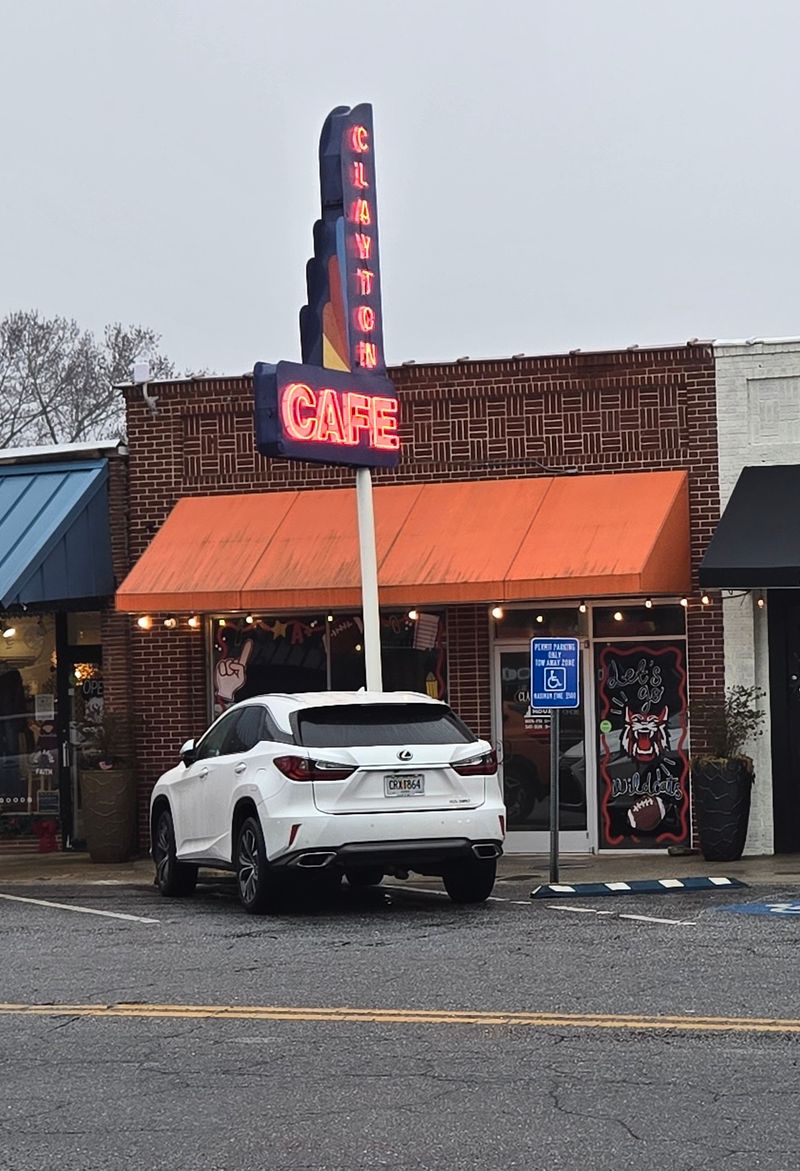
Clayton’s dining establishments serve meals that taste like your grandmother’s cooking because many recipes actually have been passed down through families for generations. Breakfast platters arrive with biscuits made from scratch each morning, not from frozen dough shipped by corporate suppliers.
Lunch specials feature meat-and-three combinations that change daily based on what’s fresh and seasonal.
The waitresses know most customers by name and remember their usual orders without needing to ask. Coffee cups get refilled automatically, and conversation flows freely between tables as neighbors catch up on local news.
These aren’t trendy farm-to-table restaurants making a marketing statement but genuine establishments that have always sourced locally because that’s simply how things are done.
Prices remain remarkably reasonable compared to tourist-oriented mountain towns where inflated costs drive away locals. You can still enjoy a full breakfast for less than what chain restaurants charge for considerably less authentic food.
The value reflects a community that hasn’t forgotten its working-class roots.
Community Events That Haven’t Changed
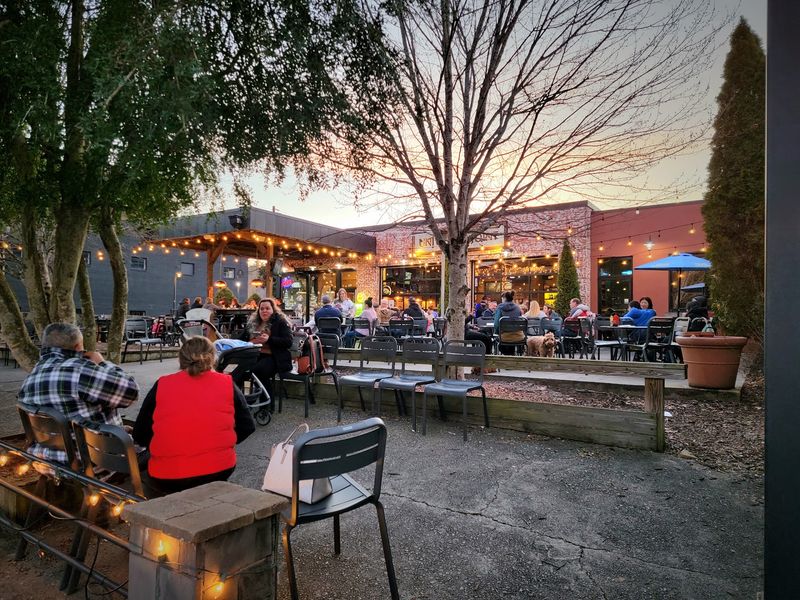
Annual celebrations in Clayton follow patterns established generations ago, with the same activities, locations, and even many of the same participating families. Seasonal festivals don’t feature corporate sponsors or imported entertainment but rather local musicians, homemade crafts, and food prepared by community organizations.
These gatherings serve genuine social functions rather than existing primarily as tourist attractions.
Everyone seems to know everyone else at these events, creating an inclusive atmosphere where visitors feel welcomed into an existing community rather than catered to as customers. Children play games that don’t require electronics, and conversations happen face-to-face instead of through screens.
The simplicity feels refreshing rather than backward.
Fundraisers for local causes still rely on bake sales, raffles, and volunteer labor rather than professional event planners and marketing campaigns. This grassroots approach keeps events affordable and accessible to all residents regardless of income.
The focus remains on bringing people together rather than maximizing revenue, which explains why these traditions have survived when so many others have disappeared across Georgia.
Neighbors Who Actually Know Each Other
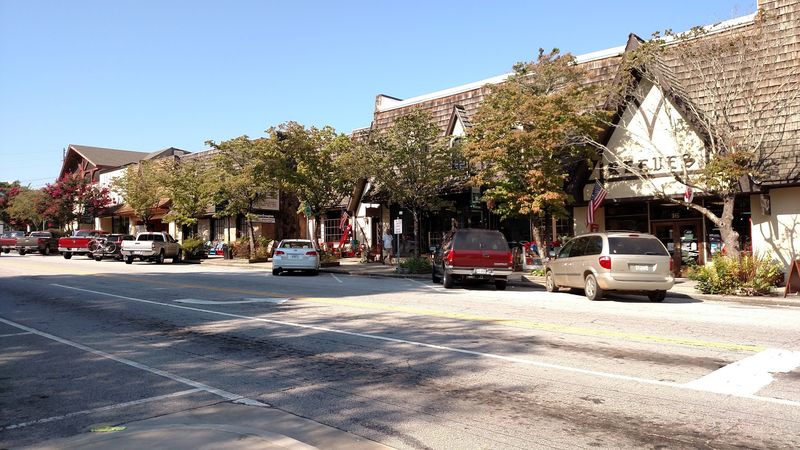
In Clayton, people still sit on their front porches in the evenings and wave to neighbors walking by. Conversations happen over fences, at mailboxes, and during chance encounters at the post office.
This level of social connection has vanished from most American communities, replaced by privacy fences, garage door openers, and digital communication that eliminates face-to-face interaction.
Residents look out for each other’s properties, collect mail during vacations, and notice when something seems unusual. This informal neighborhood watch system doesn’t stem from paranoia but from genuine relationships and shared investment in the community’s wellbeing.
People care about their neighbors because they actually know them as individuals rather than strangers who happen to live nearby.
The social fabric extends across generations, with older residents mentoring younger ones and families maintaining connections that span decades. This continuity creates stability and shared history that newer developments in Georgia simply cannot replicate.
When everyone knows everyone else, accountability and mutual support become natural rather than forced through formal programs or initiatives.
Mountain Setting That Defines Everything
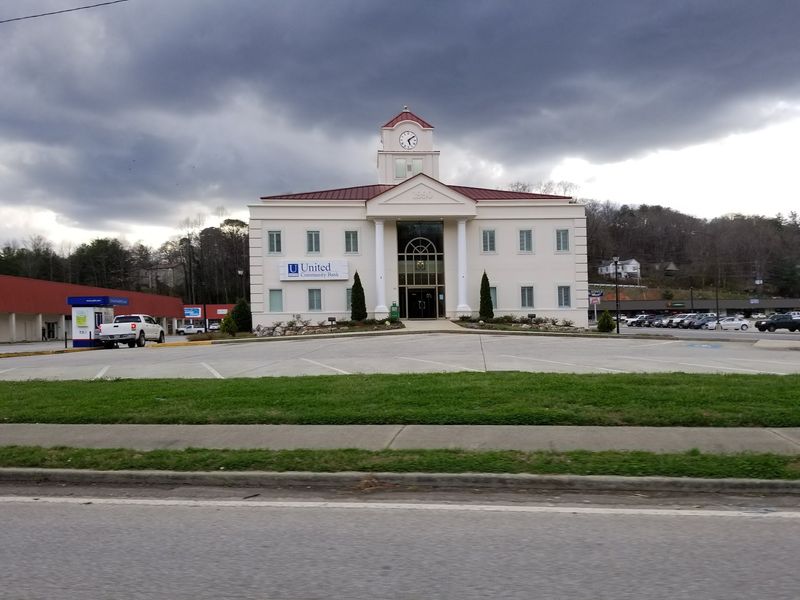
The Blue Ridge Mountains surround Clayton in every direction, creating a geographic isolation that has protected the town from the rapid development consuming Georgia’s more accessible areas. These ancient peaks don’t just provide scenic beauty but actually shape the community’s character and pace of life.
Mountain culture emphasizes self-reliance, neighborliness, and respect for tradition in ways that lowland areas have largely abandoned.
The challenging terrain limited industrial development and prevented the kind of explosive suburban growth that transformed communities with easier access to major highways. What might seem like economic disadvantage actually preserved Clayton’s authentic character by making it less attractive to developers seeking quick profits.
The mountains literally kept the modern world at a comfortable distance.
Residents maintain a connection to the landscape that goes beyond recreational appreciation. Many families have lived in these mountains for generations, with deep knowledge of the land and weather patterns.
This rootedness creates stability and continuity that transient populations cannot achieve. The mountains aren’t just a backdrop but an integral part of what makes Clayton feel frozen in time.
See How Traditional Skills Are Still Part Of Daily Life
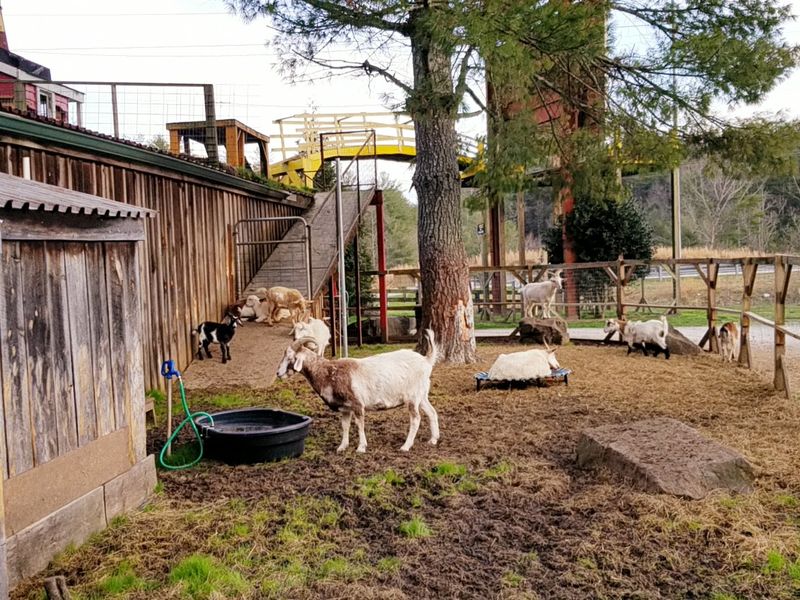
People in Clayton still fix things instead of automatically replacing them. Local residents possess practical skills like carpentry, plumbing, automotive repair, and gardening that have become rare in communities where everyone outsources physical work to specialists.
This self-sufficiency reflects both economic necessity and cultural values that prioritize capability over convenience.
Younger generations learn these skills from parents and grandparents rather than through formal vocational programs. Knowledge gets passed down through hands-on experience and apprenticeship-style relationships.
The result is a population that can solve problems independently rather than calling professionals for every minor issue. This competence creates resilience that wealthier, more dependent communities lack.
The emphasis on practical skills also supports local economy by keeping money circulating within the community. When residents can repair their own equipment or help neighbors with projects, they reduce dependence on outside contractors and corporate service providers.
This economic self-reliance, combined with traditional knowledge, helps explain why Clayton feels so different from towns in Georgia where everyone relies on hired experts for basic tasks.
A Pace Of Life Worth Preserving
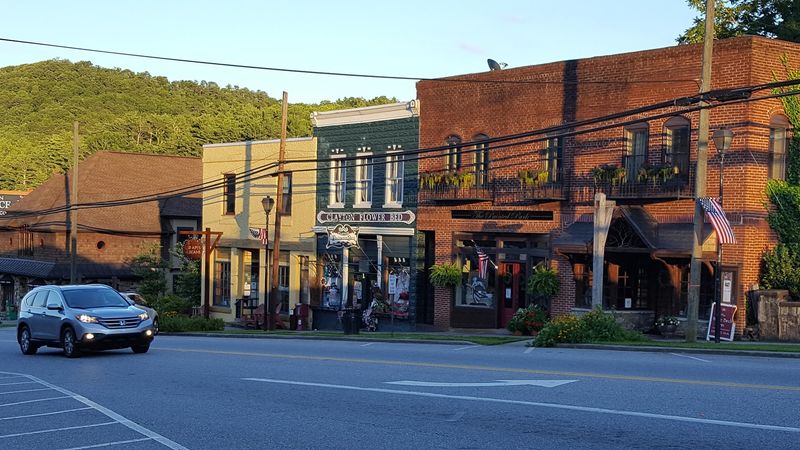
Time moves differently in Clayton, measured by seasons and community rhythms rather than corporate schedules and digital notifications. Businesses close at reasonable hours so owners can spend evenings with their families.
Sundays remain genuinely quiet as the community observes traditional rest days. This slower pace isn’t laziness but a deliberate choice to prioritize quality of life over maximum productivity.
Conversations aren’t rushed, and people take time to actually listen rather than waiting for their turn to talk. Errands become social occasions as much as necessary tasks.
The absence of hurry creates space for genuine human connection and thoughtful decision-making. Residents seem less stressed and more present in their daily activities than people in Georgia’s bustling metropolitan areas.
Visitors often arrive expecting boredom but discover something more valuable: the opportunity to experience life at a human scale. Clayton demonstrates that progress doesn’t require abandoning everything that made communities functional and fulfilling.
Sometimes the best way forward is recognizing what’s worth keeping from the past.