
10 South Dakota Towns Where Rising Property Taxes Are Driving Longtime Homeowners Away
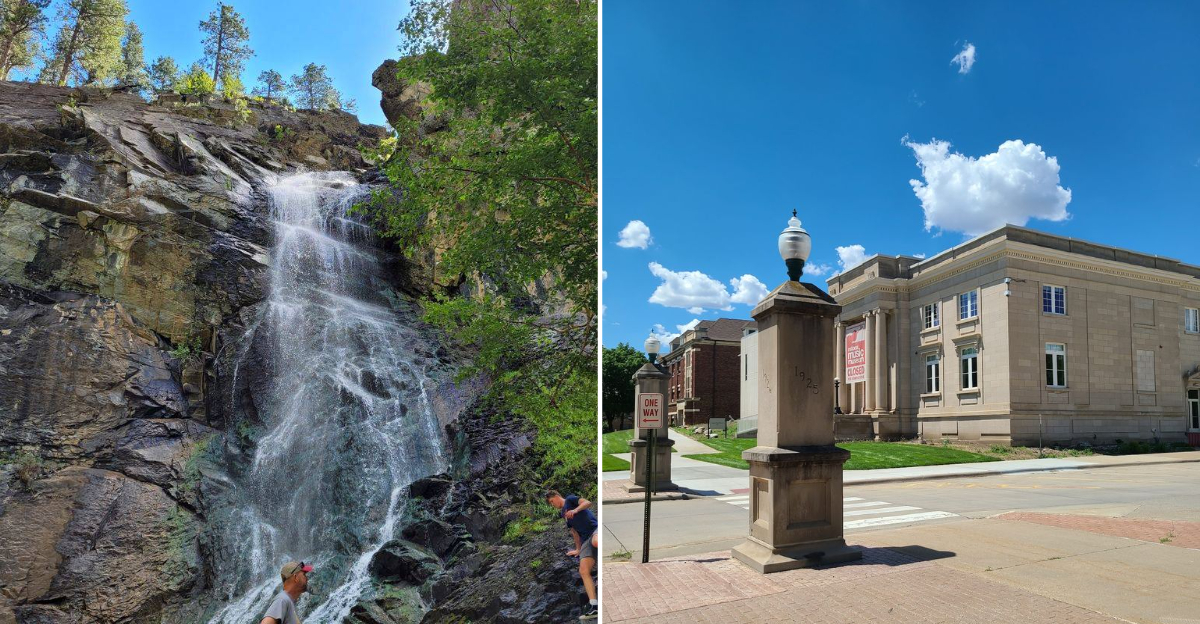
Property taxes rarely make headlines until the numbers climb high enough for longtime residents to start questioning whether staying still makes sense. These South Dakota towns have reached exactly that point recently.
Rising home values pushed assessments higher across these areas, even for homeowners with no plans to sell. Longtime residents on fixed incomes feel the increase hardest, since income rarely rises to match new bills.
Local governments point to infrastructure needs and rising costs to justify the hikes. Residents point to their bank accounts and see a very different kind of math.
Some families have already started discussing whether relocating makes more financial sense long term. These towns represent a growing pattern across the state, one that shows no sign of reversing soon.
1. Custer
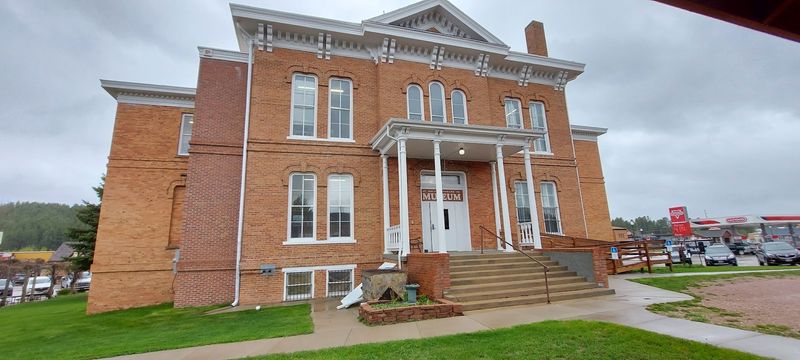
Custer might look like a postcard, but the property tax bills arriving in mailboxes lately are no joke. Over the past several years, property taxes in Custer County have jumped significantly.
That is a serious hit for families who have lived here for generations.
The effective tax rate sits above the national median, and annual bills have climbed to levels that feel less like a bill and more like a slow-motion eviction notice for retirees living on fixed incomes.
What makes this so painful is how much people love this place. Custer is one of the oldest settlements in the Black Hills, surrounded by stunning granite spires and quiet meadows perfect for hiking.
The 1881 Courthouse Museum alone is worth the visit, giving you a real window into frontier life.
People do not move here for luxury. They move here for the pace, the scenery, and the community.
Losing that because of skyrocketing assessments feels deeply unfair to the folks who built their lives here.
South Dakota has no cap on how much assessed property values can jump year to year, which means the market can drag your tax bill up with zero warning. Custer residents know this reality all too well.
2. Sturgis
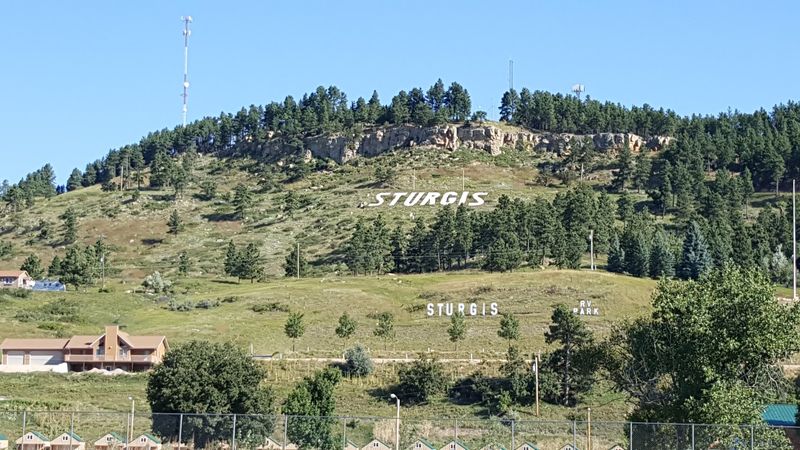
Most people hear “Sturgis” and immediately picture motorcycles roaring down the highway every August. But the residents who actually live here year-round are dealing with a very different kind of noise.
Property assessment values in Meade County have surged dramatically in recent years. That is not a typo.
Property taxes followed that surge with significant increases over the same period. The city council approved additional mill levy increases for 2024.
Meade County has also passed a sales tax measure aimed at giving homeowners some relief, but critics worry that it just shifts the burden to renters and lower-income families.
Beyond the tax drama, Sturgis genuinely has a lot going for it. Bear Butte State Park rises dramatically just outside of town and holds deep spiritual significance for many Native American communities.
The Sturgis Motorcycle Museum and Hall of Fame draws visitors who want the full experience without the rally chaos. Longtime residents love the small-town feel and the access to Black Hills scenery.
Losing neighbors who can no longer afford to stay changes the whole character of a community. That is the real cost nobody talks about enough.
3. Hot Springs
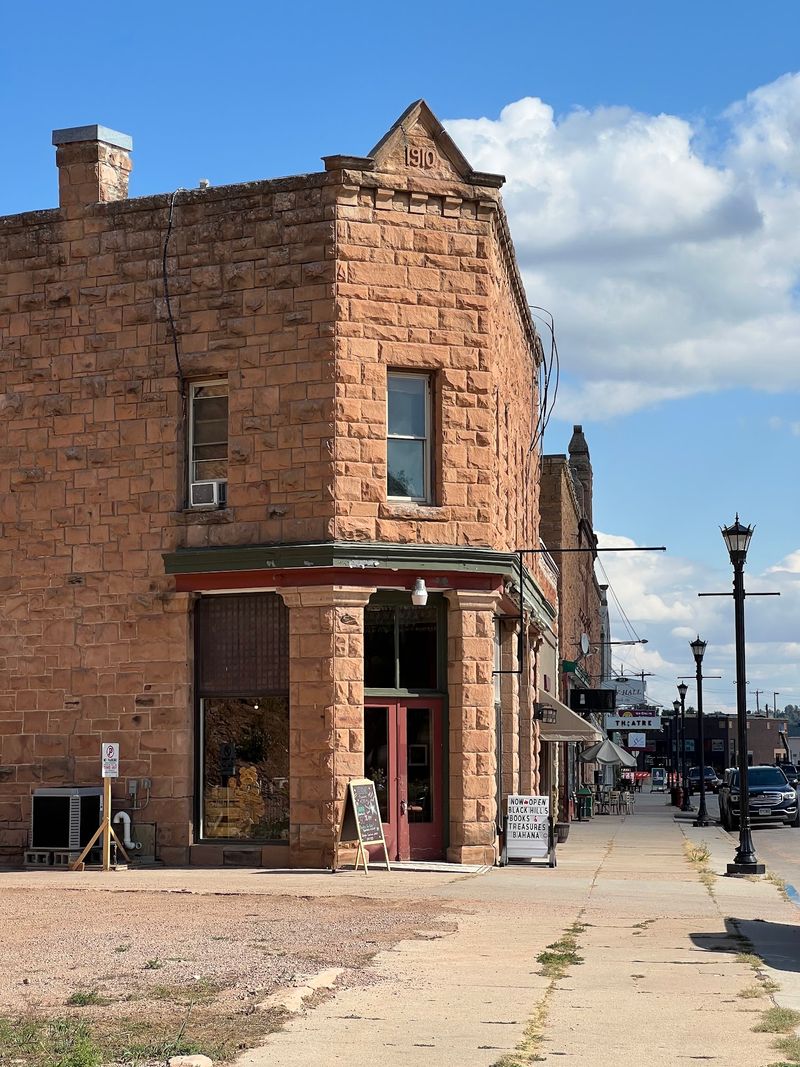
Hot Springs has a character unlike anywhere else in South Dakota. The downtown is built almost entirely from rosy-pink sandstone, and the Fall River literally flows right through it.
It is the kind of place where people retire and never want to leave. Unfortunately, the tax situation is making that harder every year.
Fall River County has seen dramatic assessment increases in recent years, with property taxes following that surge over the same stretch. Some homeowners are reporting significant valuation spikes in a single year.
For retirees on fixed incomes, that kind of unpredictability is genuinely stressful. There is no state cap to protect them from runaway market valuations.
The irony is that Hot Springs attracts people specifically because it feels affordable and peaceful. Evans Plunge, one of the world’s largest natural warm water pools, has been a community gathering spot for over a century.
The Mammoth Site is a world-class paleontological dig right inside city limits, where Ice Age fossils are still being uncovered.
Families and retirees alike chose this town for its warmth, literally and figuratively. Watching longtime neighbors pack up because they cannot keep pace with rising bills is a gut punch for a community this tight-knit.
State lawmakers are working on solutions, but the clock is ticking for many residents.
4. Deadwood
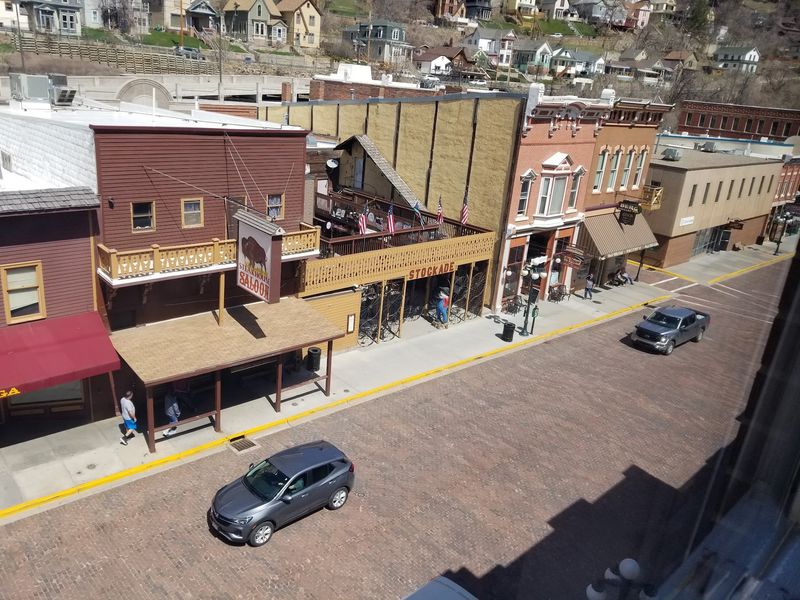
Deadwood is literally a National Historic Landmark. The whole town.
Every building on Main Street carries a story from the Wild West era, and walking through it feels like time travel in the best possible way. But the residents who call it home are facing a very modern problem: a tax bill that keeps going up.
Lawrence County, which includes Deadwood, has seen dramatic assessment jumps in recent years, with property taxes following that surge over the same period.
Local officials are also exploring a sales tax option to help ease the burden on homeowners, though details are still being worked out.
Living in a historic landmark town sounds glamorous until you realize it comes with all the pressures of a tourist economy. Property values get pulled upward by outside interest, but local wages and retirement incomes do not keep pace.
Longtime residents feel caught between a place they love and a financial reality that is closing in.
Main Street, where legends like Wild Bill Hickok and Calamity Jane actually walked, is still alive with history. The community wants to preserve that spirit.
But displacement is a real threat when your neighbors are being taxed out of the homes their grandparents owned. 686 Main St, Deadwood, SD 57732.
5. Spearfish
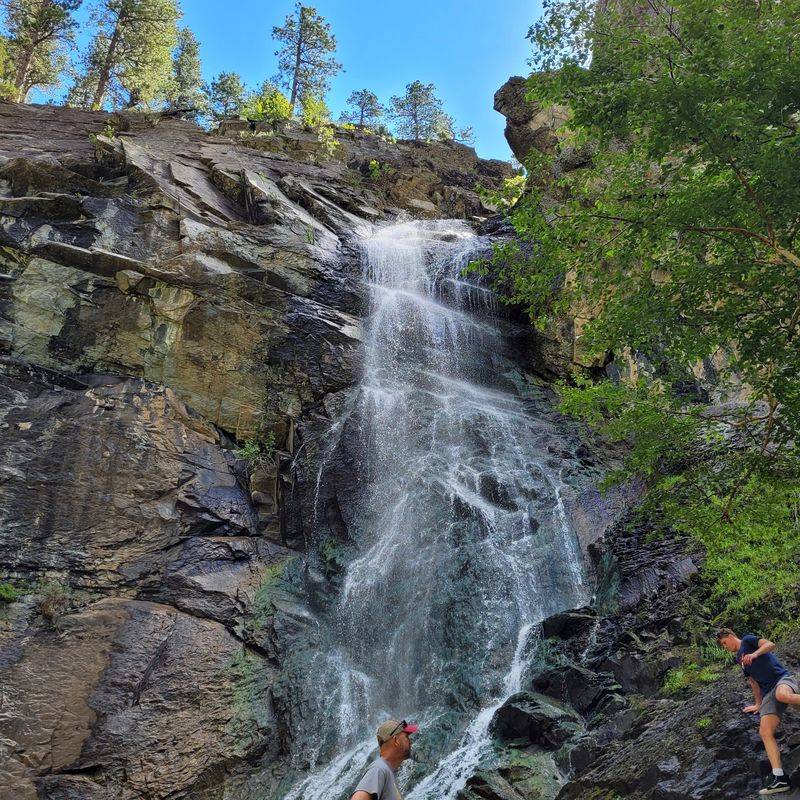
This place has been quietly becoming one of the most desirable places to live in the entire Black Hills region. The canyon alone is worth moving here for, with waterfalls, towering limestone walls, and wildlife around every bend.
But popularity has a price, and residents are starting to feel it in their annual tax statements.
Spearfish sits in Lawrence County and shares those county-level assessment increases from recent years. City projections also point to additional property tax increases in the coming years.
For a town that many people chose precisely because it felt more affordable than larger cities, those numbers are landing hard.
The D.C. Booth Historic National Fish Hatchery is one of those local gems that out-of-towners walk past and residents take totally for granted.
Spearfish Creek runs right through town and is a beloved spot for fly fishing on a quiet afternoon. The community has a strong arts scene and a downtown full of local businesses that give it real personality.
Growing pains are real here. New residents are arriving, values are climbing, and the people who were here first are the ones absorbing the financial shock.
It is a familiar story across the Black Hills, but it stings just as much every time.
6. Watertown
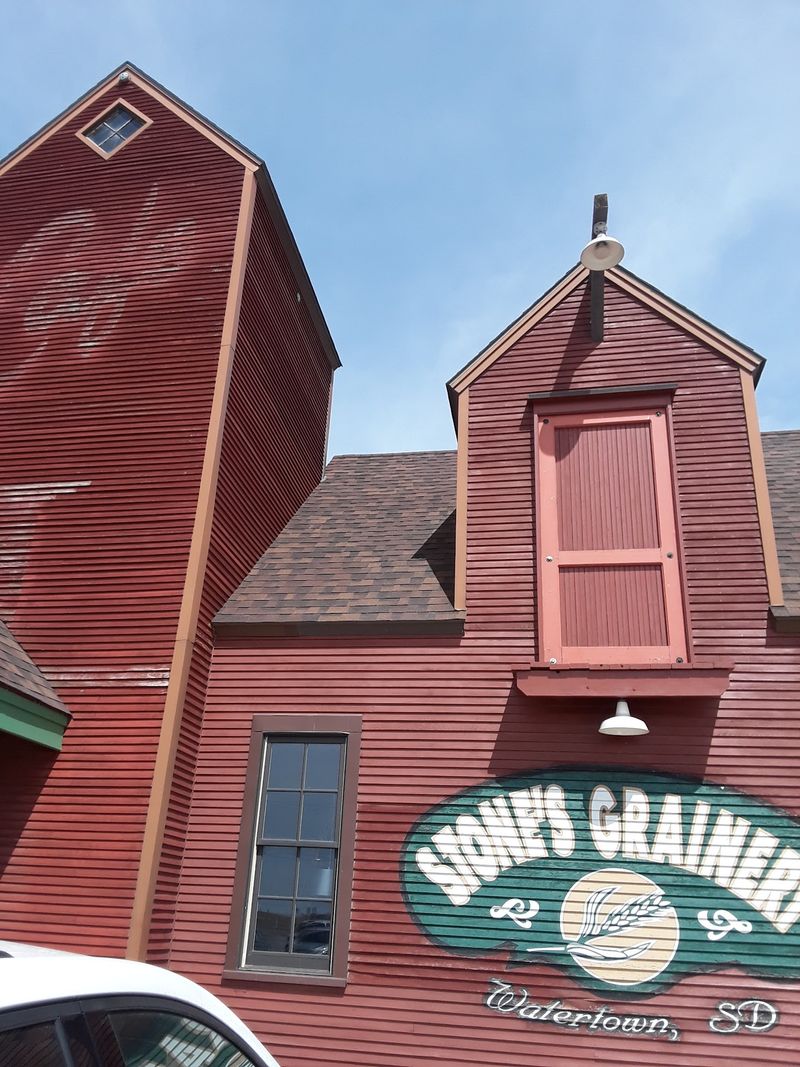
Watertown does not always make the headlines, but the people who live there know exactly how special it is. Surrounded by Lake Kampeska, Pelican Lake, and the Big Sioux River, it is a water lover’s dream in the middle of the Great Plains.
Lately, though, the conversation around kitchen tables has shifted to property taxes.
Codington County, where Watertown sits, approved a sales tax measure to help offset property tax burdens for homeowners, with changes taking effect in early 2027. Sounds helpful, right?
The catch is that some residents see it as a tax shift rather than real relief. Renters, who had nothing to do with the property valuation spike, end up paying more through higher sales taxes.
The effective tax rate in Watertown is relatively moderate compared to some neighboring areas, but the trend line is still moving upward.
The Terry Redlin Art Center is one of those places that stops you cold the moment you walk in. Redlin’s wildlife paintings capture the prairie and wetlands of South Dakota with jaw-dropping precision.
It is a point of local pride and a genuine tourist draw.
Watertown has always felt like a community that looks out for its own. The challenge now is making sure the policies meant to help homeowners do not accidentally hurt the renters and young families who are also part of that community.
7. Brookings
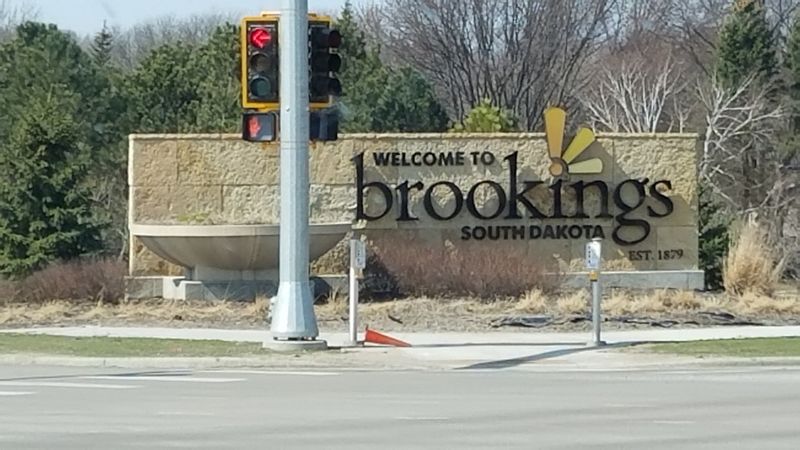
Brookings has energy. It is a college town with a buzz that comes from South Dakota State University, a thriving arts community, and a local food scene that punches above its weight for a city this size.
But even lively college towns are not immune to the property tax pressure hitting communities across the state.
Property tax levies in Brookings have increased in recent years. What makes Brookings stand out from some other counties is the decision by county officials not to adopt the new county sales tax option for homeowner relief.
Their reasoning was straightforward: they did not want to shift the financial burden onto renters and students, who are already stretching tight budgets.
It is a principled stance, but it also means homeowners here are absorbing more of the increase without an offset.
McCrory Gardens on the SDSU campus is one of the most underrated green spaces in the whole state. Hundreds of plant varieties bloom across themed garden sections, and it is completely free to visit.
Dakota Nature Park transformed a former landfill into a trail system with fishing and kayaking, which is honestly one of the best glow-ups in South Dakota history. The Children’s Museum of South Dakota brings families in from across the region.
Brookings has so much going for it, which is exactly why longtime residents are fighting to stay as taxes creep upward year after year.
8. Vermillion
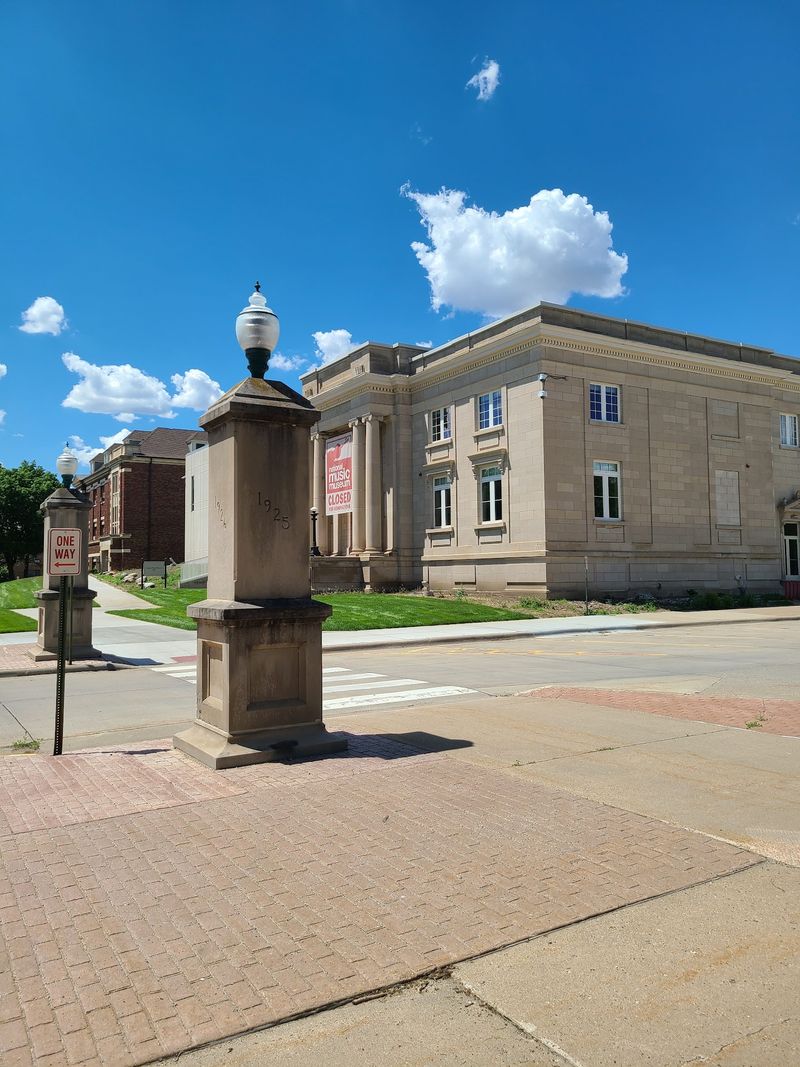
A place like this sits on a bluff above the Missouri River, and on a clear day, the view is the kind that makes you understand exactly why someone would choose to build a life here. It is a charming college town with a strong sense of identity.
But right now, residents are dealing with property tax increases that are genuinely alarming even by South Dakota standards.
Some Vermillion homeowners have reported their property taxes jumping dramatically in less than twelve months. Residents have documented increases that doubled their bills in a single year.
That is not a gradual adjustment. That is a financial gut punch.
People who planned their retirements around predictable housing costs are suddenly doing emergency math. Landlords, facing the same increases, are passing the costs on to renters, which means the pain spreads well beyond just property owners.
The W.H. Over Museum does a beautiful job telling the story of Native American and pioneer culture in the region.
Spirit Mound State Park carries real historical weight as a site noted by Lewis and Clark during their famous expedition.
The National Music Museum on the University of South Dakota campus holds one of the most remarkable collections of historic instruments anywhere in the world.
Vermillion has culture, history, and community in abundance. What it needs now are policies that keep the people who built those things from being taxed right out of the town they love.
9. Harrisburg
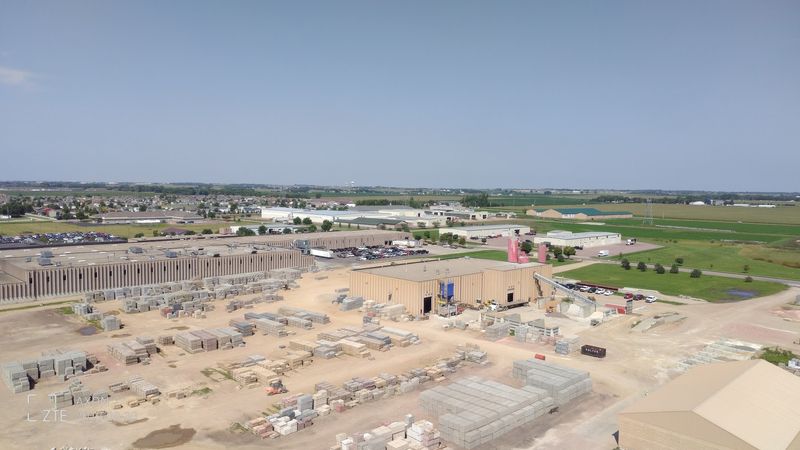
Harrisburg is booming, and there is no other word for it. Located in northern Lincoln County just south of Sioux Falls, it has been one of the fastest-growing communities in South Dakota for years.
New subdivisions, new schools, new parks. It all sounds great until you look at what that growth is doing to property tax bills.
Owner-occupied home taxes in Lincoln County have risen significantly over the past five years. Harrisburg now carries some of the highest property taxes in the entire state, and the median annual bill has climbed to levels that catch your attention.
Long-term residents who bought here when it was a quiet rural community are now sitting on properties assessed at values that reflect a completely different town than the one they moved into.
Lake Alvin Recreation Area is a genuine local treasure, offering swimming, boating, and fishing just minutes from town. The trail network that Harrisburg is building for bikers and walkers shows real commitment to community livability.
Local parks are well-maintained and family-friendly. The town has ambition, and it shows.
But rapid growth without thoughtful tax policy creates winners and losers. The winners are often newer, wealthier arrivals.
The losers are frequently the people who were here first, watching their community transform while struggling to afford staying in it.
10. Rapid City
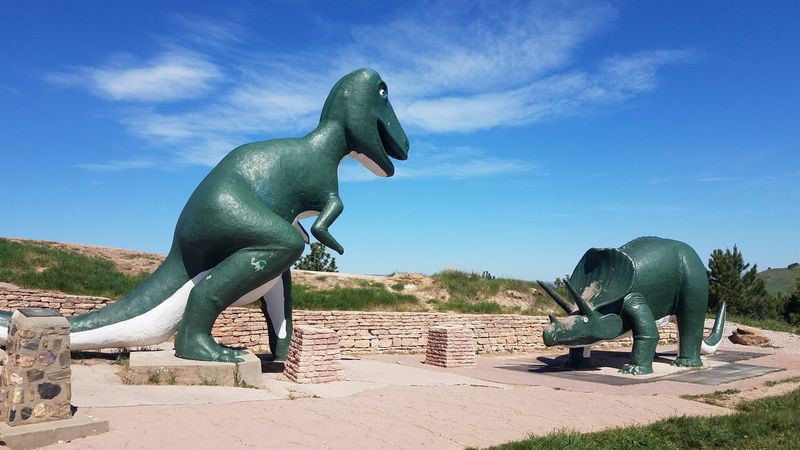
Rapid City calls itself the Gateway to the Black Hills, and honestly, the name fits. Mount Rushmore is a short drive west.
Crazy Horse Memorial is not far behind. Downtown is lined with “City of Presidents” bronze sculptures that make every block feel like a history lesson.
It is a genuinely exciting place to live. But the tax situation here has been getting harder to ignore.
Pennington County has seen significant jumps in owner-occupied property values in recent years, with property taxes rising substantially over the same period.
The county is developing a sales tax ordinance aimed at providing property tax relief for homeowners, following a trend seen in other South Dakota counties. Whether that actually helps or just shuffles the burden remains to be seen.
Dinosaur Park perched on a hilltop above the city offers free prehistoric fun and sweeping views of the entire region.
The downtown arts scene has been growing steadily, with galleries, live music, and locally owned restaurants giving the city real character beyond its tourist attractions.
Rapid City has always attracted people who want access to outdoor adventure without giving up urban conveniences. The worry is that rising taxes will gradually push out the longtime residents who gave this city its soul long before it became a destination.