
This Forgotten New York Train Station Hid An Old-School Diner Inside
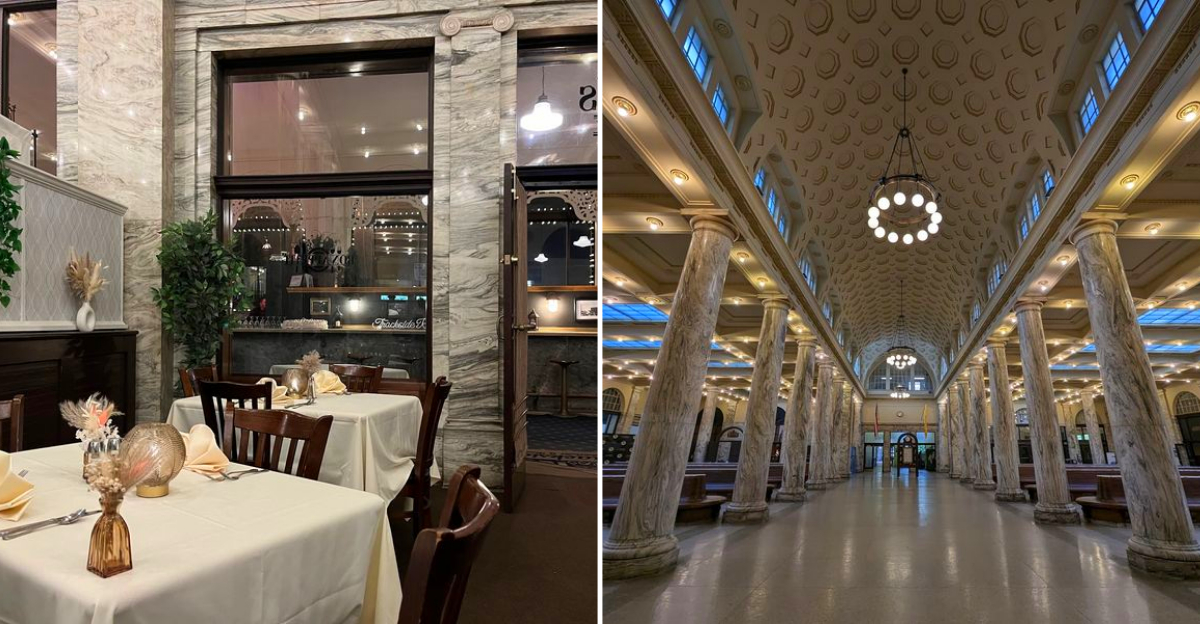
Most people walking through this New York train station never once looked up.
Big mistake, honestly, because 47 feet overhead sat a vaulted ceiling worth craning your neck for, and for more than a decade, an old-school family restaurant served plates of Italian American cooking right underneath it.
A working station and a full dining room, sharing the same grand roof like it was the most normal thing in the world. The whole setup sounds made up until you picture it actually running.
Trains pulling in and out on schedule. Travelers parked on long wooden benches, luggage at their feet, waiting on a connection.
And weaving right through all that, the smell of red sauce and garlic doing battle with a room built for marble-column grandeur instead of comfort food.
That strange, wonderful mismatch is exactly why railroad buffs and food lovers still can’t stop bringing it up, long after the last plate went out.
A Dining Room Under A Cathedral Ceiling
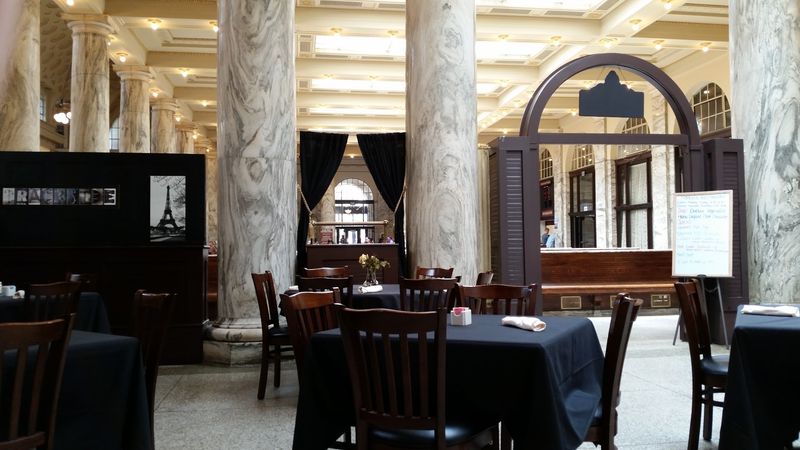
Few places let you eat lunch beneath a ceiling that soars 47 feet overhead. The waiting room here stretches across 15,000 square feet, held up by 34 marble columns that gleam under soft light.
Terrazzo floors carry the sound of footsteps and rolling suitcases. Long wooden benches line the space, and they hide a clever trick from another era.
Steam pipes and vents run right through them, so the seats warm up on cold central New York mornings.
Diners sat at tables just off that concourse, close enough to hear announcements and watch travelers pass. The setting turned an ordinary meal into something memorable.
Marble revetments cover the walls, giving the room a hush that most restaurants can only wish for. Even with doors opening onto the platform, conversation carried well between tables.
Old railroad clocks, eagle sculptures above the entrance, and Italianate stonework all add to the mood. Guests often looked up more than they looked down at their plates.
Eating inside a working landmark gives a meal weight. The building was already famous.
The restaurant simply gave people a reason to linger inside it.
Trackside Restaurant And Its Main Street Address
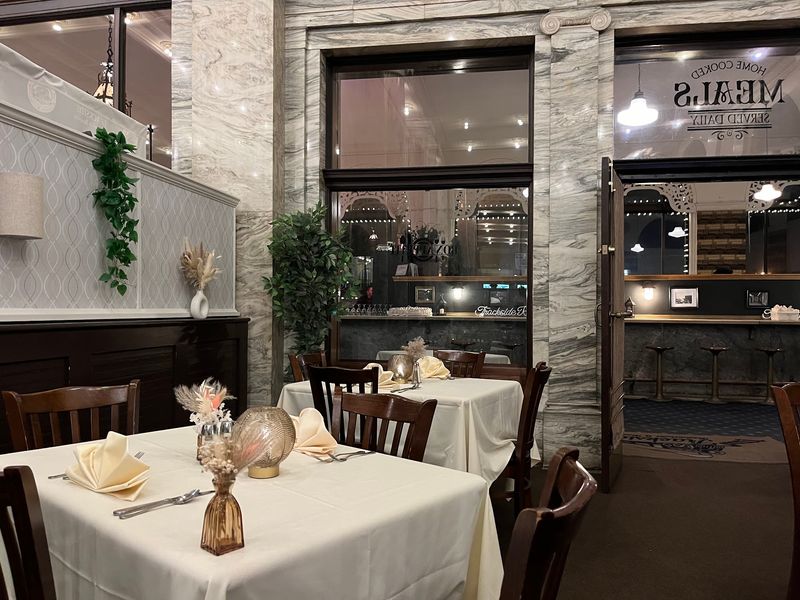
The name fit the setting perfectly. Trackside Restaurant operated inside the Boehlert Transportation Center at Union Station, 321 Main Street in Utica, New York, serving guests just steps from the platforms.
Doors opened around December 1, 2012. Former Blue Flag chef Richard Goodman and his wife Cheryl Zammiello ran the place, and they leaned into family style cooking from the start.
Regulars called it a Utica staple. Amtrak passengers made a habit of riding in, having lunch, and riding home again.
The dining room felt homey rather than fussy, which suited a building this grand. Big architecture, comfortable food, and a friendly welcome made an easy match.
Beyond the main room, three private event spaces hosted showers, birthdays, holiday dinners, and wedding receptions. Staff let families decorate the night before and bring their own cake.
Lunch ran on weekdays, with dinner service on Friday and Saturday nights. That schedule made weekend reservations feel like a small occasion.
Trackside served its final meal on December 20, 2025, after a lease dispute with Oneida County. The station remains open, and the memories of that dining room remain vivid.
Chicken Riggies, The Local Legend On Every Table
Ask anyone in the Mohawk Valley about regional food and one dish comes up first. Chicken riggies belong to Utica the way cheesesteaks belong to Philadelphia.
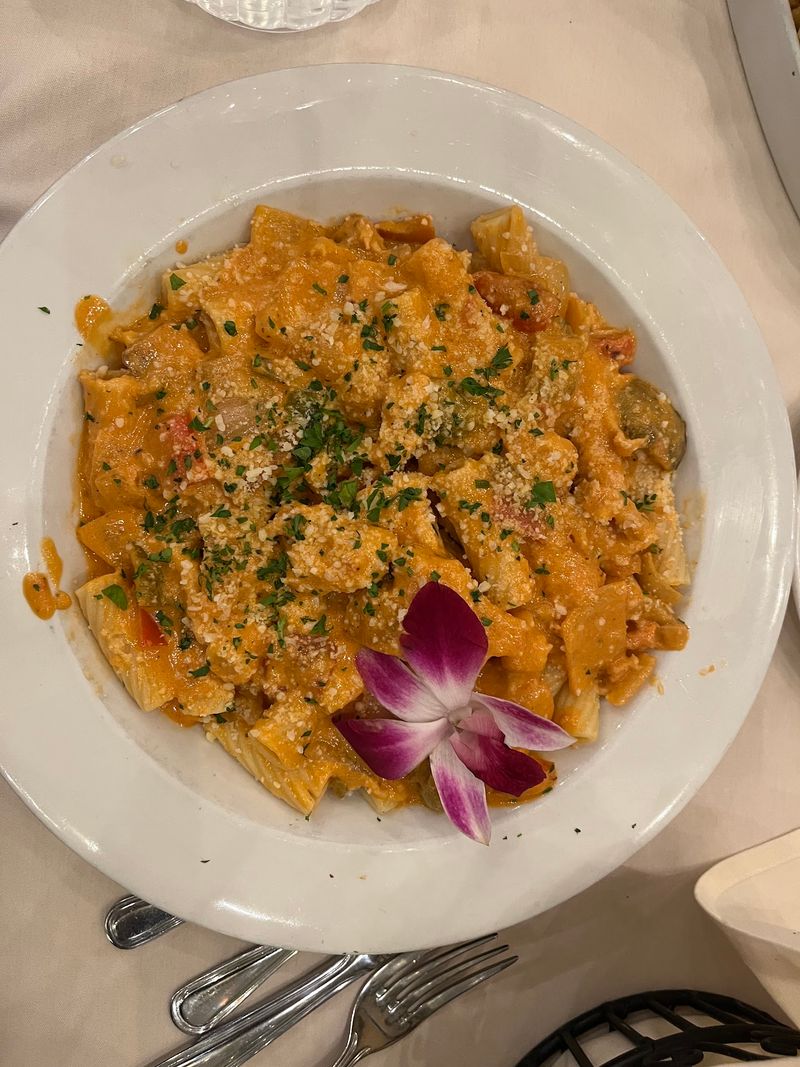
Rigatoni, chicken, peppers, and a creamy tomato sauce make up the basics. Every kitchen tweaks the ratio, and locals argue about the results with real conviction.
Trackside built its reputation partly on this plate. Guests mentioned the riggies more than almost anything else on the menu.
Presentation went a step beyond the usual. Orders sometimes arrived crowned with an edible orchid, which is a rather fancy hat for a pasta dish.
The sauce struck a middle path between sweet and spicy. Sharp bites of pepper cut through the cream, and the chicken stayed tender instead of stringy.
Pair it with greens, another central New York specialty made from escarole, garlic, and hot peppers. The version here kept a bit of snap rather than cooking down to mush.
For visitors passing through the station, ordering riggies was the fastest way to taste the city. One forkful explained a whole region.
Homemade Pasta Worth Slowing Down For
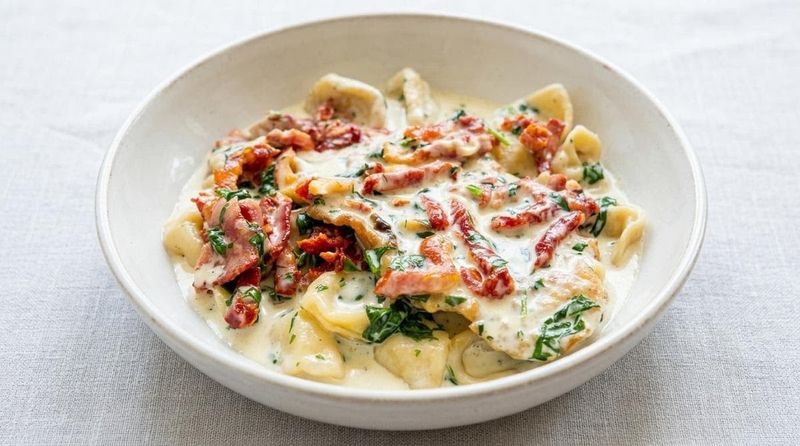
Fresh pasta has a texture that boxed noodles never quite reach. The kitchen here rolled cavatelli and gnocchi by hand, and the difference showed up in every bite.
Cavatelli came out chewy and ridged, holding sauce in all the right grooves. Gnocchi arrived pillowy rather than heavy, which is harder to pull off than it sounds.
Shrimp scampi rounded out the pasta side of the menu with a creamy, garlicky finish. Seafood specials rotated through the week, including halibut when the kitchen could get it.
Portions leaned generous, in keeping with the family style approach. Nobody left the table wondering where the rest of the meal went.
Meals often started with the Treasure Salad, an unusual mix that guests requested by name. The dressing earned as much praise as the greens themselves.
Between courses came a small scoop of lemon sorbet. The cold, tart bite reset the palate before the main plate arrived, a small courtesy that felt refreshingly old fashioned.
Details like that turned dinner into an event rather than a stop between trains.
Burgers, Sandwiches And Midday Comfort
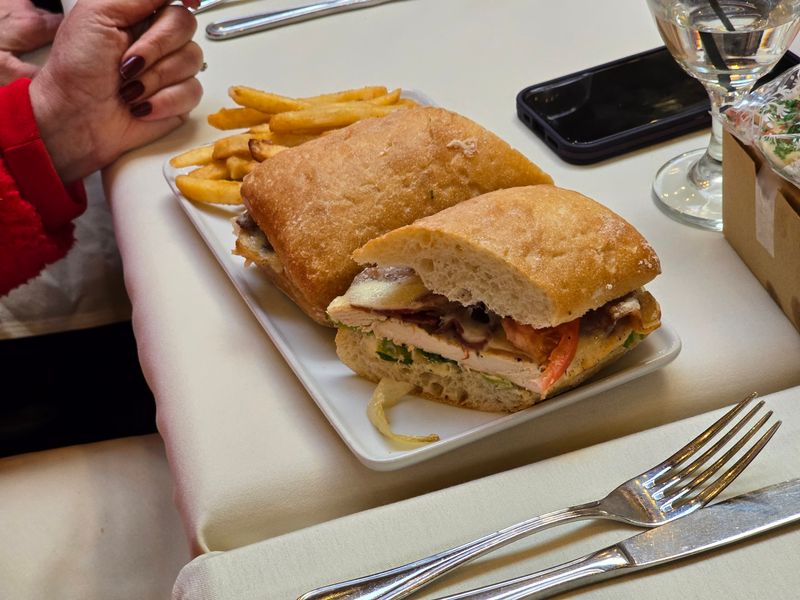
Lunch here ran on a different rhythm than dinner. Weekday afternoons brought office workers, train passengers, and retirees looking for something hearty without a long menu debate.
Burgers held down one corner of the list. Sandwiches took up another, with daily specials rotating to keep regulars guessing.
The balsamic chicken sandwich became a quiet favorite. Ciabatta bread can turn dense and jaw tiring, but this version stayed light, airy, and crisp at the edges.
Soups came out steaming and simple. Salads arrived big enough to count as a meal on their own.
Prices at midday landed lower than the dinner menu, which made a station lunch an easy yes. Riding Amtrak in for a bite and riding home became a small tradition for some.
Service ran friendly, and staff were used to travelers watching the clock. Telling your server about a train to catch was a normal request.
Comfort food in a marble hall is an odd pairing on paper. In practice it worked beautifully, and the contrast was half the fun.
Three Private Rooms Built For Celebrations
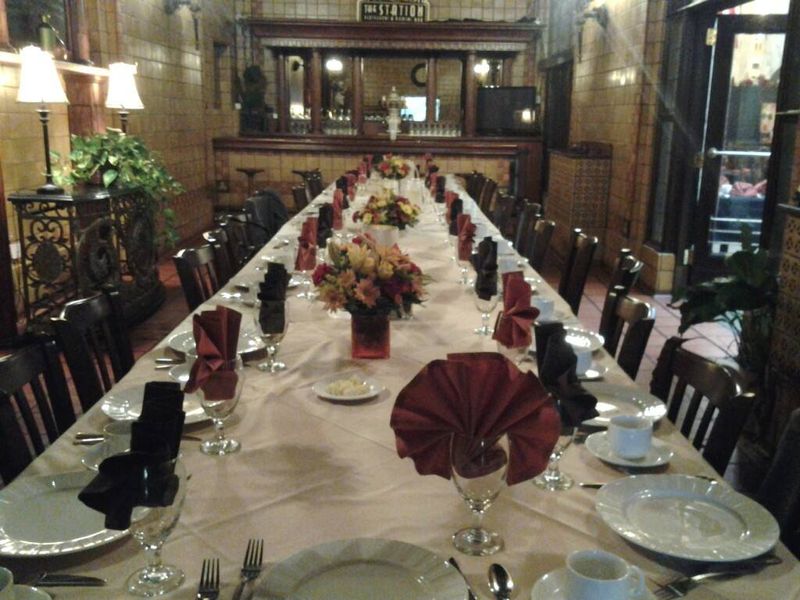
Party planning gets easier when the venue already looks spectacular. Trackside kept three private event rooms, each ready for gatherings large and small.
Wedding receptions filled the calendar. So did baby showers, milestone birthdays, company holiday dinners, and family reunions.
Staff handled the heavy lifting on setup and timing. Hosts could decorate the evening before, which took real pressure off the big day.
Menus for events pulled from the same kitchen that served the dining room. Greek chicken, greens, riggies, and the Treasure Salad showed up on many banquet spreads.
Leftovers went home in boxes, cake included. Small gestures like that stick in people’s memories longer than the centerpieces.
The station backdrop did a lot of work for photographers. Marble columns and vaulted ceilings need no extra decoration.
Event coordinators worked closely with families through the planning stretch. Guests consistently described the process as smooth rather than stressful.
Hosting a party inside a National Register landmark is a flex few venues can match. Trackside made it feel welcoming instead of intimidating.
The Architecture That Rivals Grand Central
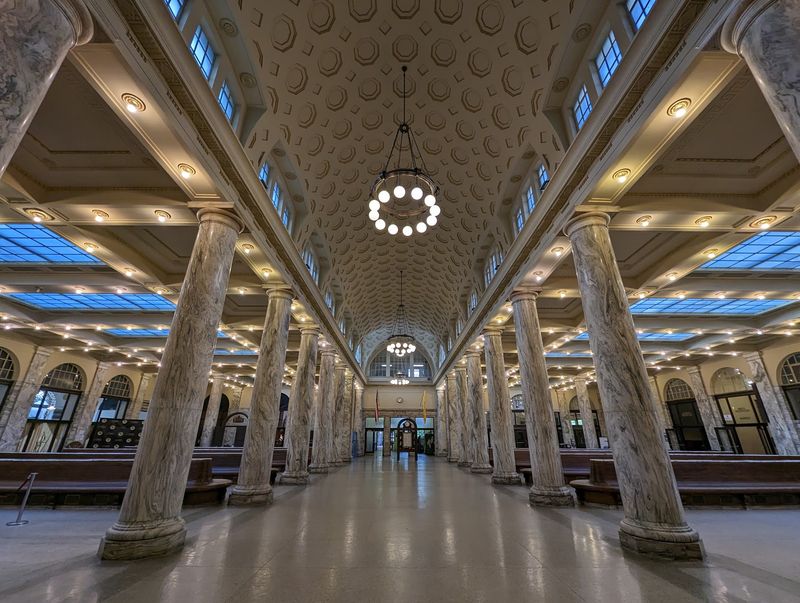
Comparisons to Grand Central Terminal are not idle flattery. The same architects, Stem and Fellheimer of New York, worked on both projects.
Construction ran from 1912 to May 1914, replacing an 1869 building. Crews rerouted the Mohawk River to make it happen, which ranks among the boldest moves in local building history.
The Italianate design pairs a rusticated granite first story with buff brick above. Thirteen bays span the front, fifteen run along each side, and a brick parapet caps the whole thing.
Above the main entrance sits a large clock, flanked by eagle sculptures keeping watch over Main Street.
Original plans called for importing columns once used at Grand Central Terminal itself. The link between the two stations runs deeper than looks alone.
The building reflects the White City movement, a pre World War I push for cleaner Beaux Arts public architecture.
Union Station joined the National Register of Historic Places in 1975. Dining inside a structure like this made an ordinary Tuesday feel like a special occasion.
Why The Station Still Deserves Your Detour
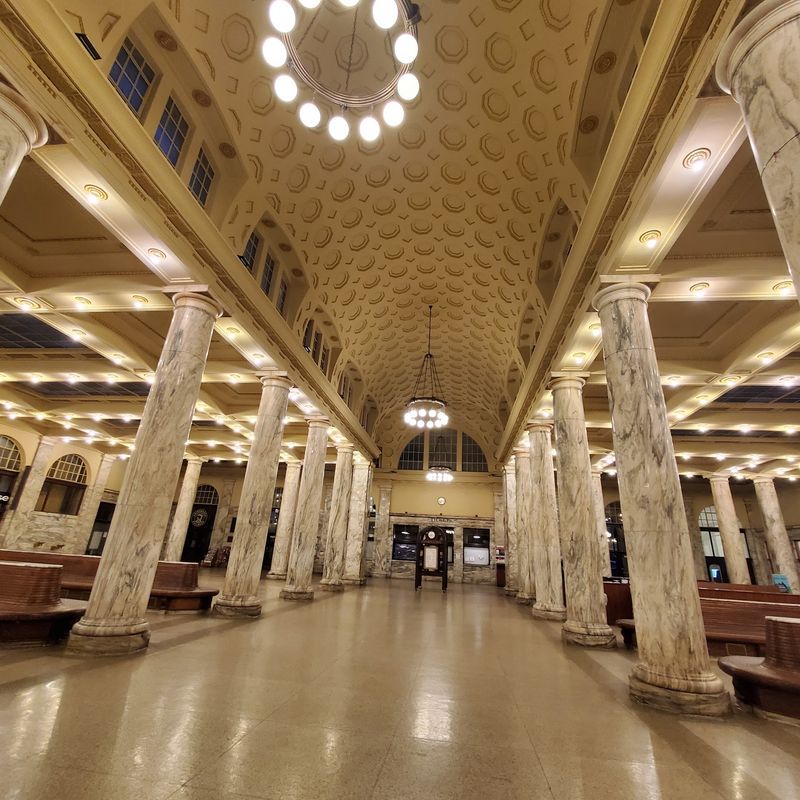
Closing the restaurant did not close the landmark. The Boehlert Transportation Center still hums along, owned by Oneida County and serving both Amtrak and the Adirondack Scenic Railroad.
Union Station holds a rare distinction. It counts among the few American train stations with continuous rail service since opening.
Inside, one of the last barber shops in a working train station keeps its chairs turning. That alone is worth a look.
The grand concourse hosts public events throughout the year, from markets to community gatherings. Check the county tourism listings before you visit.
Ride the Adirondack Scenic Railroad north for a slow, scenic trip through forests and small towns. The departure point could not be more handsome.
Photographers love the light here in late afternoon, when sun angles through the tall windows and stripes the terrazzo floor.
Trackside gave the building a decade of good cooking and warm hospitality. The dining room is quiet now, but the station itself keeps rolling, and New York travelers still owe it a stop.