
8 Ohio Areas Where Black Bear Sightings Are Becoming More Common This Year
Even though most look cuddly, bears can turn extremely aggressive when their young are nearby. It’s best to avoid disturbing them and simply watch from a safe distance.
These Ohio areas have recorded a noticeable increase in sightings this year. Wildlife officials tracked the rise across these specific locations compared to previous seasons.
Expanding bear populations combined with shrinking natural habitat likely explain part of the trend. Warmer months tend to push sightings higher anyway, as bears search further for food sources.
Residents near these areas report more frequent encounters, sometimes within neighborhoods rather than just deep forest. Officials recommend basic precautions like securing trash and avoiding leaving food outside unattended.
These areas remain worth watching closely as the trend continues through the rest of the season.
1. Geauga County
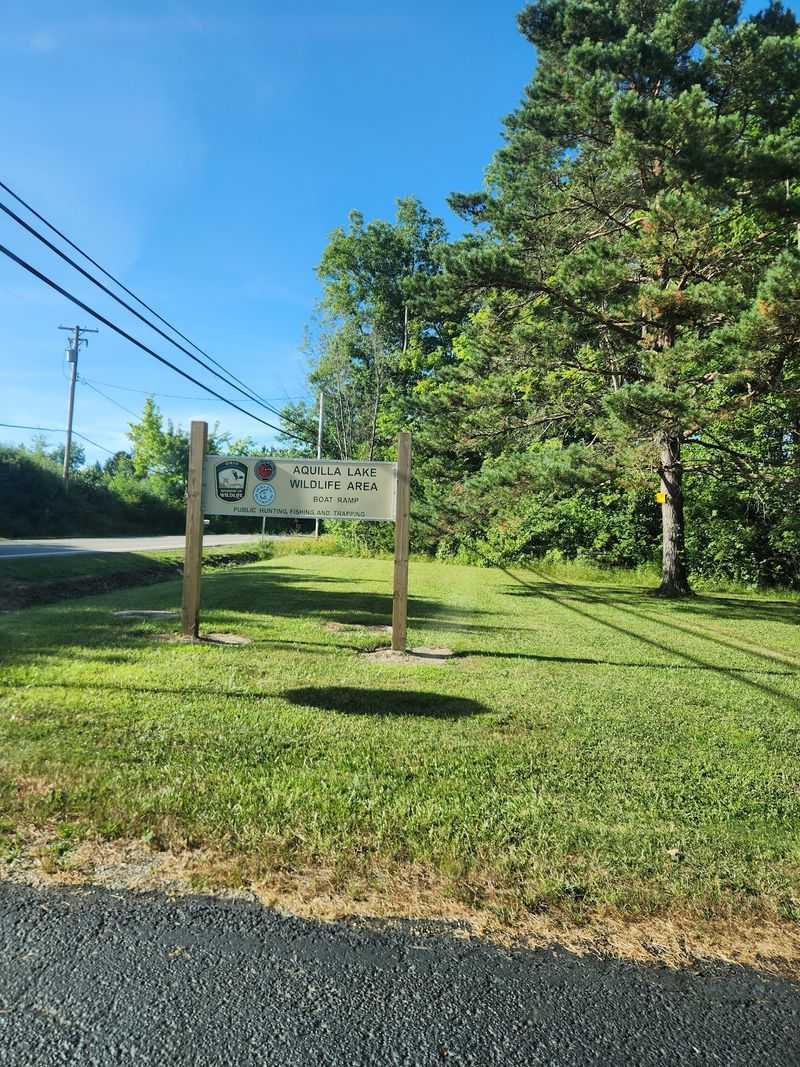
July 6, 2026, started like any normal summer day at Troy Wetlands. Then a black bear walked out of the woods, made direct eye contact with a nearby observer, and quietly slipped back into the marsh.
Just like that, gone. Geauga County has become one of the hottest spots for bear activity in all of Northeast Ohio.
What makes this area so attractive to bears is simple. Extensive forests, sprawling wetlands, and low human foot traffic create a perfect corridor for wildlife movement.
Bears do not need a formal invitation when the habitat is this good. They just show up.
Here is the part that really stands out. Breeding female bears are now establishing permanent homes in parts of Geauga County.
That is a huge deal. It means these are not just passing visitors.
Some bears are deciding to stay, raise cubs, and call this place home.
Wildlife biologists from the Ohio Department of Natural Resources are actively monitoring the area. Collar tracking and trail cameras have helped confirm what locals already suspected.
The bear population is not just passing through anymore. It is settling in for the long haul.
If you visit Troy Wetlands, keep your eyes open and your distance respectful. Bears are naturally shy, but they deserve space.
Do not leave food in your car, and definitely skip the idea of getting a selfie. Enjoy the wild energy of the place from a safe distance.
2. Streetsboro

Imagine looking out your kitchen window and spotting a black bear sniffing around your backyard. That is exactly the kind of moment Streetsboro residents have been experiencing lately.
Bears do not care about property lines. They follow food, shelter, and instinct, and sometimes that path leads straight through a suburban neighborhood.
Streetsboro sits in the broader Northeast Ohio region, which is currently seeing a major surge in bear activity. Most of the bears spotted here are young males on the move.
They are dispersing from neighboring states like Pennsylvania, searching for new territory or a potential mate. Think of them as restless teenagers with nowhere to be and everywhere to go.
The Dolores Drive and Kensington Lane area has been mentioned in local reports. Residents have come home to overturned garbage cans and paw prints in flower beds.
It is both alarming and oddly fascinating at the same time.
Wildlife experts encourage residents to secure trash bins and remove outdoor food sources. Bird feeders are especially attractive to bears during late spring and early summer.
A bear that finds easy food in a neighborhood tends to come back. That habit is bad for both the bear and the community.
Streetsboro is proof that Ohio wildlife is expanding its range in ways that feel genuinely surprising. The forests and green corridors connecting suburban areas to wilder land are acting like highways for these animals.
Keep your yard tidy, stay calm if you see one, and appreciate the fact that nature sometimes visits the suburbs.
3. Clermont County
Southwest Ohio is not exactly where most people picture black bears roaming, but Clermont County is changing that assumption fast. A trail camera near New Richmond captured clear footage of a bear in July 2026.
Nobody saw it coming, and that is kind of the point. Bears are showing up in places that feel way off the map for large predators.
Back in 2022, a young bear believed to have wandered north from Kentucky made headlines by temporarily shutting down Clepper Park. That same bear was photographed moving through residential yards and was even spotted near a local church.
The whole situation felt surreal for a community not used to wildlife encounters of that size.
What is driving bears this far west and south? Young males are notorious for covering massive distances when searching for mates or unclaimed territory.
Clermont County offers enough green space and forest corridors to make the journey worthwhile, at least from a bear’s perspective.
Residents near the county’s more rural edges should take precautions. Securing compost bins, removing pet food from porches, and staying alert on wooded trails are all smart habits.
A bear spotting here is still rare enough to be newsworthy, but the trend suggests it may become less unusual over time.
The atmosphere around Clepper Park has a wild, unpredictable edge that feels exciting if you know what to look for. Hiking the area with awareness is perfectly fine.
Just do not be surprised if the woods hold something bigger than a squirrel.
4. Ashtabula County

Ashtabula County leads the entire state in confirmed black bear sightings, and the numbers are not even close. This county borders Pennsylvania, which has one of the healthiest black bear populations in the eastern United States.
Bears cross that border regularly, and Ashtabula is essentially their first stop in Ohio.
June 2026 brought a story that genuinely shocked wildlife biologists. A massive 576-pound male bear was successfully collared in the county.
That is not a typical bear. That is a statement.
The sheer size of that animal tells you something important about how well-fed and well-established these bears are becoming in this region.
Female bears with cubs have also been confirmed here. That detail matters more than almost anything else.
Cubs mean breeding. Breeding means a self-sustaining local population is forming.
Ashtabula County is not just a pass-through zone anymore. It is becoming a genuine Ohio bear habitat.
Sightings have occurred near residential areas, including reports close to Wade Avenue in the city of Ashtabula. Wildlife researchers are actively collaring and tracking bears to better understand their movement patterns.
The data being collected here is shaping statewide conservation policy.
If you spend time outdoors in Ashtabula County, treat every hike like you might actually see a bear. Carry bear spray if you venture deep into wooded areas.
Make noise on trails so you do not startle anything. The wild energy here is real, and it is growing every single season.
5. Pataskala

Central Ohio is not bear country. At least, that is what everyone assumed until June 10, 2025.
A black bear was caught on camera roaming a wide-open field east of Pataskala near York Road. Wildlife officials confirmed it was the first verified sighting in Licking County in more than 20 years.
The whole thing felt like a plot twist nobody saw coming.
The bear was almost certainly a young male doing what young male bears do best. Wandering.
These animals can cover 100 miles or more in a single journey when searching for mates or unclaimed land. Licking County just happened to be in the path of one very determined traveler.
What makes this sighting so significant is the location. Pataskala is not deep wilderness.
It sits in a largely agricultural and suburban landscape. Seeing a bear there is the wildlife equivalent of finding a moose at a gas station.
Unexpected, a little surreal, and absolutely unforgettable for anyone who witnessed it.
Residents reacted with a mix of excitement and caution. Social media lit up with trail camera screenshots and neighbor-to-neighbor warnings.
The Ohio Department of Natural Resources confirmed the sighting and reminded residents that bears typically move on quickly when they find no food source nearby.
The bear did not stick around long. But its brief visit raised an important question.
If bears are appearing this far into Central Ohio, how much further will they go? The answer, based on current trends, is probably further than any of us expect.
6. Byesville
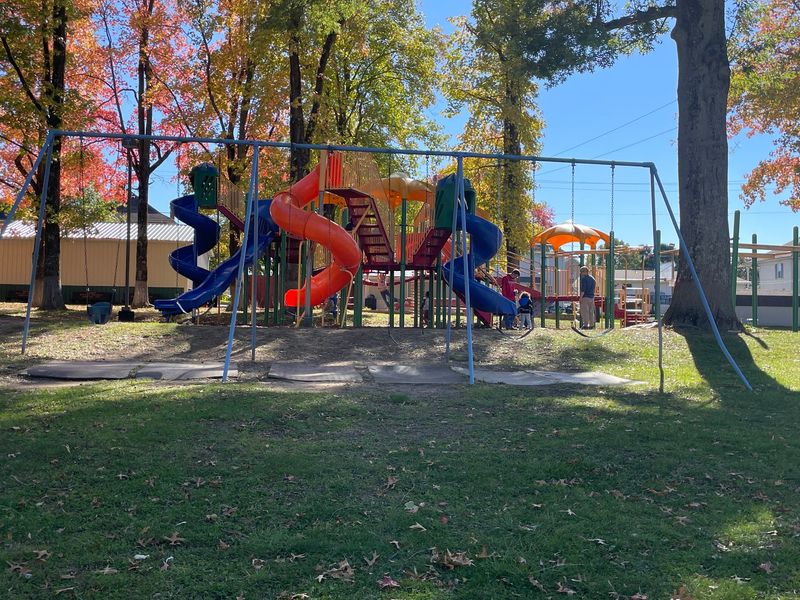
Southeast Ohio has always felt a little wilder than the rest of the state. Guernsey County leans into that reputation fully.
Bears have been appearing here with increasing regularity, and the trail camera photos to prove it are genuinely impressive. The forests and rolling hills around Byesville create exactly the kind of terrain bears prefer.
In June 2026, a bear was spotted near The Great Guernsey Trail, east of Lore City and close to Kipling. That same month in 2025, the Guernsey County Sheriff’s Office logged a separate sighting near Byesville itself.
Trail cameras in the Buffalo area have also captured bears on film. Three separate data points in two years is not a coincidence.
The landscape here tells the story before the bears even show up. Dense second-growth forest, creek bottoms full of berries and insects, and minimal development beyond small farms and rural roads.
For a wandering bear, this is basically a five-star resort with an all-you-can-eat buffet and no crowds.
Local hikers and trail users on The Great Guernsey Trail have started paying more attention to their surroundings. That is a healthy response.
Making noise while hiking, traveling in groups, and keeping food sealed are all practical steps that make encounters less likely and less stressful for everyone involved.
Guernsey County feels like one of those places where the wild edges are creeping back in quietly. Bears are part of that return, and the community is slowly adjusting to the idea of sharing space with them.
7. Wayne National Forest
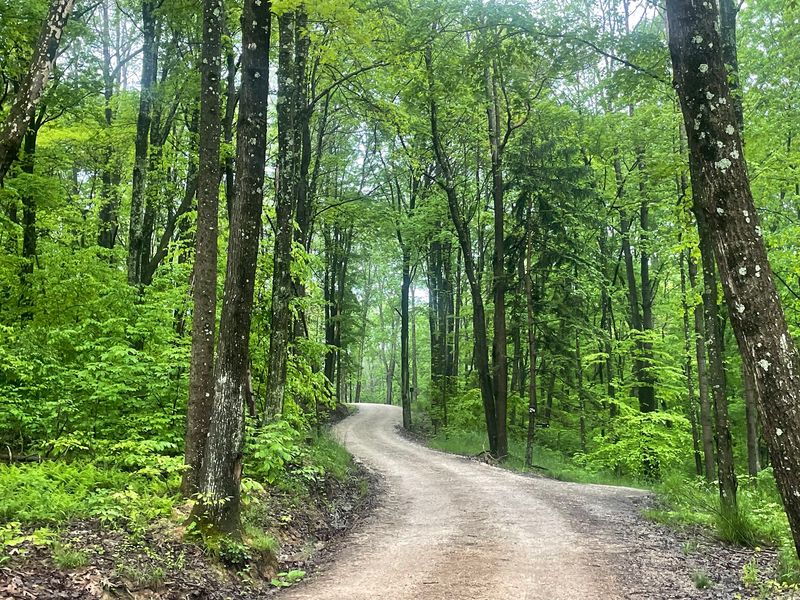
Wayne National Forest is the kind of place where you half-expect to see something extraordinary around every bend. One hiker got more than they bargained for when a black bear stood up on its hind legs about 50 yards off the trail.
Standing bears are not attacking. They are curious.
They want a better look at whatever caught their attention. Still, it gets the heart rate going fast.
This vast federal forest in Southeast Ohio covers hundreds of thousands of acres across multiple counties. Washington County holds one of its major units, and it is some of the most authentically wild land in the entire state.
Black bears have been documented throughout the eastern portions of Ohio’s forested land, and Wayne National Forest is essentially ground zero for that activity.
The forest offers a genuinely immersive outdoor experience. Hiking trails wind through dense hardwood stands, past creek crossings and ridgelines with sweeping views.
In late spring and early summer, when bears are most active, those same trails can feel electric with the possibility of a close encounter.
Wildlife officials consistently remind visitors to keep a respectful distance from any bear they encounter. Do not run.
Do not make sudden movements. Back away slowly and give the animal room to leave on its own terms.
Bears almost always choose to walk away when given the space to do so.
Wayne National Forest rewards visitors who pay attention. The sounds, the smells, and the sight of a black bear moving through old-growth timber are something that stays with you long after the hike ends.
8. Wadsworth

Wadsworth is a place where people mow their lawns on Saturday mornings and wave to neighbors from the driveway. It is suburban, comfortable, and thoroughly ordinary.
So when black bear sightings started rolling in during the first week of July 2026, the whole community did a collective double take. Bears in Wadsworth?
Apparently yes.
Past sightings near the Silvercreek and Meadowcreek area in 2022 were early warning signs that something was shifting. Silver Creek Metro Park sits nearby and offers a significant natural corridor for wildlife movement.
That green space acts like a wildlife highway connecting rural areas to neighborhoods that were never designed with bears in mind.
What is happening in Wadsworth reflects a broader statewide pattern. Bears are following food and habitat into suburban corridors at a rate that wildlife managers are watching carefully.
Young males especially push the boundaries of their range, sometimes ending up in places that seem completely out of character for a large forest animal.
Residents near the park’s edges have started taking extra precautions. Trash cans secured with bungee cords, bird feeders brought inside, and outdoor grills cleaned after every use are simple habits that reduce the chance of an unwanted backyard visit.
Bears that associate neighborhoods with food become a problem quickly.
The coexistence happening in Wadsworth is a preview of what more Ohio communities may face as bear populations continue to grow. It is not scary so much as it is a reminder that wildlife does not read city limit signs.