
Main Street In This Small Nevada Lake Town Has Barely Changed In Six Decades
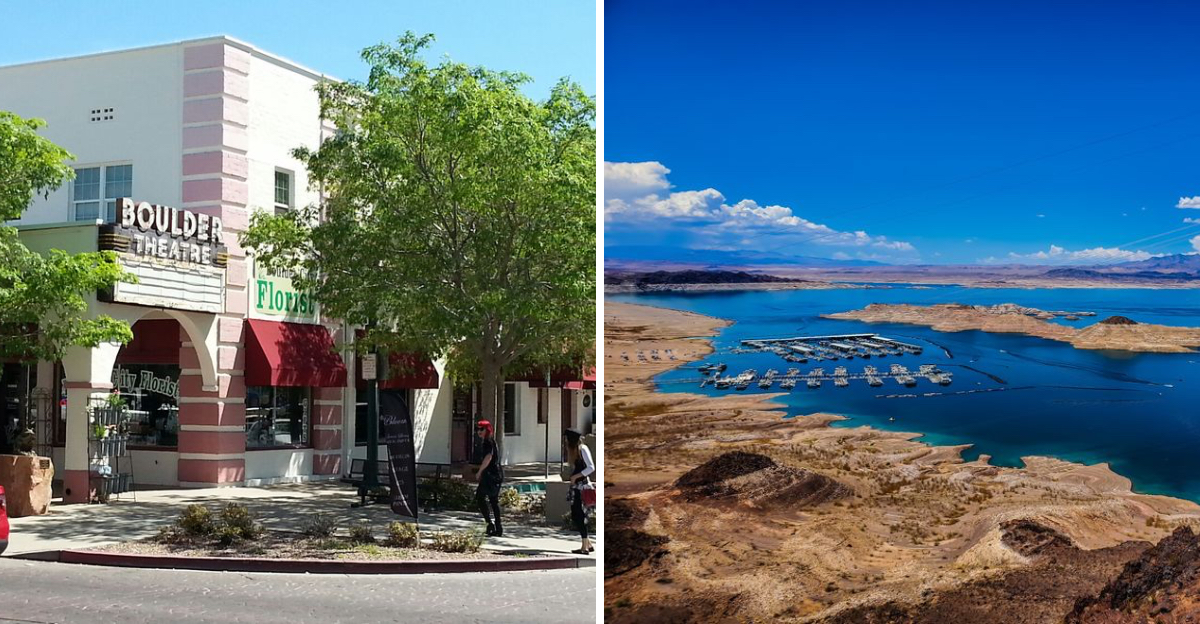
Red tile roofs, leafy streets, and a main street that looks frozen in an old photograph.
Nevada brings plenty of desert drama, yet the scene here feels unexpectedly intimate, with shaded sidewalks, historic storefronts, and carefully preserved buildings.
Take a closer look and the details keep unfolding. Planned streets, worker-era homes, distinctive architecture, and a downtown that still feels genuinely lived in create a rare sense of continuity.
Nevada tells a different story here, where the past is not tucked behind glass but woven into everyday life. Wander slowly, peek down residential blocks, and let the old streets reveal why this small lake town feels so remarkably intact.
The best part? The deeper you look, the more those six decades seem to disappear.
A Town Built On Purpose, Not By Accident
Most towns grow like weeds. This one arrived with blueprints.
Federal planners laid out the community in the early 1930s for a single reason. Thousands of workers needed housing while Hoover Dam took shape nearby.
A Dutch landscape architect shaped the layout, and his fingerprints still show. Streets fan out with intention, civic buildings claim the high ground, and green space breaks up the desert.
The Bureau of Reclamation held title to the land for decades. Boulder City remained under federal jurisdiction for nearly three decades, helping shape its unusual origins and carefully planned early development.
Visitors can see the plan working today. Nevada Way runs as the spine, with the old Bureau of Reclamation building sitting above it on the hill.
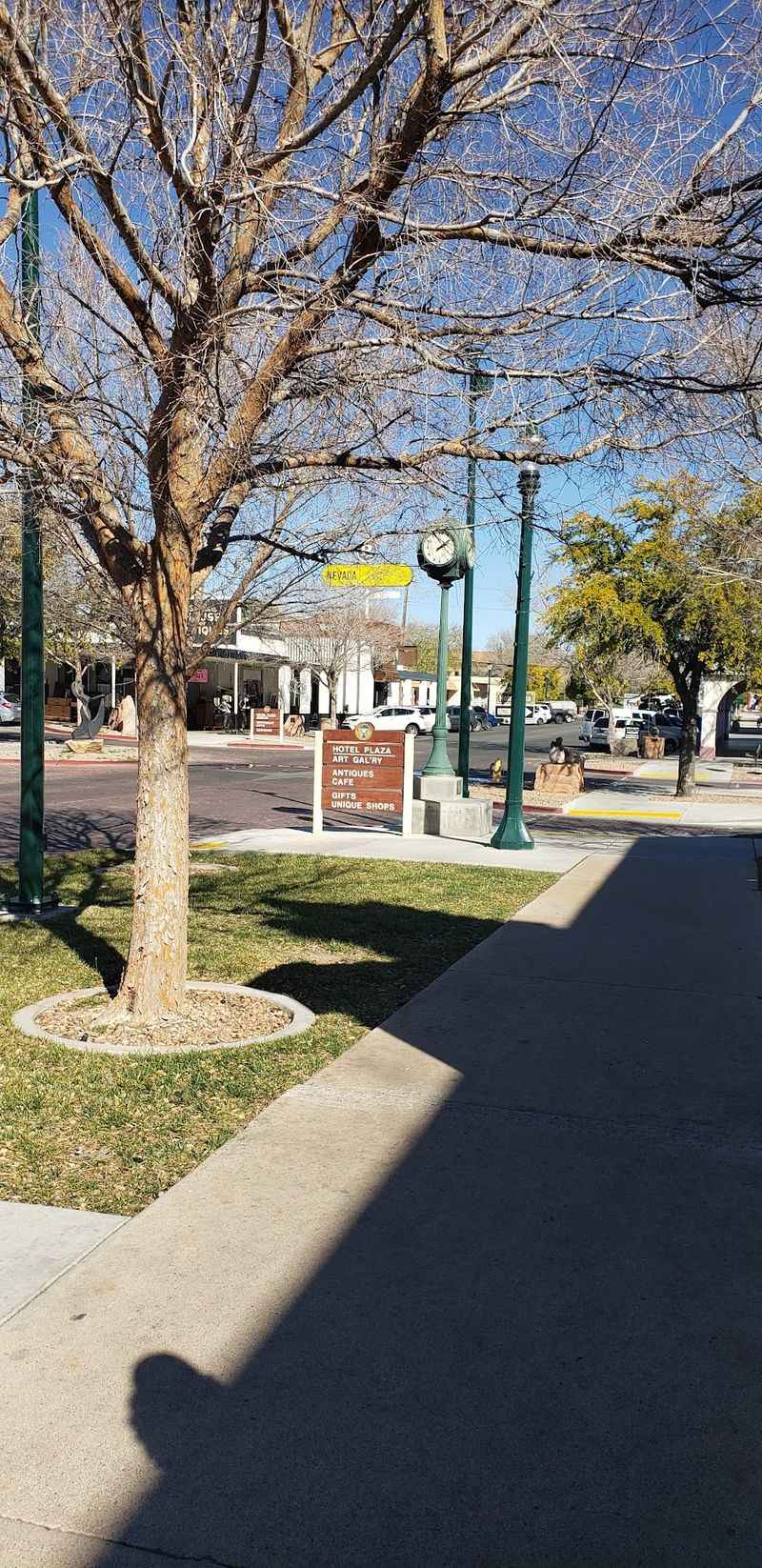
The historic downtown core centers along Nevada Way in Boulder City, Nevada, with the surrounding historic district extending beyond the main street.
Reading the town as a designed object changes the visit. Every curve and setback was somebody’s decision, made before the dam was finished.
Independence Day Came In January 1960
Freedom arrived on a winter day. January 1960 turned a federal reservation into a real municipality.
Before that, decisions about houses, businesses and even paint came from government offices. Incorporation handed residents the keys.
What they did next matters. Rather than bulldozing the old workers’ town, locals chose to protect it.
Growth still happened, but it happened carefully. Leaders repeatedly steered away from the wholesale modernization that reshaped other desert communities.
That is why the six-decade comparison holds up so well. The street residents inherited in 1960 is largely the street standing today.
Interpretive markers and local museum displays fill in the details for curious visitors. Reading a few of them makes the buildings outside far more interesting.
Small towns rarely get a clean origin date. Here the transition is documented, deliberate and easy to trace on a single walk.
Sixty-plus years later, the choice looks smarter than ever.
National Register Status With Real Weight Behind It
Plenty of places claim to be historic. Few have the paperwork.
The Boulder City Historic District joined the National Register of Historic Places in 1983. The listing is not a decorative plaque.
Its boundaries cover more than 500 homes and commercial buildings. Most went up between 1931 and 1942, during the dam era and the years right after.
Because the district includes neighborhoods, the experience extends well past the main street. Side streets reveal modest worker cottages with original proportions.
Walking those blocks costs nothing and rewards patience. Look for original window openings, porch details and low garden walls.
The scale stays consistent throughout, which is unusual for any American town of this age.
Anyone interested in early planned communities will find the density of intact buildings remarkable. It reads less like a preserved block and more like a preserved town.
Bring comfortable shoes and let the district unfold slowly.
The Street That Looks Like Its Own Old Photograph
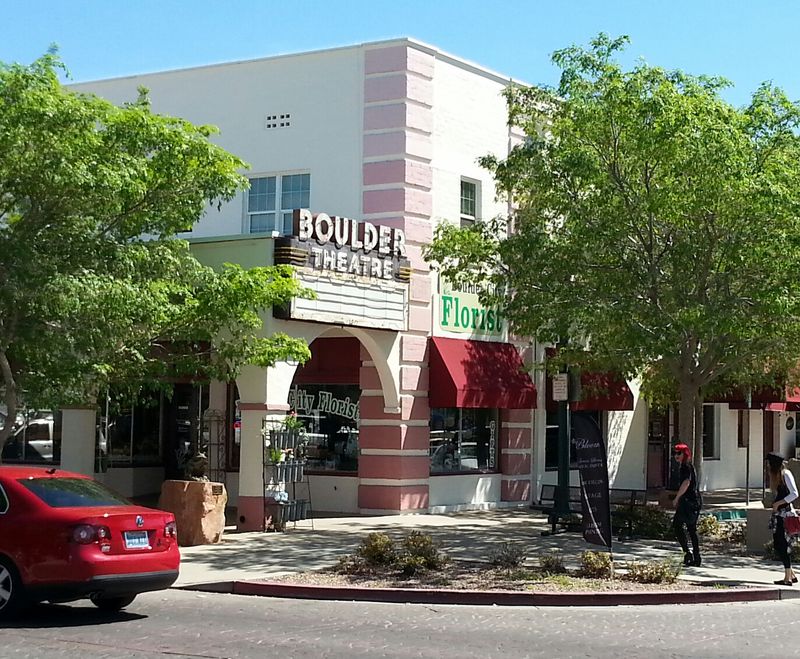
Hold up a 1932 photo of Nevada Way and squint. The match is unsettling.
By that year, the view north along the street already resembled what people see now. The commercial block came together in 1931 and 1932, and much of it stayed put.
One example gets mentioned often. The former Newlin’s Green Hut Cafe at 512 Nevada Way still operates as a cafe today.
The arched arcades over the walkways were restored to follow the city’s original architectural plans. They also happen to throw welcome shade in summer.
Storefront windows, low rooflines and simple signage keep the rhythm intact. Nothing towers over anything else.
Photographers tend to shoot the same angle repeatedly here, and honestly it earns the attention. Morning light softens the stucco; late afternoon deepens the tile roofs.
Six decades of incorporated life have passed, and the street still reads as an early Nevada company town. That continuity is the whole attraction.
Rules That Guard Every Window And Door
Charm like this needs enforcement. The city has a Historic Preservation Ordinance to provide it.
Properties inside the district follow specific standards. Exterior changes visible from public streets require a Certificate of Appropriateness before work begins.
The guidelines get surprisingly detailed. The guidelines get surprisingly detailed, and window work can require review when alterations change the size or configuration of historic openings.
Owners are not left to figure it out alone. Grants and technical assistance help with restoration projects, easing the cost of doing things properly.
Programs and requirements can change, so property owners should confirm current details with the city before planning any work.
For visitors, the payoff shows up everywhere. Signage stays modest, facades stay honest, and jarring remodels are rare.
Preservation here is an ongoing chore rather than a finished achievement. Somebody is always repairing plaster or matching paint.
That quiet maintenance is exactly why the street still photographs like the 1930s.
Spanish Colonial Revival Sets The Dress Code
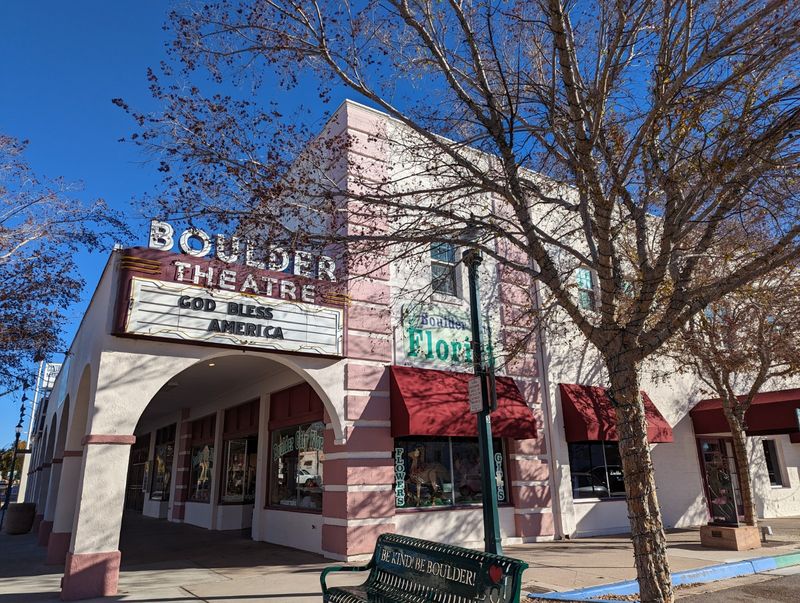
Revival-era architecture gives much of the downtown its visual character, alongside other styles represented throughout the historic district.
Stuccoed walls, red tile roofs and graceful arches repeat from building to building. The result feels composed rather than accidental.
Details reward a closer look. Recessed doorways, small decorative tiles and arched openings soften otherwise simple structures.
Because so many buildings share the vocabulary, the street achieves a rare visual harmony. Nothing shouts over its neighbor.
Homes in the surrounding district echo the same ideas at smaller scale. Modest cottages carry the same rooflines and finishes.
Architecture fans can cover a lot of ground quickly, since the significant buildings cluster close together.
Shade from the arcades makes summer wandering more bearable, which is no small consideration in southern Nevada heat.
Consider it an open-air lesson in early twentieth century design, delivered without a museum ticket or a velvet rope in sight.
Shops, Cafes And A Street That Still Works
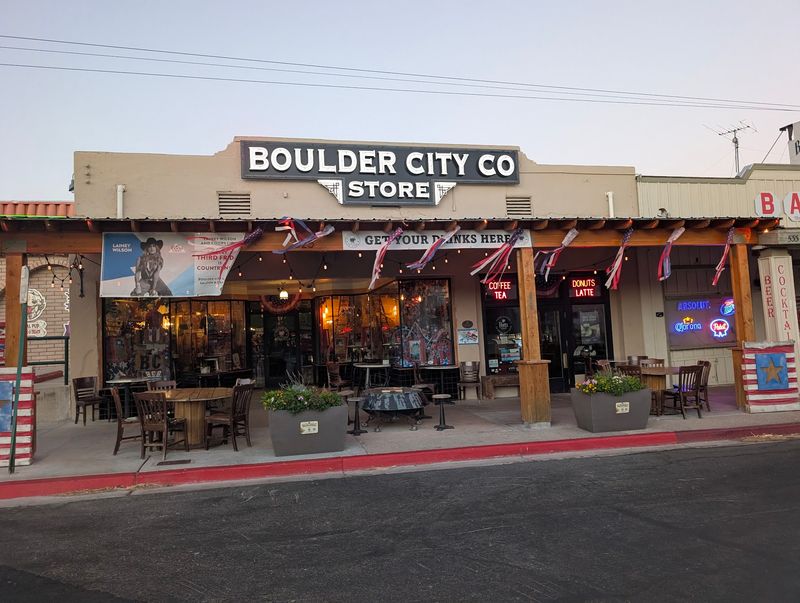
A preserved street can easily turn into a stage set. Not this one.
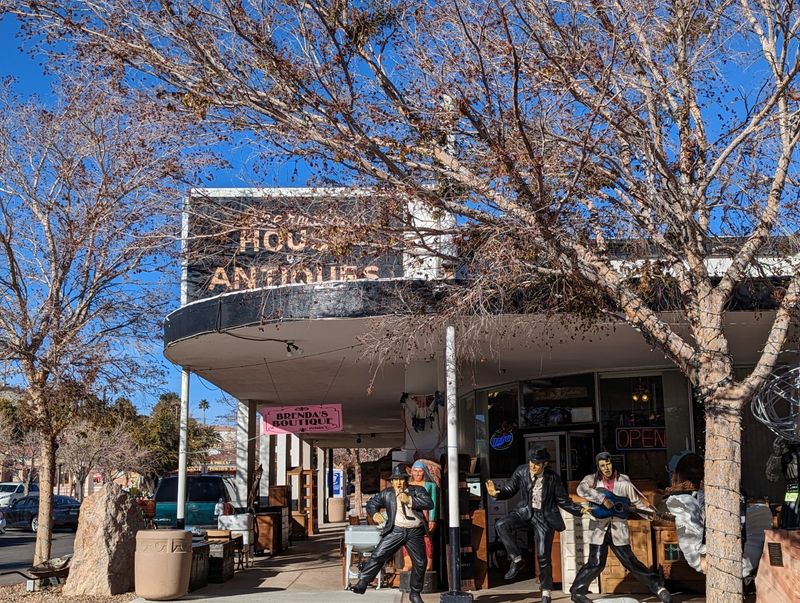
Nevada Way functions as the town’s working center. Boutiques, antique shops and cafes occupy the historic storefronts.
Independent businesses dominate, which keeps the window displays unpredictable. Browsing here takes longer than expected.
Cafes tucked into buildings from the early 1930s serve breakfast and lunch to locals and visitors alike. Sitting inside one connects the history to the present neatly.
Businesses and their offerings change over time, so it pays to wander rather than plan every stop.
Parking along and near the street is straightforward, and the compact layout means one spot usually covers the whole outing.
Weekends bring more foot traffic and a livelier feel. Weekday mornings stay quiet if solitude sounds better.
The mix of daily errands and visitor curiosity gives the street its pulse, and that working rhythm is exactly what keeps it from feeling frozen.
Green Lawns Where The Desert Should Be
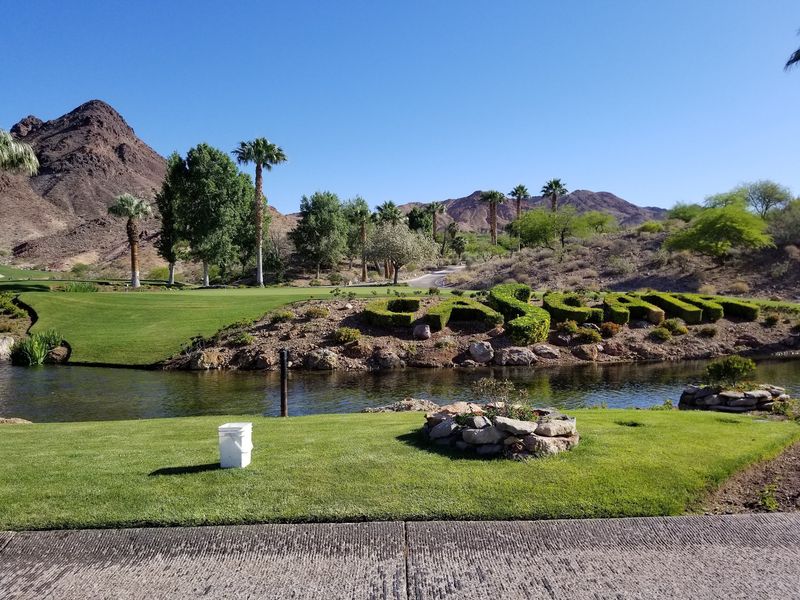
Desert towns are not supposed to look this leafy. Boulder City ignored the memo.
Tree-lined streets and grassy parks sit right beside the historic core. The contrast with the surrounding landscape is immediate.
Landscaping was baked into the original plan, not added later as decoration. Green space held equal footing with housing and civic buildings.
Downtown parks still get plenty of use. Benches, shade trees and open lawns invite people to slow down.
Community events and celebrations frequently use these spaces throughout the year. Schedules vary, so checking locally before a trip helps.
Shade matters here more than in most places. Summer afternoons in this part of the state get seriously hot.
A cold drink, a bench and a view of red tile roofs make for a decent hour of doing very little.
Nearly a century on, the planners’ insistence on greenery still shapes how the town feels underfoot.
Vintage Motels With A Fight Worth Watching
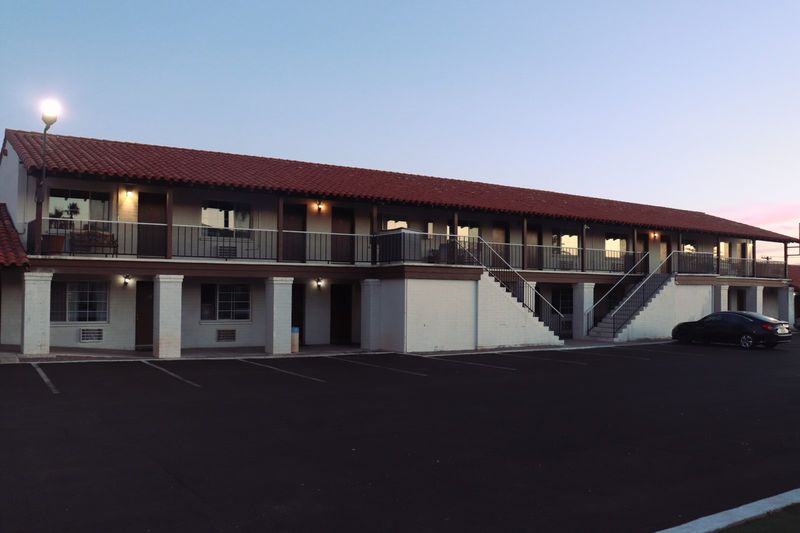
Roadside history is fragile. Boulder City knows it.
Vintage motels have served visitors to the dam-era community for decades, and the city has been exploring a potential historic motel district to recognize their significance.
Recent efforts have focused on protecting these properties. The city has worked toward establishing a protected district for them.
The motivation is simple enough. Similar buildings elsewhere in Nevada have disappeared, and once gone they do not come back.
Preservation proposals evolve, so current status is best confirmed locally rather than assumed.
For travelers, the motels add another layer to the six-decade story. They show how the town served outsiders from the very beginning.
Photographers gravitate toward the older signage, especially in low evening light.
Watching a town argue over how to save its motels says something hopeful. Ordinary buildings can matter too, and here somebody bothered to say so out loud.
Hoover Dam And Lake Mead Sit Right Next Door

The dam explains everything about this town. It also sits remarkably close.
Hoover Dam rises in the canyon nearby, the very project that brought workers, housing and Nevada Way into existence.
Lake Mead spreads out beyond it, giving the area its lake town identity. Water recreation and desert scenery share the same horizon.
Many travelers treat downtown as a stop before or after visiting the dam. That order works well either way.
Understanding the dam first makes the historic district click. The neat streets and worker cottages suddenly have a reason.
Access, tours and lake conditions change with seasons and water levels, so checking ahead is wise.
Cooler months make outdoor exploring far more comfortable. Summer visits call for early starts and plenty of water.
Pairing the concrete giant with the quiet street that supported it turns a quick sightseeing trip into an actual story.
How To Spend A Slow Afternoon Downtown
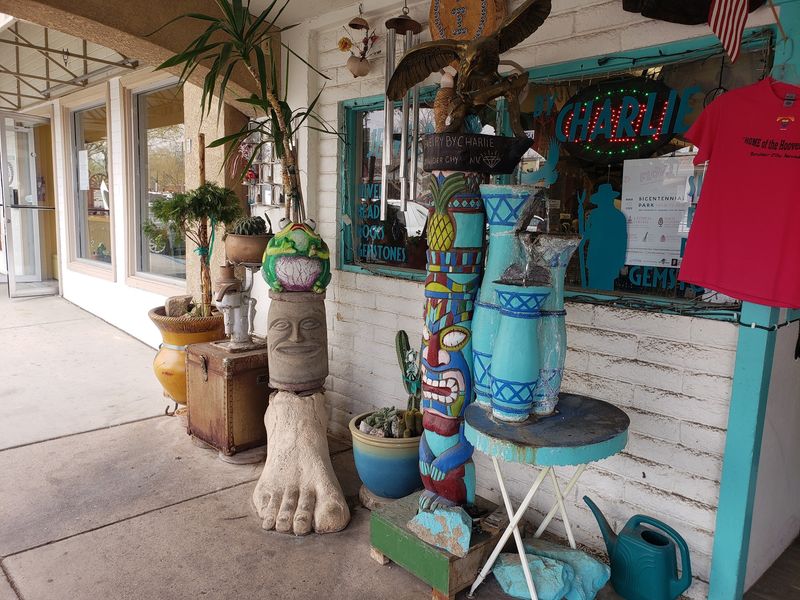
Rushing ruins this place. Plan accordingly.
The historic core is compact and walkable, so a couple of unhurried hours cover it comfortably. Add more time if shops pull you in.
Start with coffee in one of the old buildings, then work the street in one direction and return on the opposite sidewalk.
Detour into the residential blocks for the cottages. They tell the worker-town half of the story.
Wear a hat and carry water in warm months, since desert sun here is no joke even under the arcades.
Weekday mornings feel peaceful; weekends bring more activity and open doors. Both versions have their appeal.
Museum exhibits and interpretive signs fill in dam-era context for anyone wanting details beyond the facades.
Leave room for aimless wandering, because the best moments usually happen between planned stops. A quiet street this well kept deserves nothing less than your full, unhurried attention.