
This Florida Island Town Feels Like A Secret Locals Would Rather Keep
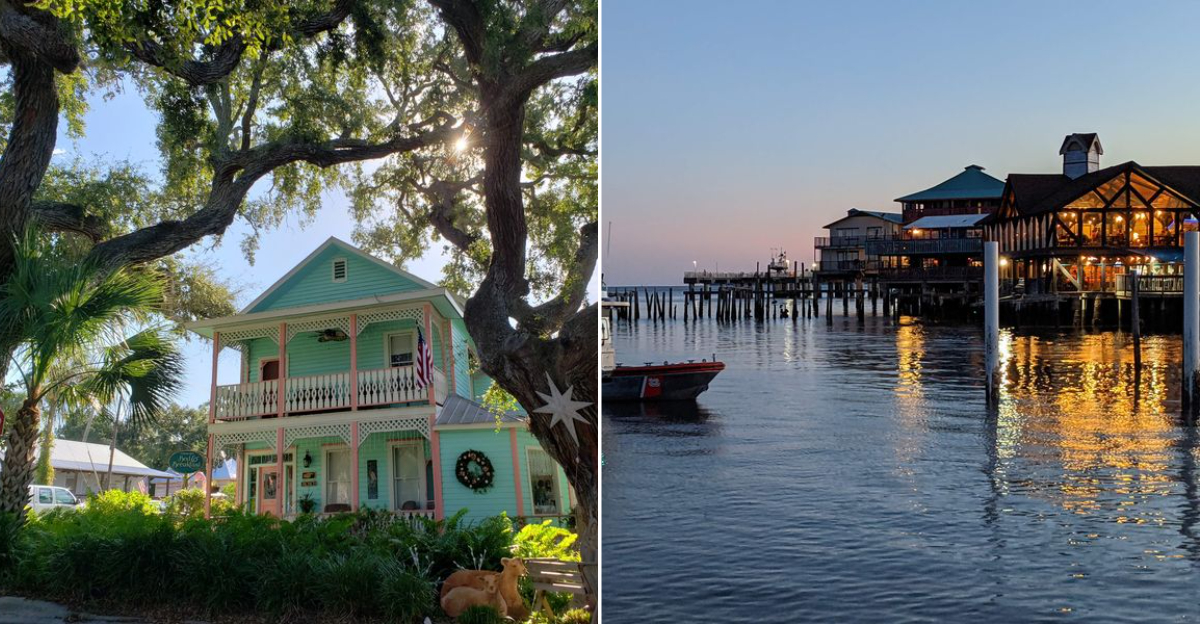
Some Florida getaways are built around crowds, traffic, and towering hotels. This one feels like the opposite, where the road eventually gives way to quiet docks, salty air, and a small community that still knows how to slow down.
What makes this island feel so different? There are no high-rise buildings dominating the shoreline or endless rows of chain restaurants competing for attention.
Instead, you get peaceful mornings, calm Gulf waters, and the kind of scenery that makes you forget to check the time.
The islands are surrounded by marshes, pines, and open water, creating plenty of opportunities to paddle, fish, or simply sit somewhere near the shore and watch the day unfold.
Visitors often arrive expecting a quick escape and end up wishing they had planned to stay longer. There is something about a place this quiet that makes rushing feel completely unnecessary.
Florida still has corners where life moves at a gentler pace. You just have to be willing to take the road all the way to the end.
Old Florida Without The Crowds
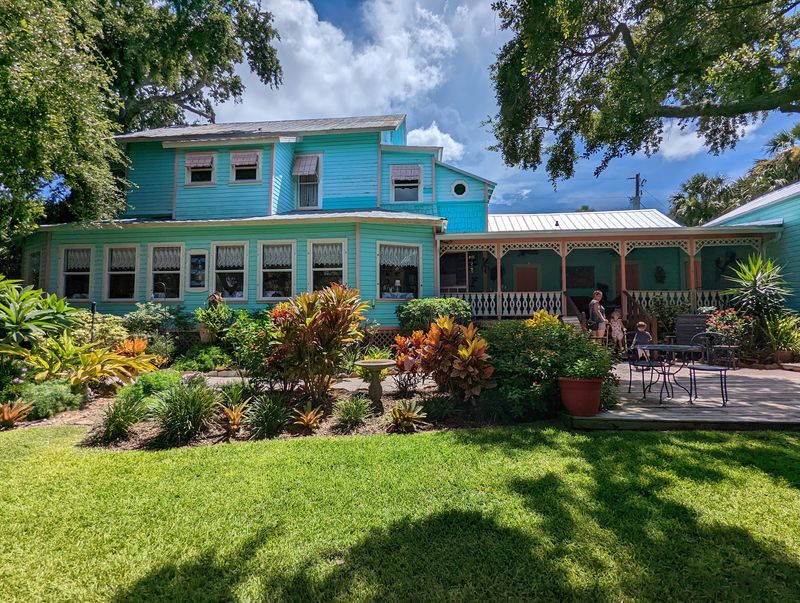
Cedar Key sits at the end of State Road 24, which means nobody passes through by accident. Drivers arrive on purpose, and that single fact changes everything about the mood here.
Roughly 800 residents call this island home. There are no traffic lights fighting for your attention, no outlet malls, no giant resort towers casting shadows on the water.
Visitors often say it resembles Key West about fifty years ago, before the crowds found it.
Buildings lean a little. Paint peels in a charming way.
Porches face the Gulf and rocking chairs actually get used, usually by someone reading a paperback with sandy feet propped up.
Golf carts putter down side streets. Bicycles lean against fence posts without locks.
The pace drops so fast that most people check their watch, then decide to stop checking it altogether.
When was the last time a place made you forget your phone was in your pocket? That happens here, often before lunch on the first day.
Florida has plenty of loud, flashy beach towns, and they serve their purpose. This one serves a different one entirely, offering room to breathe and quiet enough to hear pelicans splash.
Come for a weekend. Stay for the sunsets, which locals gather to watch like a nightly ritual nobody scheduled.
Pirates, Pencils And Railroads
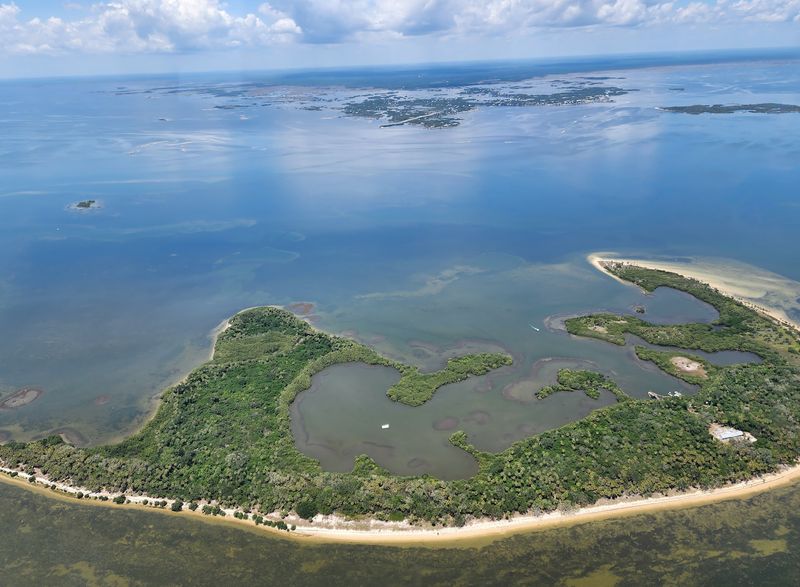
Pirates once used these islands as lookout posts. Jean Lafitte reportedly climbed Seahorse Key around 1800, scanning the Gulf from its high sand ridge for passing ships worth chasing.
Long before that, Timucuan, Apalachee, and Creek people camped on these shores as far back as 1000 BC, fishing the shallow waters season after season. Their shell mounds still rise from the marsh.
The modern town took shape in the early 1840s. The Second Seminole War officially ended right here in 1842, which makes this quiet island a footnote in serious history books.
Then came cedar. A Faber pencil mill hummed on Atsena Otie Key, turning local trees into pencils shipped across the country.
The forests eventually ran out, and the mills went silent.
By the 1880s, this was the second-largest city in Florida, with trains hauling tourists straight to the docks as the western end of the state’s first cross-state railroad.
A devastating hurricane in 1896 destroyed much of the town and forever changed its future. What grew back was smaller, softer, and full of artists and writers instead of sawmills.
Can you picture pencil factories on a beach where dolphins now roll past? Walk the shoreline and that strange history feels surprisingly close.
Two Museums Worth Your Time
Rainy afternoon? Perfect excuse.
Two small museums here pack more storytelling per square foot than places ten times their size.
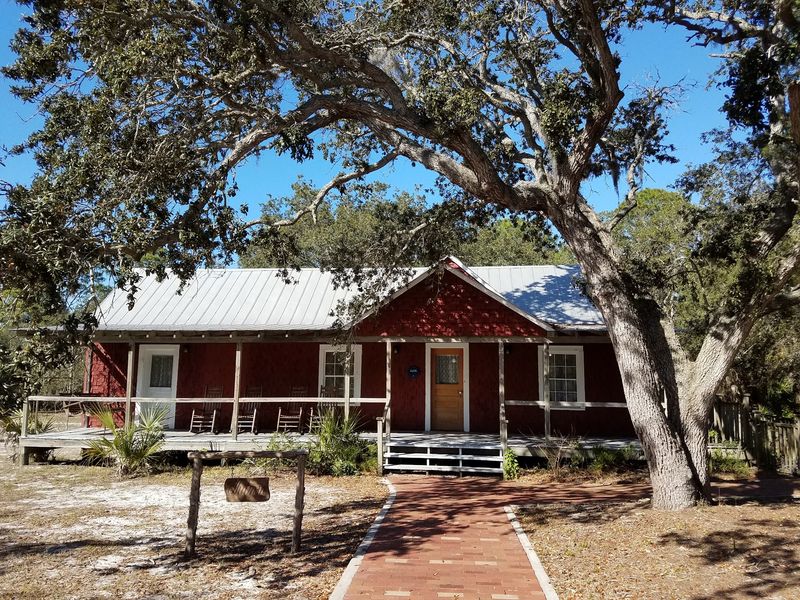
The Cedar Key Historical Society Museum walks visitors from prehistoric times through the 1900s using photographs, documents, and Civil War era items. The Andrews House sits on the property too, floated over from Atsena Otie Key after the island was abandoned.
Across town, Cedar Key Museum State Park digs into maritime and industrial life. Exhibits explain fishing, pencil mills, and the salt works that once operated in the marshes nearby.
A local resident named Saint Clair Whitman spent decades collecting seashells and Native American artifacts, and his collection anchors the museum. His restored 1920s family home stands nearby, furnished and open for a peek at island living a century back.
Naturalist John Muir wandered into town in 1867 while recovering from illness during his long walk to the Gulf. A state historic marker on the museum grounds honors that visit.
Hours can shift by season, so check before you go and plan a weekday if you like having exhibits to yourself.
Which would you explore first, the shells or the shipwreck stories? Either way, you leave understanding why this corner of Florida matters more than its size suggests.
Birds Rule Thirteen Islands
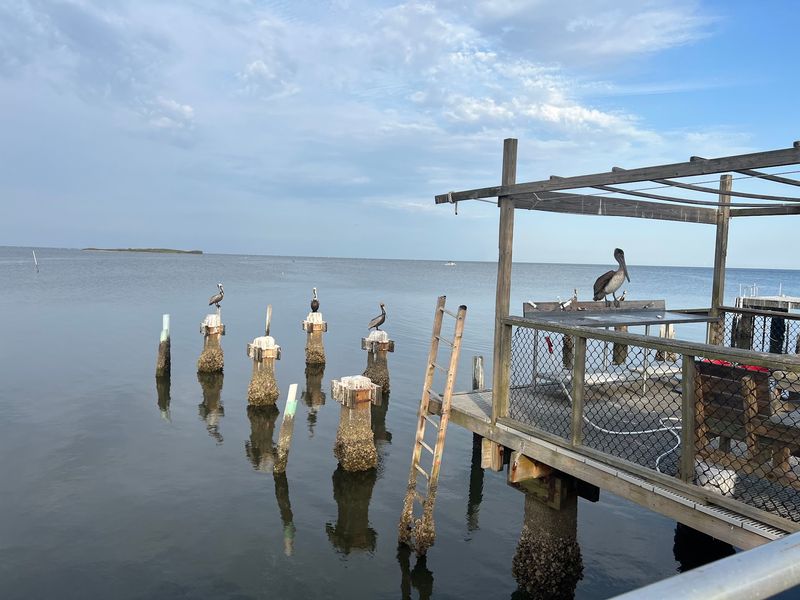
Thirteen islands offshore belong to the birds, and they know it. The Cedar Keys National Wildlife Refuge was set aside back in 1929 as a nesting ground for colonial waterbirds.
Herons stalk the shallows. Egrets balance on mangrove roots.
Brown pelicans crash into the water like they never learned a graceful landing.
Then a roseate spoonbill glides past, bright pink and slightly ridiculous, and every camera on the boat comes out at once. Ibis probe the mudflats while bald eagles and osprey circle overhead.
Seahorse Key holds a surprise. Its dune reaches 52.3 feet, the highest elevation on the entire west coast of Florida, and a lighthouse from the 1850s still stands on top.
During nesting season, boats must keep their distance so nervous parents stay on their eggs. Guides know the rules and respect them, which is exactly why the colonies keep coming back.
Dolphins ride the wake on the way out. Manatees drift through warm shallows, and sea turtles surface for air without warning.
Ever watched a thousand birds lift off at once? The sound alone is worth the boat ride, somewhere between thunder and applause.
Bring binoculars, a hat, and patience. Wildlife runs on its own schedule, and the wait is half the fun.
Paddle Trails And Island Ruins
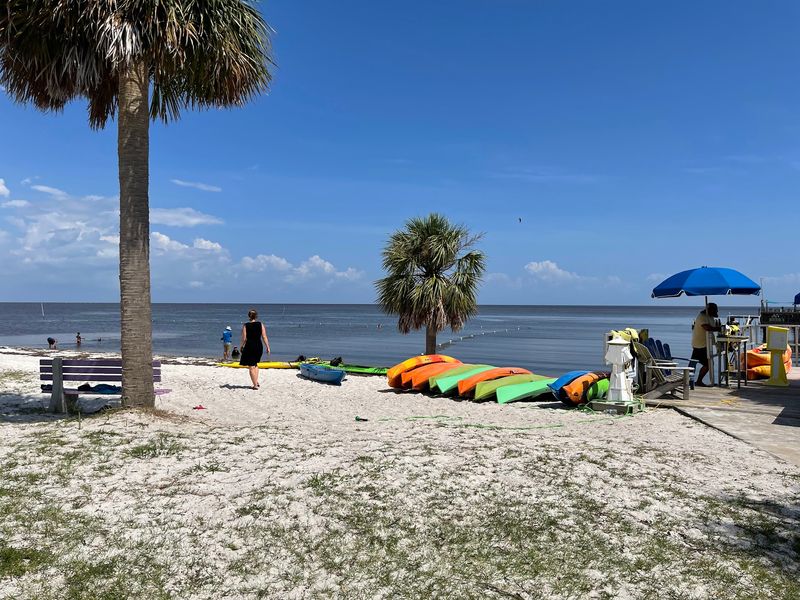
Slide a kayak into water this calm and you understand why paddlers love this stretch of Florida. Tidal creeks wander between marsh islands with barely a ripple.
The Cedar Key Paddle Trail runs about five miles through estuaries, creeks, and small islands. Beginners handle it fine, and experienced paddlers still find plenty of quiet corners to poke around in.
Time your trip with high tide. Low water turns pretty channels into mud, and nobody enjoys dragging a boat across an oyster bar.
The most popular paddle is a half mile crossing to Atsena Otie Key, the original townsite. Old cisterns, scattered ruins, and a small cemetery hide among the trees, and a sandy beach waits for a snack break.
Rentals sit right in town, and guided tours help first-timers read the tides and find the good routes. Guides also point out things you would paddle right past.
Anglers get spoiled here too. Cast from the Dock Street pier, the #4 Bridge Fishing Pier, or hire a charter for redfish, speckled trout, snook, cobia, mackerel, flounder, and drum.
Prefer an engine? Boat rentals and water taxis run out to the islands without any paddling required.
What would you rather chase, a redfish or a sandy beach nobody else is standing on?
Trails Through Marsh And Scrub
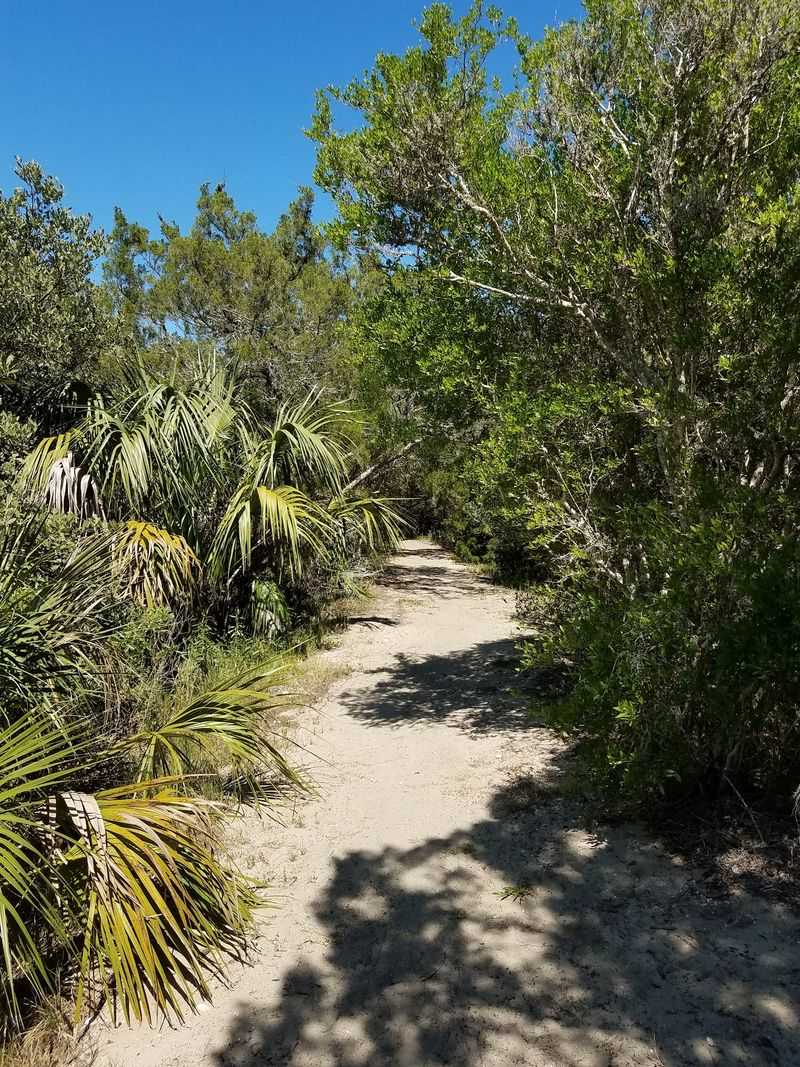
Dry land has its own rewards here, and the trails stay refreshingly empty. The Railroad Trestle Nature Trail runs a scenic half mile along an old railroad bed straight into the salt marsh.
Fiddler crabs scatter across the mud. Wading birds ignore you completely.
Sunset from the trestle turns the whole marsh copper and gold.
Cemetery Point Park offers a boardwalk, picnic tables, a fitness trail, and shady spots where binoculars come in handy. Locals walk it daily, often twice.
North of town, the Shell Mound Archaeological Site sits inside the Lower Suwannee National Wildlife Refuge. A prehistoric shell mound rises above the marsh, built layer by layer over centuries, with hiking paths, a boardwalk, and a fishing pier that serves up wide Gulf views.
Drive a few minutes inland and the landscape flips completely. Cedar Key Scrub State Reserve protects 5,000 acres of Florida upland scrub, home to Florida Scrub Jays and gopher tortoises.
Twelve miles of trails there welcome hikers, cyclists, and horseback riders. Sandy paths, low oaks, and total quiet make it feel far from any coastline.
Could you spot a scrub jay before it spots you? They are curious birds and often check out visitors first.
Pack water and bug spray. Florida marshes reward the prepared.
Clams, Oysters And Galleries
Here is a fun fact worth repeating: this tiny island ranks among the biggest producers of farm-raised clams in the entire country. Aquaculture keeps the local economy floating.
Fresh Florida oysters show up year round. Clam chowder here has won awards, and one local kitchen has built a serious reputation on its recipe.
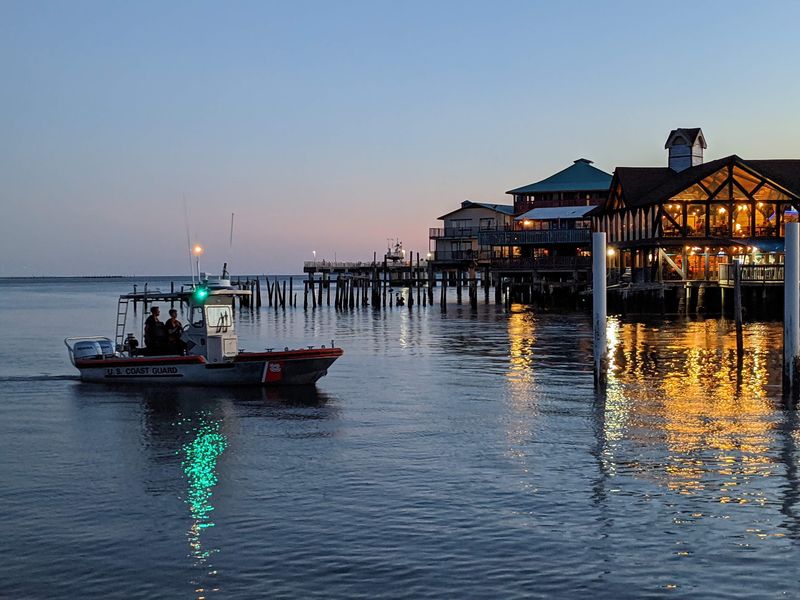
Restaurants sit right over the water on wooden pilings. Order seafood pulled from the Gulf that morning and watch the boats that brought it bob just below your table.
Mornings run on hot breakfast plates, fresh smoothies, and strong coffee from small shops within easy walking distance of almost every rental.
Art thrives here too. Painters and writers moved in after the mills closed, and galleries now line the main streets with work made on the island.
The Cedar Keyhole Artists Co-op and Island Arts show ceramics, watercolors, photography, carvings, oil paintings, glass art, woodturning, and pottery. Nothing feels mass produced because none of it is.
Shops here stay locally owned, which means the person wrapping your souvenir probably made it. Ask about a piece and expect a real story.
What will you carry home, a hand-thrown mug or the memory of chowder eaten with your toes near the water?
Hours vary, so check ahead.
How To Explore Easily
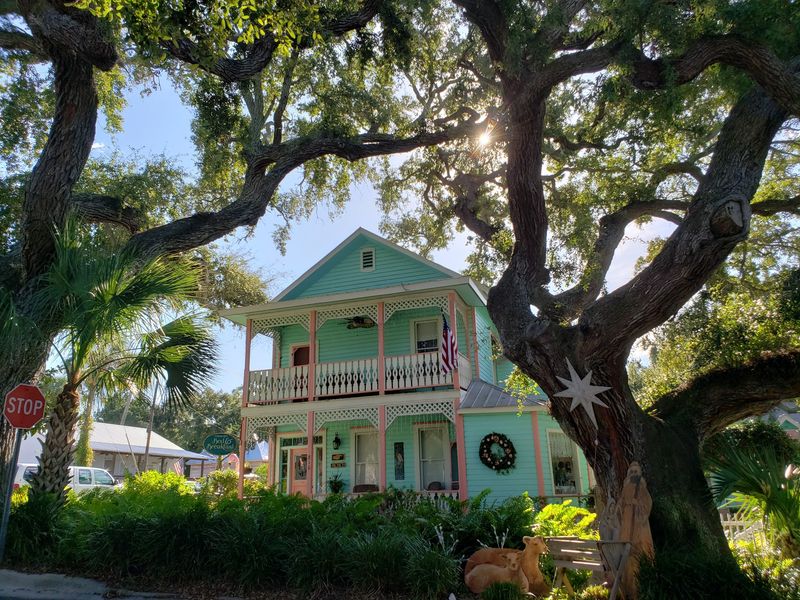
Good news for anyone tired of parking lots: you can leave the car sitting all weekend. Town is compact enough to cross on foot in minutes.
Bicycles work beautifully on the flat streets. Golf carts are the local favorite, and cruising past the marsh in one feels a little like a vacation cheat code.
Pilots with private planes can land at George T. Lewis Airport, which sits right on the water and has one of the more scenic approaches in Florida.
Plan a mix. Paddle in the morning, browse galleries after lunch, then claim a dock seat before sunset and let the sky do the work.
Weekdays are quieter than weekends, and museum and shop hours shift with the seasons, so a quick check before arriving saves disappointment.
The whole island community sits within Cedar Key, Florida 32625, and the Cedar Key Museum State Park is found at 12231 S.W. 166th Court, Cedar Key, Florida 32625, an easy hop from downtown.
Bring sunscreen, a hat, and shoes you do not mind getting wet. Marsh mud has opinions about clean sneakers.
Ready to trade honking horns for pelican splashes? Book two nights, then thank yourself later for adding a third.
Some places in Florida make you rush. This one gently refuses.