
For Over Four Decades This Illinois Fabric Shop Has Stocked Hard To Find Materials
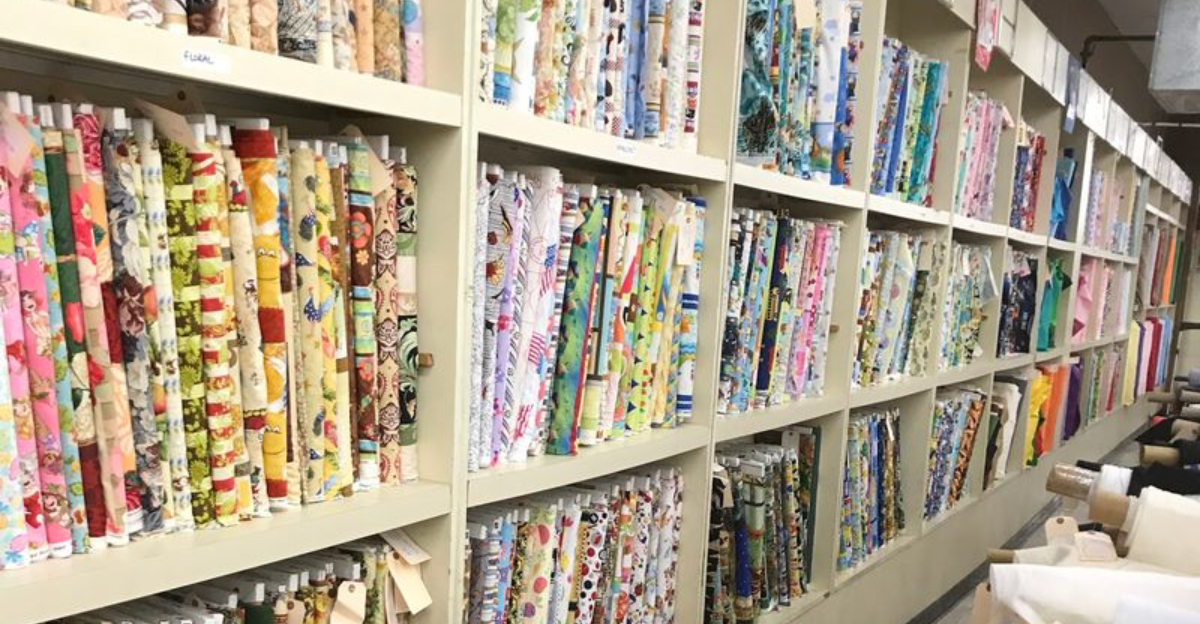
Bring your wildest sewing wishlist, because this Illinois warehouse eats it for breakfast. Rows of shelving rise toward the ceiling, stacked with silk, wool, and fabric most craft stores stopped carrying years back.
Cosplayers hunt for hologram sequins here. Bridal shoppers linger over ivory satin until the choice finally feels right.
Import laces and specialty prints fill nearby shelves too.
There’s a corner built purely for wedding day nerves, and a bench where old machines get fixed like family heirlooms. Bolts roll in from mills overseas, and costume designers fly in from other states just to touch them first.
Illinois sewists already know the drill. Once you spot the shelves, planning a whole afternoon here starts to make total sense.
Born In 1945 And Still Cutting Yardage
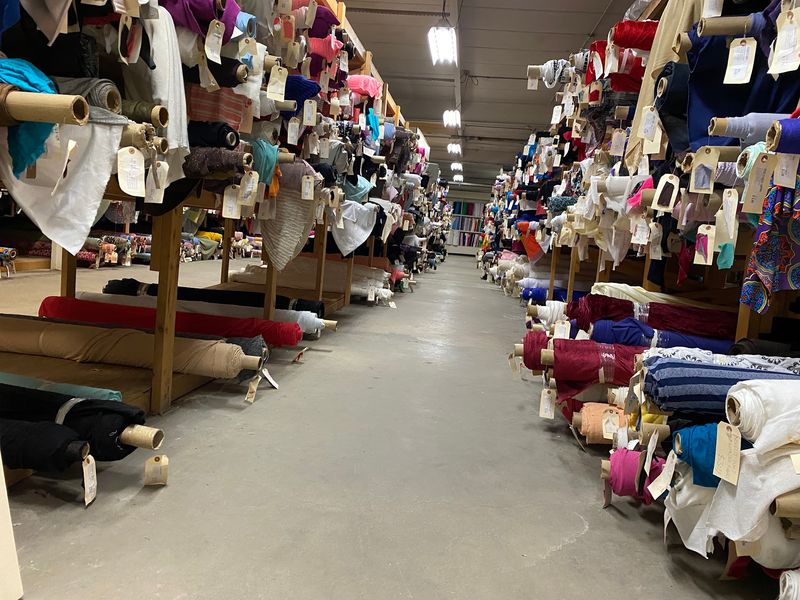
Nineteen forty-five. That is the year two business partners opened a small shop for dressmakers in Evanston, Illinois, and the doors have stayed open ever since.
The third generation of the same family runs things now. Along the way, department store fabric counters closed.
Big craft chains rose, expanded, and folded.
Somehow this business kept measuring, cutting, and shipping. That kind of staying power says something about knowing your customers better than a spreadsheet ever could.
The retail operation now lives at 618 Hartrey Ave, Evanston, IL 60202, a working warehouse rather than a polished boutique. Regulars consider that part of the charm.
Sewists who grew up shopping here bring their own children in. Some moved states away and still order online because nothing else compares.
Eight decades of trading in thread and cloth builds a reputation that advertising cannot buy. The shelves hold the proof, bolt after bolt.
History here is not decoration. It is inventory knowledge, built slowly.
The Long Road From Main Street To Hartrey Avenue
The shop did not start in a warehouse. Its first home sat on Chicago Avenue near Main Street, small and focused on dressmakers.
Growth came fast. A fire on the block in 1959 forced a move to another Main Street location.
Over the following decades, neighboring retailers moved out and the fabric business moved in. Eventually it sprawled across nearly half a city block, room after room of textiles.
Longtime customers still talk about that maze fondly. Then came 2021, and a major consolidation.
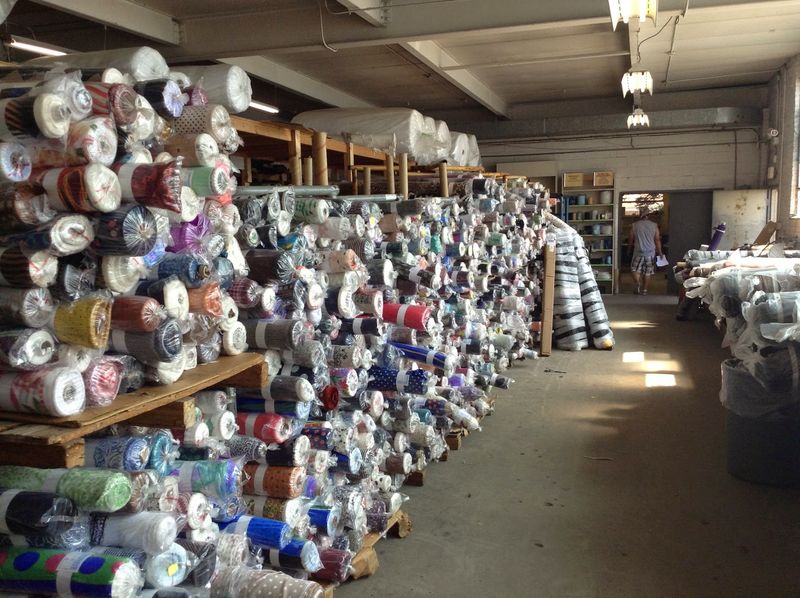
Retail shifted into a roughly 20,000 square foot warehouse the family had owned since 1984. Everything now sits under one roof, wholesale and retail together.
The layout uses tall vertical shelving and wide aisles, which makes browsing more efficient than the old warren of rooms.
Some shoppers miss the rambling charm of the previous space. Others appreciate finding what they need without three flights of stairs.
Either way, the fabric followed the family. That mattered most.
Silks, Woolens, And Cashmere Worth The Drive
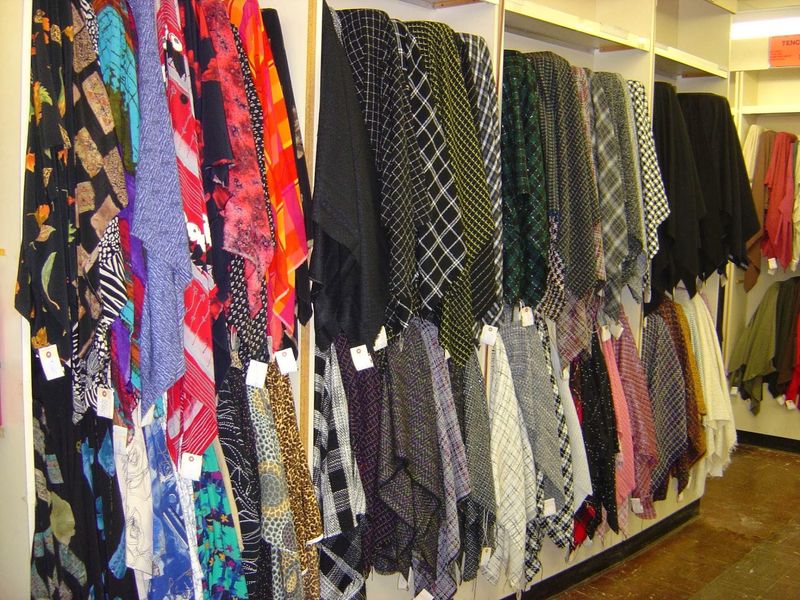
Fine cloth has a way of announcing itself. Designer and Italian silks fill entire sections here, alongside English and Italian woolens and cashmere.
Garment sewists who normally shop pricey online retailers make the trip specifically for these aisles. Touching wool before buying changes everything.
Fine linens sit nearby, plus fashion cottons in seasonal colors and a knit selection deep enough to keep a whole wardrobe project moving.
Prices range widely. Budget cottons share the building with imported goods that cost considerably more per yard.
That spread is part of the appeal. A student can buy muslin for a toile and admire silk taffeta in the same visit.
Staff can often point toward fiber content and suitable weights for a given pattern. Asking questions tends to pay off.
Bring pattern envelopes and swatches. Comparing in person beats guessing from a screen.
Serious fabric shopping requires time. Plan accordingly and wear comfortable shoes.
Where Cosplayers And Costume Designers Go Hunting
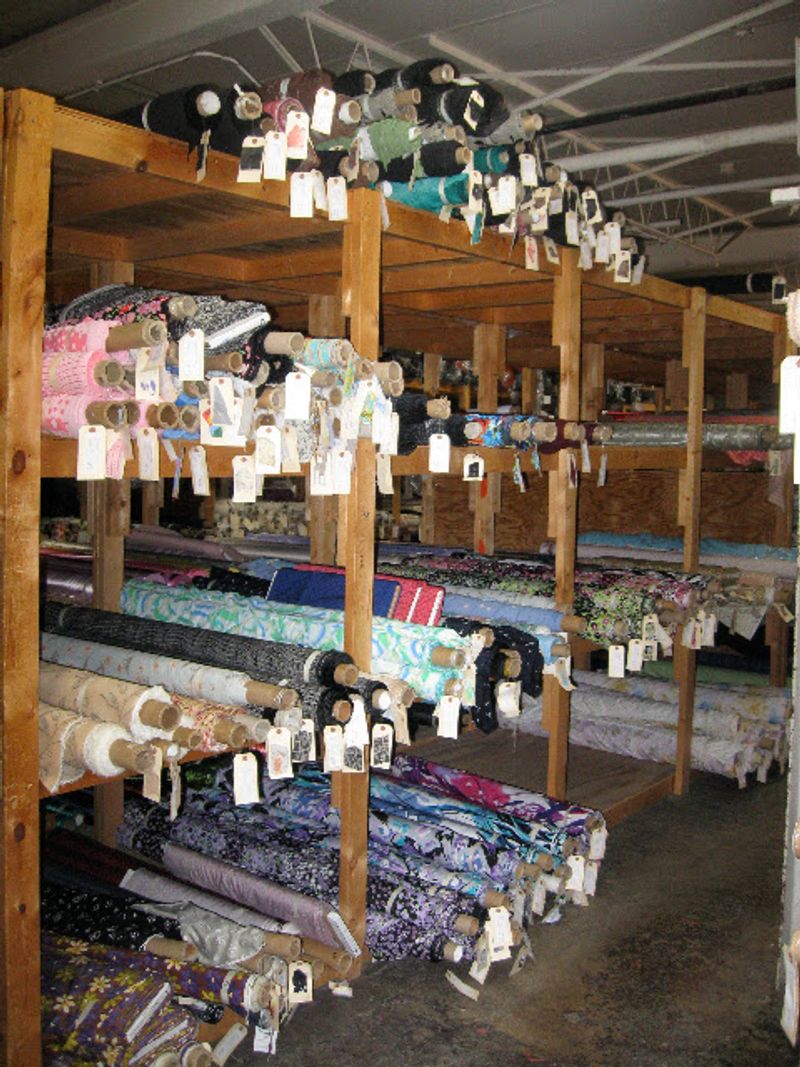
Hologram fabric. Sequins by the yard.
Silk prints suited to period costumes and rare silk taffetas that most stores stopped carrying years ago.
Costume builders treat this inventory like a hunting ground. Theatrical productions need materials that behave under stage lights, and ordinary shops rarely stock them.
Church brocades arrive through direct import. So do hand-beaded laces, some of which carry prices reaching hundreds of dollars per yard.
African prints come straight from the mills, drawing customers who want authentic cloth for traditional garments.
These are the specialty items that make people fly in from other states rather than risk shipping delays.
Availability shifts constantly with imports and seasons. Calling ahead about a very specific material is a reasonable move.
A word of practical warning. Novelty fabrics like sequins and holograms need specialized needles and careful pressing.
Ask about handling tips at the cutting table. The staff has watched countless projects go right and wrong.
A Bridal Department Built For Big Decisions
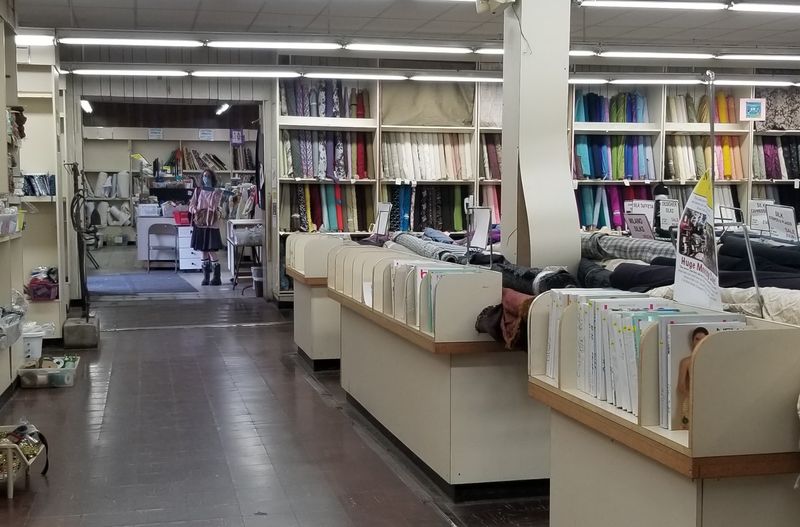
Choosing wedding dress fabric ranks among the more nerve-wracking errands in sewing. The bridal section here exists to make that decision less terrifying.
Ivories, whites, and blush tones appear in satins, tulles, laces, and beaded goods. Seeing them side by side under one roof helps enormously.
Reviewers mention bridal fabric often, and the depth of the selection is a big reason people travel for it.
Special occasion materials fill the surrounding shelves too. Think prom, quinceañera, formalwear, and anything requiring shine.
Bringing a color sample or a photo of the intended silhouette is smart. Drape matters as much as shade.
Buying a little extra yardage protects against fitting surprises later. Dye lots do not always repeat.
Custom button covering is available in the shop, which solves the back-of-the-gown problem neatly.
Give this section unhurried attention. Rushed fabric choices rarely age well in wedding photographs.
Notions, Patterns, And The Small Stuff That Saves Projects
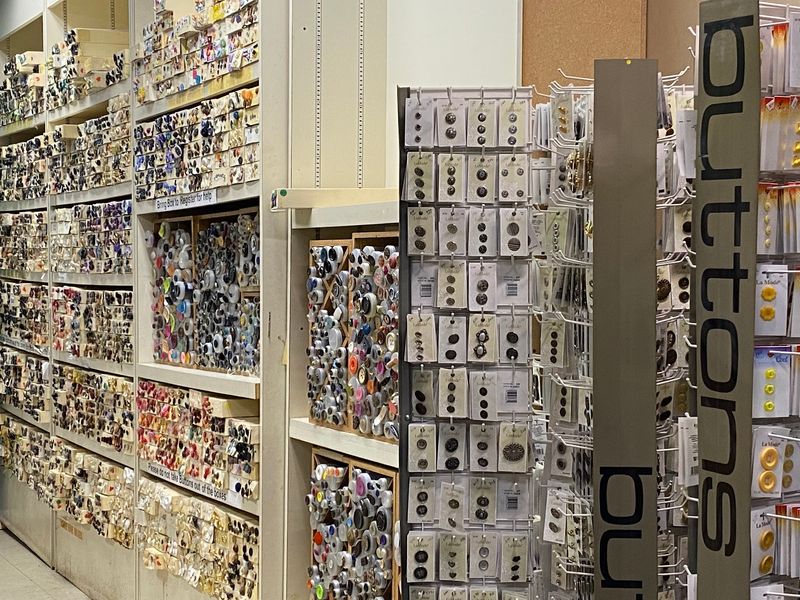
Fabric gets the glory. Notions finish the garment.
Walls of buttons draw steady praise from shoppers, and the button selection comes up again and again in customer comments.
Elastics, interfacings, zippers, and trims fill the aisles alongside sewing patterns of many kinds. Note that not every pattern brand is carried, so checking first avoids disappointment.
Custom button covering turns leftover fabric into matching closures. That service alone rescues plenty of tailored jackets.
Specialty notions for unusual projects show up here more reliably than at general craft stores. Upholstery supplies, curtain hardware components, and quilting tools all have their spots.
Quilters treat the cotton section as a happy detour. Home decor fabrics sit nearby for anyone recovering dining chairs or sewing drapes.
Make a written list before arriving. Warehouse browsing has a way of erasing memory.
Grabbing the interfacing while standing in front of it beats a second trip entirely.
The Repair Bench That Keeps Old Machines Humming
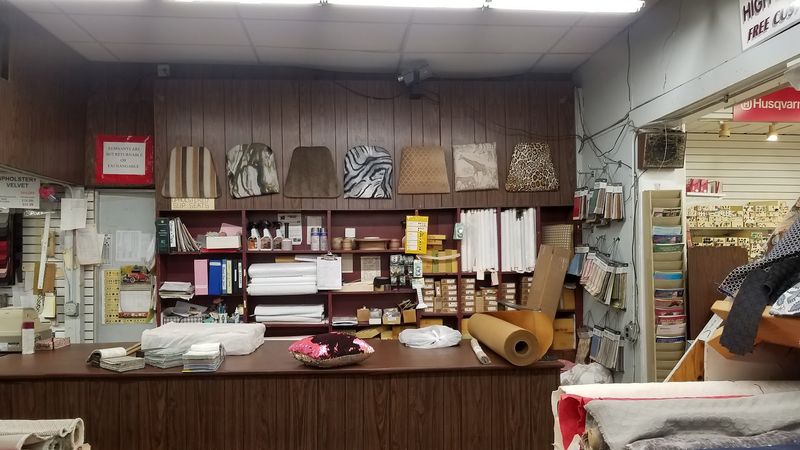
Vintage machine owners guard good repair technicians like state secrets. On-site sewing machine service is one of the strongest draws at this Evanston shop.
Antique models, mid-century workhorses, and modern computerized machines all get attention. Customers regularly describe machines returning in better shape than expected.
Scissor and shear sharpening is offered too, which matters more than beginners realize. Dull blades chew fabric instead of cutting it.
Repair availability depends on staffing and the technician’s schedule, so calling before hauling a heavy machine across town is wise.
Turnaround times vary with workload. Asking for an estimate up front avoids awkward surprises.
Bringing accessories, the foot pedal, and any error notes speeds diagnosis considerably.
Having repair, fabric, and notions in one building means a stalled project can restart the same afternoon.
Few fabric retailers still bother with service work. That this one does feels almost stubborn, in the best way.
Field Trips, Fashion Students, And A Maker Community
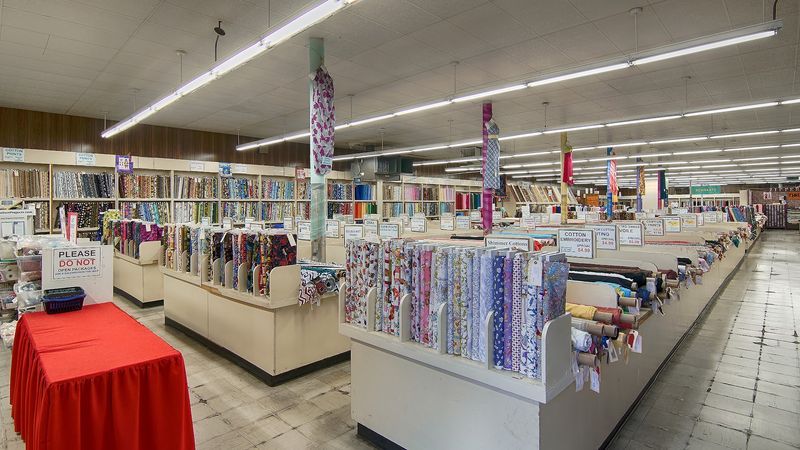
Buses full of sewists. That is not an exaggeration.
Groups charter transportation from around the Midwest to spend a day among the shelves. Fashion schools organize field trips so students can feel real fabric instead of studying photos.
Costume designers arrive from distant states to stock up for theatrical seasons. Others come seeking specific cloth for cultural and ethnic garments tied to family traditions.
That mix creates a lively floor. Conversations between strangers about grainlines and drape happen naturally in the aisles.
Local sewing circles use the place as a meeting point. Beginners often leave with advice they did not know they needed.
Sewing classes have been part of the offering over the years, though availability changes. Worth asking about.
Community, in this context, means somebody nearby has probably solved the exact problem stalling your project.
Talking to fellow shoppers is half the value of visiting in person.
Finding The Door On A Street That Looks Like An Alley
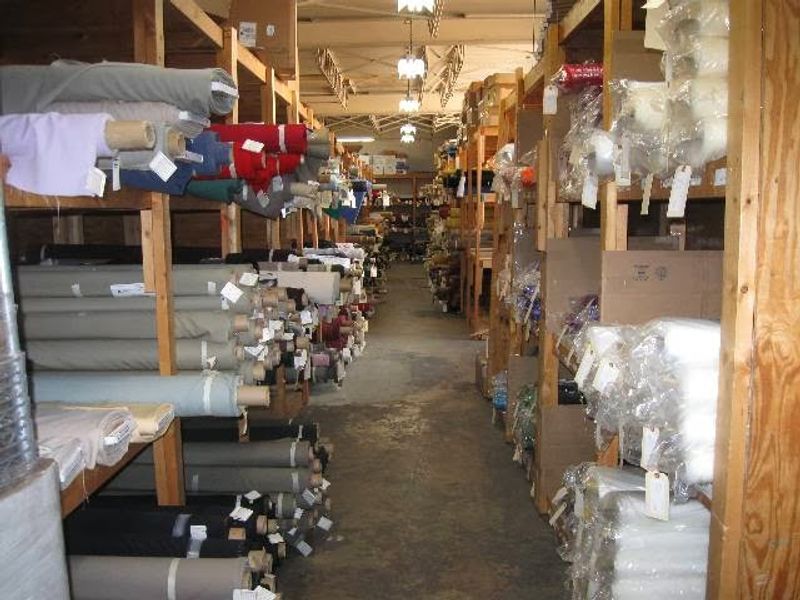
Directions here confuse first-timers. The warehouse sits along narrow streets that look suspiciously like alleys with signs.
Shoppers report following navigation apps into what feels like someone’s driveway, only to arrive exactly where they intended. Trust the route.
Free on-site parking makes the trip easier than shopping in downtown Chicago. Loading heavy bolts into a car is far less dramatic in a warehouse lot.
Inside, expect concrete floors and industrial shelving rather than styled displays. This is a working space, not a showroom.
Some aisles run tight, and maneuvering a cart takes patience during busy stretches. Weekday mornings tend to feel calmer.
Price tags occasionally go missing on bolts, so asking at the counter saves guesswork at checkout.
Shipping is available for customers who travel from far away and would rather not wrestle armloads of yardage home.
Come early, leave time, and treat the visit as an outing rather than a quick stop.
Keeping America Sewing, One Yard At A Time
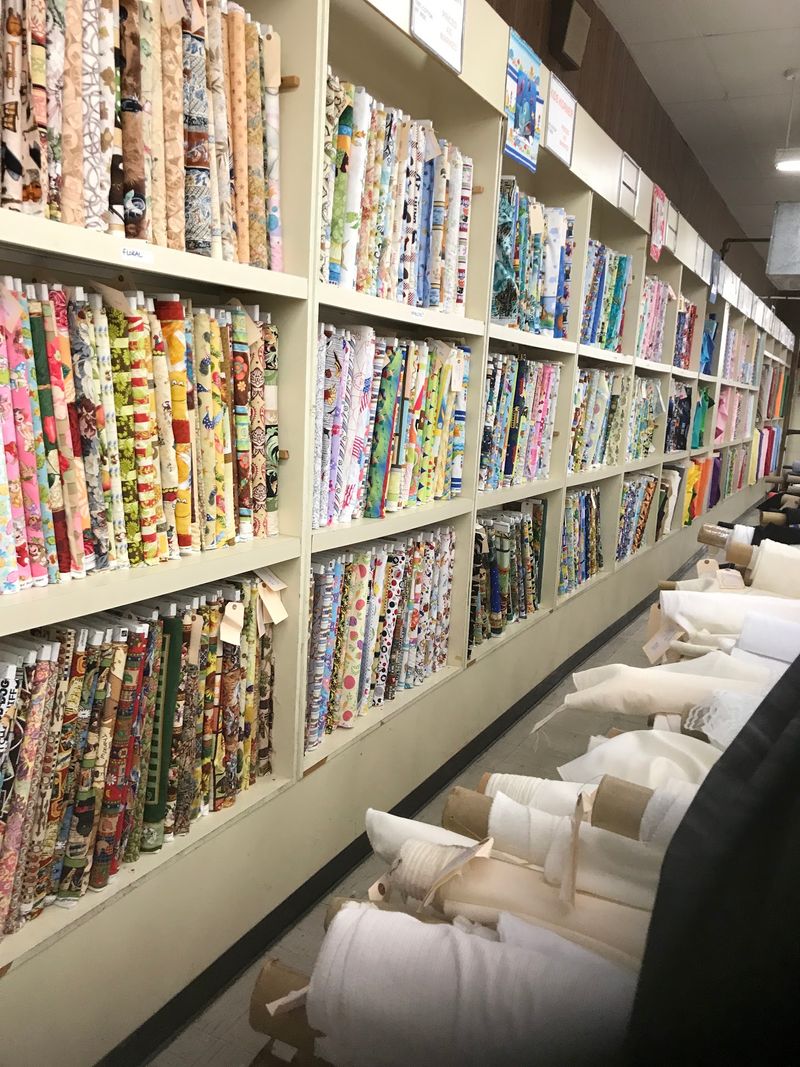
The stated mission is simple. Keep America sewing.
That phrase has guided decisions for generations of the founding family, and it explains why the store keeps chasing unusual imports instead of playing safe.
When a major craft chain closed, many home sewists scrambled for replacements. Plenty landed here and found materials they liked better.
Online ordering extends the reach well beyond Illinois. Swatches and single yards help remote customers test unfamiliar cloth before committing.
Wholesale service runs alongside retail, supplying designers and small businesses with larger quantities.
Service experiences vary, as with any busy specialty retailer. Arriving with clear questions and reasonable time to spare generally helps the visit go smoothly.
What remains constant is the depth of the inventory and the willingness to stock things almost nobody else does.
Eighty-one years in, the cutting tables still hum, and Illinois sewists still have somewhere to find the impossible fabric.
Bring a project. Leave with three more.