
Watch Out For Jellyfish At These 11 Georgia Beaches And Back Bays This Summer
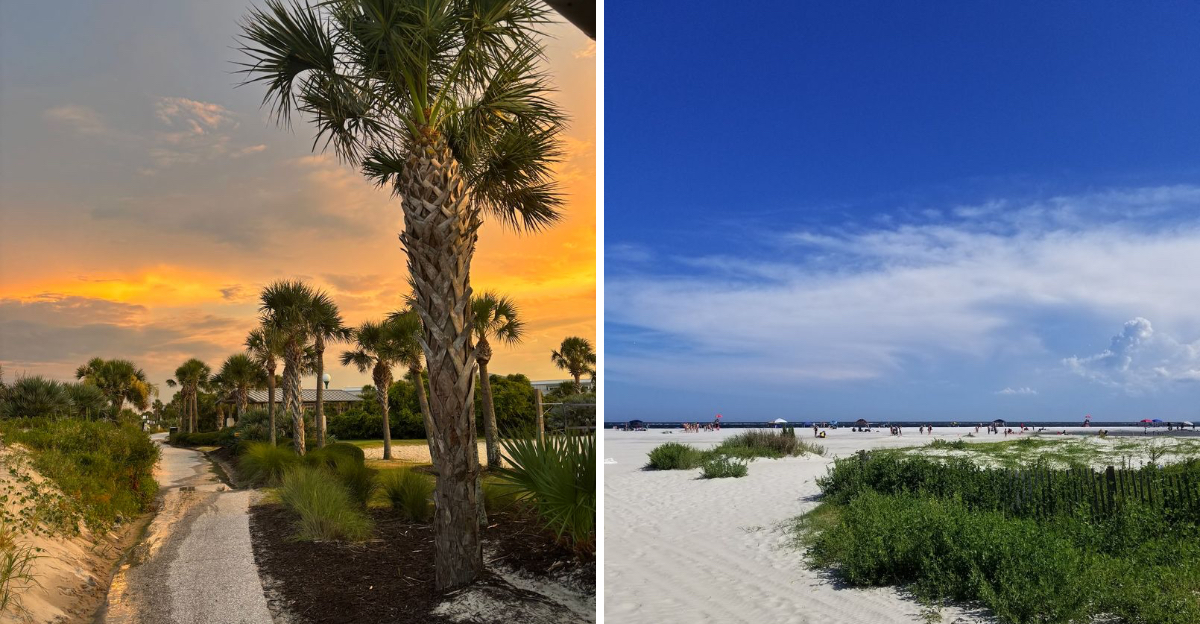
Summer on the Georgia coast smells like salt, sunscreen, and fried shrimp baskets. I have spent plenty of warm mornings barefoot on sand, watching kids poke at rubbery blobs that washed in overnight.
Those blobs are jellyfish, and they show up along Georgia beaches and back bays every single year. Most are harmless cannonballs, the firm little jellyballs shrimpers pull up by the netful.
A few, like the sea wasp, pack a sting you will remember long after your tan fades. So I put together a coast-to-marsh guide to the spots where jellyfish sightings happen most.
You will get scenery tips, quiet paddling coves, wild horse islands, and honest advice on when to stay in ankle-deep water. Grab your flip-flops and read on before your next Georgia beach day.
1. North Beach, Tybee Island
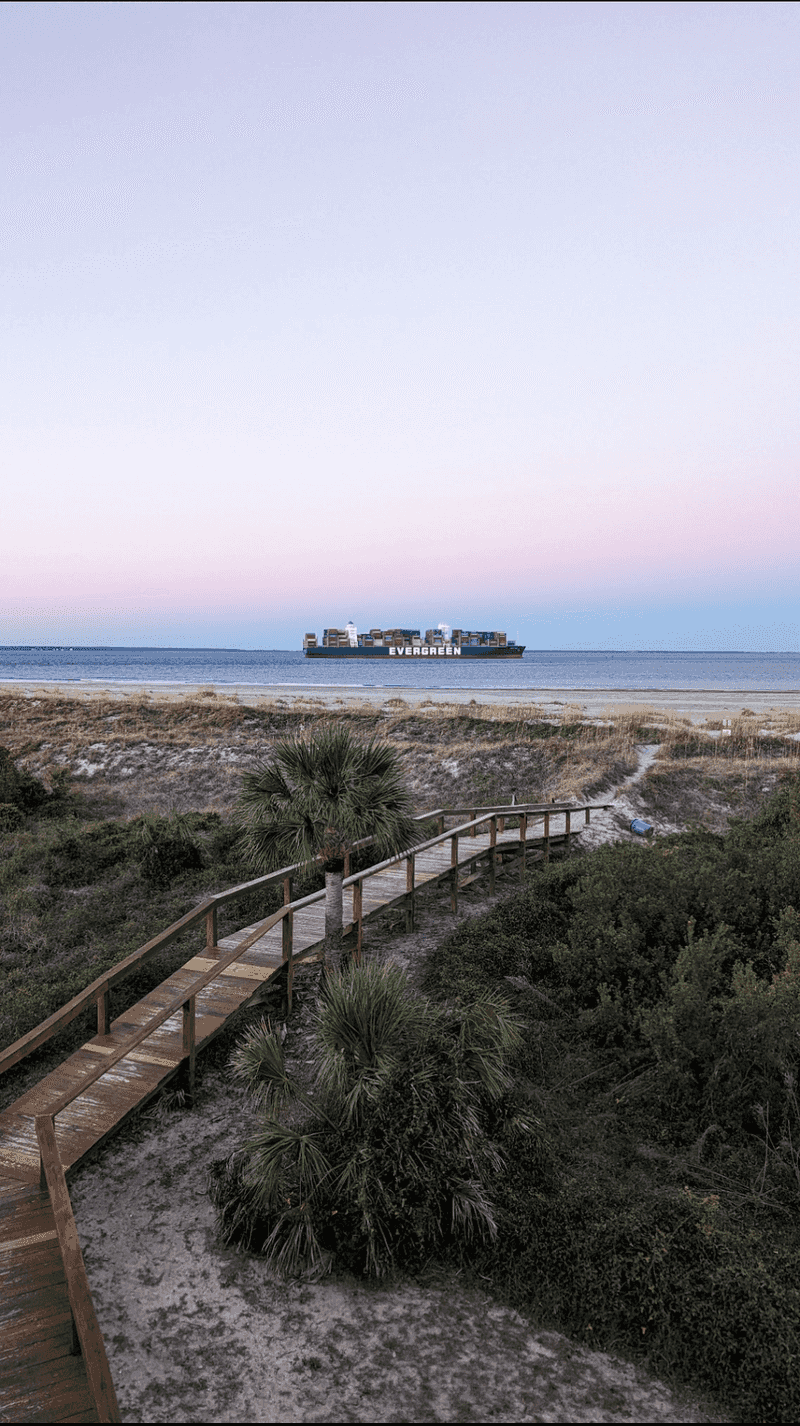
Ever seen hundreds of round jellies lined up along the tide line like scattered marbles? North Beach on Tybee Island, Georgia, serves up that scene after windy nights.
The lighthouse stands nearby, and shrimp boats work the channel just offshore. Families crowd the sand, and the pier crowd stays a mile south.
Cannonball jellyfish dominate here. They look like firm domes and rarely bother swimmers.
You can spot them year-round, though late winter and early spring often bring the biggest strandings. Moon jellyfish drift in as water temperatures climb.
Their sting usually feels mild, more like a nettle brush than a real injury.
Now the part I take seriously. Sea wasp jellyfish tend to peak from late July into mid-August.
Locals call it a sea wasp, though it is a milder cousin of the dangerous Australian species, and it tends to peak from late July into mid-August.
Their bodies stay nearly clear in the surf, which makes them tough to see. Their sting hits hard and fast.
Shuffle your feet and scan the water before you wade in deep. Strong currents can push a whole raft of jellies toward the north end overnight.
Rinse off after swimming, and keep vinegar in your beach bag just in case. Ask a lifeguard about conditions, since they watch the water all day.
2. Mid Beach, Tybee Island
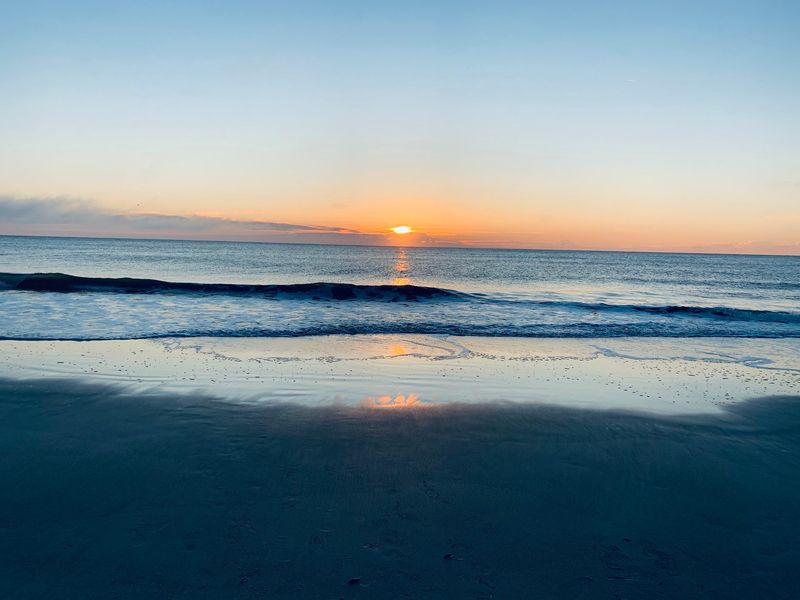
Want Tybee sand without the boardwalk buzz? Mid Beach delivers a calmer walk between the busy north and south ends.
Dune crossovers pop up every few blocks, and parking spots hide along Butler Avenue. Locals bring chairs here for long, slow afternoons.
Jellyfish patterns match the rest of Tybee Island, Georgia. Cannonball jellies stay the headliner, appearing through every season.
Kids love flipping them over, though I always suggest looking instead of touching. Moon jellyfish show up more often as summer deepens, and their sting reads as a light irritation for most people.
Sea wasps remain the real concern. Late July through mid-August marks their strongest stretch along this coast.
Their tentacles trail long and thin, nearly invisible against the water. Beached ones can still sting, so watch your steps in soft sand.
My routine at Mid Beach is simple. I scan the swash zone first, then wade in slowly and keep my eyes down.
Water shoes help more than people expect. If someone in your group gets stung, rinse with salt water, not fresh, and skip the rubbing.
Then dry off and go grab ice cream.
3. Little Tybee Island
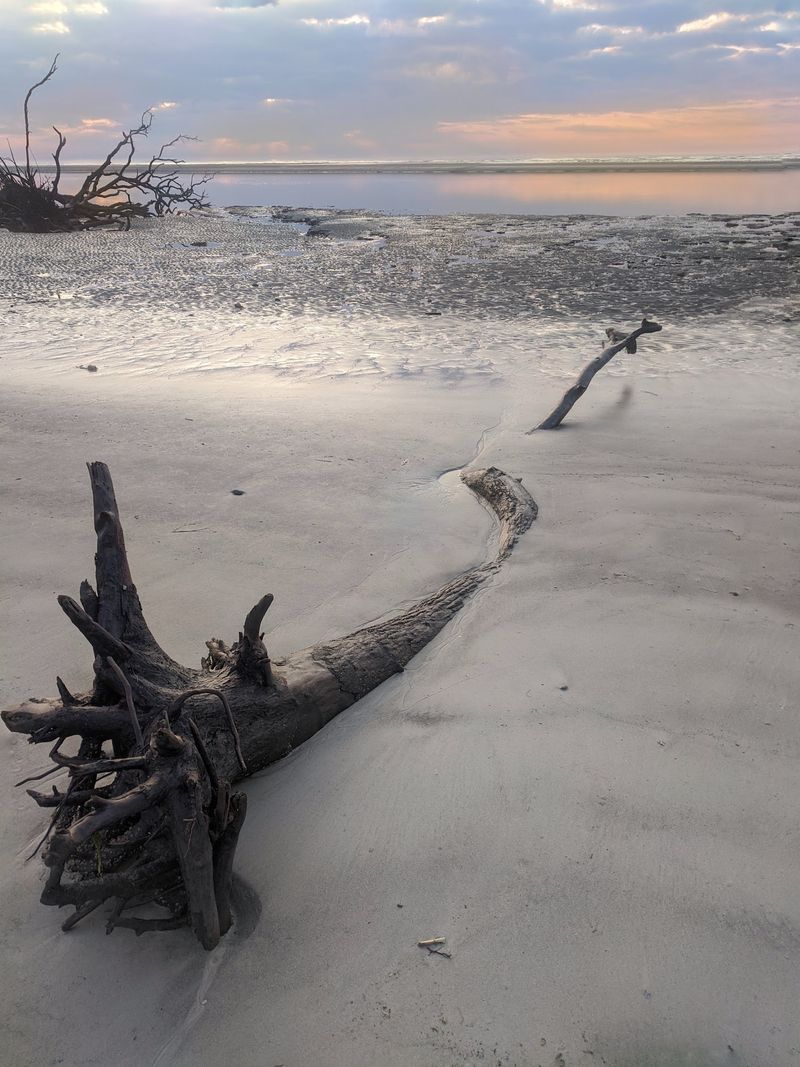
Boat access only, and that changes everything. Little Tybee Island sits just south of Tybee Island, Georgia, with no roads, no snack bars, and no crowds.
Kayakers and boaters cross the creeks to reach it. Shorebirds outnumber people most days.
The wildness feels wonderful, but it also means help sits farther away. Plan for that before you swim.
Cannonball jellyfish thrive in these tidal waters all year. Their firm bodies roll in the shallows and rarely cause trouble.
Moon jellies join the party during warm months, delivering a mild sting at worst.
Late July through mid-August raises the sea wasp risk here too. Clear bodies, thin tentacles, sharp sting.
Tidal currents rip through the inlets, which can concentrate jellies in certain pockets. Watch the water color and swim near your boat.
Pack a first aid kit, vinegar, plenty of drinking water, and shade. Cell service can be spotty, so tell someone your float plan.
Leave the shells and the jellies where you find them. That is part of what keeps this island feeling untouched.
Paddle out, look closely, step carefully, and you will leave with stories instead of stings.
4. East Beach, St. Simons Island
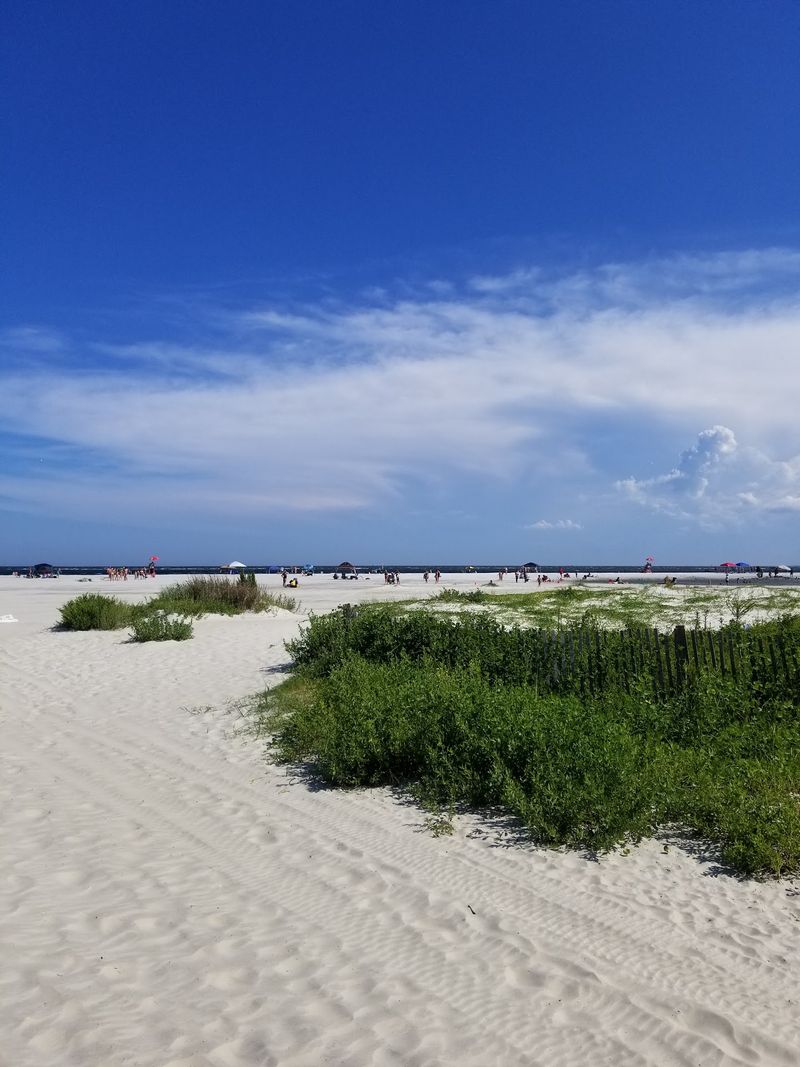
Flag colors matter more than you think. East Beach on St. Simons Island, Georgia, uses a lifeguard flag system, and purple means marine pests are around.
That single flag can save your afternoon. Check it before your towel hits the sand.
The beach itself runs wide and flat at low tide. Bikes roll easily, tidal pools form for toddlers, and the historic island charm waits a short drive away.
Cannonball jellyfish are the usual suspects in these waters. Georgia shrimpers even harvest them commercially, which tells you how plentiful they get.
They stay present year-round and pose little threat. Moon jellies appear during warmer stretches with a mild sting.
Sea wasps show up from late July into mid-August. Their sting stings sharply, and their transparency makes spotting them tough in choppy water.
Here is my practical advice. Swim near a staffed lifeguard stand and ask what they have seen that morning.
Wear water shoes when the tide pulls out, since stranded tentacles still carry a punch. Keep a bottle of vinegar in the cooler.
Then enjoy the long shallow water, because East Beach rewards patient waders.
5. Gould’s Inlet, St. Simons Island
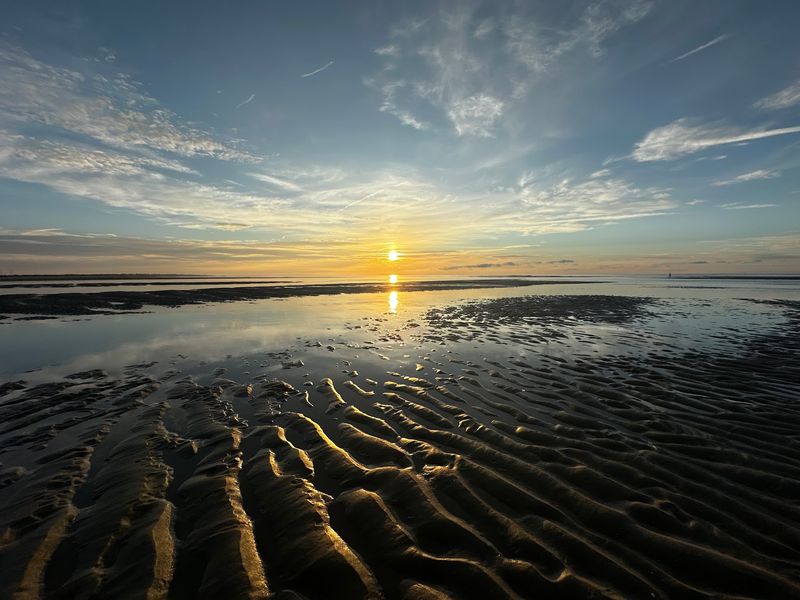
Birders get here early for a reason. Gould’s Inlet, at the north end of East Beach on St. Simons Island, Georgia, fills with shorebirds at low tide.
Anglers cast from the sandbars. Paddleboarders glide past in the distance.
Swimming is not the main draw. Currents run strong through the inlet channels, and sandbars shift with every tide cycle.
Treat this as a watching spot rather than a splashing spot.
Jellyfish still hang around. Cannonballs wash onto the bars regularly and cause almost no problems.
Moon jellies drift through in summer with their mild sting. Sea wasps become more likely from late July into mid-August.
Even stranded jellies deserve respect. Tentacles can fire long after the animal leaves the water, so keep curious hands and dog noses away.
Bring binoculars, a hat, and bug spray for the marsh edge. Low tide opens up the widest sand for walking and photos.
Check the tide chart before you go, since high water shrinks the beach fast.
I usually end my visits here with a slow stroll south along East Beach, eyes on the sand and the sky.
6. Driftwood Beach, Jekyll Island
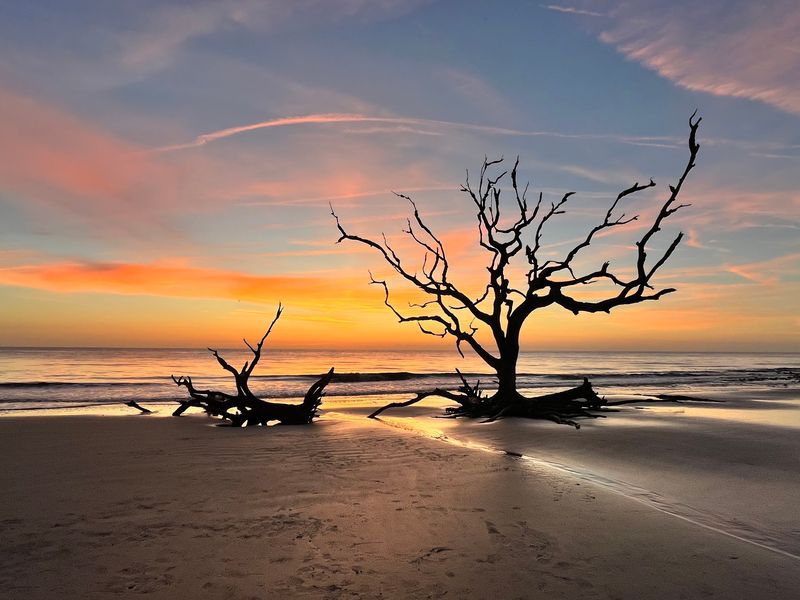
Sunrise photographers arrive before the coffee shops open. Driftwood Beach on Jekyll Island, Georgia, is a boneyard of bleached oaks and pines toppled by erosion.
The trees frame the surf beautifully. The light at dawn does the rest.
Swimming here takes extra care, and not only because of jellyfish. Submerged roots and stumps hide under the waterline.
Cannonball jellyfish wash up among the driftwood constantly. Their firm domes are harmless to most people.
Atlantic sea nettles also visit Georgia waters, and their sting carries more bite than a moon jelly’s. Wind and tide can strand large numbers in one morning.
Watch your footing as you weave between the logs. Jellyfish tucked in wet sand blend in easily, especially in low light.
Flip-flops slip on damp roots, so I wear closed water shoes. Low tide gives you the best access and the best photos.
Skip climbing the fragile trees, and keep drones and pets under control near nesting birds.
Then walk north toward the campground for a quieter stretch. Driftwood Beach earns its reputation, and a little caution keeps the visit picture-perfect.
7. Great Dunes Beach Park, Jekyll Island
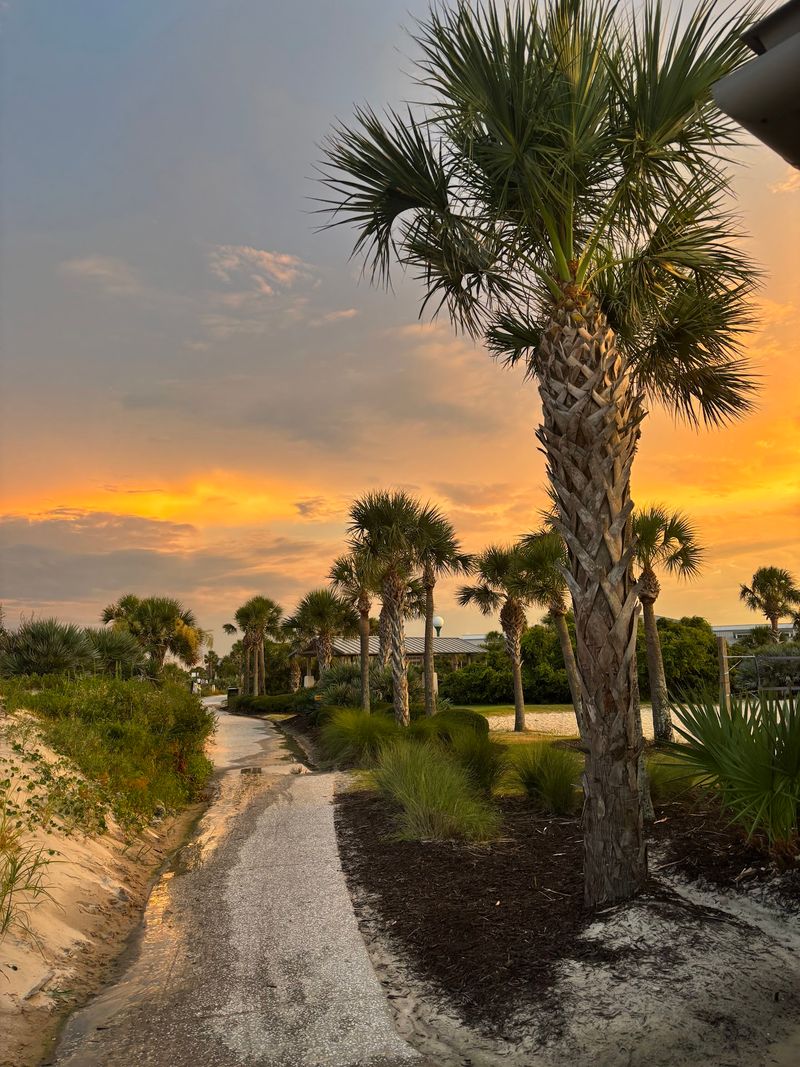
Kites, sandcastles, and picnic tables. Great Dunes Beach Park on Jekyll Island, Georgia, is built for a full day with a cooler and a beach umbrella.
Boardwalks cross the dunes. Restrooms and showers sit close by.
The sand runs wide and the slope stays gentle, so families wade out comfortably. That same shallow water is where jellyfish gather.
Cannonball jellyfish appear all year and rarely sting people. Kids will find them rolling in the foam.
Moon jellies increase as the ocean warms, and their sting stays on the mild side.
Sea wasps peak from late July into mid-August, and their sting hurts sharply. Their near-invisible bodies make them the trickiest jellies on this coast.
My habit here is easy to copy. Rinse off at the shower after swimming, and check the lifeguard flags where posted.
Teach kids the look-do-not-touch rule early, because a stranded jelly still fires stingers. Vinegar and a card for scraping tentacles belong in every beach bag.
Afterward, ride the island bike paths or head to the nearby sea turtle center.
Great Dunes handles a busy beach day well, jellies and all.
8. Sea Island Beach, Sea Island
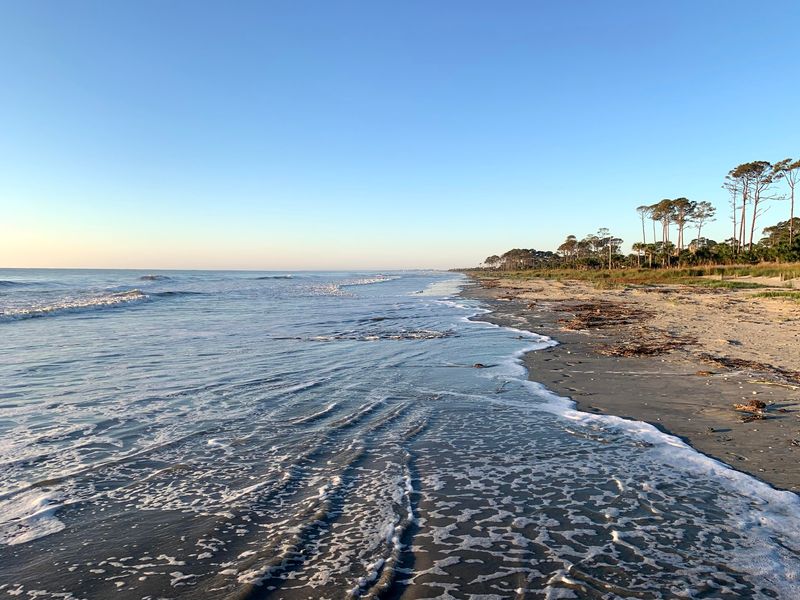
Quiet sand, tidy umbrellas, and almost no foot traffic. Sea Island Beach, on Sea Island, Georgia, sits just north of St. Simons and feels like a private stretch of coast.
Access is limited, mostly for resort guests and residents. That keeps the shoreline calm.
The ocean, of course, does not check guest lists. Jellyfish drift through here the same way they do everywhere along the Golden Isles.
Cannonball jellyfish appear year-round. Their rubbery domes bump along in the shallows without much drama.
Moon jellies show up in warmer months with a mild sting. Both wash in after strong onshore winds.
From late July into mid-August, sea wasps raise the stakes. Long thin tentacles, clear bodies, and a sting that ruins a swim.
Beach attendants usually know what the water looked like that morning, so ask before you head out. Walk the tide line first and count what you see.
Bring vinegar, and keep sandals on during evening strolls when visibility drops.
Then settle back into a lounge chair with a book and let the surf do the talking. Careful swimmers get the best of this shoreline.
9. Cumberland Island National Seashore, St. Marys
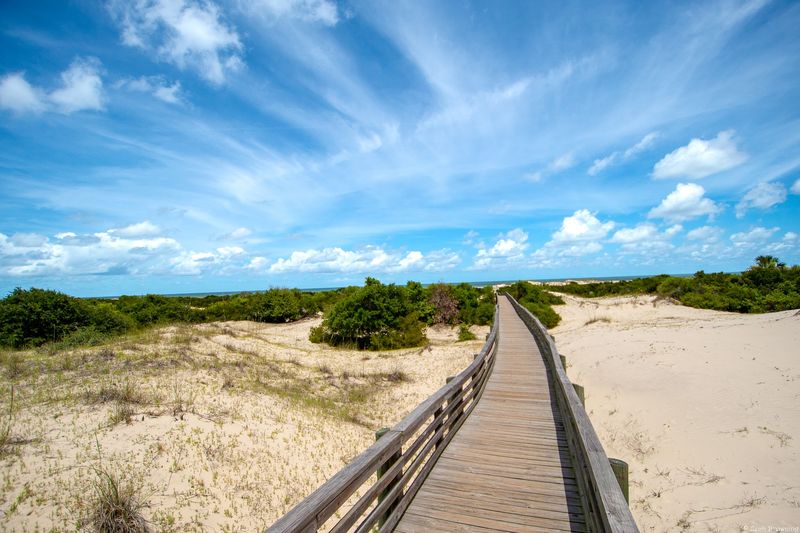
Wild horses on an empty beach. Cumberland Island National Seashore, reached by ferry from St. Marys, Georgia, is the state’s largest barrier island and its most rugged shoreline.
Miles of sand run without a single building. Live oaks and Spanish moss shade the interior trails.
Because the island stays undeveloped, there are no lifeguards. You are responsible for your own safety in the surf.
Cannonball jellyfish strand here in big numbers, and they are largely harmless. You will step around dozens on a long walk.
Moon jellies drift in during summer with mild stings. July and August bring sea wasp risk, and those stings hit hard.
Plan like a hiker, not a sunbather. Carry water, sunscreen, food, bug spray, and a small first aid kit with vinegar.
Ferry schedules control your day, so keep an eye on the clock. Give the horses plenty of room, since they are truly wild.
Wade in shallow water rather than swimming out alone. Watch your feet on the wrack line where jellies collect.
Few places in Georgia feel this untamed, and that is exactly why it deserves your full attention.
10. Skidaway Island State Park, Savannah
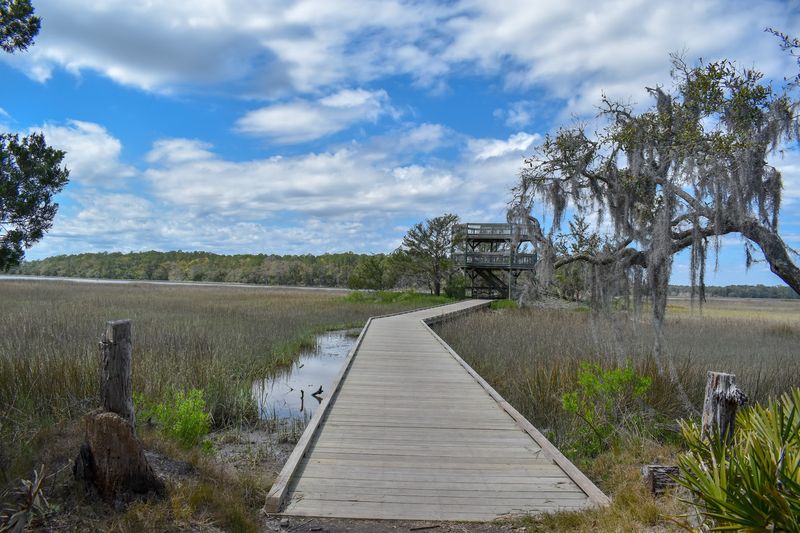
Trade waves for marsh grass. Skidaway Island State Park near Savannah, Georgia, protects maritime forest, tidal creeks, and boardwalks over the salt marsh.
No ocean swimming beach here. Hiking, birding, and fiddler crab watching fill the day instead.
The back bays and creeks still hold jellyfish. Cannonball jellies pulse through these brackish waters and often bunch up near the marsh edge.
They are present year-round and generally harmless to people. Watch them from the boardwalk and you will see how they swim, dome first.
Kayakers launching in nearby waterways sometimes paddle right over them. That view alone is worth the trip.
Stay smart anyway. Muddy creek banks get slippery, and murky water hides everything below the surface.
Do not scoop jellyfish with bare hands, and rinse off if you touch marsh water. Bug spray matters here more than sunscreen, especially at dusk.
Interpretive signs and the park’s nature center explain how these creatures fit the estuary food web. Sea turtles feed on jellies, which makes them more useful than most beachgoers realize.
Walk the trails slowly, and Georgia’s marsh side will surprise you.
11. Sapelo Island, Sapelo Island
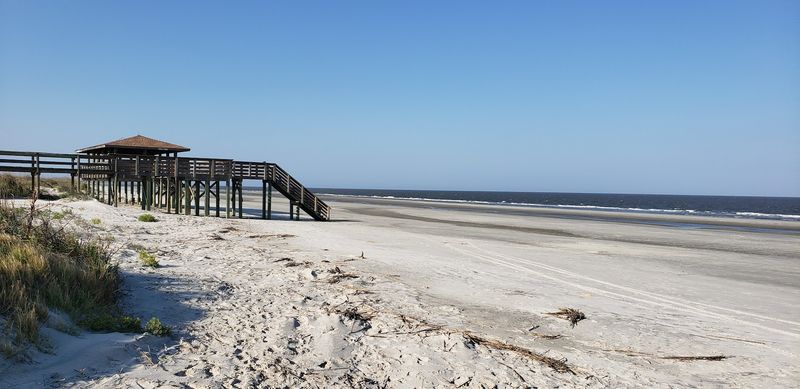
History, marsh, and a beach almost nobody shares. Sapelo Island, Georgia, sits offshore of the mainland and welcomes visitors by ferry only.
Hog Hammock holds deep Gullah Geechee roots. The island’s research reserve studies these very estuaries.
Nanny Goat Beach stretches long and empty, backed by tall dunes. A red and white lighthouse anchors the south end.
Jellyfish follow the same coastal rhythm here. Cannonball jellies appear through every season and do not sting.
Moon jellies arrive with warmer water, bringing only a mild irritation. Late July into mid-August raises the sea wasp risk, and those stings sting seriously.
Come prepared, because services on the island are limited. Water, snacks, sunscreen, bug spray, and vinegar all earn their space in your bag.
Stick to shallow water, and watch the tide line as you walk. Currents near the inlets move faster than they look.
Guided tours share island history and marsh ecology, which adds real depth to the trip. Respect the community, the dunes, and the wildlife you pass.
Sapelo rewards patient visitors with quiet sand, salt air, and a coastline that feels beautifully unhurried.