
This Kansas All-You-Can-Eat Spot Makes It Hard To Stop At One Plate
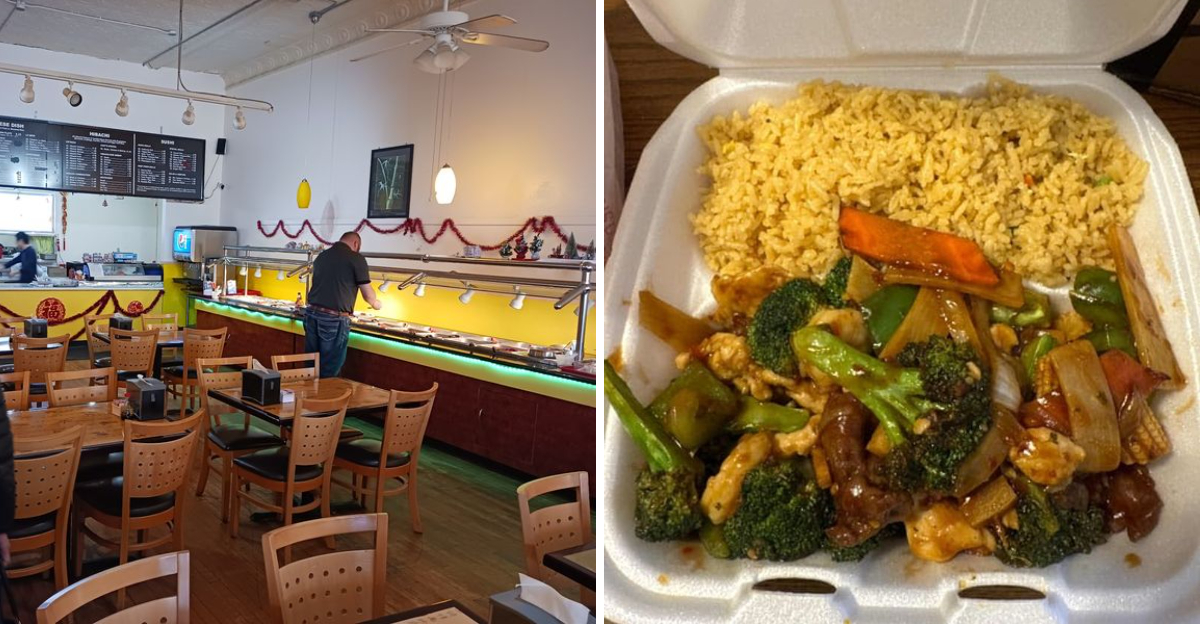
The real test of an all-you-can-eat restaurant comes when you push back your chair, swear you are finished, and somehow end up standing with an empty plate again. That happens a lot at this Kansas favorite.
There is always one more thing worth trying. Maybe it is something you skipped the first time. Maybe the tray was just refilled. Either way, the idea of being done rarely lasts very long.
Kansas diners who love a big, relaxed meal will understand the appeal immediately. Nobody is counting bites or rushing the table. You eat until you are satisfied, then decide if satisfied actually means finished.
For a spot built around unlimited helpings, that is exactly the problem you want to have. And somewhere in the state, plenty of diners are discovering that plate number two is usually much easier to justify than expected.
Buffet That Keeps The Food Coming
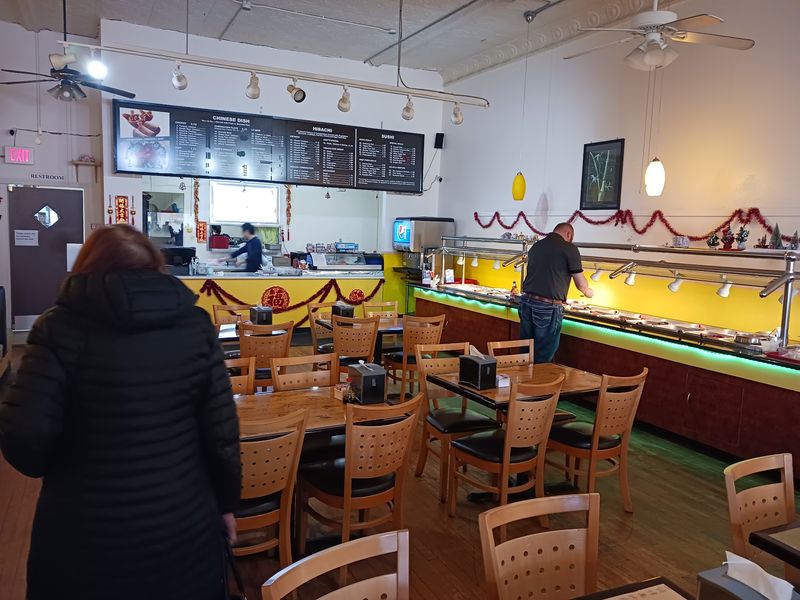
Walking into a restaurant where the food keeps appearing feels like discovering a secret treasure. The buffet setup at this McPherson location runs throughout most of the week, giving diners plenty of chances to sample different dishes.
Located at 224 N Main St, McPherson, Kansas, the restaurant operates Tuesday through Sunday from 11 AM to 9 PM, with Mondays reserved for rest. The warming trays stay stocked during service hours, though availability can shift depending on the time of day.
Fresh batches arrive regularly during peak times, keeping selections warm and ready. The variety changes throughout service, so visiting at different hours might reveal different options.
Ever notice how buffets taste better when you’re really hungry?
Spacing out trips to the buffet line helps pace the experience without overwhelming your table with plates.
Sushi Counter Surprises
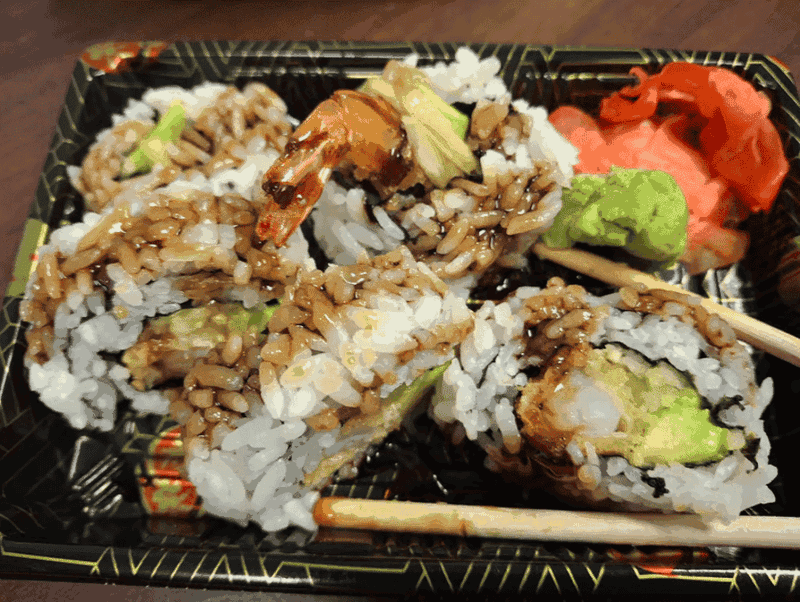
Not every Chinese restaurant in Kansas serves sushi, but this one breaks the mold. Behind a dedicated counter, fresh rolls get assembled throughout the day, adding a Japanese twist to the traditional menu.
The sushi selection draws regular mentions from visitors who appreciate having this option available. Rolls come in different varieties, giving diners a chance to try something beyond the standard Chinese fare.
Quality can vary like anywhere else, but many find it a pleasant addition to their meal.
Some guests make the sushi their main focus, while others grab a few pieces alongside their other selections. The combination gives groups with different preferences something everyone can enjoy.
Why settle for one cuisine when you can explore two?
Ordering from the counter adds a bit of interaction to the dining experience, breaking up the self-service routine.
Generous Portions That Travel Well
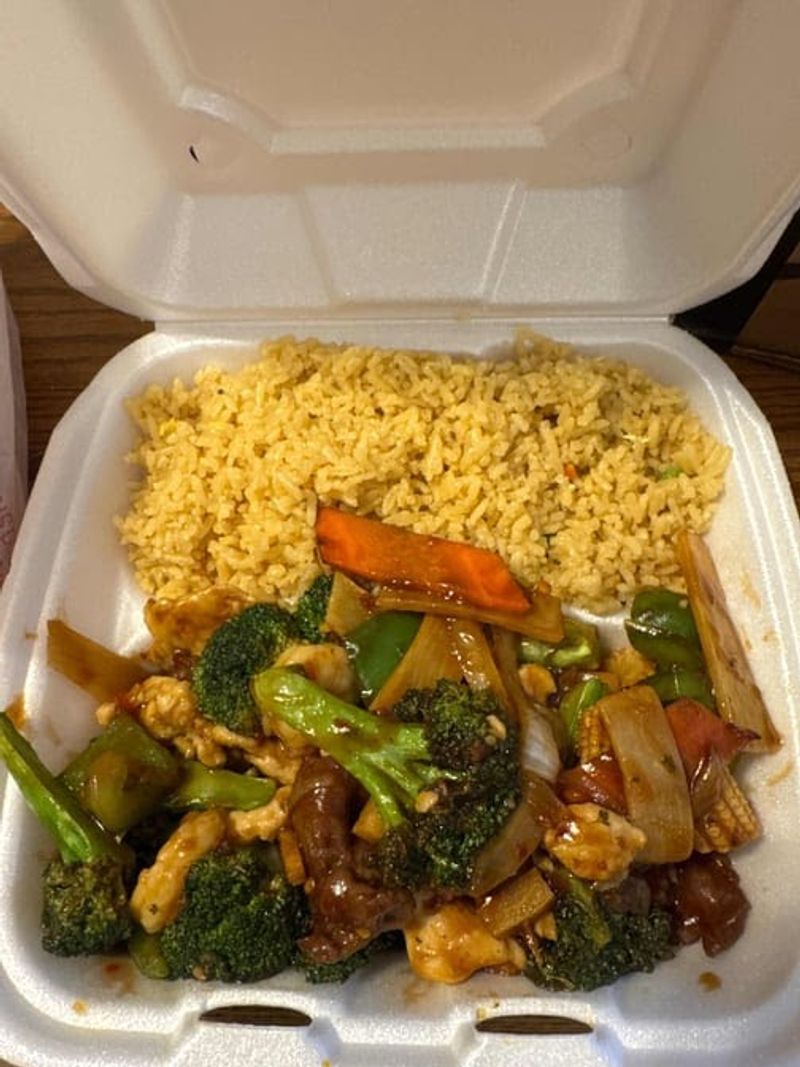
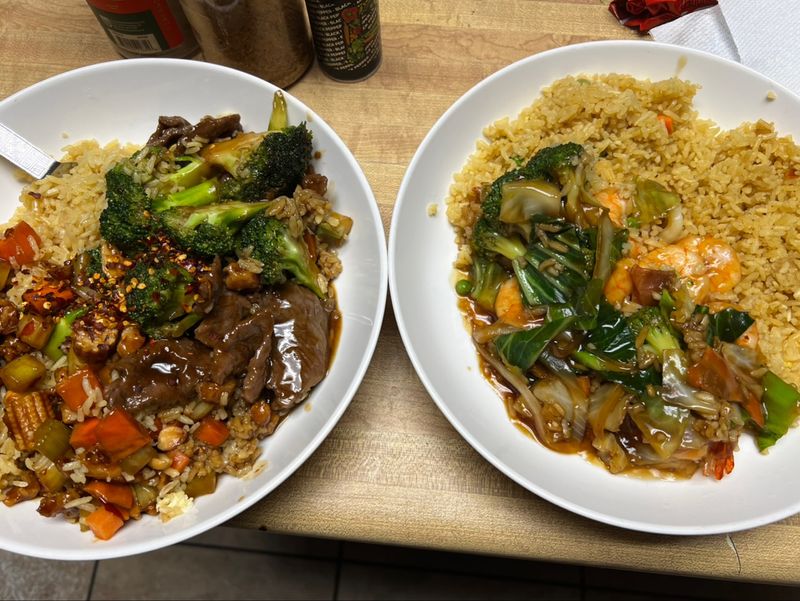
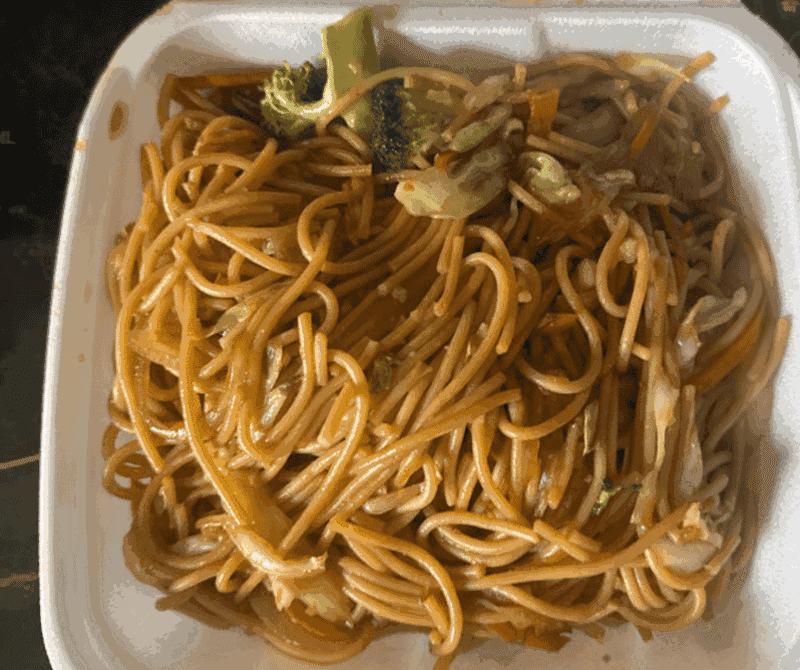
Leaving a restaurant with enough food for tomorrow’s lunch feels like winning twice. Orders from the regular menu arrive in quantities that often surprise first-time visitors, with rice servings alone feeding multiple people.
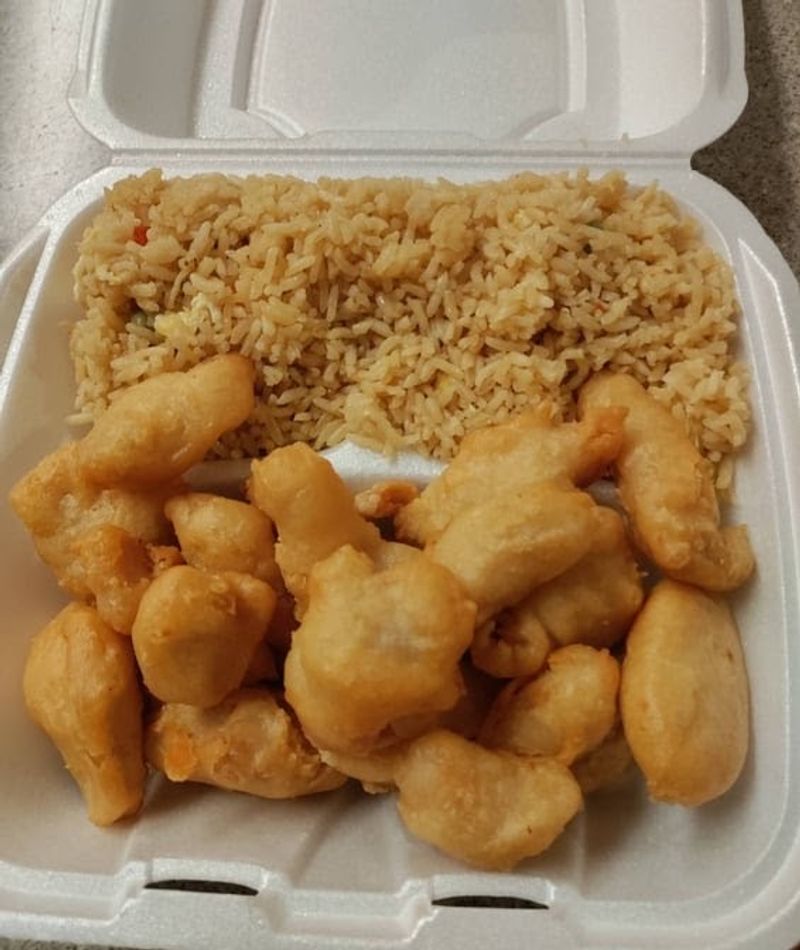
Brown rice comes standard with most entrees, arriving in amounts that dwarf the protein portion. Some diners split orders or plan ahead for leftovers, knowing the kitchen doesn’t hold back on serving sizes.
The generous approach means better value, though it also means managing expectations about how much actually fits on one plate.
Takeout containers get a workout here, with many meals heading home for round two. The food holds up reasonably well during short drives, making it practical for those passing through town.
Ever tried eating Chinese food cold the next morning?
Planning for leftovers turns one meal into two or three, stretching both budget and satisfaction.
Hibachi Menu Without The Show
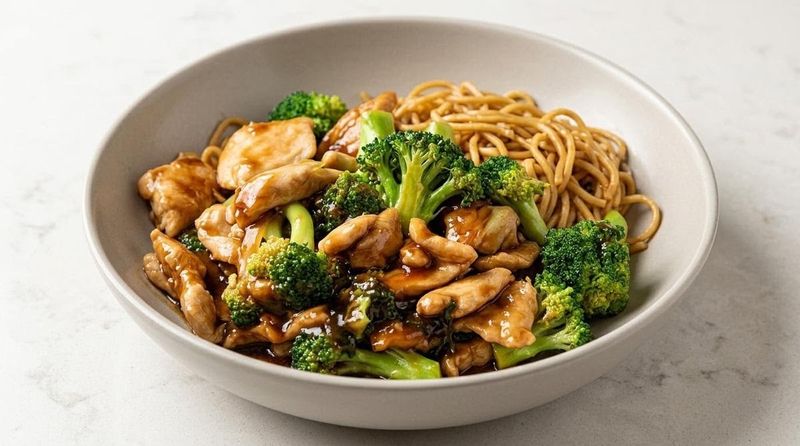
Hibachi usually means tableside grills and flying spatulas, but this spot takes a different approach. The hibachi menu offers grilled items without the theatrical preparation, focusing instead on the flavors and combinations.
Chicken, shrimp, and beef options come with vegetables and rice, prepared in the kitchen rather than at your table. The style appeals to those who want hibachi flavors without waiting for the performance or paying premium prices.
Results can be inconsistent, with some guests finding their orders perfectly seasoned while others notice blandness.
Temperature matters here, as some meals arrive lukewarm rather than piping hot. Asking about freshness or timing might help ensure a better outcome.
The hibachi truck on Main Street offers local competition, giving diners another option if this version doesn’t hit the mark.
Trying different menu sections helps identify what the kitchen does best on any given visit.
Weekday Lunch Timing Strategy
Arriving at the right time can make or break a buffet experience. Midday service tends to see the most activity, with fresh food arriving more frequently to keep up with lunch crowds.
Weekdays may offer a calmer atmosphere compared to weekends, though this also means potentially slower turnover on buffet items. The restaurant opens at 11 AM Tuesday through Sunday, giving early birds first access to freshly prepared selections.
Late arrivals sometimes find picked-over options, especially as closing time approaches.
Calling ahead to check buffet availability saves disappointment, since not every visit guarantees a full spread. Monday closures mean planning around the schedule if this becomes a regular stop.
Does your stomach know what time lunch starts?
Building a mental map of which days work best helps create more consistent experiences over multiple visits.
Sweet And Sour Chicken Standby
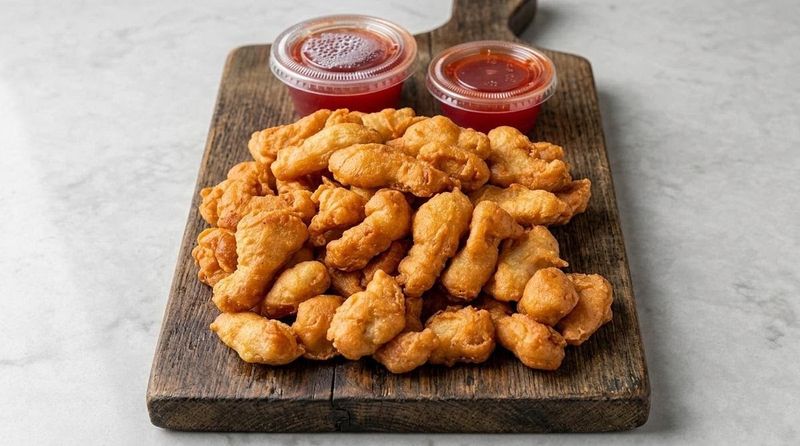
Some dishes earn their place on every Chinese menu through sheer reliability. Sweet and sour chicken shows up frequently in takeout orders here, offering a familiar option for those who prefer sticking with classics.
The battered chicken comes coated in tangy sauce, typically served alongside fried rice. While not adventurous, it delivers expected flavors without surprises, making it popular with families and picky eaters.
The dish travels well in takeout containers, maintaining its texture better than some other options.
Portion sizes follow the restaurant’s generous pattern, often providing enough for multiple meals. Some guests order it specifically because they know what they’re getting, reducing the risk of disappointment.
Ever notice how certain foods just feel like comfort?
Balancing familiar favorites with experimental choices lets diners play it safe while still trying something new on the side.
General’s Chicken For Spice Lovers
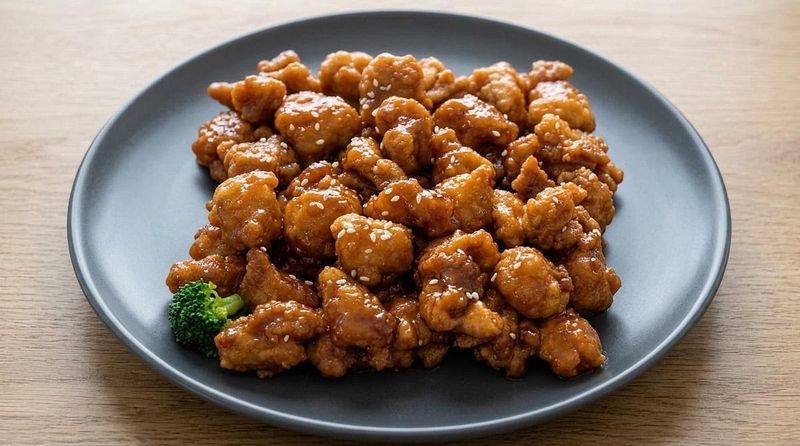
Heat levels in Chinese food can surprise unsuspecting diners. General’s chicken appears on the menu as a spicier alternative to milder options, though exact spice levels may vary between preparations.
The dish combines chicken pieces with a sauce that packs more punch than sweet and sour varieties. Some guests specifically request it for the kick, while others find themselves caught off guard if they expected mild flavors.
Orange chicken also appears on the menu, sometimes arriving spicier than anticipated based on individual kitchen preparations.
Asking about spice levels before ordering helps avoid unwanted surprises, especially for those with sensitive palates. The kitchen may adjust heat upon request, though consistency can vary.
Think your taste buds can handle the challenge?
Starting with a small portion lets you test the waters before committing to a full plate of fire.
Crab Rangoon Cream Cheese Debate
Few appetizers spark as much debate as crab rangoon. These fried wontons filled with cream cheese mixture appear on the menu as a popular starter or side order, though opinions on the filling vary widely.
Traditional versions balance savory and slightly sweet flavors, but preparations differ between restaurants and even between batches. Some diners here have found the filling sweeter than expected, almost dessert-like, while others enjoy the combination.
The texture should be crispy outside with warm, creamy filling inside when fresh.
Ordering them as part of a larger meal lets you sample without making them the main event. Quality depends heavily on oil temperature and filling freshness, factors that can change throughout service.
Ever wonder why cream cheese ended up in Chinese food?
Sharing an order gives everyone a taste without overcommitting to a controversial appetizer.
Late Night Convenience Factor
Finding food late in a small town can feel like searching for hidden treasure. China Star stays open until 9 PM most days, offering a later option when other local spots have already closed their kitchens.
Travelers passing through McPherson appreciate having this choice available after typical dinner hours. The staff has occasionally stayed a few extra minutes for late arrivals, showing flexibility that stands out in smaller communities.
Service speed tends to be quicker during slower evening hours, getting food out faster than during lunch rushes.
The atmosphere shifts as evening progresses, becoming quieter and more relaxed compared to busy midday service. Calling ahead near closing time shows consideration and helps the kitchen prepare.
Why does food always taste better when you’re running late?
Building in buffer time before closing ensures everyone has a better experience without feeling rushed.
Navigating The Menu Confusion

Restaurant menus sometimes hide important details in unexpected places. First-time visitors here occasionally miss that rice comes automatically with certain entrees, leading to accidental over-ordering.
The menu layout divides into sections, but which items include rice and which require separate orders isn’t always immediately clear. This confusion has resulted in tables piled high with duplicate starches, though it does guarantee leftovers.
Reading carefully or asking servers about what comes with each dish prevents unnecessary extras.
Combination plates offer different value than individual items, requiring some mental math to determine the best approach. The menu includes both buffet and made-to-order options, adding another layer of decision-making.
Have you ever ordered twice as much food as you meant to?
Taking a moment to understand the menu structure before ordering saves both money and table space for the actual food you want.