
This Quiet Nevada Facility Lets You Meet Wild Mustangs Under The Open Desert Sky
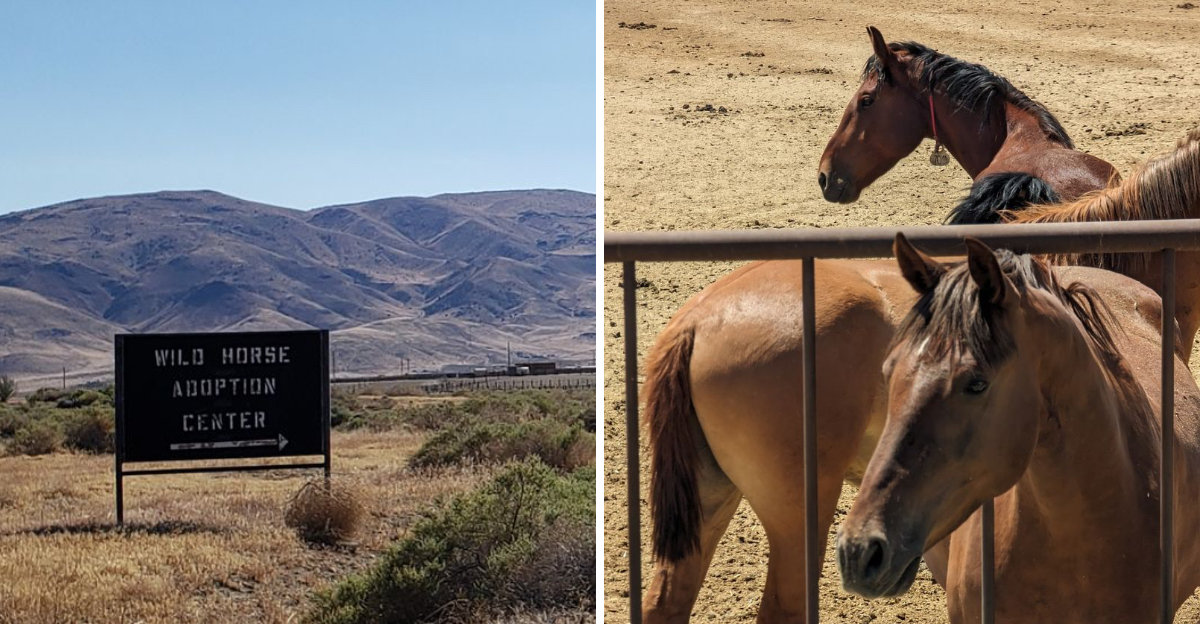
Have you ever wondered what it feels like to stand near a truly wild horse? Nevada holds herds that still roam free across wide open rangeland.
One quiet facility gives visitors a rare and close look at these animals. Wild horses raised on public land carry an untamed spirit that few places let guests witness firsthand.
Guests walk near corrals filled with mustangs gathered straight from the range. The desert setting adds to the moment, with mountains rising in the distance and wind moving through the sage.
Is there anywhere else quite like it? This spot proves that some of the best encounters with nature do not require a safari or a long flight.
A short drive outside a busy Nevada city leads straight into a different world.
A Working Facility With A Rare Invite
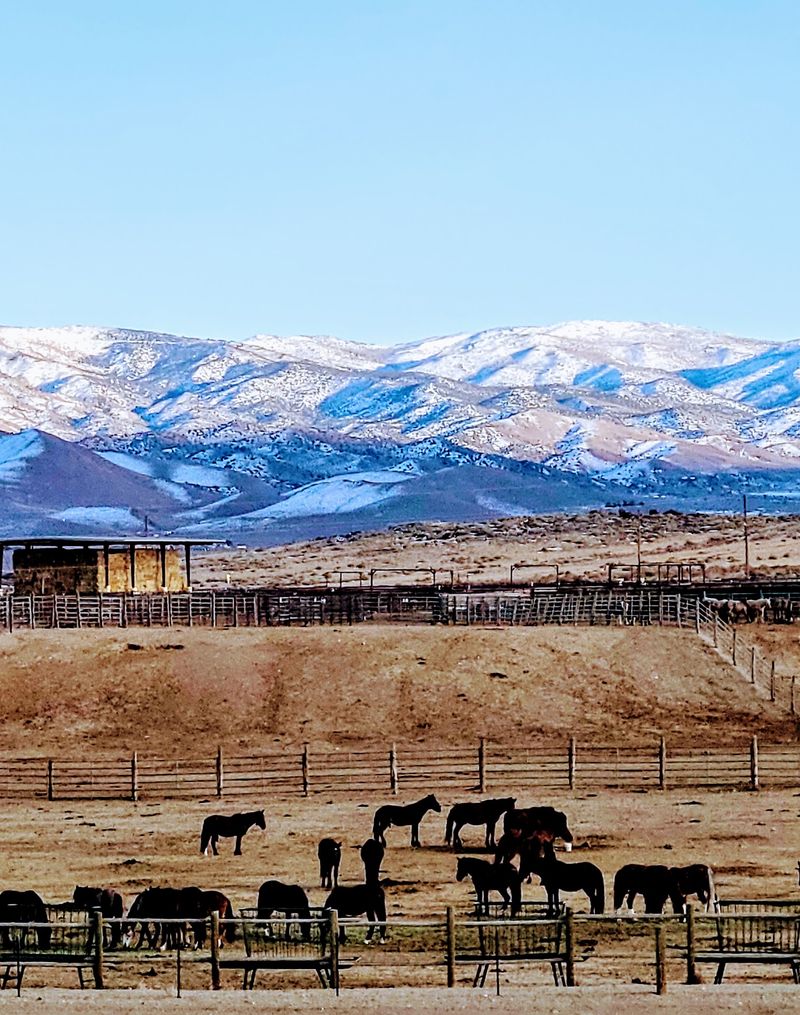
The National Wild Horse and Burro Center sits north of Reno in Palomino Valley, Nevada. Most people picture wild mustangs only from a far distance.
This facility changes that picture completely. The Bureau of Land Management runs the site as the main preparation center for animals gathered from public land.
Guests get a rare chance to walk near corrals filled with untamed horses. That level of access rarely exists anywhere else in the country.
Open desert stretches out in every direction around the property. Distant mountains frame the valley on clear afternoons.
Wind moves through the sagebrush and carries the sound of hooves. The scale often surprises first time visitors who expect something smaller.
Long rows of pens hold horses recently gathered from the range. Staff members move between the pens checking health and behavior.
This is not a roadside attraction built for entertainment. It functions as a genuine working operation with a public window built into it.
That mix of purpose and access makes the drive worthwhile.
The Law Behind The Herds
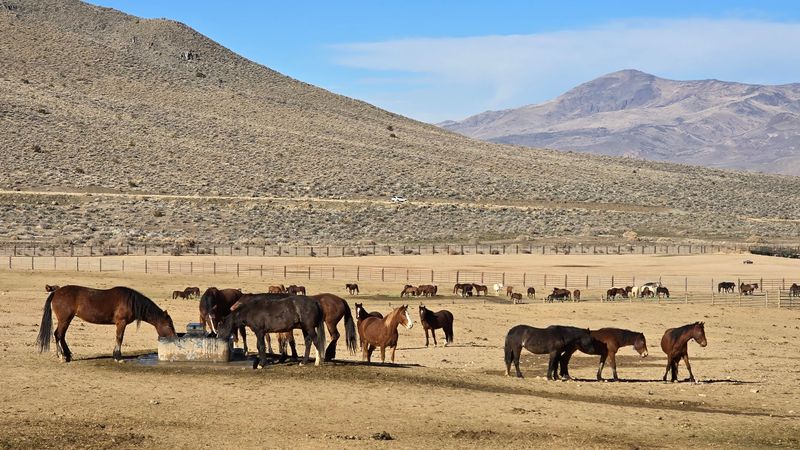
Wild horses and burros gained federal protection through a law passed in 1971. Congress recognized these animals as living symbols of the American West.
That law still shapes how the Palomino Valley center runs today. Herds roam across millions of acres of public land in several western states.
Populations can grow quickly without enough natural predators to manage them. Land managers step in to gather horses and protect fragile desert range.
Palomino Valley became the main preparation point for animals pulled from Nevada rangeland. Horses arrive here directly from roundups conducted across the state.
Staff check each animal for injury, age, and general health. Some horses move on to long term pastures in other states.
Others stay at the center while waiting for adoption. Learning this background changes how visitors view the corrals.
Every horse on site carries a story tied to open range. That history gives the visit a deeper sense of purpose.
Few travel stops connect guests this directly to federal land policy. Fewer still let people see the results in person.
This place can be found at the entrance on, 15780 Pyramid Hwy, Ironwood Rd, Reno, NV 89510.
Finding Your Way To Palomino Valley
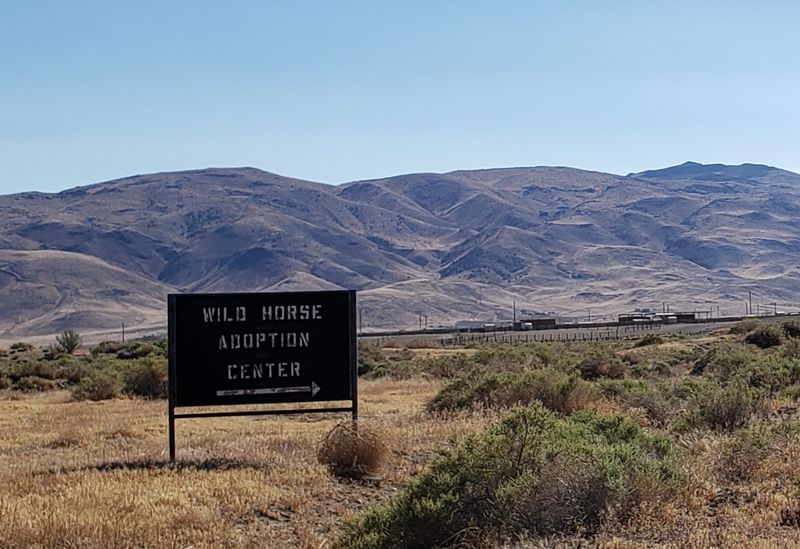
The center sits about twenty miles north of Reno, Nevada. Drivers take Interstate 80 to Exit 18, marked for Pyramid Way.
From there, State Road 445 leads north through open desert terrain. Ironwood Road branches east and leads straight to the facility gate.
The drive itself sets the mood before guests even arrive. Sagebrush flats stretch toward distant mountain ranges on both sides.
Traffic thins quickly once travelers leave the main highway behind. Cell service can fade in patches along the final stretch.
Guests should plan their route before leaving Reno or Sparks. Signage near the entrance points visitors toward parking and the office.
Staff at the gate can answer questions about that day access. The facility works normal business hours during the week.
Weekend access runs on a more limited schedule at certain times of year. Anyone planning a visit should call ahead to confirm current hours.
That simple step prevents a wasted trip after a long desert drive.
Why This Site Ranks Among The Largest
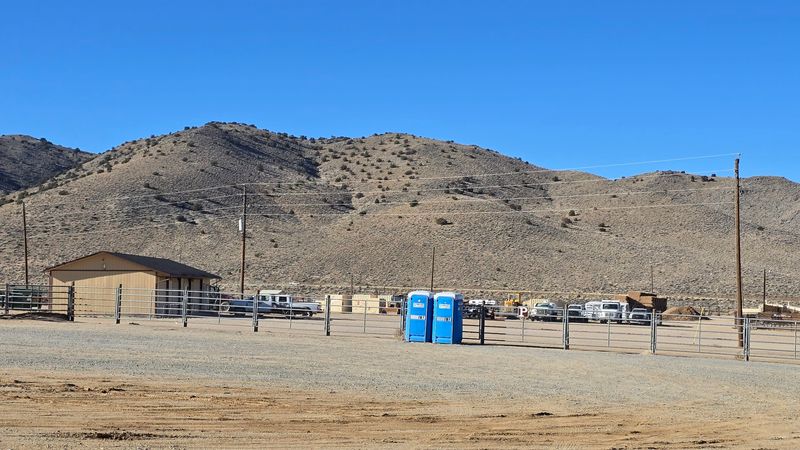
Palomino Valley holds the title of largest preparation facility in the country. Pens across the property can hold close to two thousand animals at once.
That scale allows the center to process horses from wide stretches of range. Multiple corral sections separate horses by age, sex, and temperament.
Some pens hold family bands that arrived together from the same roundup. Others hold horses ready for transport to long term care facilities.
Walking the grounds gives visitors a real sense of that scale. Rows of fencing stretch farther than most guests expect on arrival.
The number of animals present changes throughout the year. Late summer and early fall often bring the highest horse counts.
That timing follows the seasonal schedule of range gathers across Nevada. Staff move large groups of horses between pens during those busy months.
Visitors during peak season often see the widest range of horse types. Quieter months bring smaller crowds and calmer corrals.
Either way, the size of the operation stands out immediately.
From Open Range To Holding Pen
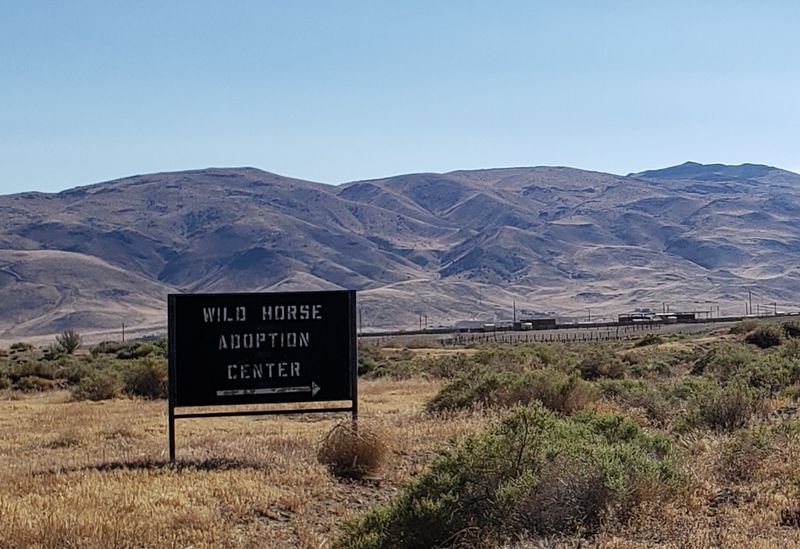
Every horse at the center began its life running free on public land. Range crews gather horses using methods approved under federal guidelines.
Helicopters and horseback riders often work together during a gather. Once caught, horses travel by trailer to the Palomino Valley facility.
Staff unload each horse and move it into a quarantine area first. Veterinarians examine the animals before allowing contact with other pens.
Age, health, and temperament all factor into where a horse ends up. Foals often stay close to their mothers during this early stage.
Some horses adjust to captivity within days of arrival. Others take much longer to grow calm around people and fences.
Watching this process helps visitors understand the full journey. Few guests realize how much care goes into each individual case.
The center processes thousands of horses through this pipeline every year. That volume requires constant attention from a dedicated staff team.
The result is a system built around both safety and welfare.
Getting Close To Untamed Mustangs
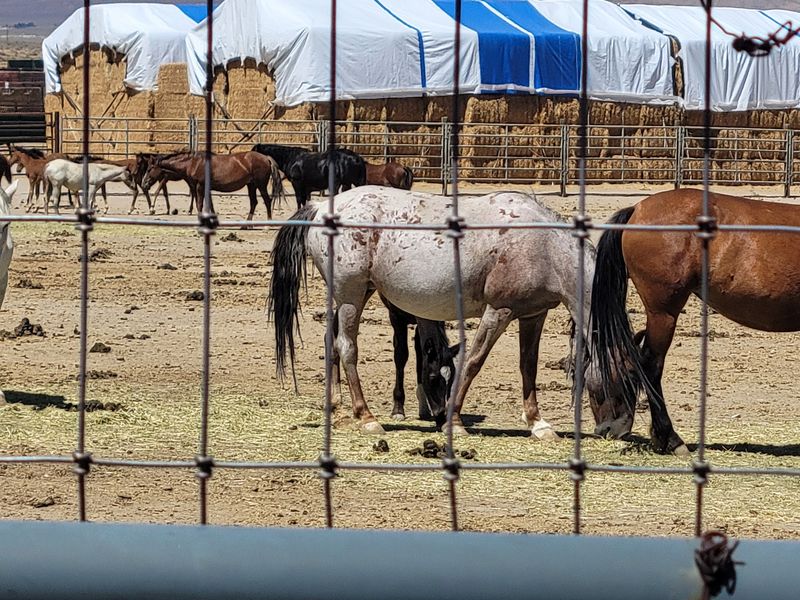
Visitors walking the grounds often stand just feet away from wild horses. Fence lines separate people from the animals but rarely feel distant.
Horses inside the pens still carry the instincts of open range life. Some watch visitors with obvious caution and stay near the back fence.
Others move closer, curious about the humans standing nearby. That mix of wariness and curiosity makes the visit feel unpredictable.
Burros often show more calm than the horses housed alongside them. Their steady temperament tends to draw a different kind of attention.
Photographers find plenty of subjects among the moving herds. Morning light tends to bring out the best color across the coats.
Dust often rises when groups shift positions inside larger pens. That motion adds energy to an otherwise quiet desert setting.
Guests should keep a respectful distance from every fence line. Loud noise or sudden movement can startle animals easily.
A calm and patient approach brings the best experience overall.
Guided Walks Through The Corrals
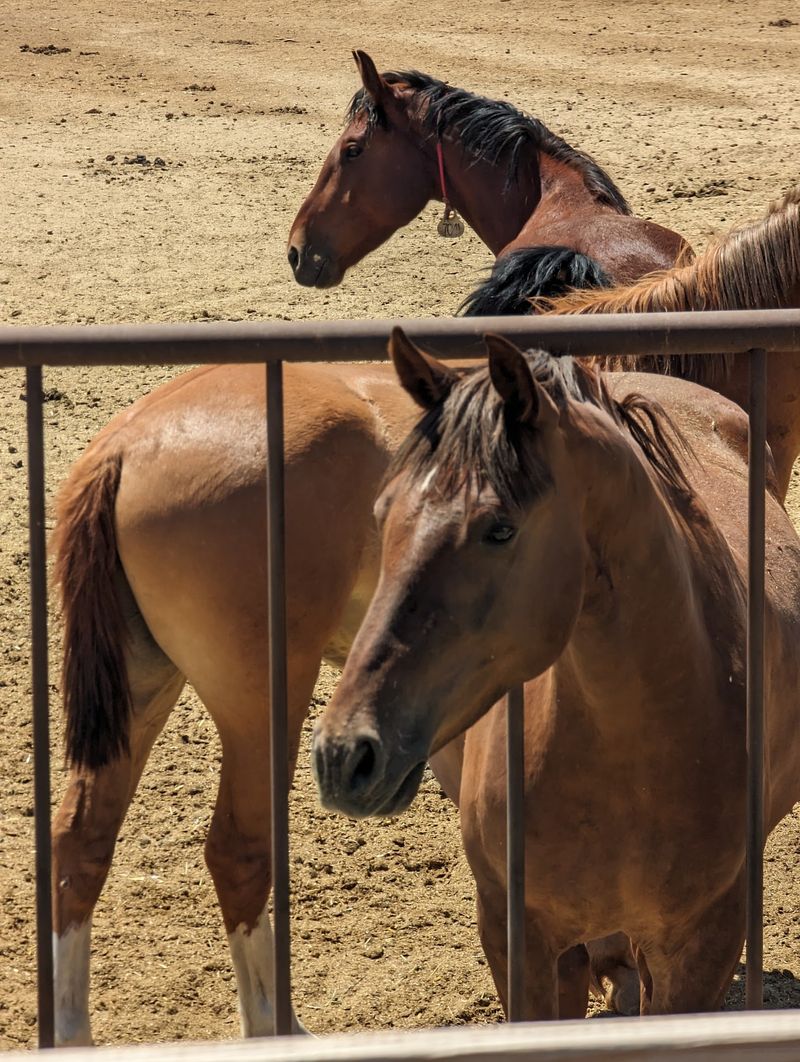
Staff members lead walking tours through parts of the facility on select days. These tours move across dirt paths and uneven ground near the pens.
Guides explain how horses arrive, adjust, and eventually leave the center. Questions come naturally as groups pass rows of holding pens.
Guides often share stories about specific horses or recent roundups. That personal detail adds context that signage alone cannot provide.
Tours typically run in short blocks lasting about thirty minutes. Groups gather at set times rather than moving through at will.
Wearing sturdy shoes makes the walk far more comfortable. Sun exposure can be intense during midday hours in Nevada.
Guests should bring water and a hat for any outdoor walk. Tour availability can shift based on staffing and animal activity.
Calling ahead helps confirm whether a guided walk is running that day. Guides welcome questions from first time visitors and regulars alike.
The experience turns a simple visit into a real education.
Choosing The Best Time To Visit
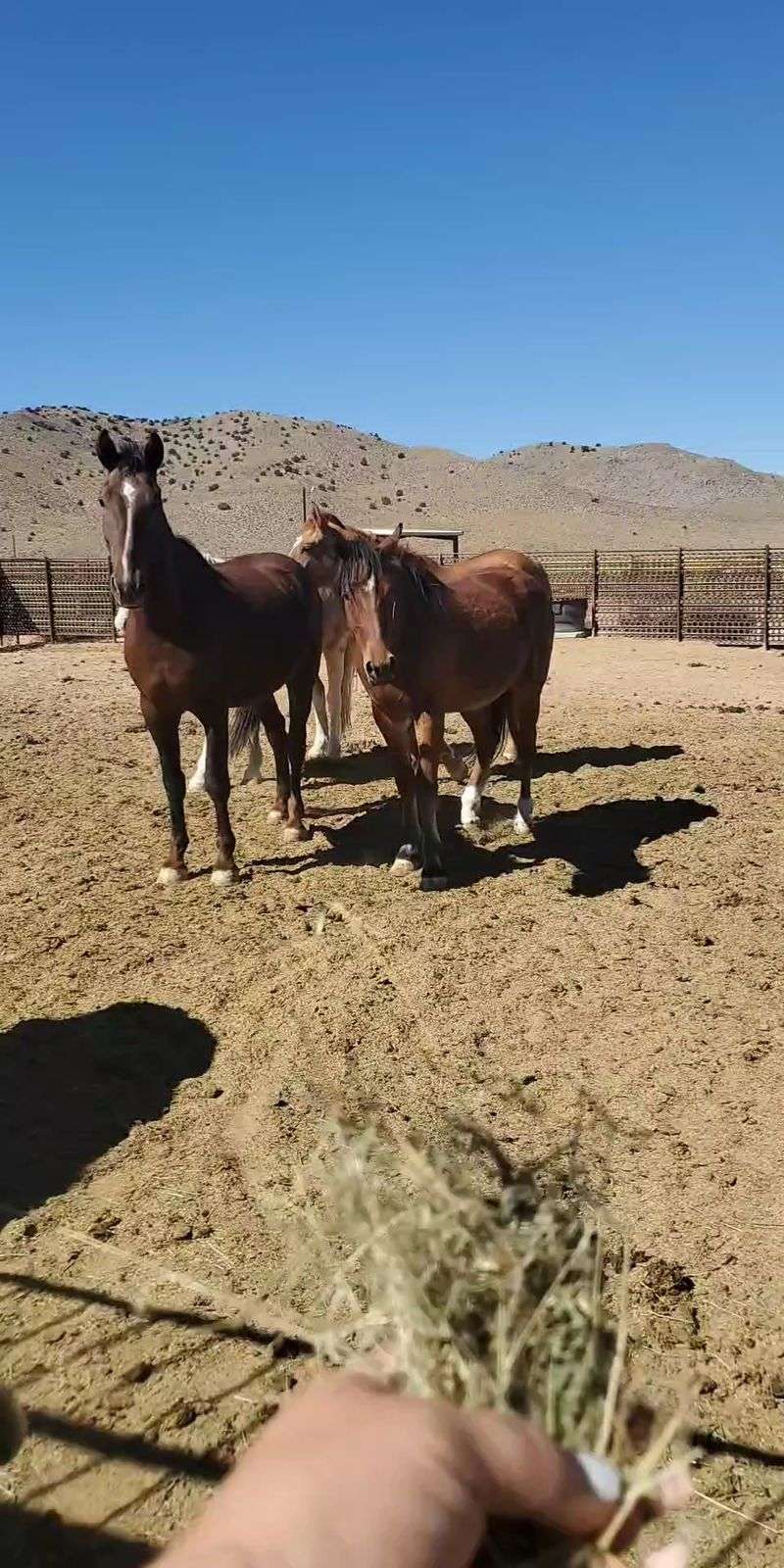
Timing changes the experience at Palomino Valley more than most guests expect. Late summer and early fall bring the highest number of horses on site.
That period follows the yearly cycle of range gathers across the state. Spring months often bring cooler weather and smaller crowds.
Winter can bring sharp wind and colder temperatures across the open valley. Morning visits tend to offer calmer animals and softer light.
Afternoon heat during summer months can affect both horses and guests. Weekday mornings usually bring quieter conditions than weekend hours.
Checking ahead for any scheduled events helps guests plan around busy periods. Adoption events can bring larger crowds and added activity on site.
Guests hoping for a quiet visit should avoid those specific dates. Anyone hoping to see foals should ask staff about recent arrivals.
Young horses often draw extra attention from visiting families. Dressing for sun and wind makes any season more comfortable.
A little planning turns a good visit into a great one.
Giving A Mustang A New Home
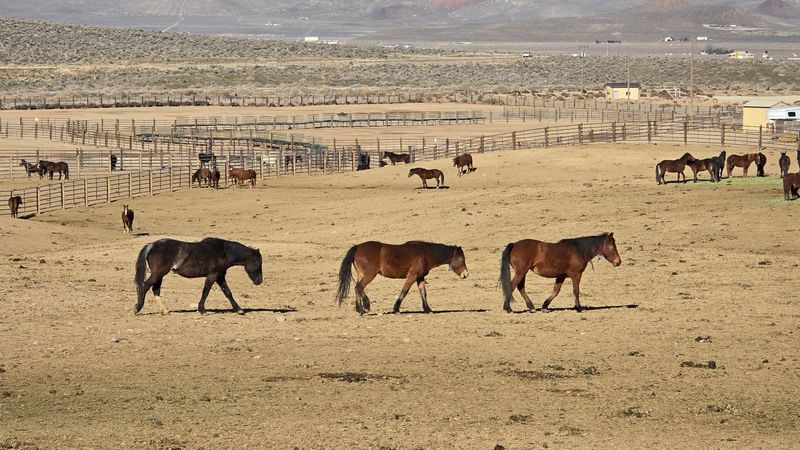
Adoption sits at the center of everything happening at Palomino Valley. Horses and burros prepared here eventually move toward permanent homes.
Interested adopters typically start the process with a phone call to staff. An application and basic facility check usually follow that first contact.
Staff walk potential adopters through requirements for space, fencing, and shelter. Some animals adjust quickly to a new home environment.
Others need patience and consistent handling before fully settling in. Staff often share guidance on training and daily care routines.
Burros tend to bond closely with people once trust develops. Horses can take longer but often form strong lasting connections.
Watching interactions between staff and animals reveals real care behind the process. Guests without adoption plans still enjoy learning how the system works.
Understanding adoption adds meaning to every horse seen during a visit. It also shows how public land policy translates into daily practice.
Few destinations connect a conservation program this directly to visitors.
Tips For Making The Most Of Your Visit
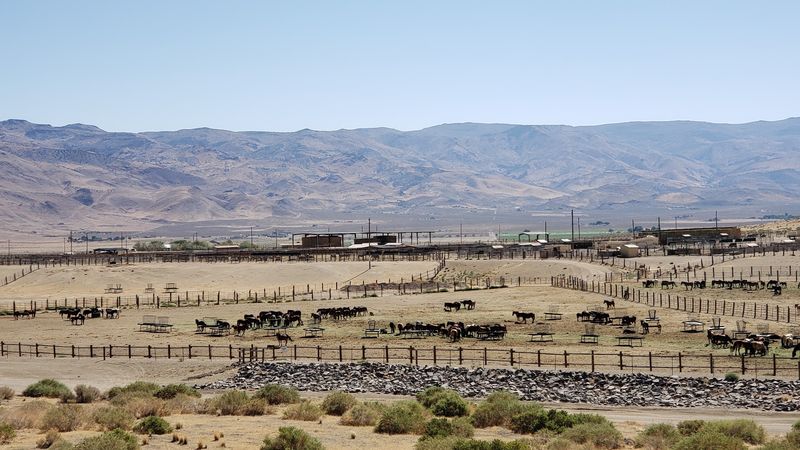
A little preparation goes a long way at Palomino Valley. Comfortable shoes matter most since paths run over dirt and uneven ground.
Sun protection matters just as much given the open desert setting. Water bottles should come along on any visit, especially during summer.
Calling ahead confirms current hours and any scheduled tour times. Weekday mornings tend to offer the calmest conditions for photos and viewing.
Cameras with a bit of zoom capture details that phones often miss. Patience rewards guests who wait quietly near active pens.
Sudden movement or loud talking can unsettle animals close to the fence. Bringing questions for staff leads to a richer overall experience.
Kids tend to enjoy the visit as much as adults do. Just keep young visitors close to fences and away from gates.
Pairing the trip with other stops near Reno makes for a full day. Few outings offer this close a look at true American mustangs.
That combination of access and history makes Palomino Valley worth the drive.