
This Old-School Boston, Massachusetts Bakery Has Been Perfecting Italian Family Recipes Since 1926
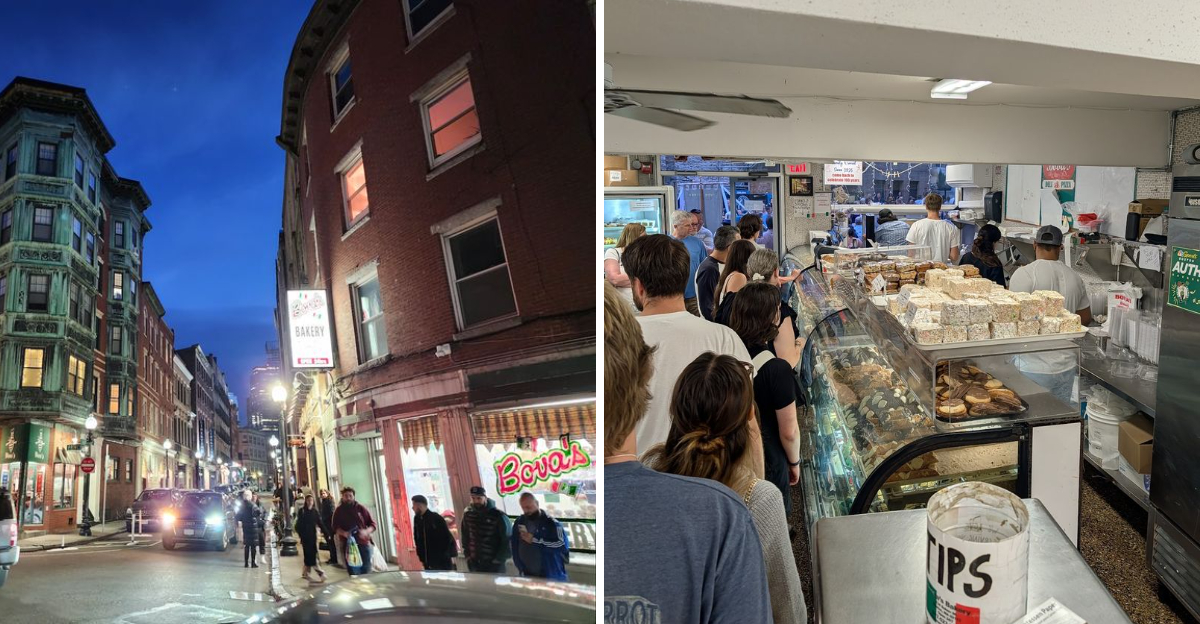
Picture a narrow Boston street where the smell of warm bread seems to hang in the air at every hour.
Not at noon. Not at midnight. Not even at three in the morning, when most of the city has gone quiet and the ovens are still working.
Nearly a century of family baking happens behind one small counter, with cannoli shells filled to order, fresh bread coming out in batches, and trays of cookies that never seem to stay full for long.
There is usually a line, but it moves quickly, and the wait only adds to the anticipation.
In a city filled with famous food stops, this Massachusetts bakery has held onto the recipes, routines, and family traditions that made it special in the first place.
Once the door opens, the smell hits first. Then come the pastries, the old-school charm, and the feeling that Boston has been protecting this tradition for generations.
A Family Business That Started In 1926
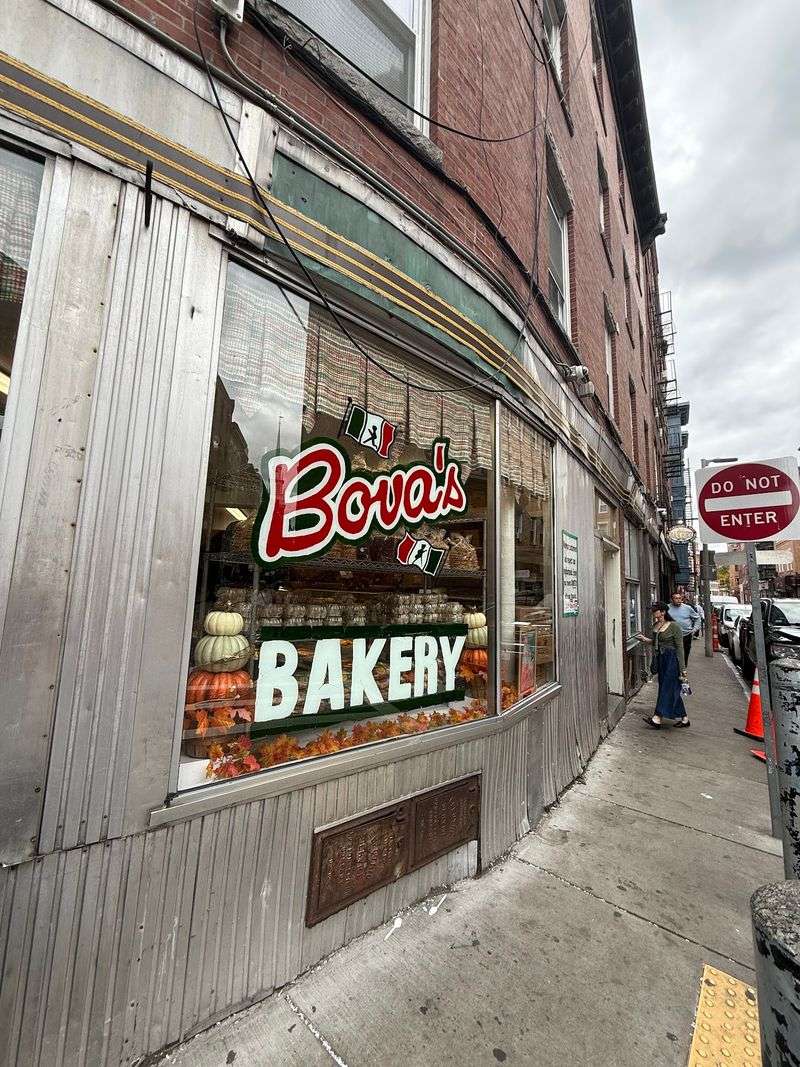
Nearly a hundred years is a long time for any small shop to stay in one family’s hands.
Bova’s Bakery traces its beginnings back to 1926, and the same family has kept the ovens running ever since.
Recipes here were passed down the way most family recipes are, by watching, repeating, and adjusting until things came out right.
That kind of history shows up in small ways rather than big signs.
The layout is simple, the display cases are packed, and nothing feels designed for a photo shoot.
Generations of bakers have worked the same trays, and some listings note the shop expanded its hours over the decades to serve neighborhood workers.
Boston’s North End has changed a lot around it, with new restaurants opening and closing along the same blocks. The bakery stayed put.
For anyone curious about the older side of the neighborhood, this is one of the few places where the story is still being written daily.
It is worth remembering that a shop like this survives on regulars, not trends. People stop in for bread on a Tuesday morning, not just pastries on a weekend.
That steady rhythm is a big part of what has kept the doors open this long.
Finding The Salem Street Shop
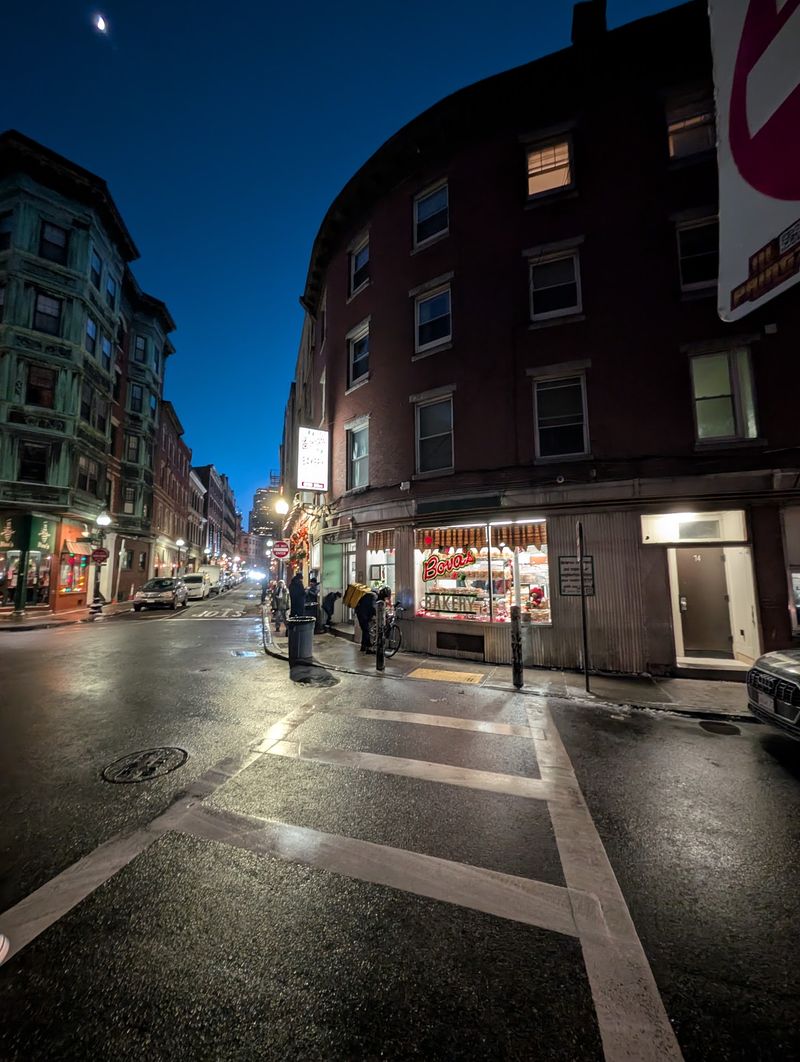
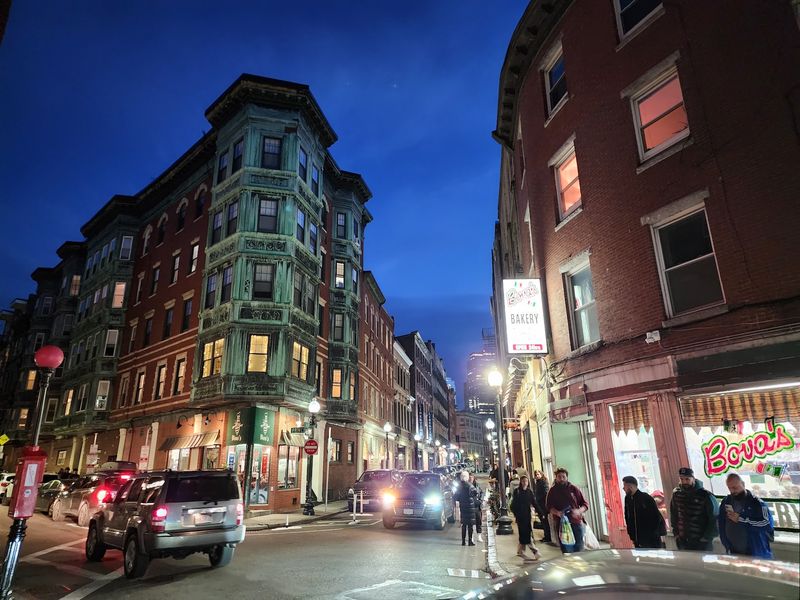
Salem Street is narrow, a little crowded, and easy to walk right past if you are looking at your phone.
The bakery sits at 134 Salem St, Boston, MA 02113, a short walk from the busier stretch of Hanover Street.
Getting there on foot is usually the simplest plan. Parking in the North End is famously tight, and the streets were laid out long before cars existed.
Many people take the T to Haymarket or North Station and walk the rest of the way, which takes only a few minutes.
Sidewalks are slim, so strollers and large groups may need a little patience. Once you spot the corner, the giveaway is usually the door swinging open and shut.
People come out holding white boxes tied with string, and that alone tends to point newcomers in the right direction.
The phone number is +1 617-523-5601 if calling ahead makes sense for a bigger order.
Because the shop sits slightly off the main tourist path, the walk itself is part of the appeal.
Brick buildings, laundry lines, and quiet doorways line the way. It is a short trip that feels like a small tour of the neighborhood.
Open Around The Clock, Every Single Day
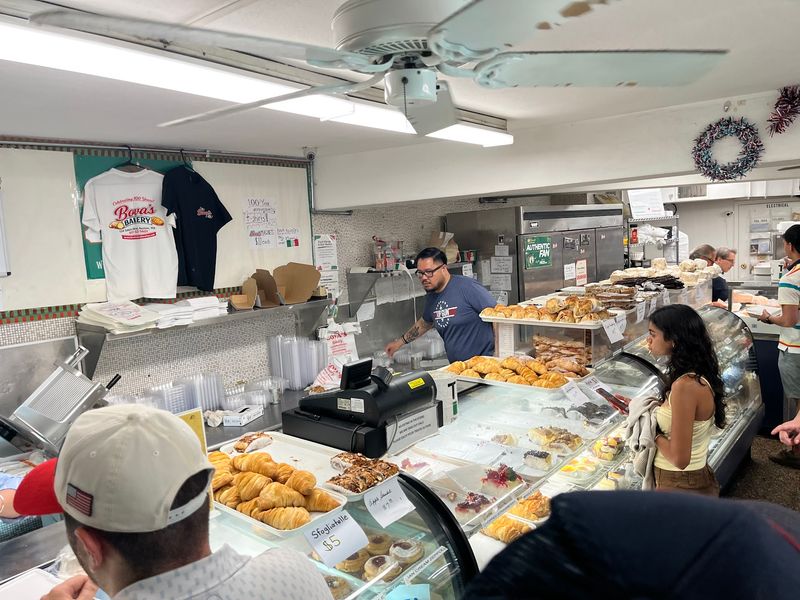
Very few bakeries anywhere keep their lights on twenty-four hours a day.
Bova’s does, seven days a week, which makes it one of the more unusual food spots in Boston. That means a fresh pastry at 2 a.m. is a real option, not a fantasy.
Late-night hours attract a mix of people. Hospital workers, travelers heading to early flights, and neighbors who forgot to buy bread all pass through.
The energy shifts depending on the hour, and the quietest stretches are often in the middle of the night or very early morning.
Weekend evenings can get busy, sometimes with a line stretching toward the door.
It usually moves at a steady clip because the staff works quickly and the ordering system is straightforward. Still, planning around off-peak times may save a wait.
Because the schedule never stops, availability of specific items can vary. Certain pastries and breads come out at different points in the day, and popular items sometimes sell out before a fresh batch appears.
Asking what just came out of the oven is a reasonable move.
Round-the-clock baking is the practical heart of this place. It shapes who walks in and when.
Cannoli Filled Right When You Order
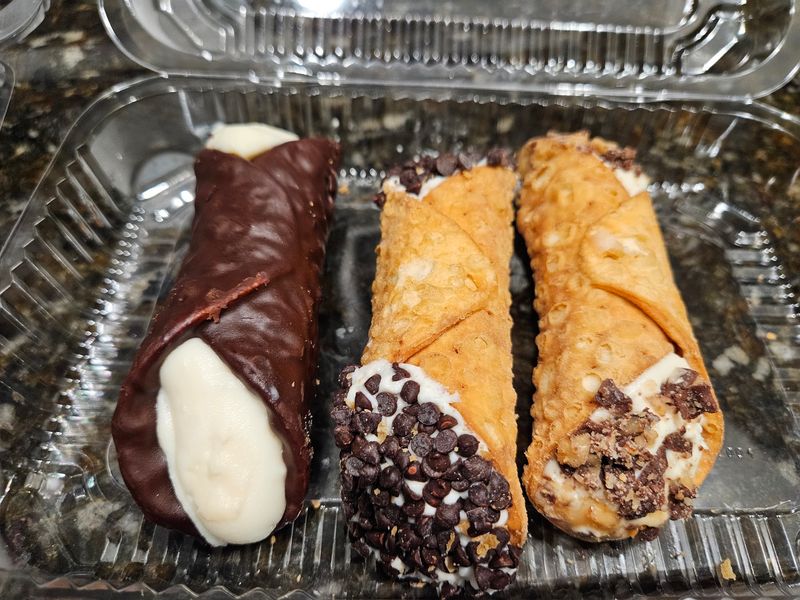
Ask around the North End about cannoli and this name comes up fast.
Shells are crisp, filling is piped in at the counter, and the varieties go well beyond plain ricotta.
Chocolate chip, pistachio, cappuccino, Florentine, and a creme brulee version all show up among the choices.
The Florentine style gets a lot of attention because of its praline-like shell. Others prefer the classic ricotta, which leans creamy rather than overly sweet.
People used to sugary American desserts sometimes find these more mild, and that is simply how the traditional recipe works.
Filling to order matters more than it sounds. A shell that sits filled for hours goes soft, so the crunch you get here comes from timing.
Expect a little wait while the counter works through orders, especially during busy stretches.
Prices have generally landed in the single-digit range per cannoli, though costs can change over time.
Cards are accepted, and a cash discount has been noted, so bringing a few bills may help.
For anyone deciding between one flavor and three, splitting a mixed box with a friend is the sensible route. You get variety without committing to a single guess.
Lobster Tails, Sfogliatelle, And Other Italian Classics
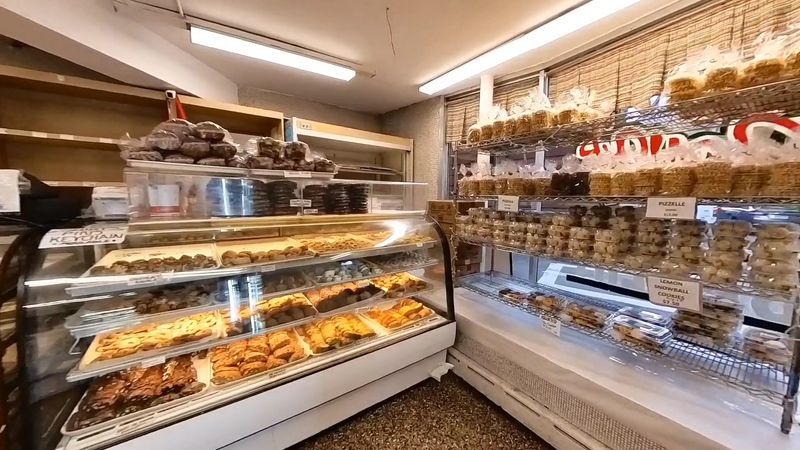
Some pastries look complicated because they are.
The lobster tail is one of those, built from many thin layers of dough that shatter when you bite in, then packed with cream. It has become a signature item here, and it is big enough to share.
Sfogliatelle sit in the same family of layered pastries, shaped like little shells with a ridged, crackly outside. Warm ones are noticeably better than cold ones, so asking about a fresh batch is a fair question.
Both take skill and time to make, which is part of why bakeries with real Italian roots still stand out.
Other traditional sweets fill the cases too. Tiramisu, Italian macaroons including pistachio, florentine cookies, rugelach, and large cookies sold individually all make appearances.
The selection shifts, so what is available on one day may differ on another.
Eating a lobster tail neatly is nearly impossible. Flakes go everywhere, powdered sugar included, which is honestly part of the fun. Grabbing extra napkins before stepping outside is a small move that pays off.
For a first order, pairing one layered pastry with one cannoli covers a lot of ground.
Boston Cream Pie And New England Favorites
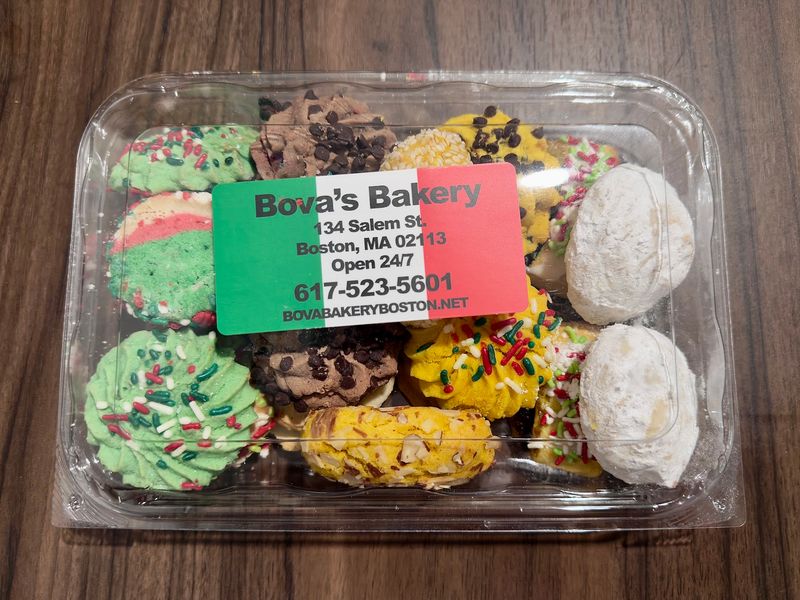
Not everything in the Massachusetts cases is Italian, and that is by design.
Boston cream pie and Boston cream donuts both hold spots here, along with whoopie pies, a New England staple. Local classics sitting beside Neapolitan pastries feels very Boston.
The Boston cream donut gets a lot of love, with custard inside and chocolate on top.
Sweetness levels here run more restrained than at many chain shops, which some people love and others find surprising. Knowing that ahead of time helps set expectations.
Red velvet cake, cream pies, and various layered cakes also appear in the lineup.
Whole cakes may be available depending on the day and the season, and larger orders can sometimes be arranged in advance by phone. Checking first is wise rather than assuming.
Trying a Boston cream item at a nearly century-old neighborhood bakery is a nice way to connect a dessert to the city it is named after. The recipe traces back to 19th-century Boston, which makes the pairing feel right.
If a whole pie sounds like too much, a single donut delivers a similar flavor. It also travels better in a paper bag.
The Savory Counter In The Back
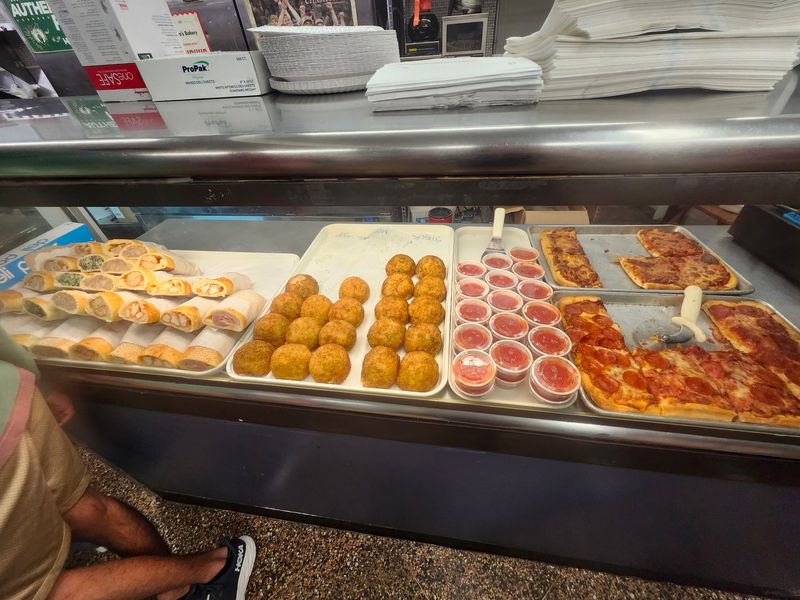
Plenty of people walk in for dessert and leave with dinner instead.
Toward the back of the shop sits a second counter dedicated to savory food. Pizza, calzones, sandwiches, and arancini are part of what turns up there.
Fresh breads are a core part of the operation as well, which makes sense for a bakery that built its name on bread long before the pastry lines formed.
Loaves come out through the day, and the variety can shift. Coolers hold cold drinks if you want something to go with the food.
Arancini deserve a mention for anyone unfamiliar. They are fried rice balls, usually with filling inside, and they make a solid quick meal.
Calzones travel well too, which helps because seating is not really the point here.
Ordering etiquette is simple. Know roughly what you want before reaching the counter, since the space is small and the line behind you appreciates it. Pointing at the case works fine when names escape you.
Combining a slice from the back with a pastry from the front makes for an easy late meal. It also spreads the cost across two courses rather than one splurge.
What The Space Actually Feels Like Inside
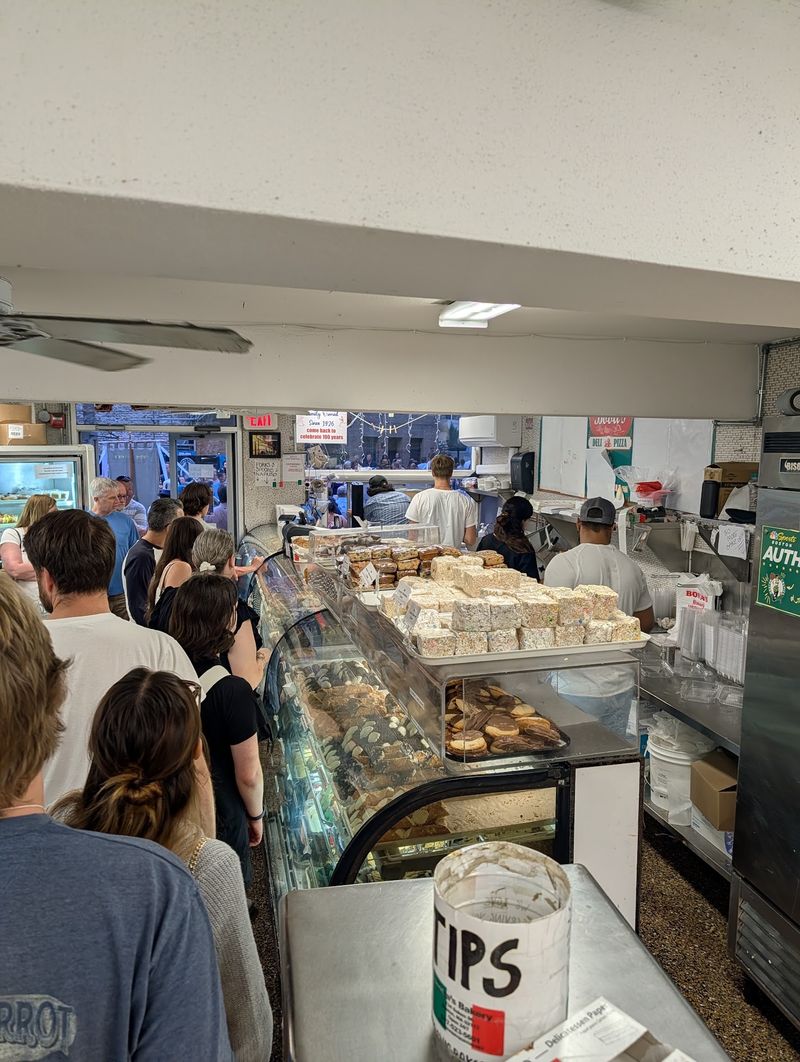
Small is the honest word for it.
The interior is tight, with display cases lining the space and just enough room to shuffle toward the counter. There is no indoor seating, so this is a grab-and-go operation.
Lighting comes mostly from the cases and overhead fixtures, giving everything a warm, slightly old-fashioned glow.
Noise levels rise when the room fills up, with conversation, order-calling, and the door opening and closing.
During quieter hours the whole thing feels calm and unhurried. Anyone who dislikes close quarters should aim for off-peak times.
Mid-morning on a weekday or the middle of the night usually runs lighter than a Friday evening. Waits can range from a couple of minutes to much longer depending on the hour.
Service moves at a practical pace. Staff work efficiently and keep track of who is next, which keeps the room from stalling out.
Being ready with your order helps the whole line. Once outside, the sidewalk becomes the dining room. Many people eat standing near the door or carry boxes to a nearby park bench.
Christopher Columbus Waterfront Park sits within walking distance for anyone wanting somewhere to sit down.
Smart Tips Before You Go
A little planning makes the whole trip smoother.
Cards are accepted here, and a cash discount has been noted, which is a small detail worth knowing before you reach the counter. Bringing some cash may work in your favor.
Timing matters more than almost anything else. Late nights and weekend evenings draw crowds, while weekday mornings and overnight hours often feel roomier. Lines usually move quickly, but they can vary without warning.
For groups, calling ahead at +1 617-523-5601 is a reasonable step, since larger orders may need arrangement in advance. The website at bovabakeryboston.net can help with basic information.
Availability of specific items changes through the day, so flexibility helps.
Boxes tied with string are the standard for multiple pastries, and they hold up well for a short walk. Cream-filled items are best eaten soon rather than saved for tomorrow. If a hotel fridge is available, that buys a little extra time.
One last practical note. Because there is no seating, plan where you will eat before you order.
The North End’s narrow streets and nearby waterfront benches give plenty of options, and a short walk with a warm pastry is honestly a fine way to end the night.