
10 Nevada Places Where You Can Hunt For Fossils, Gemstones, Turquoise, And More
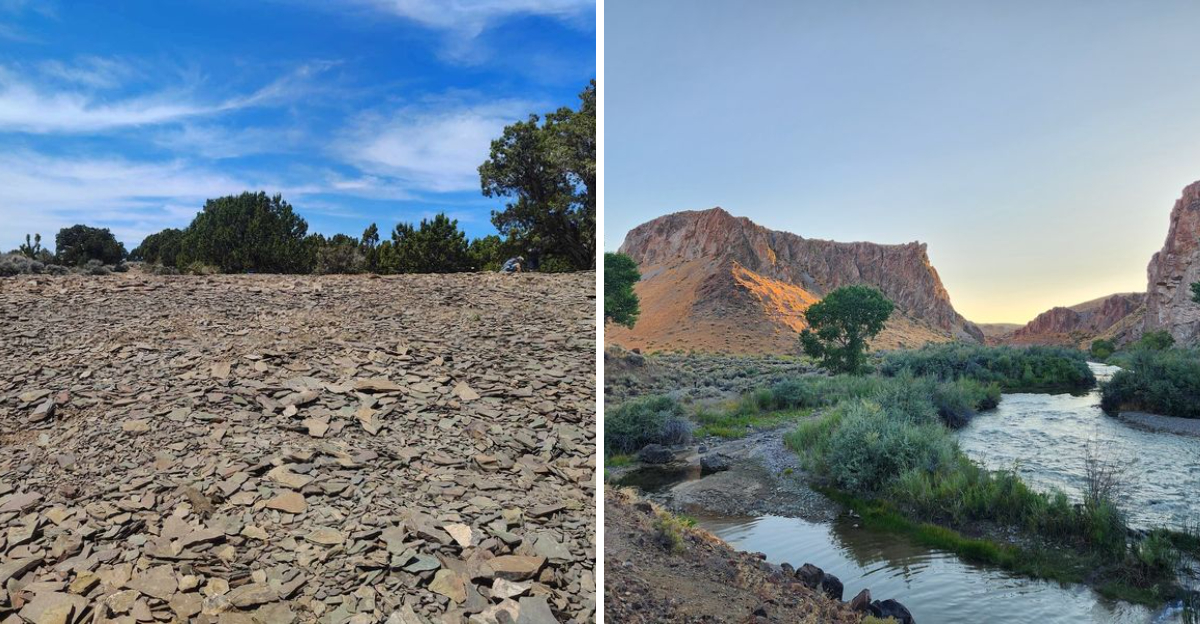
A Nevada road trip gets a lot more interesting when the ground beneath your boots might be hiding something millions of years old. Fossils, turquoise, colorful gemstones, and strange mineral finds are scattered around the state, and in the right spots, you can actually go searching for them yourself.
That changes the whole mood of a day outdoors. Suddenly, every unusual rock deserves a second look, and every dusty patch of ground feels like it might be holding a surprise.
You do not need to be a geologist either. A little curiosity, patience, and willingness to get your hands dirty can turn an ordinary stop into the best story of the trip.
For anyone who loves treasure hunting with a wild desert backdrop, Nevada delivers. These 10 places show just how much the state is hiding in plain sight.
1. Otteson Brothers Turquoise Mine
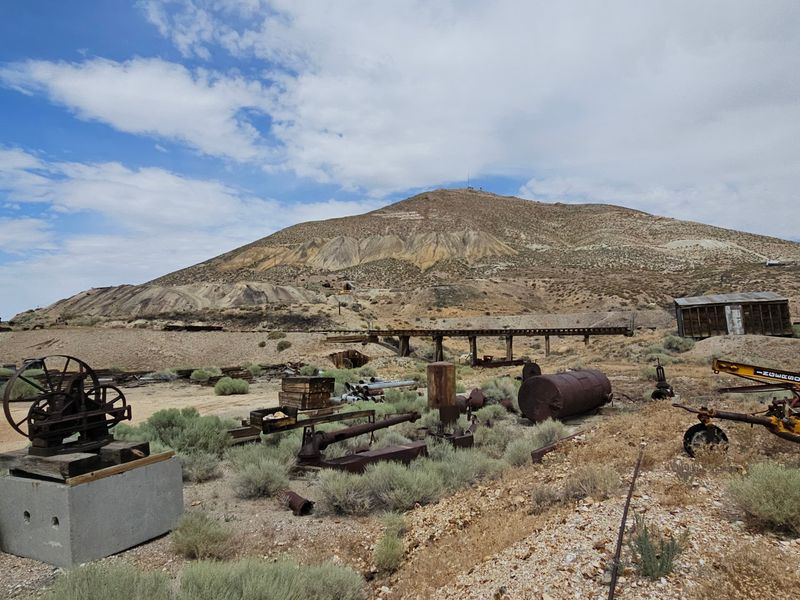
Blue rock in a pile of brown dirt. That flash is what keeps people digging here all day.
The Otteson family has worked turquoise in central Nevada for generations. Their dig experiences near Tonopah put visitors right on the tailings piles, sorting through mine waste for stones the machinery missed.
Fees and dig days usually need arranging ahead of time, so contact the operators before you drive out. Access roads can be rough, and a high clearance vehicle helps.
Nevada turquoise carries a strong reputation among collectors. Colors range from pale sky blue to deep green, often webbed with dark brown or black host rock.
Bring a small rock pick, thick gloves, and a bucket. A spray bottle helps too, since wetting dusty stones reveals color instantly.
Shade is scarce out here. Spring and fall feel far kinder than July, and mornings beat afternoons every time.
Kids often do well at this kind of digging because the good material sits on the surface. Patience matters more than muscle.
Pack extra water and snacks. The nearest supplies sit back in town.
Location: near Tonopah, Nye County, Nevada, United States.
2. Royston Turquoise Mine
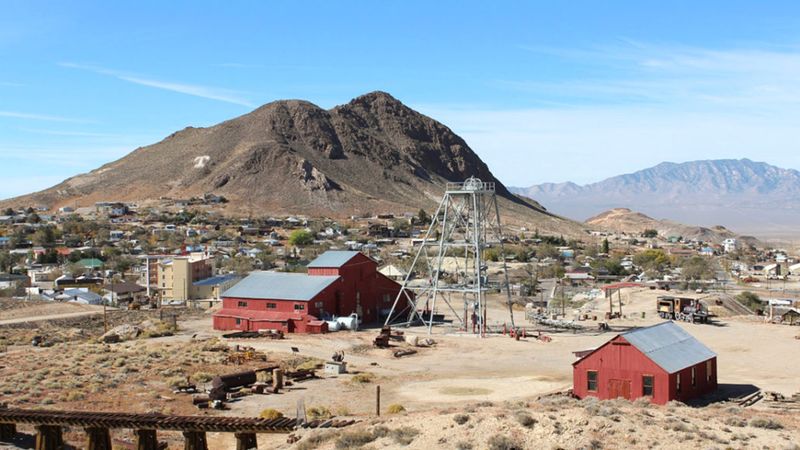
Green and blue in the same stone. Royston material does that, and collectors chase it hard.
The mine sits in the hills outside Tonopah in Nye County, and it has produced turquoise for over a century. Visitors can arrange dig days that let them scratch through tailings beside the open pit.
Expect dust, sun, and a lot of bending over. Expect grins too, because color turns up more often than you might guess.
Royston stones frequently show golden brown host rock swirled through the blue. Jewelry makers prize that contrast.
Plan your visit in advance, since mine access depends on the operators and their schedule. Rules and pricing can change from season to season.
Wear closed shoes with good grip. Loose rock shifts underfoot on the slopes.
A five gallon bucket, a screwdriver, and a small brush cover most needs. Skip the sledgehammer.
Tonopah makes a solid base for the night, with fuel and food available before the drive out.
Location: near Tonopah, Nye County, Nevada, United States.
3. Garnet Hill
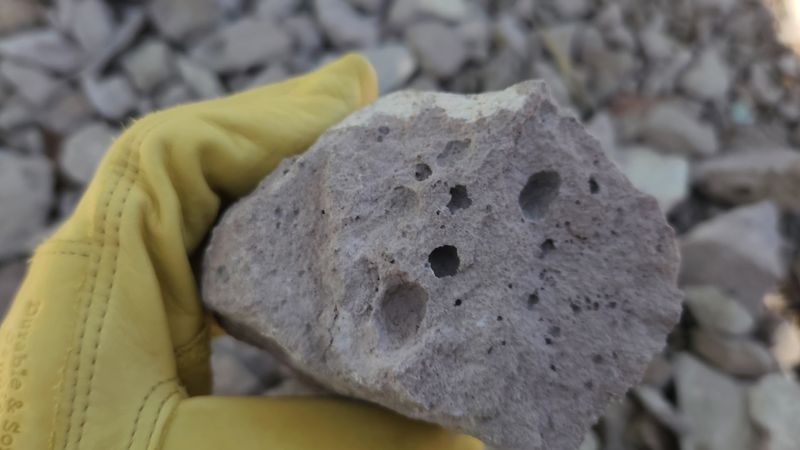
Deep red crystals tucked inside pale volcanic rock. Crack the right piece and a garnet winks back at you.
Garnet Hill sits just west of Ely in White Pine County, on public land managed for recreational rockhounding. The garnets formed in rhyolite, and they show up as small dark red almandine crystals.
Most visitors work the weathered slopes, where erosion has already freed loose stones. Sifting surface gravel often beats swinging at solid rock.
Bring a rock hammer, safety glasses, and a screen or sieve. Small crystals hide easily in dust.
The road in is unpaved and can turn slick after storms. Check conditions locally before heading out.
Elevation up here means cool mornings even in summer. Layers help.
Ely gives you a good launch point, plus railroad history and roadside murals if you want a break from digging. Fuel up in town.
Collecting limits apply on public lands, so keep hauls reasonable and personal. Leave the site tidy for whoever comes next.
Location: Garnet Hill, near Ely, White Pine County, Nevada, United States.
4. Oak Springs Trilobite Area
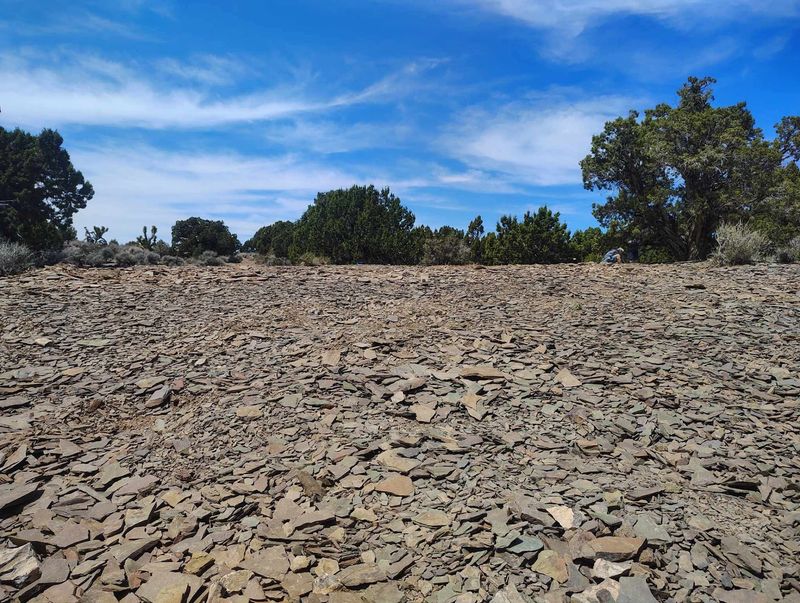
Split a slab of shale and meet an animal that swam here half a billion years ago. Trilobites really do pop out that easily.
Oak Springs sits west of Caliente in Lincoln County, on public land set aside for hobby fossil collecting. The shale holds Cambrian trilobites, mostly small, sometimes whole.
Technique matters more than force. Pry along the thin layers with a chisel and let the rock separate naturally.
Fragments outnumber complete specimens, so celebrate a clean tail section too. Half of the fun sits in the search.
Wear eye protection. Shale chips travel fast.
Pack the finds in newspaper or a padded box, because the pieces break in a jostling backpack. A hand lens reveals detail you would otherwise miss.
Spring and autumn bring the friendliest temperatures. Summer heat in this valley can be punishing.
Cathedral Gorge State Park lies nearby if you want narrow slot canyons after a morning of hammering.
Personal collecting of invertebrate fossils is generally allowed on public land, but vertebrate fossils are protected. Leave bones alone.
Location: Oak Springs, near Caliente, Lincoln County, Nevada, United States.
5. Royal Peacock Opal Mine
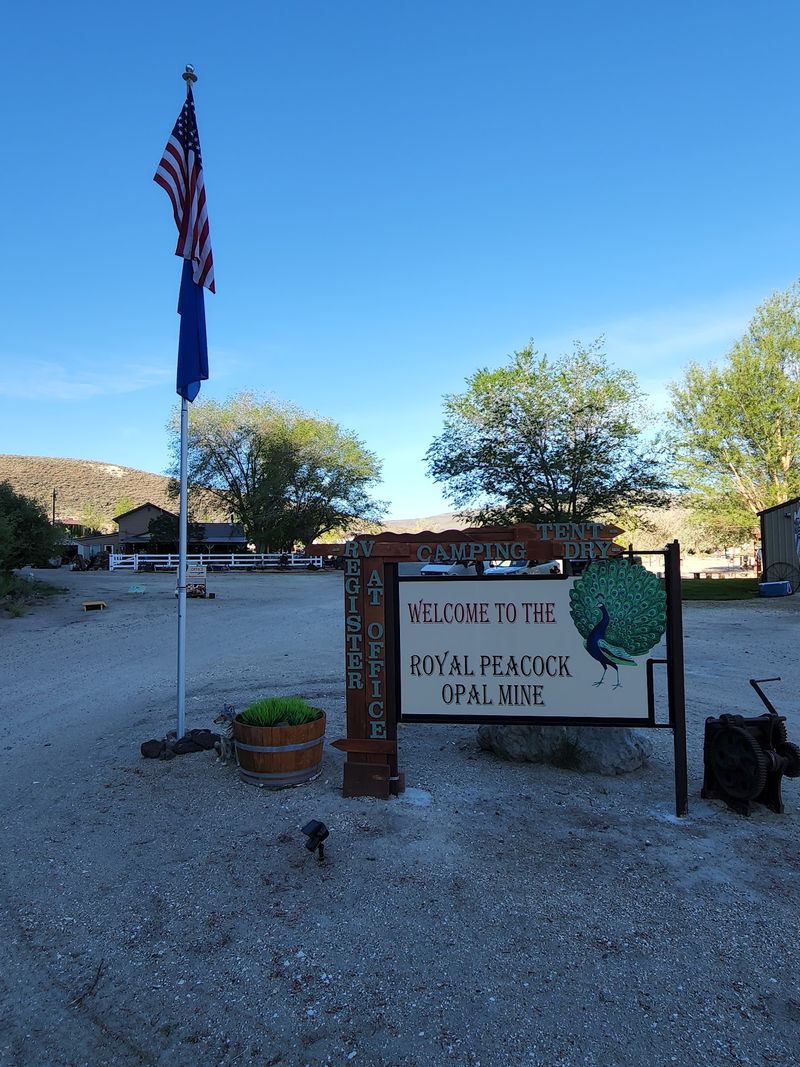
Fire inside a rock. Virgin Valley opal throws green, orange, and red when the light hits it right.
Royal Peacock operates in the Virgin Valley near Denio in Humboldt County, up in Nevada’s remote northwest corner. Visitors pay to dig either in loose tailings or on the bank itself.
Much of the opal here replaced ancient wood, so you may pull out a limb cast that glows. Some pieces are stable, others crack as they dry.
Ask the staff how to store your finds in water. That advice can save a specimen.
The mine typically runs a seasonal schedule tied to weather, so confirm before committing to the long drive.
Bring gloves, a spray bottle, knee pads, and plenty of patience. Clay sticks to everything.
Camping and simple lodging exist on site, which helps because towns sit far away.
Cell service is unreliable. Download maps ahead and top off your fuel tank.
Sunsets over the surrounding high desert feel enormous. Stay for one.
Location: Virgin Valley, near Denio, Humboldt County, Nevada, United States.
6. Bonanza Opal Mines
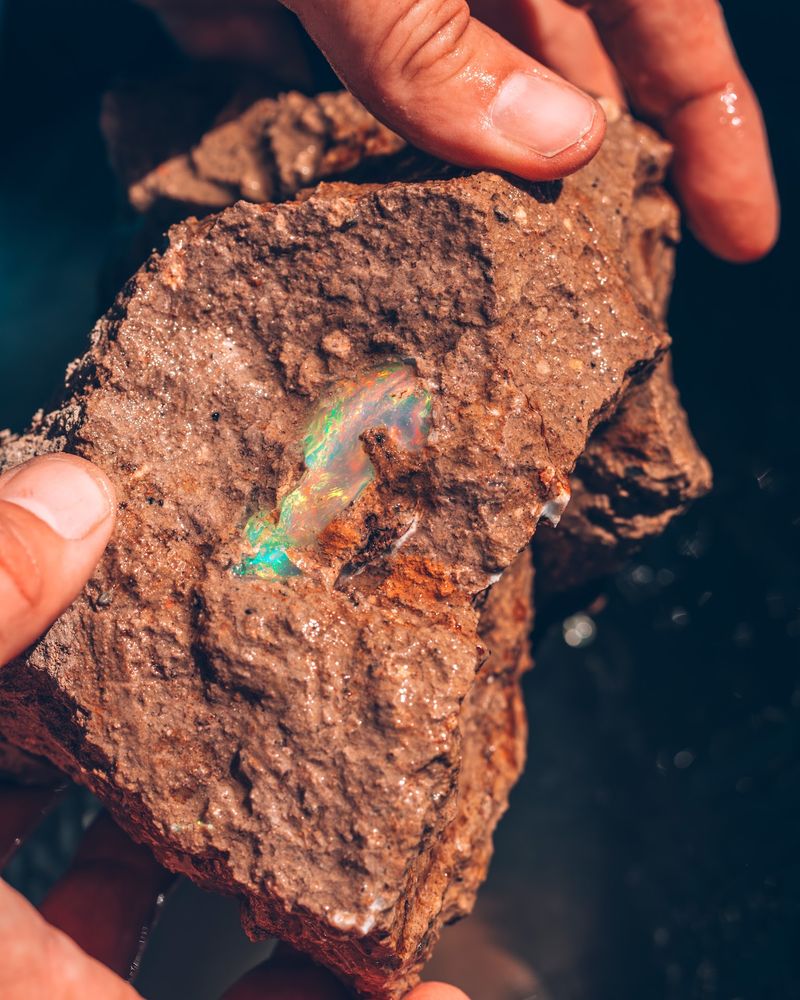
Another opal outfit shares this remote valley, and it plays a slightly different game. Bonanza focuses on hands-on digging with guidance for first timers.
The claims sit near Denio in Humboldt County, close to the Oregon border. Virgin Valley material formed when volcanic ash buried ancient forests, and silica seeped into the wood.
Diggers often work bank material rather than picked-over tailings. That means more effort and a better shot at bigger pieces.
Tools are usually available on site, though your own gloves feel better than borrowed ones. A soft brush helps you clean without scratching.
Seasonal operation is standard up here, since winter closes the roads. Contact the mine before planning dates.
Keep finds submerged in water on the ride home. Sudden drying causes crazing.
Nights get cold even in summer at this elevation, so pack a warm layer if you camp.
The drive crosses long stretches of sagebrush with almost no services. Treat that as part of the adventure, not a problem.
Location: Virgin Valley, near Denio, Humboldt County, Nevada, United States.
7. Wilson Canyon
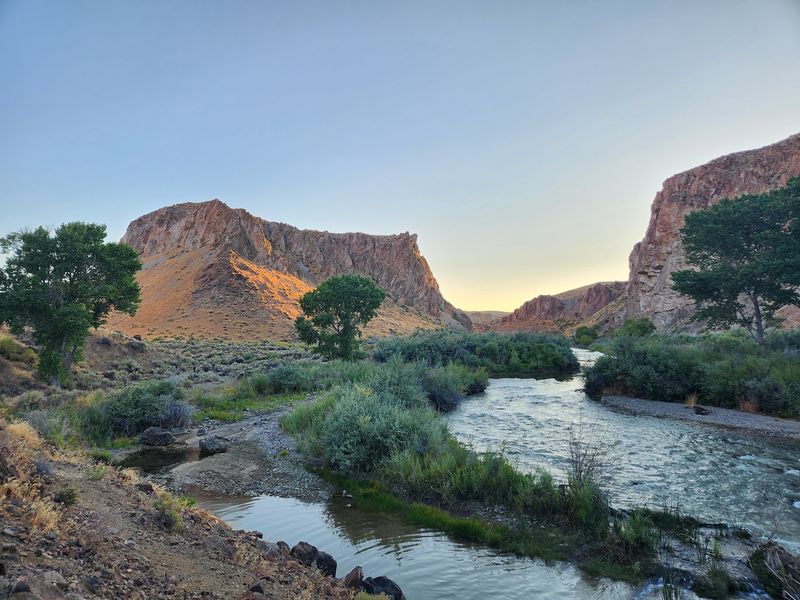
A canyon, a river, and gravel worth sorting through. Wilson Canyon packs all three into one easy stop.
The canyon cuts along the West Walker River near Yerington in Lyon County. Rockhounds come for jasper, agate, and colorful chalcedony scattered in washes and hillsides.
Look for material after spring runoff, when moving water uncovers fresh stones. Wet pebbles show their color best.
Parking pullouts along the highway make access simple. No mine fees, no appointments, just walking and looking.
Keep an eye out for private property and mining claims in the wider area. Stick to public ground.
A cloth bag and a spray bottle handle most of the work. Add a hand rake for gravel bars.
The canyon also draws anglers and picnickers, so mornings feel calmer. Rock walls glow warm around sunset.
Yerington sits close by with food and fuel, making this an easy day trip from Reno or Carson City.
Watch footing near the river, where rocks stay slippery. Sturdy shoes solve that.
Location: Wilson Canyon, near Yerington, Lyon County, Nevada, United States.
8. Gemfield
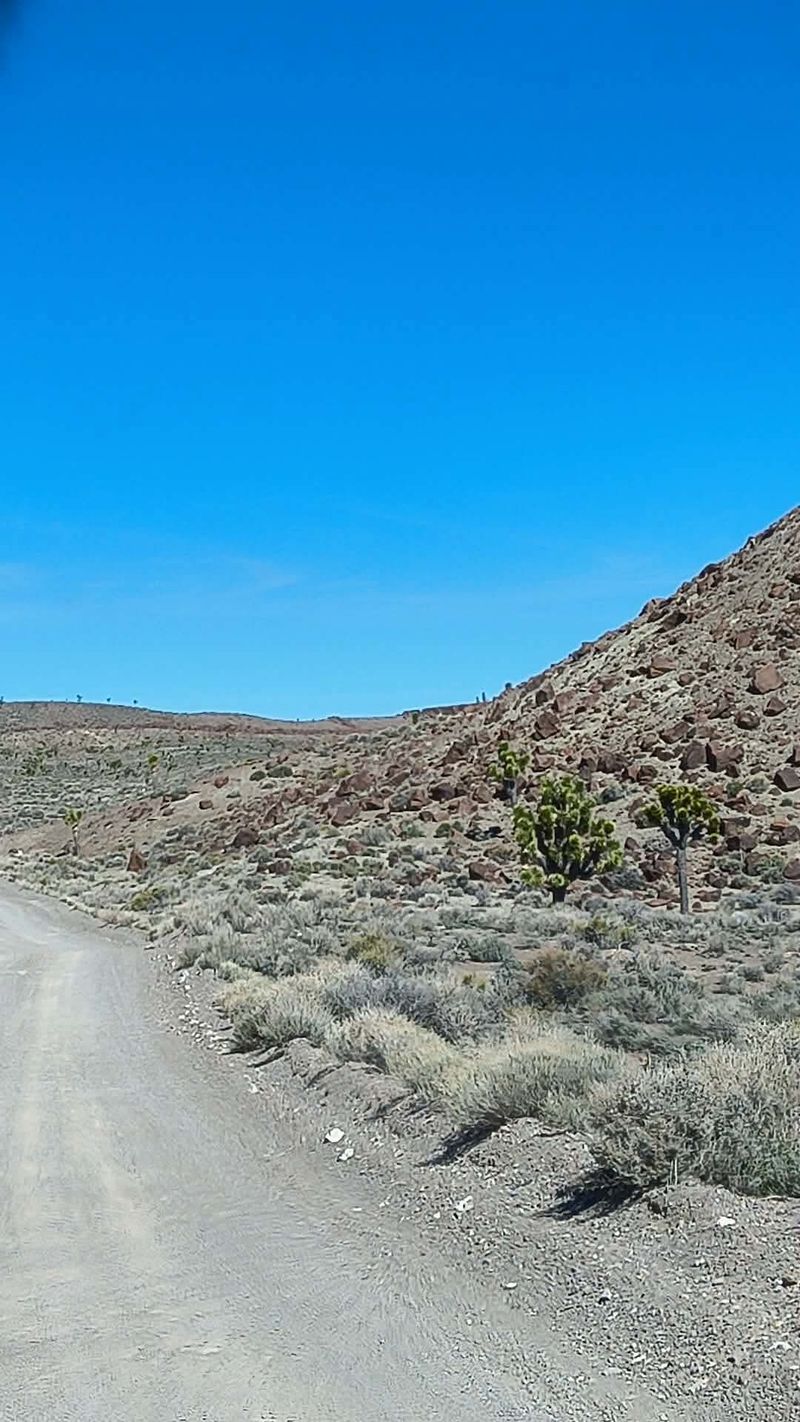
Pink, cream, and rust colored rock spread across an old mining flat. Gemfield earns its name the moment you look down.
The site sits just north of Goldfield in Esmeralda County, beside a historic gold mining district. Collectors gather chalcedony, jasper, and altered volcanic rock in a rainbow of soft shades.
Material here often takes a good polish, which makes it popular with tumblers and cabbers. Test a piece for hardness before hauling twenty pounds home.
Access has changed over the years due to claims and ownership, so check current status locally before collecting.
Goldfield itself rewards a wander, with weathered stone buildings from a boom that once made it Nevada’s largest town.
Bring a spray bottle, a bucket, and a strong back. The best pieces sit right on the surface.
Shade barely exists. Start early and carry more water than feels necessary.
Highway 95 runs right past, so this pairs neatly with a Tonopah turquoise trip.
Leave holes filled and trash gone. Simple courtesy keeps sites open.
Location: Gemfield, near Goldfield, Esmeralda County, Nevada, United States.
9. Fish Lake Valley
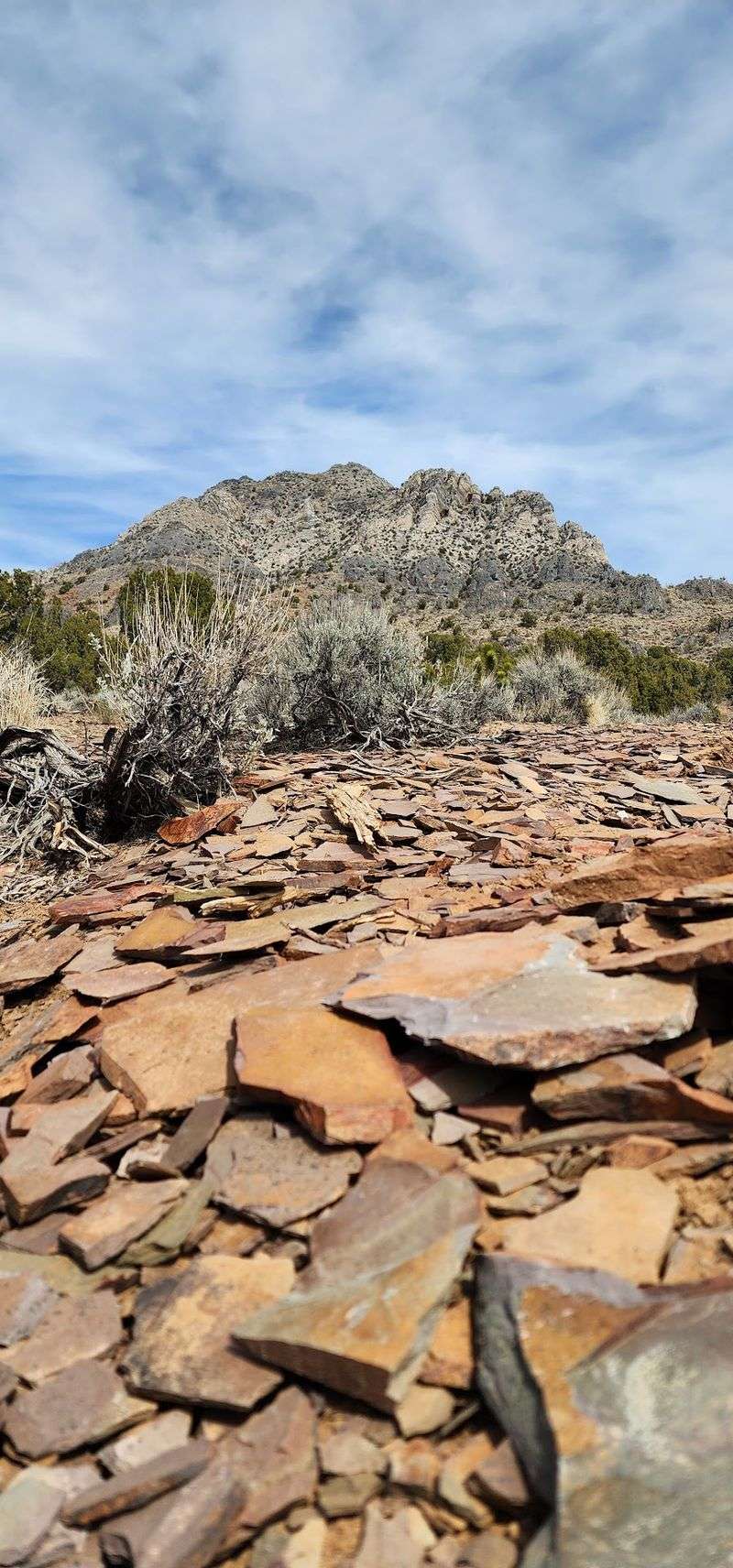
Snowy peaks on one side, wide open sagebrush on the other. Fish Lake Valley delivers scenery before you find a single rock.
The valley spreads across Esmeralda County in western Nevada, below the White Mountains. Rockhounds search here for agate, jasper, and reports of petrified wood in various washes.
Material scatters widely, so plan on driving between spots and walking a lot. Slow scanning beats fast walking.
Older collecting guides mention several areas, though conditions and access can shift. Verify current land status before you dig.
Dirt roads range from smooth to sandy. A truck or SUV makes life easier, and a spare tire is not optional.
The valley stays quiet, with hot springs and small ranching communities dotting the basin.
Spring wildflowers and clear autumn air make those seasons the best bet. Summer bakes, winter bites.
Carry paper maps as backup, since cell coverage drops out fast. Tell someone your route.
Pack out everything, including broken rock you decided against. The desert keeps score.
Location: Fish Lake Valley, Esmeralda County, Nevada, United States.
10. Majuba Placers
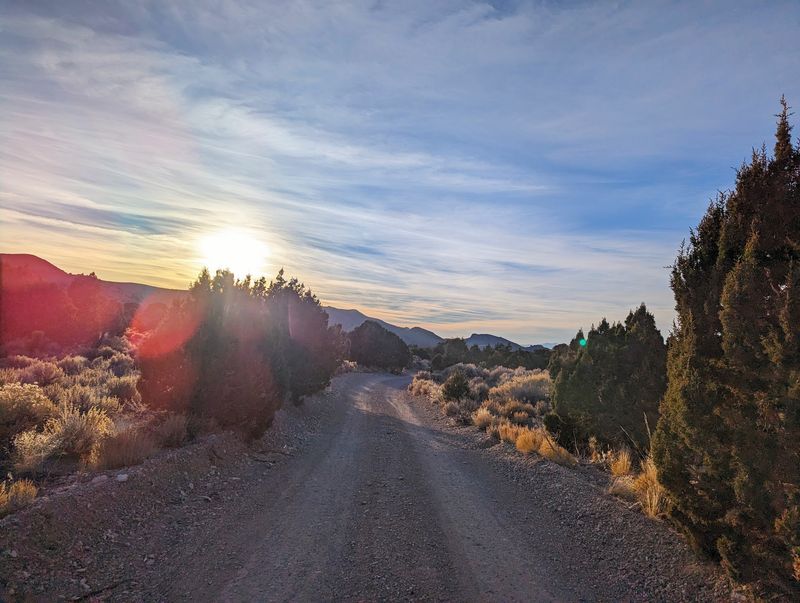
Gold, not gemstones, draws people to this corner of Pershing County. Detectors beep across the desert here for good reason.
The Majuba placer ground lies in the Rye Patch area of northwestern Nevada, known among prospectors for coarse nuggets found near the surface. Dry washing and metal detecting are the usual methods.
Water is scarce, so classic panning rarely works. Most people bring a dry washer or swing a detector across bedrock.
Many nearby areas fall under active claims. Confirm the land status before you turn a shovel, since claim jumping causes real trouble.
Prospecting clubs sometimes hold ground in this region, and joining one can open legal digging options.
Rye Patch Reservoir sits nearby with camping, boat access, and a place to cool off after a dusty day.
Lovelock provides the closest supplies and a base along Interstate 80. That highway access makes this the easiest site on the list to reach.
Even a few flakes in the pan feel like a win. Keep expectations light and curiosity high.
Location: Majuba placers, Rye Patch area, Pershing County, Nevada, United States.