
10 Oklahoma Towns With Beautiful Historic Main Streets And Serious Small Town Charm
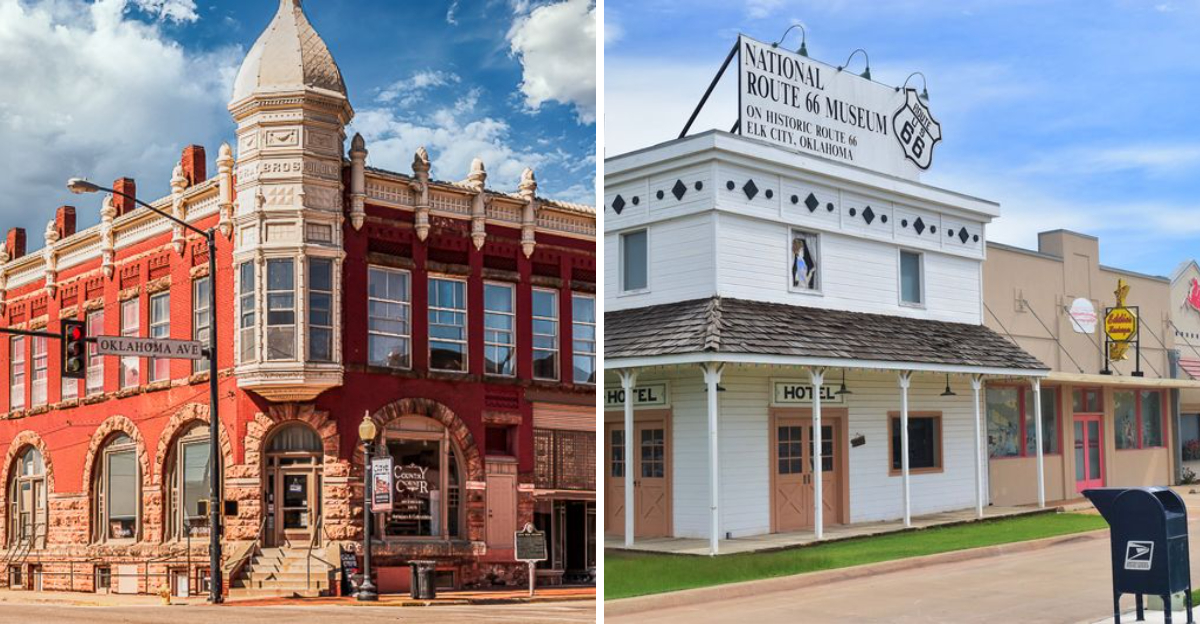
Some towns make you slow down before you even realize it. There is something about an old Main Street that can turn a quick stop into the best part of a road trip.
Oklahoma has several towns where that feeling is still easy to find. Their downtowns feel genuine, with historic buildings and local businesses giving each street its own personality. Nothing feels overly polished, and that is exactly the charm.
What makes these places memorable is how naturally the past still fits into everyday life. You are not just looking at history. You are seeing a part of the state that still feels deeply connected to it.
If you have been wanting to see a quieter, more nostalgic side of Oklahoma, these towns offer some of the most charming Main Streets in the state.
1. Chandler
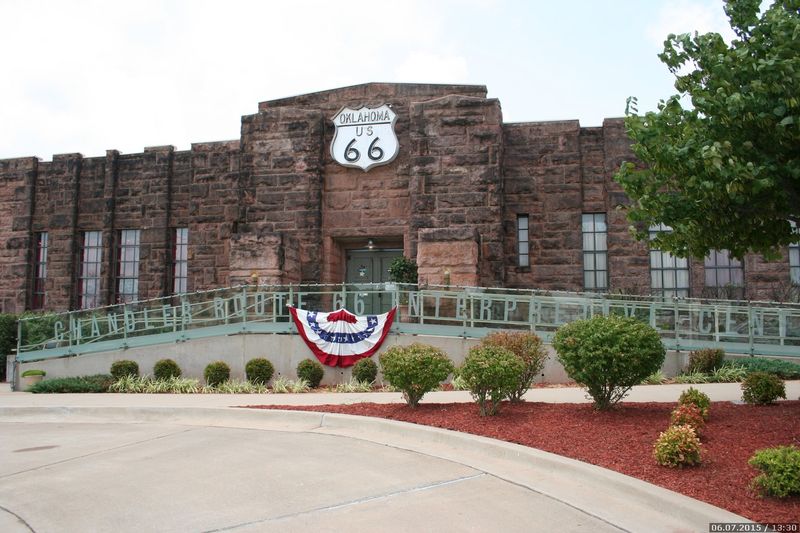
Route 66 fans, this one is for you. Chandler keeps its old road history in plain sight.
The main street runs with sturdy early 1900s brick buildings and a handsome county courthouse presence. Everything feels compact and walkable.
A restored Phillips 66 cottage style station anchors the town’s roadside story. Photographers love the little peaked roof and vintage pumps.
Then there is the old armory, built from local sandstone by New Deal era workers. It now serves as an interpretive center focused on the Mother Road, and the stonework alone is worth the stop.
Murals brighten several walls downtown. You can use them to trace local history without reading a single plaque.
Lincoln County built its courthouse square with the kind of shade trees that make July bearable. Benches invite a rest.
Small cafes and shops keep regular daytime hours, so mornings work best for a visit. Traffic stays light.
Nearby stretches of original Route 66 pavement let you drive slowly and imagine 1930s travelers hunting a motel sign.
Chandler sits in Lincoln County, central Oklahoma, along historic Route 66 east of Oklahoma City. Bring a camera with room to spare.
2. Guthrie
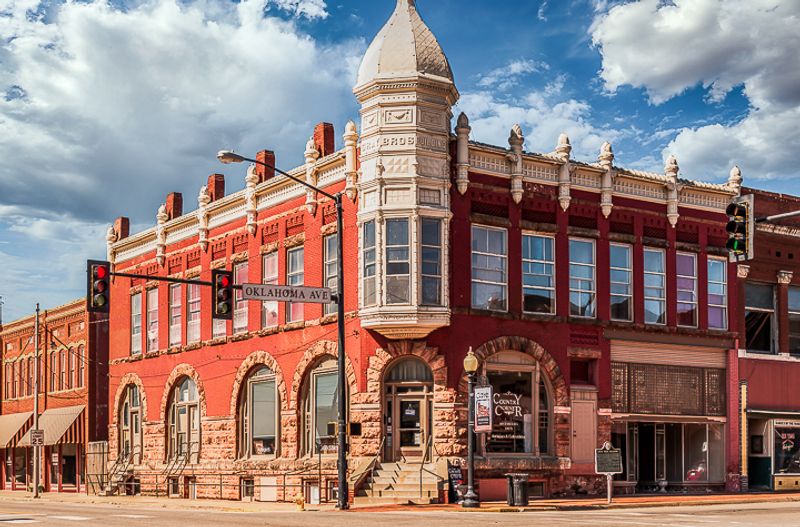
Want a whole downtown frozen in 1890s brick? Guthrie delivers one of the most complete historic main streets in Oklahoma.
The town became the territorial capital after the 1889 Land Run. Money arrived fast, and builders went big.
Rows of Victorian storefronts still line the streets, many designed with elaborate stonework and tall arched windows. The district is recognized as a National Historic Landmark, which is rare for an entire downtown.
Cornices, turrets, and painted signs reward anyone who lifts their chin.
Antique shops fill many ground floors. A working carriage occasionally rolls past, which sounds gimmicky but fits the setting.
The old Scottish Rite Temple sits nearby and dominates its block with heavy columns. Guided tours are sometimes offered, so ask locally before planning around it.
Spring and fall bring the friendliest walking weather. Summer afternoons on brick pavement get hot quickly.
Stop for coffee, then browse the small museums covering territorial history and early statehood. Details like original tin ceilings show up in the most ordinary buildings.
Guthrie sits in central Oklahoma, roughly half an hour north of Oklahoma City. The best part is how little effort it takes to stumble onto another striking facade.
Even an ordinary corner can feel like it belongs on an old postcard.
3. Okmulgee
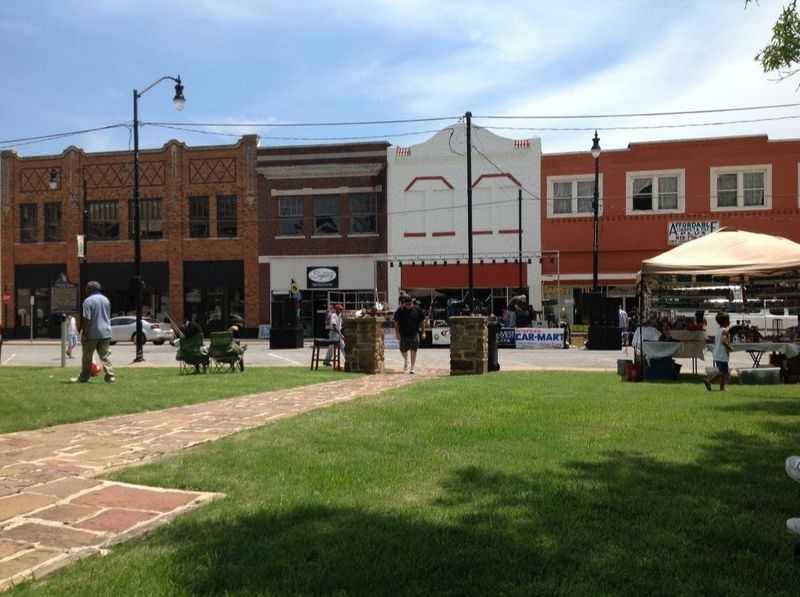
A stone council house sits at the heart of this downtown. That building tells you everything about Okmulgee.
The town served as the capital of the Muscogee Nation, and the old Council House still stands on the square. It now operates as a museum covering tribal government and history.
Around it, brick commercial blocks form a tidy rectangle. Many storefronts carry original transom windows and stamped metal details.
Barber shops, offices, and small eateries share space with historic facades.
Oil boom money in the early 1900s funded several taller buildings, giving the skyline more height than you expect from a town this size.
Okmulgee also carries a pecan growing reputation, and local festivals sometimes celebrate it. Check community calendars before you go.
Fall light hits the sandstone beautifully. Take time to read the interpretive signs, because the Muscogee story here stretches from forced removal to modern self government.
Okmulgee is the seat of Okmulgee County in eastern Oklahoma, about forty minutes south of Tulsa. Park once and explore on foot.
The square rewards slow wandering, especially when you start noticing the smaller architectural details. A quick stop can easily turn into an afternoon once the history starts pulling you in.
4. Tahlequah
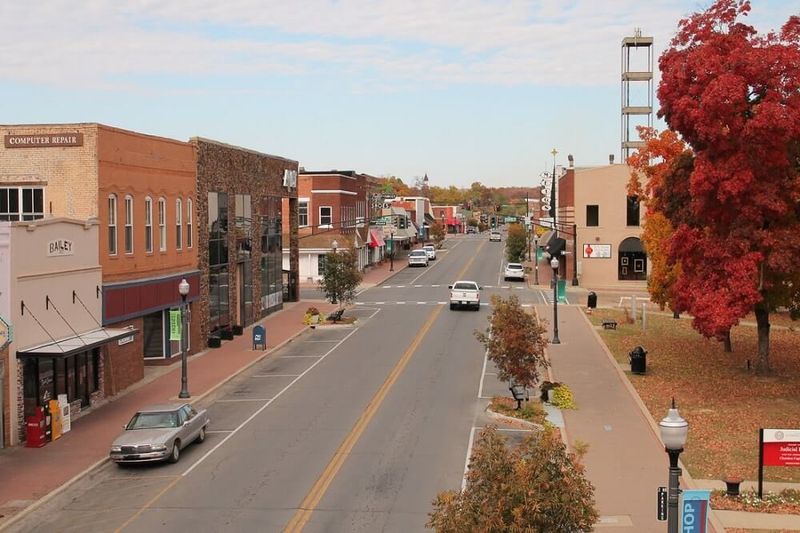
Street signs here appear in Cherokee syllabary. That small detail is worth noticing.
Tahlequah serves as the capital of the Cherokee Nation. The historic Cherokee National Capitol building sits right on the town square, built from brick in the late 1800s.
Surrounding blocks hold bookstores, coffee shops, and student energy from the nearby university. The mix keeps things lively without feeling crowded.
Several Cherokee history sites cluster within walking distance, including old prison and supreme court buildings turned museums. Plan a couple of hours minimum.
Stop for lunch, then wander into a shop selling Cherokee art and baskets. Ask a few questions, and you may come away with stories you would have otherwise missed.
Summer visitors head to the Illinois River for float trips. Outfitters operate nearby, and the water stays cool and clear.
Autumn turns the surrounding Ozark foothills gold. That season pairs best with a downtown walk.
The square hosts events through the year, so check what is happening locally before arriving. Come curious and leave with a reading list.
5. Claremore
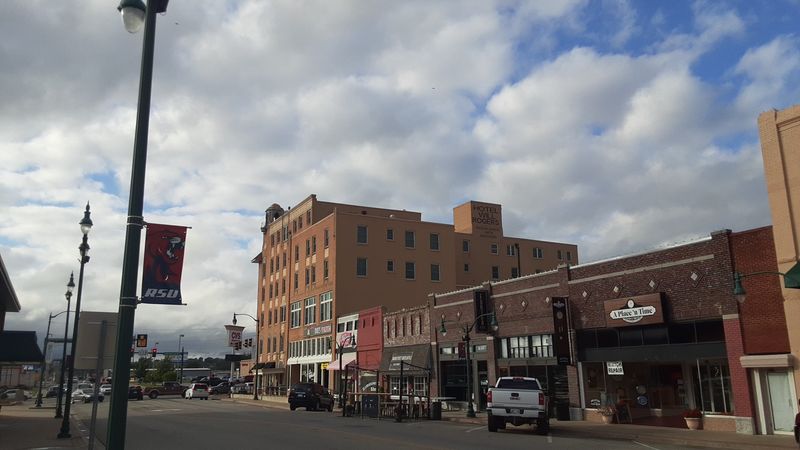
Antique hunters, clear your trunk. Claremore stacks its old buildings with old treasures.
The downtown district runs along a stretch of historic Route 66, with early twentieth century brick blocks housing multi dealer antique malls.
Will Rogers grew up in this area, and the town celebrates him proudly. His memorial museum sits on a hill overlooking the community, holding saddles, writings, and artwork.
The Belvidere Mansion adds a Victorian note near downtown. Its brick tower and wraparound porch photograph well from the street.
Another quirky stop covers J.M. Davis and his enormous firearms collection, housed in a large museum near the highway.
It also displays music boxes and saddles.
Sidewalks stay flat and easy, so walking between shops takes little effort. Metered parking is not an issue.
Spring brings blooming trees around the older neighborhoods just off the main drag. Detour a block or two.
Local cafes serve straightforward comfort food, and pie shows up more often than not.
Claremore anchors Rogers County in northeastern Oklahoma. Budget more time than you think you need.
6. Pawhuska
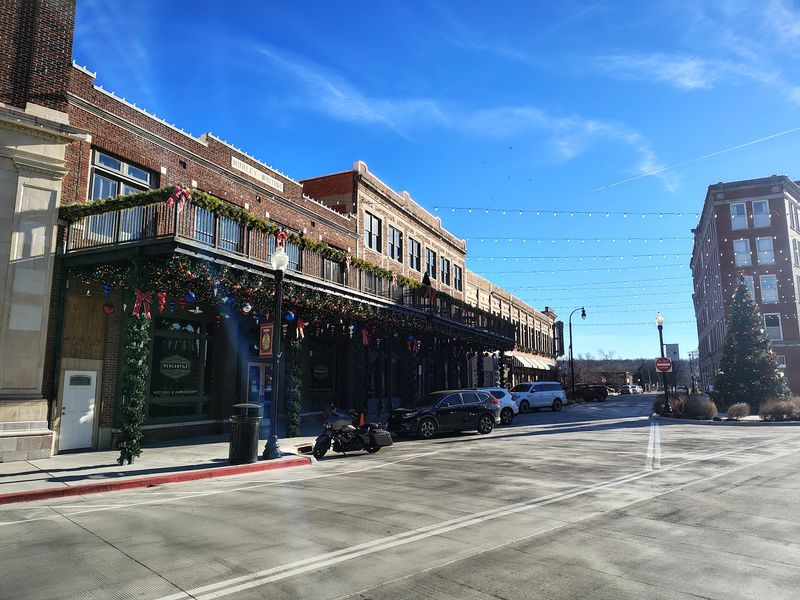
Cattle country meets bright storefronts in this Osage Hills town. The transformation here is hard to miss.
Pawhuska serves as the capital of the Osage Nation, and the Osage Nation Museum downtown ranks among the oldest tribally owned museums in the country.
Main street buildings date largely to the oil boom years, when Osage headright wealth built solid brick blocks. Many have been restored with fresh paint and new purposes.
Visitors arrive for the Pioneer Woman Mercantile, a restored building holding a bakery, store, and restaurant. Lines form, so go early.
Just outside town lies the Tallgrass Prairie Preserve, where bison roam huge stretches of native grass. Drive the gravel roads slowly and keep your distance.
Visit in late spring, when wildflowers dot the prairie. Stay for sunset, and you may catch the sky stretching out in long shades of pink.
Back downtown, murals and historical markers explain Osage history, including difficult chapters that deserve attention.
Bring cash for small shops and patience for weekend crowds. The town gets busier than its size suggests.
Pawhuska is in northeastern Oklahoma, north of Tulsa. Prairie and pavement in one easy trip.
7. Bartlesville
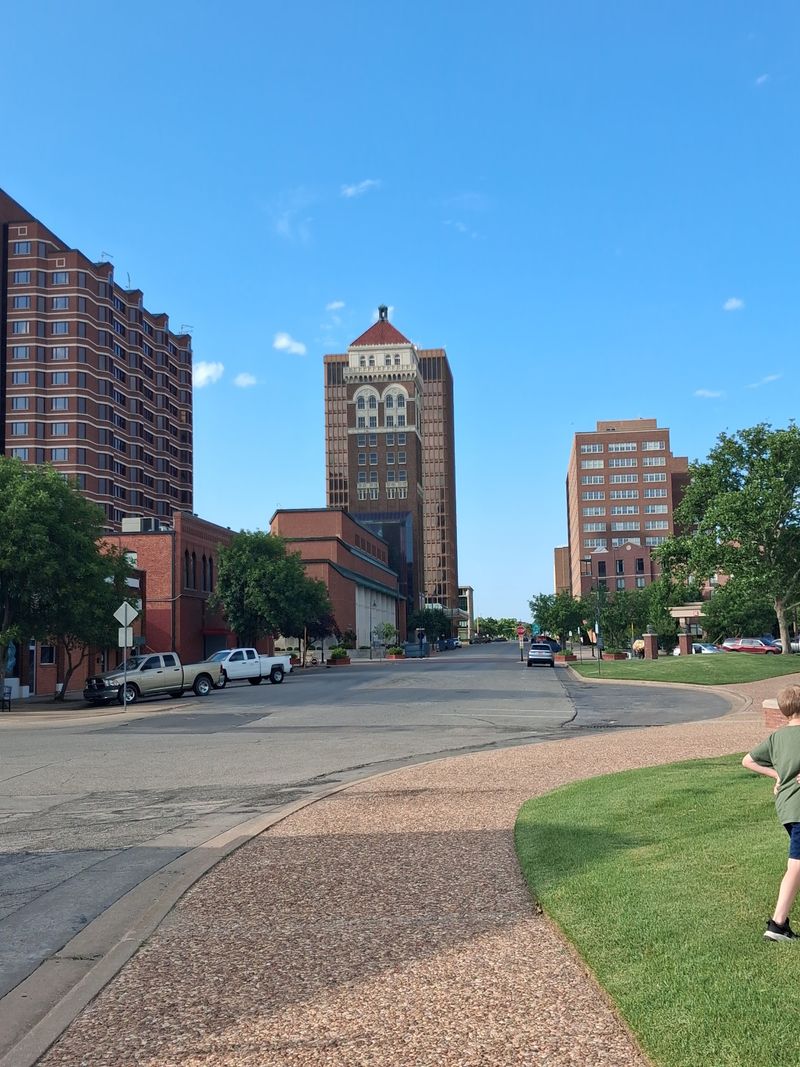
A Frank Lloyd Wright skyscraper in small town Oklahoma? Bartlesville makes it real.
Price Tower rises nineteen stories downtown, the only realized skyscraper Wright designed. Its copper louvers and cantilevered floors look unlike anything else on the plains.
Around it, the historic downtown holds early oil era commercial buildings, theaters, and a restored train depot. Oil money shaped nearly every block.
The Bartlesville Community Center brings performances to town, and the Frank Phillips Home offers a look at how an oil executive lived in the 1900s.
Woolaroc sits southwest of town, a ranch and museum with wildlife preserve, lodge, and Native American art collections. Give it half a day.
On a quiet weekday, you can appreciate how open and relaxed the downtown streets feel. Architecture spotting works well here.
Nearby Dewey adds another historic main street if you want to extend the drive north.
Autumn works nicely, with cooler air for outdoor exploring and fewer crowds at the museums.
Bartlesville sits in northeastern Oklahoma, close to the Kansas border. Big design ideas in a friendly small package.
8. Weatherford
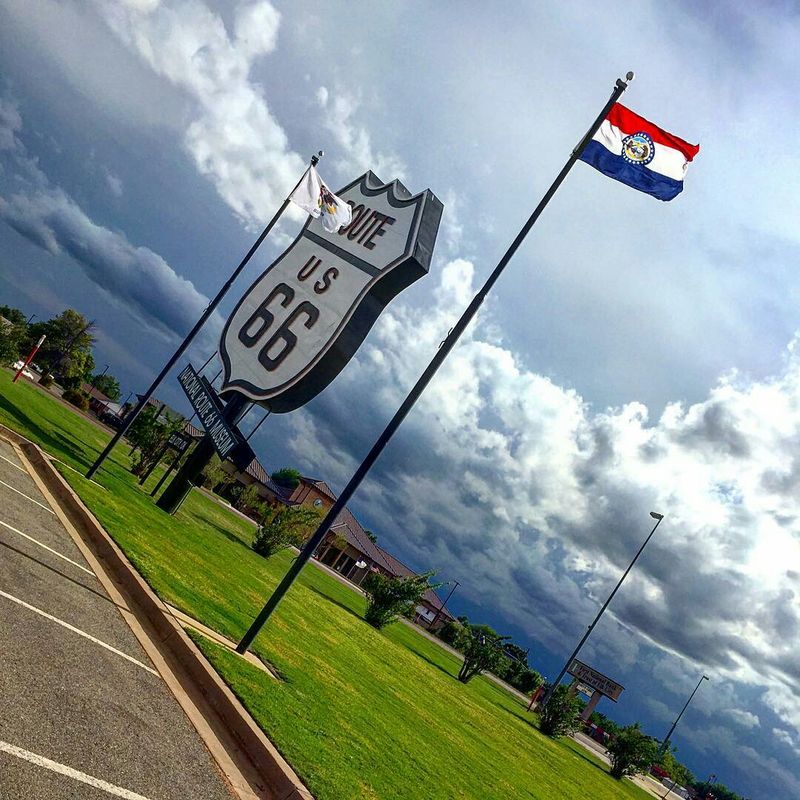
Route 66 rolls straight through this western Oklahoma college town. Main Street still shows its road trip roots.
Weatherford keeps a tidy downtown of brick storefronts, with local shops, bakeries, and a small town pace that suits an afternoon stroll.
The Stafford Air and Space Museum honors astronaut Thomas Stafford, who grew up here. Rockets and aircraft fill a surprisingly large space, and it is a Smithsonian affiliate.
University energy from Southwestern Oklahoma State keeps cafes busy during the school year. Expect friendly service and cheap coffee.
Wind turbines spin on the ridges outside town, an odd but memorable contrast with the century old buildings downtown.
You may enjoy the old Route 66 alignment nearby, where the pavement narrows and traffic fades away. Roll the windows down and enjoy the quieter stretch.
Local festivals appear on the community calendar through the warmer months, so check before planning a weekend.
Bring a hat. Western Oklahoma sun arrives with intent, and shade downtown is limited in places.
Weatherford belongs to western Oklahoma, along Interstate 40 and historic Route 66. A good stop between Oklahoma City and the Texas line.
9. Elk City
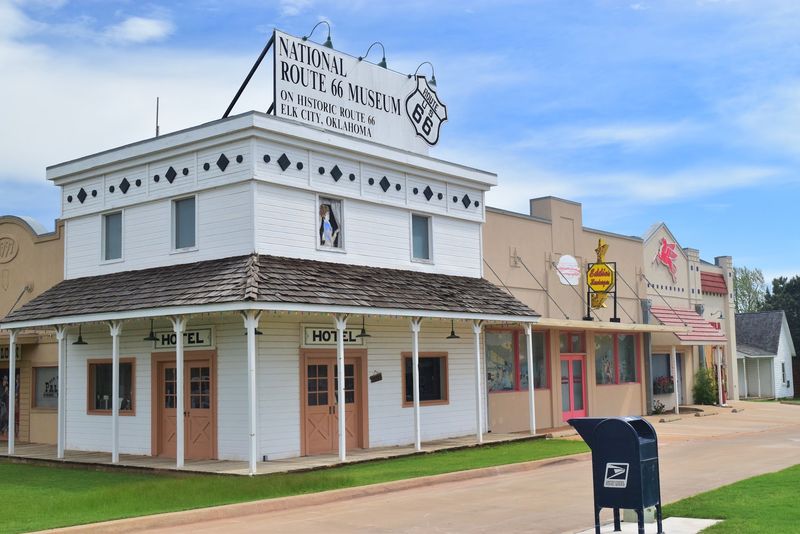
Neon signs, a giant kachina statue, and a whole museum complex devoted to one highway. Elk City goes all in.
The National Route 66 and Transportation Museum sits here, gathering old cars, a recreated main street, and roadside relics under one roof. It anchors any visit.
Downtown holds early twentieth century brick buildings from the town’s days as a farming and later oil hub. Several storefronts have been spruced up.
The museum campus also includes a farm and ranch museum and a blacksmith shop, which helps explain how western Oklahoma actually worked.
Stop at a local diner, and you can enjoy exactly the kind of unfussy plate lunch that suits a small-town afternoon. Portions ran generous.
Sunsets across the flat western horizon glow orange here, and the neon looks best just after.
Ackley Park nearby offers a lake, playgrounds, and a carousel for anyone traveling with restless kids.
Spring and early fall bring pleasant walking weather. Summer heat can be intense on open pavement.
Elk City is the largest town in Beckham County, along Interstate 40 and historic Route 66. Mother Road nostalgia at full volume.
10. Durant
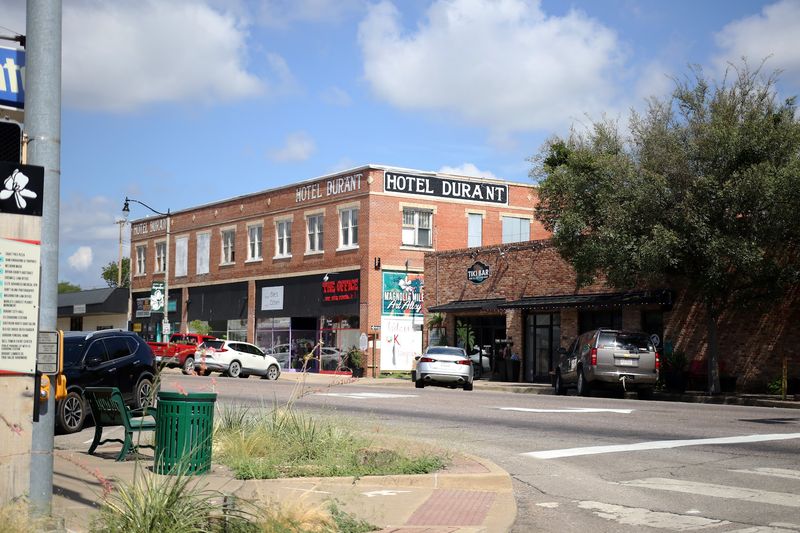
Magnolias, a giant peanut monument, and a broad brick Main Street. Durant carries a soft southern accent.
The town serves as headquarters of the Choctaw Nation, and that presence shapes local life, culture, and events throughout the year.
Main Street stretches wide with early twentieth century commercial buildings, some restored, others waiting their turn. Shops, bakeries, and murals fill the gaps.
Southeastern Oklahoma State University adds students and a leafy campus just off the main corridor.
Three Valley Museum downtown collects regional history, including railroad, ranching, and Choctaw artifacts. Small but worthwhile.
The peanut monument honors the area’s farming past and makes a perfectly silly photo stop.
Lake Texoma sits a short drive south, drawing anglers and boaters across the Texas border.
Fort Washita, an 1840s military post, lies nearby with stone ruins and open grounds to explore.
Spring brings blooming magnolias and mild temperatures, ideal for a downtown walk.
Durant is close to the Red River and the Texas state line. Slow pace, real history, and plenty of shade.