
10 New York Beach Towns Where The Train Station Is Less Than A Mile From The Water
The worst part of a beach day is usually the parking, and my dad once gave up on a full lot and drove us all home. New York figured a way around that decades ago.
Trains out east were built to follow the shoreline, so certain platforms sit close enough to the water that the salt hits you when the doors open. You get off and you are basically already there.
Ten minutes of walking is the whole commute in most of these towns. A few of them drop you near a harbor instead of sand, and one puts a ferry dock within easy reach of the turnstile.
I still overpack every time, which is nobody’s fault but mine, and I still make it without breaking a sweat.
Kids can carry their own towels that far. The train leaves again eventually, and you can ignore that fact until the light turns gold.
1. Long Beach – Half A Mile To The Atlantic
Few trains in the country drop riders this close to open ocean, and the conductors seem to know it. The barrier island city calls itself the City by the Sea, and the nickname earns its keep.
Trains pull in at West Park Avenue and National Boulevard, where the sand waits roughly 2,410 feet away. That math works out to about 0.45 miles, or under ten minutes of unhurried walking. Sneakers are fine, though flip flops make far more sense.
The LIRR built an entire promotion around that geography. Its Beaches package pairs a discounted round trip ticket with beach admission, a voucher for local merchant discounts, and free rides on the City of Long Beach bus. One purchase covers the train, the gate, and the shuttle.
The boardwalk stretches a little over two miles above the shoreline, busy with joggers, cyclists, and people who came strictly to snack. Surfers claim the water near the jetties. Lifeguards patrol the main stretch through the summer season.
Day trippers from New York City often arrive by nine and head home pink by six. No permit, no meter, no circling the block twice. The whole plan costs less than a tank of gas.
2. Greenport – The Ferry Is Across The Street
Salt air reaches you before your luggage does at Greenport, where the Main Line simply quits at the harbor. Passengers step off the platform and the water is right there, glinting. The timing feels almost theatrical.
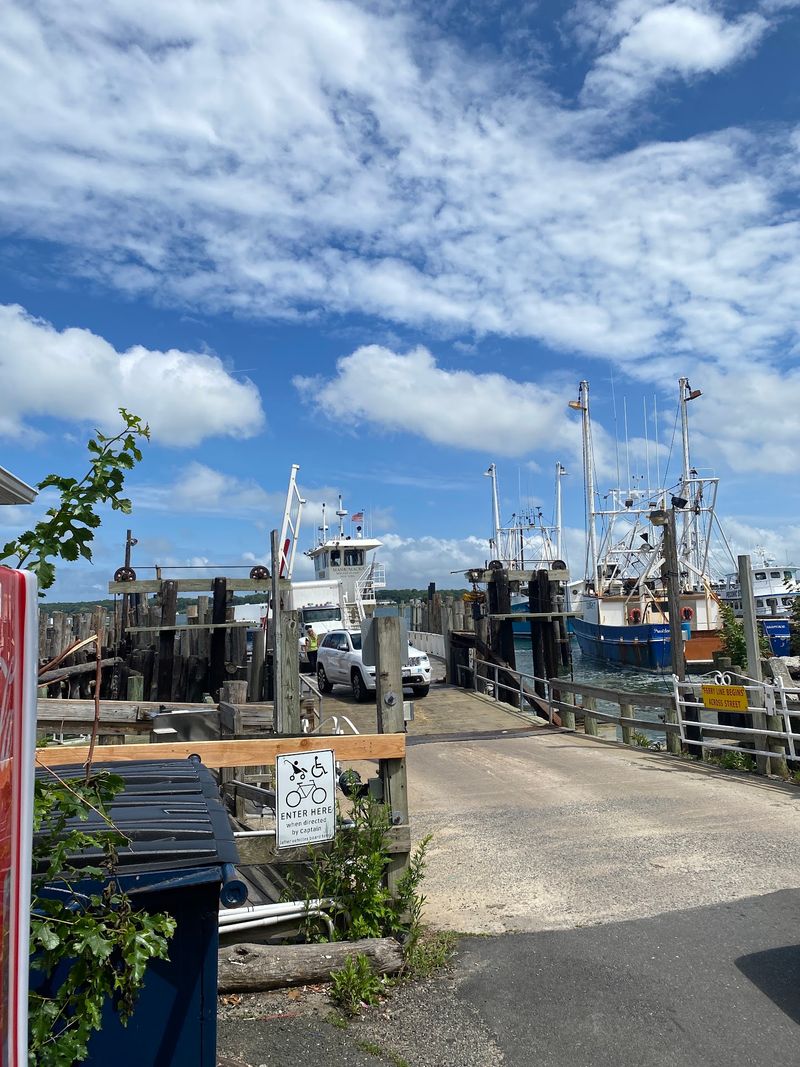
Trains stop at Wiggins Street and Fourth Street, which places the North Ferry dock across the street. Boats to Shelter Island load dockside at the water’s edge, so the transfer takes a couple of minutes. Foot passengers pay a small fare and ride.
Mitchell Park Marina sits adjacent, about a one minute walk to shops, restaurants, and the ferry slip. An antique carousel spins inside the park, and riders still grab for the brass ring. Tickets cost pocket change.
Greenport keeps its working waterfront honest, with oyster shacks, tackle shops, and fishing boats sharing the same bulkheads. It ranks among the oldest ports on the North Fork of New York. Whaling profits paid for several of the houses on Front Street.
Summer weekend trains fill quickly, so study the timetable before you settle in for dessert. The last westbound departure leaves earlier than most visitors expect. Missing it means a very expensive ride home.
3. Patchogue – Five Minutes To The Fire Island Ferry
Fire Island bans cars, so the ferry acts as the front door, and Patchogue keeps a spare key. The station makes the handoff painless. Ferry captains here are long accustomed to sandy passengers.
Watch Hill Ferry Terminal sits at 160 West Avenue, roughly a five minute walk from the LIRR platform. Roll a cooler behind you and the entire trip stays carless. Schedules shift by season, so check before packing.
The Davis Park Ferry Terminal at 80 Brightwood Street asks a bit more of your legs, about a 22 minute walk. Taxis idle near the station for travelers hauling chairs, umbrellas, and groceries for the week.
Downtown Patchogue has quietly become one of the better eating strips in Suffolk County. Bakeries, taco counters, and coffee shops sit within a few blocks of the tracks. The Patchogue Theatre books touring acts most weekends.
Watch Hill greets visitors with a marina, a national seashore visitor center, and a boardwalk crossing the dunes. Davis Park runs quieter, with wide sand and thinner crowds. Both feel like another planet compared with the platform you left forty minutes earlier.
4. Bay Shore – The Gateway To Ocean Beach
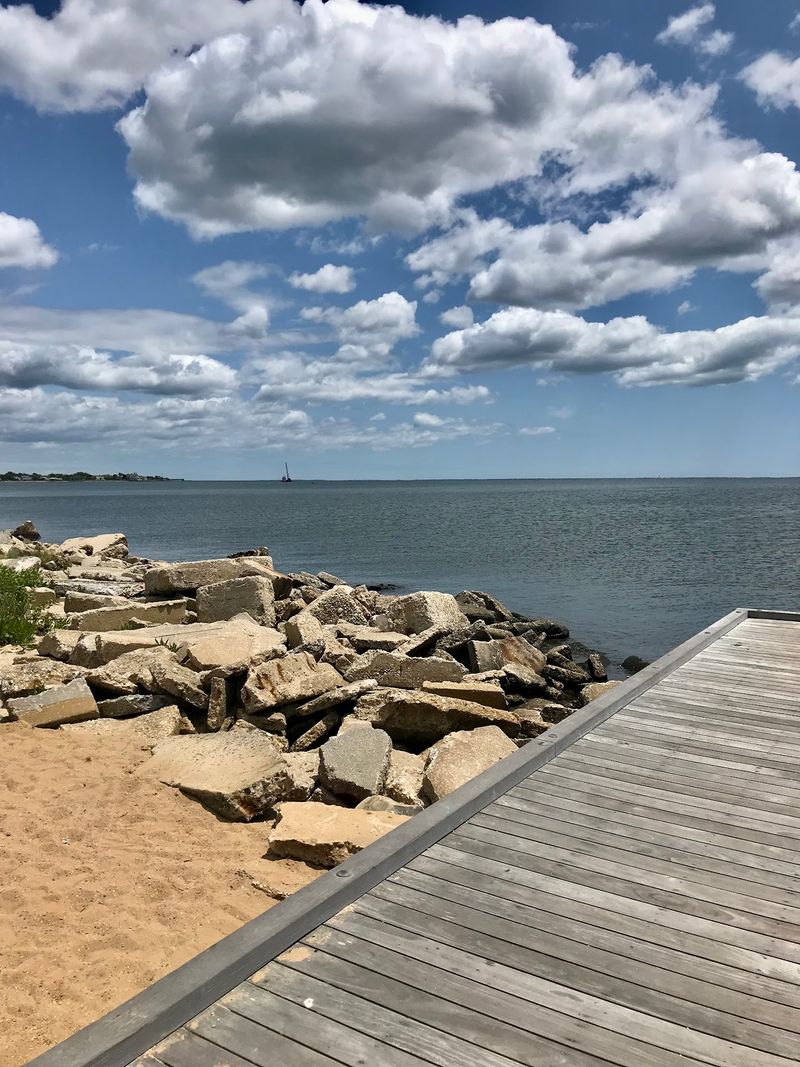
Ocean Beach regulars can pace the walk from the Bay Shore platform to the ferry slip in their sleep. Muscle memory does most of the work. The route is flat, shaded, and lined with houses.
The station stands about one mile from Fire Island Ferries at 99 Maple Avenue, which counts as an easy 15 minute walk. Taxis wait outside for anyone traveling with a week of supplies. Wagons are the local currency on the island itself.
Boats leave for Kismet, Saltaire, Fair Harbor, Dunewood, Atlantique, Ocean Beach, Seaview, and Ocean Bay Park. Each community carries its own personality, and choosing one is half the fun of planning.
Main Street in Bay Shore rewards early arrivals with bagels, iced coffee, and ice cream for the ride back. The village hosts a performing arts center a short amble from the tracks.
Peak Saturday ferries can sell out of seating, so aim for a boat before the noon rush. Bring cash, a hat, and shoes you can shake out later. Sand on the train is a badge of honor around New York in July.
5. Port Jefferson – Harbor Views At The End Of Main
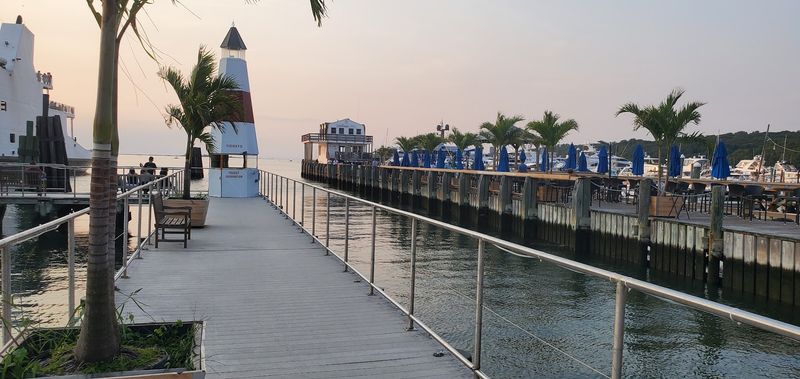
Shipbuilders picked Port Jefferson for its deep, sheltered harbor, and the village still smells faintly of rope and diesel. The North Shore location makes for a very different beach day than the ocean towns.
The station sits at Main Street and Oakland Avenue in Port Jefferson Station, roughly a mile from the village center. Walking down takes about thirty pleasant minutes, mostly downhill toward the water.
Riders who prefer wheels can catch Suffolk County Transit Route 51, which links the station with the Bridgeport and Port Jefferson Ferry terminal. Big boats cross Long Island Sound to Connecticut several times daily.
Harborfront Park anchors the waterfront with a lawn, a pier, and a view of every arriving vessel. Ice cream shops, bookstores, and chowder counters crowd the blocks just uphill.
Locals call the village thoroughly walkable, and the label fits once you leave the parking lots behind. Kayak rentals operate near the docks in warm months.
The return climb feels longer than the descent, so budget a few extra minutes. Catching a train after a lobster roll requires discipline. Bring a light jacket, because Sound breezes turn brisk after sunset.
6. Island Park – The Station That Crosses The Channel
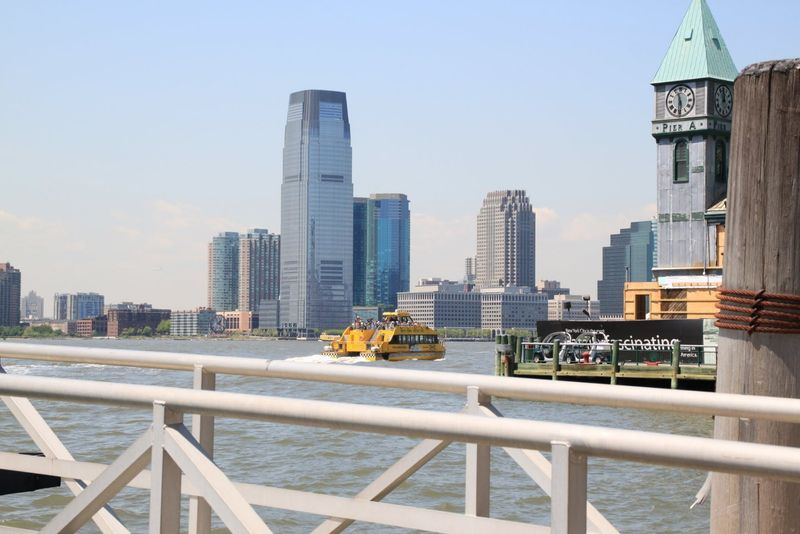
No town on the list beats Island Park for sheer proximity, because the tracks themselves go over the water. Trains cross Reynolds Channel on the Wreck Lead Bridge, and the view fills both windows.
The station stands at Long Beach Road and Austin Boulevard, with the channel immediately adjacent. Water sits so close that boats pass while you wait on the platform. Fishing rods outnumber briefcases on summer afternoons.
A bus stop at Warwick Road and Long Beach Road waits only 82 yards away, about a two minute walk. Connections toward the barrier island beaches are quick and cheap.
Island Park is the stop just before Long Beach, which makes it a smart backup plan when the big boardwalk feels packed. Bayfront parks here offer benches, breezes, and remarkable sunsets over the marsh grass.
Clam shacks and pizza counters cluster near the station, all reachable without breaking a sweat. Sailboats, paddleboards, and jet skis share the channel on weekends.
The village covers less than a square mile, so wandering is nearly impossible. Anyone curious about the water side of New York should ride here once. The train ticket costs less than lunch.
7. Babylon – Argyle Lake In Four Minutes Flat
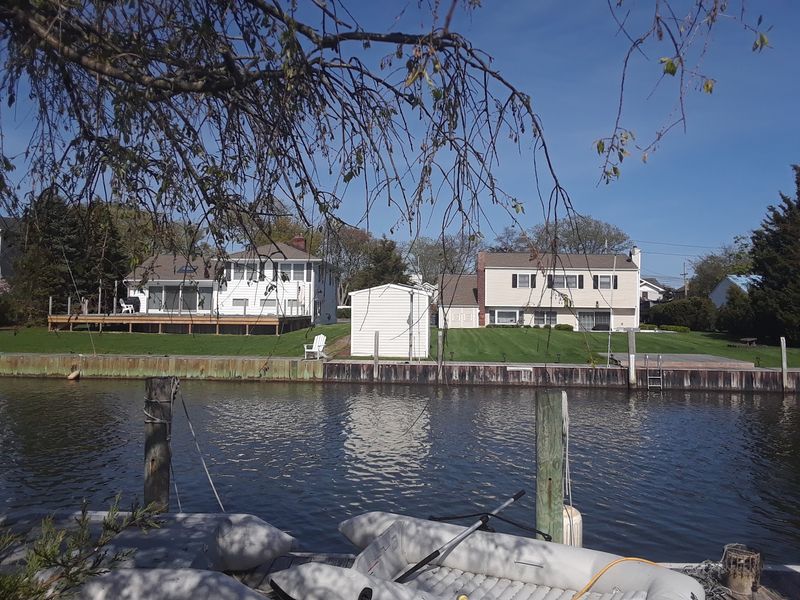
Water greets Babylon visitors almost before the train doors finish closing behind them. The village keeps a lake, a river, and a bay all within easy reach. Ducks handle the welcoming committee duties.
Trains stop near Cooper Street and Railroad Avenue, and Argyle Lake Park lies about 0.2 miles away. Four minutes of walking gets you to the shoreline path. Swans patrol the surface with total confidence.
Argyle Lake spills into Carll’s River, which flows onward to the Great South Bay. The chain of water forms the heart of the village harbor area. Stone walls and willows frame the whole scene.
Main Street runs a short block from the tracks, packed with bakeries, delis, and dessert shops. Grabbing breakfast before a beach day requires almost no detour.
Babylon serves as a busy transfer point on the LIRR, which makes it easy to reach from most of New York. Buses head south toward the barrier beaches in season.
Anglers cast for freshwater fish in the lake while sailors rig up nearer the bay. Two very different water sports, one train ticket. Bring bread crumbs at your own risk.
8. Oyster Bay – A Short Amble To The Harbor
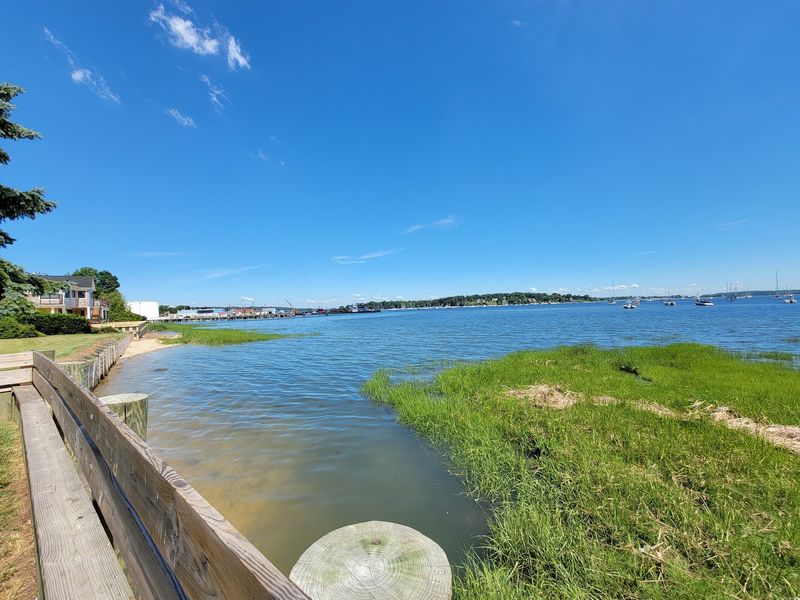
Oyster Bay wears its name honestly, since the shellfish beds out in the harbor are still farmed today. The village sits at the end of its own LIRR branch, which keeps crowds pleasantly thin.
The station on Railroad Avenue puts the harbor roughly 0.3 to 0.5 miles away, or five to ten minutes on foot. The walk passes storefronts, a firehouse, and several excellent bakeries.
Theodore Roosevelt Memorial Park holds the waterfront, complete with a beach, a dock, and benches aimed straight at the boats. Kayaks launch there on calm mornings.
The twenty sixth president summered nearby at Sagamore Hill, now a national historic site about three miles inland. Bring a bike or hail a ride if the house museum interests you.
Every October the village throws an oyster festival that draws enormous crowds to the harbor. Arriving by train that weekend is genuinely the smartest move available.
Ice cream, seafood counters, and a bookstore fill the blocks between the platform and the pier. The pace here runs slower than the rest of New York. That is precisely the appeal.
9. Montauk – The Last Stop Before The Ocean
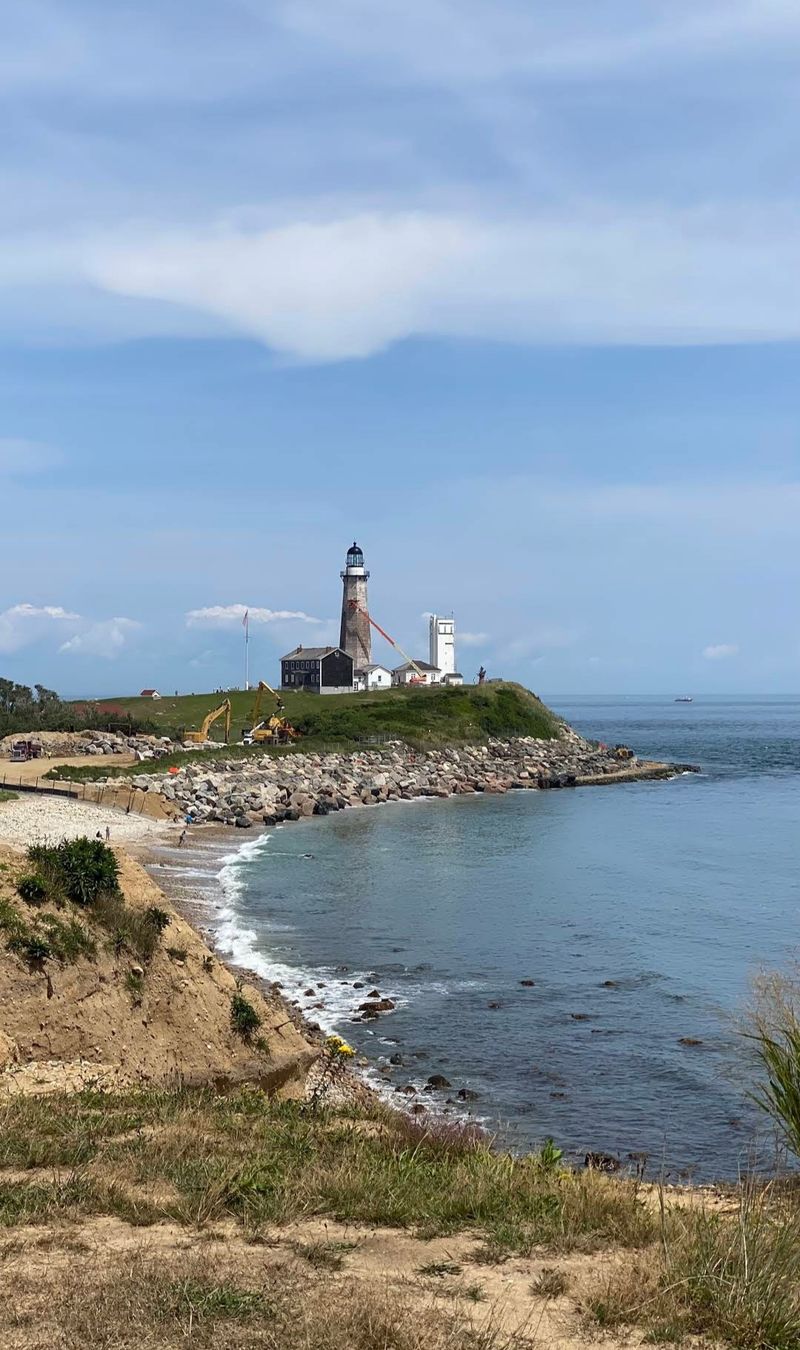
Montauk marks the eastern end of the line and the eastern end of New York State itself. Trains stop rolling here because there is simply no more land to cover. Surfboards outnumber suitcases on the platform.
The station on Edgemere Street sits a short stroll from Fort Pond, whose shoreline appears almost instantly to the west. Kirk Park Beach and the Atlantic wait under a mile south, an easy walk with a towel over your shoulder.
Summer Fridays bring the Cannonball, an express train that skips most stops on the way east. Seats disappear fast, so board early and claim a window.
Downtown Montauk clusters between the pond and the ocean, which means restaurants, bakeries, and surf shops all fall within walking distance of the tracks.
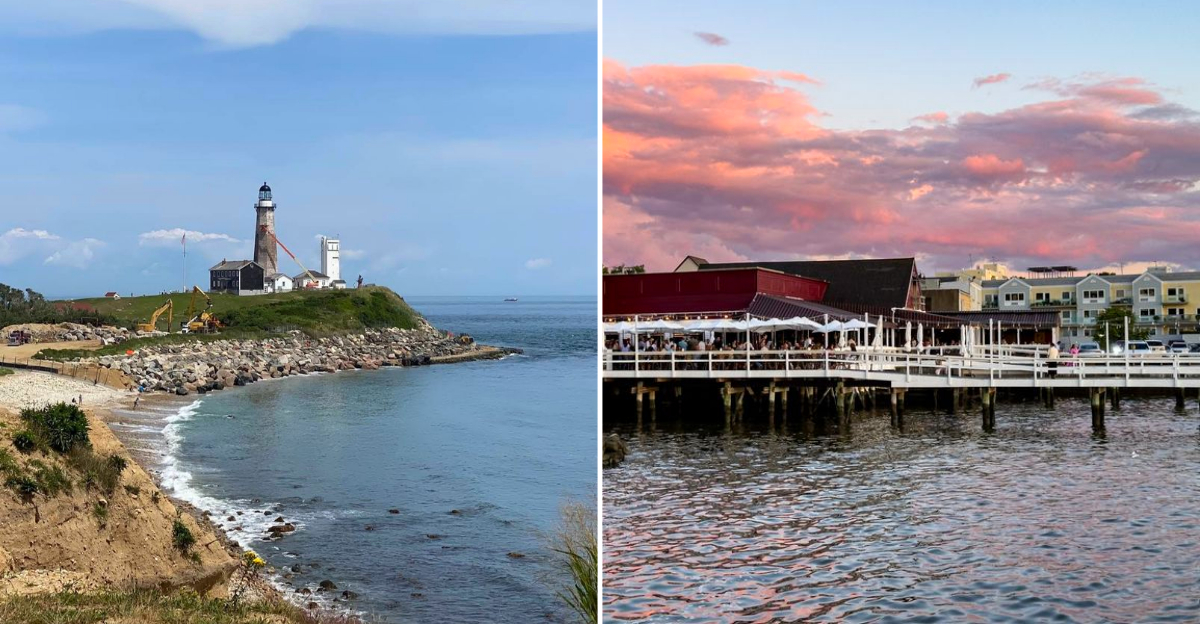
The lighthouse stands about six miles farther out, reachable by local bus or bicycle. Its beam has warned mariners since 1796.
Fishing charters leave from the harbor on the north side of the hamlet. Anglers here chase striped bass, fluke, and tuna. Few beach days feel this satisfyingly remote.
10. Port Washington – Main Street Ends At Manhasset Bay
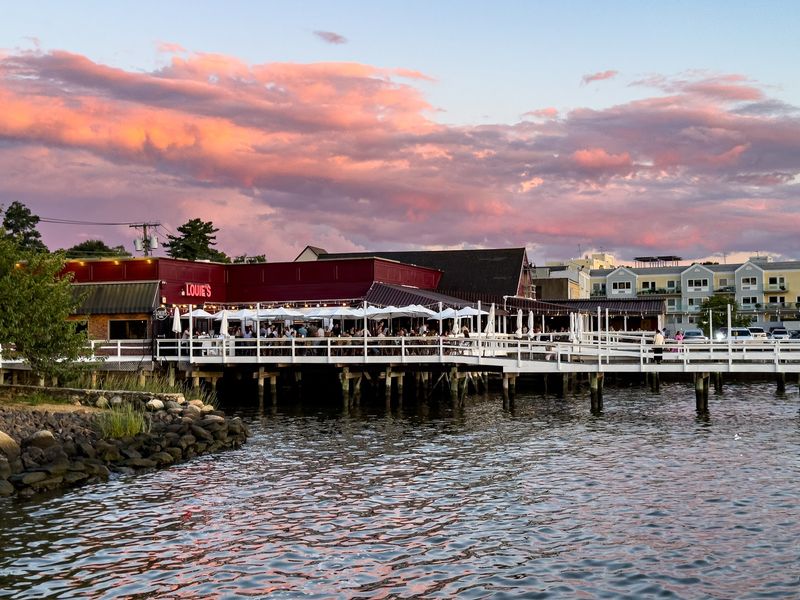
Sailors have treated Manhasset Bay as a home port for generations, and Port Washington still counts masts instead of parking spaces. The village sits at the end of its own LIRR branch, one of the fastest rides out of the city.
The station near Main Street and Haven Avenue leaves you with a gentle downhill walk toward the water. Town Dock waits at the foot of Main Street, roughly half a mile ahead.
Sunset Park sits beside the dock, with benches, a fishing pier, and a straight view across the bay. Anglers arrive at dawn, and families claim the grass by afternoon.
Main Street offers pizza, bakeries, seafood counters, and a proper hardware store between the platform and the pier. Snacking your way downhill is entirely acceptable.
Sailing programs and kayak rentals operate along the waterfront during warm months. Regattas fill the bay with color most summer weekends.
The return trip to Manhattan runs about forty minutes on a good day. That makes this one of the easiest saltwater escapes in New York. No ferry ticket required.