
America’s Premier Museum Devoted Entirely To Picture Book Art Is In A Massachusetts College Town
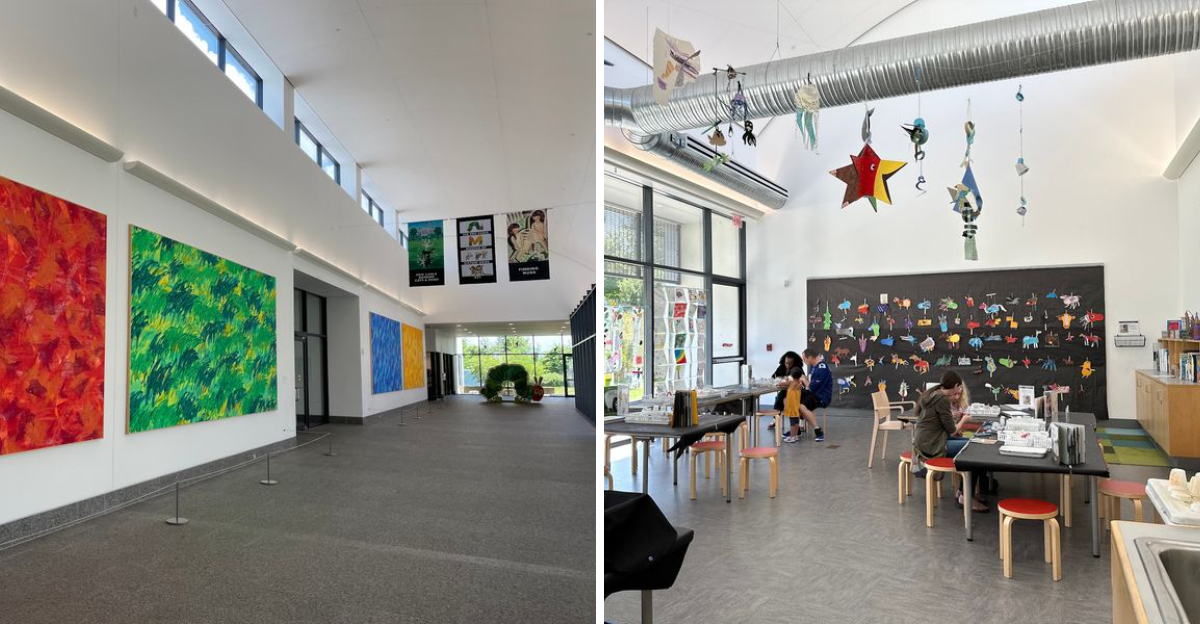
Remember the picture books you refused to put down as a kid? The illustrations were often just as important as the stories, and one remarkable Massachusetts museum gives that artwork the attention it deserves.
Set in a lively college town, this museum is devoted entirely to picture book art. Original illustrations fill the galleries, giving visitors a rare chance to see the brushstrokes, sketches, and creative choices behind familiar stories.
A single drawing can bring back a childhood memory in seconds. Look a little closer and you may notice tiny details that never stood out on the page.
That sense of recognition makes the galleries feel personal without losing their artistic focus.
Special exhibitions highlight beloved illustrators, artistic styles, and the process behind turning a simple idea into a finished book.
It is playful, thoughtful, and surprisingly fascinating, proving that picture book art deserves a museum all its own.
A Dream That Started With Two People And A Trip To Japan
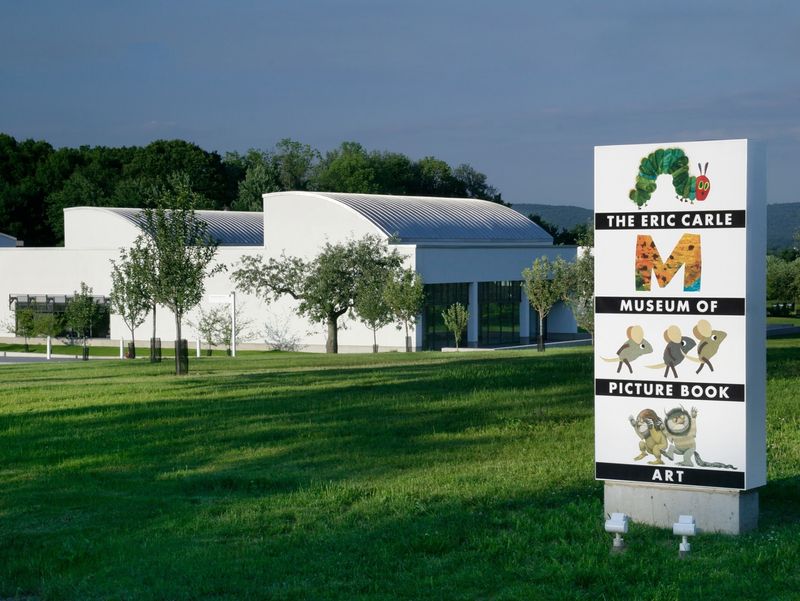
Great museums often begin with a single stubborn idea. For Eric Carle and his wife Barbara, that idea came after seeing picture book museums in Japan.
They noticed something missing back home. America had no full-scale museum honoring the artwork inside children’s books.
So they built one. The Eric Carle Museum of Picture Book Art opened its doors in November 2002, and it remains the country’s first of its kind.
Barbara, known warmly as Bobbie, was an early childhood educator. Her understanding of how children learn shaped the museum from the very beginning.
Today an outdoor space called Bobbie’s Meadow honors her memory. It is a quiet green spot where families can slow down and breathe.
The founders had a clear goal in mind. They wanted people of all ages to love art and reading equally.
That mission still guides everything inside the building. Galleries, programs, and libraries all point back to the same simple purpose.
Knowing the origin story changes how you see the place. It stops being just a building and becomes a promise kept.
Start your trip with that history in mind. Everything afterward makes far more sense.
Picture Book Art Finally Gets The Gallery Treatment It Deserves
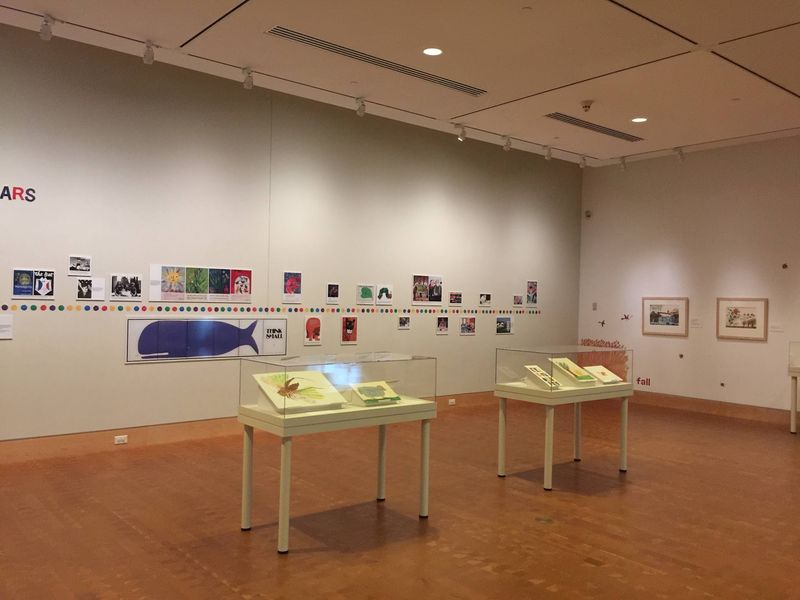
Most people meet picture book art while sitting on a rug at age five. Seeing that same artwork framed and lit properly hits differently.
The museum’s whole argument is simple and convincing. Illustration is fine art, and it belongs on gallery walls.
Original pieces reveal details printing often hides. You can spot brush marks, pencil lines, and torn paper edges up close.
Suddenly the craft becomes obvious. Someone made real decisions about color, shape, and rhythm on every single page.
The galleries also connect two kinds of reading. Words and images work together, and the exhibits show exactly how.
That idea has a fancy name in education circles. Visual literacy and verbal literacy grow side by side.
Adults tend to linger longer than expected here. Plenty of grown-ups come alone and enjoy every minute.
Children get something different but equally valuable. They learn that the pictures in their books were made by real artists.
Give yourself permission to read the wall text slowly. The stories behind each illustration are worth the extra time.
By the end, ordinary bedtime books look a lot more impressive.
Meet The Man Behind The Hungry Caterpillar
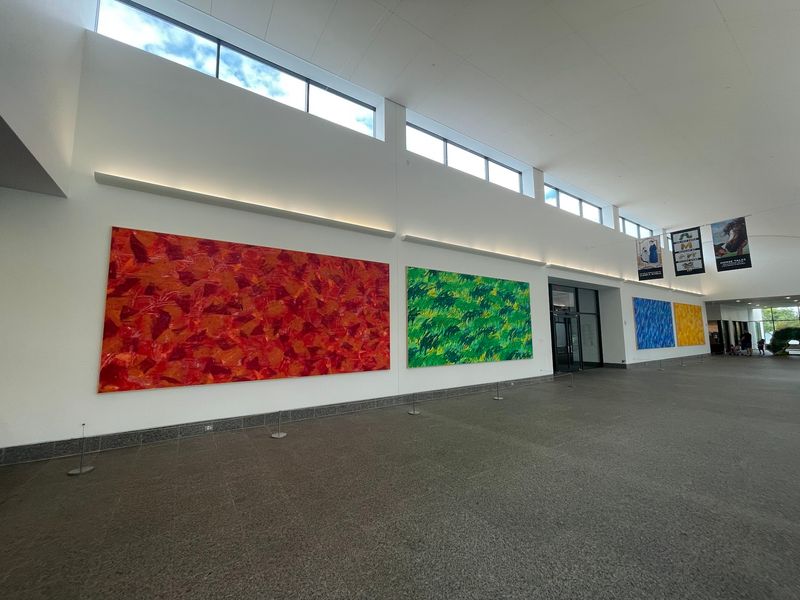
More than 70 picture books came from one artist’s hands. Eric Carle wrote and illustrated them across a remarkable career.
One title outgrew all the others. The Very Hungry Caterpillar is recognized by readers around the globe.
His method was refreshingly hands-on. Carle painted tissue paper by hand, then cut and layered the pieces into collages.
That technique gives his work its glow. Colors overlap and textures peek through, which is impossible to fake with a printer.
One gallery inside The Eric Carle Museum of Picture Book Art is dedicated to his own body of work. Exhibits there rotate, so repeat trips reveal new pieces.
Short films play throughout the day in the auditorium. They cover his life, his process, and how the museum came together.
Watch one early in your trip. The galleries make far more sense afterward.
Even the restrooms carry his fingerprints. Tiles there feature designs drawn from his artwork. Small touches like that reveal genuine care.
Nothing in the building feels accidental or rushed. Fans of his books will find plenty to smile about. Newcomers usually leave as converts.
Thirty Thousand Objects And Three Hundred Artists
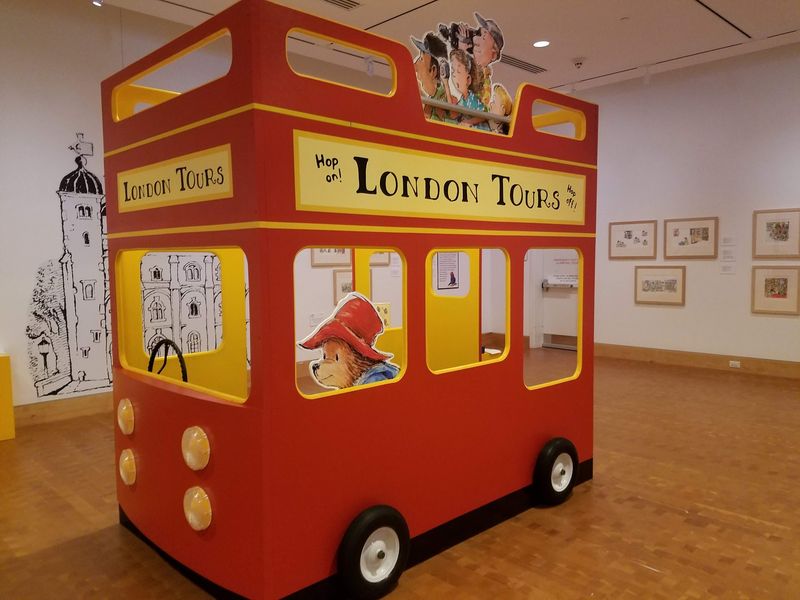
The numbers here are genuinely startling. The collection holds more than 30,000 objects.
Those pieces represent over 300 different artists. Together they cover roughly a century of picture book history.
Three galleries handle the rotating displays. One focuses on Carle, while the others spotlight illustrators from across the country and abroad.
That structure keeps things fresh. What hangs on the walls this season may be gone the next.
Diversity of voices is a stated priority. Artists from many backgrounds and traditions appear throughout the schedule.
Past exhibits have covered wide ground. Photography in picture books, food and cooking themes, and Indigenous stories have all had their turn.
Work by illustrators like Jerry Pinkney and Christian Robinson has appeared here too. Seeing several artists side by side sharpens your eye.
Check the current exhibit list before you go. The website posts what is on view. A quick look ahead helps you plan your time. It also builds anticipation on the drive over.
Repeat trips reward the curious. Almost nobody sees the same museum twice.
The Art Studio Where Everyone Becomes An Illustrator
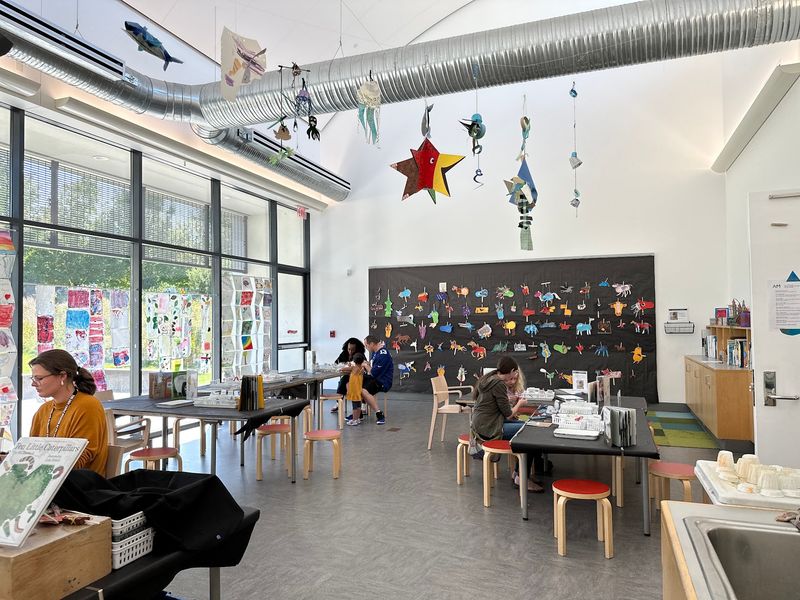
Something wonderful happens when you hand a person paper and paint. Suddenly age stops mattering at all.
The art studio sits bright and open, with long tables and generous supplies. Educators are on hand to guide anyone willing to try.
Projects change regularly. They usually connect to whatever exhibit is currently hanging in the galleries.
That link matters more than it sounds. You see a technique on the wall, then attempt it yourself minutes later.
Collage work is a natural fit. Painted paper, scissors, and glue turn into surprisingly bold creations.
Adults often get just as absorbed as children. Nobody checks whether your caterpillar looks correct.
Plan for real time in here. An hour disappears quickly once the glue comes out. Bring a bag for wet artwork. Fresh paintings need somewhere safe to ride home.
The studio is included with admission. Materials are provided, so there is nothing to buy beforehand.
Families with young children often make this their first stop. Energy gets burned, and creativity gets sparked.
Leave this Massachusetts spot with something you made. It becomes the best souvenir in the car.
Two Libraries, One Very Comfortable Afternoon
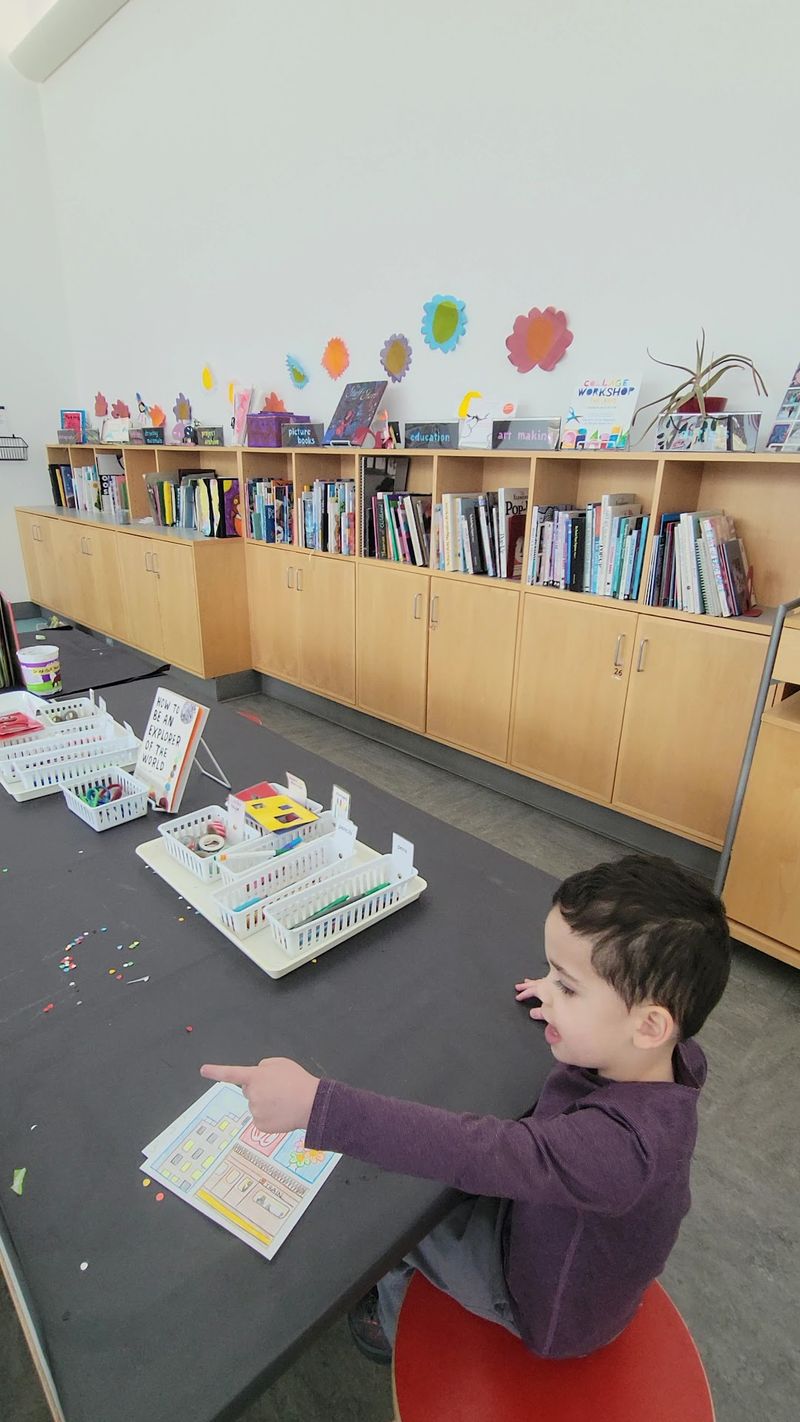
Some rooms invite you to sit down and stay awhile. The picture book library is exactly that kind of room.
Shelves line the walls with titles from many countries. You can pull one down and read it right there.
Storytime sessions happen on a schedule. An educator or guest reader shares a book aloud with whoever gathers.
Children settle onto the floor easily. Parents usually end up listening just as closely.
There is a second library too, built for research. Scholars and students use it to study illustration seriously.
That combination is unusual. Casual reading and academic work share the same roof.
The reading room becomes a favorite for many families. It offers a calm break between galleries and studio time.
Imaginative play items appear here as well. Small props help stories jump off the page.
Bring a little patience and let children choose. Ownership makes reading feel like a treat. Check the daily program board when you arrive. Storytime slots are posted for the day.
Few museums encourage you to touch the books. Here it is entirely the point.
Programs That Reach Far Past The Front Door
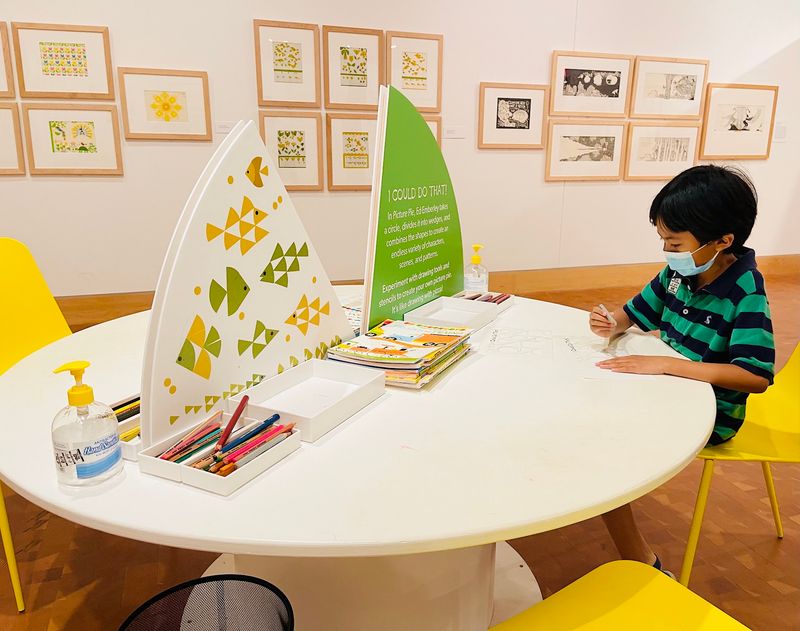
Teaching runs deep in this institution’s DNA. Bobbie Carle’s background in early childhood education set that tone permanently.
Hundreds of programs happen each year. Children, families, and educators all have offerings designed for them.
Workshops for teachers dig into practical skills. Visual arts and storytelling techniques get equal attention.
Those ideas travel back to classrooms. One workshop can influence hundreds of students later.
Outreach extends into surrounding communities as well. Carle educators head out to schools and libraries in the region.
Not every family can make the drive. Bringing the program to them solves that neatly.
Special events fill the calendar too. Puppet shows, gallery tours, and film screenings appear regularly.
Some carry a small extra fee. Many are included with general admission.
Scavenger hunts give young explorers a mission. Suddenly the galleries become a game worth finishing.
Ask at the front desk when you walk in. Staff will tell you what is happening that day.
Timing your arrival around a program changes everything. A good storytime or tour turns a nice trip into a memorable one.
An Old Orchard Address In The Connecticut River Valley
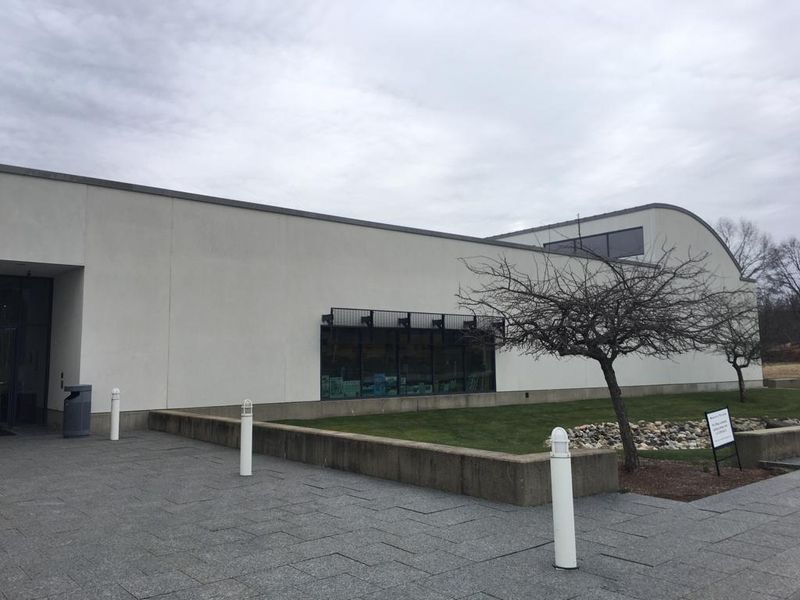
Location does a lot of quiet work here. The museum stands at 125 W Bay Rd in Amherst, on land that was once part of an old apple orchard.
Amherst is a college town in the scenic Connecticut River Valley. Books, students, and libraries are woven into daily life around here.
The building itself is worth noticing. It covers about 43,000 square feet with a clean, modern design.
Everything sits on one floor. That makes the whole place easy to navigate with strollers or wheelchairs.
Parking is free in the lot out front. No meters, no garages, no circling the block.
The grounds invite outdoor time. Meadow paths and picnic spots make a fine break between galleries.
Hours run Wednesday through Sunday, with Monday and Tuesday closed. Weekend afternoons offer the longest windows.
You can reach the museum by phone at 413-559-6300 with questions. Program schedules are posted online too.
The surrounding area rewards a longer trip. Literary history sits close by throughout this part of the valley.
Build in extra time for the neighborhood. The setting deserves it.
A Small Museum With Worldwide Reach
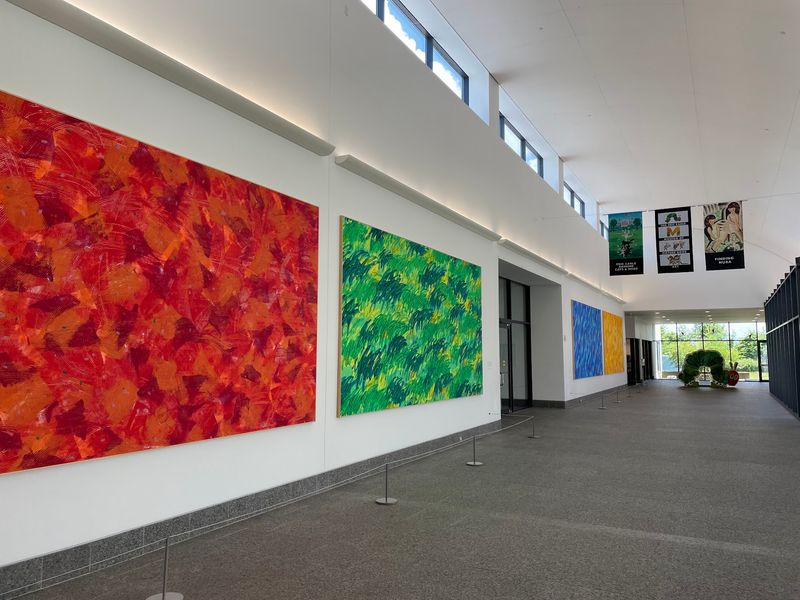
Modest square footage hides a surprisingly large footprint. Touring exhibits from here travel to audiences around the world.
The museum has become an influential voice in its field. Other institutions look to it for guidance on illustration exhibits.
Literacy advocacy sits at the center of that work. Picture books are treated as tools for empathy and identity. That belief is not just talk. Programs and partnerships back it up consistently.
Practical details help you plan well. Most people spend one to two hours, though art lovers stretch it longer.
General admission runs modestly, and many local libraries lend free passes. Asking your library first is smart.
The museum store is genuinely fun. Picture books, prints, and gifts fill the shelves for every age.
A cafe area offers complimentary coffee and a spot to warm food. Vending machines handle snacks and drinks.
Staff members are famously helpful. Questions about exhibits get thoughtful answers.
The Eric Carle Museum of Picture Book Art rewards both quick trips and slow ones. Come curious, and you will leave with more than you expected.