
10 Areas In New Jersey With The Highest Reported Tick Risk This Summer
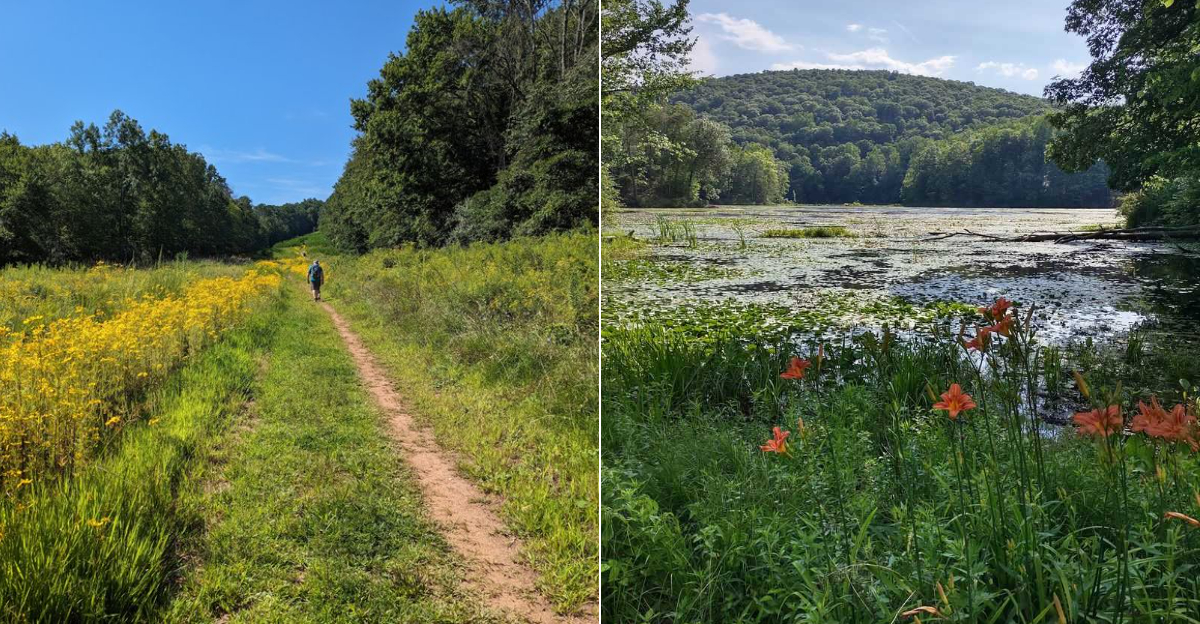
Summer in New Jersey means trails, lakes, boardwalks and long days outside. It also means ticks, and this year the reports are louder than usual.
Lyme disease has been confirmed in all 21 counties, and New Jersey currently has the fourth highest Lyme rate in the country. Tiny nymphal deer ticks peak from May through July, exactly when most of us are outdoors having fun.
Does that mean you should stay home? Absolutely not.
It means you pack bug spray, wear light colors, and check yourself before you get back in the car. Think of it like sunscreen.
A two minute habit that protects a whole vacation.
The good news is that the areas with the highest tick reports also happen to hold some of the most beautiful parks, forests and shorelines in New Jersey.
You can climb to the highest point in the state, walk through cranberry country, or watch the ocean roll in from an undeveloped beach. Every stop below comes with a real address, a reason to visit, and a reminder to check your ankles.
1. Hunterdon County: Where The Tick Maps Light Up First
Here is a wild statistic. A statewide tick tracking tool found that the ten highest scoring towns in all of New Jersey sit inside Hunterdon County.
Their scores landed in the 90s out of 100.
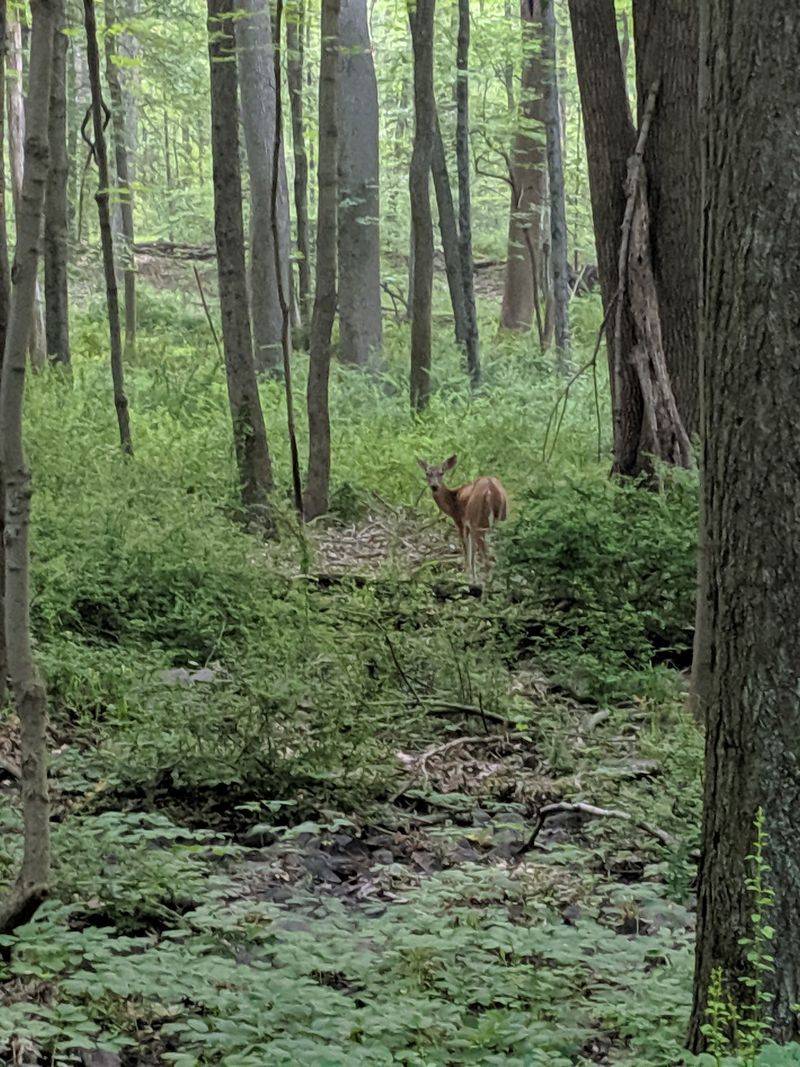
Why here? The county is packed with shady woodlands, tall grass edges and deer paths.
Blacklegged ticks love that mix. Hunterdon also reports some of the heaviest Lyme case counts in the state.
None of that should scare you off. The hiking here is genuinely wonderful, with rolling farmland views and quiet forest trails that make your phone feel far away.
Bring long socks, spray your shoes, and enjoy yourself.
The Sourland Mountain Preserve is the standout stop. Its rocky paths challenge your legs, and the boulder fields look like something a giant scattered.
Hikers and mountain bikers share the trails happily.
Pack a picnic and eat it after your walk, not during. Sitting on logs and leaf litter is exactly how ticks find you.
A blanket or bench works better.
When you finish, do a slow check. Behind the knees, waistband, hairline, ankles.
Then treat yourself to ice cream in one of the county’s small towns and call it a perfect day.
You can park for the preserve at 233 Rileyville Road, Ringoes, New Jersey 08551.
2. Morris County: Gardens, Green Trails And A Lot Of Deer Ticks

Thirty seven out of thirty nine towns. That is how many Morris County communities were labeled high risk for tick bites in a July report.
The county is beautiful, and the ticks agree.
Blacklegged ticks dominate here, and they are not only hiding deep in the forest. Backyards that border woods are prime spots, which surprises a lot of visitors staying in local rentals.
So what do you do with that information? You explore anyway, just smarter.
Stick to the middle of trails, skip the shortcuts through brush, and change clothes when you get back.
The Frelinghuysen Arboretum makes a lovely half day stop. Manicured gardens flow into shaded woodland paths, and butterflies drift past like they own the place.
Photographers tend to lose track of time here.
Kids like it too, mostly because there is space to run and plenty of odd plants to point at. Grown ups like the benches.
Everyone wins.
Hours can shift by season, so check before you drive out. Then wander slowly, breathe deeply, and give yourself permission to do absolutely nothing productive for an hour in New Jersey.
Visit the Frelinghuysen Arboretum at 353 East Hanover Avenue, Morris Township, New Jersey 07960.
3. Sussex County: Big Views From The Top Of The State
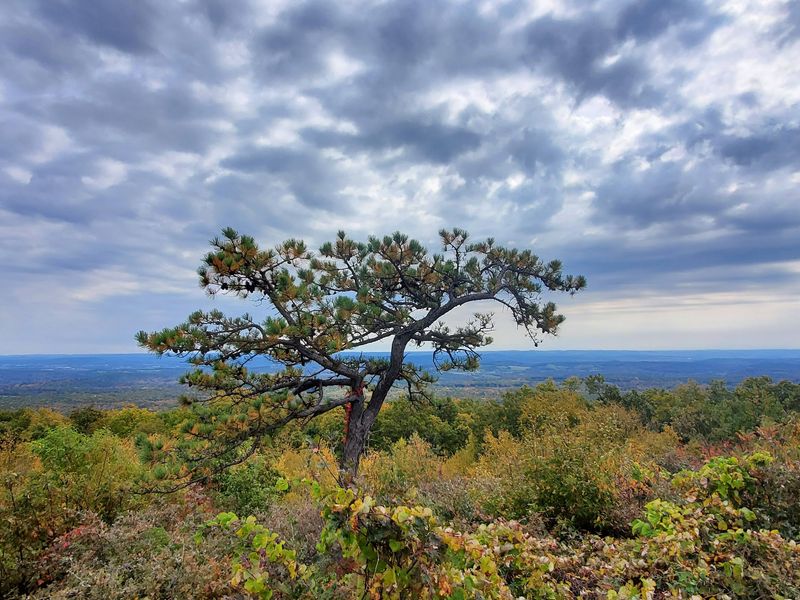
Want to stand on the highest ground in New Jersey? Sussex County has it.
The catch is that those forested ridges and grassy meadows also hold dense tick populations.
Moist leaf litter under oak and maple trees is basically a tick apartment complex. Add warm winters, and Lone Star ticks have moved in alongside the blacklegged ones.
High Point State Park is the main event, and it earns the drive. Climb the monument, look out over three states, and feel your shoulders drop.
The air up there tastes different.
Trails here range from easy loops to real leg burners. Brushy transition zones between field and forest are where ticks wait, so keep to cleared paths when you can.
A simple trick that works: wear light colored clothes. Ticks are dark and tiny, and they show up fast against pale fabric.
You will spot them before they find skin.
Bring a camera and a hat. Bring patience for the last stretch of stairs.
Then reward yourself with a long, lazy picnic on a bench and a proper tick check afterward.
Plan your visit to High Point State Park at 1480 Route 23, Sussex, New Jersey 07461.
4. Burlington County And The Pine Barrens: Sandy Soil, Stubborn Ticks
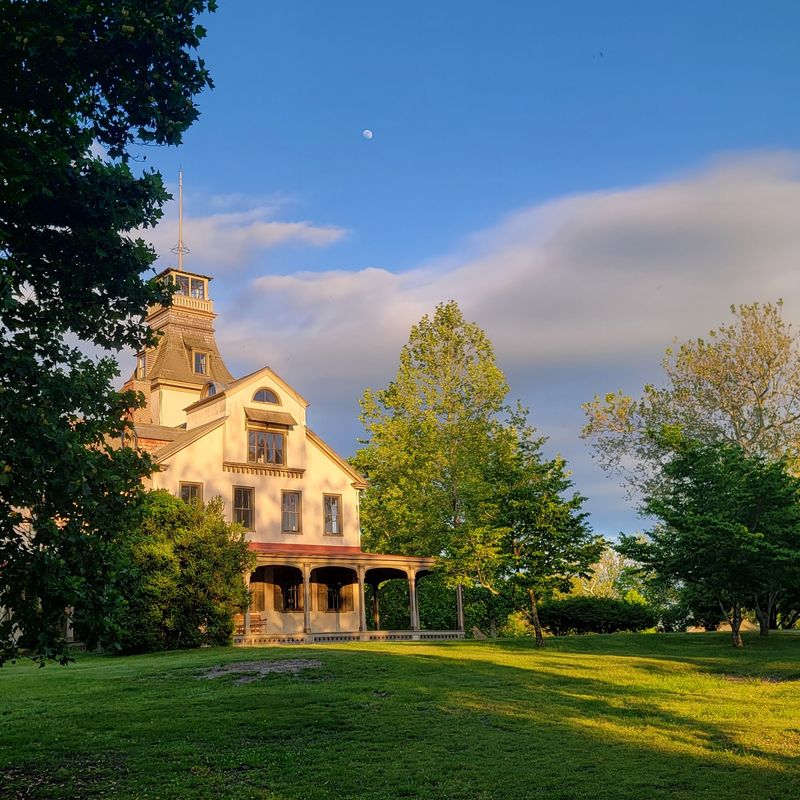
The Pine Barrens looks nothing like the rest of New Jersey. Sandy soil, pitch pines, scrub oaks and water the color of strong tea.
Lone Star ticks absolutely thrive in it.
Several high risk towns fall inside this region, and the invasive Asian Longhorned Tick has been detected in southern parts of the state too.
Do not let that keep you away, because this landscape is one of a kind. Cranberry bogs, cedar swamps and legends about the Jersey Devil all live here together.
Wharton State Forest gives you easy access. Batsto Village shows off restored ironworks buildings and a nineteenth century mansion, and the surrounding trails stay refreshingly flat.
Lake and river trails are lovely but are also flagged as high tick areas. Long pants beat shorts here, even when the day gets warm.
Fun detail worth knowing: this forest was once an industrial hub producing iron and glass. Walking those quiet paths, that is hard to imagine.
Check operating days for the village before you go, since seasons affect access. Then wander, take photos, and enjoy a genuinely unusual corner of the state.
Find Batsto Village at 31 Batsto Road, Batsto, New Jersey 08037.
5. Monmouth County: Beach Days Plus Backyard Surprises
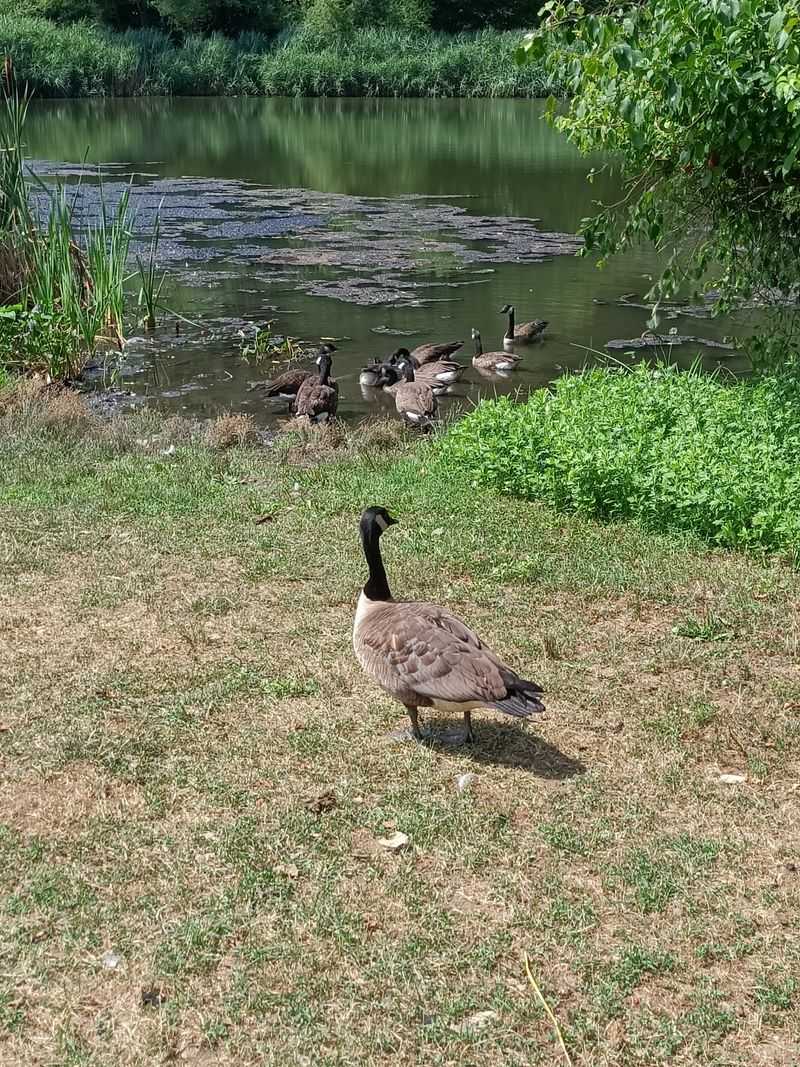
Most people picture Monmouth County as sand and surf. It also ranks year after year among the New Jersey counties with the highest Lyme disease rates.
July is the busiest month for tick bites in Monmouth and neighboring Ocean County. Nymphal deer ticks are at peak activity and are roughly the size of a poppy seed.
Where do bites actually happen? Often in yards that border woods, not deep wilderness.
That matters if you are renting a house near the shore.
Holmdel Park deserves a spot on your itinerary. Ten miles of trails, a fishing lake, wide lawns and shady woods make it easy to spend a whole afternoon.
Historic Longstreet Farm shares the property, showing farm life from the 1890s. Kids get a kick out of the animals and the old equipment.
Bring a frisbee, a book, or nothing at all. Sometimes the best vacation hour is the one with no plan attached.
Before you leave, run your hands along the back of your neck and behind your ears. Quick, painless, and worth the habit.
Visit Holmdel Park at 44 Longstreet Road, Holmdel, New Jersey 07733.
6. Ocean County: Salt Air And Sneaky Deer Ticks
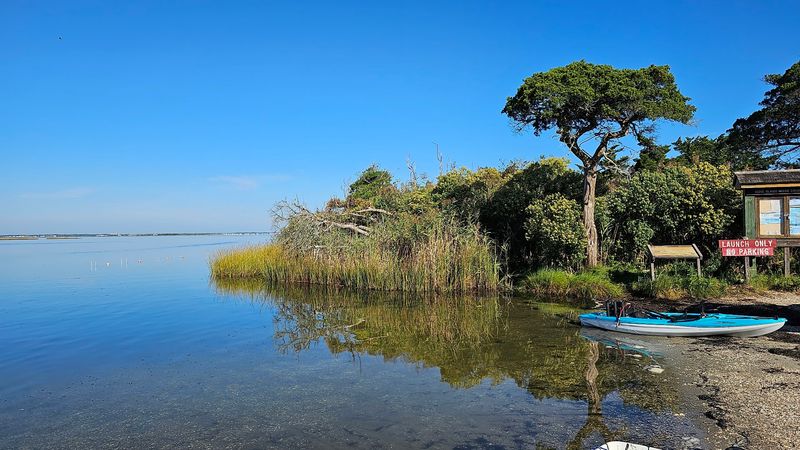
Ocean County logged 570 Lyme disease cases in 2025. That number surprises visitors who assume ticks avoid the shore.
They do not. Marsh edges and wetland borders hold high humidity, which is exactly what ticks need to survive.
Dense deer herds near the Pinelands spread them further.
July again lands as the peak month for bites, thanks to those nearly invisible nymphs. Sunscreen and repellent belong in the same beach bag.
Island Beach State Park is the star attraction and one of the state’s most active tick habitats. Beach plum thickets, eastern red cedar and dune grasses line the paths behind the sand.
Birders love this preserved barrier island. Anglers do too.
If you simply want undeveloped coastline with no boardwalk noise, you found it.
Stay on marked paths and walkovers rather than pushing through vegetation. The dunes stay healthier and your legs stay tick free.
Then do the fun part. Watch the waves, collect shells, let the wind mess up your hair completely.
New Jersey shoreline days like this stick in your memory for years.
Experience Island Beach State Park at 2401 Central Avenue, Seaside Park, New Jersey 08752.
7. Middlesex County: A Crossroads With Two Tick Species
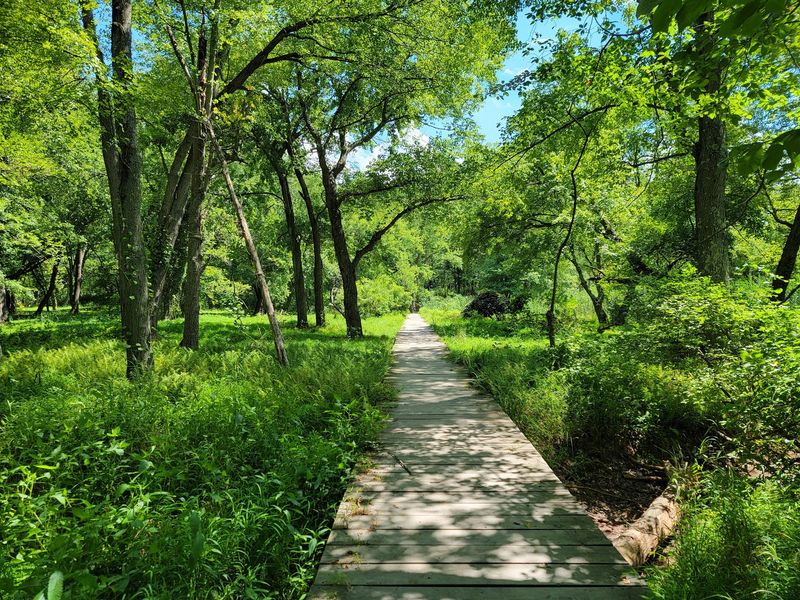
Middlesex County sits right in the middle of everything, and its tick population reflects that. Blacklegged ticks are common, and Lone Star ticks keep expanding their range here.
Suburban streets bump into nature preserves across the county. That patchwork gives ticks plenty of places to wait for a passing deer, dog or hiker.
Traveling through? Build in a morning walk before your shopping or sightseeing.
Local parks are quieter early, and the light is better for photos.
Cheesequake State Park is the highlight, and it is ecologically fascinating. Coastal salt marsh meets higher hardwood forest, so you cross several habitats in one short hike.
Boardwalks carry you over freshwater wetlands, while leafy inland trails climb through oaks. That variety also means multiple tick species live side by side.
Fishing, hiking and picnicking all work well here. The trail colors are clearly marked, so getting lost takes real effort.
Bring a small towel for the car seat and a lint roller for clothes. Odd advice, maybe, but travelers who hike often swear by both.
Explore Cheesequake State Park at 300 Gordon Road, Old Bridge, New Jersey 08857.
8. Warren County: River Country With Woodland Company
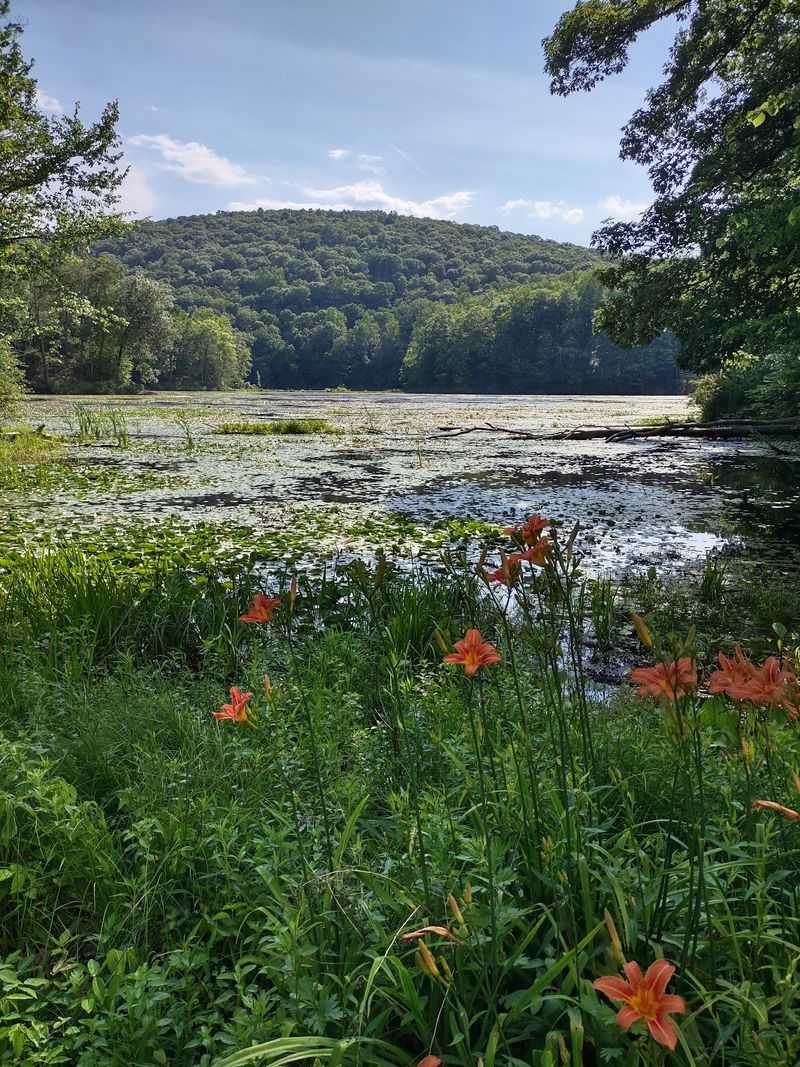
Warren County runs along the Delaware River, and it is stunning. Blacklegged ticks and American dog ticks are both common across its rural fields and wooded trails.
Farm edges, hedgerows and stream banks all hold that damp shade ticks need. If you are walking through tall grass, you are in their neighborhood.
That said, the payoff here is real quiet. Birdsong, rustling leaves, water moving somewhere nearby.
Mornings feel unhurried in a way that city weekends never do.
Jenny Jump State Forest is your target. Short climbs lead to overlooks with views toward the Delaware Water Gap and the Appalachian ridges beyond.
It looks like a postcard someone forgot to mail.
Camping is available if you want to stretch the trip into a weekend. Sleeping under those trees is memorable, though a tent floor beats a bare ground sleeping setup for tick safety.
Toss your hiking clothes into a dryer on the highest heat setting for at least ten minutes when you get home. That heat kills any stowaways that washing alone would miss.
Head for Jenny Jump State Forest at 330 State Park Road, Hope, New Jersey 07844.
9. Bergen County: Waterfalls Close To The City
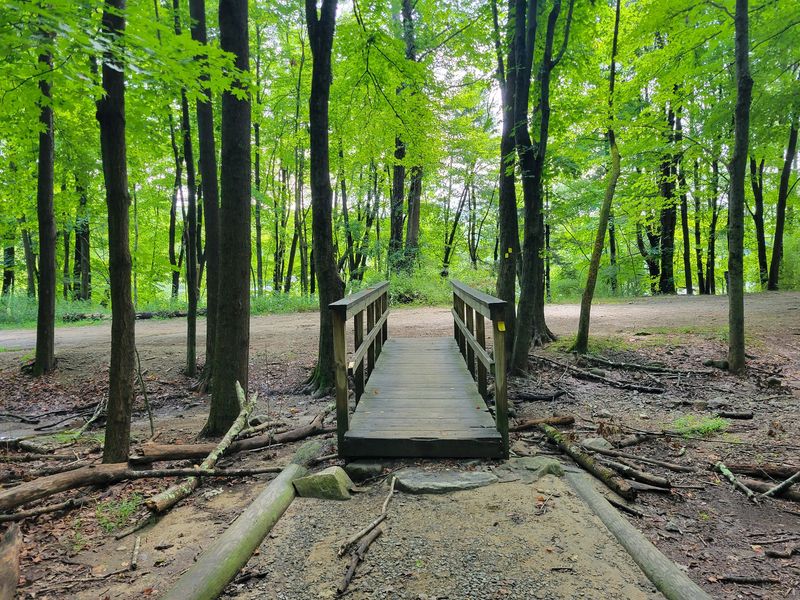
Bergen County stays busy with tick activity through spring, summer and well into fall. Blacklegged, Lone Star and American dog ticks all live here.
The county’s big park system and leafy neighborhoods create endless shaded edges. Walking trails and yards next to woods are the usual encounter spots.
What makes this corner of New Jersey special is how fast wild scenery appears. You can leave a busy road and be beside a waterfall within twenty minutes.
Ramapo Valley County Reservation proves it. Lakes, rivers, small waterfalls and ridge trails give you real hiking without a long drive north.
Some paths climb toward reservoirs and viewpoints that reward the sweat. Others loop gently around water, perfect for a slower pace or a stroller free wander.
Parking fills up on nice weekends, so arrive early if you can. Weekday mornings are blissfully calm.
Pack water, wear closed shoes, and spray your ankles before you start. Then let yourself enjoy the whole thing, waterfall mist included.
Ticks are a reason to prepare, never a reason to skip the fun.
10. Somerset County: Boulders, Bikes And Serious Tick Territory
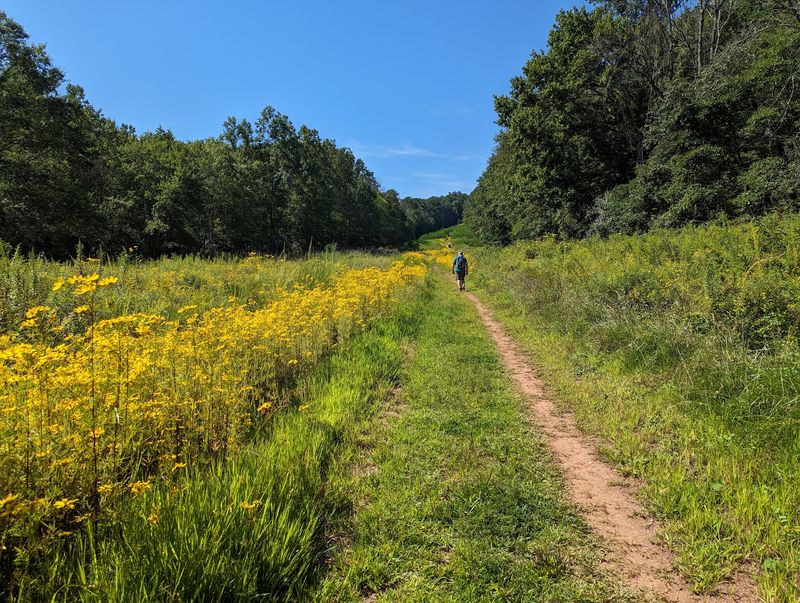
Somerset County sits squarely in the high risk column, and the reason is geography. The Sourland Mountain region stretches across county lines, creating long ribbons of forest beside neighborhoods.
Scientists call that meeting point edge habitat. Ticks call it home.
Deer wander between the two, dropping passengers along the way.
Still, this is one of central New Jersey’s best places to move your body outdoors. Mountain bikers love the technical sections.
Hikers love the boardwalks over wet ground.
The Somerset side of the Sourland Mountain Preserve offers miles of trail through mature woods and strange rocky outcrops. Bird watchers do well here, especially early in the morning.
If you are new to hiking, start on the flatter loops near the parking area. No need to prove anything.
A gentle forty minute walk still counts as an adventure.
Tuck your pants into your socks. Yes, it looks goofy.
It also works, and nobody on the trail will judge you for it.
Finish sweaty and satisfied, then find a bench and just sit for a while. You earned it.
Access the preserve at 421 East Mountain Road, Hillsborough, New Jersey 08844.