
This Tiny Upstate New York Restaurant Is Drawing National Praise For A Menu Built Around Local Farms
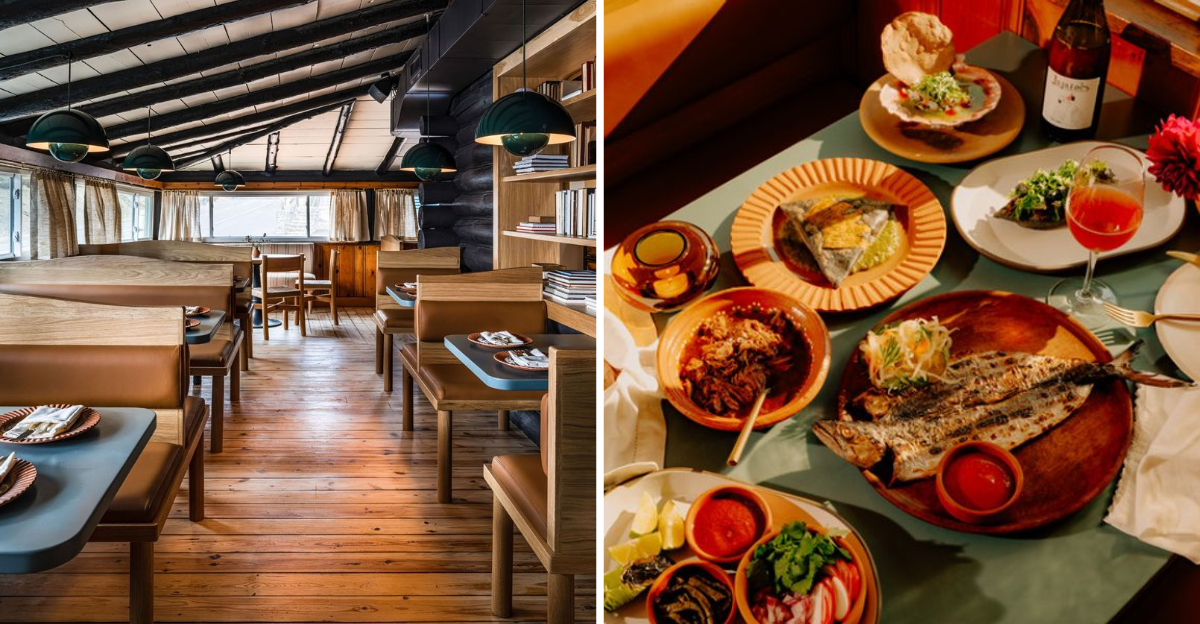
Getting a table here can take more planning than the dinner itself. That says plenty for a tiny restaurant with only a few seats and no need for flashy tricks. People are making long drives because the kitchen treats simple ingredients with serious care.
New York has noticed. National food writers have too, and the praise keeps pushing this small dining room into a much bigger spotlight.
Here is where things get more interesting. The menu changes with what nearby farms can supply, so dinner feels tied to the land around it. Corn is ground fresh each day, and Jalisco cooking shapes much of what follows.
Vegetables get real attention instead of sitting on the side looking bored. Meat and fish are chosen with the same care. Nothing about the food sounds showy for the sake of it.
That may be exactly why the place has become so hard to ignore.
A Log Cabin Dining Room With A National Reputation
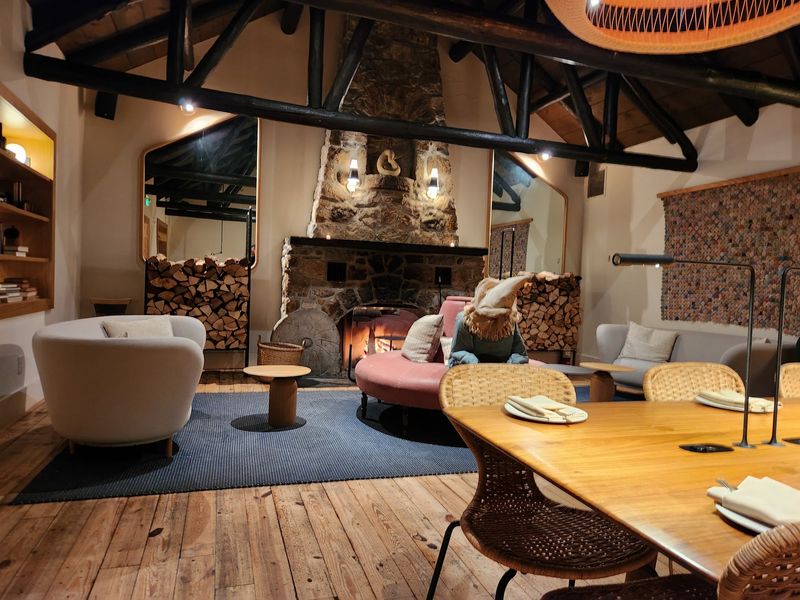
Fame rarely arrives quietly in a town of fewer than three thousand people. Yet this Greene County dining room has landed on national best-of lists while keeping its seating count modest. The result feels like a secret that got out and stayed friendly anyway.
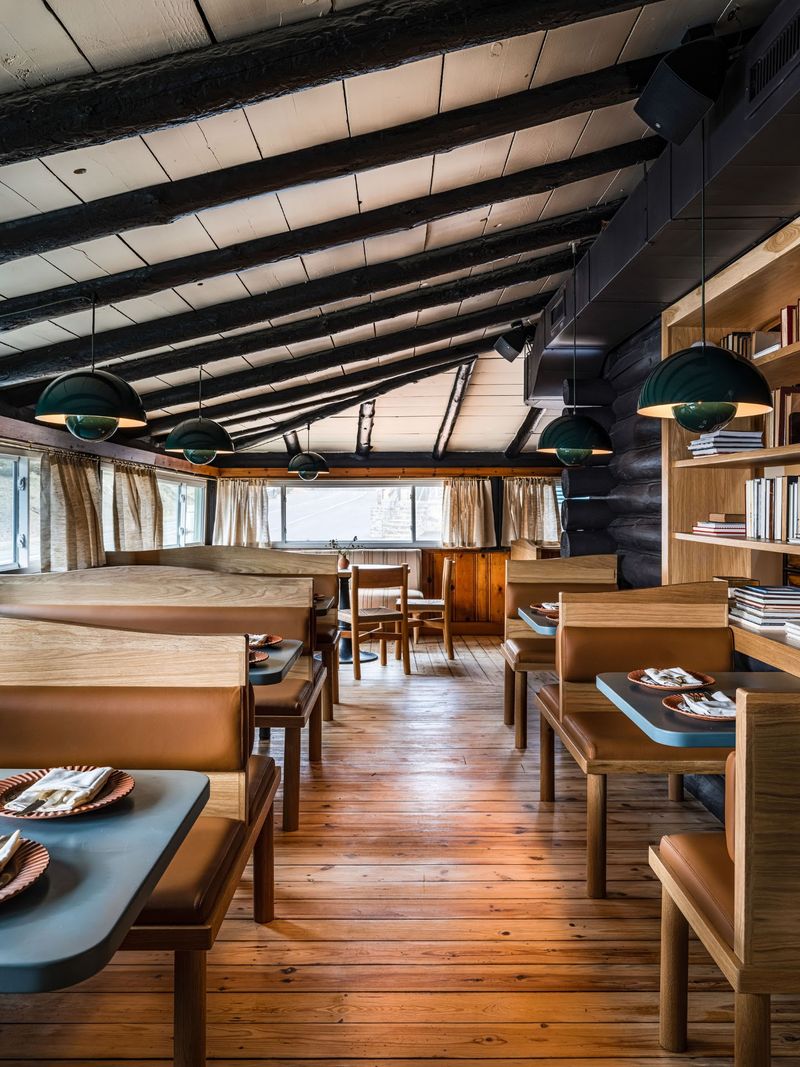
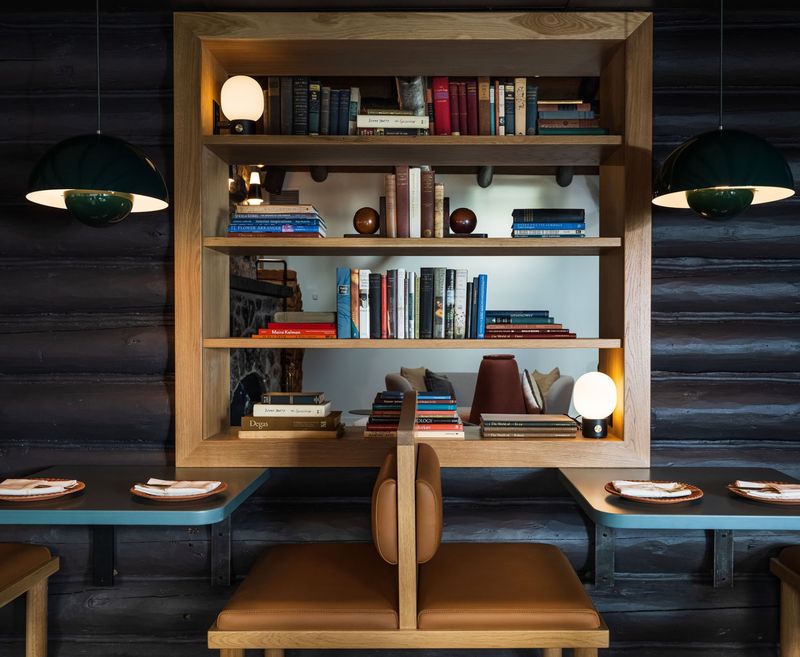
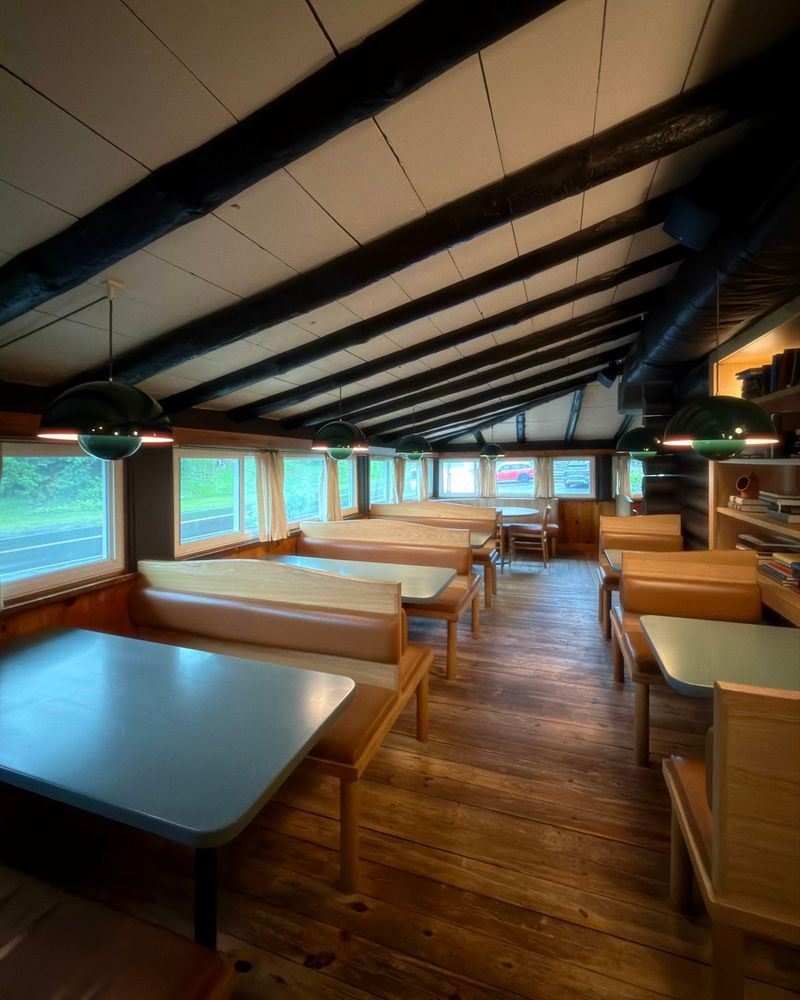
The building leans into a 1970s log cabin look. Wood covers nearly every surface, and a stone fireplace anchors the lobby seating area during colder months. Guests who arrive in winter often ask for a table near those flames.
Food here follows Jalisco tradition, filtered through Hudson Valley farmland. Corn gets nixtamalized and ground in house, then pressed into tortillas that arrive warm and pliant. That single detail explains a lot about the kitchen’s priorities.
Service runs upscale casual, which means real knowledge without any stiffness. Staff walk guests through unfamiliar menu words patiently, and that patience matters when half the dishes carry names most diners have never read.
Casa Susanna Sits Quietly Along County Route 23B In Leeds
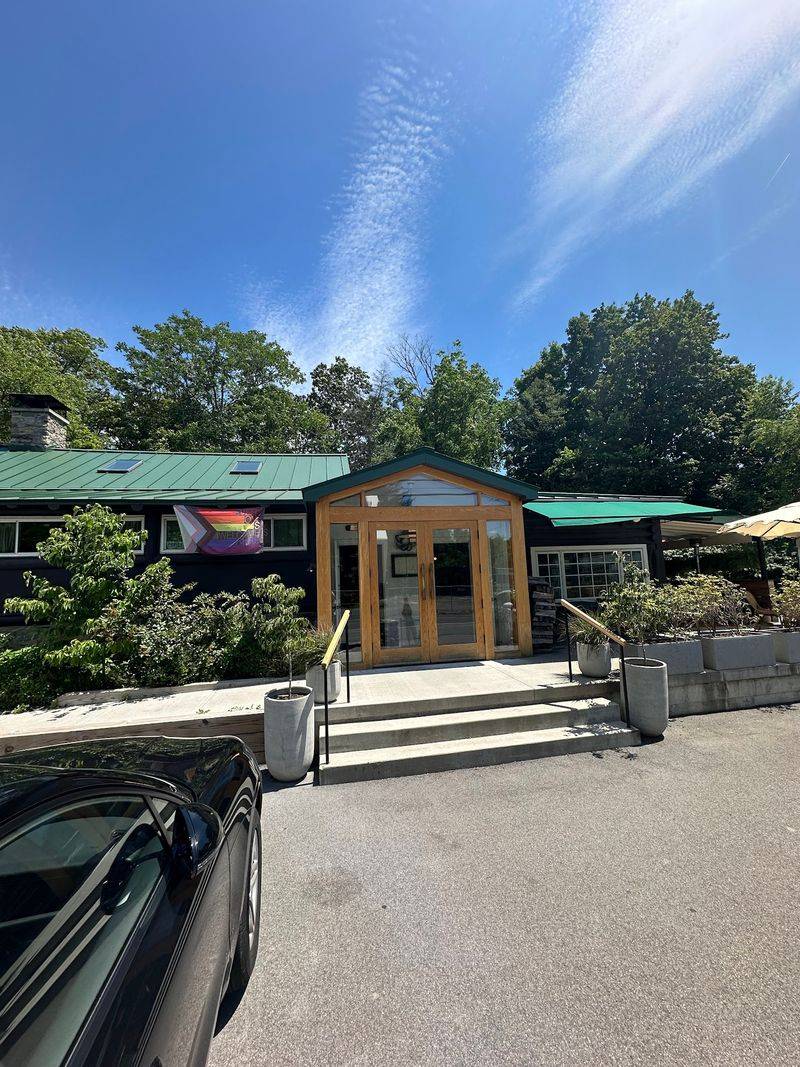
Name recognition came fast for Casa Susanna, though the address gives away nothing flashy.
Guests find it at 810 County Rte 23B in Leeds, New York, a short drive off the Thruway and about twenty minutes from Hudson. Country roads lead the way, which suits the mood.
The restaurant operates inside Camptown, a lodge property with a Catskills summer camp spirit. Overnight guests wander down for dinner, and locals fill the rest of the room. Both groups end up sharing the same wide-eyed reaction.
Reservations are strongly encouraged, especially on weekends. The dining room holds a limited number of tables, and walk-in luck runs thin after six.
Dinner service runs Thursday through Tuesday, starting at five and going until ten. Brunch takes over Saturday and Sunday mornings from ten until two. Wednesday stays dark, so plan around it.
Parking is straightforward on the property, no city circling required. Bring a phone number for questions at (518) 719-0097.
Getting here takes intention. That small effort is part of why the meal registers so strongly.
Chef Efren Hernandez Brings Jalisco To The Hudson Valley
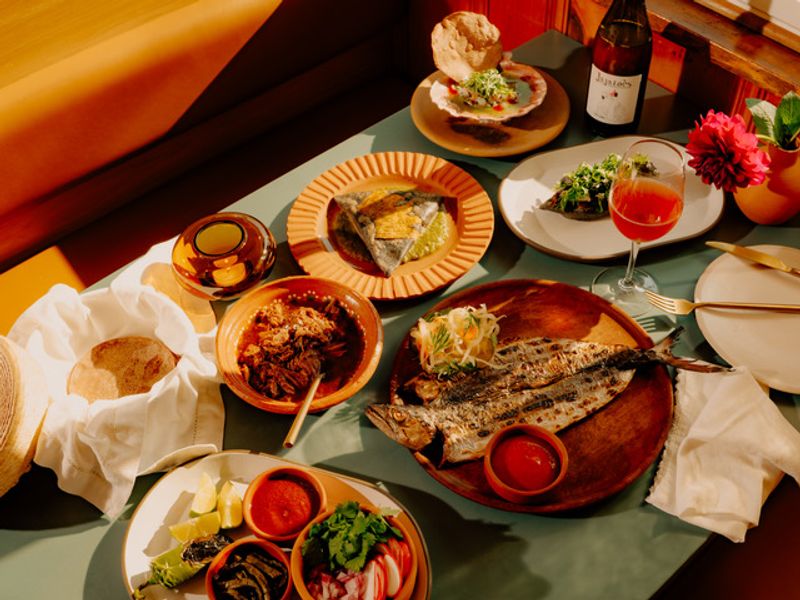
Los Angeles raised him, and Jalisco raised his parents. Efren Hernandez carries both influences into a kitchen surrounded by upstate farmland, and the combination reads clearly on every plate.
Three separate years brought him semifinalist recognition for the James Beard Award, Best Chef in New York State. That kind of repeat nod signals consistency rather than a lucky season. Judges kept returning to the same conclusion.
His cooking respects old methods without treating them as museum pieces. Traditional preparations get paired with regional ingredients that his grandparents never had access to, and the results still taste honest.
Guests frequently report that the chef himself has stopped by their table to explain a dish. He does it warmly, without lecturing, and people remember it.
Esquire named the restaurant one of the Best New Restaurants in America in 2023. Talent alone does not build a place like this. Discipline does, and Hernandez clearly runs on the second one.
The Masa Program Turns Corn Into The Main Event
Corn does the heavy lifting here, and nobody treats it like a side thought. Heirloom kernels get soaked and cooked with mineral lime, a process called nixtamalization, then ground fresh in house each day.
What comes out is masa with actual personality. Blue corn tastes earthy and slightly sweet. Yellow corn runs nuttier and rounder.
Both press into tortillas that stay soft and smell faintly of toasted grain.
Regulars will tell you to order across the masa section rather than picking one. Tortillas, tamales, sopes, and tlacoyos all pull from that same daily grind, and each shows a different texture.
The labor involved is genuinely significant. Machine-made tortillas exist because this method takes hours, and most kitchens skip it entirely.
Gluten free guests appreciate the corn focus, since those tortillas are naturally free of wheat. Staff can point out which dishes work.
Fun detail worth knowing: nixtamalization dates back roughly three thousand years in Mesoamerica. Ancient cooks figured out that lime unlocks nutrients in corn, and modern science later agreed with them.
Hudson Valley Farms Fill Every Corner Of The Menu
Farmers around Greene and Columbia counties supply much of what reaches these plates. Ranchers provide the meat, and regional fishermen handle the seafood side. The kitchen builds its menu around what those partners actually have.
Seasons drive the changes. Beets show up when beets are good. Squash blossoms appear for a brief window and then vanish until next year.
Guests who return in different months rarely eat the identical meal twice.
Short sourcing distances mean produce arrives at peak condition. A beet picked that week tastes sweeter and firmer than one shipped across the country, and the difference is obvious once you compare.
The relationship works both ways. Small New York farms gain a steady, high-profile buyer, and the restaurant gains ingredients worth showing off.
Recent seasonal dishes have included roasted beets with pine nuts and mixed seeds, radicchio salads, and mushroom preparations that vegetarians rave about. The vegetable section is unusually deep for a place known for meat.
Eating locally sounds like a slogan elsewhere. Here it simply describes the delivery schedule.
Smoked Goat Birria Tatemada Carries A Hometown Story
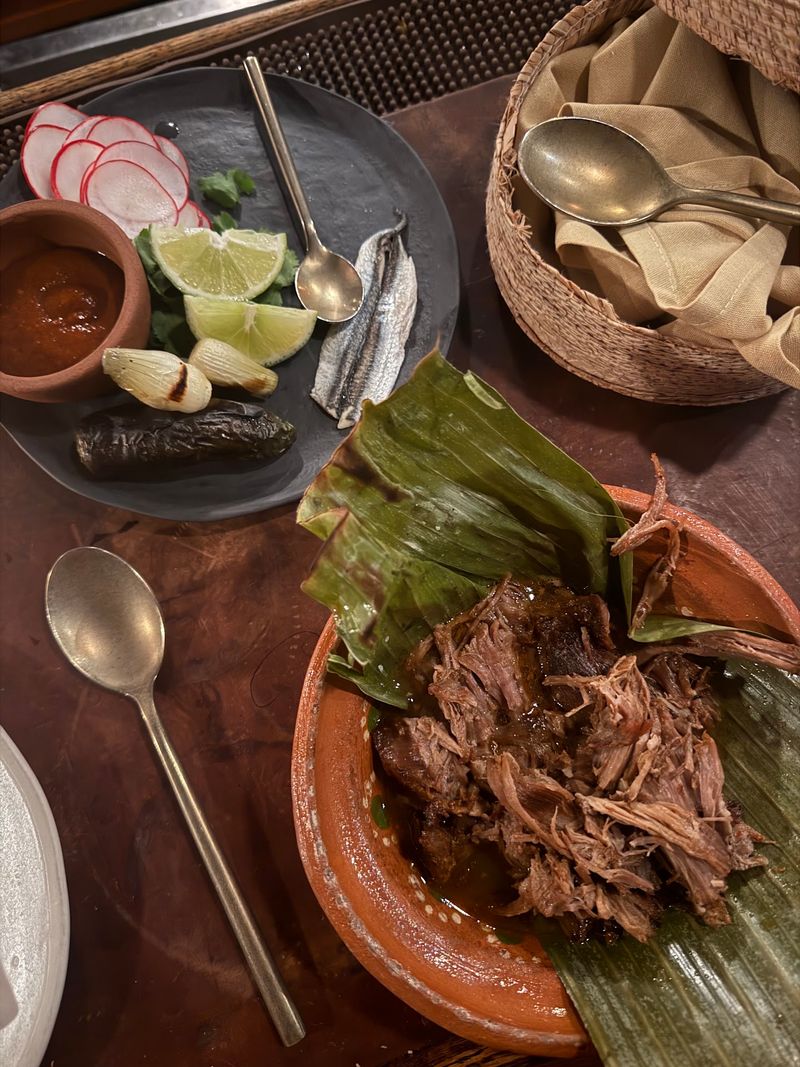
Certain dishes exist because a chef grew up eating them. Birria tatemada falls into that category, and it comes straight from the Jalisco region where the Hernandez family has roots.
Goat is smoked and cooked slowly until the meat surrenders completely. The broth turns deep and layered, with chile warmth that builds gently rather than shouting. Nothing about it feels rushed.
Order it with a stack of those house tortillas. Pulling the meat into fresh masa is the intended experience, and skipping that step means missing half the point.
Barbacoa appears on the menu as well, sometimes made with smoked lamb. Guests describe both as the kind of food that softens on the tongue before you finish chewing.
Portions lean generous, which helps since the menu encourages sharing. Two or three people can split a birria easily and still have room for masa dishes.
Goat rarely shows up on American menus, which makes this a real opportunity. Anyone curious about the ingredient could not ask for a better introduction than one made by someone who grew up with it.
Tlacoyo And Tamal Tonto Steal Plenty Of Attention
Blue corn masa gets pressed into an oval, filled, and blistered on the flat top. That is a tlacoyo, and it has become one of the most talked-about items in the room.
Sweet potato and a sharp aged cheddar go inside, with salsa negra painted underneath. Earthy corn, creamy filling, and smoky salsa hit at once, and the balance lands cleanly.
Then there is Tamal Tonto, made with heirloom yellow corn. Pork belly, fermented mole negro, crema, and pickled habanero red onions ride along. The name may sound modest, but the dish is anything but.
Diners mention both constantly, and for good reason. They demonstrate exactly what daily fresh masa makes possible.
Vegetarians get real options in this section too. Mushroom sopes and masa served with mole appear regularly, and neither feels like an afterthought.
My honest suggestion is to order more masa than seems reasonable. Portions are shareable, plates arrive as they are ready, and the table conversation improves considerably once everyone starts trading bites.
Wood Fire Adds Smoke Without Stealing The Show
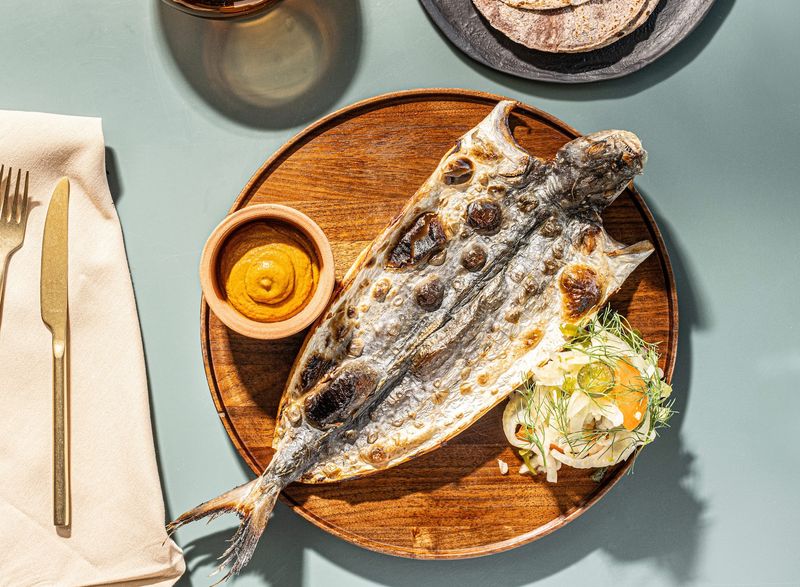
Flames handle a good portion of the cooking here. Wood fire touches meats and vegetables alike, adding a faint char that seasoning alone cannot produce.
Smoke can bully a dish when used carelessly. That does not happen in this kitchen. The smokiness stays in the background, supporting the ingredient instead of covering it.
Vegetables benefit enormously. A blistered pepper or charred squash develops sweetness that a regular oven never quite reaches, and the texture picks up a pleasant firmness at the edges.
Fire also connects the menu to older Mexican cooking traditions. Long before gas ranges, wood and coals did all the work, and the flavors people loved came from exactly this method.
Guests seated near the open areas sometimes catch the scent drifting through the room before the food arrives. It functions as a pretty effective appetizer.
The combination of daily masa and live fire gives the kitchen two strong tools. Used together, they explain most of what makes a meal here feel different from other Mexican restaurants in New York.
Weekend Brunch Is The Underrated Second Act
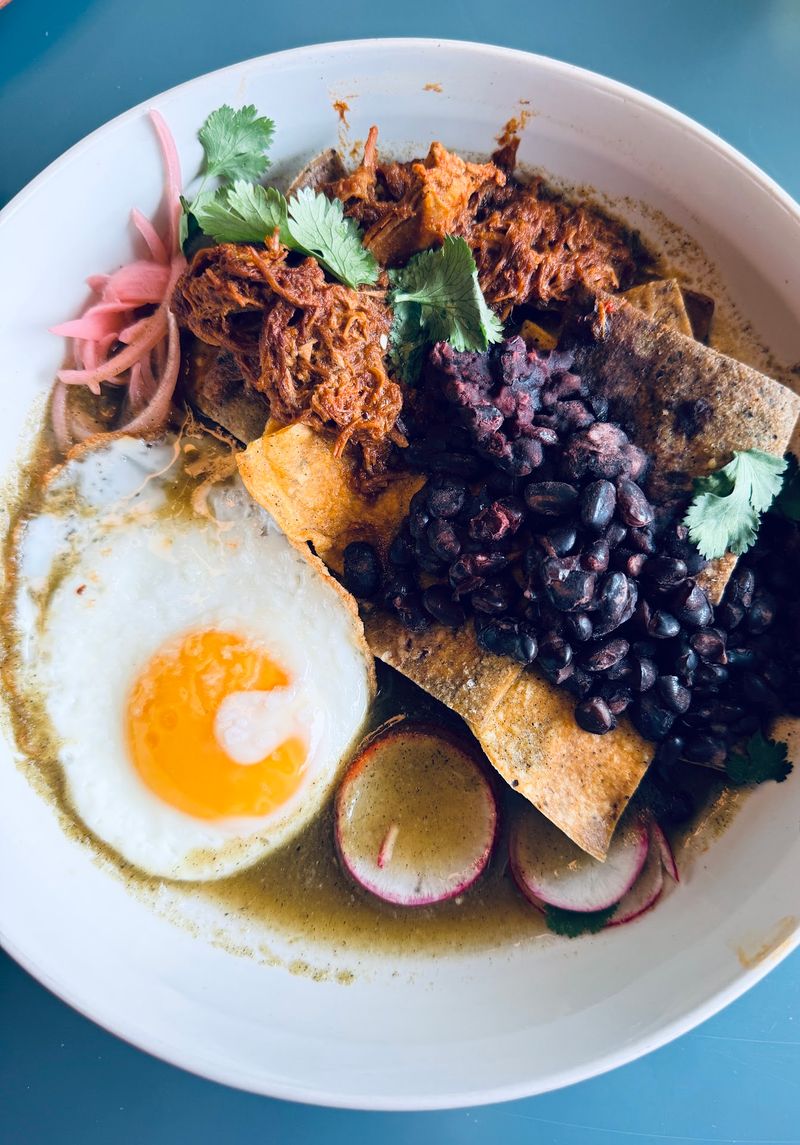
Mornings bring a completely different energy to the room. Saturday and Sunday from ten until two, brunch takes the stage, and plenty of dinner regulars have never tried it.
Chilaquiles show up covered in salsa with the right amount of chew still left in the tortilla chips. Breakfast tacos use those same fresh corn tortillas, which raises them well above the usual.
Daylight changes the space too. Windows let the Catskills scenery in, and the log cabin interior reads brighter and more casual before noon.
Brunch reservations tend to be a little easier to snag than dinner slots. That alone makes it worth considering for a first visit.
Some guests have gone back to back, dinner one night and brunch the next morning, just to cover more of the menu. Nobody seems to regret that plan.
Bring an appetite and a slow schedule. Nothing about the pacing here rushes you toward the door, and a two hour brunch feels entirely normal.
Smart Tips Before You Book A Table
Planning ahead pays off at a restaurant this small. Reservations fill quickly on weekends, and booking a few weeks out is the safer bet for prime evening times.
Dress code lands at smart casual. Nobody expects formality, though the room deserves slightly better than trail clothes.
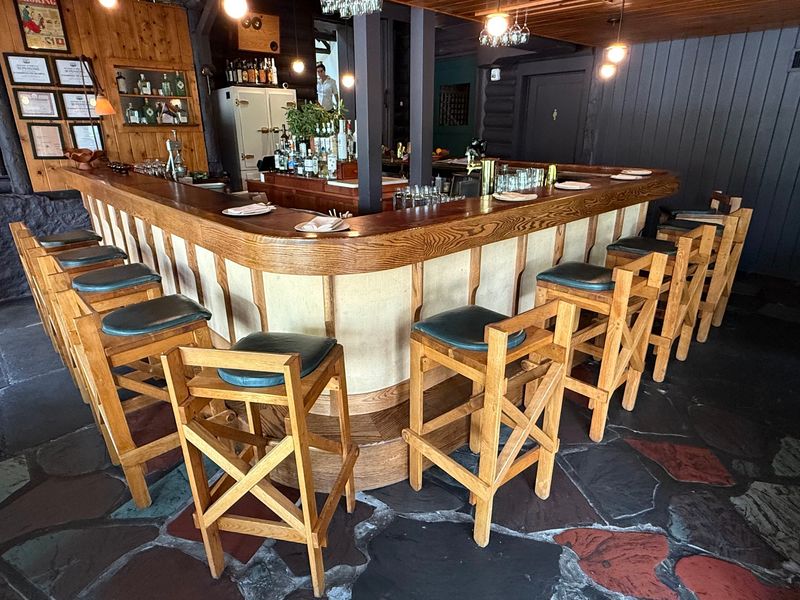
Seating options vary. The main dining room offers booths, the U-shaped bar works well for two, and a covered patio opens during warmer stretches. Lobby seating near the fireplace becomes the prize in winter.
Menus lean unfamiliar for many first timers, and that is fine. Staff explain dishes clearly and without any attitude, so ask freely.
Sharing is the intended format. Order several smaller plates plus one or two mains for the table rather than one entree each.
Prices sit in the special occasion range, matching the sourcing and labor involved. Budget accordingly and the value makes sense.
Closed Wednesdays, so double check the calendar. A ninety minute drive to a locked door would sting.
Leeds sits close to Hudson and Catskill, making a full day trip easy to build around dinner.