
Nevada’s Most Remote Lake Is Also Its Most Peaceful
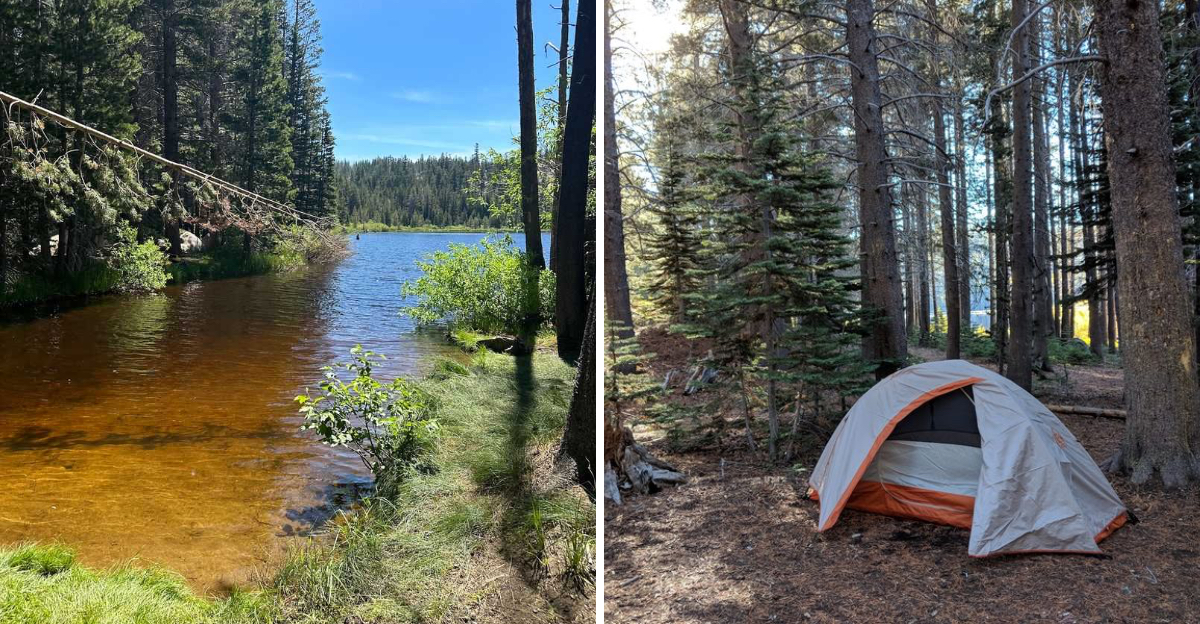
Ten acres of water, ringed by pine-covered peaks and wrapped in real silence. That is the entire scene, and it feels bigger than any lake ten times its size.
The climb here is rough, a steep push through the Carson Range with views that keep expanding, and Nevada does not hand this one over easily.
Trout wait in cold, clear water while pine shadows stretch across the surface. Campers who stay overnight get thick stars, real darkness, and fog lifting off the water at dawn.
Bears wander nearby, deer slip through the timber, and songbirds fill the quiet in between.
Access is limited while repairs continue, which only sharpens the pull. Nevada rewards patience for a spot this remote and peaceful, worth planning around before the trails reopen.
A Small Lake With Big Mountain Company
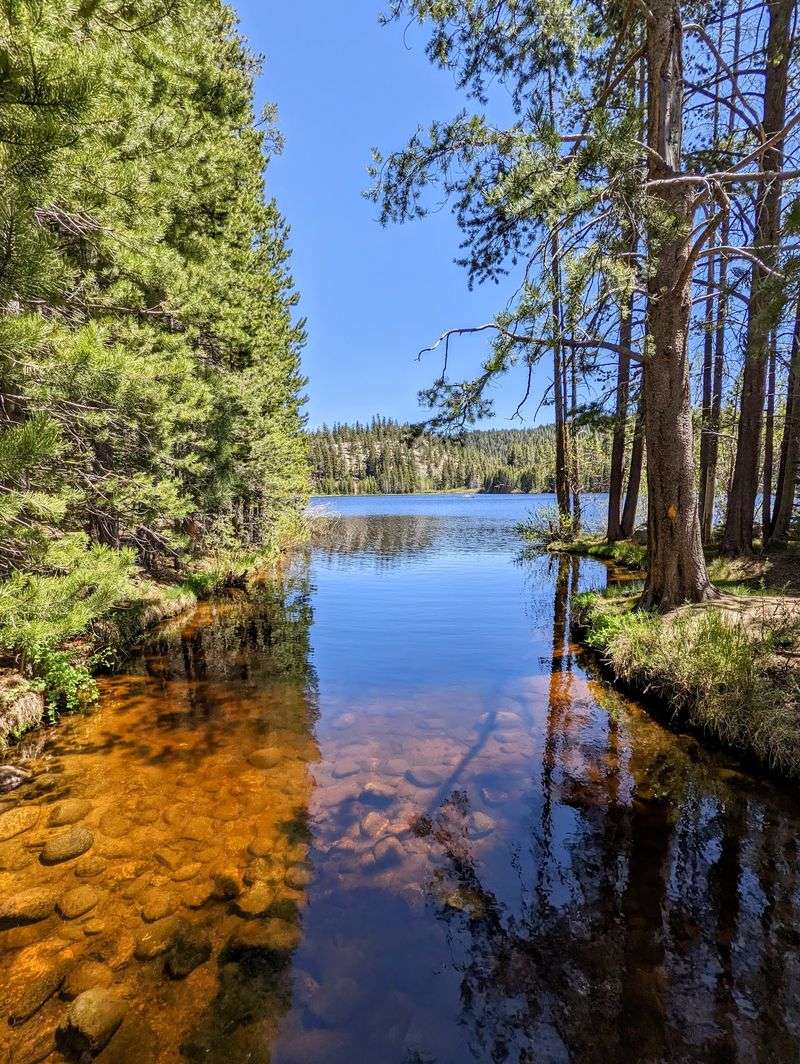
Ten surface acres. That is the entire lake, and somehow it feels enormous.
Hobart Creek Reservoir sits high in the Carson Range, inside Lake Tahoe Nevada State Park and surrounded by the Humboldt-Toiyabe National Forest. The mailing area lists it simply under Nevada 89703, west of Carson City.
Pines crowd the shoreline and lean over the water. Their reflections break apart whenever a breeze slides down the slope.
The elevation does most of the work here. Air stays crisp even when the valley below bakes in July heat.
Sound behaves differently at this height. Conversations carry, footsteps crunch, and long stretches of pure quiet settle in between.
Visitors often mention how small the crowd feels. Even on good summer weekends, the shoreline rarely feels busy.
Sunlight scatters across the surface in the afternoon and turns the whole basin bright. Late in the day, shadows from the ridge stretch across the water first.
Small lake, wide sky, and almost nobody around. That combination explains the reputation better than any brochure could.
Built In 1877 For Thirsty Mining Towns
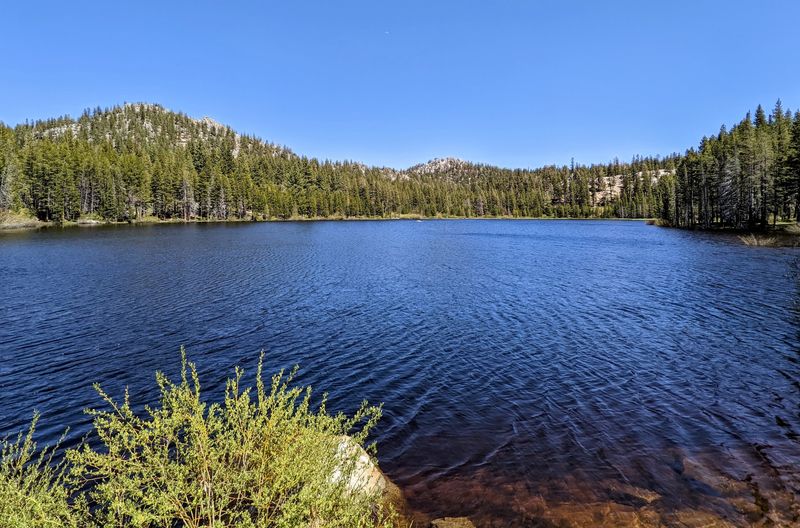
Leisure had nothing to do with it. Crews created this reservoir in 1877 for one blunt reason: water.
Virginia City and Gold Hill were booming, and booming towns get thirsty fast. Hobart became part of the ambitious Marlette Lake Water System, which moved water across steep, stubborn terrain.
The engineering behind that network still impresses people who study it. Pipes and flumes crossed canyons that seemed impossible to cross.
Historical accounts note that the dam failed more than once and was rebuilt. Mountain water does not always cooperate with human plans.
The State of Nevada acquired the water system in 1963. Ownership changed, but the purpose stayed remarkably consistent.
Carson City still draws on that system today. A lake built for silver miners now helps supply a modern capital city.
Standing near the dam, the past feels close. Old infrastructure and young pine trees share the same shoreline.
Few recreation spots carry that kind of double life. Hobart works a day job and moonlights as a retreat.
Ash Canyon Road And The 4×4 Approach
Rough, narrow, and occasionally humbling. Ash Canyon Road sets the tone before the lake even appears.
The route climbs out of Carson City and turns into roughly five miles of dirt. Drainage dips and rocky sections can high-center a low vehicle in a hurry.
A high-clearance four-wheel-drive rig is the sensible choice. Turnouts exist, though they are spaced far enough apart to keep drivers alert.
Seasonal access matters. Reports indicate the road typically opens in early June and closes around October, depending on conditions.
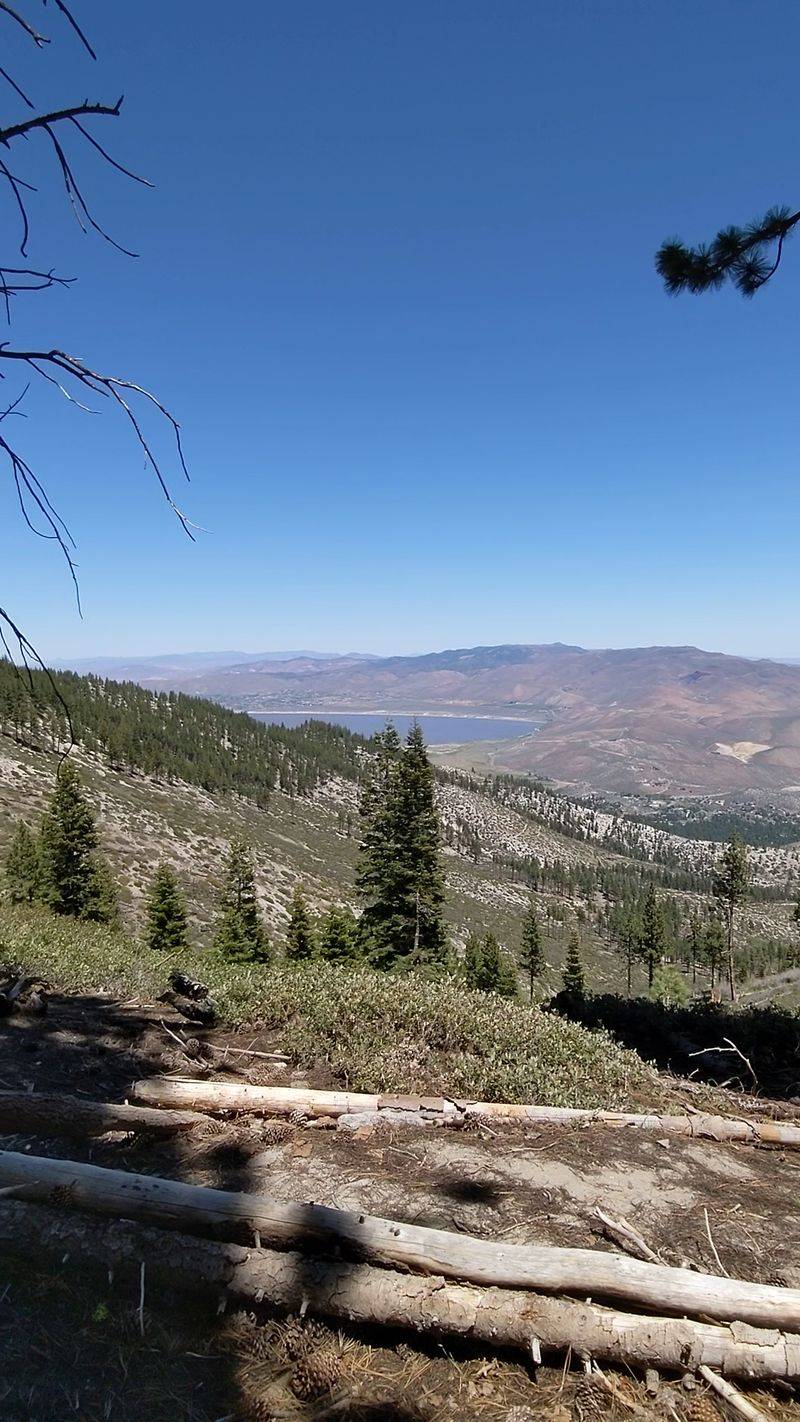
The climb rewards patience with views. Carson Valley spreads out below while high alpine terrain rises ahead.
Parking sits uphill from the water, roughly half a mile above the dam. From there, a short hike finishes the trip.
Pack light if possible, because the return walk goes straight back up. That detail catches plenty of first-timers off guard.
Drivers who enjoy backroads often call the road half the fun. The lake just happens to be the prize waiting at the top.
The Long Hike From Hobart Road
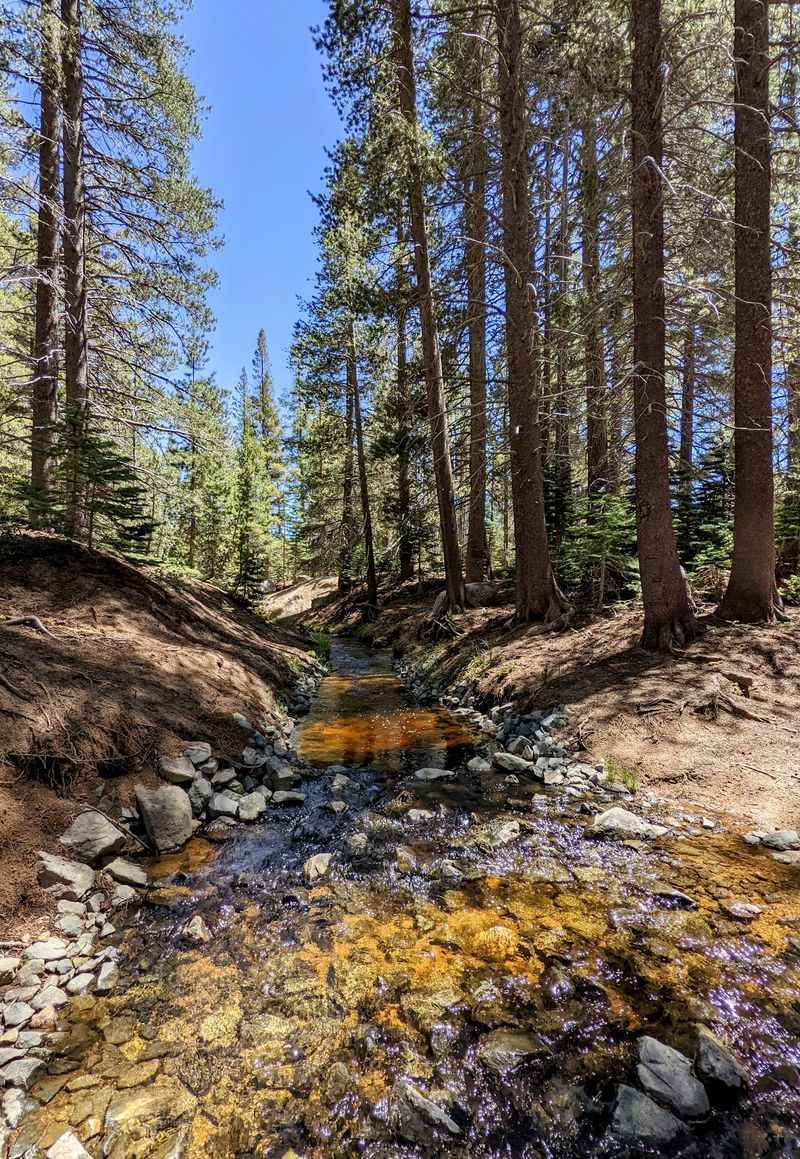
Prefer earning the view on foot? Another route starts in the Lakeview area near Carson City, Nevada.
The trailhead sits at the end of Hobart Road. From there the path follows Franktown Creek Road upward into the forest.
Uphill comes early and stays a while. The first miles climb steadily and take the casual out of casual hiking.
Trail reports describe it as a substantial workout. Strong hikers handle it fine, but nobody calls it a stroll.
Shade helps. Pines line much of the route and cut the midday sun considerably.
Mountain bikers use this corridor too, grinding up and grinning down. Sharing the trail politely keeps everyone happy.
Water becomes the main planning issue. No taps exist along the way, so carrying plenty or bringing a filter is essential.
Arriving on foot changes how the lake feels. After that climb, the first flash of blue water lands with real weight.
Legs complain, then forgive quickly. That trade seems fair to most who make the trip.
Trout Water With Strict Rules
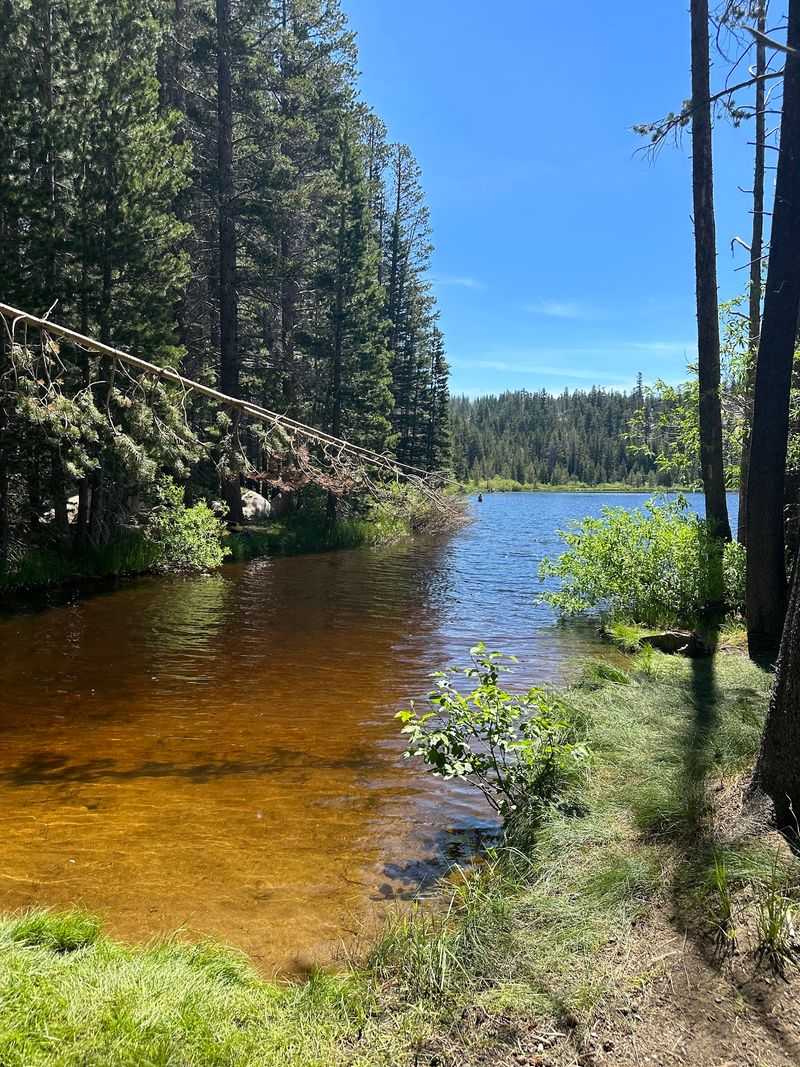
Anglers talk about this place in lowered voices. Word travels, but the drive keeps numbers manageable.
Hobart supports a well-regarded sport fishery managed by the Nevada Department of Wildlife. Rainbow, brook, and tiger trout all show up here.
Brook trout populations are self-sustaining, which says something about the water quality. Cold, clear, and productive describes it well.
Special regulations apply. Only artificial lures are permitted, so plan tackle accordingly before leaving town.
Bank fishing works, especially early and late in the day. Wading into the clear shallows opens up more casting angles.
Float tubes often produce the best results. Deeper water sits just beyond easy casting range from shore.
Late spring through early fall generally offers the strongest conditions. Ice can linger on the lake into early May in some years.
Check current regulations before any trip, since rules can change. Nevada wildlife officials post updates for a reason.
Patience pays here more than fancy gear. The fish are willing, but the setting deserves attention too.
Sleeping Under Pines At The Walk-In Campground
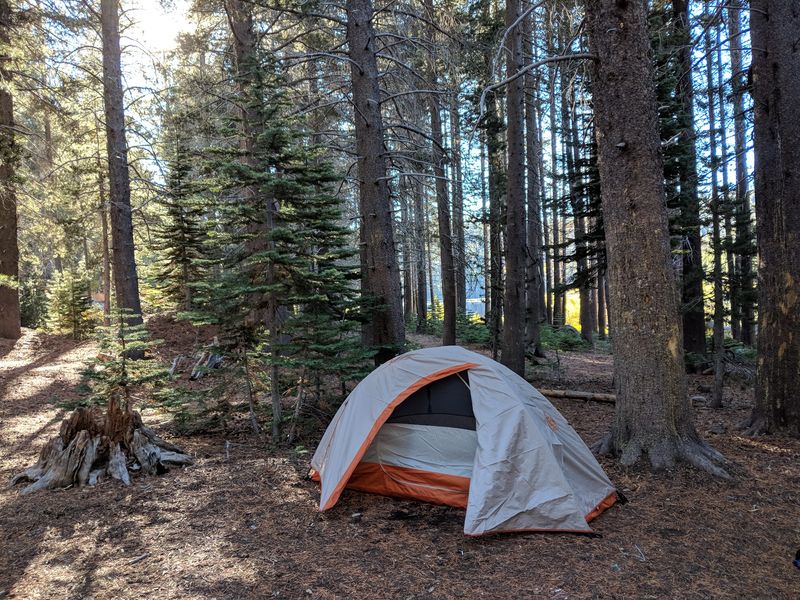
Want the lake at sunrise? Staying overnight is the surest way to get it.
A primitive walk-in campground sits on the north side of the reservoir. Basic is the honest word for it, and that suits the setting.
Picnic tables and fire rings are provided. Bear boxes handle food storage, which matters a great deal up here.
Pit toilets exist, but no drinking water does. Everything needed comes in on someone’s back.
Trash goes out the same way it came in. Pack-it-out habits keep the shoreline looking untouched.
Dispersed camping is not permitted within the park boundaries. Using the designated sites protects the fragile ground around the water.
Reviews frequently mention open spots even during busy stretches. Remote access does wonders for availability.
Nights get cold at this elevation, including in summer. A warmer sleeping bag than expected is smart insurance.
Stars appear in overwhelming numbers once the sun drops. Morning fog on the water follows a few hours later, and that alone justifies the effort.
Trail Connections Into The Spooner Backcountry
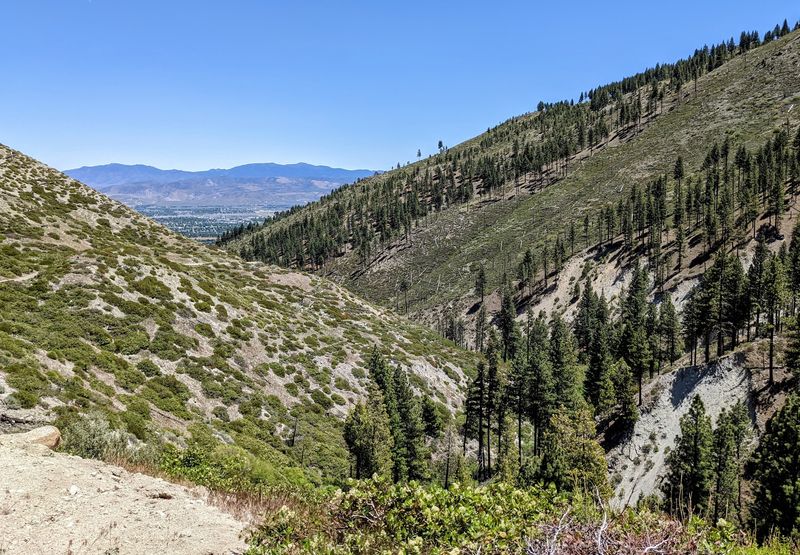
The lake makes a fine destination and an even better trailhead.
Routes here link into the broader trail network of the Spooner Backcountry, including connections toward the Tahoe Rim Trail system. Hikers, mountain bikers, and horseback riders all share these corridors.
Terrain shifts constantly. Forest gives way to open slopes, then rocky benches with long sightlines.
Climbing higher pays off quickly. Washoe Valley opens up below, and on clear days Carson City and Reno appear in the distance.
Endurance riders have used this area for organized events. Horses handle the old roadbeds comfortably.
Multi-day trips work well from this basin. Backpackers use the reservoir as a natural waypoint before pushing deeper.
Signage exists, though carrying a downloaded map is wise. Cell coverage in the Carson Range should never be assumed.
Weather changes fast at altitude. Afternoon thunderstorms build in summer with very little warning.
Anyone treating Hobart as a finish line misses half the story. Trails spider out in several directions, each one tempting.
Bears, Birds, And Quiet Neighbors
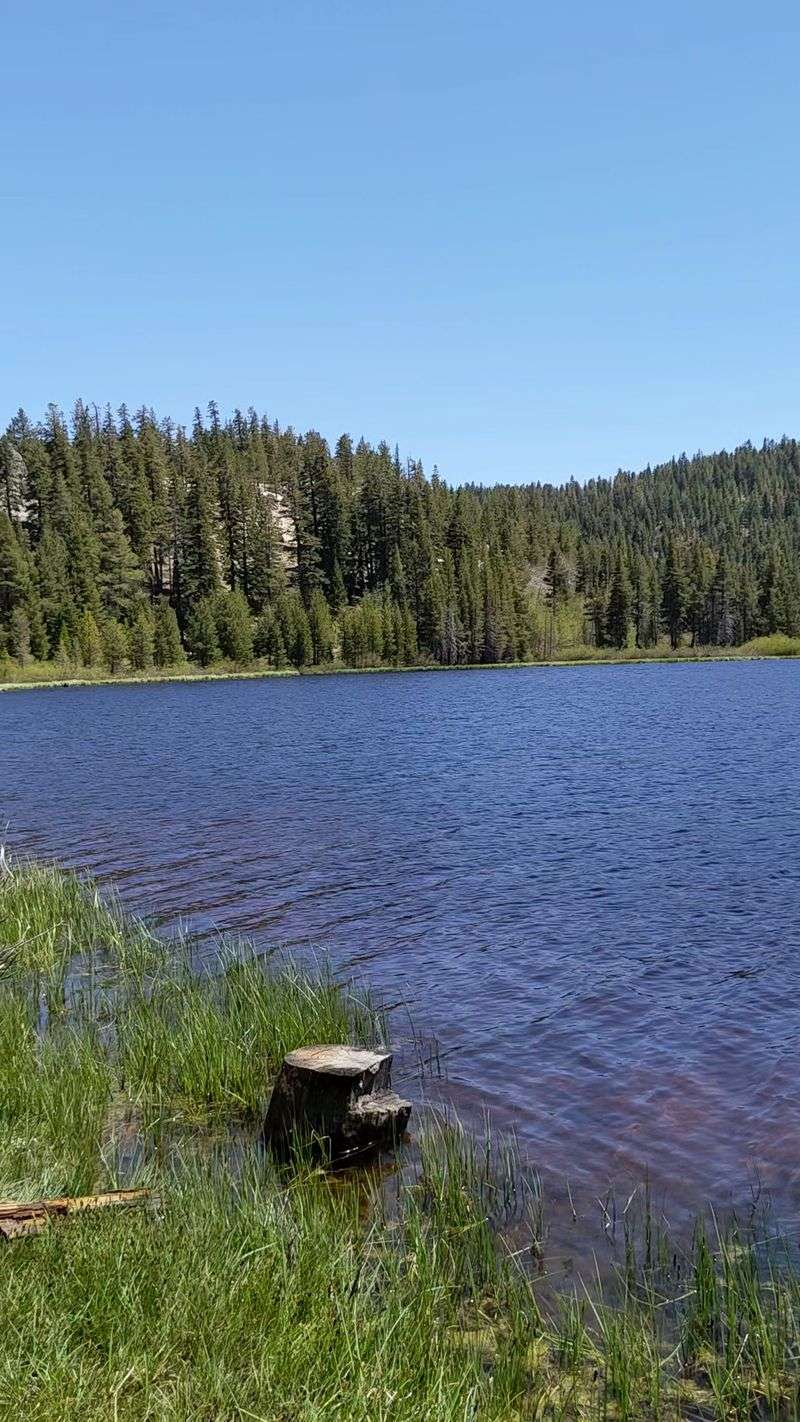
Something rustles in the brush. Around here, it usually has four legs.
Black bears frequent this stretch of the Carson Range. Proper food storage is not optional, and the campground bear boxes exist for exactly that reason.
Mule deer move through the timber, often at dawn and dusk. They tend to notice people long before people notice them.
Birdwatching turns productive fast. Forested slopes and open water attract very different species within a short walk.
Ospreys, jays, and various songbirds are among the possibilities. Patience and a decent pair of binoculars go a long way.
Chipmunks and squirrels patrol the picnic tables with total confidence. Feeding them helps nobody, including them.
Quiet visitors see more. Loud groups tend to clear the shoreline of everything with fur or feathers.
Dogs are welcome but must stay leashed. That rule protects wildlife and pets in equal measure.
Every trip brings a different cast of characters. Wildlife makes no promises, which is precisely what makes a sighting feel earned.
Four Seasons, Four Different Lakes
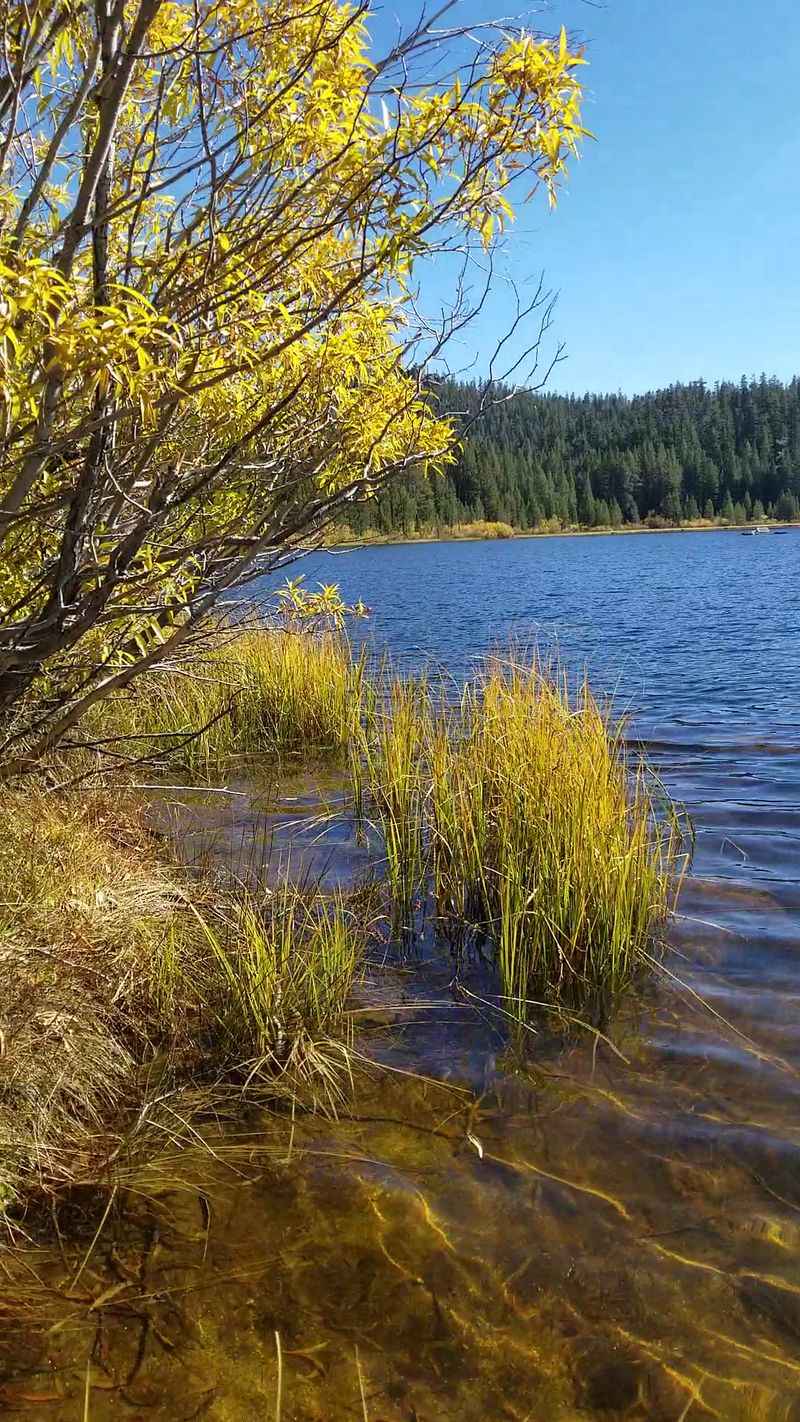
Show up in May and October, and it barely feels like the same place.
Ice can hold on the lake into early May, depending on the winter. The scene turns stark, white, and remarkably quiet.
Spring melt brings wildflowers across the slopes in late spring. Color spreads fast once the ground warms.
Summer delivers the classic experience. Warm days at elevation feel gentle compared to the valley heat below Carson City.
Fishing generally improves as water temperatures settle. Mornings stay cool enough to need a jacket well into July.
Autumn is the sleeper favorite. Shoreline foliage shifts toward gold, and the light turns soft and long.
Winter offers beauty with serious complications. Access becomes difficult, and the access road typically closes for the season.
Elevation drives all of it. Conditions here run weeks behind the valley floor on either end of the year.
Checking current road and weather status before setting out saves disappointment. Timing a visit well turns a good day into a memorable one.
Closed For 2026 And Worth The Wait
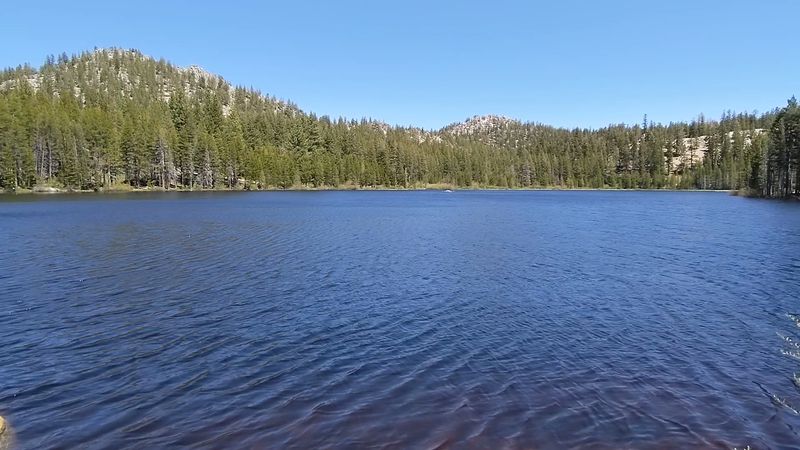
The reservoir is closed through the 2026 season, with the full rehabilitation project not expected to wrap up until mid-2027.
Dam renovations are underway to protect the structure long term. The work also safeguards the lake’s ongoing role in supplying water to Carson City.
Frustrating? A little.
Necessary? Completely.
The closure gives future visitors time to plan properly. Gear lists, fitness, and vehicle readiness all benefit from lead time.
When access returns, preparation still rules the day. No facilities exist along the trails, and no potable water is available at the lake.
Carry more water than seems reasonable, plus layers for shifting mountain weather. Altitude changes conditions quickly and without much warning.
Confirm road openings and current status through official Nevada state park sources before driving up. Conditions vary year to year.
Respecting the site keeps it worth visiting. Packing out trash and staying on established routes protects a fragile basin.
Hobart Creek Reservoir will be waiting once the work is fully complete, and the patience will pay off.