
This Massive Nevada Ranch Brings You Face-To-Face With Exotic Animals
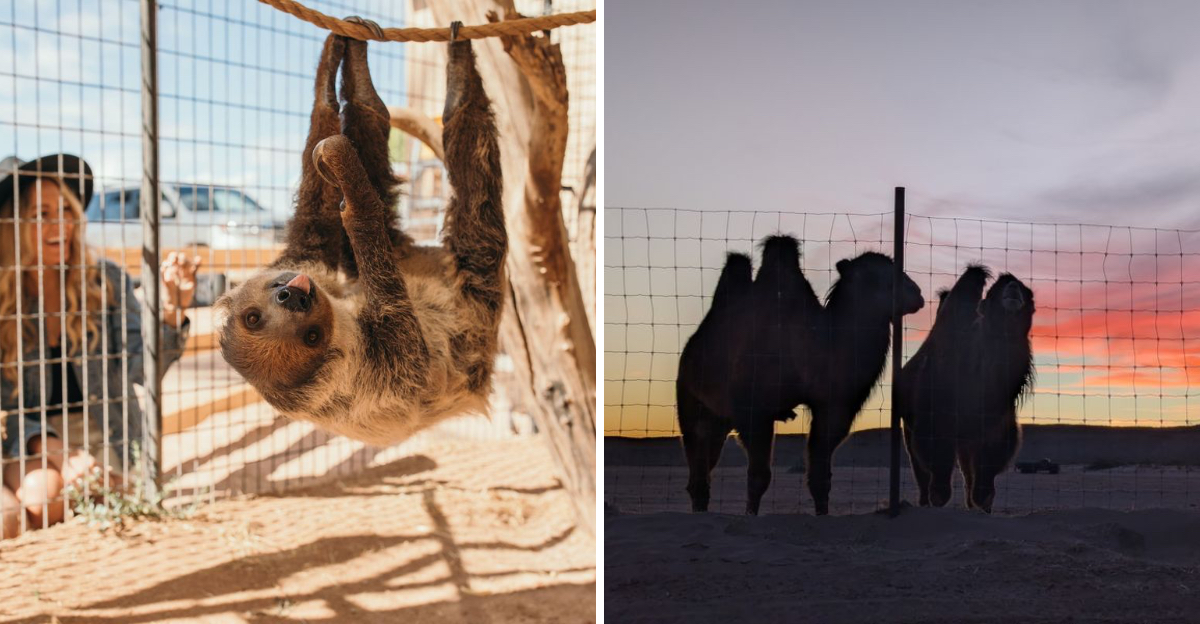
A two-humped giant leaned in for a scratch behind the ear. That is a normal afternoon in the Nevada desert.
Dust drifts across open flats while the herd acts like a pack of oversized dogs.
A sloth so slow he freezes mid-step steals the spotlight from every camel around. Nearby, a porcupine with serious attitude rattles her quills for effect.
A pack of ranch dogs greets every car like long-lost family.
Climb onto a tram or swing a leg over a camel for a ride unlike anywhere else in Nevada.
Mountains rise in the distance and a river winds close by. Every stop adds another story before the day even ends.
Spots fill fast this time of year. A desert day this wild deserves a place on your calendar soon.
Where The Mojave Hides Its Strangest Ranch
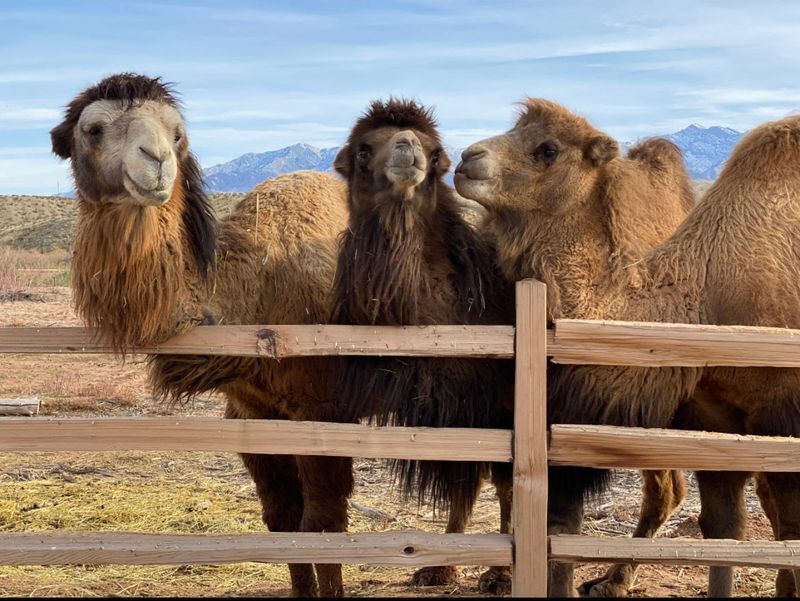
Camels and creosote bushes share the same view here. That alone tells you this corner of the Mojave plays by different rules.
The ranch spreads across roughly 176 acres in Bunkerville, a small town in southeastern Nevada, United States. The Virgin River runs nearby, and the Virgin Mountains rise in the distance like a jagged backdrop.
Drive time from the Las Vegas Strip runs about an hour northeast. The change in scenery happens fast once the city lights shrink in the rearview mirror.
Dust roads replace neon. Wide-open pens replace crowded sidewalks.
Visitors often mention how remote it feels, even though the interstate sits close by. That backcountry atmosphere is a big part of the appeal.
You will find the property at 2725 River Cliff Rd, Bunkerville, NV 89007. Plug it into your maps app before you leave, since cell service can get patchy out here.
The land itself does plenty of heavy lifting. Rocky ridges, sandy washes, and desert brush frame every animal encounter.
Few places pair exotic animals with terrain this raw and quiet.
Reservations Come First, Always
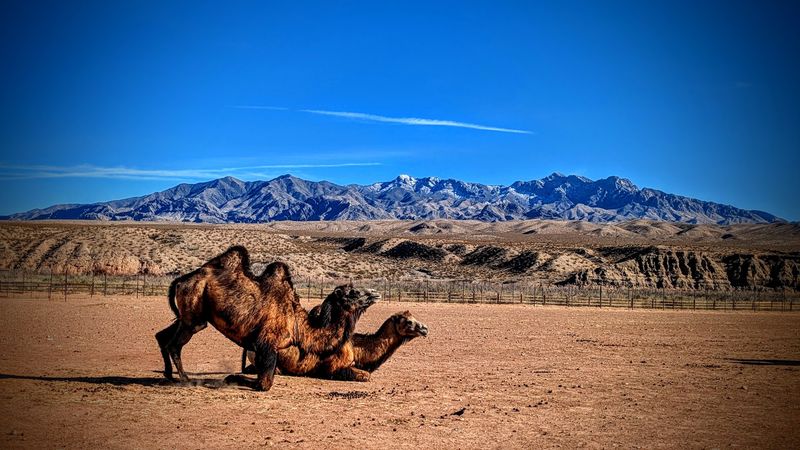
Show up unannounced and you will likely be turned away. That policy surprises people, but it exists for good reason.
Camel Safari runs on booked, guided experiences only. Staff prepare each tour around the group size and the animals scheduled to participate.
Guests book ahead, arrive at a set time, and join a keeper for the whole visit. No wandering off alone between exhibits.
The format keeps groups small enough for real interaction. Visitors frequently note how much one-on-one time they get with the animals.
It also protects the residents. Camels, sloths, and porcupines get predictable routines instead of constant foot traffic.
Larger parties should book especially early. Families, homeschool groups, and birthday outings all come through, and popular slots fill up.
Arriving a little early helps too. There is usually time to look around before the guide gathers everyone.
Think of the booking step as part of the experience rather than a hurdle. The payoff is a tour that feels personal instead of processed.
Plan ahead and the desert opens up for you.
Thirty Camels And Counting
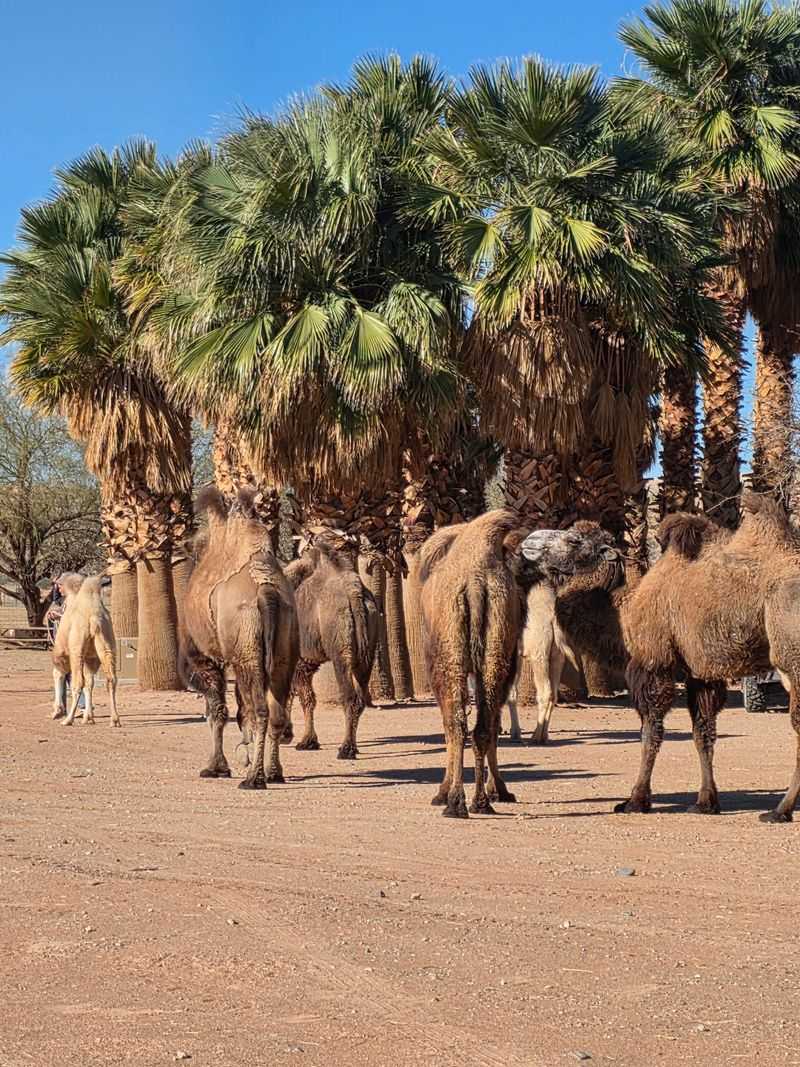
Two humps or one? Both roam this property.
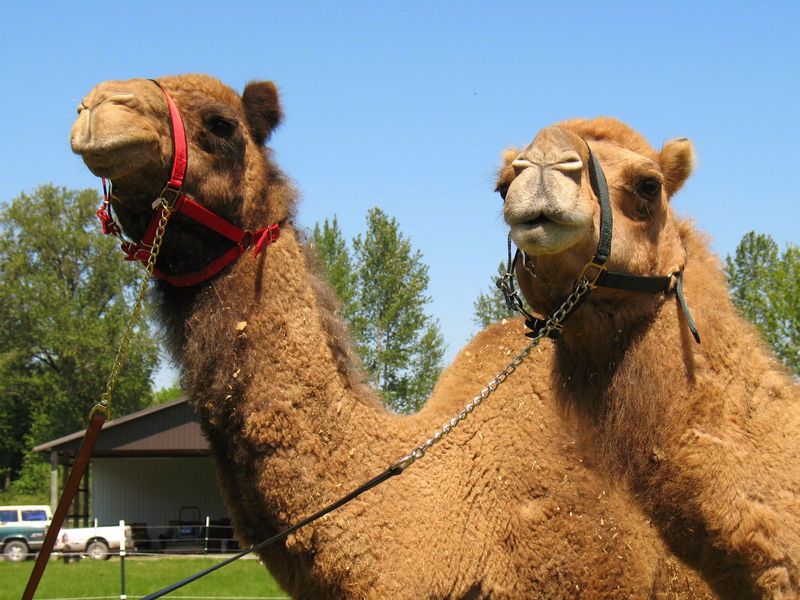
More than 30 camels live at the ranch, including one-humped dromedaries and two-humped Bactrians. They are the headliners, and they know it.
Visitors regularly compare them to enormous, affectionate dogs. Many camels lean in for scratches and nose around for treats.
Carrots hold serious negotiating power. One resident camel named Jafar has built a reputation for being funny and a bit stubborn about snack timing.
Inside the enclosure, guests walk among the herd with a keeper nearby. Hand-feeding and petting usually happen here, though every animal participates by choice.
Bactrians grow thick, shaggy coats that shed in dramatic clumps during warmer months. Dromedaries look sleeker and taller.
Keepers explain how camels store fat in those humps, not water. That single fact rewrites what most people learned in grade school.
Babies have appeared on the property too, and reviewers have spotted young camels nearly matching their mothers in size.
Meeting the herd up close changes how you picture these animals forever.
Riding High On A Desert Trek
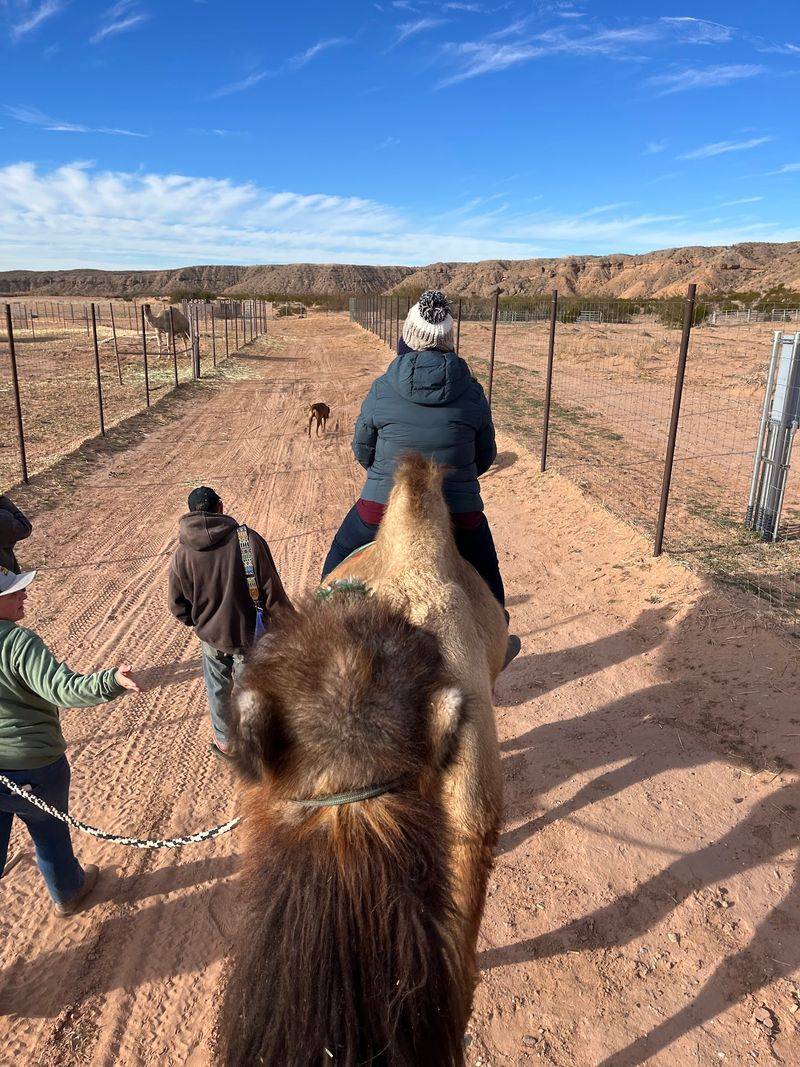
The world looks different from camel height. Riders sit well above the sagebrush, swaying with each long stride.
Camel rides rank among the most requested activities on the property. Handlers lead the animals and stay close throughout.
The motion feels rolling and slow rather than bumpy. Most first-timers relax within a minute or two.
Views stretch toward the Virgin Mountains while the guide shares facts about camelids. Padded feet, double eyelashes, and closable nostrils all get their moment.
Rides are typically short and gentle, built for photos and conversation instead of speed. Kids and older guests often manage just fine.
Not everyone rides, and that is perfectly acceptable. Some visitors skip the saddle and still call the day a win.
Availability can shift with weather, animal mood, and group schedule, so confirm when booking rather than assuming.
Wear comfortable pants and closed-toe shoes for easier mounting. Loose hats have a habit of taking flight.
Few souvenirs beat a photo of yourself perched on a camel in the Mojave.
Tram Tours For Easygoing Explorers
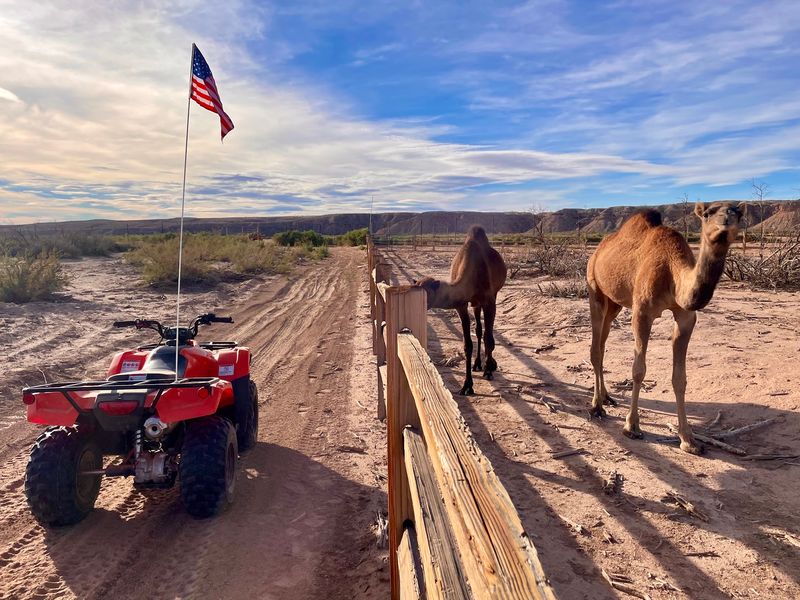
Prefer a seat with a view? The safari tram handles the mileage for you.
Guided tram tours roll through the property while a keeper narrates. Animals appear along the route in large, open spaces.
The pace stays relaxed. Stops allow time for feeding, petting, and questions without anyone feeling rushed.
Guests with mobility limits often choose this option. Reviewers have praised staff for accommodating groups with different physical needs.
Guides share backstories for individual animals, including which ones arrived as rescues. Those details turn a ride into a real education.
Expect plenty of humor along the way. The keepers clearly enjoy their jobs, and it shows in how the animals respond to them.
Ranch dogs sometimes hop aboard or trot alongside. Rhodesian Ridgebacks are regular escorts on these outings.
Bring a camera with a strap, since hands stay busy with treats. Sunglasses help on bright afternoons.
Families with toddlers and grandparents in the same group tend to find this tour the easiest fit.
Comfortable seating, close animals, good storytelling. Hard combination to beat.
Off-Road Thrills Toward The Virgin River
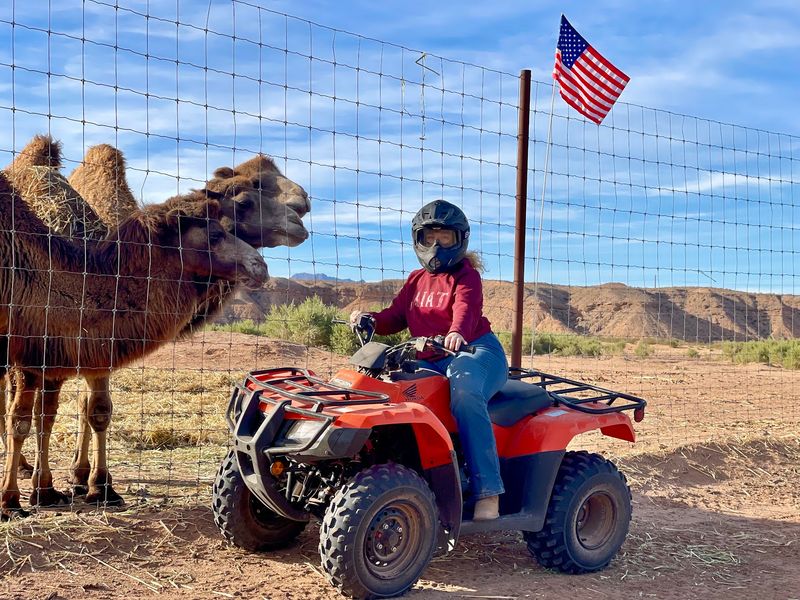
Dust, ridges, and a throttle. The UTV safari trades comfort for adrenaline.
These off-road tours push past the animal pens and deeper into the surrounding Mojave landscape. Guests have described routes heading down toward the Virgin River.
Terrain gets rugged in the best way. Washes, rocky climbs, and open desert flats all appear along the way.
The scenery alone justifies the ride. Visitors often mention disbelief that the Las Vegas Strip sits so close.
Guides drive and explain the desert environment as you go. Plants, geology, and wildlife tracks all come up.
Sunglasses and a bandana help with dust. Long pants and closed-toe shoes make the ride more comfortable.
Some groups combine the tram experience with a UTV run for a fuller day. Others return specifically for the off-road portion.
Weather can affect availability, especially after heavy rain. Checking conditions when booking saves disappointment.
Anyone expecting a tame golf cart cruise should recalibrate. The desert here has teeth, and the route respects that.
Adventure seekers usually rank this as the highlight of their visit.
Ambien The Sloth Steals The Show
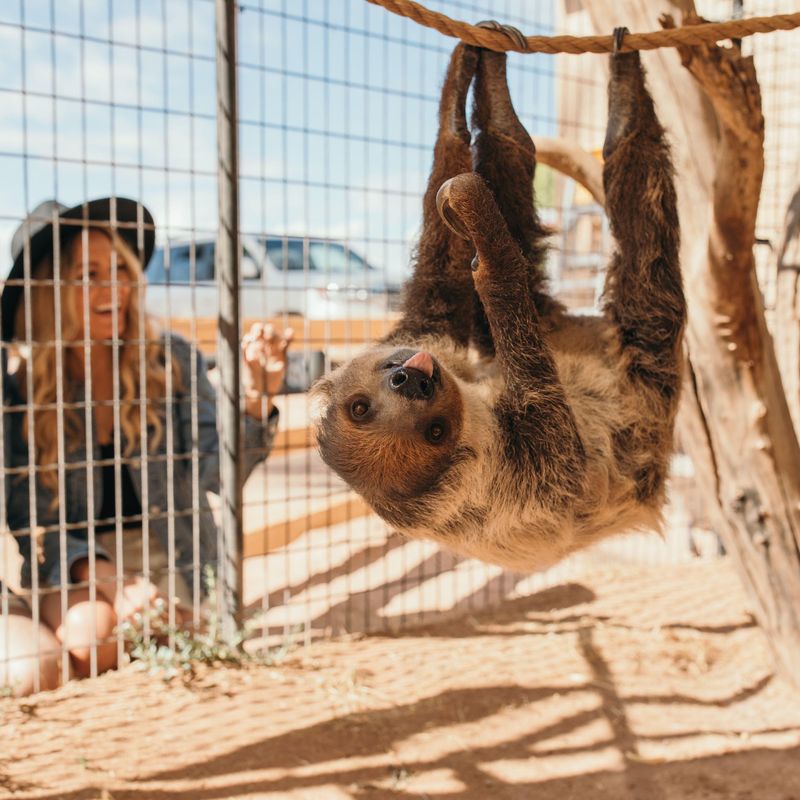
A sloth in the Nevada desert makes zero sense, and yet.
A two-toed sloth named Ambien lives on the property and moves at a pace that makes molasses look ambitious. Visitors book encounters specifically to meet him.
Watching him reach for a snack becomes oddly hypnotic. Every motion looks carefully considered.
Keepers explain how sloths conserve energy, digest slowly, and rely on camouflage in the wild. The biology is stranger than most people expect.
Encounters happen under close supervision and follow the animal’s mood. If he is not interested, he is not forced.
Sloth mentions show up constantly in visitor feedback, often right beside camels. That says something about his star power.
Photos are usually possible, though flash and sudden noise get discouraged. Calm behavior keeps the interaction pleasant for everyone.
Availability for sloth encounters can vary, so ask when reserving your tour.
Plenty of guests arrive expecting camels to be the main draw. A surprising number leave talking about a slow-motion tree dweller instead.
Porcupines, Singing Dogs, And Other Oddballs
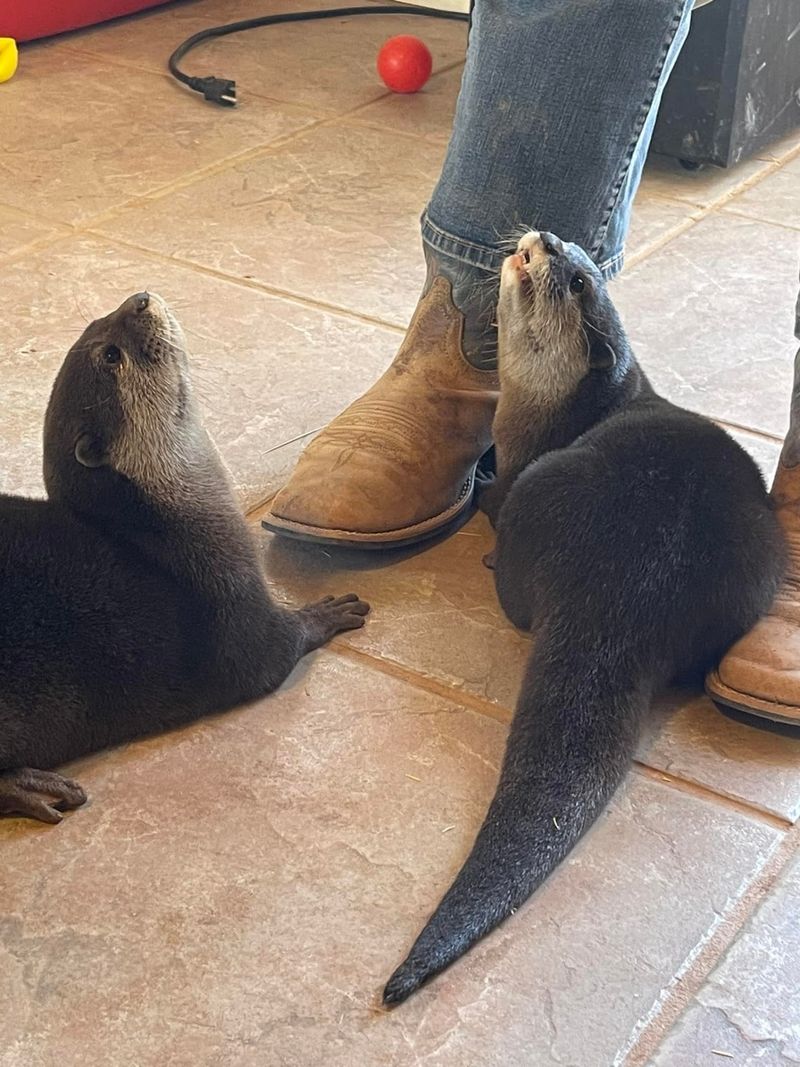
Nobody plans on petting a porcupine. Then Thorn shows up and changes minds.
The African crested porcupine has become an unexpected favorite among visitors. Handlers demonstrate the safe way to touch her, always following the direction of the quills.
Those quills rattle when she feels bold. The sound is unforgettable.
New Guinea singing dogs also live here. Their howls carry an eerie, musical quality unlike any other canine.
Six-banded armadillos and woolly opossums round out the collection of unusual residents. Each one comes with a keeper story.
Llamas, alpacas, goats, donkeys, miniature horses, and a tortoise fill out the roster too. Feeding the smaller camelids is a common highlight.
The facility holds membership with the Zoological Association of America, which reflects a commitment to animal care standards.
Guides use these encounters to teach rather than simply entertain. Habitat loss, diet, and behavior all come into the conversation.
Kids latch onto the porcupine faster than anyone predicts. Adults usually follow.
Variety like this is rare on a single desert property.
Ridgebacks Who Run The Welcome Committee
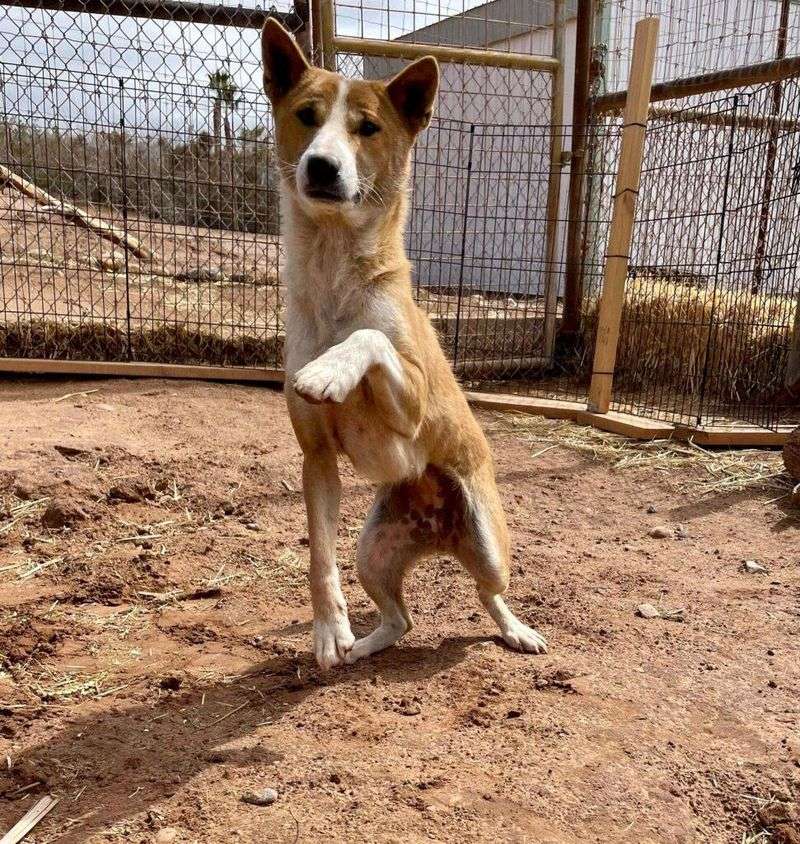
Before a single camel appears, the dogs arrive. Rhodesian Ridgebacks greet cars, sniff shoes, and settle in like old friends.
These oversized ranch dogs have become part of the visitor experience. Guests mention them almost as often as the exotic animals.
They follow tour carts, claim warm seats, and supervise every stop. Nobody seems to mind the extra company.
Toddlers frequently bond with them first. Parents have described the dogs as patient and easygoing with small children.
Their presence adds a homey touch to a place full of unusual species. The property feels like a working ranch, not a polished attraction.
Keepers know each dog by name and personality. That familiarity extends to every animal on site.
Guests who arrive nervous about animal encounters often relax once the Ridgebacks break the ice.
Bring a lint roller if you care about your outfit. Short desert dog hair travels well.
Nobody books a trip specifically to meet ranch dogs. Plenty of people leave listing them among the best parts of the day.
Care Built On The Animals’ Terms
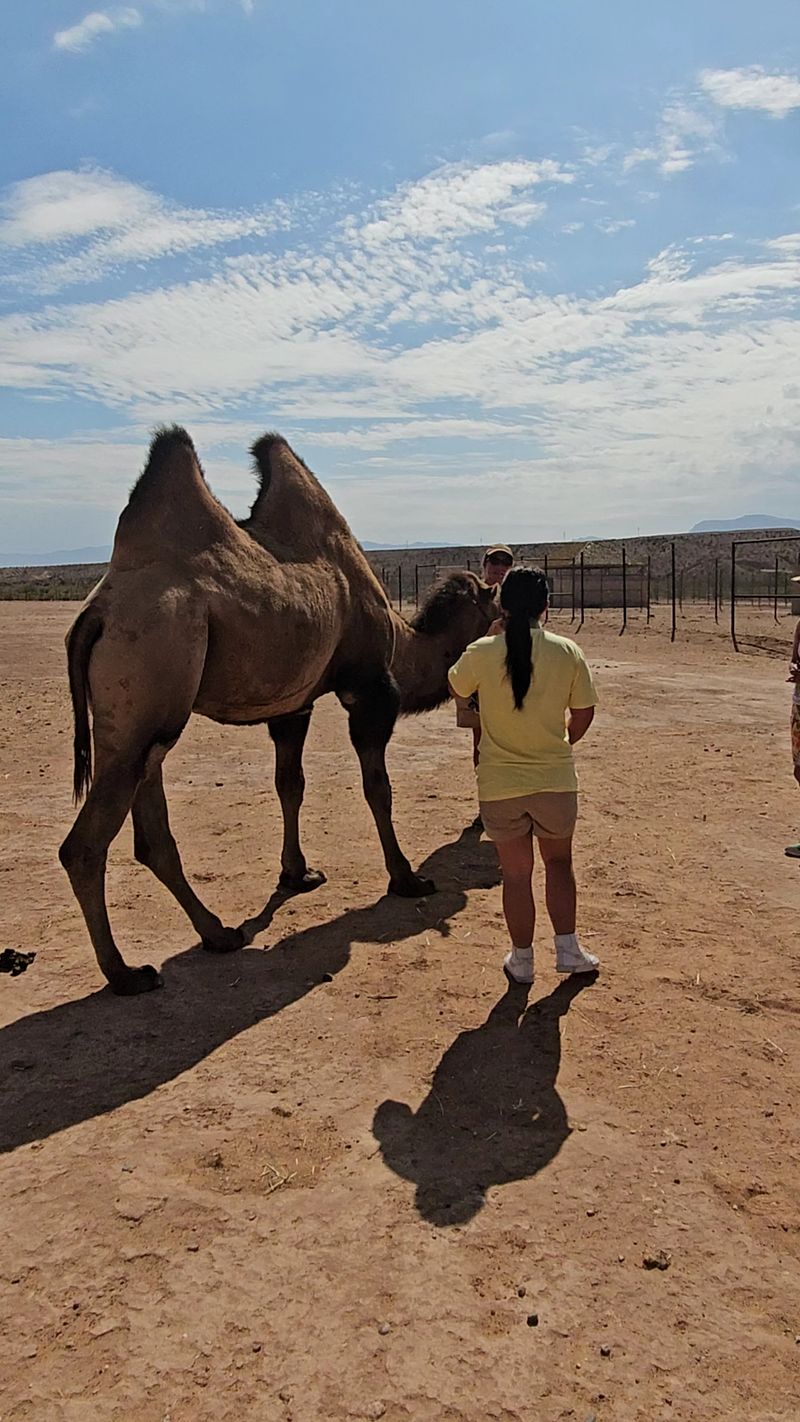
Choice-based care sounds like jargon until you watch it happen. Animals here decide whether to join an interaction.
Keepers use positive reinforcement rather than pressure. Treats, patience, and trust do the work.
If a camel wanders off mid-visit, that is allowed. Guests adjust, and the tour moves on.
Staff know individual personalities, quirks, and histories. Many animals arrived as rescues, and those stories get shared openly.
Visitors regularly comment on how knowledgeable and passionate the guides seem. Questions get real answers, not scripted lines.
Enclosures are large and open, giving residents space to roam rather than pace. The desert setting suits several species surprisingly well.
Education runs through every stop. Conservation, diet, and natural behavior come up repeatedly.
That approach shapes the whole visit. Interactions feel cooperative instead of staged.
Some guests notice the property looks rustic rather than manicured. Most decide the animals’ comfort matters more than polished landscaping.
Respect is the operating principle here, and it shows in how calmly the residents behave around strangers.
Sunset Campfires And Special Gatherings
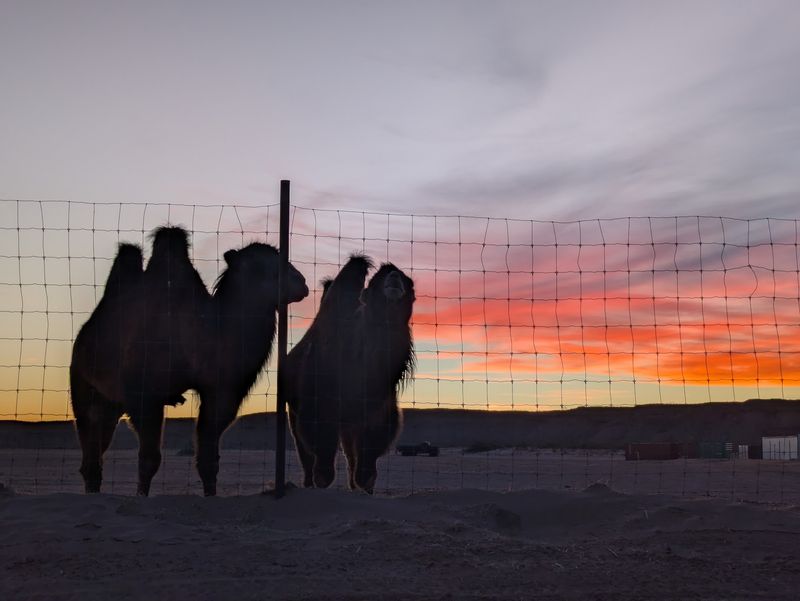
Marshmallows and camels. An unlikely pairing that somehow works.
Private sunset safaris are offered on the property, sometimes including a campfire and s’mores. The desert sky puts on a slow color show as the light fades.
Stars appear quickly out here. Light pollution stays far away in Bunkerville.
The ranch also hosts group gatherings. Weddings, family reunions, corporate outings, and birthday celebrations have all taken place among the animals.
Guests have booked tours as birthday surprises for parents and children alike. The reactions tend to be memorable.
Homeschool groups visit too, treating the ranch as a hands-on classroom. Learning sticks better when a llama is involved.
Private events require advance planning and direct arrangements, so early contact matters.
Evening temperatures drop noticeably in the desert, even after warm afternoons. A jacket saves the mood.
The combination of open sky, firelight, and grazing animals creates an atmosphere no ballroom can copy.
Anyone planning a milestone celebration in southern Nevada might want to consider trading chandeliers for constellations.
Smart Packing For A Desert Day
Flip-flops and camel pens do not mix. Closed-toe shoes are strongly recommended.
Spring, fall, and winter bring the most comfortable temperatures for outdoor touring. Summer visits work best in the early morning hours.
Desert heat builds fast once the sun climbs. Shade is limited across much of the property.
Water belongs in every bag. Sunscreen, sunglasses, and a hat round out the essentials.
Dress for dust rather than photos. Clothes will pick up dirt, hay, and possibly a little camel drool.
Layers help in cooler months, since mornings can start cold and warm up quickly.
Cameras and phones do fine, though a strap or pocket keeps them safe during hands-on moments.
Cash or cards for gratuities are worth considering, given how much guides invest in each tour.
Allow extra driving time from Las Vegas, especially on weekends when interstate traffic picks up.
Come prepared and the Nevada desert rewards you with camels, sloths, porcupines, and a story nobody back home will believe on the first telling.