
This Hidden Tennessee Museum Honors The Life And Legacy Of Johnny Cash
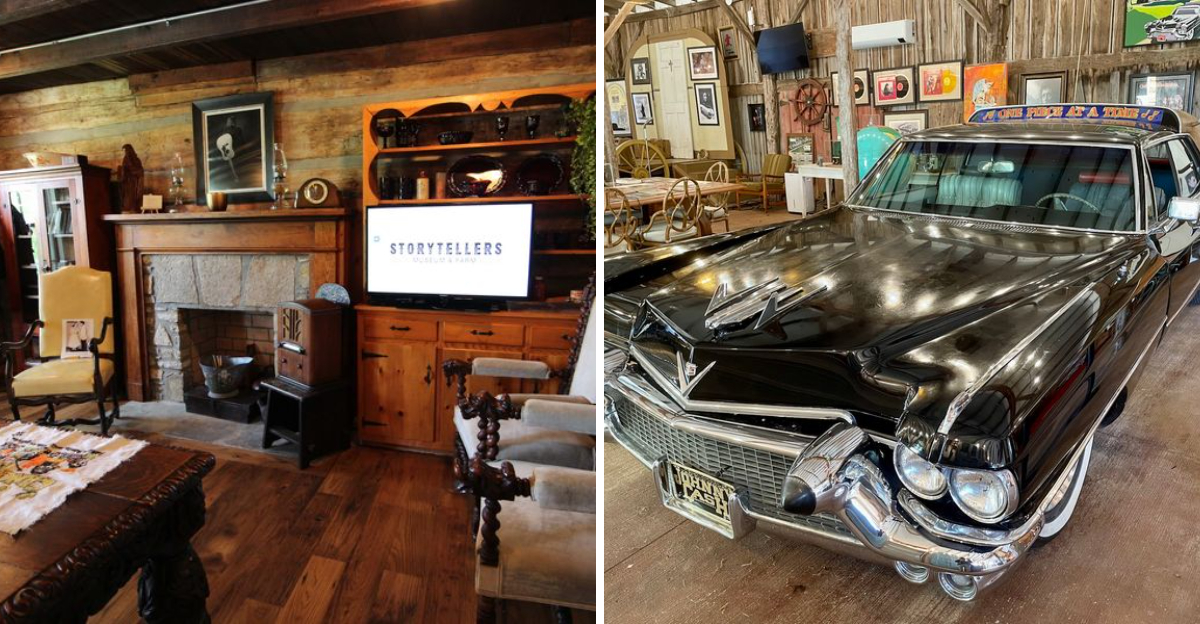
Johnny Cash left behind more than a catalog of songs. His voice, stories, and unmistakable style still pull people in decades after some of his biggest hits first filled the radio.
In Tennessee, there is a small museum where fans can get surprisingly close to that history. The displays focus on the stories, memories, and connections that surrounded the Man in Black during his remarkable career.
Photos and memorabilia add another layer to a story many people only know through the music.
You do not need to be a lifelong country music fan to enjoy it, either. There is something fascinating about seeing the details that shaped an American music legend and learning more about the people who knew him.
Tennessee is filled with places connected to country music, but this stop offers a quieter look at Johnny Cash’s story. It is easy to overlook, yet difficult to forget once you have seen what is inside.
A Country Store That Became A Music Landmark
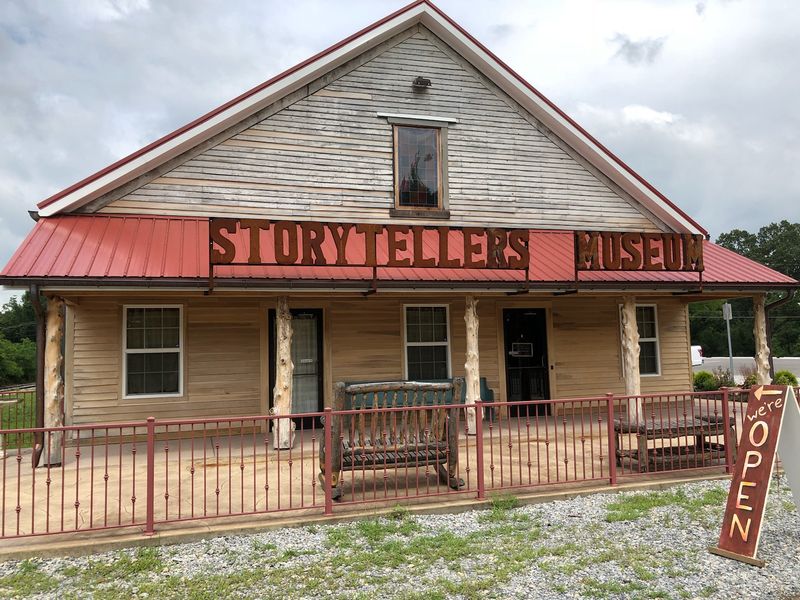
Long before it held guitars behind glass, the building sold flour, nails, and neighborly gossip. It opened as an early 20th-century general store in a quiet farming community.
Johnny Cash later purchased the property himself. He turned the old store into a place for local music, hosting gatherings he called Saturday Night in Hickman County.
Those nights were guitar pulls, informal sessions where players passed a guitar around and traded songs. The room also served as a recording studio for producer Red Wortham, adding another layer to its story.
Time was not kind to the structure. By 2016 it had fallen into rough shape, and its future looked uncertain.
Brian and Sally Oxley stepped in that year and bought it. They restored the building board by board, keeping its plain country character intact.
Cindy Cash, Johnny’s daughter, supported the restoration work. Her involvement gave the project a family blessing that few museums can claim.
Today the space operates as the Storytellers Museum. The name fits, since nearly every object inside comes with a story attached.
You will not find flashy lighting or velvet ropes here. The floors creak, the walls hold history, and the whole place feels lived in.
That honesty is exactly the appeal. It looks like a country store because it always was one.
Bon Aqua, The Quiet Town Cash Called Home
Some artists chase city lights. Cash went the other way and found peace among rolling farmland.
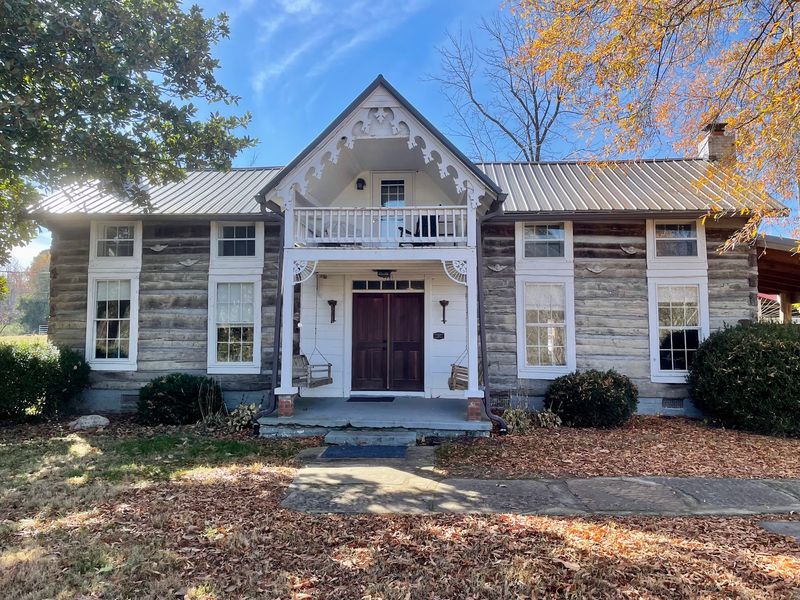
He and June Carter Cash lived in Bon Aqua during the early 1970s. Their home sat only a short distance from the old store building.
The setting gave them something Nashville could not: quiet. Mornings here come with birdsong instead of traffic noise.
Cash treasured this rural corner deeply. He once described his nearby farm as the center of his universe, which says plenty.
Songwriting thrived in that calm. He wrote some of his most recognized songs while living in the area.
The museum sits at 9676 Old Highway 46, Bon Aqua, TN 37025. The address is easy to miss, so watch your GPS closely.
Bon Aqua, Tennessee remains a small, unhurried place. There are no crowds, no long lines, and no rush to move you along.
That slower pace shapes the entire experience. You arrive expecting a museum and end up soaking in the countryside too.
Picnic tables outside invite you to linger. Many guests eat lunch, look at the fields, and simply enjoy the stillness.
Understanding this landscape helps explain the man. The songs make more sense once you have seen the hills that inspired them.
Handwritten Lyrics, Guitars, And Personal Keepsakes
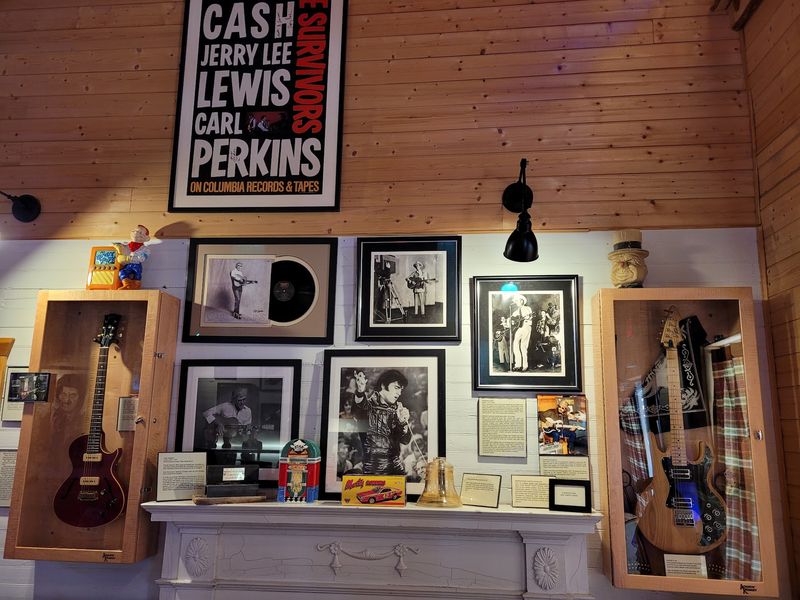
Handwriting reveals things a recording never will. Crossed-out lines and scribbled notes show how hard the work of songwriting really was.
The collection inside the Storytellers Museum includes handwritten lyrics. Seeing those pages up close feels surprisingly personal.
Guitars are on display as well. Instruments carry wear marks from years of travel and stage performances.
Clothing worn by the artist also appears among the exhibits. His famous dark wardrobe is part of the country music vocabulary now.
Personal items fill out the rest of the story. Everyday objects say as much about a person as any award ever could.
Letters he wrote to his first wife, Vivian, before their marriage have been shown here too. Reading them adds a tender, human dimension.
A collection of hotel keys he saved while touring also caught many eyes. Imagine keeping a small souvenir from every town on the road.
Docents happily explain the background of each piece. You can take a narrated tour, wander alone, or do both.
Plan at least an hour inside. Guests who ask questions often stay far longer than they expected.
The scale is modest, and that works in its favor. Nothing here gets lost in a sea of exhibits.
Johnny Cash Fans Will Recognize This One Piece At A Time Cadillac
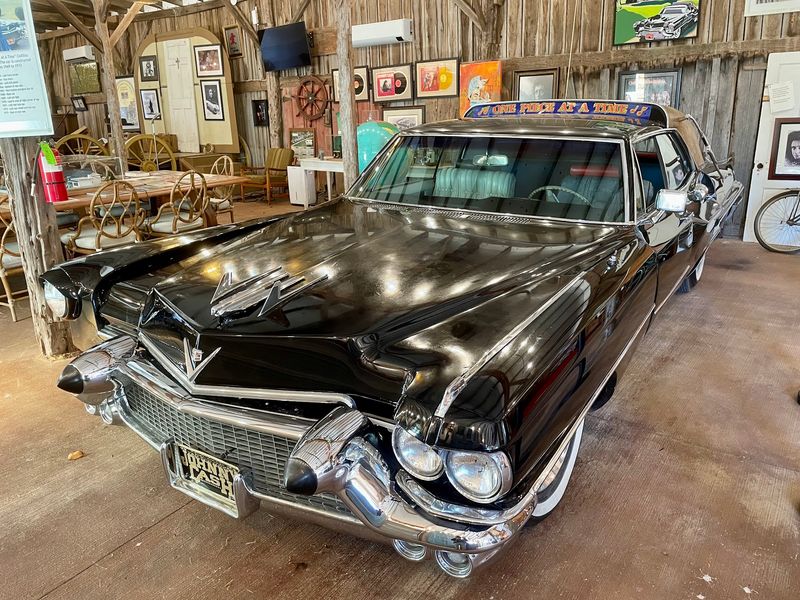
One song became one very strange car. The 1976 hit One Piece at a Time told of an assembly line worker sneaking home parts to build a Cadillac.
Somebody actually built that car. The result is a mismatched Cadillac stitched together from different model years.
The vehicle is a highlight of the museum collection. Guests photograph it more than almost anything else on site.
Its charm comes from the imperfection. Bumpers, fenders, and trim pieces clearly never belonged to the same automobile.
Standing beside it makes the lyrics click into place. A joke in a song turned into rolling metal you can actually see.
Kids love it, and so do longtime fans. Cars have a way of crossing age gaps quickly.
Availability can vary, since the Cadillac occasionally travels. Calling ahead at (931) 996-4336 is a smart move if it tops your list.
Staff enjoy telling the tale behind it. The story includes plenty of humor about the song’s mischievous narrator.
Photographs rarely capture the oddness properly. The proportions look wrong in the best possible way.
Few museums own an object this playful. That mix of music and machinery makes the stop memorable for whole families.
Cabin In The Cotton Recreates Family Life
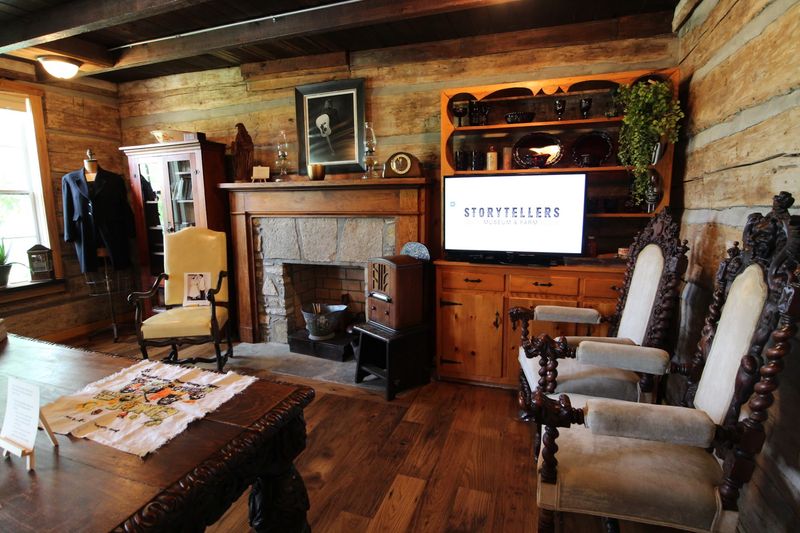
Recreated rooms do something photographs cannot. They let you stand where a family once lived and imagine ordinary days.
An exhibit called Cabin in the Cotton sits inside the museum. It recreates the Cash family’s living quarters connected to Bon Aqua.
Simple furnishings tell the story. Plain wood, modest bedding, and practical household items fill the space.
Nothing about it looks grand. That restraint is exactly the point of the display.
Cash grew up in a farming family, and the exhibit reflects those humble beginnings. Hard work and thin margins shaped his songwriting voice.
Standing there, the lyrics about labor and land feel more grounded. Music built on real experience holds up longer.
Children often connect with the exhibit fastest. Rooms are easier to understand than framed documents behind glass.
Guides fill in details about daily routines. Small facts about cooking, chores, and family gatherings bring the setting to life.
Photography is welcome throughout the space. The soft lighting makes for warm, nostalgic pictures.
Combined with the artifacts nearby, the effect is complete. You move from objects to a full setting in just a few steps.
It is a thoughtful piece of storytelling. Honest and unpolished, which matches the whole property.
Rare Bibles And Unexpected Treasures
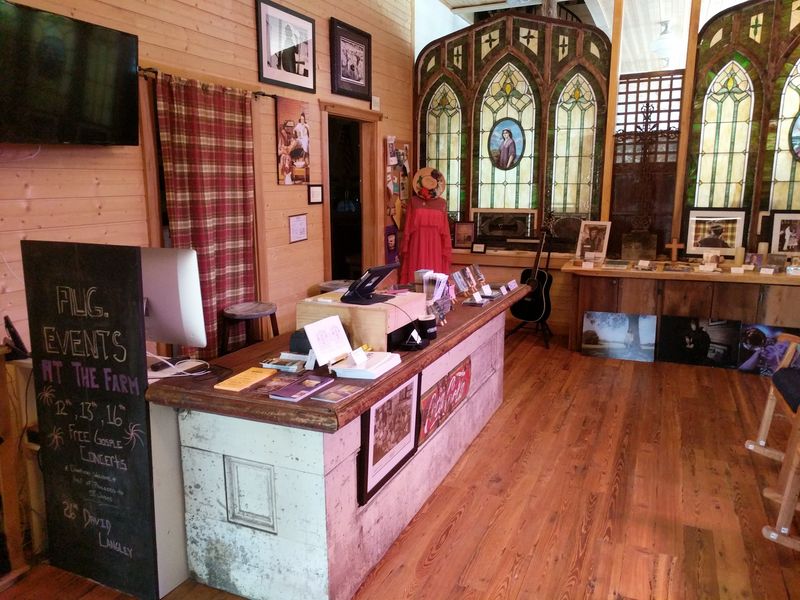
Nobody expects a Gutenberg page in a country store. Yet the Storytellers Museum holds exactly that kind of surprise.
Rare 16th-century Bibles are part of the collection. Their aged pages and bindings deserve a slow look.
A single page from the Gutenberg Bible is also displayed. That press changed how books reached ordinary readers in the 1400s.
The pairing may sound odd at first. Faith and scripture, though, ran through much of Cash’s own music.
He recorded gospel songs throughout his long career. Seeing these volumes makes that thread easier to appreciate.
Memorabilia connected to Elvis Presley appears here too. Items linked to Colonel Tom Parker round out the mix.
Yellow chairs once owned by country comedian Minnie Pearl sit among the exhibits. Her Grand Ole Opry humor is woven into music history.
Each addition widens the story beyond one performer. You get a broader picture of American entertainment.
Guides explain how these pieces arrived. The provenance stories are often as interesting as the objects.
Take your time in this corner. Rushing past printed history from five centuries ago would be a shame.
Variety keeps the museum lively. Just when you settle into one theme, another appears.
Live Music And Stories On The Little Stage
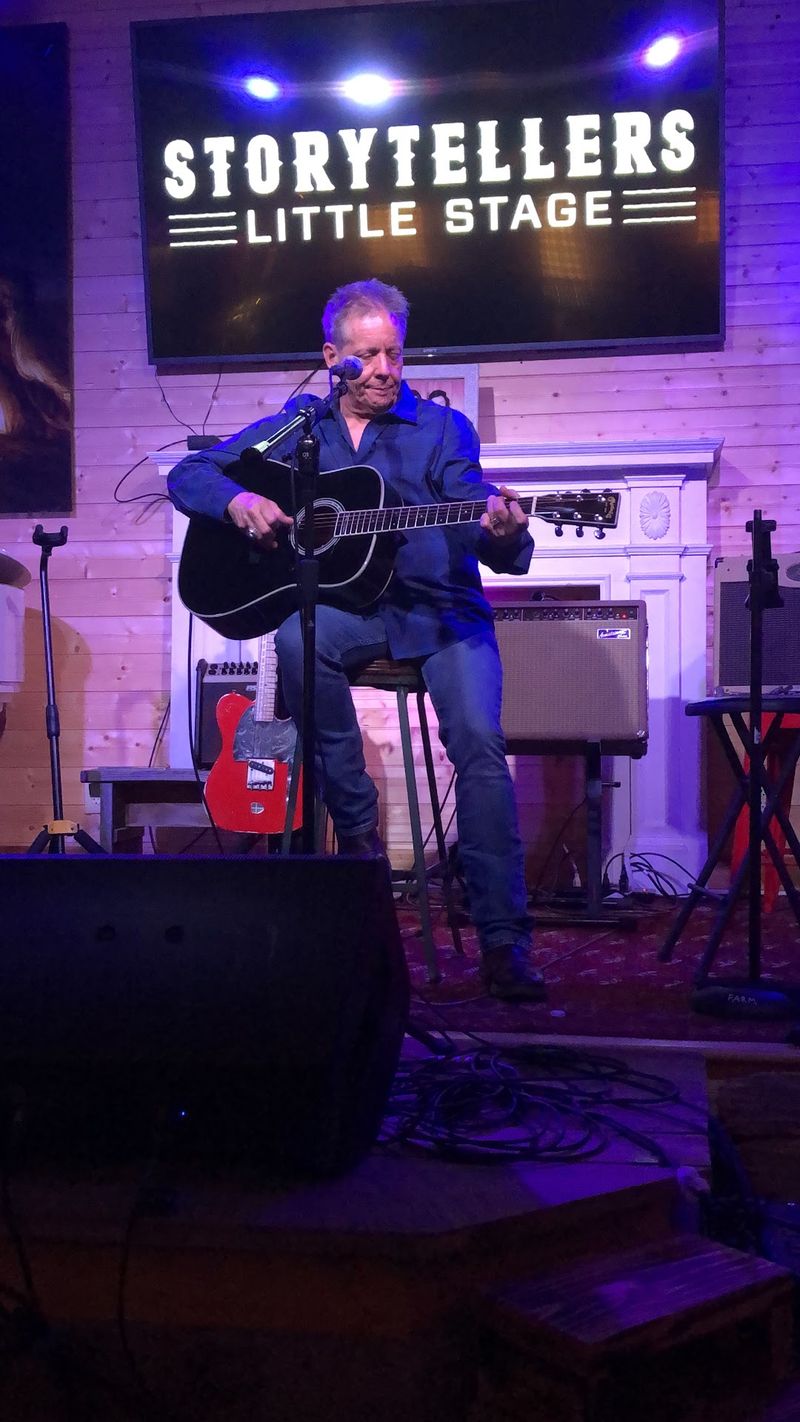
Cash hosted informal shows in this building decades ago. That tradition never fully stopped.
Live music still happens on the historic Little Stage. Storytelling sessions share the same intimate space.
Audiences sit close, sometimes just a few feet away. There is no balcony, no arena echo, and no giant screen.
Mark Alan Cash, Johnny’s nephew, has performed and shared family memories here. His sets often mix songs with stories.
Requests are welcome during many performances. Guests have been invited onstage to sing along.
A short film also screens on site. It covers Bon Aqua history and includes rarely seen footage of Cash from 1975.
That footage alone justifies the drive for devoted fans. Home movies show a side the cameras usually missed.
Programs and performers vary by date. Checking the schedule at visithideawayfarm.com before setting out saves disappointment.
The setting encourages conversation. Performers frequently stay afterward to talk with guests.
Small crowds create a different energy than a big venue. You hear every string and every spoken word clearly.
It is music the old-fashioned way. One guitar, a few chairs, and stories passed along in person.
Pair Your Trip With Hideaway Farm
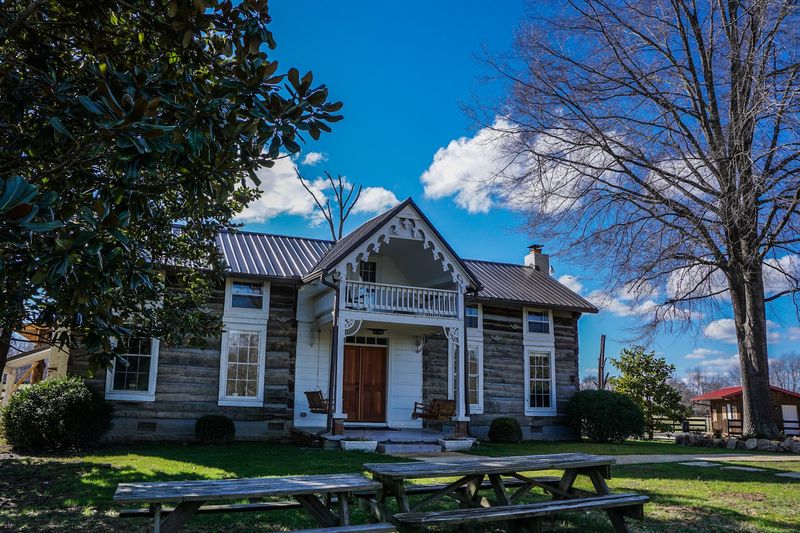
The museum is only half the story. Down the road sits Hideaway Farm, the 107-acre property Cash owned for 33 years.
A farmhouse roughly 200 years old anchors the land. Inside are family photographs and personal belongings.
Johnny and June Carter’s hand-carved bed remains in the house. Furniture like that carries a quiet weight.
Rooms feel comfortably lived in rather than staged. Guides walk you through the kitchen, study, and living areas.
Lodging is now available on the property. Guests can even stay in the couple’s former bedroom.
The grounds include a barn and event space. Weddings have taken place on the farm as well.
Many guests treat the museum and farm as one outing. Plan for several hours if you want to see both properly.
Tours of the two sites are separate. Confirming details ahead of time keeps your schedule smooth.
The Storytellers Museum in Tennessee handles arrangements and questions. Their website lists current hours and options.
Bring a camera and comfortable shoes. Fields, porches, and gravel paths reward slow exploration.
Together, these two stops explain why Cash loved this ground. Music, land, and family all connect in one afternoon.