
This South Carolina Reptile Park Cares For Giant Predators Most People Avoid
Long drives down I-95 have a way of blurring together. Same gas stations, same snacks, same tired playlist on repeat.
Then South Carolina hands you something nobody sees coming.
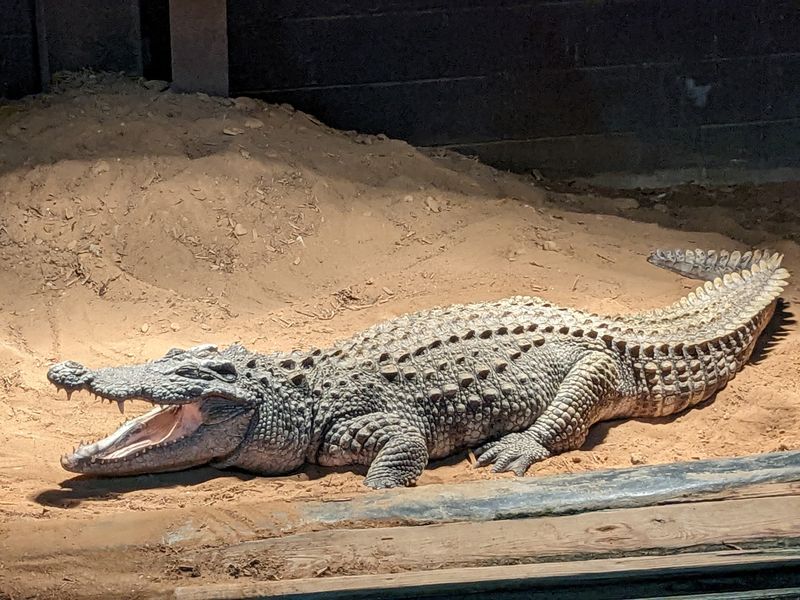
Behind thick glass, crocodilians float like ancient logs, watching you with one lazy eye open. Some are small enough to look like garden statues.
Others are not small at all.
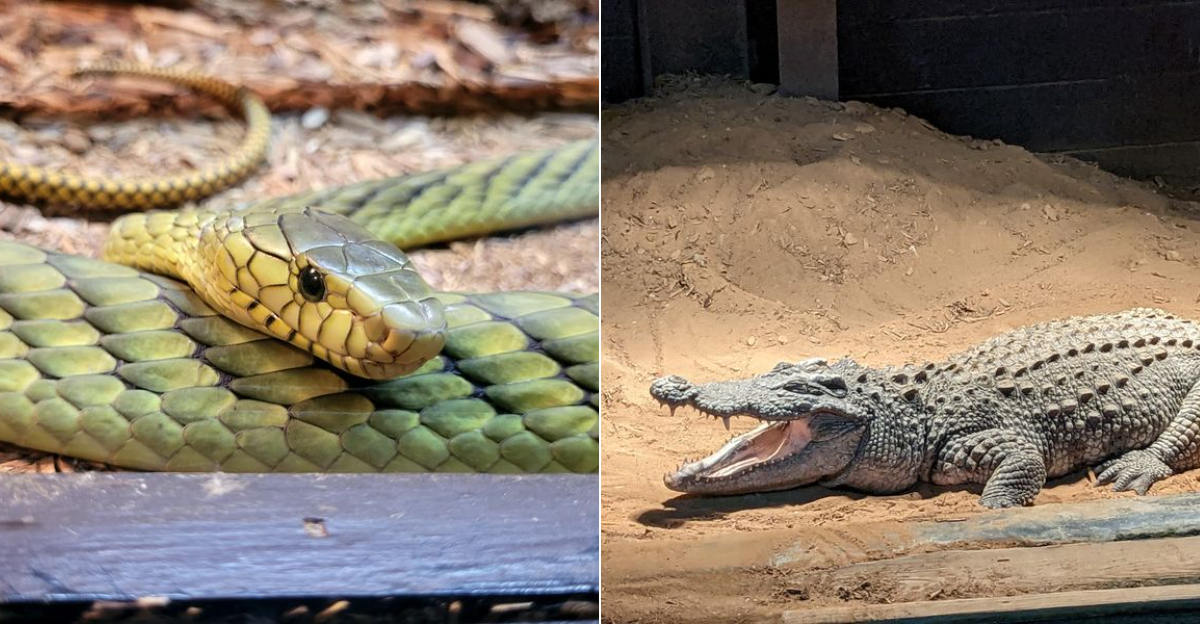
Around the corner, snakes in every pattern imaginable coil, stare, and occasionally glide straight to the glass to get a better look at you. Kids press their faces to the windows.
Adults pretend they are not doing exactly the same thing.
The whole place is bigger than anyone expects, cooler than the parking lot outside, and genuinely hard to walk away from. It is the kind of stop that turns a forgettable stretch of highway into the part of the trip everyone talks about later.
Because road trips through South Carolina should include at least one moment that makes you say wow out loud, and this is a very strong candidate.
Crocodile Kingdom Under One Roof
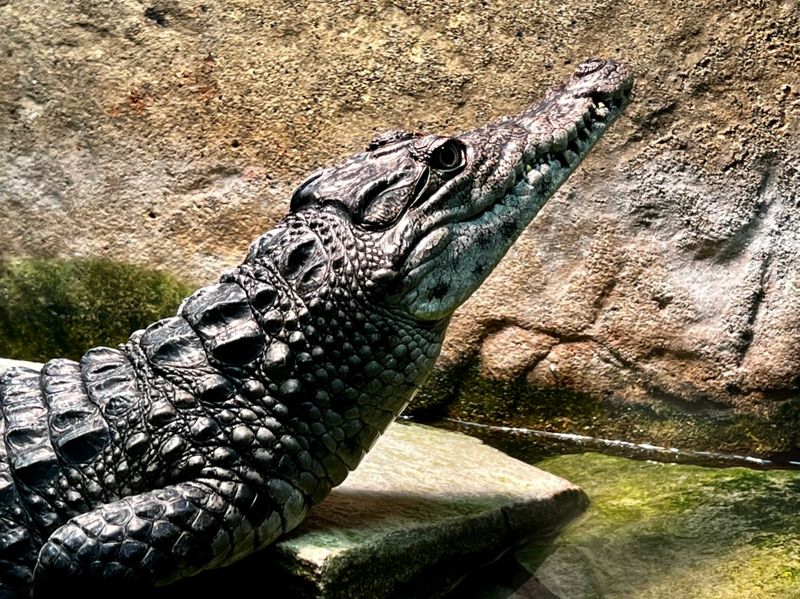
Fifteen-plus species of crocodilians live here, which sounds like a number until you actually walk past them. Then it becomes a lineup of ancient faces watching you with one lazy eye open.
American alligators share the space with Nile crocodiles, Siamese crocodiles, slender-snouted crocs, Cuban hybrids and pint-sized dwarf crocodiles. Some stretch beyond 10 feet.
Others look small enough to be sleeping garden statues, until a tail flicks.
The pools were custom-built, and the walkways loop around them so you get close-up angles without any nervous guesswork about safety. Thick barriers do the worrying for you.
Here is the fun part. Crocodilians are champions of stillness.
They can hold a pose for so long that visitors regularly whisper, wait, is that one real? Then a jaw opens and the whole room jumps.
Ever seen a crocodile blink in slow motion? It is oddly mesmerizing.
A portion of every ticket supports the Crocodile Conservation Institute, which works to protect these animals in the wild. Several species here sit on the endangered list, so your visit does a little quiet good.
Photographers, bring patience. The best shots come when a croc finally shifts position after ten minutes of statue mode.
Few places in South Carolina let you stand this close to predators this powerful, and even fewer make it feel this relaxed.
Snake Room Steals The Show
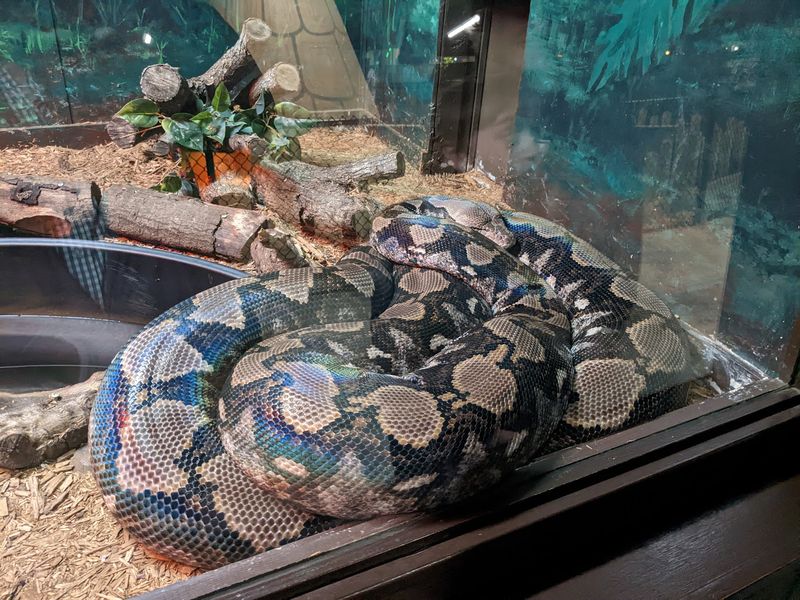
Plenty of guests arrive for the crocodiles and leave talking about the snakes. Around 50 species live in the glass-lined section, and the variety is genuinely wild.
Reticulated pythons stretch out like fire hoses with patterns painted on. Cottonmouths, also called water moccasins, sit coiled and unbothered.
Cobras hold their poses like they know a camera is nearby.
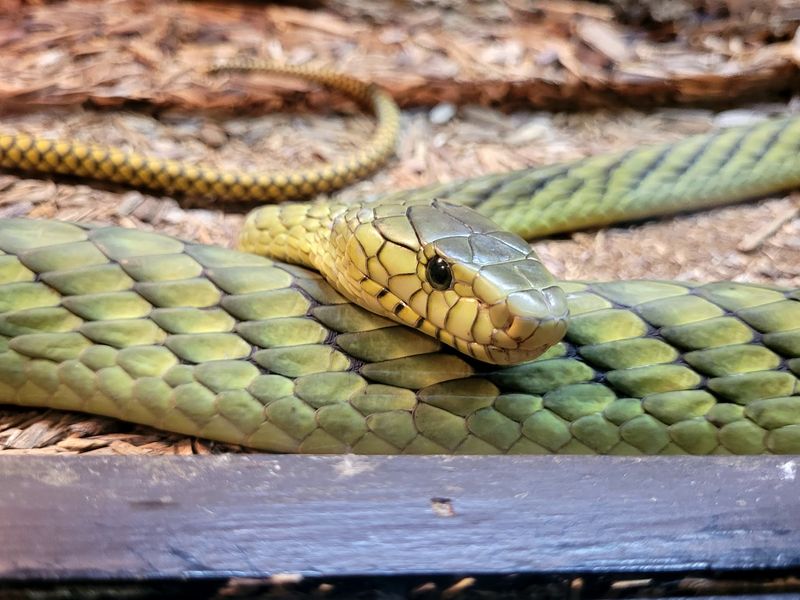
What surprises people most is the color. Venomous snakes get a scary reputation, but many are stunning up close, with scales that shine copper, jade and gold under the lights.
The snake area is air-conditioned, which makes it a nice cool-down after the humid crocodile section. Families often linger here longest.
Curious snakes sometimes glide right to the glass and look straight at you. It is a strange little handshake between species.
Could you stand nose to nose with a python and keep your cool?
Occasionally visitors catch a feeding moment in progress, which turns into an instant nature documentary. Nobody blinks during those.
Signs explain where each species comes from and how it hunts, so kids walk out with actual facts instead of just goosebumps.
For anyone who thought snakes were boring, this room flips that opinion fast. It might be the most memorable ten minutes of your South Carolina road trip.
Biggest Indoor Reptile Exhibit
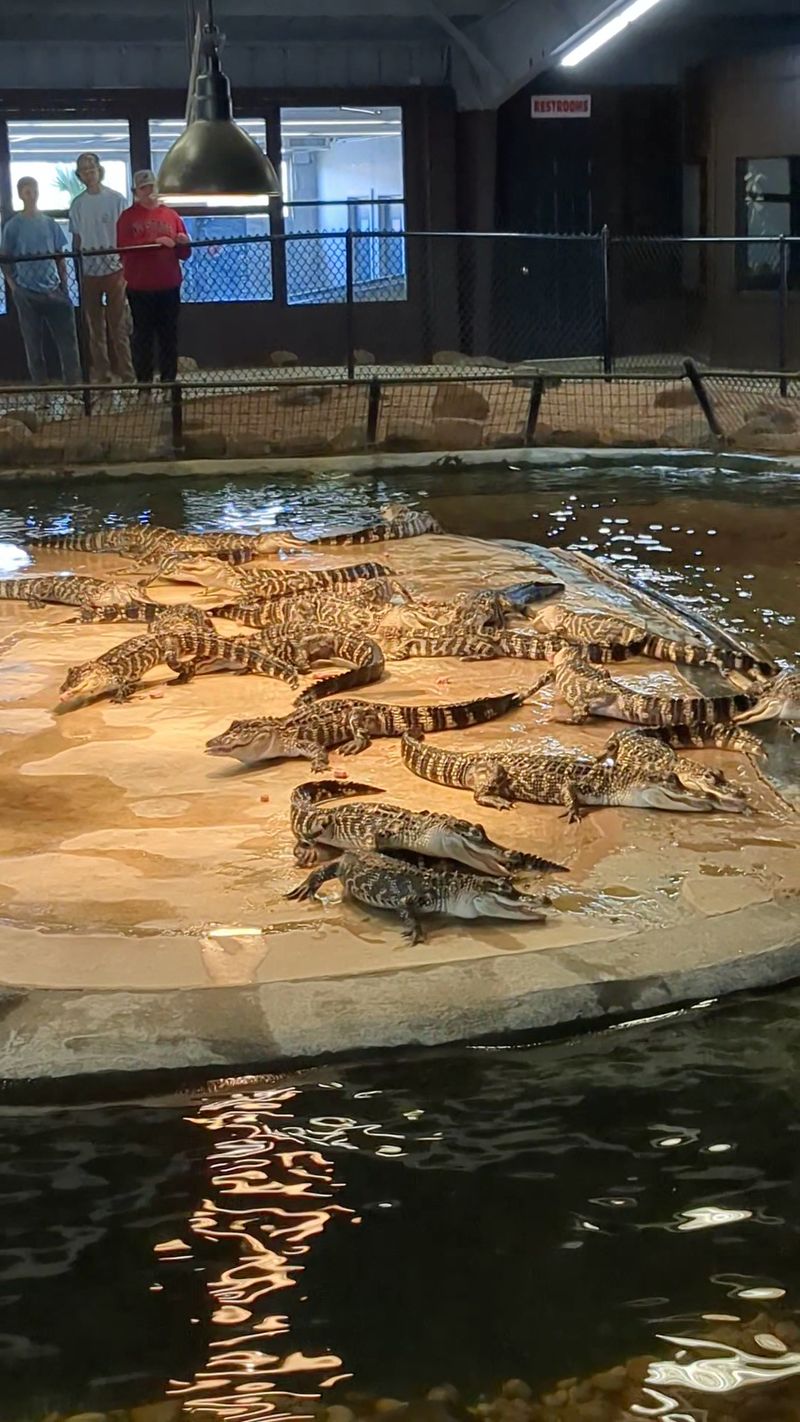
Forty-five thousand square feet. That is the size of this place, and it earns the title of largest indoor reptile exhibit in the country.
Most people expect a couple of tanks and a souvenir rack. Instead they get room after room, winding paths, and habitats that keep going long after you assumed the tour was over.
The layout deserves credit. Walkways flow naturally from one section to the next, so you never backtrack or wonder where to go.
Being indoors changes everything. Rain outside?
Doesn’t matter. Blazing July heat?
Also doesn’t matter. The exhibit runs on its own weather.
The first stretch is warm and humid, built for basking crocodilians. Later sections cool down.
Dress in layers if you run hot.
How long do you think it takes to walk the whole thing? Most visitors plan twenty minutes and stay closer to an hour.
Families with strollers manage fine, and the smooth paths make the visit easy on everyone.
Scale is really the story here. You feel it when you turn a corner and another massive pool opens up in front of you.
Meet The American Alligator
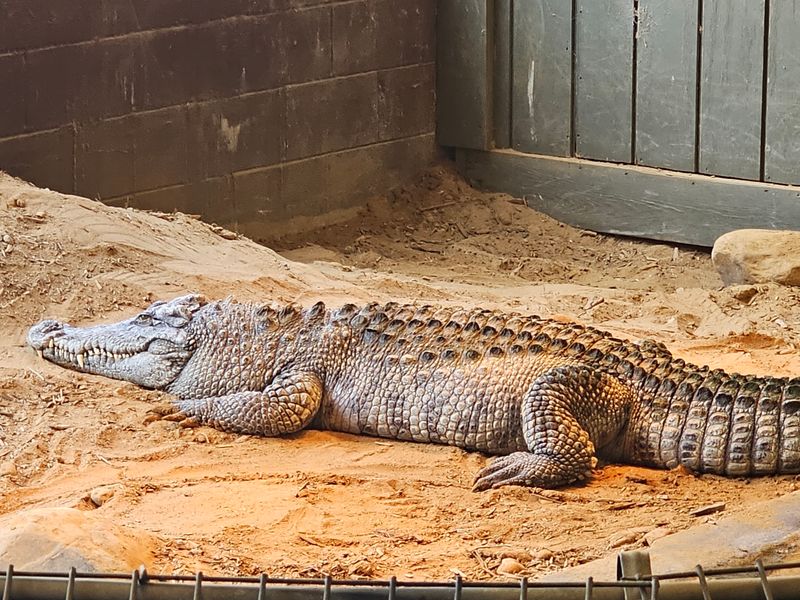
Every good reptile exhibit has a moment where you stop walking and just stand there. For most visitors, that moment happens in front of the American alligator.
These animals are South Carolina natives, which means seeing one this close feels a little like meeting a local celebrity who never leaves the neighborhood.
Alligators have a talent for looking completely fake. They lie perfectly still, mouth slightly open, doing absolutely nothing for long stretches.
Then one moves and the whole room gasps.
That stillness is not laziness. Reptiles conserve energy on purpose, resting for hours between bursts of activity.
Their bodies simply run on a different clock than ours.
Staff explain this well, and once kids understand it, they start watching for tiny signals instead of expecting constant action. Can you spot the exact moment one decides to move?
That turns into a game all on its own.
Feedings do happen, though not on a fixed schedule, because these animals eat rarely by nature. Lucky visitors stumble into one.
Watching a gator glide through water is worth the wait. All that bulk moves without a single splash.
The American alligators here give families a real connection to the wildlife living in South Carolina’s swamps, minus the mosquitoes and the mud.
Turtles, Tortoises And Lizards
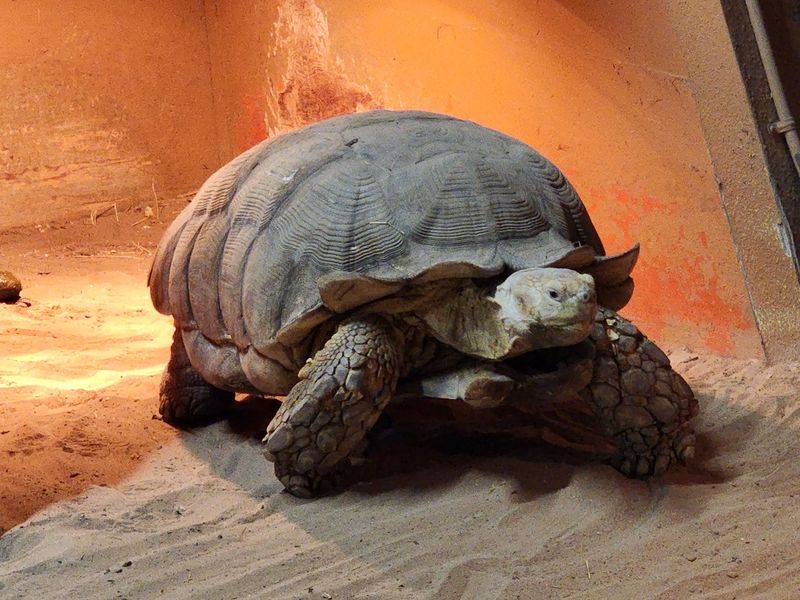
Between the crocodiles and the cobras sits a slower, quieter crowd that deserves your attention.
Tortoises plod along like they have nowhere to be. Turtles paddle through tanks.
Lizards cling to branches, doing tiny push-ups for no clear reason.
The snapping turtle tank pulls a crowd every time. Those prehistoric-looking shells and armored heads seem borrowed from a different era entirely.
A pig-nosed turtle also lives here, and yes, the nose really does look like a small pink snout. Kids love pointing it out.
Toads round out the collection, hiding in leaf litter and testing your spotting skills.
What is the strangest animal face you have ever seen up close?
These smaller residents make great photo subjects because they actually move around while you watch. No waiting required.
They also work as a nice breather. After the intensity of giant predators, watching a tortoise chew lettuce feels almost peaceful.
Parents appreciate this section too. It gives younger children something friendly and approachable after the more dramatic exhibits.
Signage explains where each species comes from and how it survives, turning a casual glance into a mini lesson.
South Carolina visitors often say this part surprised them most, simply because they came expecting only fangs and jaws.
Safety Meets Serious Animal Care
Standing a few feet from a Nile crocodile only works when the barriers are built right, and that is exactly the point here.
Custom pools, reinforced glass and well-planned walkways let you get remarkable views while keeping everyone safely separated.
Experienced reptile handlers work the floor daily. They know each animal, its habits and its needs, and they are happy to answer questions.
Enclosures are designed around species-specific requirements rather than what looks big to human eyes. Temperature, humidity and hiding spots all matter more than square footage.
The facility passes regular inspections, including USDA oversight, and has operated for many years under those standards.
Visitors frequently mention how clean everything looks. Clear water in tanks, tidy habitats, well-fed animals with healthy skin and bright eyes.
Curious about how a keeper handles a venomous snake safely? Ask.
The answers are fascinating.
Part of your admission also flows to crocodile conservation work, so the care extends beyond these walls.
Talking with staff turns a walk-through into something richer. You learn why a croc floats motionless, why snakes shed, why reptiles eat so rarely.
It is educational without feeling like a lecture, which is a hard balance to strike anywhere in South Carolina or beyond.
Gift Shop Full Of Scales
Resistance is futile. The gift shop sits right there in the lobby, packed with reptile-themed everything.
Plush alligators, rubber snakes, patterned t-shirts, magnets, keychains and books line the shelves. Kids beeline for the toys before parents can finish saying maybe later.
Reviewers regularly point out that the selection is better than the usual roadside rack of dusty postcards. There is real variety.
Picking one small souvenir works well as a reward for good behavior during the walk-through. Parents, take notes.
The plush crocodiles make surprisingly good travel buddies for the rest of the drive.
What would you take home, a snake toy or a gator hat?
Prices stay reasonable, matching the friendly cost of admission itself, which regularly gets mentioned as excellent value.
Browsing also gives you a few extra minutes in the cool air before heading back to the car.
Small items like stickers and patches work great for collectors who track every stop on a long road trip.
Years from now, that little plastic alligator on a shelf at home will bring back the whole afternoon: the humid croc room, the staring python, the shocked laugh when something finally moved.
Souvenirs from South Carolina rarely come with better stories attached.
Easy Stop Off I-95
Road trip math is simple. You need a break, your legs need a stretch, and gas station snacks get old fast.
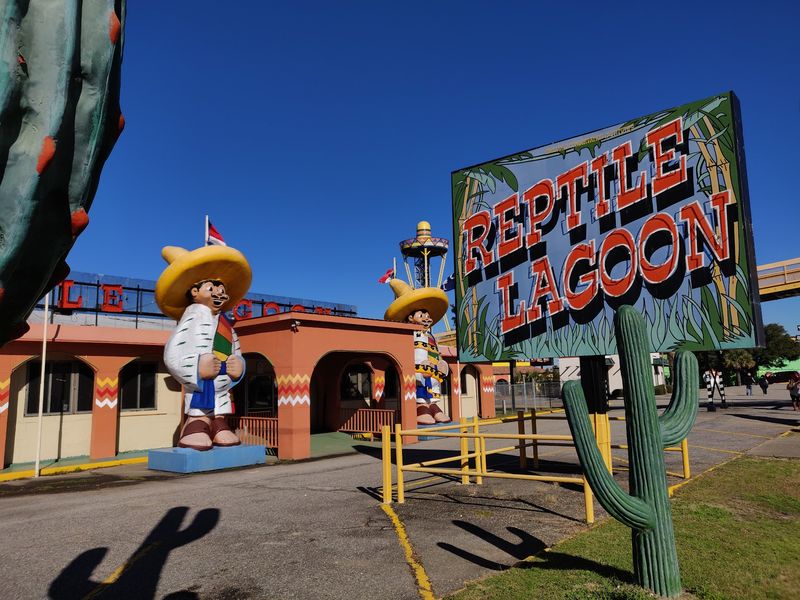
Reptile Lagoon sits at 3346 US-301, Hamer, SC 29547, right inside the South of the Border complex, just off I-95 with easy access from US 301 and US 501.
Parking is straightforward. Signs point you in.
No maze, no stress.
The exhibit opens daily, generally from morning into the evening, with slightly earlier openings on weekends. Hours can shift, so check current times before you go.
Quieter months like March often mean no lines at all, which makes photo-taking a breeze.
Traveling to or from Florida? This is the ideal midpoint pause.
Plan on roughly forty-five minutes to an hour, longer if you have a reptile-obsessed kid who reads every sign twice.
Admission costs less than most fast food combos for a family, and the value shows up immediately.
Comfortable shoes help, and layered clothing handles the swing between the humid croc area and the cooled snake room.
South Carolina has beaches, mountains and barbecue, but very few stops leave you grinning in a parking lot afterward.
Give yourself the detour. Odd, memorable adventures are exactly what road trips are for.