
This North Carolina Discount Grocery Store Is Winning Over Shoppers With Low Prices And Unexpected Deals
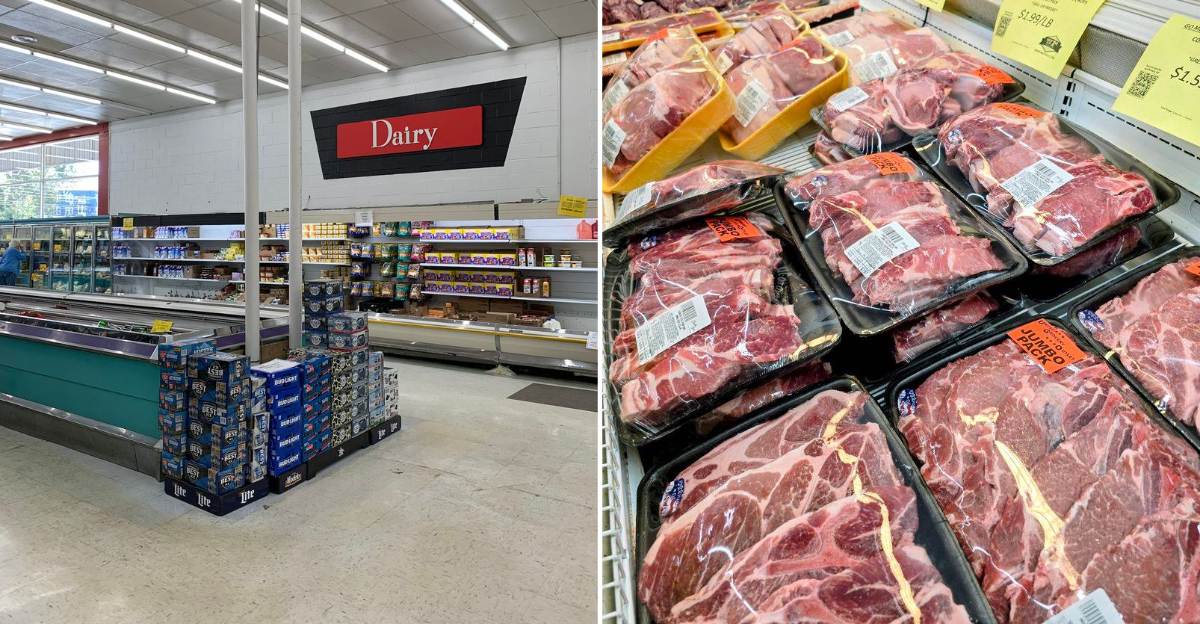
Prices these days have become a serious factor in deciding where people choose to shop. This North Carolina discount grocery store is winning shoppers over with low prices and deals nobody quite expects.
Shelves rotate constantly, featuring overstock and closeout items alongside everyday grocery staples. Regulars check back often, since inventory changes fast enough that yesterday’s deals may already be gone.
Nothing here gets marked up despite the occasional name brand find mixed into the discount racks. Shoppers moving in from pricier grocery chains often can’t believe how much they’re saving.
Nothing about the quality feels compromised despite the lower price point throughout the store. This store proved that saving money doesn’t have to mean sacrificing what actually ends up in the cart.
Understanding Discount Store Pricing Models
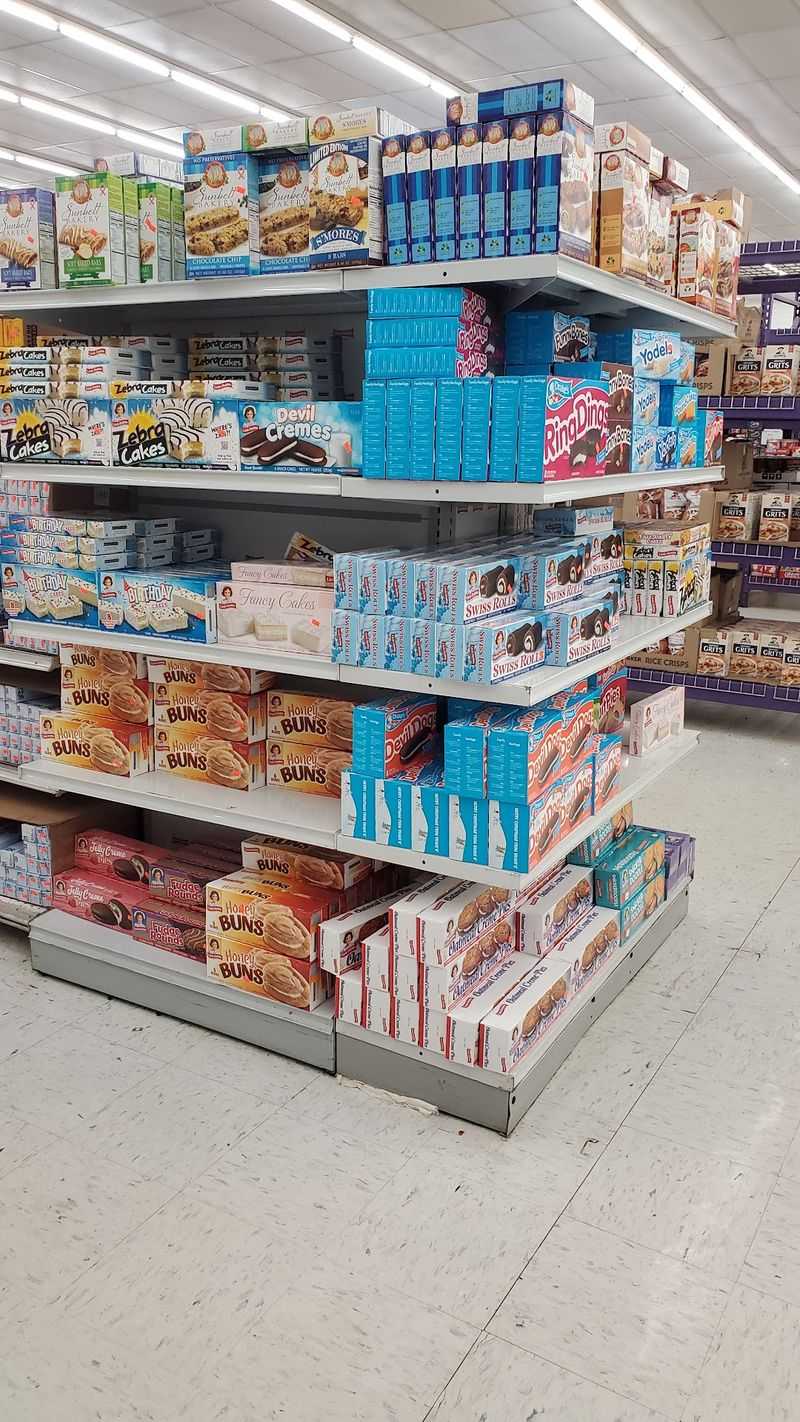
Ever wonder how a store sells national brands for a fraction of what the big chains charge? The answer is closeouts and surplus buying, and it is the entire engine behind United Grocery Outlet.
Manufacturers overproduce. Packaging gets redesigned.
A product line gets discontinued. All of that inventory has to go somewhere, and opportunistic buyers scoop it up cheap.
Those savings get handed down the line. Shoppers regularly find items priced roughly 40% to 70% below standard retail, which explains why carts here fill up fast.
The tradeoff is simple. Traditional supermarkets promise the same brands sitting in the same spot every single week.
A surplus model cannot make that promise, because the buying depends entirely on what becomes available.
So the pricing is not a gimmick or a temporary sale. It reflects how the merchandise was purchased in the first place, which is a completely different approach to stocking shelves.
Meat, produce, pantry goods, frozen items, and household products all move through this same system. Some weeks the deals lean toward snacks.
Other weeks it is dairy or cleaning supplies.
Smart shoppers check dates carefully and inspect what they grab, same as anywhere. Once that habit is built, the savings speak for themselves.
Find it at 257 Waynesville Plaza, Waynesville, NC 28786.
Discovering Seasonal Product Availability Variations
Here is the fun part about a rotating inventory. What sat on the shelf last Tuesday may be completely gone by Friday, replaced with something nobody expected.
Because the buying is opportunistic, seasonal goods show up on their own schedule. Holiday baking mixes can appear in odd months.
Summer grilling sauces might land in the middle of fall.
Other retailers move seasonal stock out fast to make room for the next theme. That leftover merchandise often finds a second life here at a much lower cost.
Regular shoppers learn to buy the good stuff when they see it. Waiting a week to think it over usually means missing the chance entirely.
Specialty items follow the same rule. Organic products, imported snacks, and gourmet extras rotate in and out without warning, which keeps the aisles interesting.
That unpredictability turns a routine errand into something closer to a hunt. Nobody walks in knowing exactly what they will find, and that is half the appeal.
It also means flexible meal planning works better than a rigid list. Build dinners around what is actually available, and the savings multiply.
Checking dates matters especially with seasonal closeouts, since those items have often been sitting in a warehouse. A quick look at packaging solves that.
Frequent short trips beat one big monthly haul here.
Navigating Store Layout To Maximize Shopping Efficiency
Forget the memorized supermarket map. The layout at a surplus grocery shifts as new merchandise arrives, so aisle four is not always aisle four.
Independent operators handle the merchandising, which means the assortment gets arranged around whatever came in on the last truck. Flexibility beats consistency here.
People describe the experience as a treasure hunt, and that description fits. Products land where there is room, not where a corporate planogram says they belong.
The practical strategy is to walk every aisle. Skipping sections is how shoppers miss the best finds, since bargains rarely announce themselves.
Start with the perishables. Meat, dairy, and produce move quickest, so checking those first prevents disappointment later in the trip.
Then loop the pantry aisles slowly. Odd single-item stacks and small pallet displays often hide the deepest discounts of the whole visit.
Endcaps deserve attention too. New arrivals frequently get parked there before finding a permanent shelf home, so the freshest deals sit in plain sight.
Bring a flexible list rather than a strict one. Shopping around availability instead of fighting it makes the whole trip smoother.
Store hours run from 8 AM to 8 PM most days, with a later 9 AM start on Sunday. Mornings tend to be calmer for browsing.
Give yourself extra time. Rushing defeats the purpose.
Exploring Private Label Product Quality Differences
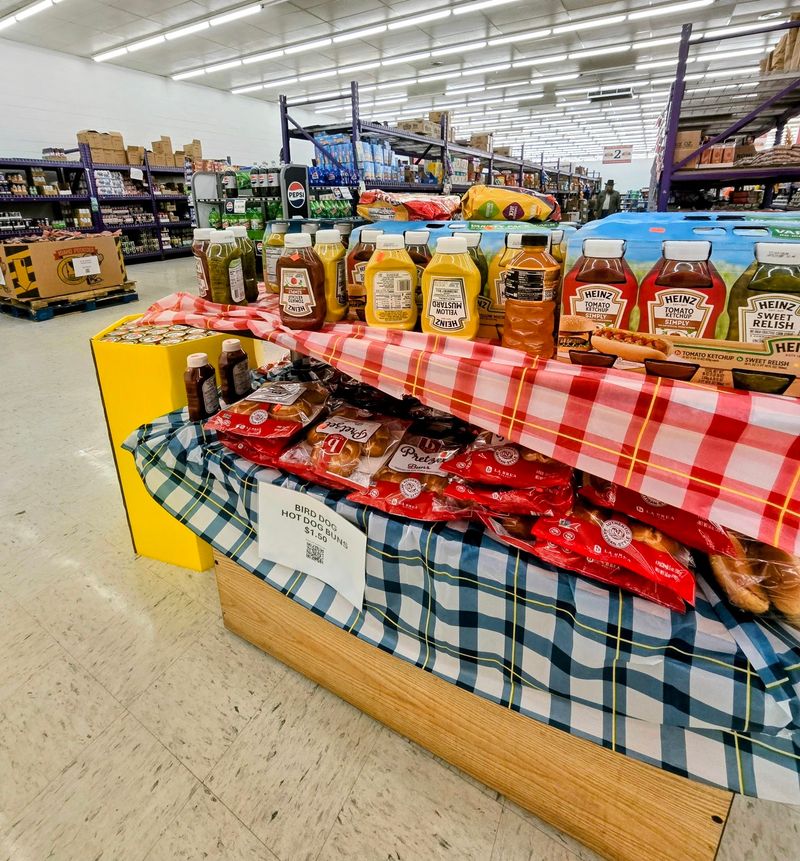
Store brands used to have a reputation problem. That has changed, and the GO Brands lineup is proof of how far private labels have come.
Grocery Outlet, the parent company behind United Grocery Outlet, built the program around three separate names. Each one covers a different corner of the shopping cart.
SimplyGO handles grocery and beverage basics. Think everyday pantry items that families reach for without a second thought.
GO Home and Haven take care of household essentials and personal care goods. Cleaning supplies, paper products, and bathroom staples fall under that umbrella.
Then there is GO Paw and Pamper, built for pet food and accessories. Dogs and cats get their own dedicated brand, which is a nice touch.
The point of these labels is consistency. In a store where the inventory constantly shifts, private label items provide something reliable to fall back on.
Quality is the other goal. These are not bare-bones budget products slapped together, but items meant to compete with recognizable names on the shelf.
For shoppers, that combination is useful. Grab the closeout bargains when they appear, and fill the gaps with private label goods that are always around.
Comparing ingredient lists side by side often reveals surprisingly small differences. The savings, though, add up quickly across a full cart.
Worth testing on a small scale first.
Comparing Bulk Buying Benefits And Cost Savings
Warehouse clubs sell bulk by design. This store works differently, but the stock-up strategy still applies more smartly.
Since merchandise is sourced opportunistically, a single product may be deeply discounted one week and completely gone the next. Buying multiples of a good find is the move.
Families figure this out quickly. When a pantry staple hits an unusually low price, grabbing several units locks in savings that a conventional supermarket cannot match.
No membership fee stands in the way either. There is no card to renew and no annual charge before the discounts kick in.
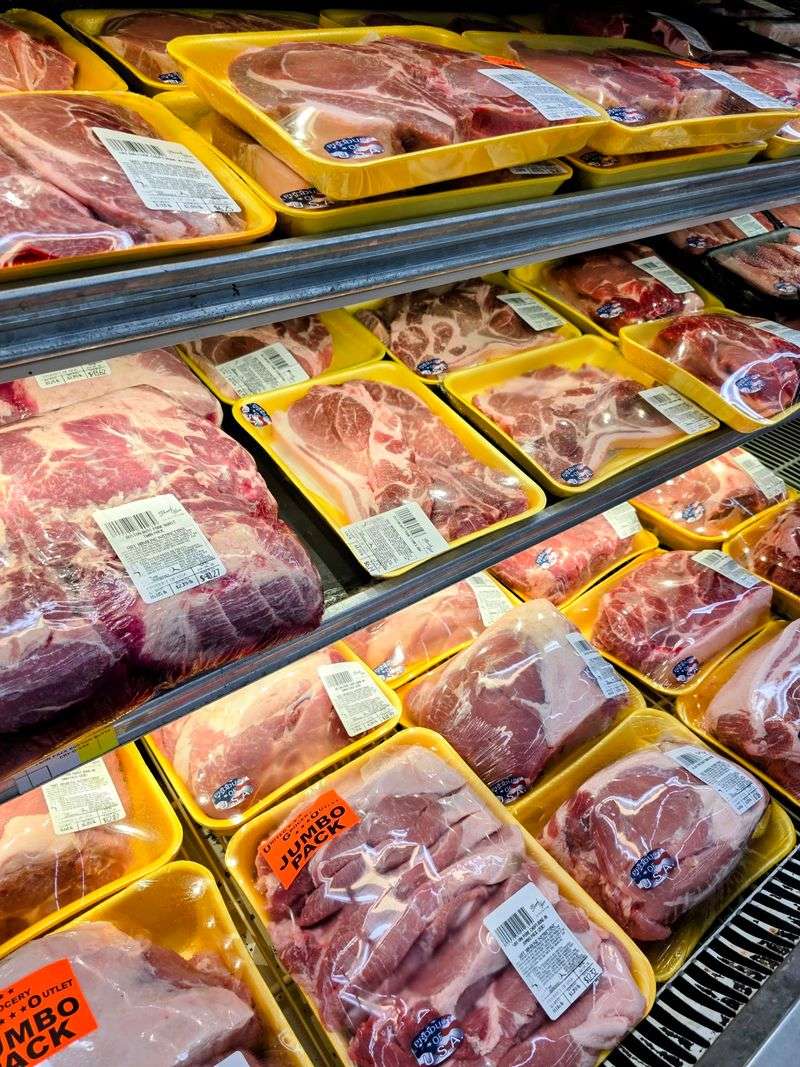
Freezer space becomes valuable. Meat deals in particular reward anyone with room to store extra portions for later in the month.
Shelf-stable goods work the same way. Canned items, sauces, cereals, and snacks all hold up fine when purchased several at a time.
Checking dates before loading up is essential. Buying six of something that expires next week creates waste instead of savings.
The math is straightforward. A product at a deep discount, multiplied across a few units, can cover the cost of an entire separate grocery trip.
Balance matters too. Stocking up on things a household actually eats beats hoarding an item just because it was cheap.
Rotate the pantry, use what you buy, and the savings hold.
Evaluating Customer Service Impact On Shopping Experience
Big chains can feel like conveyor belts. Smaller stores have room for actual conversation, and that difference shows up at the register.
The Waynesville location leans into a local feel. Staff interaction here tends to be personal rather than scripted, which changes the tone of the whole visit.
Helpful employees make a rotating inventory much easier to handle. When products move around constantly, someone who knows the shelves saves real time.
Questions about what came in on the latest truck get answered directly. That kind of insider information is genuinely useful in a store like this.
Community commitment plays into the atmosphere too. A store invested in its town operates differently than one managed from a distant headquarters.
Checkout lines move at a human pace. Brief conversations happen, and nobody seems rushed out the door.
Management stands behind purchases as well. Refunds and exchanges are handled at the store level, so concerns get resolved face to face rather than through a hotline.
That accessibility matters in a discount format. Knowing there is a real person to talk to builds confidence in trying unfamiliar products.
Phone contact is available at 828-456-9818 for anyone wanting to ask about hours or specials before driving over.
Small courtesies stack up. They turn a budget errand into something people actually enjoy doing.
Identifying Popular Product Categories Among Shoppers
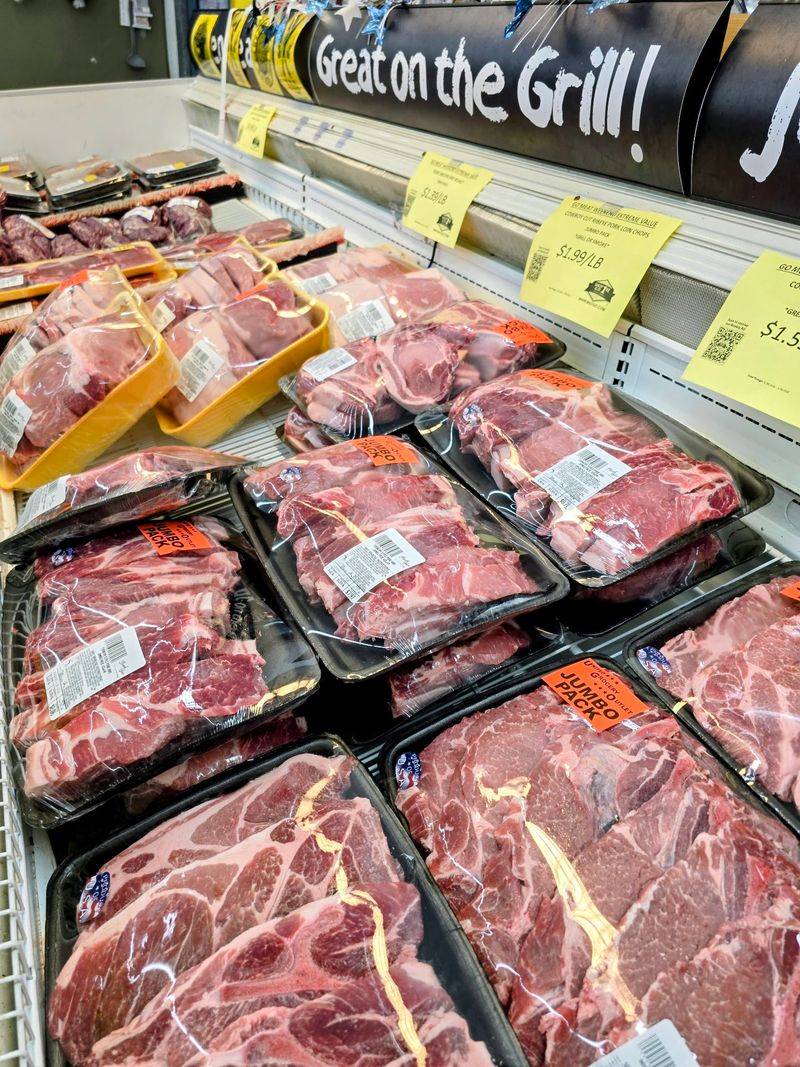
Meat is the headliner. The Waynesville store runs Angus Tuesday Plus specials, and that day draws people who plan their week around it.
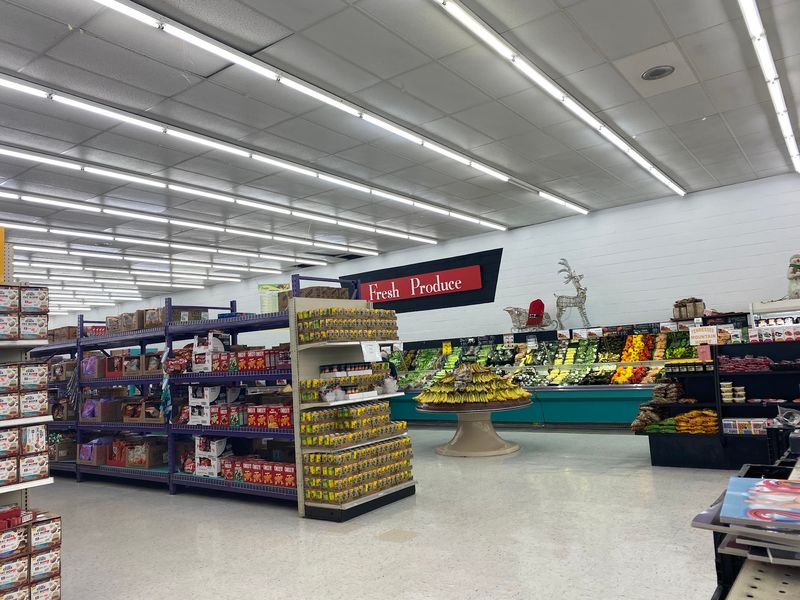
Beyond the meat case, produce moves steadily. Fresh fruits and vegetables round out carts that might otherwise be all pantry goods.
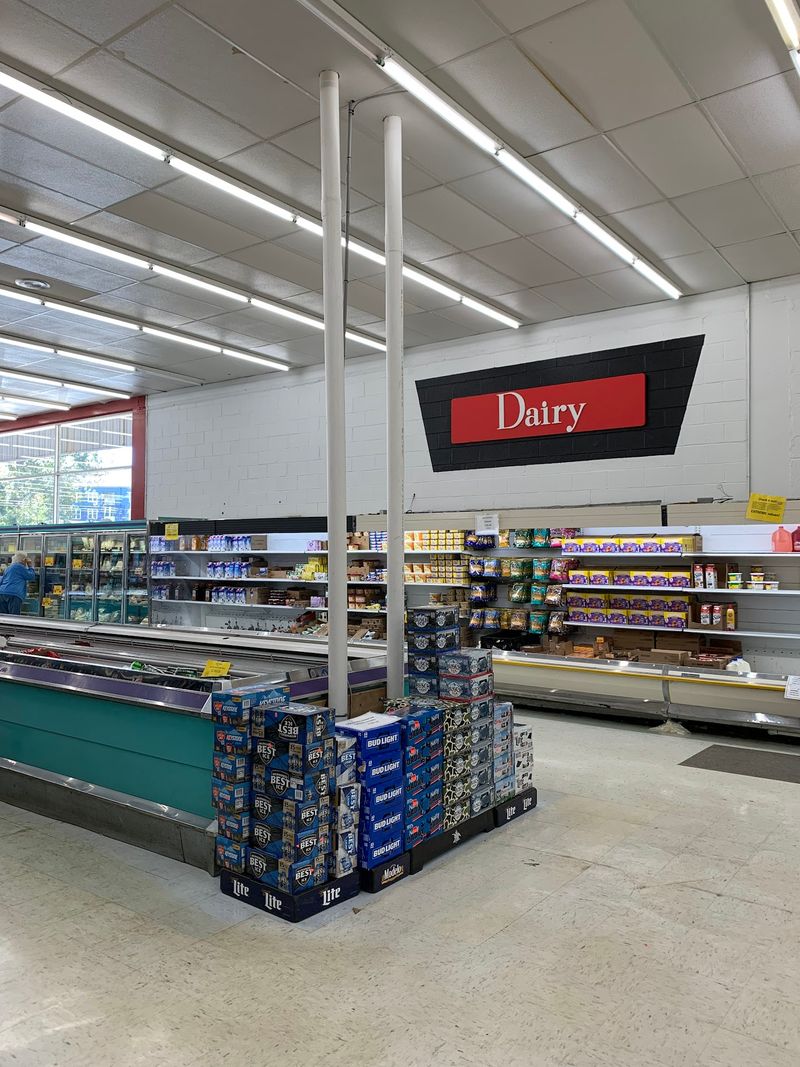
Dairy holds its own too. Milk, cheese, yogurt, and butter show up consistently, often carrying recognizable national brand labels.
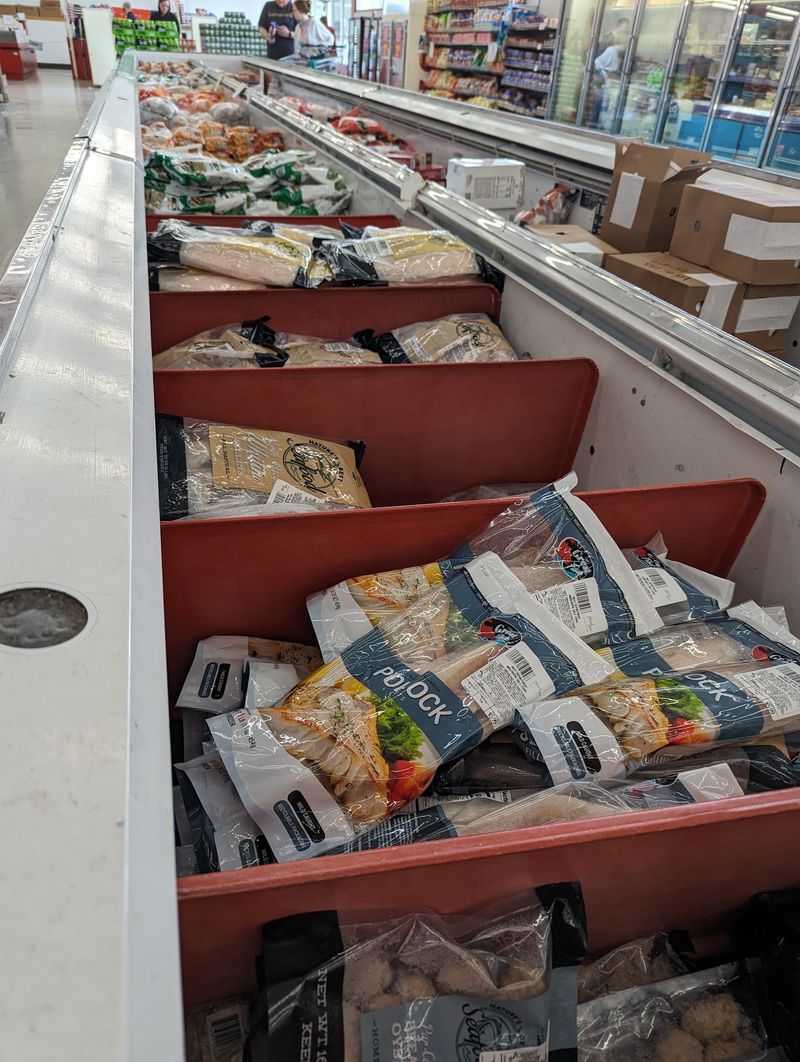
Frozen foods pull in plenty of attention. Everything from vegetables to prepared meals cycles through the bunkers as new shipments land.
Pantry staples fill the middle aisles. Pasta, rice, sauces, cereals, and canned goods make up the backbone of a normal grocery run.
Snacks and beverages are their own adventure. Flavors and brands rotate, so the chip aisle rarely looks the same twice.
NOSH items deserve a mention. Natural, organic, specialty, and healthy products appear regularly, sometimes at prices well below what health food stores charge.
Household essentials and pet food fill out the rest. Cleaning supplies, paper goods, and dog and cat food all get shelf space.
Specialty gourmet finds pop up unexpectedly. Imported sauces, unusual condiments, and premium snacks turn up alongside ordinary items.
Gifts and toys occasionally appear as well, which makes browsing feel less like a chore.
Checking dates across every category remains smart practice.
Highlighting Community Involvement And Local Partnerships
A store can sell cheap groceries and stop there. This one keeps showing up for the people around it in ways that go past the register.
Community can drive runs out of the Waynesville location, collecting food for neighbors who need it. Shoppers contribute right where they already shop.
The Bags of Hope program operates on a larger scale. Thousands of bags reach local communities each year through the company’s food drive efforts.
First responders get support too. Backing the people who handle emergencies is a quiet but meaningful commitment.
Local partnerships extend to farming. The company works with growers across the southeastern United States to bring in-season produce onto the shelves.
That relationship benefits everyone involved. Farmers move their harvest, and shoppers get regional fruits and vegetables without paying premium prices.
Disaster response has been part of the picture as well. The Burnsville Assist event delivered meals and resources to families hit by Hurricane Helene in nearby Burnsville.
Western North Carolina took that storm hard. Having a grocery operation show up with supplies mattered more than any weekly special ever could.
Those efforts shape how the store fits into Waynesville. It functions as part of the community rather than just another building in a shopping plaza.
Supporting a place like that feels different than a routine grocery stop.