
This Hidden Colorado Campground Is The Late Summer Escape Locals Keep To Themselves
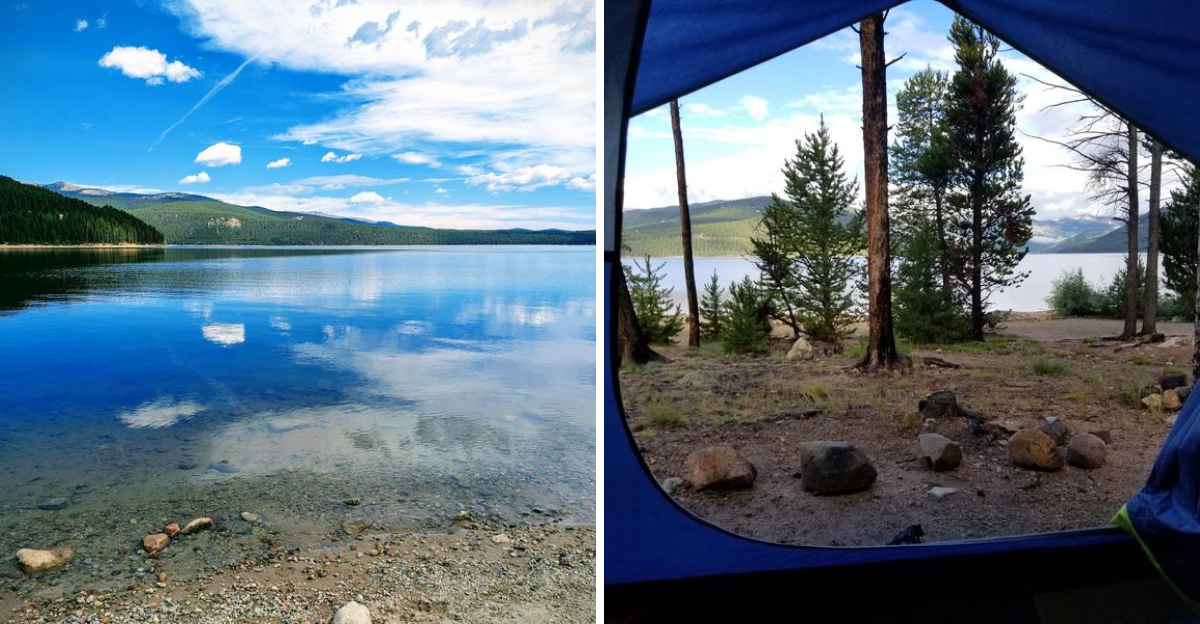
Late summer can make Colorado feel crowded in all the wrong places. That is why a campground where you can wake up near the water, hit a trail before lunch, and still find a great spot by evening feels like a rare late-summer win.
I would save this one for late August, when the afternoon still feels like summer but the temperature drops fast once the light starts fading. Spend the day near the water, squeeze in a hike before dinner, then stay outside long enough to watch the campground grow noticeably quieter after sunset.
Colorado has plenty of famous outdoor escapes, but the best trips are not always the ones everyone is posting about. Sometimes you want fewer cars, fewer crowds, and a campsite that still feels a little removed. That is exactly why this spot has become such a late summer favorite.
This Is The Tent-Only Corner You Will Want For Yourself
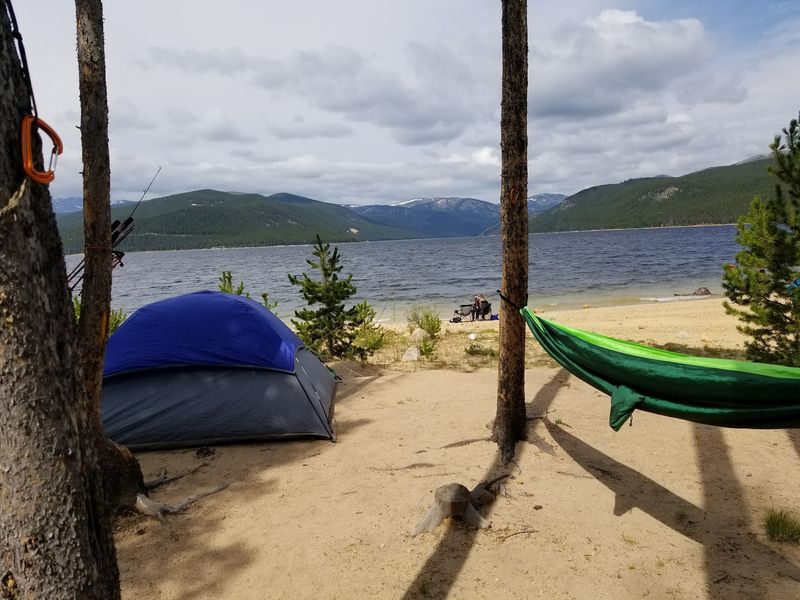
Big rigs and rumbling generators never make the guest list here. Belle of Colorado Campground is tent-only, and that single rule shapes everything about the place.
Without motorhomes, the sites stay open, grassy, and framed by lodgepole pines. Vehicles park near the entrance instead of pulling right up beside your sleeping bag.
You will carry gear a short distance to your spot, which sounds like work but pays off fast. The result is a campground that feels more like a walk-in retreat than a parking lot.
The grounds sit on the eastern shore of Turquoise Lake, inside the San Isabel National Forest. Managed by the Forest Service, it holds a modest number of sites, so it never feels crowded with metal and machinery.
Each spot comes with a picnic table, a fire ring, and a flat pad for your tent. That simple setup is all most campers actually need for a weekend.
Late summer suits the layout perfectly, since evenings cool off quickly at high elevation. Bring a warm sleeping bag and the tent-only quiet becomes the best amenity of all.
Leadville Is Your Last Stop Before The Quiet Begins
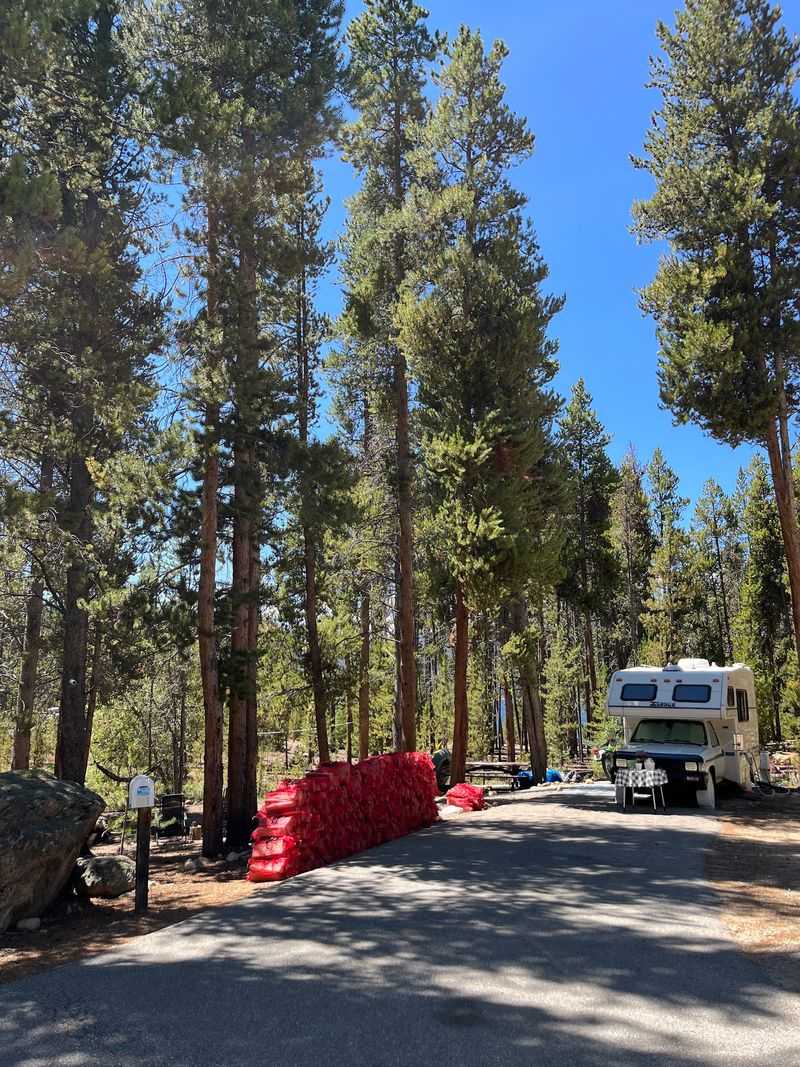
Getting here does not require a jeep, a map, or a sense of adventure gone wrong. The mailing address is simply Leadville, Colorado, and the campground sits about ten to fifteen minutes west of town.
From Leadville, you follow the county roads toward Turquoise Lake and stay on the paved loop that circles the water. Signs for the lake do most of the navigating for you.
Leadville itself sits at roughly 10,150 feet, making it the highest incorporated city in the country. The lake and campground sit close to 9,900 feet in elevation.
That altitude matters more than the mileage does. Drink water often, move slowly your first day, and let your body adjust before any big hikes.
The short drive to town is a genuine advantage. Forgotten stove fuel, extra ice, or a hot lunch are all just a few minutes away.
A Private Beach Meant Only For Campers
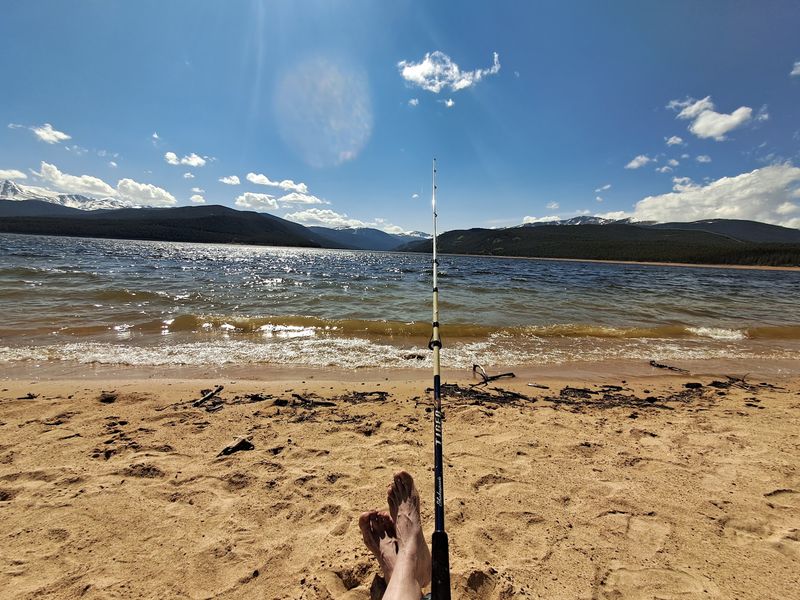
Here is the detail that turns heads: the beach along this campground is not open for day use. Only registered campers can use it, which keeps the shoreline calm even on busy weekends.
A few sites sit close enough that the water is under a hundred steps away. Others require a short stroll through the trees, which is hardly a hardship.
Morning is the best time to wander down. The lake often lies glassy at sunrise, before afternoon breezes ripple the surface.
Sites right on the sand come with a trade-off worth knowing about. Campers heading to the water sometimes pass nearby, and the exposed shoreline spots can catch strong wind during the day.
If privacy ranks higher than a front-row view, choose a spot set back among the pines. You still reach the water in a couple of minutes.
The water stays cold year-round, since it is fed by mountain snowmelt. Wading is fun, but most people save real swimming for warm August afternoons.
Paddleboards, Kayaks, And Glassy Morning Water
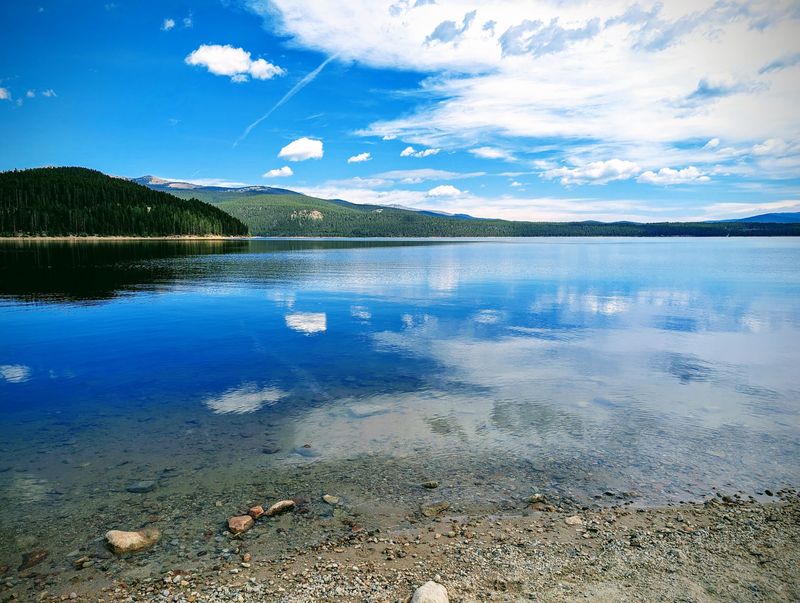
Few things beat sliding a paddleboard into water that has not moved all night. Because the beach sits steps from camp, hauling boards and kayaks is refreshingly painless.
Paddling comes up constantly among people who stay here, and for good reason. The lake is large, clear, and ringed by forest and stone.
Winds usually pick up by late morning at this altitude. Experienced paddlers launch early and return before the surface turns choppy.
Turquoise Lake is a reservoir formed by Sugar Loaf Dam, and it covers roughly 1,800 acres when full. That gives paddlers plenty of shoreline to explore without ever feeling boxed in.
Cold water demands respect, even in August. A life jacket is required gear, and a dry layer stashed in a waterproof bag is smart planning.
Anglers do well here too, with rainbow trout, brown trout, and lake trout in the water. A Colorado fishing license is required, and rules are posted at access points.
Bring your own boards, since rentals are not available at camp.
These Mountain Views Are Waiting Outside Your Tent
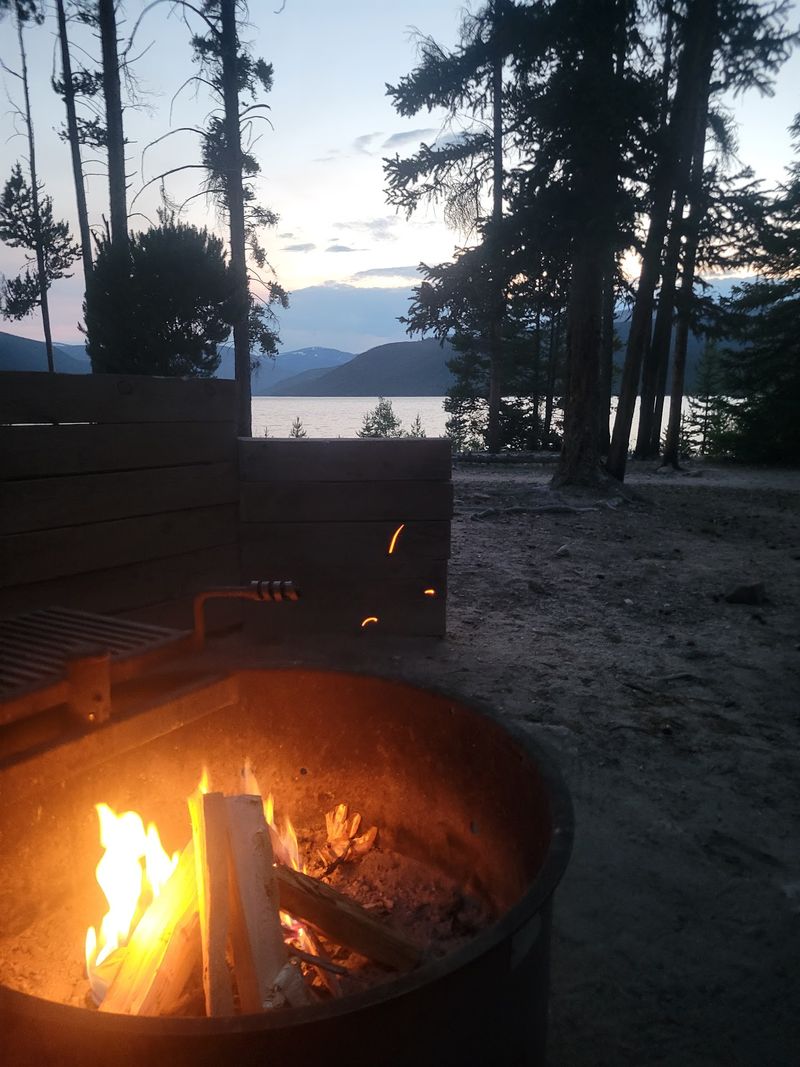
Two giants loom over this valley, and they happen to be the tallest peaks in the state. Mount Elbert stands at 14,440 feet, and Mount Massive follows closely at 14,428 feet.
Both rise south of the lake, and their outlines dominate the skyline on clear days. From the beach, they appear doubled in the reflection.
Most campsites sit among trees, so the big views are not visible from your tent door. A short walk to the shoreline solves that instantly.
Sunrise light hits the peaks first, painting them soft pink before the valley warms up. Photographers show up early for exactly that reason.
Late summer often brings afternoon clouds that build fast over the high country. Watching weather roll across those summits is entertainment enough for an hour.
Serious hikers use the area as a launching pad for climbing either peak. Both are long, demanding days that require an early start and real preparation.
For everyone else, admiring them from a camp chair works beautifully.
Trails Worth Lacing Up Your Boots For
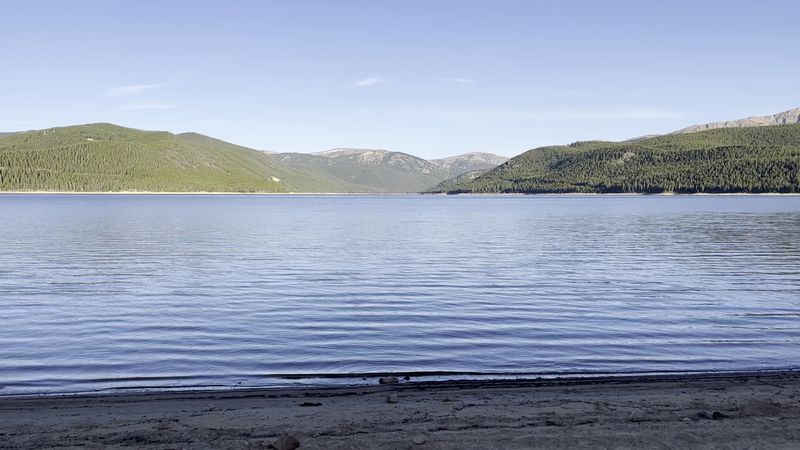
Boots get plenty of use around this shoreline. The Turquoise Lake Trail follows much of the water, offering an easy path with steady views.
Longer routes branch off within a couple of miles of camp. The Timberline Lake Trail and the hike toward Winsor Lake both rank high with people who love alpine scenery.
Timberline Lake sits in the Holy Cross Wilderness and rewards hikers with a quiet basin under rugged ridges. The trailhead is a short drive from the campground.
Late summer is prime hiking season up here, with wildflowers lingering and trails dry. Mornings tend to be clear, while afternoons can turn stormy without much warning.
Aim to be off exposed terrain by early afternoon. Lightning is a genuine concern above treeline in this part of the state.
The famous Colorado Trail also passes through the broader area, drawing long-distance hikers each summer. Even walking a small section gives you a taste of it.
Carry water, snacks, and a rain layer every single time.
What The Campground Offers And What It Does Not
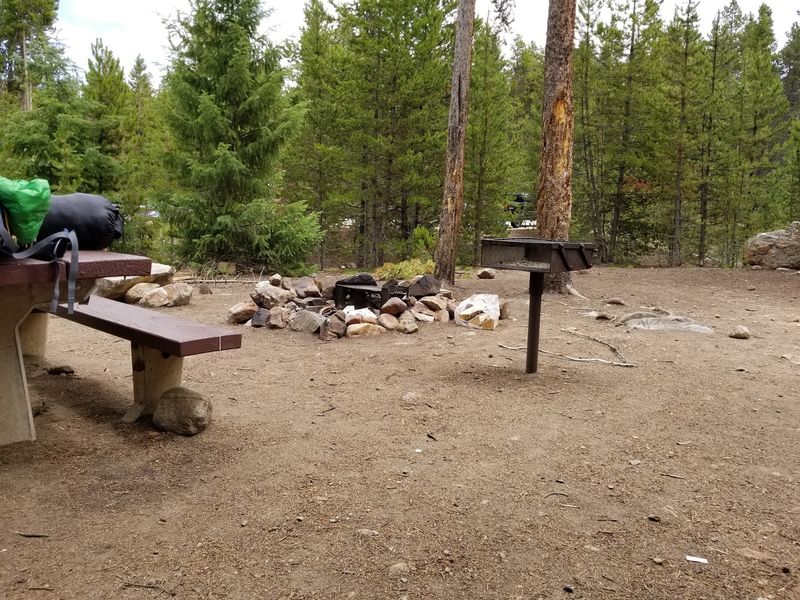
Expectations matter more than luxury at a place like Belle of Colorado Campground. Facilities are simple, clean, and exactly what a mountain campground should provide.
You will find drinking water taps and vault toilets throughout the grounds. Showers are not available, so plan your routine accordingly.
Firewood is often sold on-site, and payment is typically cash or self-serve. Bringing your own from outside the region is discouraged because of pest concerns.
Every site includes a table, a fire ring, and a leveled tent pad. Trash must be packed out or placed in designated receptacles, and food should be stored securely.
Chipmunks patrol the area with impressive confidence. Leaving snacks unattended is an open invitation.
Camp hosts stay on-site during the season and handle check-in, questions, and local tips. They are the fastest source of trail and weather advice you will find.
Fire restrictions can change quickly during dry stretches. Always check current rules before striking a match at your ring.
Timing Your Trip For The Best Odds
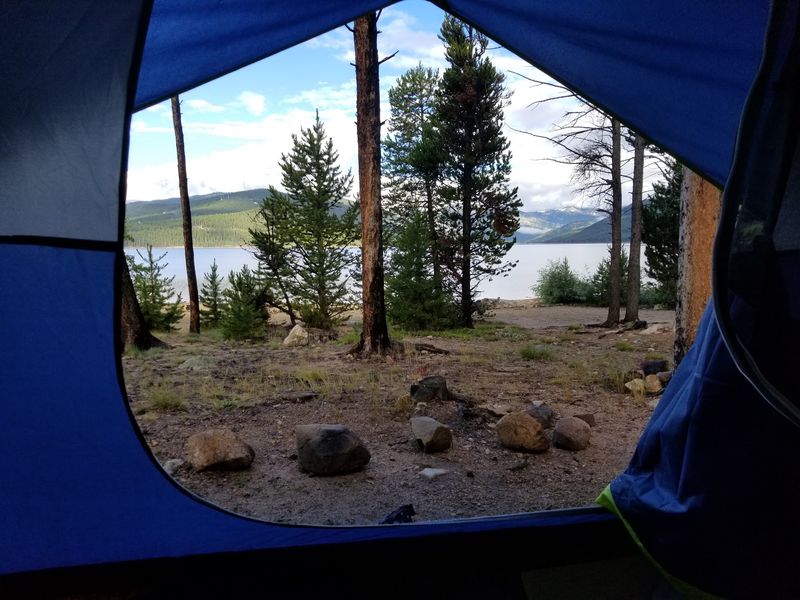
Arriving on a Friday afternoon is the surest way to be disappointed. Sites at Belle of Colorado Campground have historically operated on a first-come, first-served basis, so timing is everything.
Midweek arrivals face far better odds than weekend ones. Thursday mornings in late summer often leave a handful of spots open.
Because policies at Forest Service sites can shift between seasons, checking the official page or calling ahead is smart. A quick confirmation beats a long drive with nowhere to sleep.
The season here is short, generally running from late spring through early fall. Snow lingers late and returns early at nearly 10,000 feet.
Late August and early September hit a sweet spot. Crowds thin out after the peak weeks, and aspens begin turning gold along the hillsides.
Nights get chilly no matter the month, so pack layers, a warm hat, and a quality sleeping bag. Daytime sun feels strong at this elevation too.
Reach the area with daylight to spare and setup becomes easy rather than frantic.