
This Massive North Carolina Bin Store Is A Bargain Hunter’s Dream With Prices That Seem Too Good To Be True
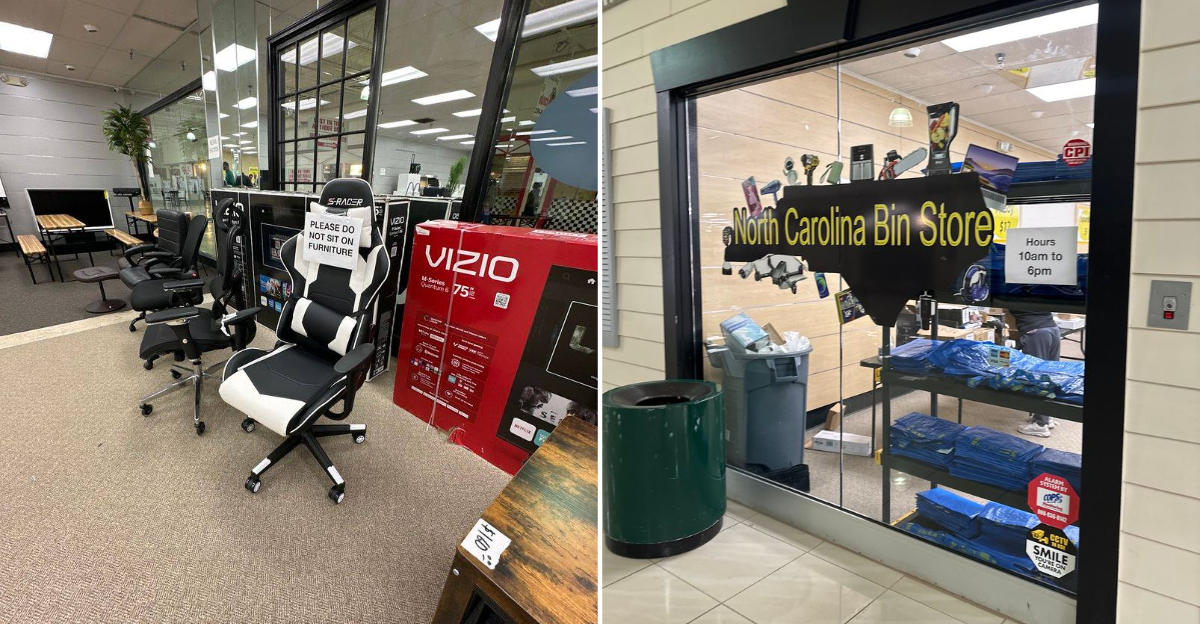
Shopping in places like this turns an ordinary errand into a genuine treasure hunt. This massive North Carolina bin store gives bargain hunters exactly that kind of experience, with prices that almost seem too good to be true.
Merchandise arrives from returns and overstock, meaning nobody quite knows what they’ll find until they’re already digging. Regulars show up early, treating the search almost like a competitive sport at this point.
Clothing, electronics, and household goods all end up mixed together without much organization. That kind of chaos is part of the appeal for anyone who enjoys the hunt itself.
Prices drop lower throughout the week, rewarding those willing to wait for the best deals. This store turned bargain hunting into something close to an actual hobby.
Understanding Pricing Strategies For Great Bargains
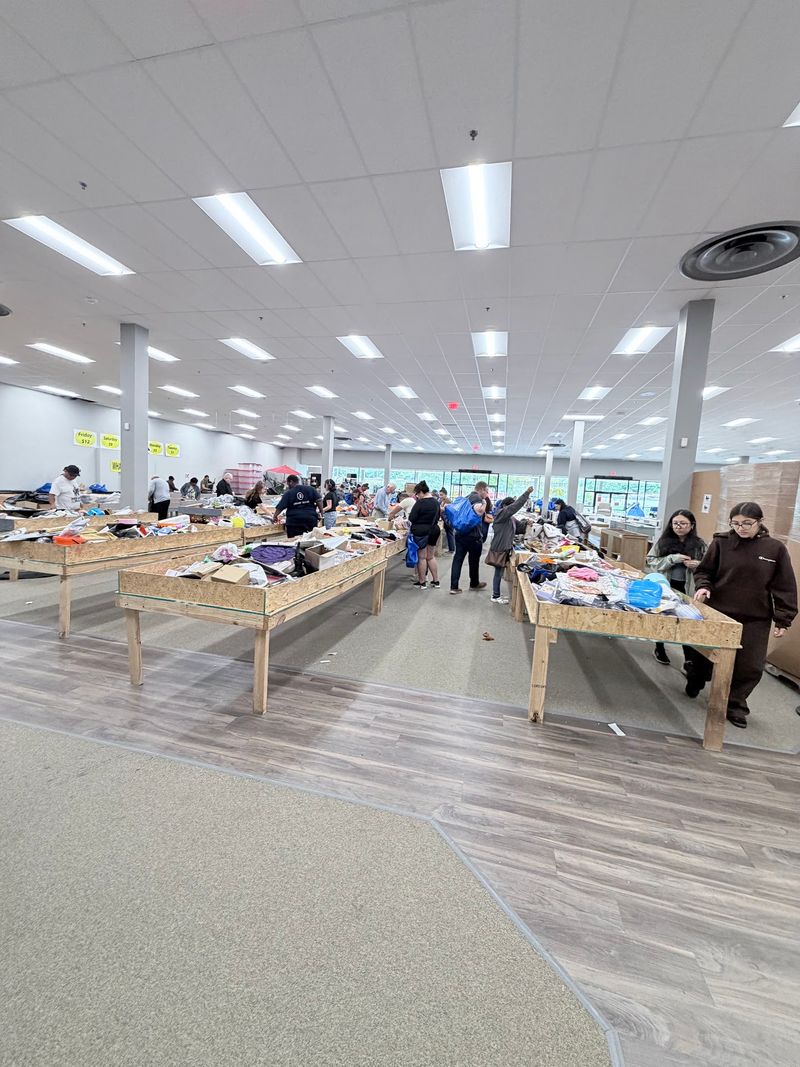
Here is the trick that makes bin stores tick, and once it clicks, everything else makes sense. Most bin stores run on what is called a descending price model.
Fresh inventory lands once a week, usually heading into the weekend. On that first day, everything in the bins carries the highest price of the cycle, often somewhere around the low double digits.
Then the countdown begins. Each day that passes, the price for every item in the bins drops a little more.
By midweek, the same merchandise can fall all the way down to a single dollar before the store clears out and restocks.
So shoppers face a fun little gamble. Show up early and pay more, but get first crack at the good stuff.
Wait until later in the week and pay almost nothing, though the bins will be picked over.
Neither choice is wrong. People hunting for electronics or brand-name gear tend to come on restock day.
Folks stocking up on household basics often wait for the cheap days.
The daily price is posted clearly, so nobody has to guess. One flat number covers nearly everything in the main bins, which keeps the math simple and the checkout line moving.
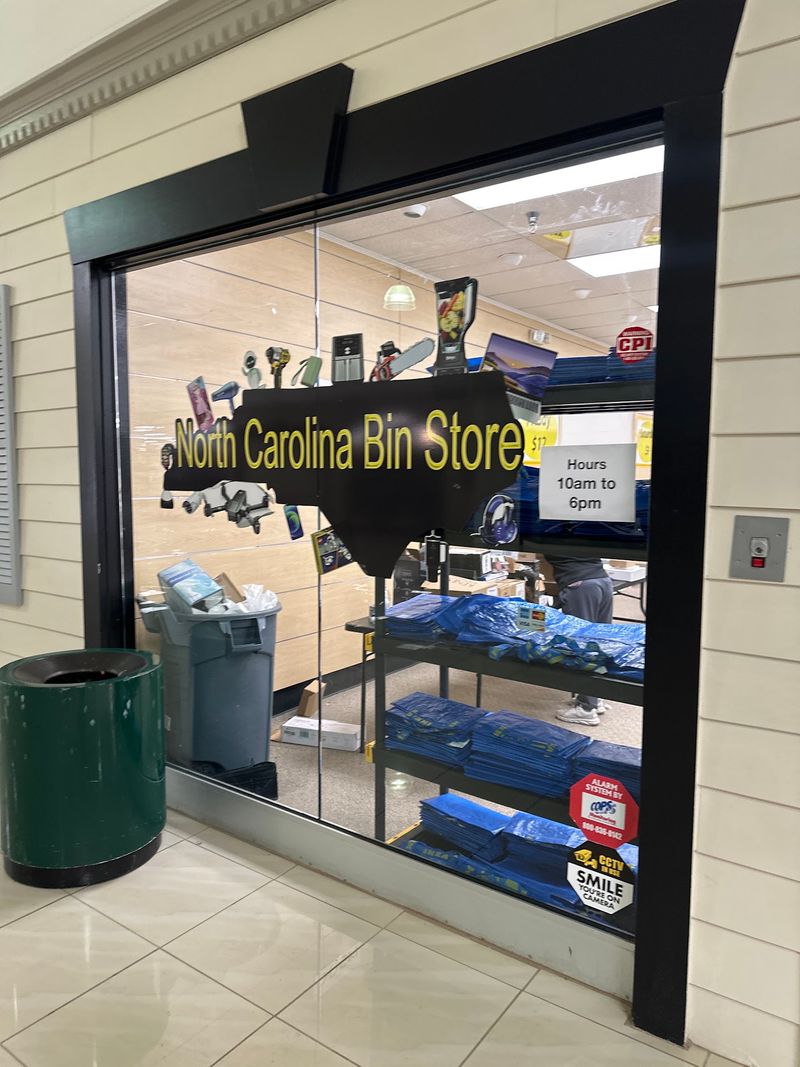
You can find all this happening at 1215 Silas Creek Pkwy, Winston-Salem, NC 27127.
Types Of Products Commonly Sold In Discount Bins
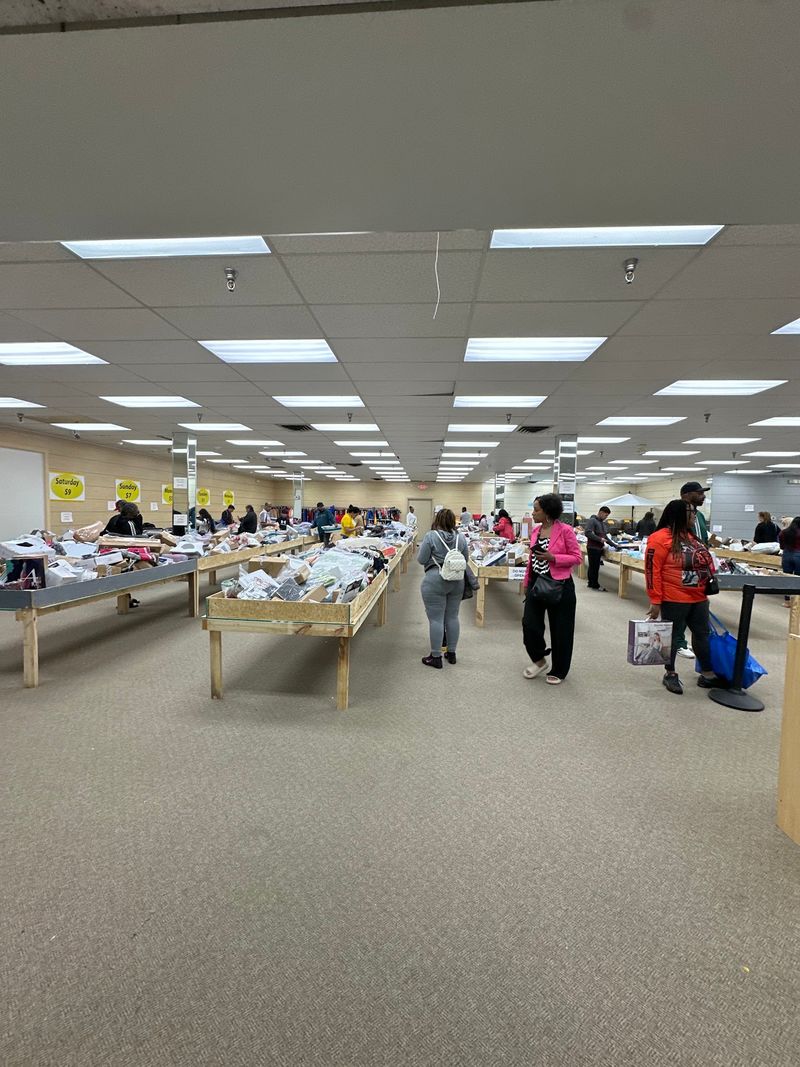
Picture the returns department of a giant online retailer getting dumped into one room, and you are close. Bin store inventory comes from overstock, customer returns, and discontinued merchandise from places like Amazon, Walmart, and Target.
That means the mix is genuinely random. Electronics sit next to pet supplies.
A kitchen gadget might be buried under a stack of bedding.
The Winston-Salem location has carried general merchandise, clothing, fabrics, bedding, pet items, and baby gear. Jansport backpacks have turned up.
So have bathroom vanities, which is not something most people expect to fish out of a bin.
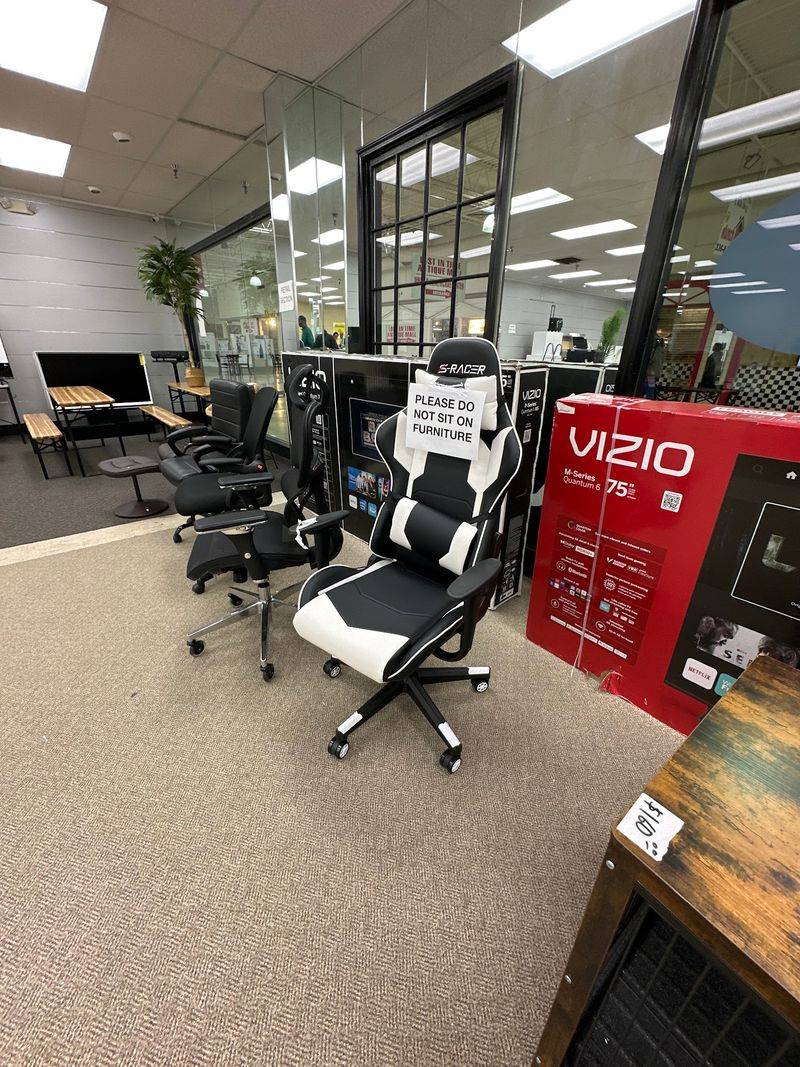
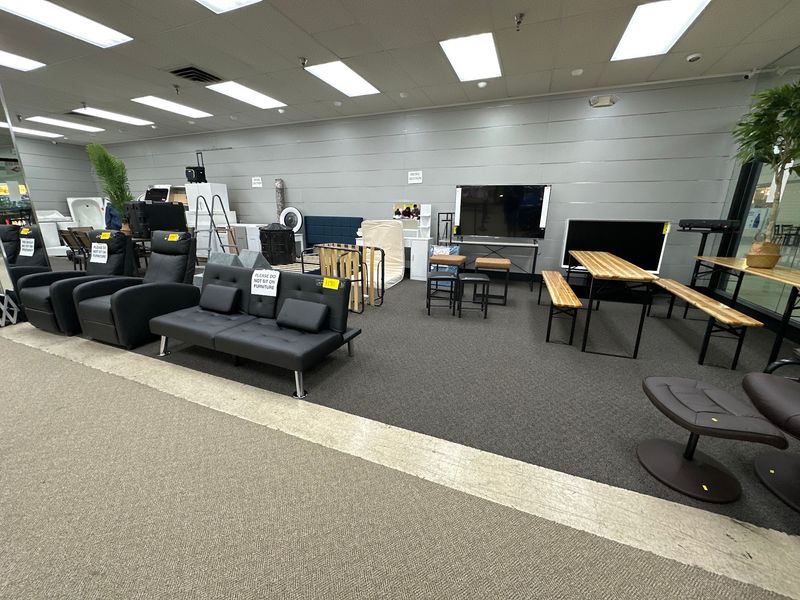
There is also a VIP section at North Carolina Bin Store locations for the bigger stuff. Grills, outdoor furniture, shoes, and suitcases live there, since none of those items would ever fit in a standard bin.
Beauty products, tools, and toys round out the usual lineup. Nothing is guaranteed, and that is the whole point.
Because the stock rotates weekly, two visits a month apart can feel like two completely different stores. Someone hunting for pillows one week might find a wall of small appliances the next.
Smart shoppers keep a mental wish list instead of a rigid one. Flexibility pays off here more than stubbornness does.
Techniques For Spotting Quality Items Among Bins
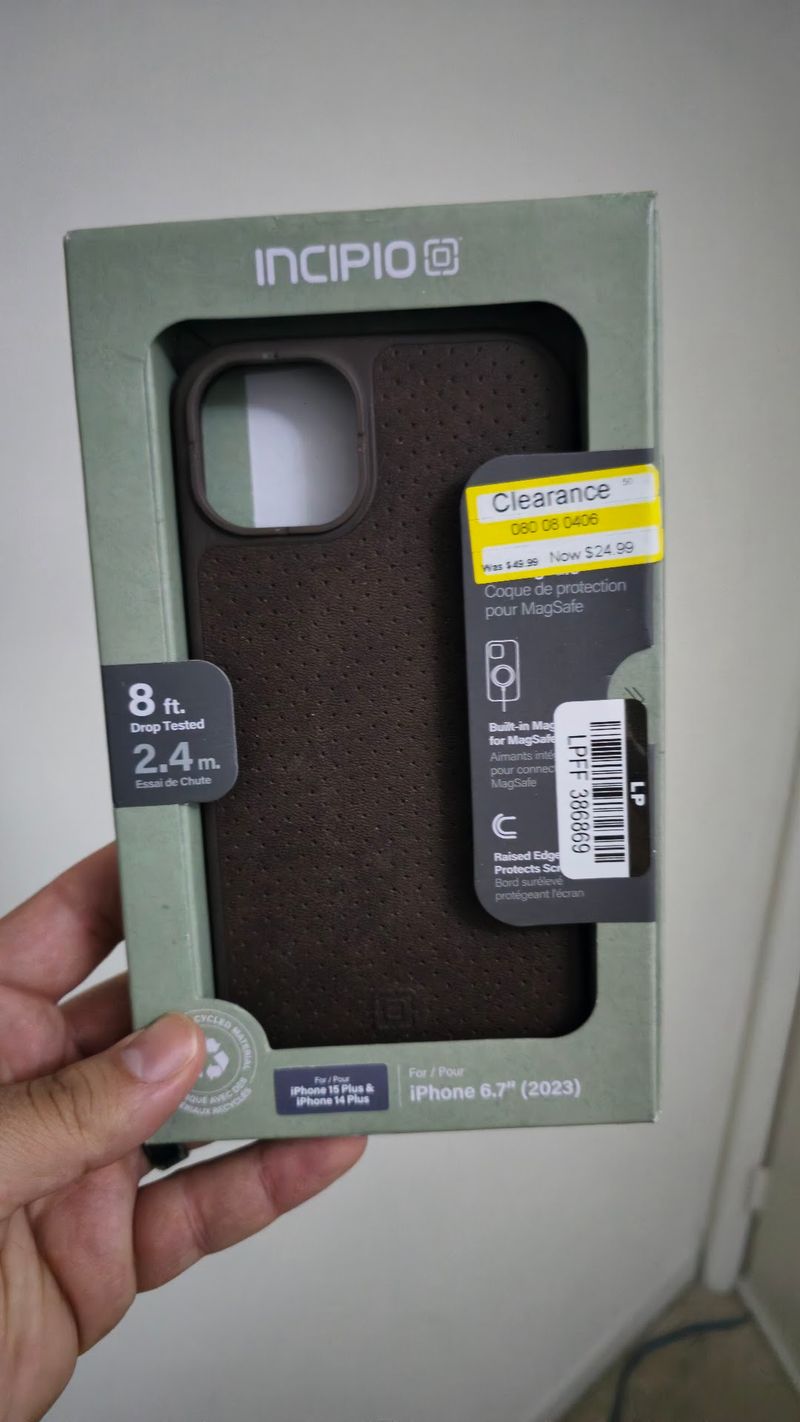
Not every box in the bin holds a win, and experienced diggers know it. Condition varies wildly, so inspection comes first.
Check for cracked plastic, missing pieces, torn seals, and stains on fabric goods. Shake a box gently and listen.
Something rattling loose is rarely a good sign.
The smartphone is the real secret weapon. Find the brand name and model number, punch it into a search, and see what the item actually sells for at regular retail.
That one habit separates a genuine steal from a shrug.
Electronics deserve extra caution. Testing them before leaving the store is strongly recommended, and some bin stores set up dedicated testing stations for exactly that reason.
Here is a strategy that works well on busy days. Grab anything that looks promising and toss it straight into a cart, then wheel over to a quieter corner and sort through it properly.
Fighting the crowd while squinting at fine print wastes time. Claiming first and deciding second keeps things moving.
Whatever fails inspection goes back to the bins, no harm done. The pillows and bedding tend to be strong finds, since packaging damage rarely affects what is inside.
Knowing what to look for matters more than luck. People who research brands ahead of time consistently walk out happier.
Organizing A Shopping Trip To Boost Efficiency
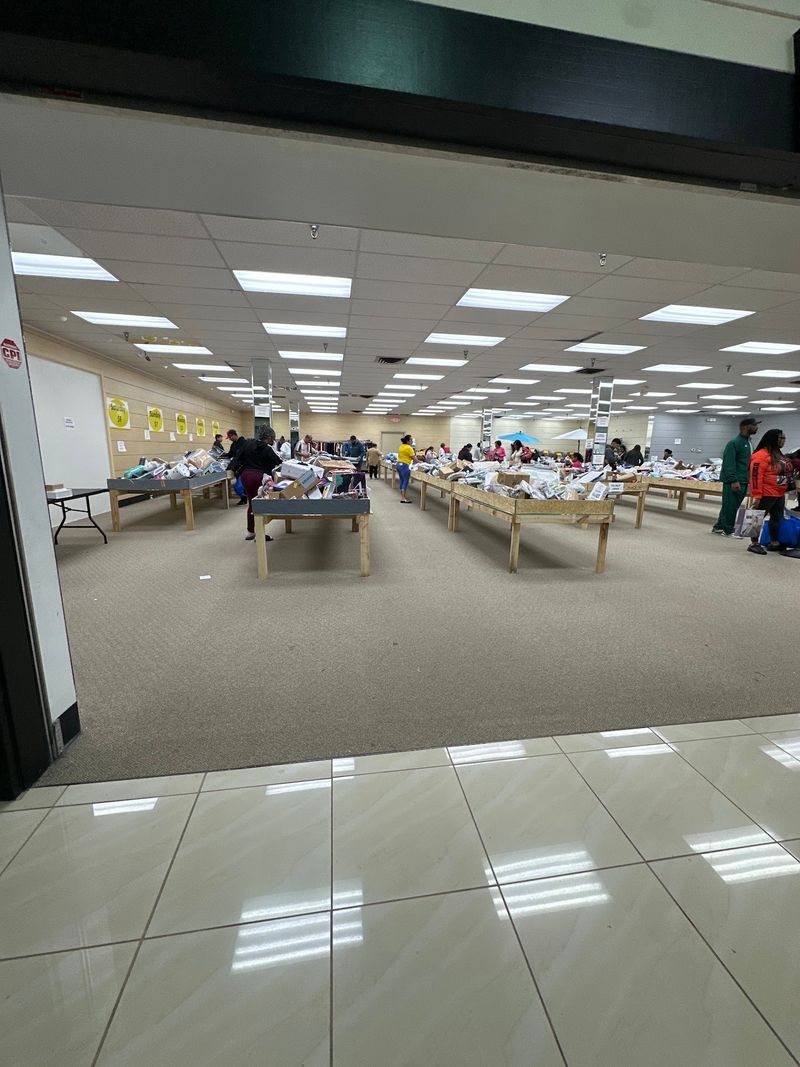
Showing up unprepared is how people leave empty-handed and frustrated. A little planning changes the whole trip.
Arriving early on restock day gives access to the widest selection, because high-value pieces disappear fast. The store opens at 9 AM most days and stays closed on Thursdays, which is worth remembering before making the drive.
Bring your own hauling gear. Reusable bags, a collapsible wagon, or a plain laundry basket all work, since bin stores usually do not hand out shopping bags.
Wear clothes you do not mind getting dusty. Digging involves plenty of bending, stretching, and reaching into deep bins, so stiff jeans and nice shoes are a poor combination.
Going in with a focus helps enormously. Deciding ahead of time to hunt for kitchen items or kids’ clothing keeps you from drifting aimlessly for two hours.
Some shoppers set a timer for 60 to 90 minutes. When the alarm goes off, they check out and head home, no second lap.
The Silas Creek Parkway location has a reputation for being roomy, which means less elbow bumping than cramped bin stores. Carts can actually move without traffic jams.
Pack light otherwise. Fewer things in your hands means more room for finds.
Seasonal Trends Impacting Discount Stock
Truckloads roll in weekly, and that steady rhythm shapes what ends up in the bins. Nothing sits around long enough to get stale.
Part of the incoming stock consists of shelf pulls. Those are products yanked off regular retail shelves because the season changed or shoppers stopped buying them.
What does that mean in practice? Holiday decorations can surface in spring.
Beach towels might appear in November. Retailers clear space for the next season, and the leftovers flow downstream into bin stores.
Returns follow their own calendar too. After big gift-giving stretches, more small electronics and toys tend to circulate through the liquidation pipeline.
Warm-weather months often bring outdoor gear into the mix, which is where the VIP section with grills and patio furniture earns its keep. Colder stretches lean toward bedding, blankets, and indoor comforts.
None of it is guaranteed, and no schedule gets published. The inventory stays genuinely unpredictable, which is exactly why people keep coming back.
Patient shoppers use this to their advantage. Buying Christmas wrapping in July or a fan in October costs a fraction of buying in peak season.
Thinking a few months ahead turns randomness into real savings. Storage space helps.
Customer Reviews And Their Role In Shopping Choices
Word travels fast about places like this, and the buzz shapes expectations before anyone walks through the door. Bin stores have built a reputation around the treasure-hunt feeling.
That reputation cuts both ways. The thrill comes from not knowing what is in the bins, which also means some visits deliver more than others.
Condition varies across the board. Plenty of merchandise arrives sealed and untouched in original packaging, while other pieces have dented boxes or light signs of previous handling.
Understanding that upfront prevents disappointment. Anyone expecting showroom-perfect goods at bin prices is measuring against the wrong standard.
Pace matters too. The environment moves quickly, and on restock days there is real competition as people race toward the freshest bins.
This particular Winston-Salem location holds a 4.5-star average, and the recurring themes people bring up include friendly staff, product variety, and household finds. Staff friendliness comes up more than almost anything else.
The store also has a reputation for space. Roomy aisles mean shoppers are not constantly maneuvering around each other, which lowers the stress level considerably.
Going in with realistic expectations makes the whole thing more fun. Treat it as a hunt, not a guarantee.
Comparing Store Shopping To Traditional Retail
Walk into a department store, and everything is arranged, labeled, and priced to stay that way. Bin stores flip that script completely.
Traditional retailers buy new products straight from manufacturers and distributors. Bin stores source from overstock, customer returns, and discontinued lines, which is why the selection swings so wildly.
Pricing works differently as well. Regular stores set a number and leave it until a sale.
Bin stores drop their price every single day until restock day resets the clock.
The physical experience is not remotely the same. Instead of pulling one item off a hook, shoppers dig through bins with both hands, sorting as they go.
Category focus disappears too. A hardware store sells hardware, but a bin store might have pet supplies, fabric, and a backpack sitting in the same container.
Here is the tradeoff worth knowing. Merchandise sold at bin stores is typically sold as-is, without the warranties or return windows most retailers offer.
That is exactly why inspecting before buying matters so much. There is usually no undo button afterward.
For anyone comfortable with those rules, the savings can be substantial. For anyone who wants a receipt-backed guarantee, regular retail still has its place.
How To Stay Safe And Healthy While Shopping
Gloves. Seriously, bring gloves.
It is one of the most practical pieces of advice for anyone heading into a bin store.
Bins get handled by hundreds of hands, and hidden inside them are cardboard edges, staples, broken plastic, and dust. A cheap pair of work gloves solves most of that.
Hand sanitizer belongs in the bag too. Using it after a digging session is simply good hygiene, especially since merchandise passes through many people before reaching the checkout.
Staying alert helps as well. Crowds build up on restock days, and carts, wagons, and enthusiastic shoppers all share the same floor space.
Etiquette keeps things civil. Hoarding armfuls of merchandise you have no intention of buying, or arguing over who touched a box first, sours the mood for everyone.
Another guideline worth respecting involves sealed packaging. Opening a sealed item is generally discouraged unless the store’s own policy allows it.
Comfortable shoes make a real difference during a long dig. So does taking breaks instead of powering through until your back complains.
Bending, lifting, and reaching add up faster than expected. Pace yourself, hydrate, and treat the trip like light exercise with a shopping reward at the end.