
The Kentucky Small Towns That Remain Hidden From Most Tourists And Travelers
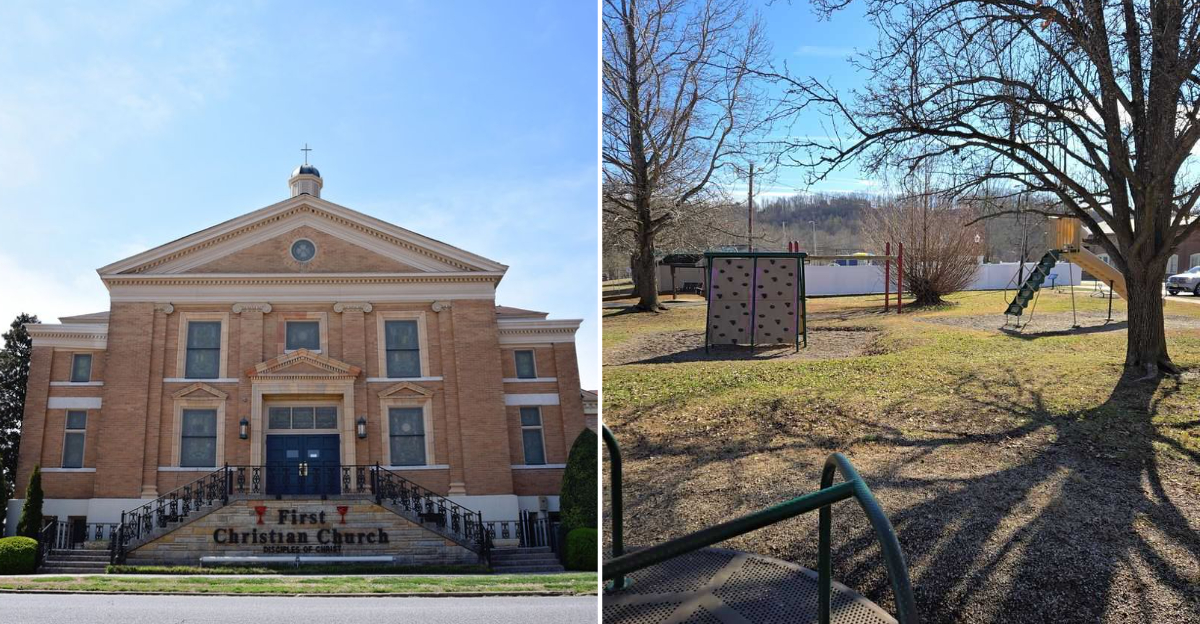
Silence has become a real luxury in today’s noisy world, and that exact kind of quiet exists in these Kentucky towns. Streets here stay uncrowded, without the tourist traffic that bigger destinations nearby tend to attract.
Locals prefer it this way, rarely advertising what makes these towns worth visiting in the first place. Nothing about these places feels curated for outside attention or built around drawing bigger crowds.
History and small-town charm exist here without needing to compete for anyone’s attention. Visitors who do stumble upon these towns often wonder why they aren’t more widely known.
That lack of recognition seems to be exactly what keeps them this peaceful. These towns prove that sometimes staying hidden is precisely what makes a place worth finding.
1. Middlesboro
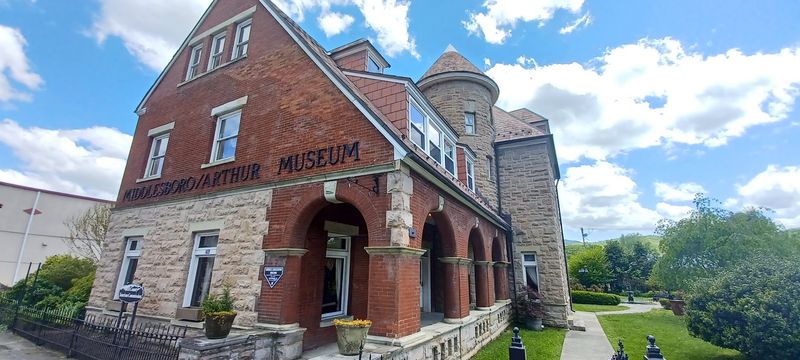
A building made from 42 tons of coal sounds like a joke someone told in 1925 and then actually followed through on. The Coal House still stands, honoring the mining history that built this corner of Kentucky.
The whole city rests inside a meteorite impact crater roughly 3.6 miles wide. Scientists confirmed that fact in 1966, and the town has leaned into it ever since with pride and a mascot.
Middlesboro was incorporated in 1890 after an Englishman named Alexander A. Arthur decided the spot should become the Pittsburgh of the South.
His grand plan did not fully work out, though the American Association Building he helped create still stands and now holds the Bell County Tourism office plus artifacts from those early days.
Downtown Cumberland Avenue at 20th Street sits on the National Register of Historic Places. The Canal Walk nearby was dug by Italian workmen between 1889 and 1891, originally just for drainage.
Here is a strange chapter. During the 1930s, the town earned the nickname Little Las Vegas because of all the gambling houses operating here.
Local pianist Ben Harney is credited by some with originating ragtime music in saloons around town in the early 1890s. The Middlesboro Country Club also claims one of the oldest continuously played golf courses in the eastern United States.
2. Maysville
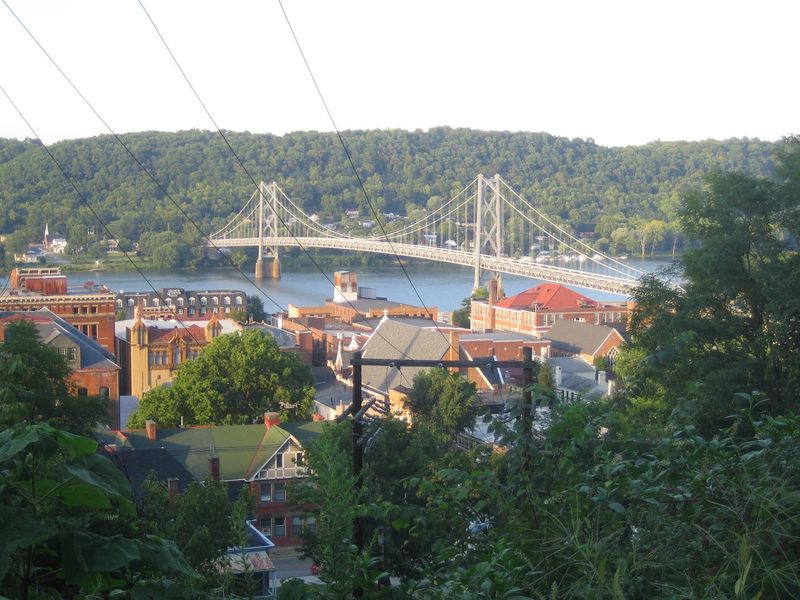
Most travelers speed past Maysville on their way to Lexington or Cincinnati. That’s a mistake, because this Ohio River town holds more history than places three times its size.
Daniel Boone and Simon Kenton helped found the settlement in the 1780s. That frontier legacy still shapes nearly every block downtown.
Nineteenth-century brick buildings line Market Street, many listed on the National Register of Historic Places. The craftsmanship on the facades feels out of proportion for a town of just 8,500 people.
Ten murals painted along the floodwall trace the region’s history in vivid scenes. Steamboats, tobacco, and the Underground Railroad all get their moment on the wall.
That last chapter runs especially deep here. Maysville sat directly across from free-state Ohio, making it a critical crossing point for people escaping slavery.
The National Underground Railroad Museum preserves that story inside the historic Bierbower family home. The family who lived there once sheltered freedom seekers on their journey north.
Bourbon runs just as deep in this town’s identity. Maysville advertised “Bourbon Whiskey” as early as 1821, one of the earliest such claims in Kentucky.
The Old Pogue Distillery, founded in 1876, is still family-run today. Small-batch tours let visitors taste that same century-old recipe.
The Kentucky Gateway Museum Center rounds out the cultural core downtown. It holds the world’s largest private collection of museum-quality 1/12 scale miniatures.
Just south of downtown, Old Washington preserves an entire pioneer village. Log cabins and shops from the 1790s still stand exactly where they were built.
Singer Rosemary Clooney grew up in Maysville, and her legacy lives on locally. The restored Russell Theatre once hosted her performances decades ago.
3. Olive Hill
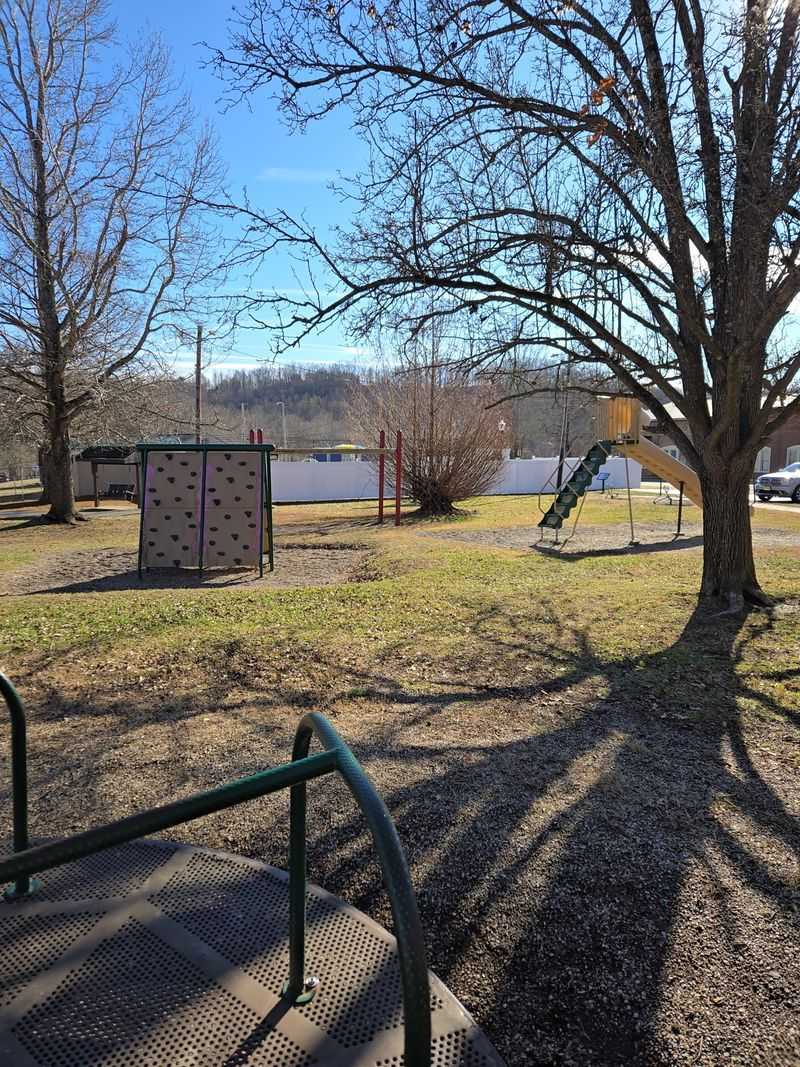
Olive Hill sits in the hills of northeastern Kentucky, closer to West Virginia than to Lexington. With just over 1,500 residents, it rarely makes anyone’s Kentucky bucket list.
But this town punched far above its weight for over a century. During the industrial boom, it became the center of a 600-square-mile fireclay region.
That fireclay went into firebricks lining steel furnaces and locomotive fireboxes nationwide. At one point Olive Hill outshipped every town on the C&O Railroad between Lexington and its endpoint.
Country music legend Tom T. Hall was born here, and the town wears that legacy proudly.
Music still runs through Olive Hill’s identity today.
The historic 1917 passenger depot now serves as a welcome center and trailhead. Bluegrass jam sessions break out there regularly, planned or spontaneous.
Just seven miles north sits Carter Caves State Resort Park, one of Kentucky’s oldest parks. Its 1,800 acres hold an extensive cave system and 30 miles of hiking trails.
Tygarts Creek runs straight through downtown Olive Hill, carving a natural gorge on both sides. That waterway helped earn the town its status as an official Kentucky Trail Town.
Hikers, cyclists, horseback riders, and paddlers all find dedicated routes here. Few towns this small offer that much variety in one place.
Every Labor Day weekend, the nearby Fraley Festival draws over a thousand visitors. It celebrates traditional acoustic mountain music, with no electric instruments allowed.
Olive Hill doesn’t dress itself up for tourists. It’s the kind of place that rewards anyone curious enough to get off the interstate.
4. Grayson Carter County
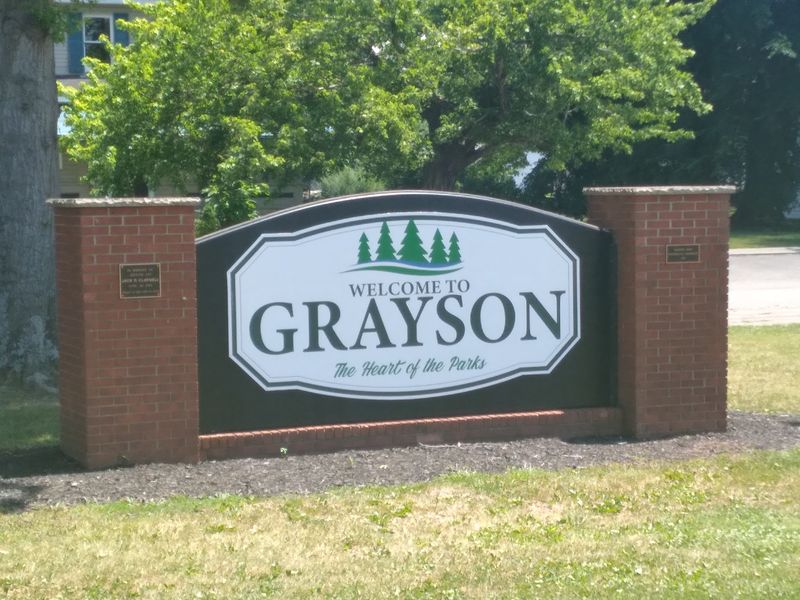
Grayson calls itself “The Heart of the Parks,” and that’s not just marketing talk. Three major state parks surround this small Carter County town within a short drive.
Grayson Lake State Park anchors the outdoor scene here. Its 1,512-acre lake sits ringed by rugged sandstone cliffs and dense forest.
Hikers and paddlers both find plenty to love along those cliffs. The lake is also known for record-setting bass fishing among serious anglers.
Just a short drive away, Carter Caves State Resort Park adds an underground dimension. Guided tours wind through more than 20 twisting caverns.
One highlight down there is a 30-foot underground waterfall. Visitors can also try gem mining or fish the park’s original record-holding bass lake.
A third option, Greenbo Lake State Park, rounds out the trio nearby. It offers 33 miles of hiking trails and year-round mini golf.
Downtown Grayson holds its own beyond the parks. The Carter County Courthouse stands as a striking example of 19th-century architecture.
Main Street stays busy with locally owned shops and boutiques. The Homespun Sisters is a favorite stop for rare finds and gifts.
A veterans mural and park downtown draw quiet reflection from visitors. It walks through the Great War, both World Wars, Korea, Vietnam, and beyond.
The old-time Dixie Theatre still hosts shows for locals and travelers alike. It’s a small detail that captures Grayson’s Appalachian character perfectly.
Twenty miles from Ashland, Grayson still feels like its own world. That’s exactly the appeal for anyone tired of predictable stops.
5. Hawesville
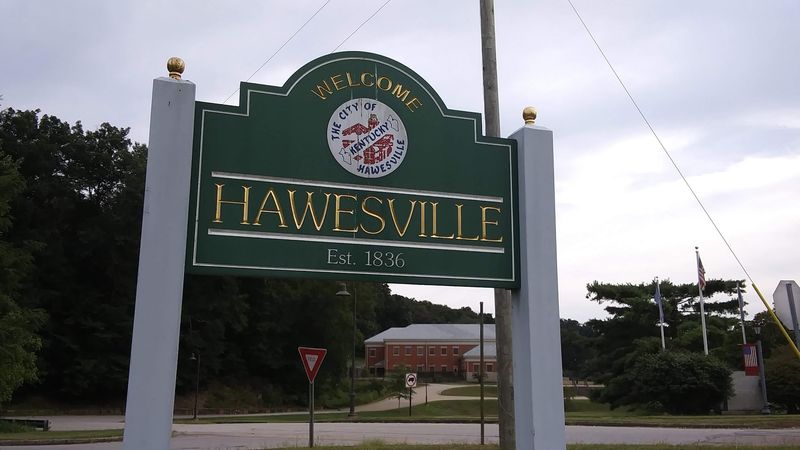
Perched on hills above a bend in the Ohio River, this Hancock County seat has under 1,100 residents and almost no tourist crowds. Hawesville quietly holds one of the wildest stories in Kentucky river history.
In the 19th century, the town became a major site for steamboat construction. Captain John Cannon, born nearby in 1820, built the legendary Robert E. Lee here.
That steamboat won the most famous race in American river history in 1870. It beat the Natchez in a contest people still talk about today.
Hancock County’s rich canal coal deposits fueled that boom. Hawesville became a critical refueling stop for steamboats running the Ohio River.
The town had a rougher edge back then too. Wide-open saloons and gambling drew workers from as far as England, Ireland, and Germany.
Disputes sometimes ended in gunfights right on Main Street. One incident became one of the most publicized shootouts in pre-Civil War Kentucky.
Today things run much quieter. The Hancock County Courthouse, built in 1859, still anchors downtown with its Greek Revival columns.
Nearby, Jeffreys Cliffs Conservation Area offers sandstone cliffs rising several hundred feet. Miles of trails wind through the rugged terrain above the river.
A small local museum preserves that steamboat legacy in detail. Replicas of historic vessels sit alongside artifacts from the coal mining era.
The Lincoln Trail Bridge connects Hawesville to Cannelton, Indiana, just across the water. It’s a fitting link for a town whose whole identity was built on that river.
Hawesville doesn’t try to be anything more than what it is. For anyone chasing real river history, that’s exactly the draw.
6. Bardwell
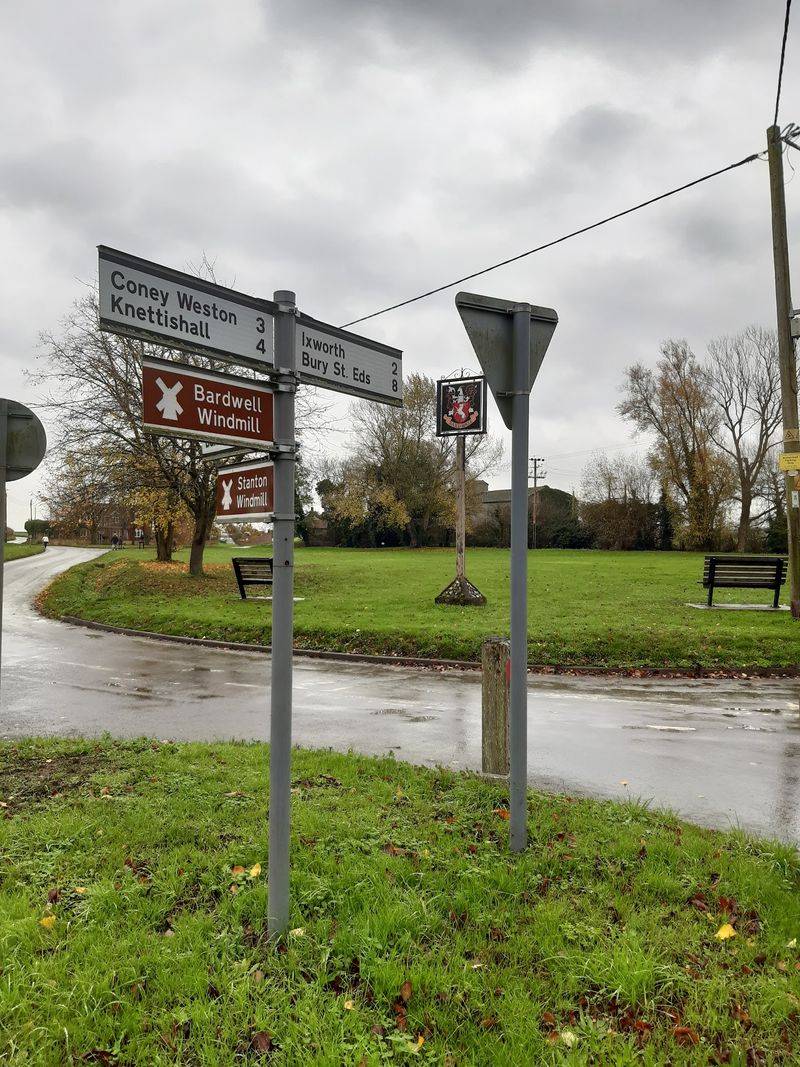
With just 714 residents, this Carlisle County seat began as nothing more than a railroad camp. Workers dug a well there that kept filling with mud, so they boarded it up, and the name stuck.
The Illinois Central Railroad reached this spot in 1874. A rail superintendent’s name eventually replaced the town’s boarded-well origin story.
Carlisle County wasn’t even created until 1886, and the nearby town of Arlington was first chosen as its seat. Bardwell challenged that decision because of its more central location, and officials agreed.
Far western Kentucky doesn’t get much tourist traffic, and Bardwell embraces that quiet reputation. Two major highways, US 51 and 62, still cross paths here.
The real draw sits a short drive northwest, at Columbus-Belmont State Park on the Mississippi River. Confederate General Leonidas Polk fortified those bluffs in 1861, calling it the “Gibraltar of the West.”
Polk stretched a massive chain across the river to block Union gunboats. Floods eventually buried it, but the chain resurfaced in 1925 and now anchors the park’s main exhibit.
Visitors can still see the six-ton anchor and sections of chain up close. Confederate earthworks and trenches remain visible along the bluff trails.
The park also marks a grim chapter of the Trail of Tears. A detachment of roughly 1,100 Cherokee crossed the Mississippi here in 1838, on their forced march to Oklahoma.
A restored farmhouse-turned-hospital now houses the park museum. Exhibits walk through the 1861 Battle of Belmont, one of Ulysses S. Grant’s first engagements of the war.
Bardwell itself won’t overwhelm anyone with attractions. But as a quiet base for exploring one of Kentucky’s most overlooked Civil War sites, it does the job well.
7. Mayfield
Western Kentucky’s Jackson Purchase region holds a genuine oddity in its county seat: a cemetery packed with life-sized stone statues.
The Wooldridge Monuments in Maplewood Cemetery feature a Civil War-era eccentric who commissioned figures of himself, his family, and his favorite animals.
Colonel Henry Wooldridge built these sculptures from 1892 until he passed away in 1899. Locals call the display “The Strange Procession That Never Moves,” and it’s landed in both Ripley’s Believe It or Not and the book Weird Kentucky.
Mayfield’s history runs deeper than novelty, though. Founded in 1819, the town grew into a major regional hub once the railroad arrived in 1858.
Textile manufacturing once defined the local economy. The Mayfield Woolen Mills ranked among the largest factories of its kind in the country.
Hollywood found the town charming too. Bruce Willis and Emily Lloyd filmed scenes for the 1988 movie “In Country” right in Mayfield’s historic downtown.
Reportedly, Willis later sent Jerry Seinfeld to try a local barbecue sandwich. That kind of small-town word-of-mouth still defines Mayfield’s character.
The town faced real hardship in December 2021, when a tornado severely damaged the historic Graves County Courthouse. The community’s resilience since then has become part of its story.
Cartwright Grove offers a different kind of history experience. Volunteers built this recreated Old West town from scratch, hosting open house events throughout the year.
Downtown shopping rewards patient browsers. Boutiques across Colonial Square and Fountain Square specialize in the kind of finds you won’t see in big-box stores.
Outdoor lovers aren’t left out either. Kess Creek Park offers free disc golf, a stocked fishing pond, and a splash pad, all within the town limits.
Mayfield mixes the strange, the historic, and the resilient in a way few small towns manage. That combination alone makes it worth the detour.
8. Horse Cave
A giant sinkhole opens right on Main Street in this small Hart County town, and for decades it was the town’s biggest embarrassment. What’s below now might be its greatest asset.
Hidden River Cave once supplied Horse Cave with drinking water and electricity. It made the town the first in Kentucky to have incandescent lights, decades before most of the state caught up.
Commercial tours ran from 1916 through 1943, drawing visitors curious about its underground river and blind cave fish. But growth brought a darker problem underneath.
Sewage and trash from the town above seeped straight into the cave’s water system. By the 1930s, the smell had become unbearable across the entire downtown district.
The cave shut down in 1943 and stayed that way for fifty years. Locals lived with a rotten stench rising from their own Main Street for generations.
In the 1990s, a former mayor pushed through an unpopular sewer overhaul despite fierce local resistance. That decision, paired with cleanup work by the American Cave Conservation Association, brought the cave back to life.
Today visitors descend 230 steps to reach the cave floor. A 100-foot suspension bridge inside claims the title of longest underground swinging bridge in the world.
The tour ends in Sunset Dome, one of the largest free-standing cave chambers in the country. Its walls glow in shades of red, yellow, and orange rarely seen in a show cave.
Naturalist John Muir stopped here in 1867, describing the cave’s cool air as capable of refreshing an entire town at once. That description still holds up on a hot Kentucky afternoon.
The American Cave Museum sits right at the entrance, telling the full story of pollution, closure, and restoration. It’s one of the more unusual redemption stories in American cave country.
Horse Cave proves that a town’s biggest problem can eventually become its defining landmark. Few small towns can say their comeback story runs literally beneath their own streets.