
This Spring-Fed Florida River Has Been A Summer Tubing Favorite For Generations
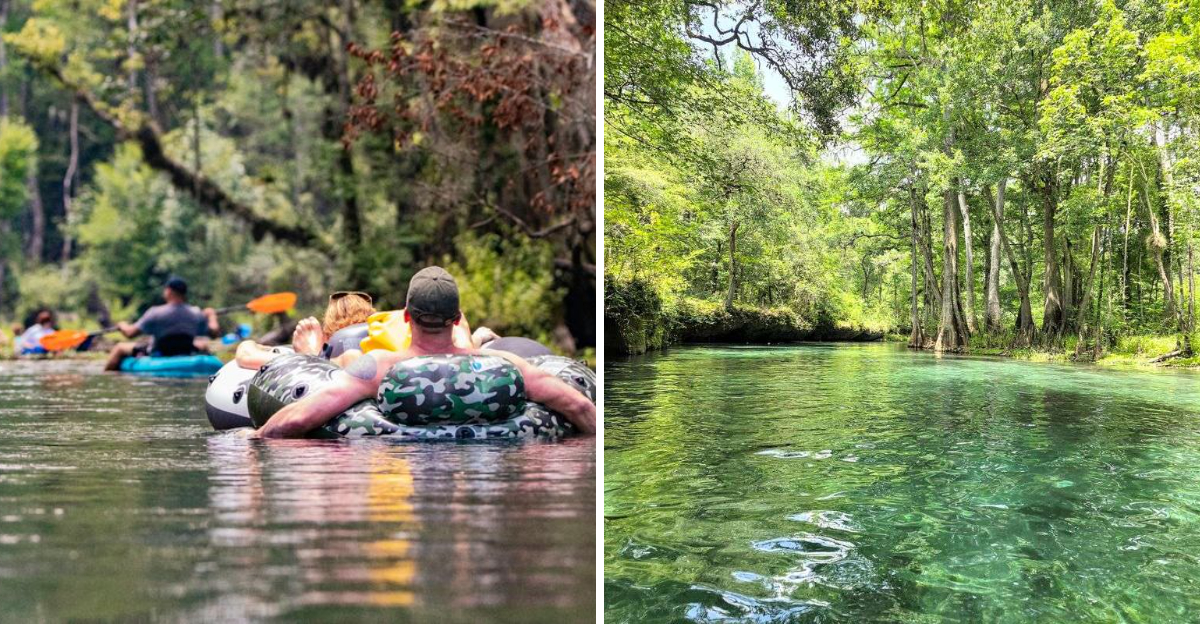
The best Florida summer days sometimes begin with a tube, a swimsuit, and absolutely no interest in staying dry.
For decades, people have made a ritual out of floating this spring-fed river when the temperature climbs. The water is famously crisp, the scenery keeps changing around every bend, and the gentle current gives everyone permission to slow down for a while.
That history is a big part of its charm. The state has changed dramatically over the years, yet this simple warm-weather tradition still feels right at home.
You do not need amusement park rides or an elaborate itinerary to make a summer day memorable here. Sometimes cool water and a long float are enough.
Florida knows how to do summer, and this river proves why generations have kept returning to the state for one more ride.
A River Born From Underground Springs
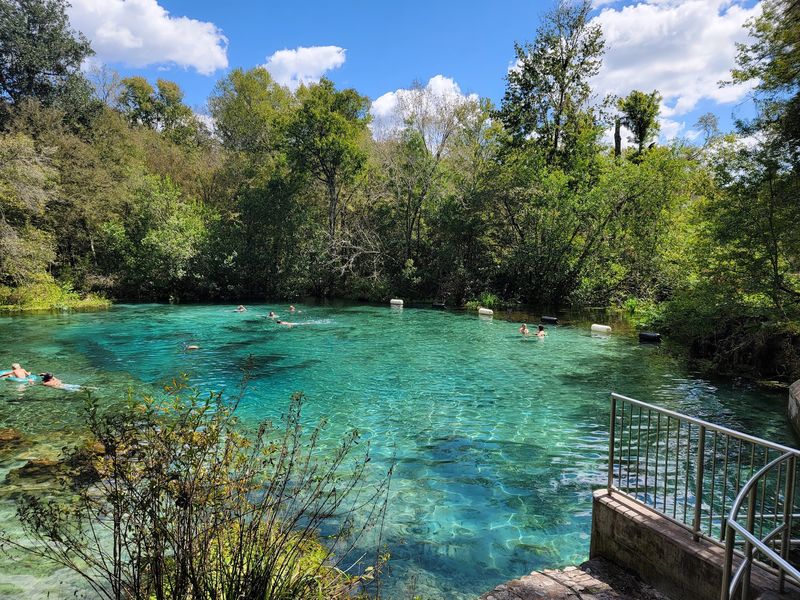
Rain that fell years ago is doing the heavy lifting here. It seeps through limestone, gathers underground, then pushes back up through spring vents.
The Ichetucknee River runs about six miles before joining the Santa Fe River. Several named springs feed it along the way, keeping the flow steady year-round.
Because the source is underground, the water stays close to 72 degrees every month. Summer swimmers call that refreshing.
First-timers usually call it shocking for about thirty seconds.
Clarity is the real headline. Limestone filters the water so well that the sandy bottom looks like it sits inches below your feet.
The park protecting it sits in Fort White, in the northern part of the state. Columbia and Suwannee counties share the river between them.
Spring-fed rivers behave differently than rain-fed ones. Storms upstream rarely muddy the water for long, which is why the color holds up in July.
Understanding the plumbing makes the float better. You are not riding just any river.
You are riding an aquifer with a scenic exit route.
Tubing Traditions Passed Down Through Families
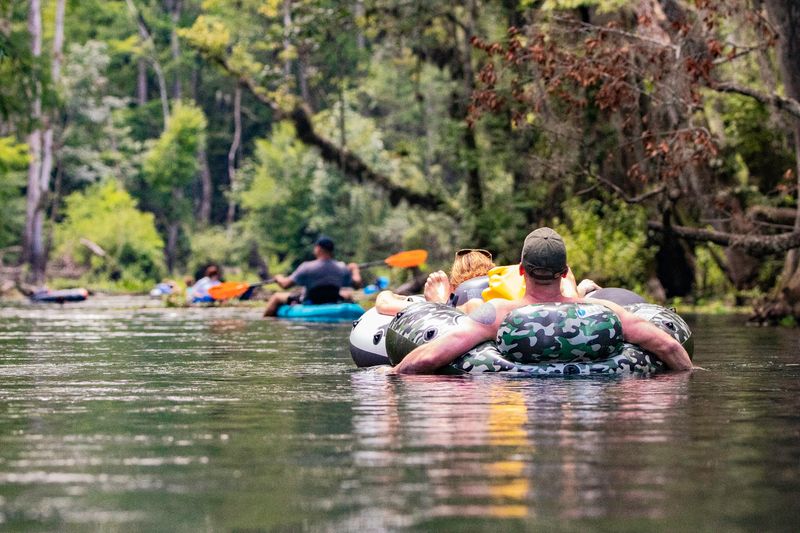
Some families measure summer by this float. Parents who tubed here in the 1970s now bring toddlers in tiny life vests.
The appeal has barely changed. You sit in a tube, the spring current nudges you along, and time slows down considerably.
Trip lengths vary by launch point. The full tube run can take around three hours, while shorter sections finish in about an hour.
Kids adapt fast. Little ones often start floating around age two, tethered to a grown-up’s tube and thrilled about every turtle.
Rules have tightened over the years to protect the water. Food, drinks and coolers stay behind, which keeps the river remarkably clean.
That trade-off works. Fewer items floating loose means fewer things sinking into the springs and more shoreline that looks untouched.
Plan your day around the schedule. Tube rentals and shuttles stop at set times, so late arrivals sometimes miss the last run.
Bring sunscreen that rinses off well, plus water shoes. Limestone edges are pretty but not particularly kind to bare heels.
Turtles, Herons And The Cast Of Regulars
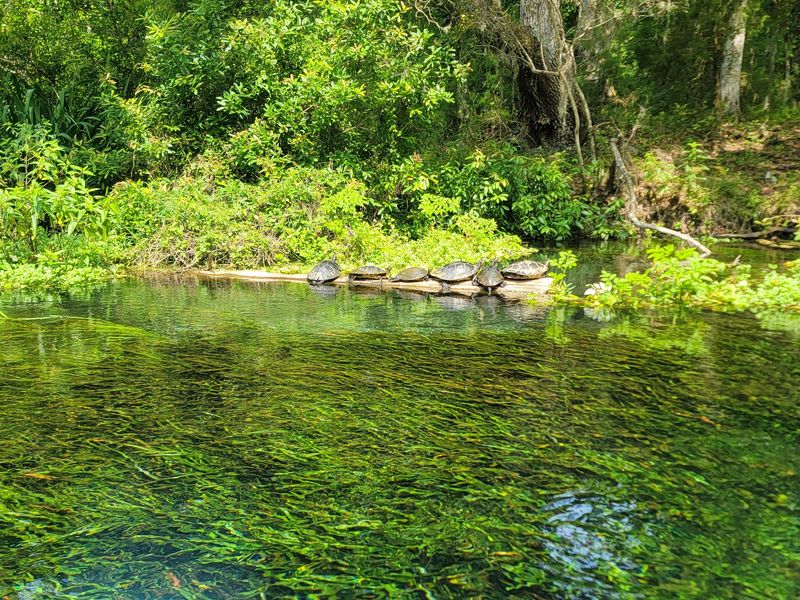
Turtles run this place. Logs along the banks fill up with them, stacked like passengers on a crowded bench.
Paddlers who start early often count dozens in a single trip. The reptiles slide off as you drift past, then climb right back.
Birds join the show too. Herons, egrets and osprey work the shallows, and anhingas stretch their wings to dry in the sun.
Fish are impossible to miss. Schools hover over pale sand, and the clarity makes floating feel like hovering above an aquarium.
Otters appear now and then, usually in quick, splashy bursts. Manatees occasionally travel upstream from the Santa Fe during cooler months.
Alligators live in this watershed as well. Sightings happen, but the animals generally keep their distance from busy stretches of water.
Quiet helps enormously. Groups that talk softly see far more wildlife than groups announcing their arrival from a hundred yards away.
Morning trips deliver the best odds. Launch shortly after opening and the river feels like a nature documentary with better seating.
The Tram Ride That Saves Your Legs
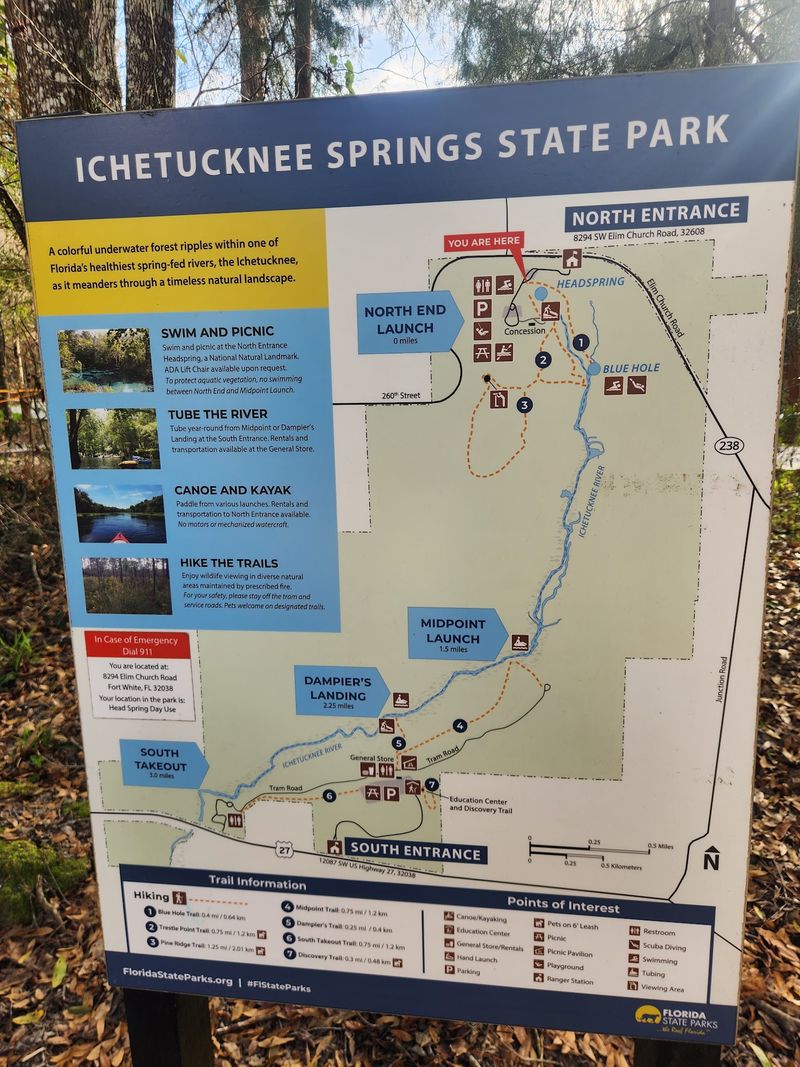
Here is the detail people forget until it matters. Skip the tram ticket and you face a walk of nearly three miles back.
The park runs trams and shuttles between parking areas, launch points and the takeout. Your tube or kayak rides along with you.
Buy tickets before you float. The South entrance is where most people park, pay and sort out their transportation plan.
Tubers usually launch from the midpoint. Paddlers and swimmers can head farther north to the headspring area for a longer stretch.
At the downstream takeout, staff load gear and passengers for the return trip. It beats hauling a wet tube uphill.
Restrooms sit near tram and shuttle stops, which parents appreciate more than any scenic overlook. Small conveniences carry big weight here.
Costs stay reasonable for a full day outdoors. A family of four can often cover tubes and transport for a modest total.
Check the official state park page before leaving home. Hours, last ride times and rental details shift with the seasons.
Kayaks And Paddleboards Get The Quiet Hours
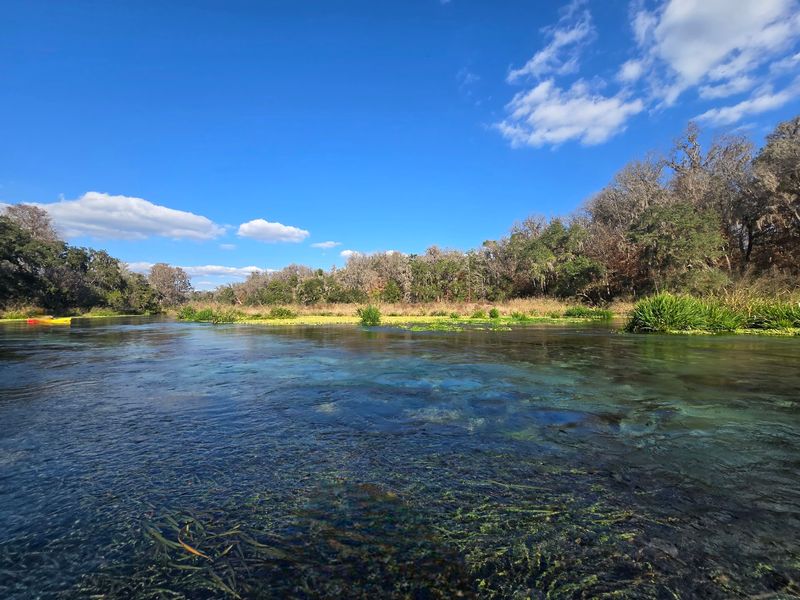
Paddlers get the sunrise shift, and it is a genuine reward. Between 8:30 and noon, the river feels almost private.
Kayaks, canoes and paddleboards can launch from the headspring, a section closed to tubes. That means more water and fewer crowds.
Rentals are available on site, which spares you the roof-rack wrestling match. Paddles, vests and basic instructions come with the deal.
The channel narrows in places, weaving under low branches. Beginners handle it fine, though a little steering practice helps at bends.
Paddleboarding rewards balance and patience. Standing gives you a clear view straight down into the springs and their waving grass beds.
Photographers love this window. Light angles low through cypress limbs, and the water surface stays glassy before the day heats up.
Pack a dry bag for keys and a phone. Even calm rivers occasionally rearrange your belongings without asking permission first.
Finish paddling by late morning and you still have hours left. Many people swim at the north springs afterward to cool off.
Snorkel Gear Turns Floating Into Exploring
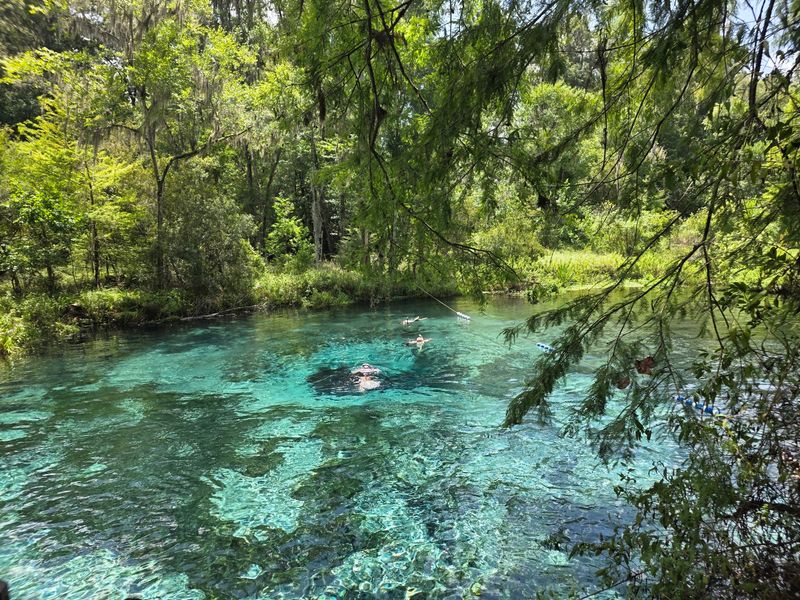
Longtime floaters share one tip above all others. Bring a mask and snorkel, then look down instead of around.
Visibility in the spring runs is extraordinary. Eelgrass sways in slow motion while fish dart between sunlit patches of white sand.
Spring vents are the highlight. Water rises through openings in the limestone, creating faint shimmering swirls you can actually watch.
The cool temperature feels sharper when you are face down. Give yourself a minute to adjust before committing to a long look.
Simple gear works best. A basic mask, snorkel and fins beat anything bulky that complicates climbing back onto a tube.
Respect the underwater scenery. Sunken logs and grass beds are habitat, not props, and they take years to recover if disturbed.
Swim areas near the headspring make excellent snorkeling bases. You can float in place instead of drifting away from the good spots.
Children usually love this part. Handing a kid a mask here often sparks a lifelong interest in freshwater ecosystems.
Cypress Shade And Ancient Tree Cathedrals
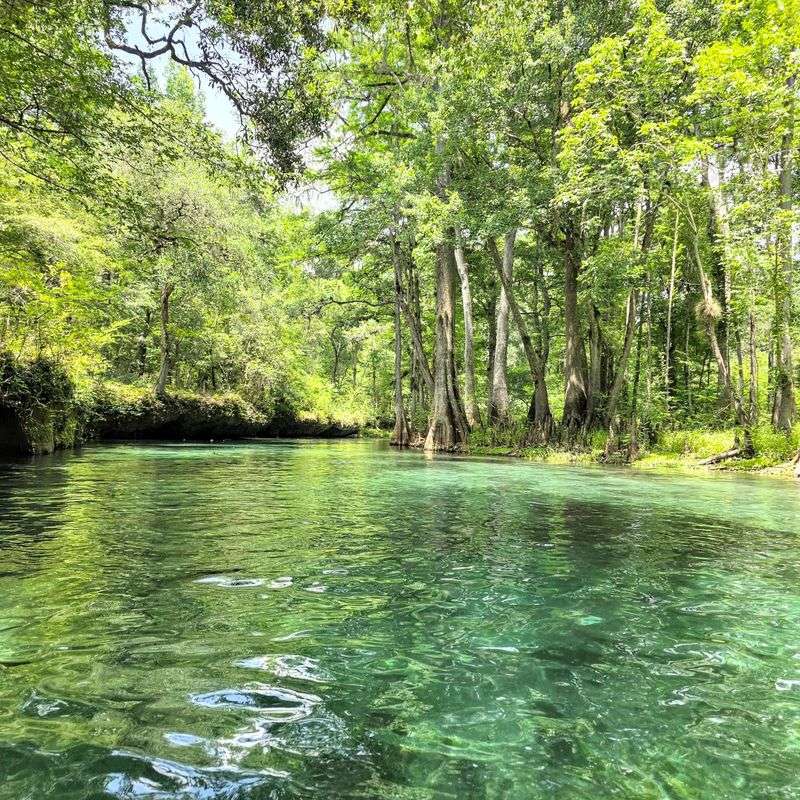
Look up occasionally. The canopy over this river is as impressive as anything beneath the surface.
Bald cypress dominate the banks, their trunks flaring wide at the waterline. Knobby cypress knees poke up along the edges like sentries.
Shade matters in summer. Long stretches of the float stay cool because the trees block the harshest afternoon sun.
Spanish moss drapes the branches, swaying whenever a breeze finds its way down. The effect is quiet and slightly theatrical.
Wetland plants fill the gaps. Ferns, maples and gums crowd the floodplain, creating layers of green from water to sky.
Wildlife uses the canopy constantly. Woodpeckers hammer dead limbs while osprey scan the water from high perches above the channel.
Photographers should watch the contrast. Bright water and deep shade can confuse a camera, so shoot in the softer morning hours.
The trees also explain the river’s health. Intact floodplain forest filters runoff and helps keep the spring water clear.
How The Park Keeps The Water Pristine
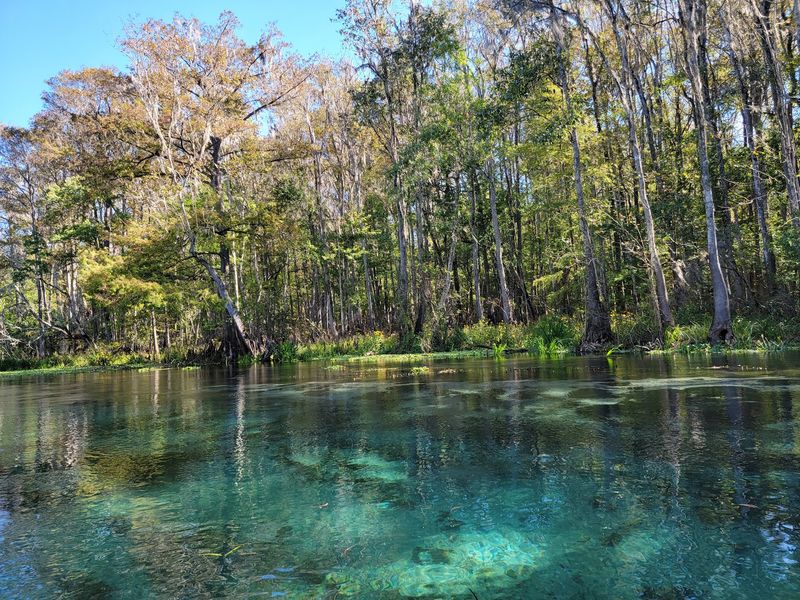
Strict rules explain the postcard water. No food, drinks or coolers are permitted on the tubing runs.
Disposable items are also restricted. Fewer loose objects means fewer things sinking to the bottom or washing downstream unnoticed.
Daily capacity limits apply too. Managers cap the number of tubers on certain stretches to reduce wear on the riverbed.
The system works. People returning after twenty-five years often find the river looking essentially the same as they remember.
The Ichetucknee River earned National Natural Landmark status decades ago, recognition of its springs and unusually clear flow.
Staying on tubes and designated paths helps. Trampled banks erode, and eroded banks cloud water that took centuries to clear.
Restoration work continues around the springs. Removing invasive plants and protecting the floodplain keeps the ecosystem functioning as intended.
Understanding the reasoning makes the rules easier to follow. Every small restriction protects the exact thing everyone drove here to see.
Planning Your Trip Without The Stress
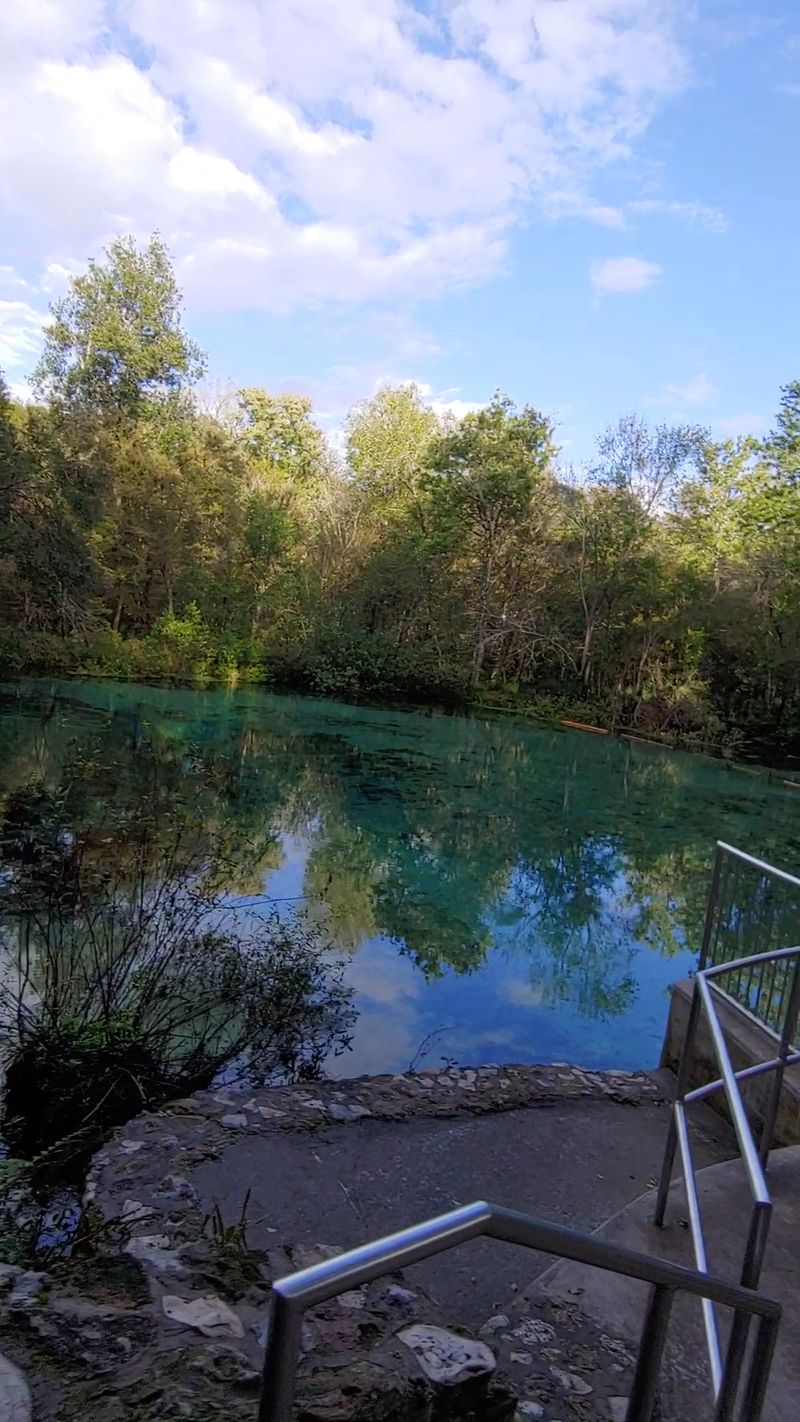
Timing decides everything on busy weekends. Arrive at or before opening and the whole day runs smoother.
The park fills to capacity during peak summer, especially on holidays. Once it closes to new arrivals, waiting rarely helps.
Find it at 12087 Southwest US Highway 27, Fort White, Florida in the northern part of the state. Interstate 75 sits nearby.
Weekdays offer noticeably lighter crowds. Early June and late August often feel calmer than the middle of July.
Practical packing keeps things simple. Water shoes, sunscreen, a towel, a small dry bag and a hat cover most needs.
There is a concession stand and gift shop near the main entrance. A cafe on site handles hungry groups after floating.
Trails and picnic areas give non-floaters something to do. Boardwalks near the springs make wildlife watching easy for all ages.
Nearby towns offer lodging and groceries, with larger options closer to the interstate. Other springs in the area make good add-ons.
Why Generations Keep Coming Back
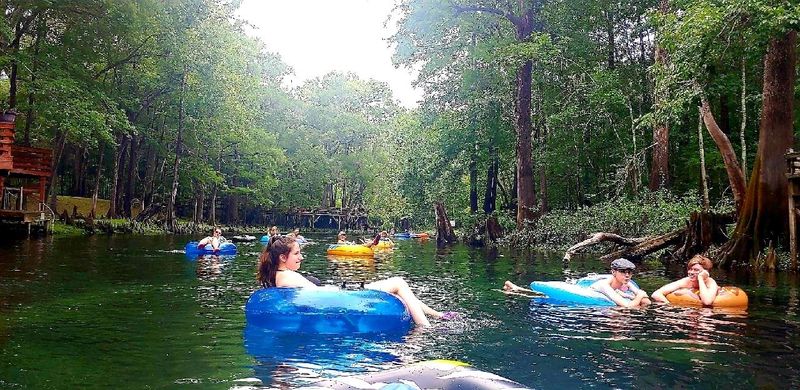
Some places hold up over decades, and this one does. Grandparents describe the same clear water their grandchildren see today.
Part of the draw is simplicity. There are no rides, no screens and no schedule beyond the last shuttle of the day.
Cell service fades along the river, which nobody seems to mind. Conversations get longer and phones stay dry in the bag.
Three hours of drifting resets people. The current sets the pace, and nobody argues with a spring-fed river.
Annual traditions form easily here. Families pick the same weekend each summer and treat it as a standing appointment.
The Ichetucknee River rewards repeat trips. Water levels, wildlife and light shift enough that no two floats feel identical.
Newcomers usually leave planning a return before they reach the parking lot. That reaction has stayed consistent for generations.
Bring people you like and expectations you can lower. The river handles the rest without any help from you.