
12 Massachusetts Towns So Gorgeous You’ll Want To Visit All Of Them In 2026
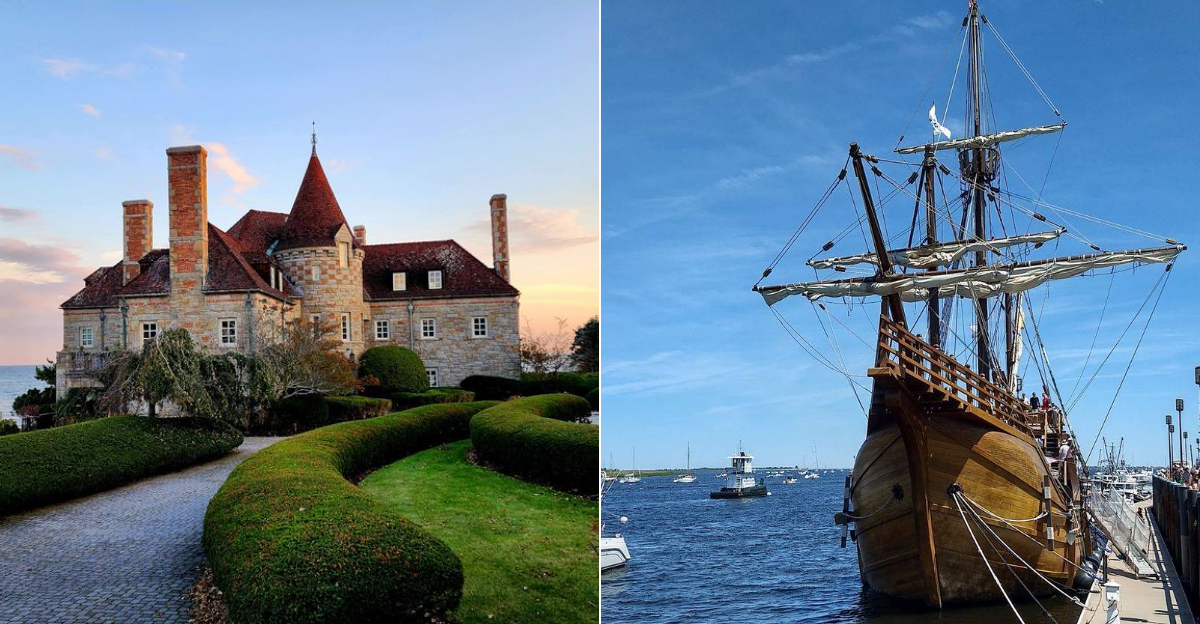
Massachusetts packs a lot of beauty into a small space, and 2026 is a great year to go see it. You can walk on cobblestones in the morning, stand on a granite cliff by lunch, and watch the sun drop into the Atlantic by dinner.
Some towns here are famous for lighthouses and fishing boats, while others hide in green hills where music drifts across open lawns. The best part?
You do not need weeks of vacation time to enjoy them, since most sit just an hour or two apart.
Think of this as your permission slip to take a break, wander a little, and treat yourself to something new. Maybe you want salty air and soft sand.
Maybe you want old houses with stories baked into the floorboards.
Massachusetts hands you both, plus fresh seafood, bike trails, and small shops run by people who actually love what they sell. Each town on this list has its own personality, so pick one or chase them all.
1. Rockport
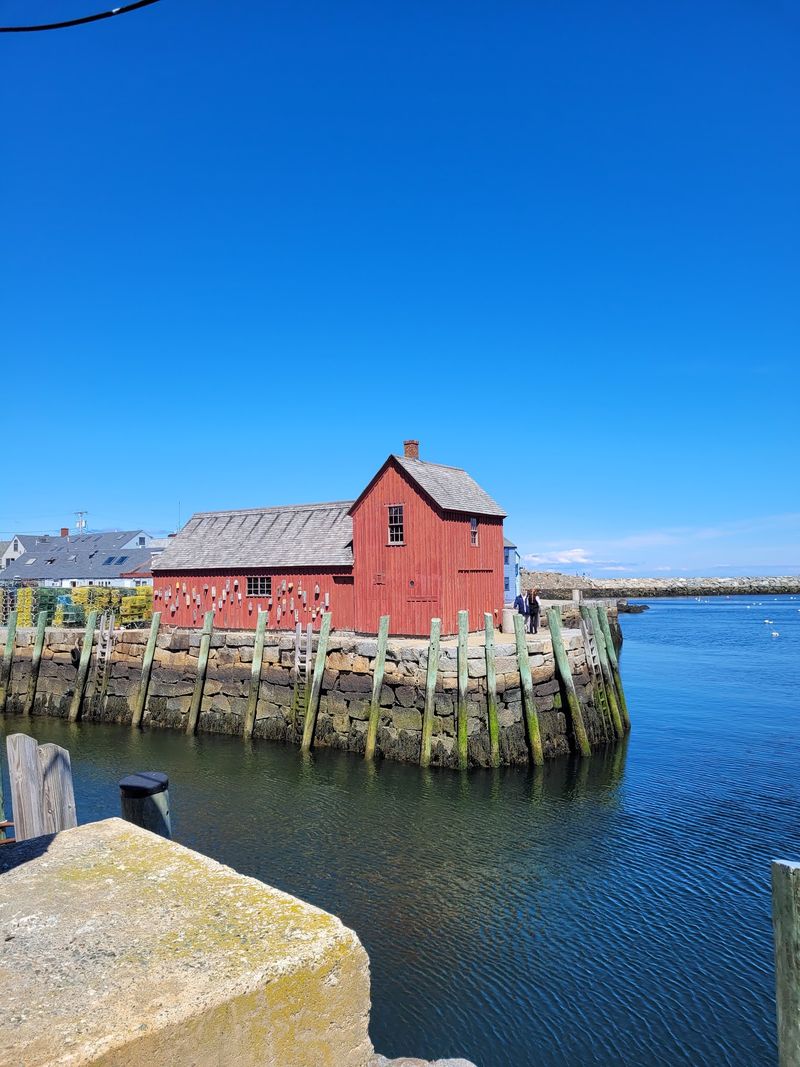
A little red fishing shack has been painted more times than almost any building in America. It sits on Bradley Wharf, and locals call it Motif #1.
Stand in front of it once and you will understand why artists keep coming back.
Rockport sits at the tip of Cape Ann, about an hour north of Boston. Granite cliffs meet the water here, and the light does something magical in the late afternoon.
Galleries line the streets, and most owners are happy to chat about their work.
Bearskin Neck is the spot everyone talks about. It is a narrow strip of land poking into the harbor, packed with tiny shops selling candy, jewelry, and hand-carved wooden boats.
Walk to the very end for an ocean view that makes people stop mid-sentence.
Want to stretch your legs? Halibut Point State Park has old quarry pools, tide pools full of crabs, and trails along the rocks.
On a clear day you can see all the way to Maine.
Front Beach is right in town, so you can swim without moving your car. Kids love hunting for shells there.
Rockport proves that Massachusetts still has quiet corners worth saving a weekend for.
2. Chatham
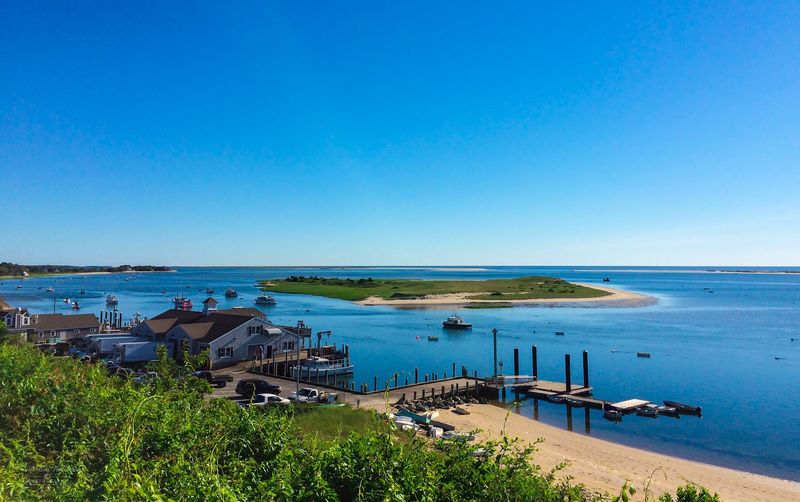
Seals. Lots of them.
That is usually the first thing visitors mention after a day in Chatham, and honestly, watching them bob around the harbor never gets old.
Chatham sits at the elbow of Cape Cod, where the coastline bends and the beaches stretch wide. Lighthouse Beach is the star, sitting right below the white Chatham Lighthouse that has been guiding boats since the early 1800s.
Bring a blanket and stay until the light turns gold.
Main Street feels like a movie set, but a real one. Boutiques, bookshops, and galleries fill old buildings, and there is a candy shop that pulls kids in like a magnet.
Take your time here, since rushing sort of defeats the point.
Curious about wildlife? Monomoy National Wildlife Refuge protects miles of sand, marsh, and dune just south of town.
Birdwatchers show up with binoculars and leave grinning.
Seal tours leave from the fish pier, and watching those whiskered faces pop up beside the boat is worth every minute. Fishing boats unload their catch there too, so you can see where dinner comes from.
Chatham is one of those Massachusetts towns that rewards slow mornings and long walks.
3. Provincetown
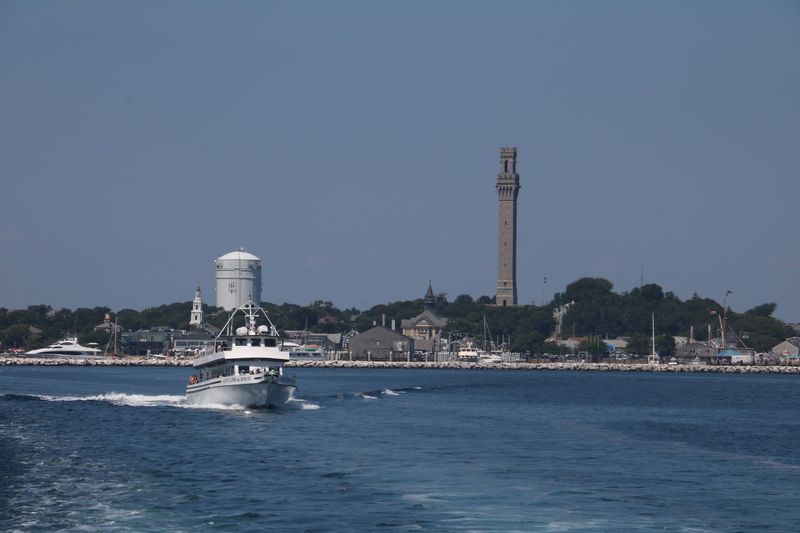
Drive as far out on Cape Cod as the road allows and you land in Provincetown. The road literally ends here.
What waits is one of the most colorful, creative towns in the country.
Commercial Street runs right through the middle of everything. Street performers, art galleries, quirky shops, and bakeries share the same three-mile stretch.
People-watching is basically a sport, and nobody minds if you join in.
Then there is the Pilgrim Monument. It climbs 252 feet above town, and yes, you can walk to the top.
The view covers Cape Cod Bay, the dunes, and the whole curling arm of land below. Fun fact: the Pilgrims landed here first in 1620, before Plymouth.
Beach lovers get spoiled. Race Point and Herring Cove both belong to the Cape Cod National Seashore, and Herring Cove sunsets draw a small crowd every evening.
Someone usually claps when the sun disappears.
For something different, book a dune tour. An open vehicle carries you over rolling sand hills past weathered shacks that writers once used as hideaways.
Whale watching boats also leave from MacMillan Pier, and humpbacks show up more often than you would guess.
Provincetown rewards curiosity.
4. Lenox
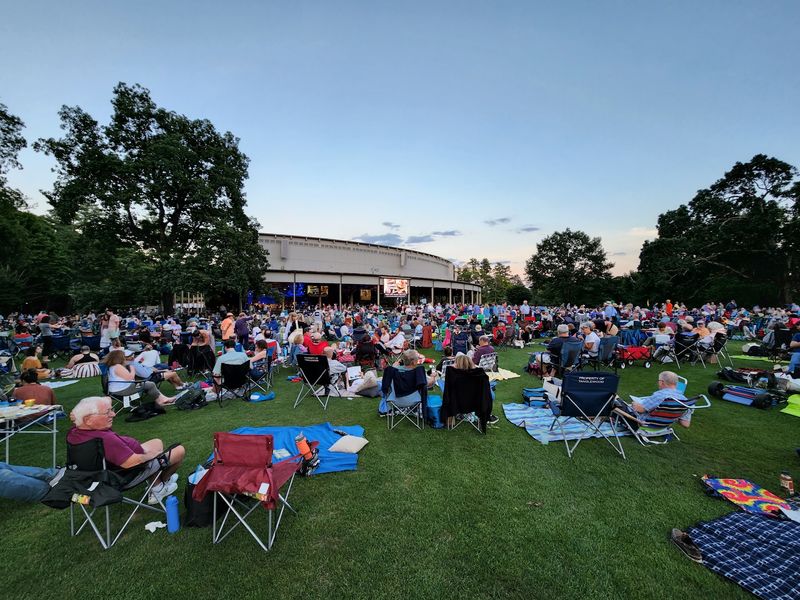
Imagine lying on a grassy lawn while a full symphony orchestra plays a few hundred feet away. That happens all summer in Lenox, at a place called Tanglewood.
The Boston Symphony Orchestra has spent its summers here since 1937. Lawn tickets cost far less than seats inside, and most regulars swear the lawn is better anyway.
Pack sandwiches, bring a blanket, and settle in early.
Lenox sits in the Berkshire Hills, western Massachusetts, where the roads wind past stone walls and old estates. The town center is small and walkable, with bookstores and bakeries that make you want to linger.
Readers should visit The Mount, the home Edith Wharton designed herself. The gardens alone are worth the stop, and the house tour explains how she wrote in bed every morning.
Ventfort Hall is another stop worth an hour. The mansion tells the story of the Gilded Age, when wealthy families built enormous summer cottages up here.
Need to move? Kennedy Park has miles of wooded trails just off Main Street, with views over the hills and lakes.
Fall colors here are ridiculous in the best way.
Lenox suits anyone who wants beauty without noise.
5. Stockbridge
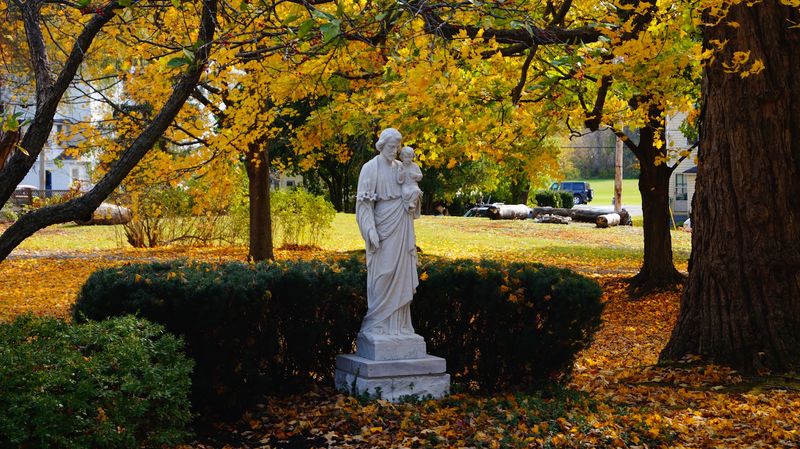
Norman Rockwell painted Main Street in Stockbridge, and here is the wild part: it still looks almost exactly the same. Same storefronts, same red inn, same small-town feeling.
Rockwell lived and worked here for 25 years. The Norman Rockwell Museum holds the largest collection of his original art anywhere, plus his actual studio, moved to the property and set up like he just stepped out.
Stockbridge sits deep in the Berkshires, and the whole town takes maybe ten minutes to walk. That is part of the charm.
Shops sell books, maple candy, and handmade things you cannot find at home.
Naumkeag is the surprise everyone talks about later. It is a hilltop estate with terraced gardens, a famous blue staircase lined with white birch trees, and views across the valley.
Photographers love the place.
Chesterwood, once home to the sculptor who created the Lincoln Memorial statue, sits nearby too. Seeing his early Lincoln models up close hits differently.
Come in October and the hills turn orange and red around you. Come in December and the town recreates Rockwell’s famous Christmas scene with vintage cars parked along Main Street.
Stockbridge shows off the quieter side of Massachusetts.
6. Concord
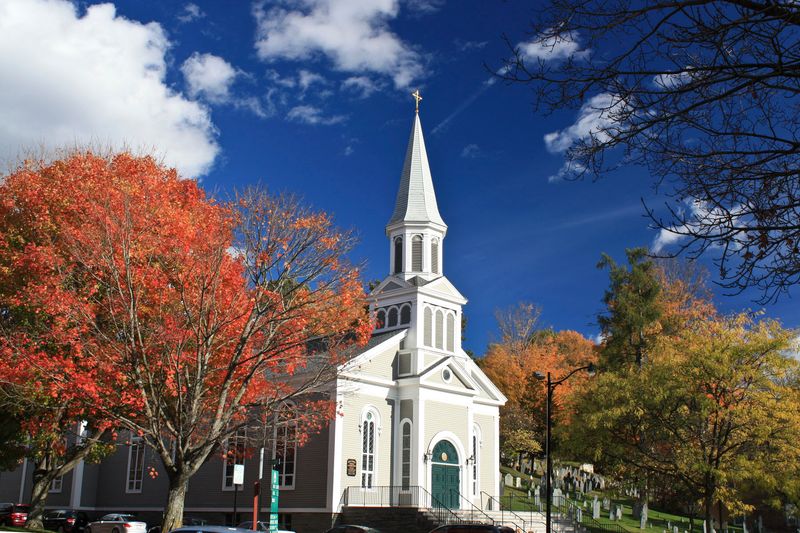
The American Revolution started with a single shot fired near a wooden bridge in Concord. You can stand on that bridge today.
It is quiet now, with a river running underneath and ducks paddling by.
Old North Bridge sits inside Minute Man National Historical Park, and park rangers share stories that textbooks skip. The Battle Road Trail runs five miles from here, tracing the route British soldiers took as they retreated.
Concord also raised some serious writers. Louisa May Alcott wrote Little Women at Orchard House, and you can see the small desk her father built for her under the window.
Fans of the book often get emotional in that room.
Ralph Waldo Emerson’s house sits close by, still filled with his furniture and books.
Walden Pond is a short drive away. Henry David Thoreau built a cabin there and wrote about living simply.
In summer people swim, and in fall the trees around the water put on a show.
At Sleepy Hollow Cemetery, a small hill called Author’s Ridge holds the graves of Alcott, Thoreau, Emerson, and Hawthorne. Visitors leave pencils on the stones.
Concord makes American history feel close enough to touch.
7. Salem
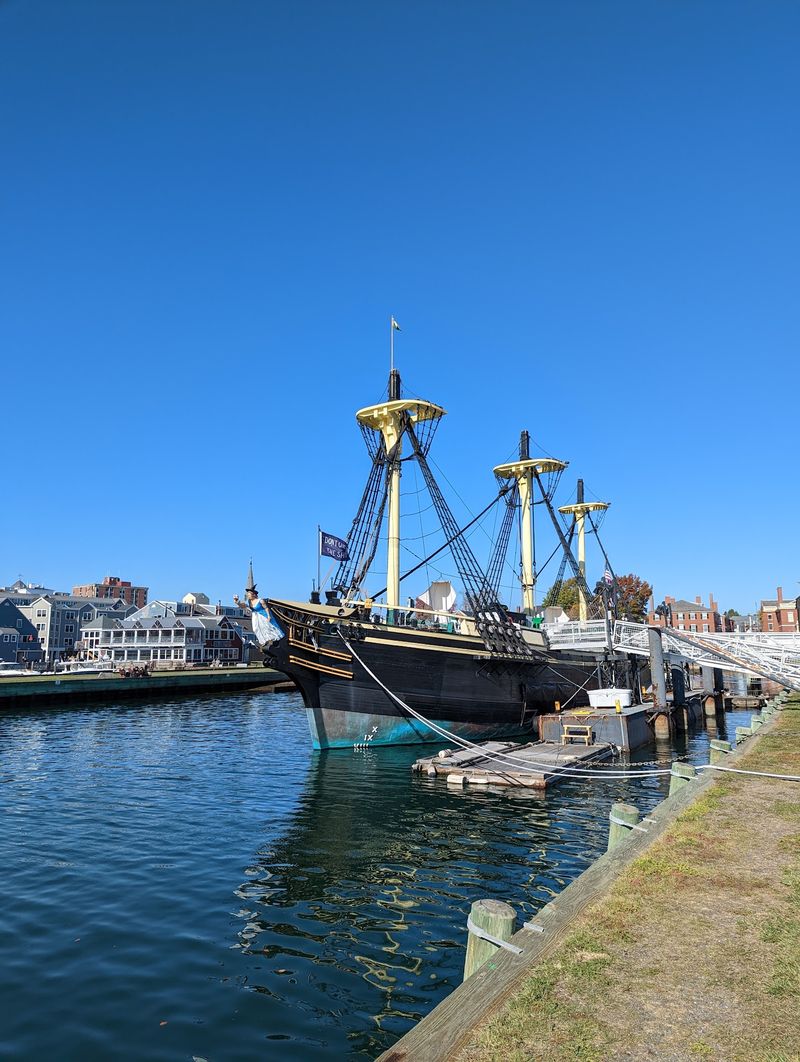
Most people know Salem for the 1692 witch trials. Fair enough.
But spend a day here and you will find a seaport town with tall ships, world-class art, and streets lined with beautiful old houses.
The Witch House is the only building left in Salem with a direct connection to the trials. A judge lived there.
The low ceilings and dark beams make the past feel very real.
Down at the water, Salem Maritime National Historic Site protects old wharves and warehouses from the days when ships sailed from here to China and India. Derby Wharf stretches far into the harbor, and walking it feels great on a breezy day.
The Peabody Essex Museum surprises people. It holds art and objects from around the world, including an entire 200-year-old Chinese house moved piece by piece from China.
Essex Street is a walking-only stretch full of shops, bookstores, and places to grab a bite. Check opening days before you go, since hours shift by season.
The House of the Seven Gables, a dark wooden mansion by the harbor, inspired Nathaniel Hawthorne’s famous novel. There is a secret staircase inside.
Salem stays busy every October, so plan ahead.
8. Nantucket
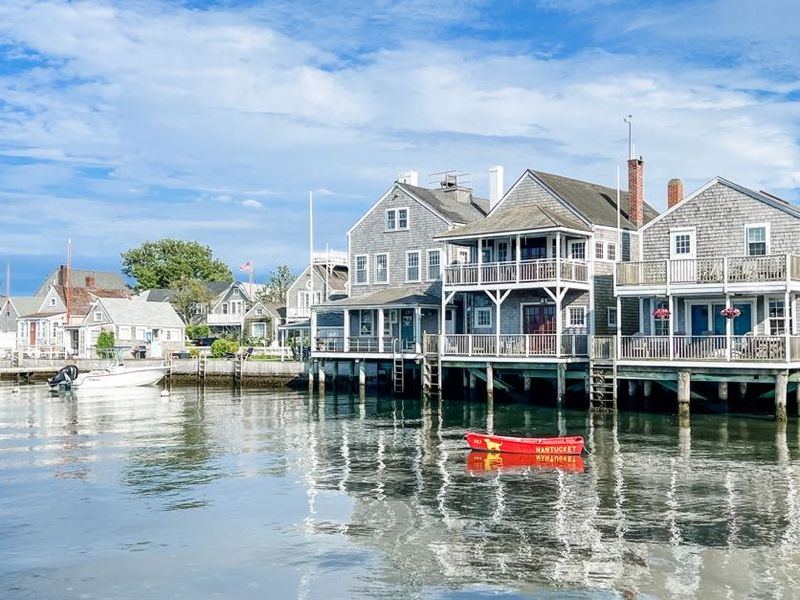
Grey shingled houses. Cobblestone streets.
Window boxes spilling over with flowers. Nantucket looks like someone pressed pause about 150 years ago and never pressed play again.
The island sits 30 miles off the coast of Massachusetts, reachable by ferry from Hyannis. Brant Point Lighthouse greets your boat as you pull in, and passengers always crowd the rail to see it.
Downtown is compact and easy to explore on foot. Main Street still has its original cobblestones, which are rough on heels but wonderful for photos.
Galleries, bookshops, and small stores fill the brick buildings.
The Whaling Museum deserves an hour or two. A 46-foot sperm whale skeleton hangs from the ceiling, and the rooftop deck gives you a sweeping harbor view.
Rent a bike. Seriously.
Paved trails run all over the island, past cranberry bogs and open moors, and the terrain is mostly flat. Surfside Beach works for a classic ocean day, while Madaket Beach draws crowds every evening for the sunset.
Adventurous types can head to Great Point, where a lonely lighthouse stands on a sandy spit and seals lounge nearby.
Nantucket costs a bit more, but the memories stick.
9. Newburyport
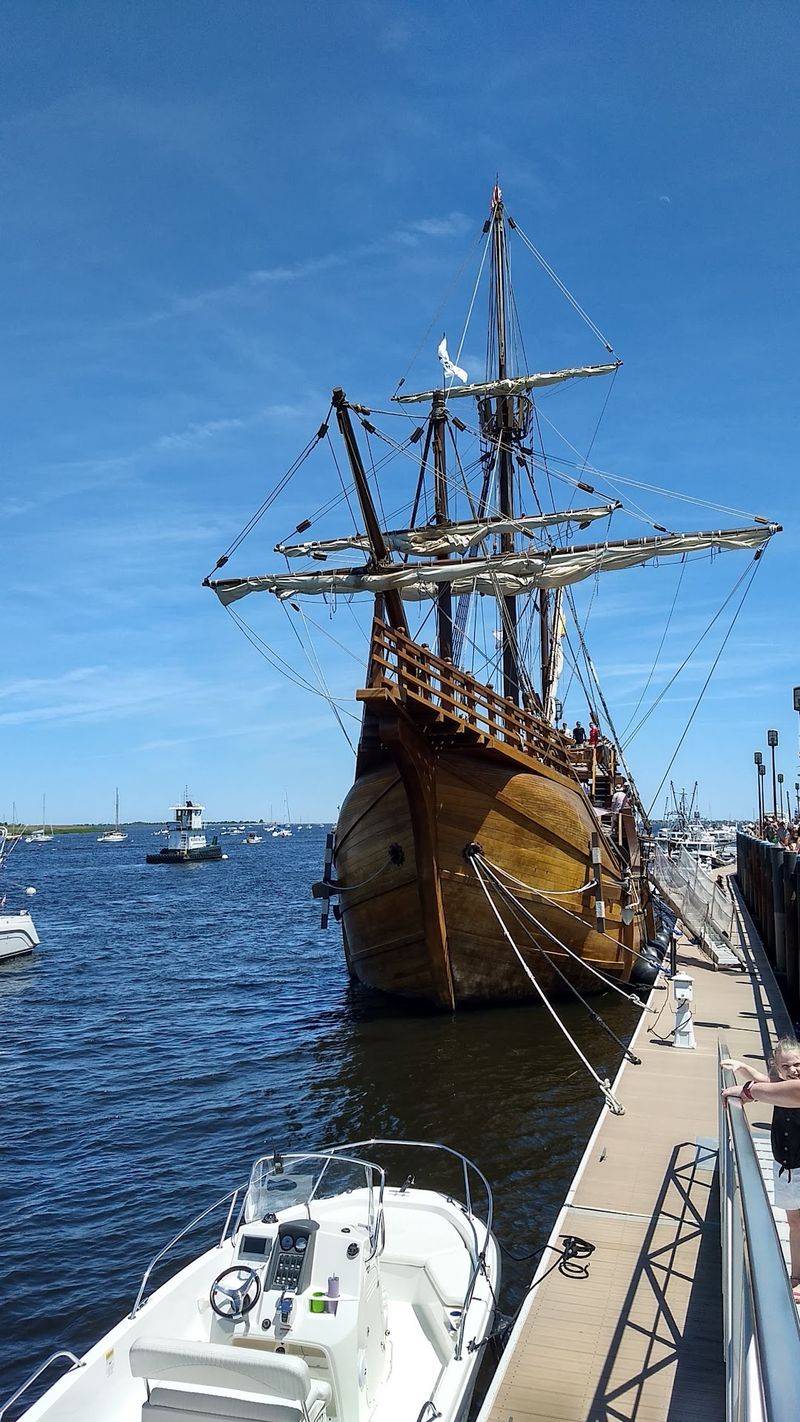
Perched at the mouth of the Merrimack River where it meets the Atlantic, Newburyport is one of those towns that looks almost too pretty to be real. A perfectly preserved Federal-style downtown, built on the wealth of 18th-century maritime trade, art galleries, and farm-to-table restaurants now occupy buildings that once outfitted clipper ships.
The waterfront boardwalk is a natural gathering place, with views across to Plum Island, a barrier island that shelters one of the most important migratory bird sanctuaries on the East Coast.
The Parker River National Wildlife Refuge draws birdwatchers from across the country, especially during spring and fall migrations when thousands of shorebirds and raptors pass through.
For families, the Newburyport Rail Trail offers miles of easy cycling through salt marshes and along the river, and the downtown is genuinely walkable with ice cream shops, bookstores, and the kind of hardware store that doubles as a neighborhood institution.
The Custom House Maritime Museum tells the city’s seafaring story with ship models, navigational instruments, and exhibits on the whaling and privateering eras. Summer weekends fill fast, so midweek visits reward you with the same beauty at half the crowd.
10. Shelburne Falls
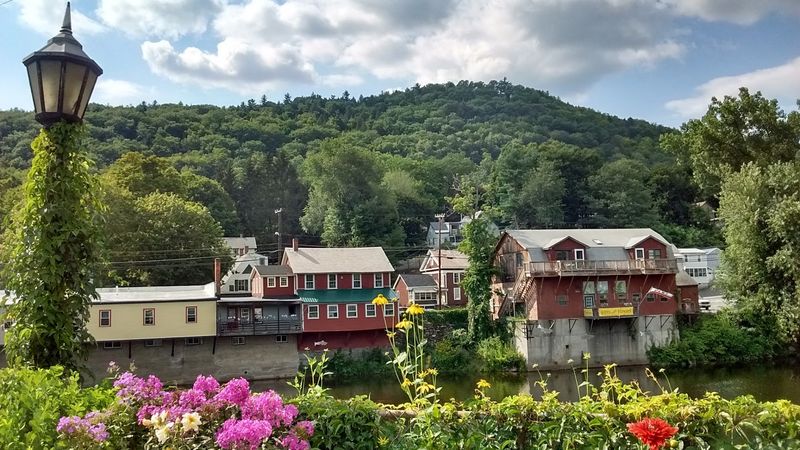
Shelburne Falls earns its reputation as one of the state’s most quietly spectacular small towns. The centerpiece is the Bridge of Flowers, a former trolley bridge that a local garden club transformed into a quarter-mile floral promenade in 1929 and has maintained in bloom every season since.
From spring through autumn, the bridge carries hundreds of varieties of flowers, vines, and ornamental grasses above the Deerfield River, free to walk across any time of day.
Below the bridge, the Glacial Potholes are a geological wonder: the Deerfield River carved dozens of perfectly rounded potholes into the bedrock over thousands of years, some reaching six feet across, and you can walk right up to the edge to peer into them.
The village itself is tiny, just a few blocks of studios, galleries, and the kind of café where the owner knows everyone by name. The Salmon Falls Artisan Showroom carries work from regional craftspeople, and the surrounding hills offer farm stands, hiking trails, and covered bridges within easy driving distance.
It’s the kind of place that genuinely surprises people who weren’t expecting much.
11. Marblehead
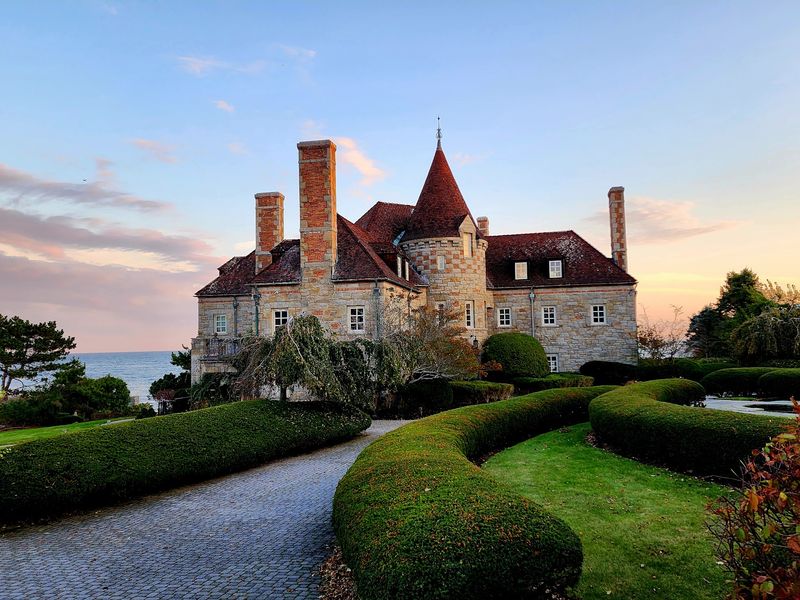
Marblehead sits on a rocky peninsula north of Boston and is widely considered one of the most beautiful coastal towns in America, a claim that’s hard to argue once you’re standing on the neck looking back at the harbor.
The town has been a sailing mecca since the 18th century, and on summer weekends the harbor fills with more sailboats than you can count.
The historic district is remarkably intact, with over 200 pre-Revolutionary homes clustered along narrow lanes that follow the original footpaths of the 1600s settlement. Abbott Hall, the Victorian town hall at the crest of Washington Street, houses Archibald Willard’s original painting “The Spirit of ’76,” one of the most reproduced images in American history, displayed here with far less ceremony than it deserves, which somehow makes it more moving.
Fort Sewall, a colonial-era fortification, offers open lawns and sweeping harbor views and is completely free to visit. The town’s independence is well-documented: Marblehead fishermen famously rowed George Washington across the Delaware River on Christmas night 1776, and locals will remind you of this with appropriate pride.
The Marblehead Neck Wildlife Sanctuary adds quiet tidal walking to a town that already rewards every direction you point yourself.
12. Great Barrington
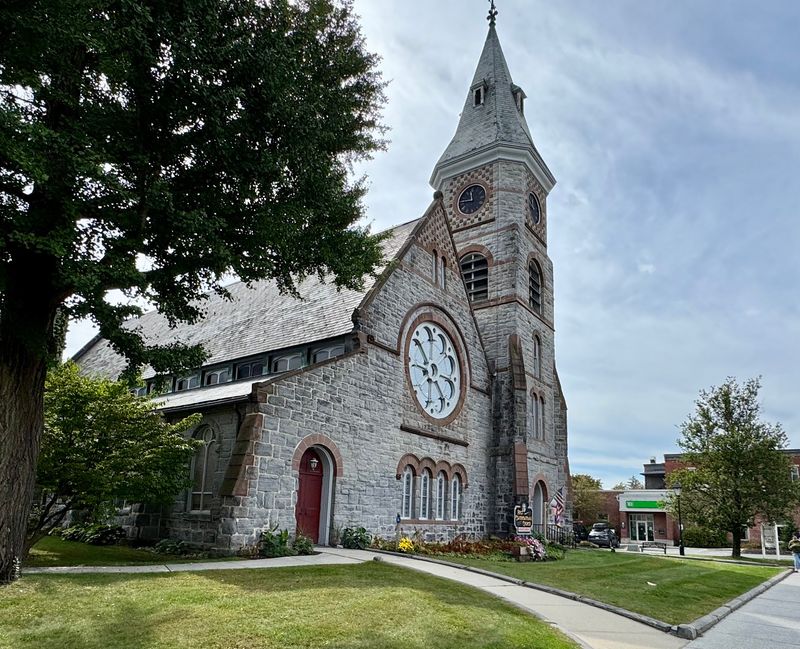
Great Barrington anchors the southern Berkshires and punches well above its weight for a town of barely 7,000 people.
Railroad Street in particular has drawn comparisons to Brooklyn for its density of independent restaurants, vintage shops, and galleries. The reality is a genuinely lively small-town commercial district that serves both longtime locals and the weekenders who drive up from New York City two hours away.
The surrounding landscape is the real draw: Monument Mountain looms directly over town, a short but rewarding hike to a quartzite ridge where Nathaniel Hawthorne and Herman Melville famously met during a thunderstorm in 1850, an encounter that reportedly pushed Melville to finish Moby-Dick.
The Mahaiwe Performing Arts Center brings film, theater, and music to a beautifully restored 1905 theater in the heart of downtown. Great Barrington was also the birthplace of W.E.B.
Du Bois, and a memorial park and interpretive site honors the scholar and civil rights leader.
Bash Bish Falls, the highest single-drop waterfall in Massachusetts, is a 20-minute drive south and well worth the detour for the cascade alone.