
10 New Hampshire Areas Where You’re Most Likely To Spot A Black Bear This Summer
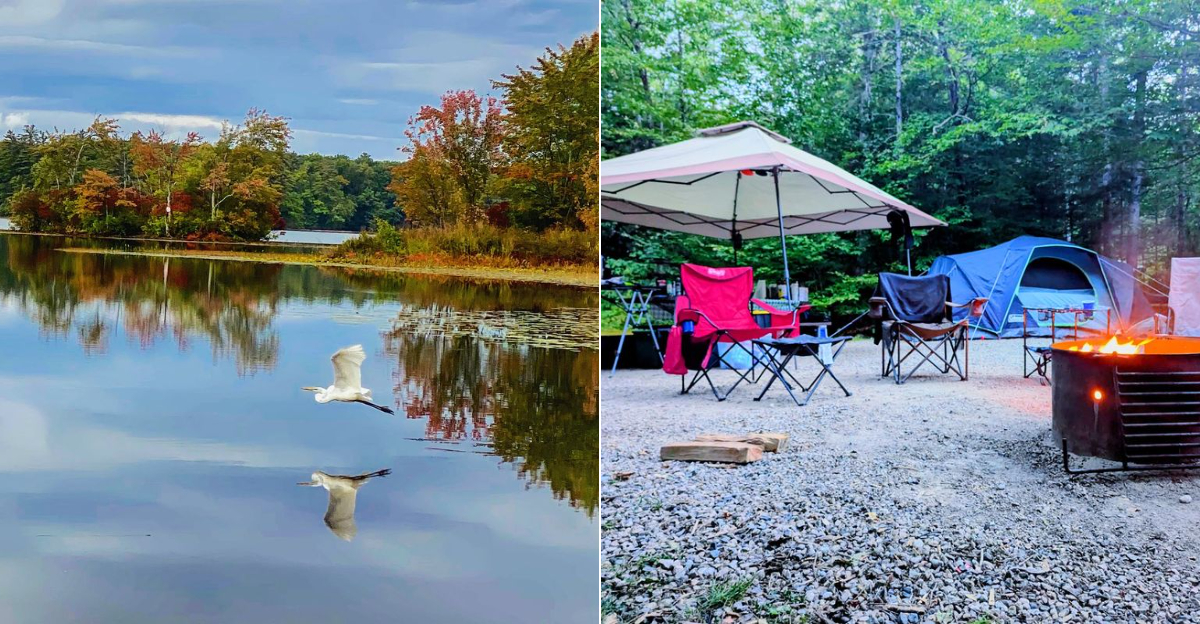
New Hampshire has black bears in every single county, and summer is when they move around the most. Picture this: you pull over at a quiet overlook, lift your camera, and a shaggy black shape shuffles across the treeline.
Your heart jumps. You grin for the rest of the day. That is the kind of moment travelers remember long after the trip ends.
Bears here are shy animals, and they almost always run the other way when they notice people. Still, they are curious eaters with an incredible sense of smell, so they show up near campgrounds, berry patches, and quiet back roads.
Wildlife officials remind everyone that feeding bears is illegal in New Hampshire, and that securing food and trash keeps both people and bears safe.
Watch from a distance, stay in your car when you can, and let the animal keep walking. Ready for the fun part? Some spots in New Hampshire simply give you better odds than others.
Early morning and the hour before sunset are your best windows. Bring binoculars and snacks you can seal up tight.
1. Kancamagus Highway, White Mountains
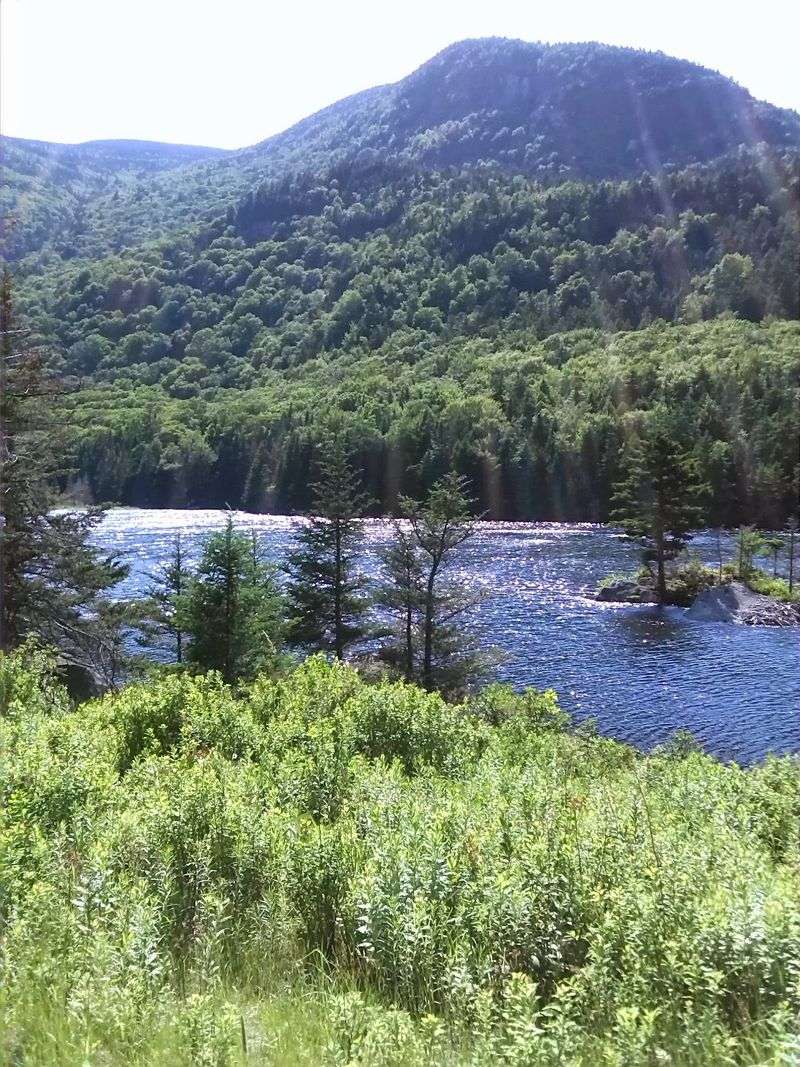
Roll down the window, slow the car, and keep your eyes on the treeline. The Kancamagus Highway cuts 34.5 miles through the White Mountain National Forest, and drivers here regularly spot moose, deer, and black bears near the shoulder.
The forest around this road is mostly undeveloped, which is exactly the kind of home bears like. Berry bushes, streams, and thick cover give them everything they need in one place.
Timing matters more than luck. Drive it at sunrise or in the last hour before dark, and pull into the marked overlooks instead of stopping in the travel lane.
Even without a bear, this drive earns its reputation. Sabbaday Falls sits at the end of an easy 0.6-mile round trip walk, and Rocky Gorge shows off the Swift River rushing through carved stone.
Families love it because there are so many pull-offs. You can stretch your legs, skip rocks, snap photos, and be back on the road in twenty minutes.
Pack water and a picnic, because cell service fades and stores are scarce. That is part of the charm.
Treat yourself to an unhurried morning here. No schedule, no rush, just mountains and a chance encounter.
The route runs as New Hampshire Route 112, stretching between Conway and Lincoln.
2. Pittsburg And The Great North Woods
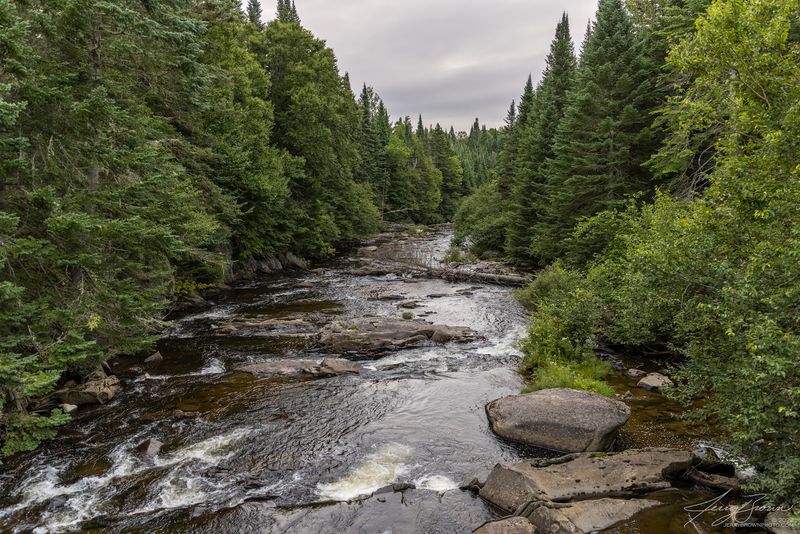
Way up at the top of New Hampshire sits a town bigger than some states’ counties, with more trees than people. Pittsburg is famous for moose, but the same endless forest hides plenty of black bears.
Wildlife crosses these roads constantly, especially at dawn and dusk. Drive slowly, keep headlights ready, and expect to brake for something furry.
The remoteness is the whole point. There are no crowds, no traffic lights, and very little noise to push animals away from the roadside.
First Connecticut Lake draws paddlers, anglers, and birdwatchers who want a morning with mirror-flat water. Kayaks glide out at sunrise while mist still hangs over the surface.
Adventure seekers get hundreds of miles of UTV and ATV trails. Waterfall hunters can chase Garfield, Beaver Brook, and Lyme Falls.
Then there is Moose Alley, a 12-mile stretch of US Route 3 that is one of the best wildlife-watching drives anywhere in New Hampshire. Bring a thermos and settle in.
Pack layers, because nights get cool even in July. Fill your gas tank before heading north, too.
If you have been telling yourself you need a real break, this is it. Find it at Pittsburg, NH 03592.
3. Crawford Notch State Park In Hart’s Location
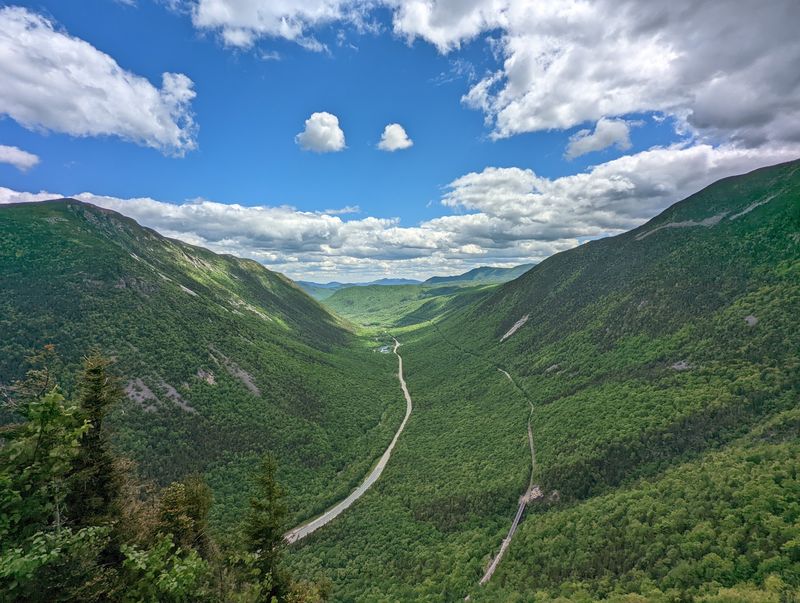
Cliffs rise on both sides, waterfalls drop through the trees, and somewhere in that green tangle a bear is turning over logs looking for grubs. Crawford Notch State Park covers 5,775 acres of the White Mountains, and bears have been seen crossing roads right inside the notch.
Deer, wild turkeys, and the occasional moose share the same ground. Bring binoculars and scan open slopes and berry patches from the pull-offs.
Hikers here get real variety. Some trails are gentle strolls, while others climb to summits with views that make your jaw drop.
Waterfall lovers, take note. Arethusa Falls is the tallest single-drop waterfall in New Hampshire, and Ripley Falls plus Willey House Falls are close by.
The historic Willey House site adds a story to the scenery, with a small museum and a country store for souvenirs and snacks. Kids usually vote for the ice cream stop.
Fly-fishers cast in the Saco River nearby, and Dry River Campground gives you a place to stay overnight.
Give yourself a full day here instead of rushing through. The notch rewards slow travelers.
Start at the Willey House and Gift Shop, 1134 US-302, Hart’s Location, NH 03812, and check seasonal opening days before you go.
4. Jackson Village And Its Waterfalls
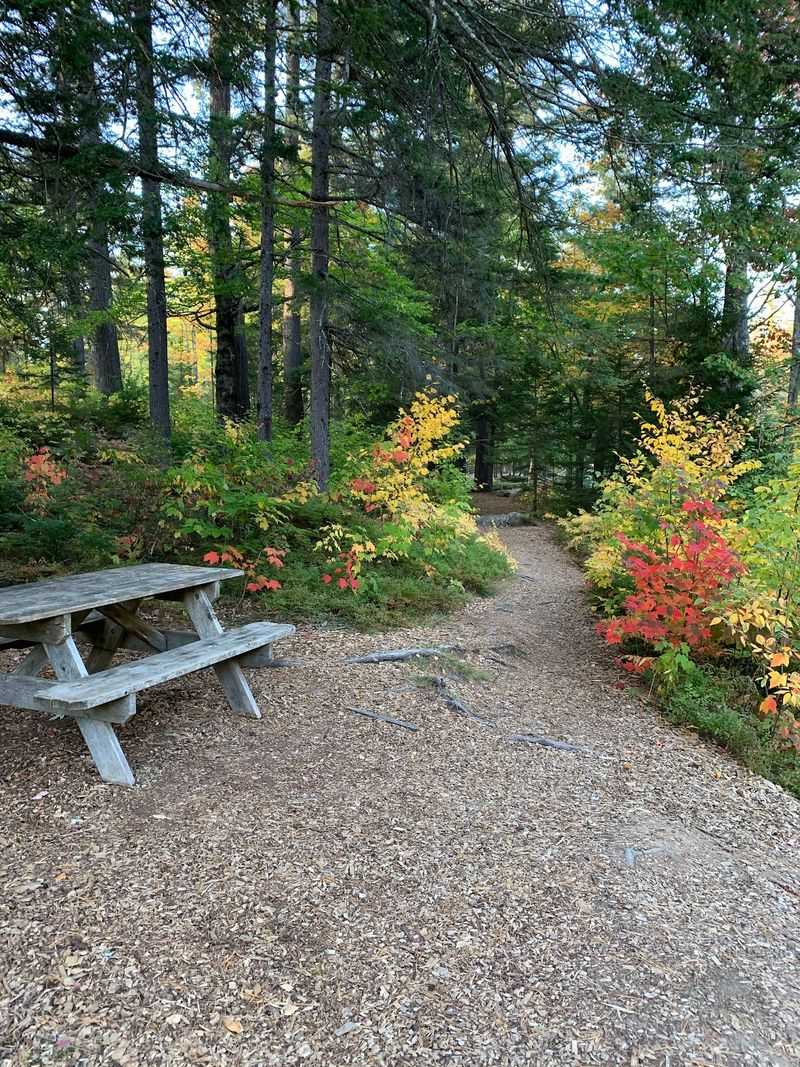
Small village, big mountains, and wildlife closer than you might expect. Jackson sits in the heart of the White Mountains, where thick forest and quiet trails create solid bear habitat right outside town.
Photographers come here hoping to catch the shy animals that live in these hills. Patience and a long lens go a long way.
Walk the trails early, keep your voice at a normal level, and you may catch movement in the brush. Bears usually hear you first and slip away.
Jackson Falls is the star attraction, a series of cascades tumbling right through the village. You can sit on warm rock, dip your feet, and watch the water for an hour without getting bored.
Glen Ellis Falls makes another easy outing, and the historic Jackson Covered Bridge is a favorite photo stop. Golfers head to the Wentworth Golf Club for mountain views between shots.
Come winter, the same town flips into a snow playground with Black Mountain Ski Area and Great Glen Trails Outdoor Center.
Summer travelers should bring water shoes, since the rocks near the falls get slippery. Kids will be in the water within thirty seconds anyway.
Set your GPS for Jackson, NH 03846, and give yourself permission to do absolutely nothing for a while.
5. Province Lake In Effingham
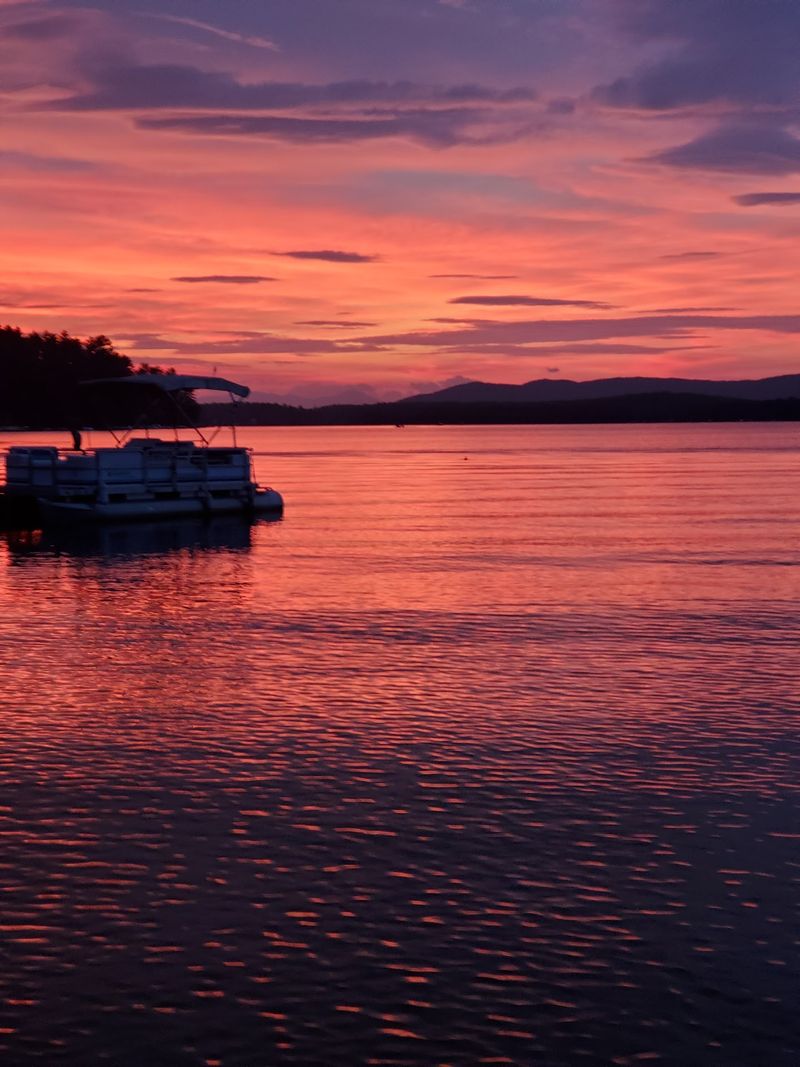
Sandy beach on one side, deep woods on the other. Province Lake spreads across 980 acres in the Lakes Region, and the forest ringing it connects to the wider wildlife corridor running toward the White Mountains.
Bears live in every county in New Hampshire, and one was spotted recently on a fire road just off Province Road. Keep that in mind on early morning walks.
The best strategy is simple. Watch the wooded edges from your kayak, since water gives you distance and a clear view.
Province Lake Campground makes a great base, with roughly 400 feet of beach and a 36-slip marina. Families settle in for a week and never run out of things to do.
Swimming, canoeing, and paddling fill most days. Evenings mean campfires and long looks at the stars.
Golfers can play the 18-hole Province Lake Golf Course, where lake and mountain views compete with the scorecard for your attention. The nearby Saco River adds more paddling and fishing.
For a slower afternoon, the historic Freedom Village Store is worth browsing for souvenirs. Check days of operation before driving over.
Store your food properly, because raccoons and bears both have excellent noses. The campground address is 36 Remick Road, Effingham, NH 03882.
6. Great Pond In Kingston
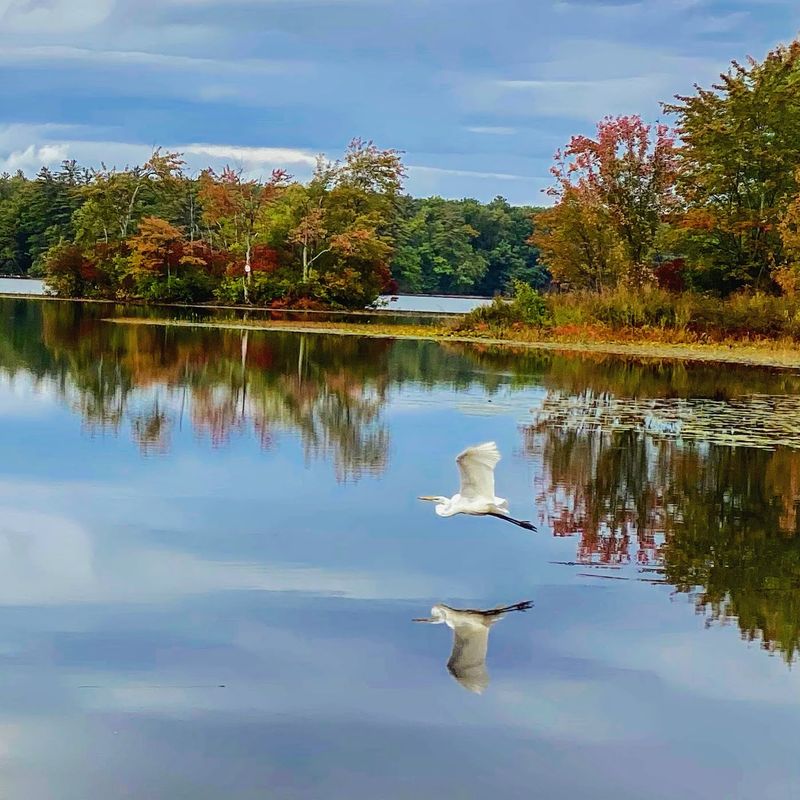
Southeastern New Hampshire surprises people. Bears roam this part of the state too, moving through the woodlots and wetlands between neighborhoods and lakes.
Great Pond, known locally as Kingston Lake, covers 268 acres of freshwater with forest along much of its shore. Sightings are not guaranteed, but the habitat is there.
Try the quiet edges of the park early, before the beach crowd arrives. That is when animals feel bold enough to move.
Kingston State Park sits on the eastern shoreline and delivers exactly what a summer day needs. There is a sandy public swimming beach, shaded picnic areas, and restrooms.
Boaters, paddlers, and swimmers all share the water happily. Paddleboards are popular on calm mornings when the surface looks like glass.
Anglers cast for largemouth bass, pickerel, and perch. Kids often catch their very first fish right off the shoreline here.
Bring a cooler, an umbrella, and a book you keep meaning to finish. This is a low-effort, high-reward kind of day.
Pack out your trash too, since loose food scraps are what teach bears to visit picnic spots in the first place.
You will find Kingston State Park at 124 Main Street, Kingston, NH 03848, and it makes an easy day trip from the Seacoast.
7. Rye And Odiorne Point State Park On The Seacoast
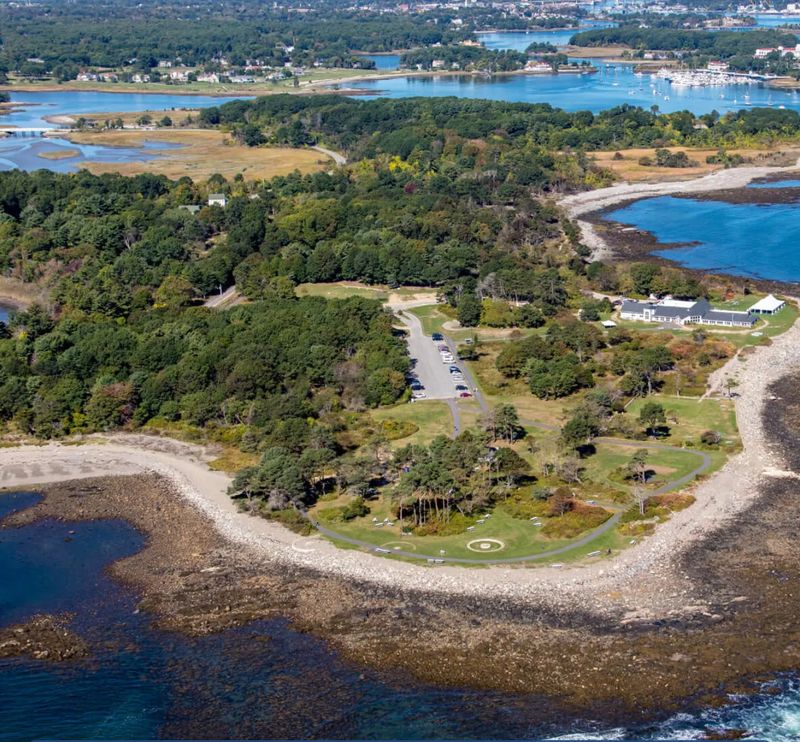
Bears at the beach? It happens.
A young black bear was spotted exploring a jetty along the Rye coastline, a reminder that even New Hampshire’s eighteen miles of beach sit inside bear country.
Odiorne Point State Park protects the largest undeveloped stretch of the 18-mile New Hampshire coastline. Woodlands and uplands here give wildlife cover just steps from the ocean.
Walk the wooded trails away from the shore for your best chance. Keep dogs leashed and give any animal plenty of space.
The park mixes habitats in a way you rarely see. Salt marsh, freshwater and salt ponds, sandy beach, and rocky shore all sit within a short walk of each other.
Picnic tables face the Gulf of Maine, with the Isles of Shoals and distant lighthouses on the horizon. It is a fantastic sunrise spot.
Cyclists use the paved path, hikers use the trail network, and families head straight for the playground. There is a boat launch as well.
The Seacoast Science Center sits inside the park and turns a rainy hour into a fun one. Check its open days ahead of time.
Bring a windbreaker, since ocean breezes stay cool even in July.
Find it all at 570 Ocean Blvd, Rye, NH 03870.
8. Dolly Copp Campground In Gorham
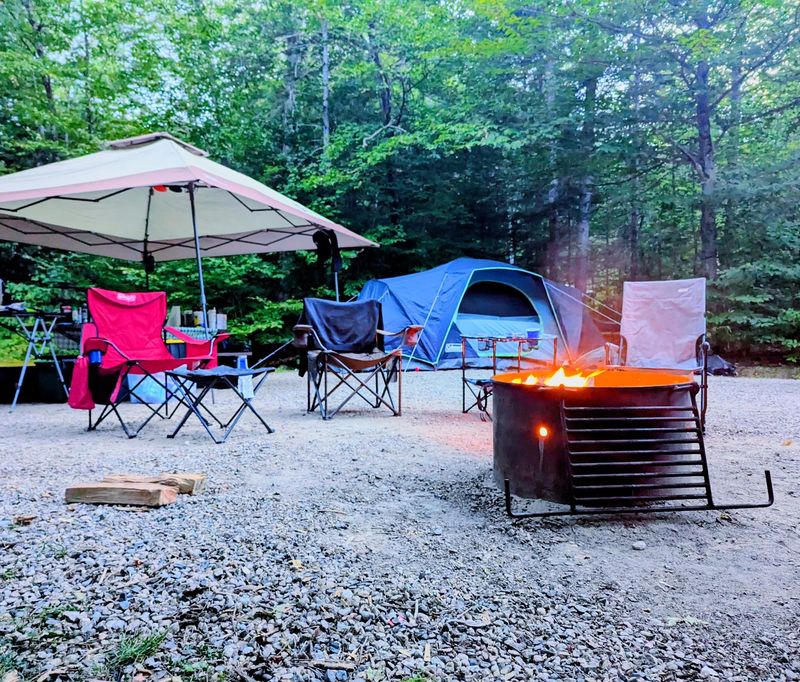
Campers here trade stories around the fire, and bear sightings come up often. Dolly Copp is the largest campground in the White Mountain National Forest, sitting in a mix of hardwood, spruce, and pine at the base of New England’s highest peak.
Wildlife wanders through regularly. Visitors report white-tailed deer, wild turkeys, and snowshoe hares, while longtime campers mention moose and black bears in the surrounding area.
Want better odds? Take a quiet walk along the edges of the campground loops early in the day, before the coffee pots and car doors start going.
Food storage is not optional here. Seal everything, clean the grill, and keep coolers out of sight, because a bear that finds one meal will remember the spot.
The campground itself is comfortable for a forest setting.
Trails lead straight into the Presidential and Carter-Moriah Ranges, so hikers can start walking without driving anywhere. Anglers cast for brook trout in the Peabody River and Culhane Brook.
Through July and August, educational programs run for anyone curious about the forest. Kids especially eat that up.
Book ahead, then treat yourself to a screen-free weekend at Dolly Copp Rd, Gorham, NH 03581.
9. Woodstock At The Edge Of The National Forest
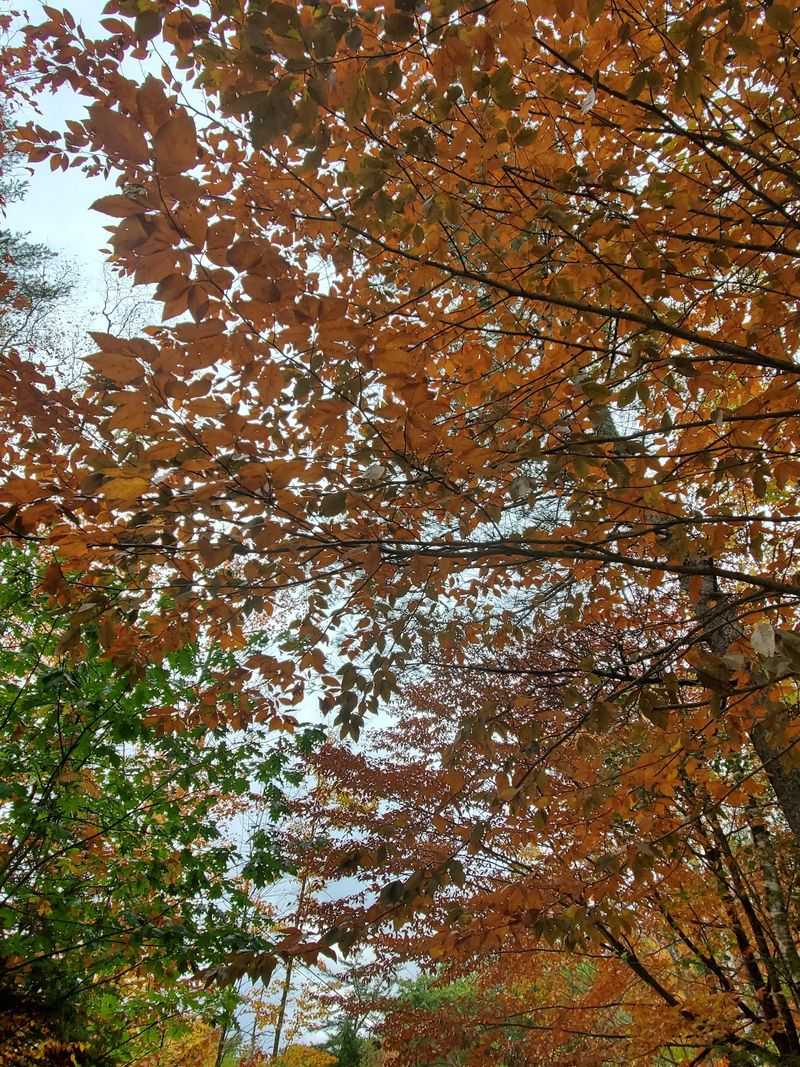
Surrounded by the White Mountain National Forest on nearly every side, Woodstock puts you within minutes of serious bear country. Trails climb straight from town into thick woods where these animals feed all summer.
Hikers who start early and move quietly see the most. Look for overturned logs and berry patches, which are dinner tables for bears.
Never approach for a photo. A long lens keeps everyone comfortable, including the bear.
Lost River Gorge and Boulder Caves tops most visitor lists, with glacial caves you can squeeze through and a waterfall at the end. Kids come out muddy and thrilled.
Cascade Park is the local favorite for picnics and cooling off among river rocks. Soldiers Field Park hosts live music on summer evenings.
The Hobo Railroad rolls through forested valleys for a relaxed ride, and the Kancamagus Scenic Byway starts just down the road.
Loon Mountain and Cannon Mountain sit nearby if you want lift rides and big views without hiking. Winter brings the Ice Castles.
Swimming holes are scattered all around, so ask locally and bring a towel. New Hampshire summers get warmer than people expect.
Base yourself in Woodstock, NH 03293, and let the mountains handle your itinerary.
10. Auburn And Lake Massabesic
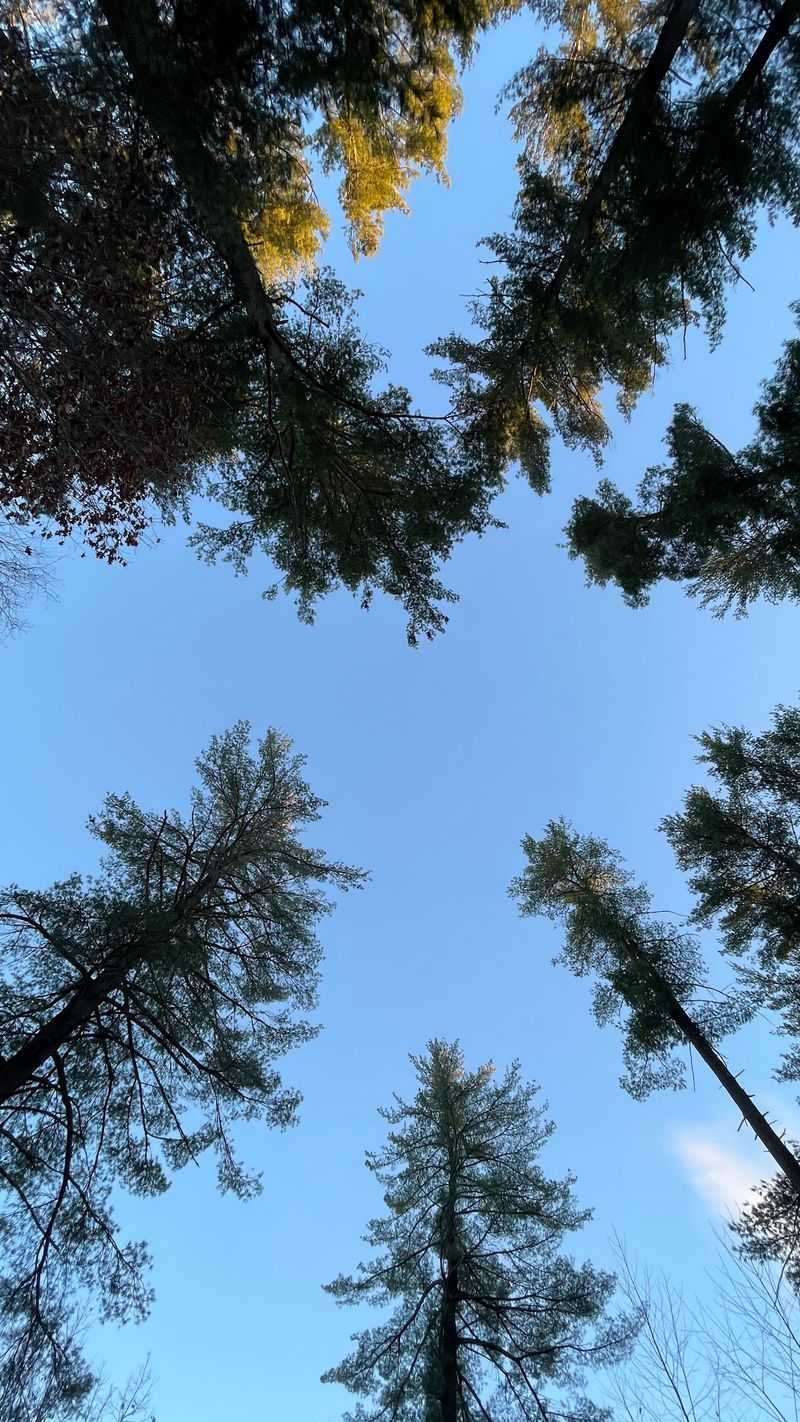
Residents in Auburn have posted about bears hanging around neighborhoods, including a small one strolling through a front yard. That is how normal bear life is in this state.
Lake Massabesic covers 2,500 acres, and the woods and trails circling it hold plenty of wildlife. Walkers regularly notice tracks and movement in the brush.
Go at first light, stay on the trail, and let any animal you see continue on its way. Bears in New Hampshire almost always choose to leave.
The lake is a favorite for sailing, fishing, and lazy shoreline picnics. Anglers target largemouth bass, white perch, and trout.
Swimming and body contact are not allowed, since the lake supplies drinking water. Non-motorized boating, kayaking, and paddleboarding are welcome in designated areas.
The trail network suits walkers, joggers, and cyclists, and connects to the Rockingham Rail Trail for longer rides. Bring a bike if you have one.
The picnic area has restrooms and tables, making it easy to spend a whole morning without planning anything.
Southern New Hampshire travelers love this stop because it feels remote without a long drive. Sunrise over the water is genuinely worth setting an alarm for.
Head to the Massabesic Lake Picnic Area Access, 23 Londonderry Turnpike, Auburn, NH 03032.