
This Charming Alaska Seafood Shack Is Known For Fish And Chips That Keep Seafood Fans Coming Back
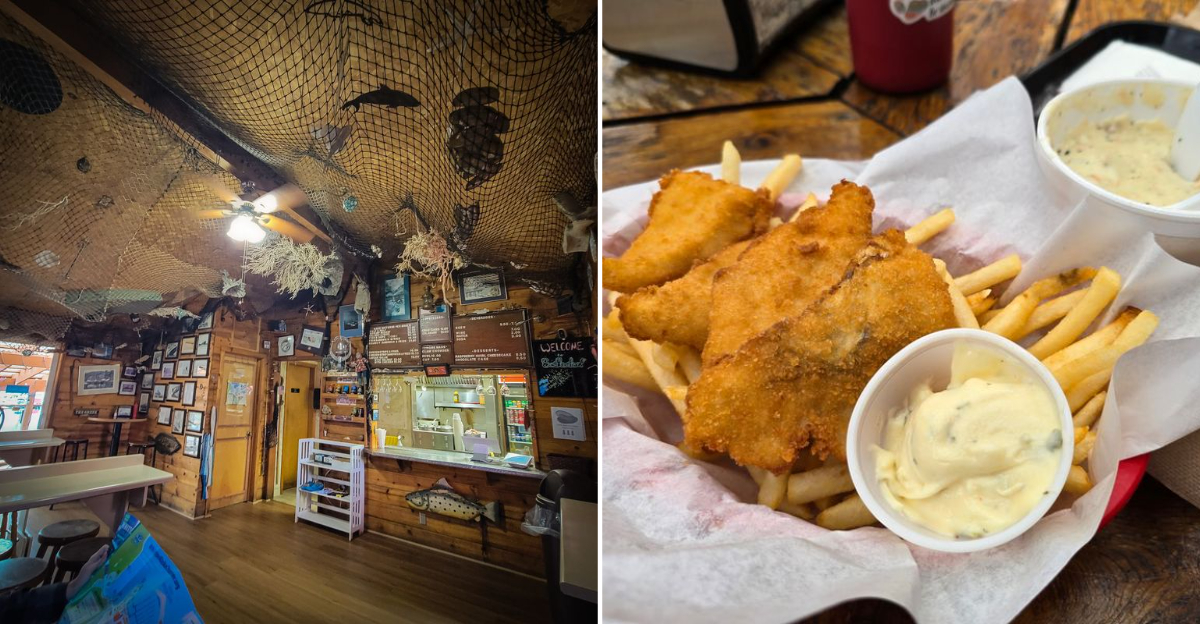
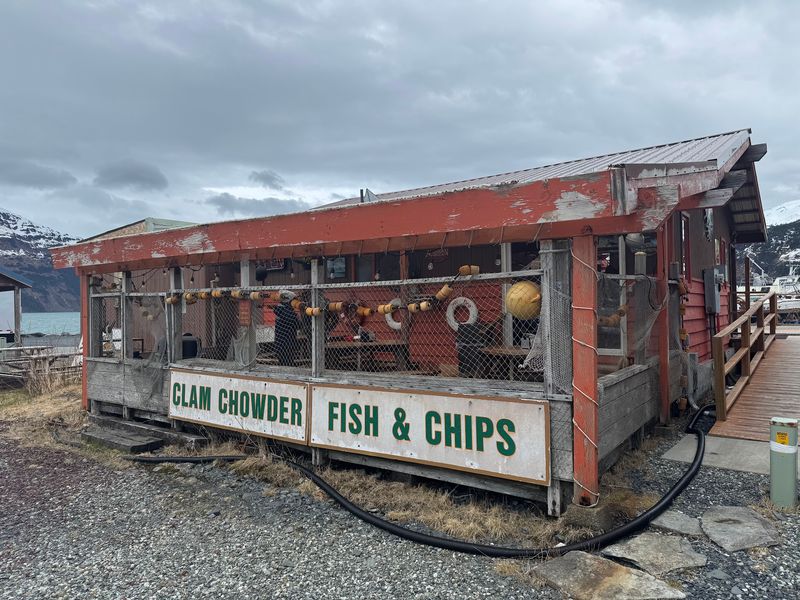
Some people think the best fish and chips can only come from England, but this shack in Alaska will change their mind completely. Fish here gets fried fresh throughout the day, never sitting under heat lamps waiting for orders.
Regulars order the same dish consistently, trusting the recipe to taste exactly like it did the last time. Nothing about the process feels rushed despite serving a steady stream of seafood fans daily.
Portions stay generous, matching the comfort food reputation this shack built over the years. Every order gets prepared with the same care regardless of how busy the counter gets.
That kind of consistency built a following through word of mouth rather than any advertising. This shack proved that sometimes the best fish and chips come from the most unexpected place.
Exploring Popular Fish Varieties For Frying
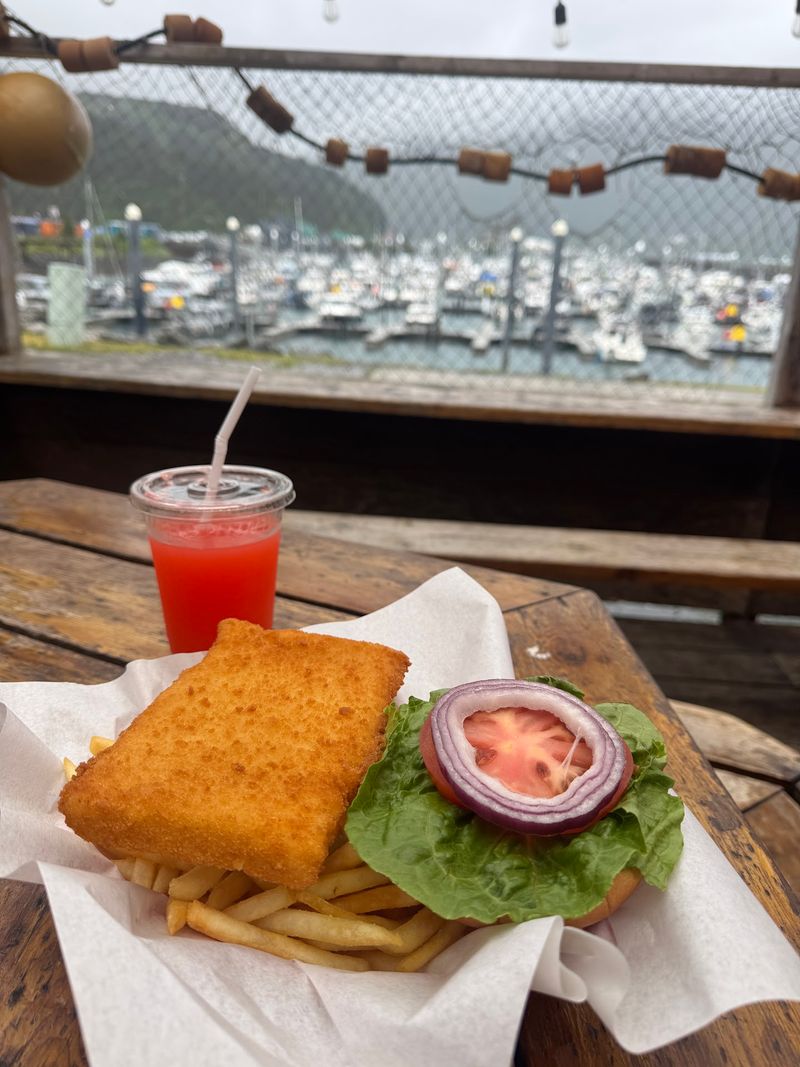
Halibut is the name that comes up over and over at Varly’s Swiftwater Seafood Cafe, and for good reason. The fillets are thick, firm, and slightly sweet, which means they hold their shape in hot oil instead of falling apart.
Pacific cod shows up on the menu too, and it plays a different game. Cod flakes into big soft chunks with a mild flavor, making it the friendly option for anyone who says they do not really like fish.
Rockfish rounds out the lineup with a lighter, flakier bite. It fries up quickly and takes on batter beautifully, which is why it turns first-timers into repeat customers.
What makes the fish taste so good has less to do with fancy technique and more to do with distance. The halibut and cod are locally caught and sourced, and the harbor sits right outside the door.
Shrimp baskets and tender, thick calamari sandwiches add variety to the menu. Chicken strips exist for the one person in every group who avoids seafood entirely.
The cafe sits on Harbor Rd, Whittier, AK 99693, right where the fishing boats tie up. Hard to get fresher than that without swimming.
Secrets Behind Crispy Golden Batter
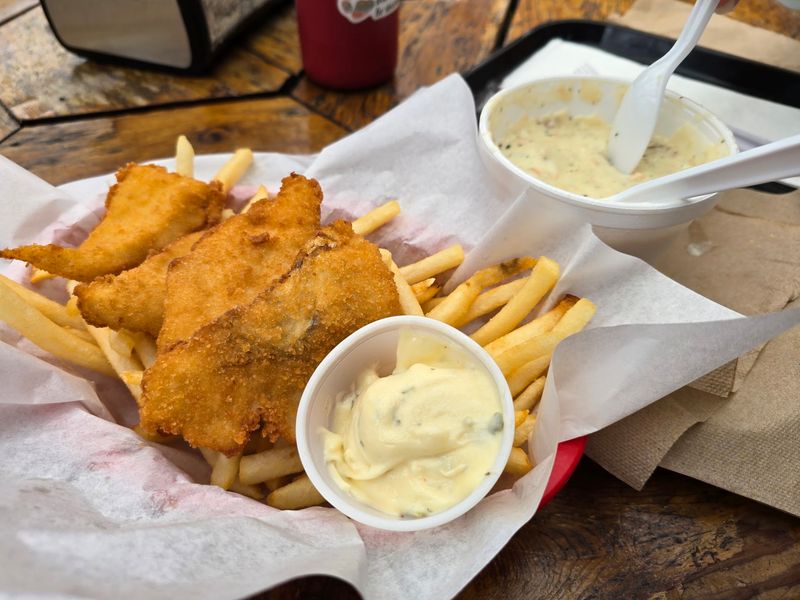
Crispy batter sounds simple until you have eaten a soggy piece of fried fish and felt personally betrayed. The batter here leans light, which means the fish stays the main event instead of hiding under a thick shell of dough.
Getting that result takes a few small habits. Fish gets patted dry so the coating grips properly, and the oil stays in the 350 to 375 degree range so the crust sets fast without soaking up grease.
Fryer oil that gets changed often makes a bigger difference than most people realize. Old oil turns everything dark and heavy, while fresh oil produces that clean golden color and a crunch you can actually hear.
Home cooks chasing the same effect often mix white flour with corn or rice flour for extra crispness. A little baking powder adds lift, and icy cold sparkling water creates a shock against the hot oil that puffs the coating up.
Crowding the fryer is the fastest way to ruin everything. Too many pieces at once drops the temperature, and suddenly you have pale, limp fish instead of a golden crust.
The balance at this Whittier spot leans toward more fish and less batter, which is exactly what seafood fans want. Crust should frame the halibut, not bury it.
Pairing Complementary Side Dishes
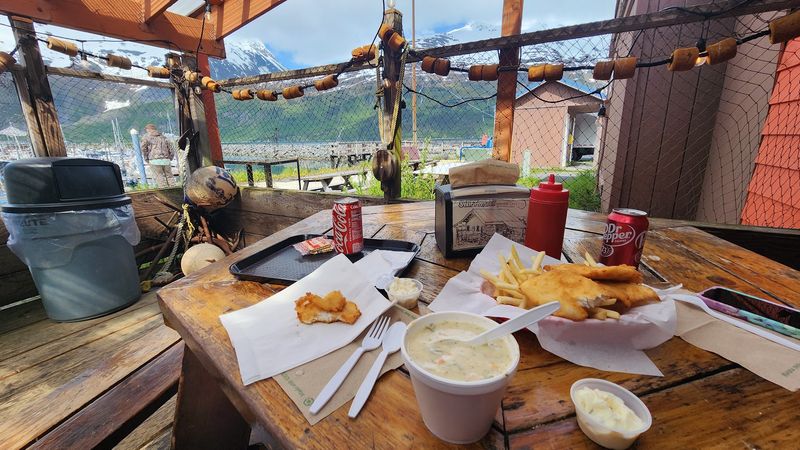
Clam chowder deserves its own paragraph, honestly. It gets ordered constantly at this Whittier cafe, thick with clams and warm enough to fix whatever the weather is doing outside.
Fries arrive thin and crisp alongside the fish, and they soak up tartar sauce like they were designed for it. Some folks prefer a chunkier steak fry, but the thin ones crunch harder and cool down faster, which matters when you are hungry.
Coleslaw brings the tangy crunch that fried food quietly begs for. That little bite of acid resets your taste buds between pieces of halibut, so the last bite tastes as good as the first.
Shrimp baskets work as a side dish if you are sharing with someone, and the salmon chowder gives a different spin for anyone who has already had their fill of clams.
Ordering strategy matters here because portions run large. Two people splitting a chowder and a fish basket usually walk away full, which leaves room to wander the harbor afterward.
Pickles, lemon wedges, and a cold lemonade round out the plate nicely. Strawberry lemonade gets ordered often, and it pairs surprisingly well with anything fried and salty.
Health Benefits Of Fresh Alaskan Seafood
Fried food and nutrition talk usually do not mix, but wild Alaskan fish sneak in some real benefits. Halibut, cod, and rockfish all bring lean protein without much fat.
Omega-3 fatty acids are the headline nutrient. EPA and DHA support brain and heart health, and they help calm inflammation in the body, which is a nice bonus for anyone who spent the morning hiking around Whittier.
Cold-water species also carry vitamin D, vitamin B12, and selenium. A three-ounce serving of Alaska seafood can deliver roughly 71 percent of the daily recommended vitamin D, which matters in a state that does not exactly overflow with sunshine.
Mercury is a fair question with any fish. Wild salmon, black cod, and Alaska pollock are all known for low methylmercury levels, making them safe choices for regular eating.
Freshness plays into this too. Fish that travels a few hundred feet from boat to kitchen keeps more of its texture and nutrients than fish that crossed a continent first.
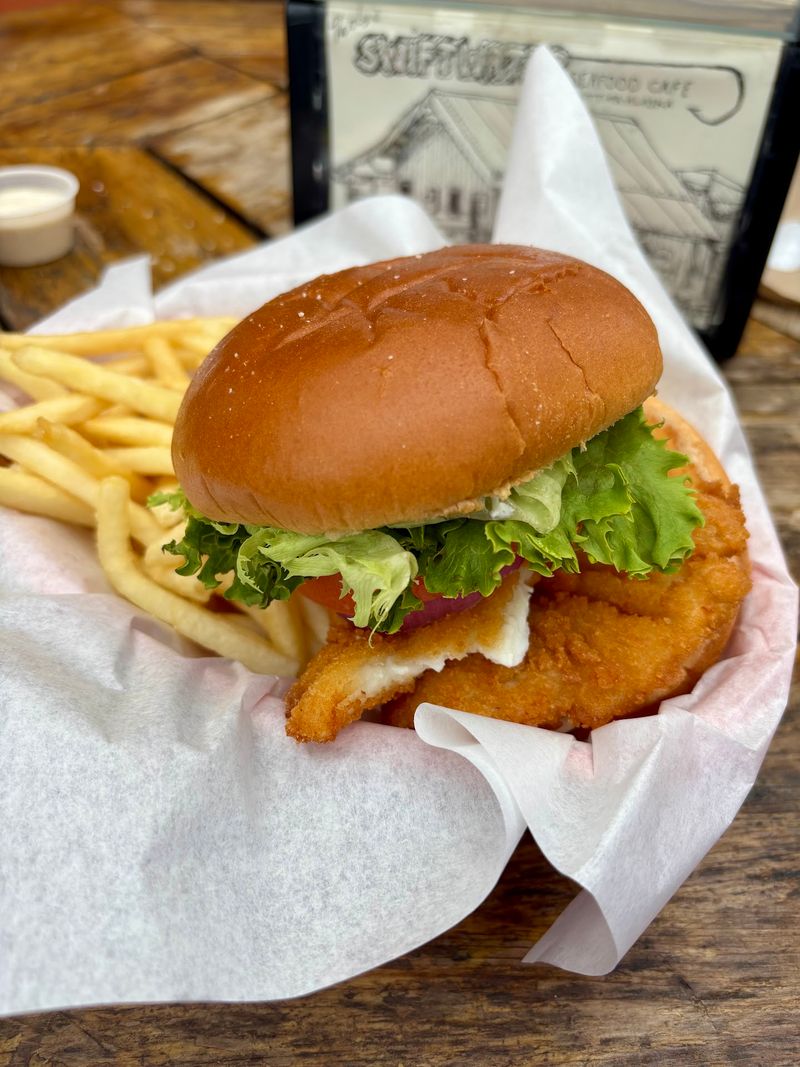
Anyone watching what they eat can order a halibut sandwich loaded with lettuce, tomato, and onion instead of a full fried basket. Same great fish, lighter approach, and you still get the harbor view with lunch.
Traditional Cooking Techniques For Perfect Texture
Texture is where fried fish is won or lost, and the kitchen here keeps things straightforward. Hot oil, dry fish, quick cooking, done.
Temperature control does most of the heavy lifting. Oil held between 350 and 375 degrees seals the outside instantly, so the fish steams inside its own crust rather than swimming in grease.
Timing runs short. Two to five minutes per side usually gets a piece to golden brown, and the fish is ready when it flakes apart easily with a fork.
Neutral oils with high smoke points, like vegetable, corn, or peanut oil, hold up best. They fry clean and let the halibut taste like halibut instead of like whatever was cooked before it.
Patting the fillets dry before battering sounds fussy but changes everything. Moisture creates steam under the coating, and steam is the enemy of crunch.
Portion thickness matters as well. Thick chunks of halibut need a slightly gentler approach than thin rockfish, and the cooks adjust rather than treating every fish the same.
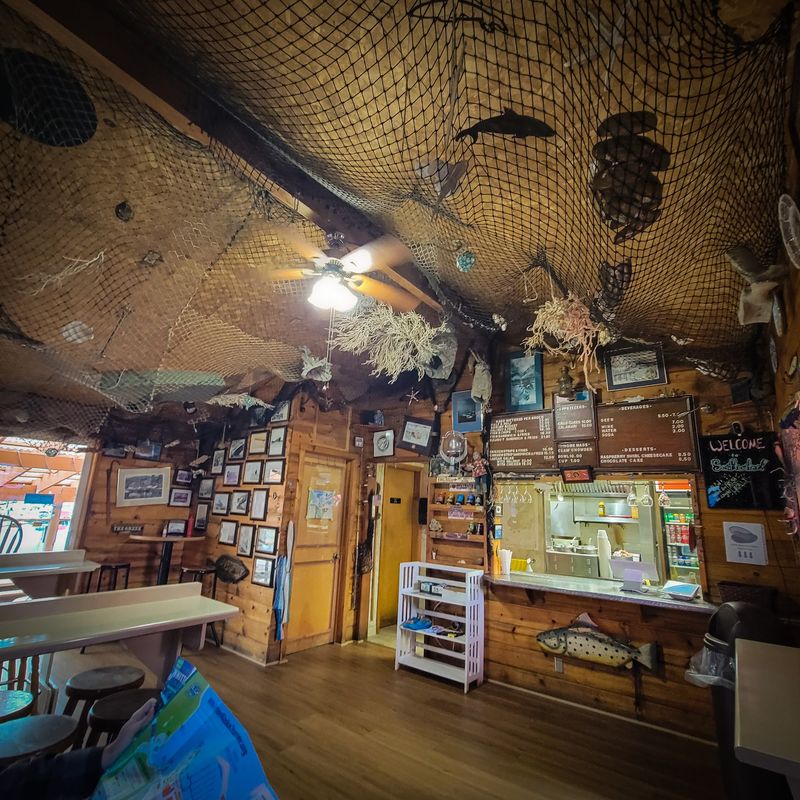
Food comes out fast at this cafe, which surprises people given the lines that form outside. Small kitchen, steady rhythm, and orders that keep moving without anyone rushing the fryer.
Seasonal Variations Impacting Flavor
Alaska runs on seasons, and the fish menu follows along. Halibut and sablefish season generally stretches from March through December, which covers most of the year that visitors actually make it to Whittier.
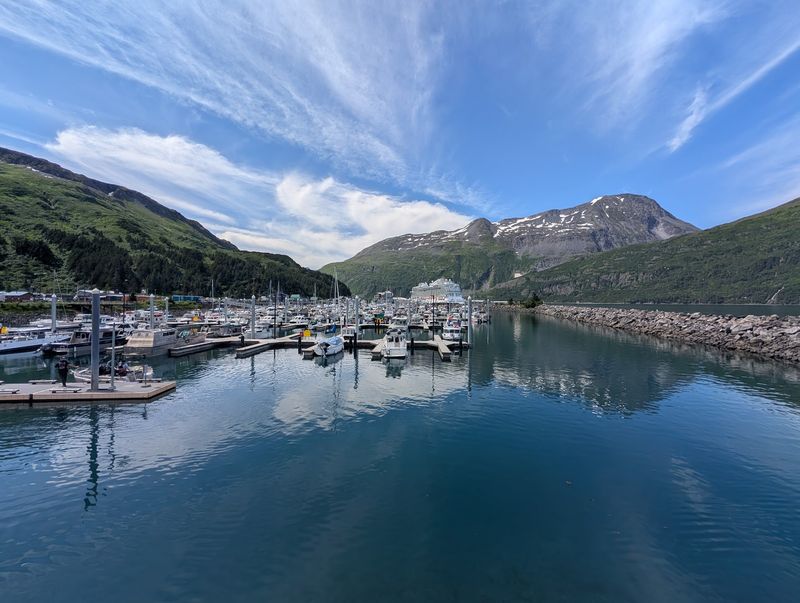
Salmon shows up mainly in summer. That is when the harbor gets busiest, and the town fills with boats, tour groups, and people who just came through the tunnel for lunch.
Pacific cod and rockfish are harvested year-round, which gives the kitchen a steady backup when other species are out of season. Lingcod fills the gap between mid-May and late November.
Modern freezing technology means quality does not crash in the off months. Fish frozen properly right after the catch keeps its texture and flavor remarkably well.
Weather affects the whole experience just as much as the calendar. Whittier gets rain, wind, and cold, and the cafe has a reputation for staying open through it anyway.
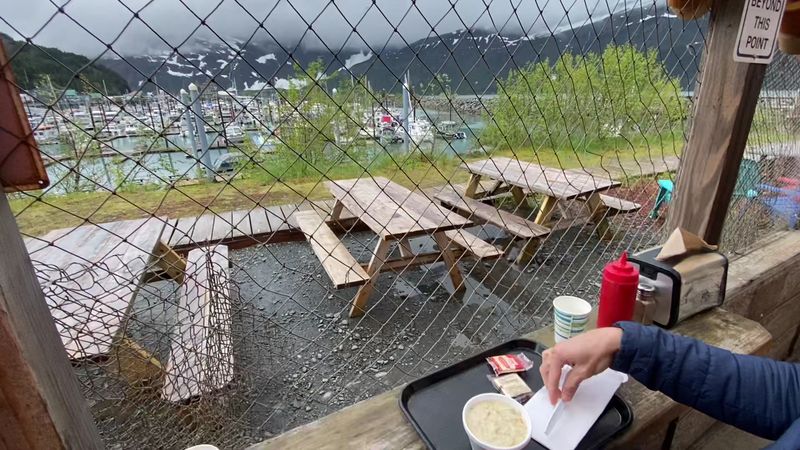
Summer brings long lines and outdoor seating packed with people watching boats. Shoulder season feels calmer and cozier, with fewer crowds and the same fish coming through the door.
Hours run 11 AM to 9 PM most days, with an earlier 7 PM close on Wednesdays. Worth checking before making the drive.
Sourcing Local Catch Sustainably
Alaska takes fishery management seriously, and it shows on the plate. The state’s fisheries rank among the best-managed anywhere, producing over half the fish caught in United States waters.
Halibut and cod served at this Whittier cafe are locally caught and sourced. The boats are right there in the harbor, so the supply chain is about as short as it gets.
Quota systems for species like halibut and sablefish changed the game for fishermen. Instead of racing through short derby openers and taking dangerous risks, crews can fish carefully and focus on handling quality.
Wild Alaska Pollock is often pointed to as a low-impact protein, and Pacific cod comes from populations that remain healthy and abundant. Neither of those things happens by accident.
Eating at a place like this connects you to that system in a small way. Every basket of fish and chips supports a working fishing village rather than a factory somewhere far away.
Whittier itself is not a resort town dressed up for tourists. Boats unload, crews come and go, and the cafe sits right in the middle of it all, serving whatever came in.
Enhancing Taste With Classic Condiments
Tartar sauce is the traditional partner for fried fish, and the version served with the halibut sandwich comes alongside tomato, onion, and lettuce. Creamy, tangy, and cool against hot fish, it works every time.
Malt vinegar is the other classic. A quick drizzle over the fish and fries adds a sharp bite that cuts straight through the fried coating.
Lemon wedges do quieter work. A squeeze brightens everything and makes fresh halibut taste even cleaner, which is probably why they show up on so many plates.
Remoulade fans can build their own version at home with mustard, paprika, and a splash of hot sauce mixed into tartar sauce. That extra kick suits shrimp especially well.
Ketchup handles fry duty for anyone who keeps things simple. No shame in that, though the fish deserves better company.
Guarding your food from ravens is part of the outdoor dining experience in Whittier. Those birds have figured out exactly how tourists behave around french fries, and they are extremely patient.
Between the harbor view, the mountains, and a basket of golden halibut with tartar sauce on the side, lunch here turns into something people plan whole trips around.