
This Charming College City In Michigan Offers Everything That Makes A Midwest City Highly Livable
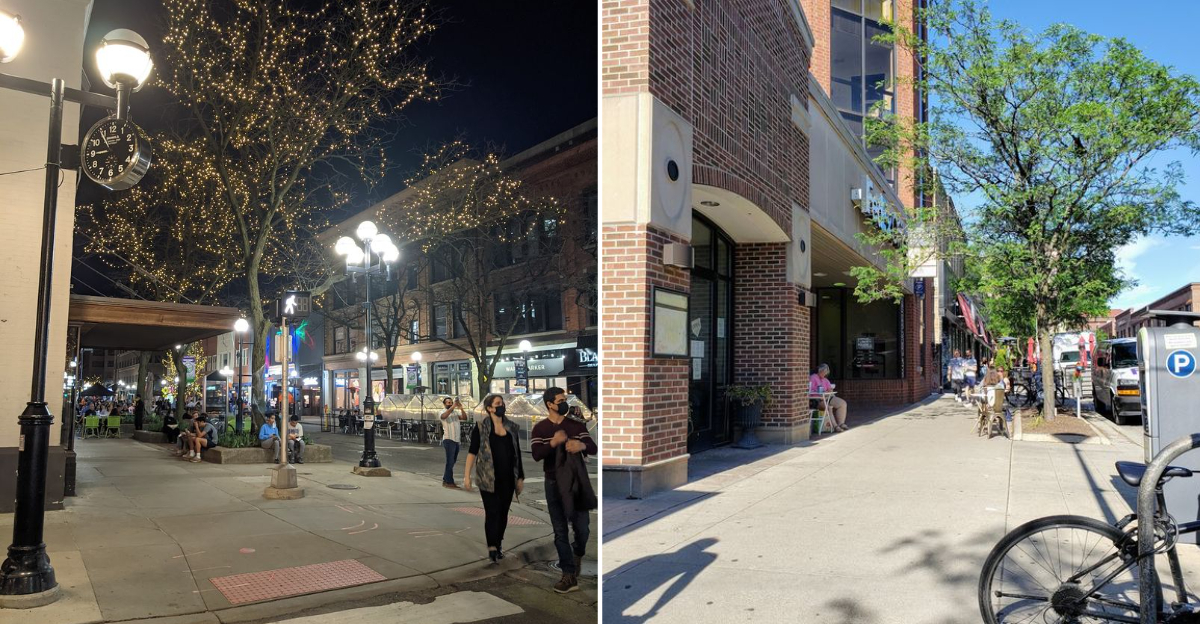
Movie theaters, live performances, concerts, great restaurants. This Michigan city has everything needed for a genuinely comfortable life.
Streets stay walkable enough that most errands happen without needing a car for every trip. Neighborhoods feel connected without losing the quieter charm smaller cities tend to offer.
Schools, parks, and healthcare facilities sit within easy reach of most town homes. College energy adds another layer, keeping the city feeling active without becoming overwhelming.
Residents moving in from bigger cities often notice the difference in pace almost immediately. Locals already know what newcomers are just now discovering about the place.
This city proved that livability doesn’t require sacrificing culture or convenience to get it.
Cultural Activities And Events
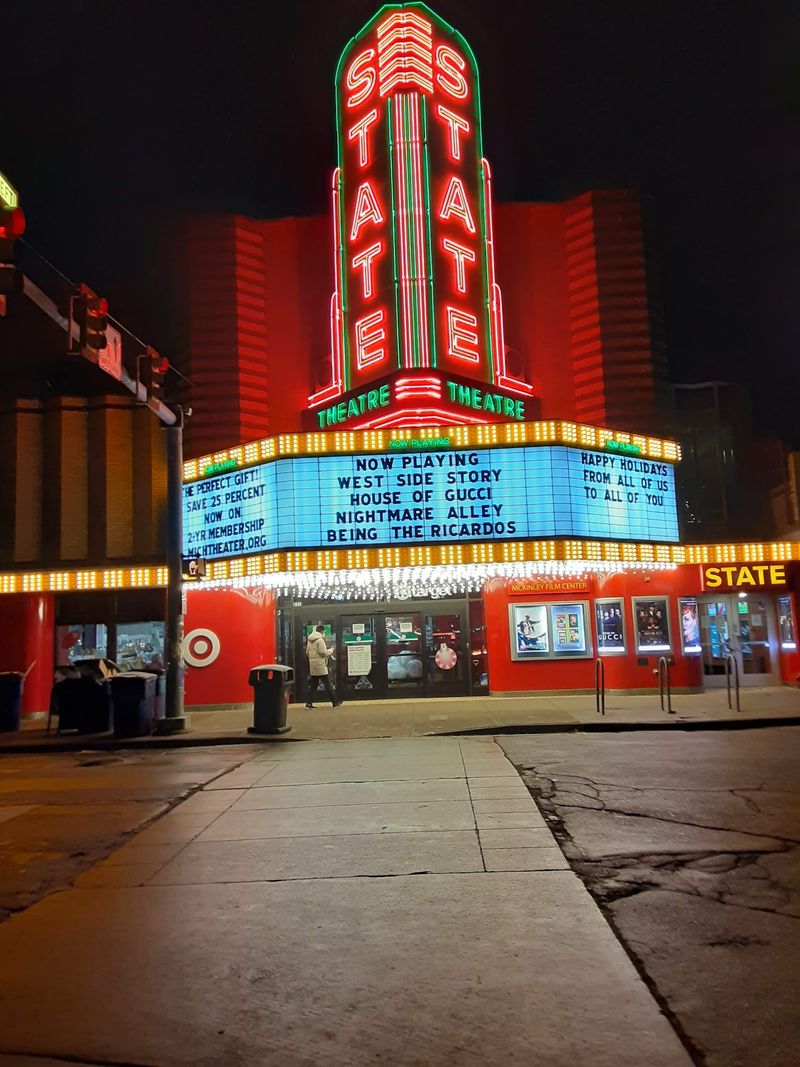
Few midsize cities can claim a museum lineup this strong. The University of Michigan Museum of Art holds work spanning centuries and continents, and it’s the sort of place where an hour disappears without warning.
A short walk away, the University of Michigan Museum of Natural History offers fossils, planetarium shows, and kid-friendly exhibits. Families with restless little ones also have the Ann Arbor Hands-On Museum, where touching things is the whole point.
Then there’s the calendar. Independent film festivals, touring orchestras from across the globe, small theater productions, and live music happening nearly every night of the year.
It’s less a season of events and more a constant hum.
The biggest moment arrives each summer, when the Ann Arbor Art Fair takes over the streets. Thousands of visitors, block after block of artist booths, and a downtown that essentially becomes one giant open-air gallery for a few days.
What makes all of this work is proximity. Most of these venues sit within walking distance of one another, so a single afternoon can include a museum, a coffee shop, and a concert without anyone needing to move a car.
For anyone weighing where to put down roots, this density of culture is a genuine selling point. You can find it all in Ann Arbor, Michigan.
Outdoor Recreational Opportunities
The nickname says a lot. Locals call this place Tree Town, and one look at the canopy explains why.
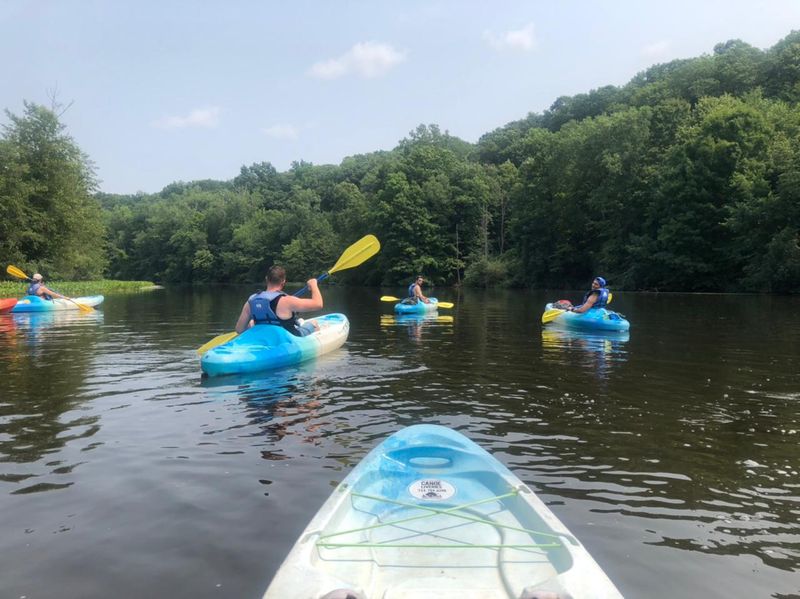
The Huron River curls right through the middle of everything, which means kayaking and canoeing are casual weekend activities rather than road-trip missions.
The Argo Cascades add a stretch of gentle rapids to the ride, just enough splash to make paddlers laugh out loud.
Prefer dry land? Argo Park has miles of trails hugging the water and cutting through woods, and birdwatchers tend to linger there.
The Border-to-Border Trail stretches more than 35 miles, linking parks, wetlands, and neighborhoods into one long ribbon that cyclists love.
Plant people get their own paradise. Nichols Arboretum, known simply as The Arb, becomes a destination in late spring when its peony garden explodes into color.
Matthaei Botanical Gardens covers more than 300 acres with nearly three miles of trails, plus indoor conservatories that stay green while Michigan winter does its worst.
Counting it all up, there are over 150 parks scattered across the city. Translation: a patch of grass, shade, or playground equipment is almost always a few minutes away.
Cold months don’t shut things down either. Golf courses, indoor rock climbing, and snowy trail walks keep the outdoor habit alive year-round, which is exactly what makes living here feel active instead of hibernating.
Local Culinary Specialties
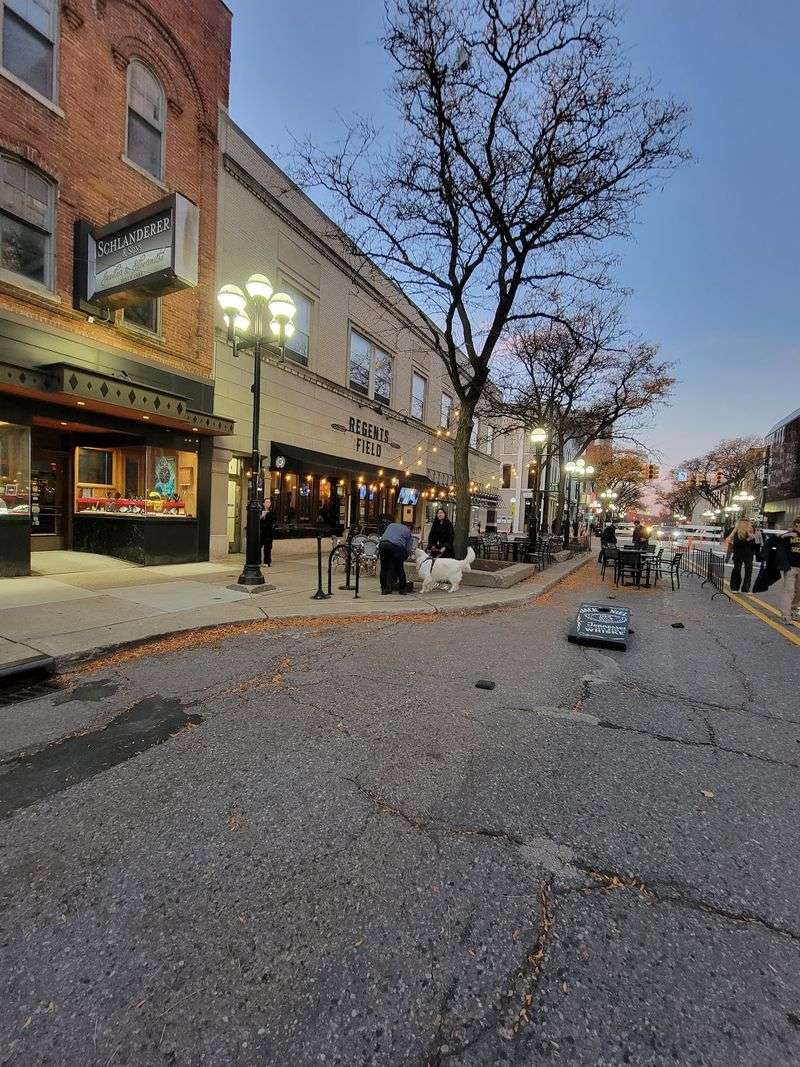
Over 400 restaurants in one college city. That number alone should raise an eyebrow.
The range is what really surprises people. Ethiopian platters, hearty Eastern European plates, acclaimed Italian kitchens, and old-school American diners all share the same few square miles.
Zingerman’s Deli is the local legend. Two friends missing proper Jewish deli food started it, and the shop grew into a food emporium famous for towering sandwiches, cheeses, and breads.
Its sibling, Zingerman’s Roadhouse, leans into inventive dishes built around locally grown ingredients.
Frita Batidos brings Cuban street food into the mix, with fritas that reimagine the burger and thick tropical milkshakes alongside them. It’s messy in the best way.
Craving noodles instead? The Slurping Turtle sits close to campus and handles both sushi and ramen, which explains the steady stream of students walking in with backpacks still on.
Then there’s the strangest and most beloved local invention: the chipati from Pizza House. Imagine a full salad stuffed inside an enormous pita, doused in a secret sauce that alumni talk about for decades afterward.
Here’s the practical part. Because so many of these spots cluster downtown and near campus, food exploring rarely requires driving.
A hungry person can hit three neighborhoods in one evening on foot, which is a small luxury that adds up over years of living here.
Educational Institutions Impact
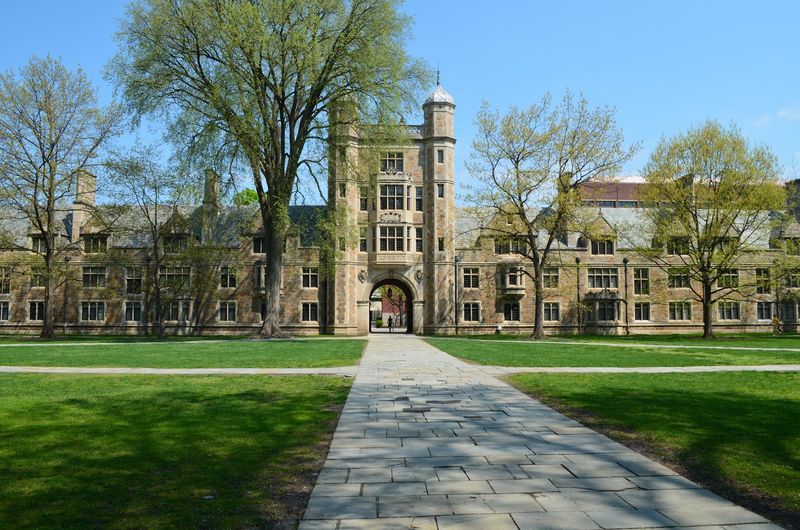
A top-rated public research university doesn’t just sit inside a city. It shapes the whole personality of the place.
Students, faculty, and researchers arrive from all over the world, and that mix keeps conversations lively in coffee shops, bookstores, and bus stops. Intellectual energy becomes part of the daily background noise.
The financial side is striking too. In fiscal year 2025, the university contributed over 32 million dollars in support of the city, money that flows into public safety, city services, and infrastructure partnerships.
Those dollars show up in concrete ways. A new ambulance for the fire department.
Retractable street bollards installed downtown to manage traffic during big events. Small details residents notice without always knowing where the funding came from.
Football Saturdays deserve their own mention. Home games alone pull in millions in visitor spending each year, filling restaurants, shops, and hotels with people wearing an alarming amount of maize and blue.
All that activity supports local jobs and keeps small businesses steady through the calendar. The university expansion over the past two decades has widened that ripple effect considerably.
What comes out of this relationship is a city that feels both scholarly and neighborly. Lectures and lab work on one side, farmers’ markets and porch conversations on the other, with plenty of overlap in between.
Community Engagement Initiatives
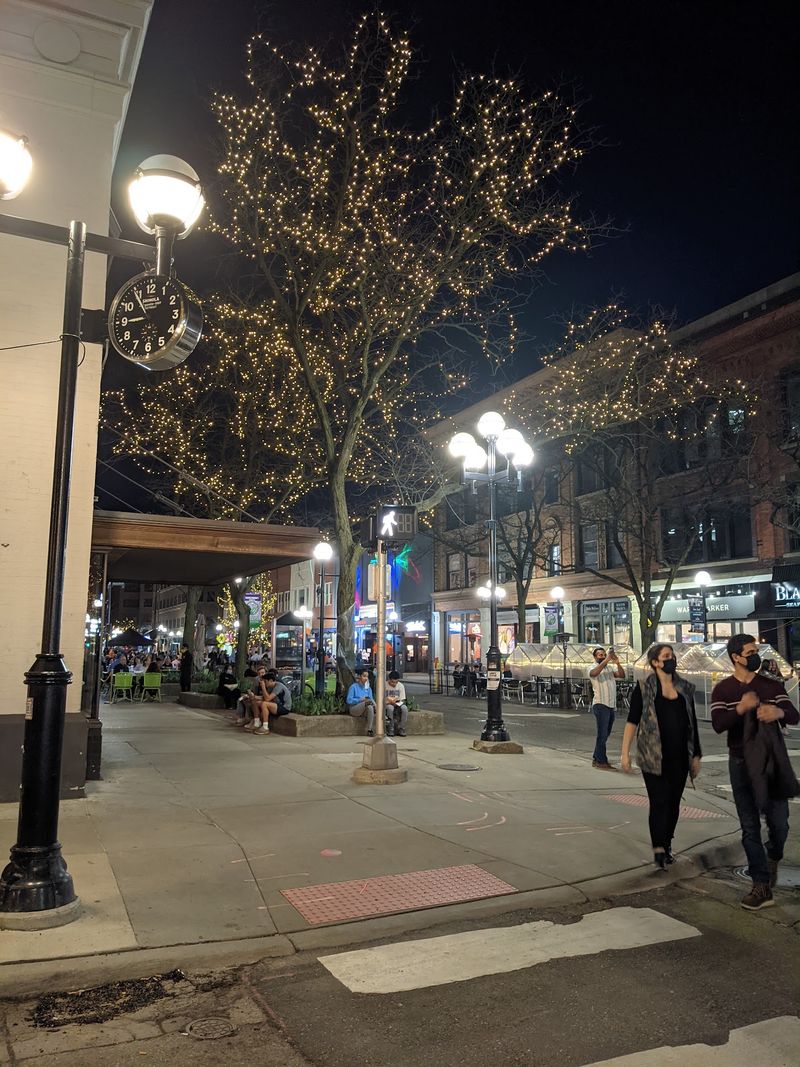
Some cities talk about community. This one hands residents a shovel and a schedule.
The City of Ann Arbor runs an Equitable Engagement Initiative built around a shared understanding of equity, shaping policies and everyday practices so more voices actually reach decision-making tables.
Sustainability gets serious attention through the A2ZERO Ambassador Program. Participants learn how local resilience work and the carbon neutrality goal actually function, then carry that knowledge back into their own neighborhoods.
For hands-on types, GIVE 365 organizes volunteer opportunities across the city’s large park system. Monthly workdays involve trash pickup, invasive plant removal, and general trail care, and no experience is required.
Tree lovers have the 10,000 Trees Initiative, which regularly recruits helpers for giveaways and planting events. Given the Tree Town nickname, keeping that canopy healthy is basically a civic tradition.
There’s funding available too. The Sustaining Ann Arbor Together grant program offers small grants to residents, schools, and nonprofits pushing sustainability projects in public spaces.
Why does any of this matter to someone considering a move? Because these programs make it easy to meet people fast.
Show up to one park workday, and you’ll know a dozen neighbors by lunch, which beats waiting years to feel settled in a new town.
Historic Downtown Attractions
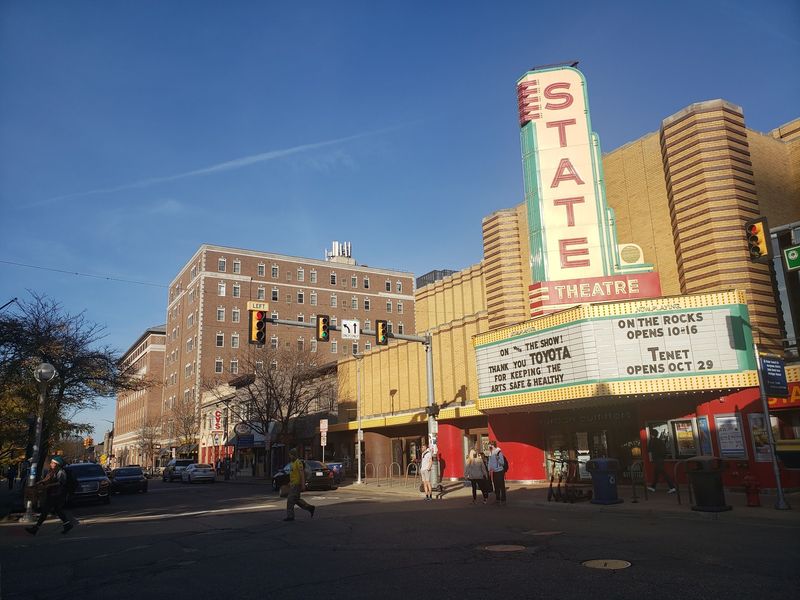
Walk a few blocks from the historic core and the architecture starts telling stories. Old brick facades, hand-painted shop signs, and window displays that clearly belong to owners rather than corporations.
Everything sits close together, which makes the area genuinely walkable and easy to navigate. Independent shops, bakeries, and restaurants share the same sidewalks.
Now for the delightfully odd part. Tiny fairy doors are installed around storefronts and public spaces, complete with miniature details, and spotting them has become a scavenger hunt for kids and amused adults alike.
Nobody expects whimsy at ankle height. That’s exactly why it works.
Downtown also functions as the connective tissue between commercial districts, each with a slightly different flavor. One block leans bookish, another leans toward music and late-night food, and the shift happens naturally.
Bookstores in particular have deep roots here, and browsing shelves remains a legitimate weekend activity rather than a nostalgic hobby.
The overall feel is curated without being fussy. Friendly greetings, familiar faces behind counters, and a pace that lets people actually stop and talk.
For anyone imagining life here, the downtown does a lot of convincing on its own. It’s the kind of center where errands turn into conversations, and where a quick trip for coffee somehow ends three hours later.
Artistic Expression And Galleries
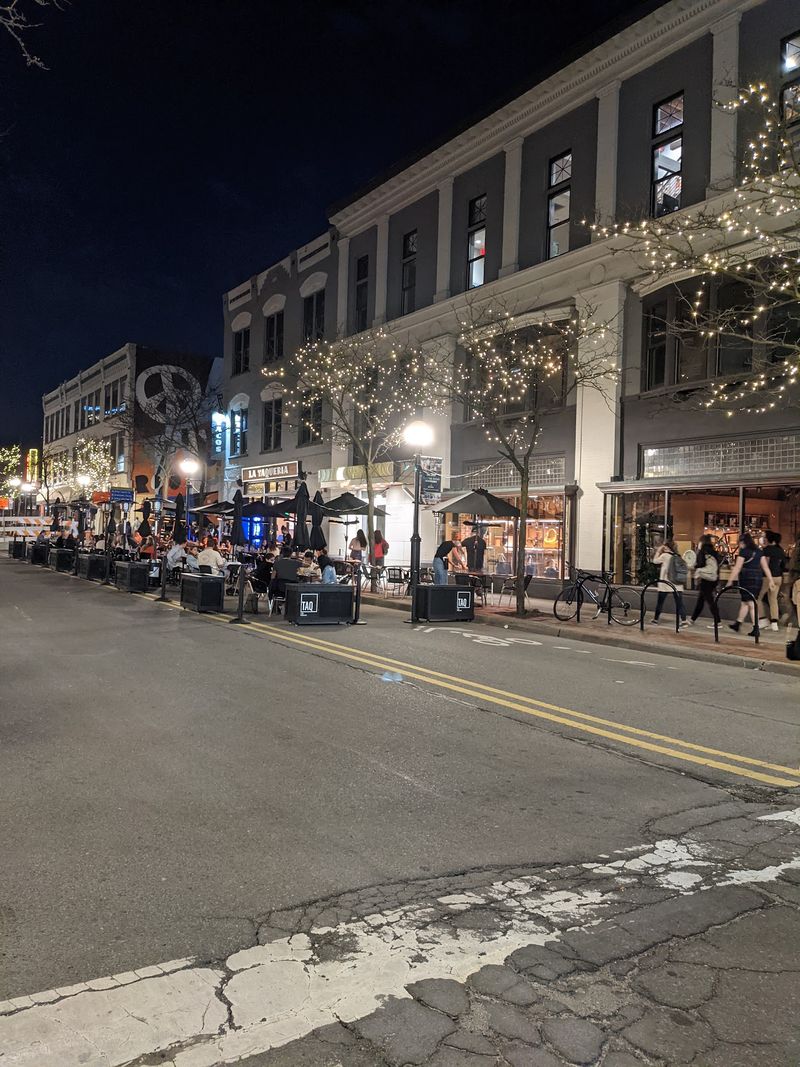
Art here isn’t confined to one building or one weekend. It’s spread across the city in galleries large and small.
Gutman Gallery, run by The Guild of Artists and Artisans, doubles as an exhibition space and a retail spot where local work goes home with visitors. Exhibitions rotate often enough that repeat trips make sense.
The Ann Arbor Art Center, often called the A2AC Gallery, keeps exhibits running year-round in multiple spaces. It also teaches classes, so people who show up to look sometimes end up making something instead.
Amster Gallery and CultureVerse Gallery add more variety to the mix, each with its own point of view.
WSG Gallery has an especially interesting setup. Established in 1999 and run by artists themselves, it features rotating one-person shows from its 16 member artists, which keeps the walls changing constantly.
Here’s an unexpected one. University of Michigan Hospitals participate through the Gifts of Art Program, with nine galleries and a permanent collection of regional, national, and international work.
Art in a hospital hallway hits differently, and patients and visitors notice.
Add in studio tours, artist talks, and public installations, and the creative scene stays busy through every season.
The takeaway for residents is simple. Seeing something new made by human hands rarely requires more than a short walk.
Public Transportation Accessibility
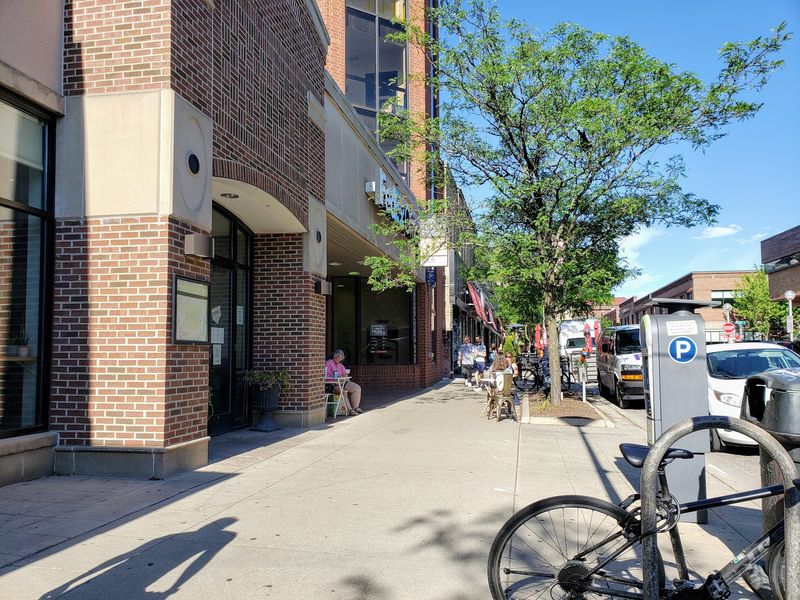
Owning a car here is optional, and that’s not a small thing in the Midwest.
The Ann Arbor Area Transportation Authority, known to everyone as TheRide, covers the city and reaches into surrounding communities.
With more than 1,300 fixed-route stops across the urban core of Washtenaw County, coverage is unusually thorough for a city this size.
Its hub, the Blake Transit Center, sits right downtown. Transfers happen in the middle of the action rather than in some far-off parking lot.
Specialized services fill the gaps nicely. A-Ride serves ADA-eligible riders, FlexRide handles on-demand connections, and NightRide plus HolidayRide keep shared trips available when regular buses stop running.
Traveling farther? AirRide connects directly to Detroit Metro Airport, which removes the usual airport-parking headache entirely.
The University of Michigan runs its own MagicBus system too, and here’s the surprise: it’s free for everyone, not just students and staff. Anyone can hop aboard.
Walking and biking get real investment as well. The city has 475 miles of sidewalks along with plenty of bike lanes, so short trips often happen on foot or two wheels by default.
Put those pieces together and daily life gets simpler. Fewer parking searches, lower transportation costs, and a genuine choice about how to get where you’re going.