
10 Massachusetts Communities Losing Residents As Property Taxes Keep Climbing
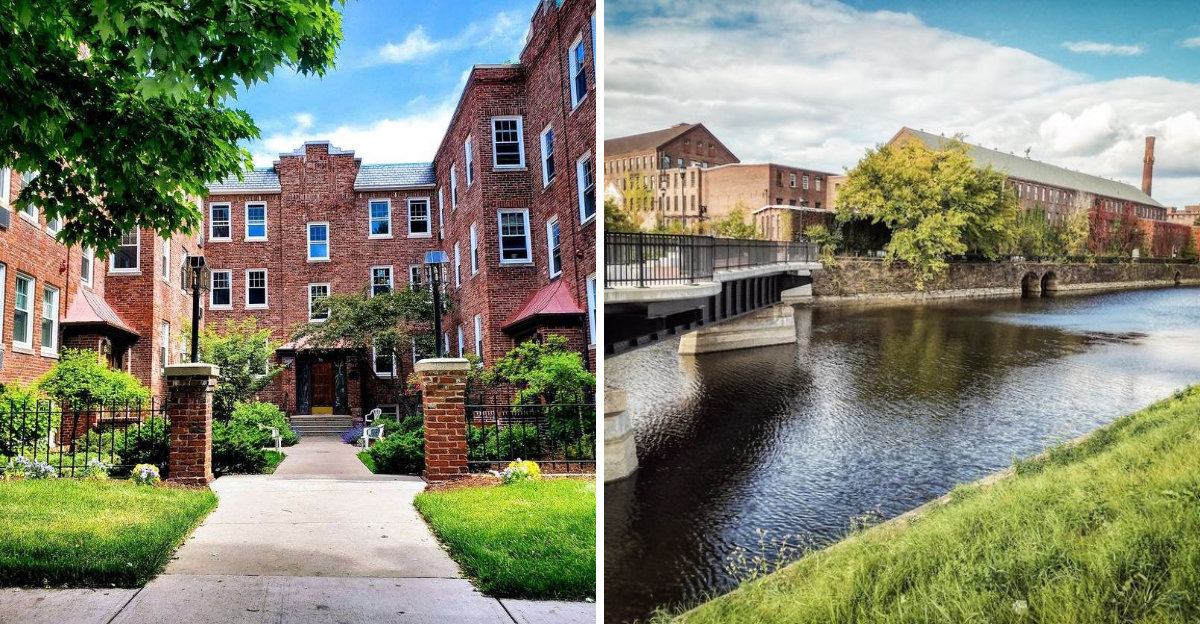
Property taxes are quietly rewriting the map of Massachusetts, and the story hits closer to home than you think. Picture postcard streets, historic charm, and price tags that finally push longtime neighbors out the door.
Massachusetts communities from quiet suburbs to coastal towns are watching families pack up, chasing lower bills somewhere new. But here’s the twist: the very places bleeding residents are turning into wildly fascinating spots worth exploring.
Empty porches don’t mean empty character. Locals are cashing out, yet the trails, farms, and hidden corners they leave behind still pull visitors in.
Curious which towns made the list, and why the exodus might be your travel opportunity? Keep reading, because these ten spots deserve a spot on your map before the crowds catch on.
1. Newton
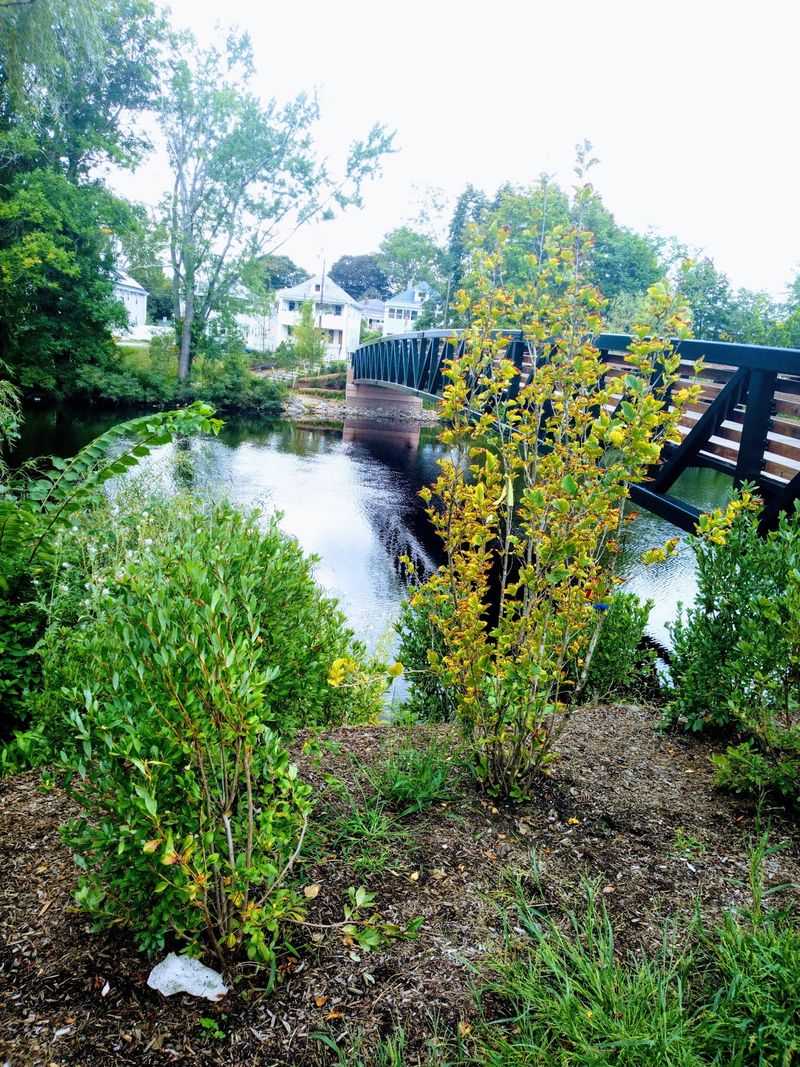
Thirteen villages, one city, and tax bills that make homeowners blink twice. Newton sits just west of Boston in Middlesex County, and it has long been a magnet for families chasing strong schools.
That reputation comes at a price. Home values here rank among the highest in Massachusetts, and rising assessments push annual bills higher even when rates hold steady.
Some longtime residents, especially retirees on fixed incomes, decide the math no longer works. They sell, cash out, and move to lower-cost corners of New England.
Still, the city rewards a visit. Stroll Newton Centre for bakeries and bookshops, then walk a stretch of the Charles River Greenway.
Crystal Lake draws swimmers in warm months. The Newton Cemetery grounds and Cold Spring Park offer quiet trails when you want fewer people around.
Architecture fans should drive Chestnut Hill. Shingle-style mansions and Victorian porches line the blocks like a living history lesson.
Fall brings the best light. October colors along Commonwealth Avenue look almost staged.
If you are house hunting, ask the assessor’s office about exemption programs before you fall in love with a porch. Knowing your future bill beats guessing.
2. Cambridge
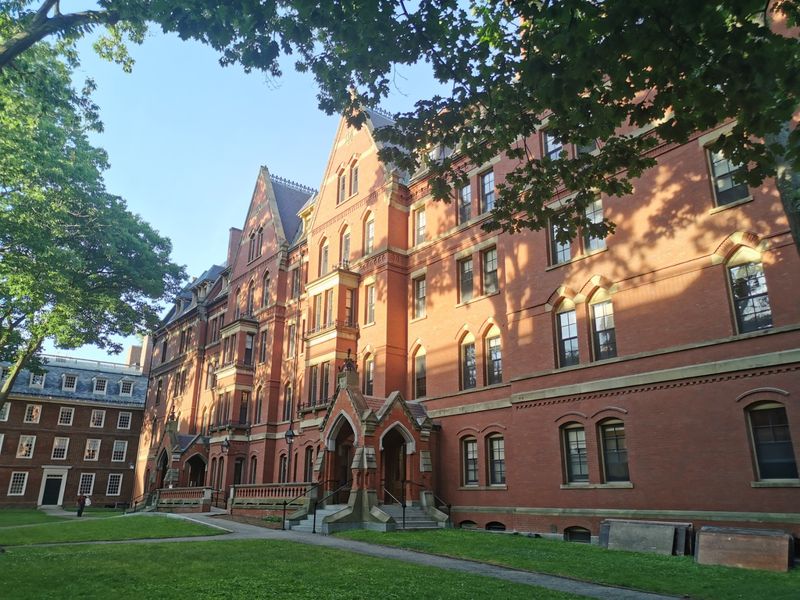
Brains, bricks, and rent that climbs faster than the ivy. Cambridge packs universities, biotech labs, and centuries of history into a few square miles across the river from Boston.
Demand for housing here never really cools. Property values keep rising, and that pressure reaches renters through landlord costs too.
Middle-income households often lose the bidding war. Many relocate to outer suburbs or leave the Commonwealth entirely, even while the city’s population stays tight against its physical limits.
For visitors, though, the payoff is huge. Harvard Square hums with street musicians, secondhand bookstores, and chess players who will happily beat you.
Walk to Central Square for murals and live music venues. Then follow the Charles River path toward the Longfellow Bridge for skyline views.
Do not skip the Cambridge Common. The old elm marker and quiet benches make a decent breather.
Mount Auburn Cemetery doubles as an arboretum, with birders arriving early in spring migration season.
Parking is a headache. Take the Red Line and save yourself the circling.
Weekday mornings feel calmer than weekends if crowds wear you down.
3. Chelsea
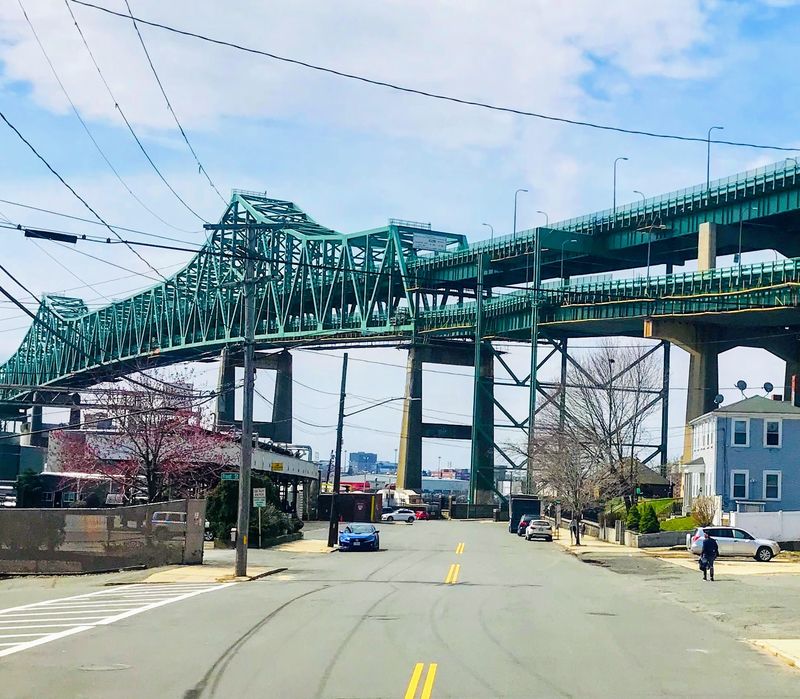
Small city, big personality, and a tax story worth understanding. Chelsea sits across the Mystic River from Boston, squeezed into roughly two square miles of Suffolk County.
Working families have long called it home. Rising residential values, plus redevelopment near the waterfront, have lifted assessments and pushed some households toward more affordable towns north and west.
Displacement here often looks quiet. A family moves, an apartment turns over, and the neighborhood shifts a little.
Yet Chelsea remains one of the most culturally rich spots in Massachusetts. Latin American bakeries, Central American restaurants, and family-run markets line Broadway.
Order pupusas. Then walk it off along the Chelsea Greenway, a linear park built on old rail land.
The Mystic River waterfront offers unexpected views of the Tobin Bridge and Boston skyline. Photographers love the industrial contrast.
Community murals brighten several blocks downtown. Look for them near the city center.
Public transit connects easily to Boston, so you can visit without driving.
Come hungry and curious. Chelsea rewards travelers who skip the tourist script entirely.
4. Longmeadow
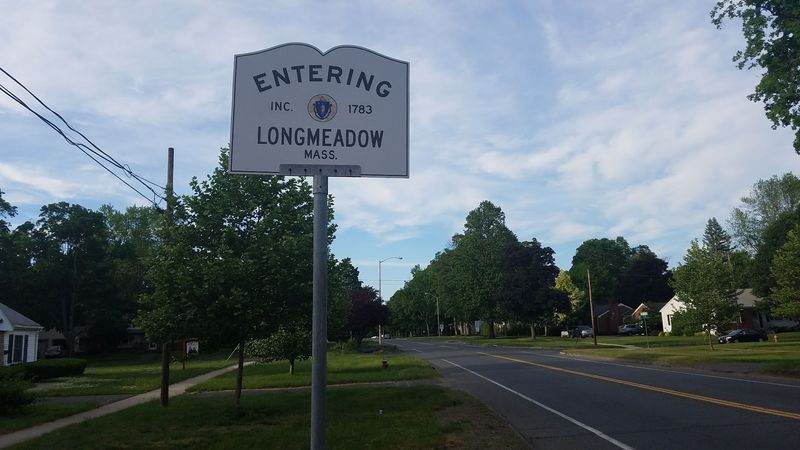
Ask a western Massachusetts homeowner about tax rates and Longmeadow usually enters the conversation. This Hampden County town, tucked along the Connecticut River south of Springfield, has carried one of the higher residential rates in the Commonwealth for years.
Strong schools keep demand steady. But older residents sometimes downsize out of town when annual bills stretch retirement budgets.
Connecticut sits right across the border, and some families compare and cross it.
Visitors, meanwhile, find a beautifully preserved New England town. The Longmeadow Green stretches for more than a mile, lined with historic homes and towering shade trees.
Walk it slowly. The white church steeples and colonial doorways look pulled from a postcard.
Fannie Stebbins Wildlife Refuge offers marsh trails near the river. Bring binoculars for herons and warblers.
Laurel Park and the town’s bike paths suit families with restless kids.
Springfield sits minutes away, so museums and the basketball hall of fame fit easily into the same day trip.
Autumn is the sweet spot. Maple color along the Green draws photographers from across the valley.
5. Weston
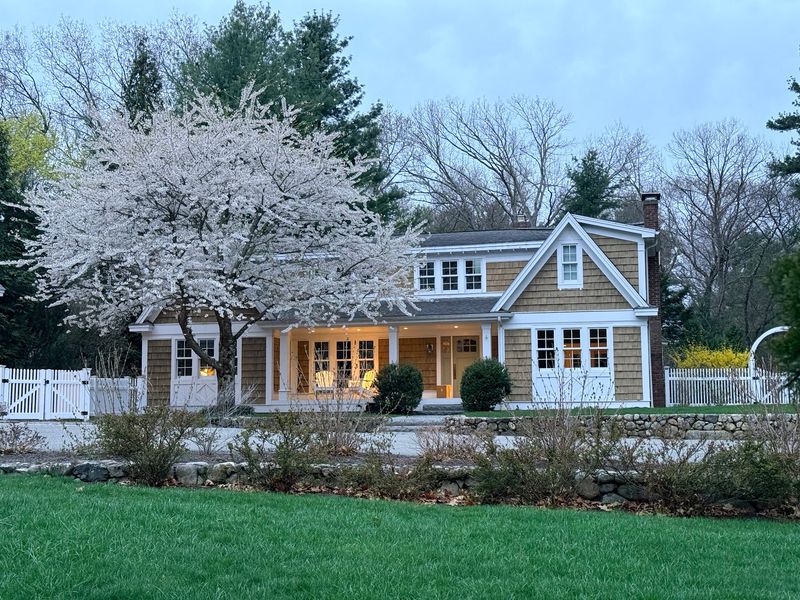
Stone walls, horse trails, and some of the priciest real estate in Massachusetts. Weston sits west of Boston in Middlesex County, known for large lots and heavy tree cover.
Big properties mean big assessments. Even with a comparatively modest tax rate, the dollar amounts land hard because home values run so high.
Empty nesters occasionally sell rather than maintain acreage they no longer need. That turnover keeps the population from growing much.
The town rewards slow exploration. More than ninety miles of trails wind through conservation land, and many connect right to neighborhoods.
Try the Weston Reservoir loop for an easy walk with water views. Bring a thermos in winter.
Land’s Sake Farm sells seasonal produce and hosts pick-your-own days. Kids love the sunflower rows in late summer.
The old Boston Post Road markers hint at colonial travel routes through town.
Cyclists like the rolling back roads, though shoulders can be narrow, so ride carefully.
Come in October for foliage that feels absurdly generous. Grab a warm cider donut on the way out and call it a perfect afternoon.
6. Brookline
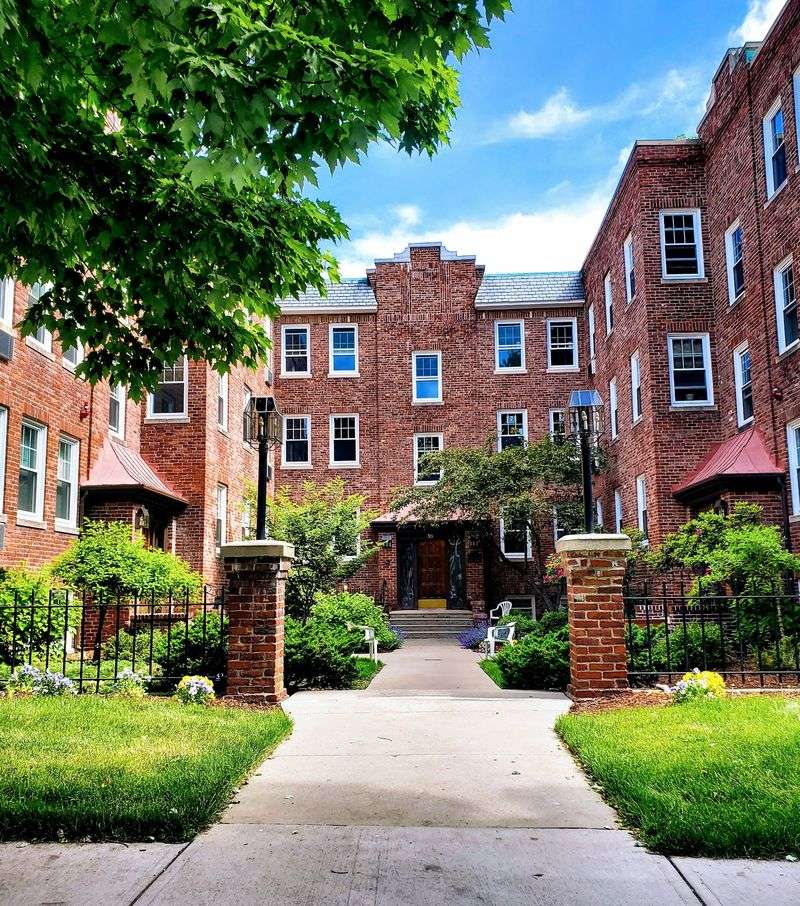
Wrapped almost entirely by Boston, yet fiercely independent. Brookline manages the trick of feeling both urban and leafy, which explains the demand and the price tags.
Condo values and single-family prices have climbed steadily. Higher assessments follow, and annual bills nudge some longtime owners toward selling.
Renters feel it indirectly when costs pass through. Younger households often relocate farther out along the commuter rail.
Travelers should still put it on the list. Coolidge Corner mixes bookstores, bakeries, and a beloved old movie theater with a marquee worth photographing.
Ride the Green Line C branch down Beacon Street. The trolley runs right through the neighborhood.
The birthplace home of a former president sits on Beals Street and operates as a historic site.
Larz Anderson Park delivers hilltop views toward the Boston skyline, plus an auto museum nearby.
Walk the Emerald Necklace edges for ponds and parkland designed in the nineteenth century.
Food options run global. You can hop between cuisines within three blocks.
Visit on a clear spring morning and the whole place feels wonderfully unhurried.
7. Marshfield
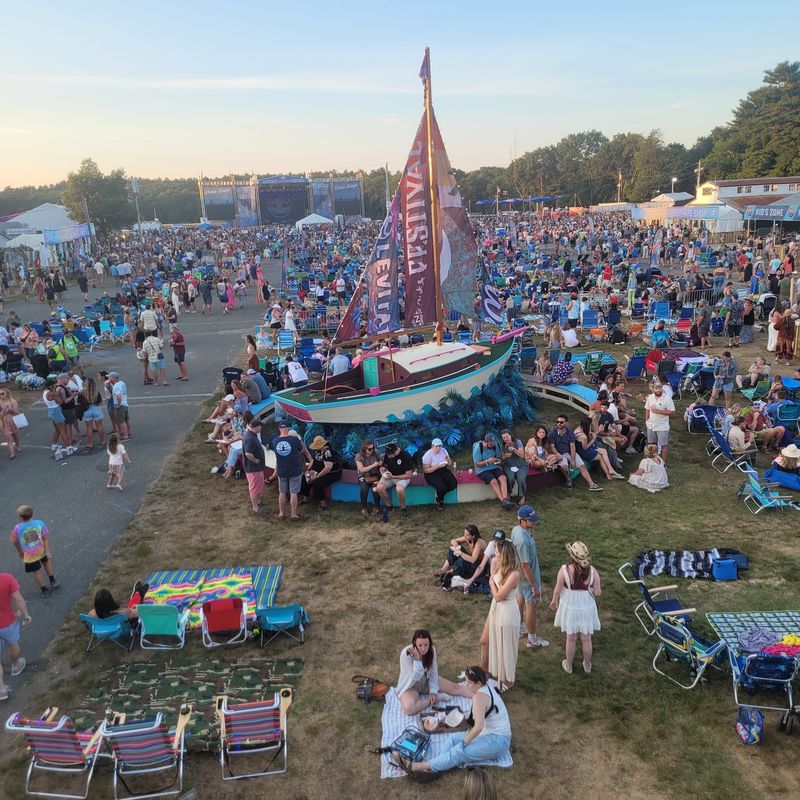
Salt air is free. Coastal property taxes are not.
Marshfield sits on the South Shore in Plymouth County, with beaches, marshes, and a working harbor. Waterfront and near-water homes have appreciated sharply, lifting assessments across many neighborhoods.
Insurance costs add another layer for coastal owners. Together those pressures nudge some year-round families inland.
For a visitor, the town is a summer delight. Brant Rock and Rexhame Beach offer long sandy stretches and steady breezes for kite flyers.
Green Harbor supports fishing boats and small marinas. Watch the morning departures if you wake early.
The Daniel Webster Wildlife Sanctuary protects fields and wetlands, with observation blinds for bird watching.
Cyclists cruise Ocean Street for water views. Traffic thickens on July weekends, so start early.
Fall might be the smartest season here. Beaches empty out, the light turns golden, and parking stops being a competitive sport.
Bring layers. Coastal wind cuts sharper than the forecast suggests.
8. South Hadley
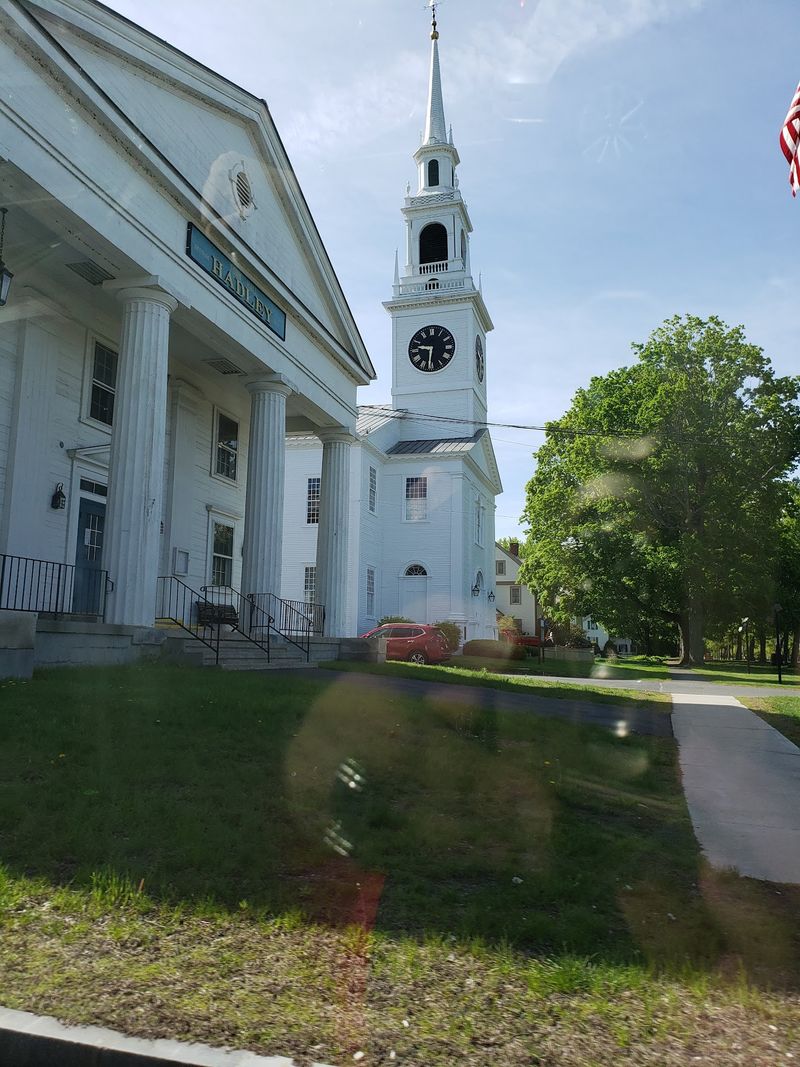
A college town with river views and a tax rate that gets local attention. South Hadley sits in Hampshire County along the Connecticut River, home to a historic women’s college and a compact village center.
Residential rates in parts of the Pioneer Valley run higher than many coastal towns. Retirees and young buyers notice the difference immediately.
Some households shift to neighboring communities where bills feel lighter.
The town still deserves a stop. The Village Commons area holds shops, cafes, and a small cinema across from the campus.
Mount Holyoke’s campus welcomes walkers, with a botanic garden and greenhouse open to the public during posted hours.
Hike Mount Holyoke itself in nearby Skinner State Park for one of the best valley overlooks in Massachusetts.
The Summit House at the top has a long history as a mountain retreat.
Bike the Norwottuck trail connections toward Amherst and Northampton for flat, easy riding.
Spring blossoms and October foliage bookend the best months. Either way, pack comfortable shoes and let the valley do the rest.
9. Chicopee
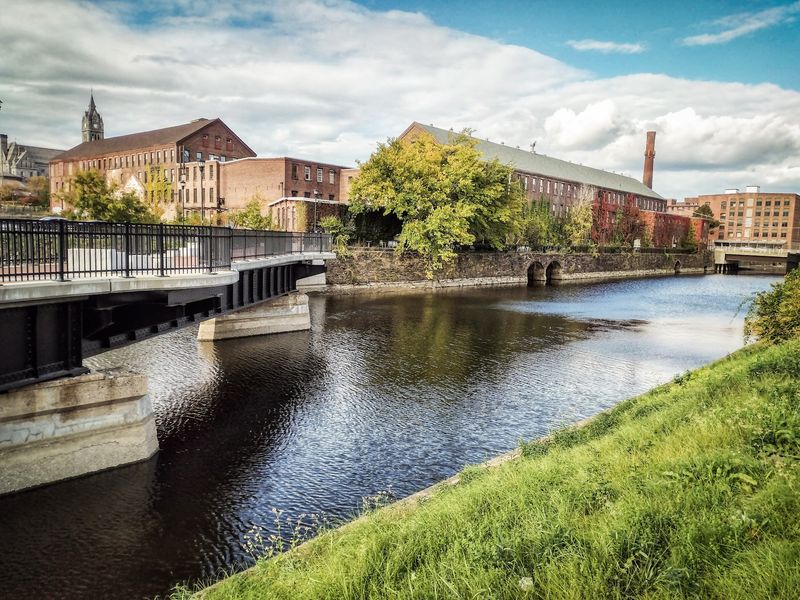
Mill history runs deep along these riverbanks. Chicopee, in Hampden County, grew around textile and firearm factories, and the brick bones of that era still stand.
Housing here costs less than in eastern Massachusetts. But rising assessments and municipal budget pressure mean bills climb anyway, which stings for working families.
Younger residents sometimes chase jobs elsewhere, and population growth stays flat.
Come for the underrated outdoors. Chicopee Memorial State Park has swimming ponds, shaded trails, and picnic areas that locals guard happily.
The Chicopee River winds through town with fishing spots and quiet overlooks.
Polish and French Canadian heritage shaped local food traditions. Look for bakeries selling pierogi and kielbasa around Willimansett.
Szot Park hosts community events and a skating facility.
Downtown murals and the old city hall tower reward a slow walk with a camera.
Springfield sits next door, so you can pair a visit with museums or a ballgame.
Skip the highway exits and drive the neighborhood streets. That is where the real character lives.
10. Peabody
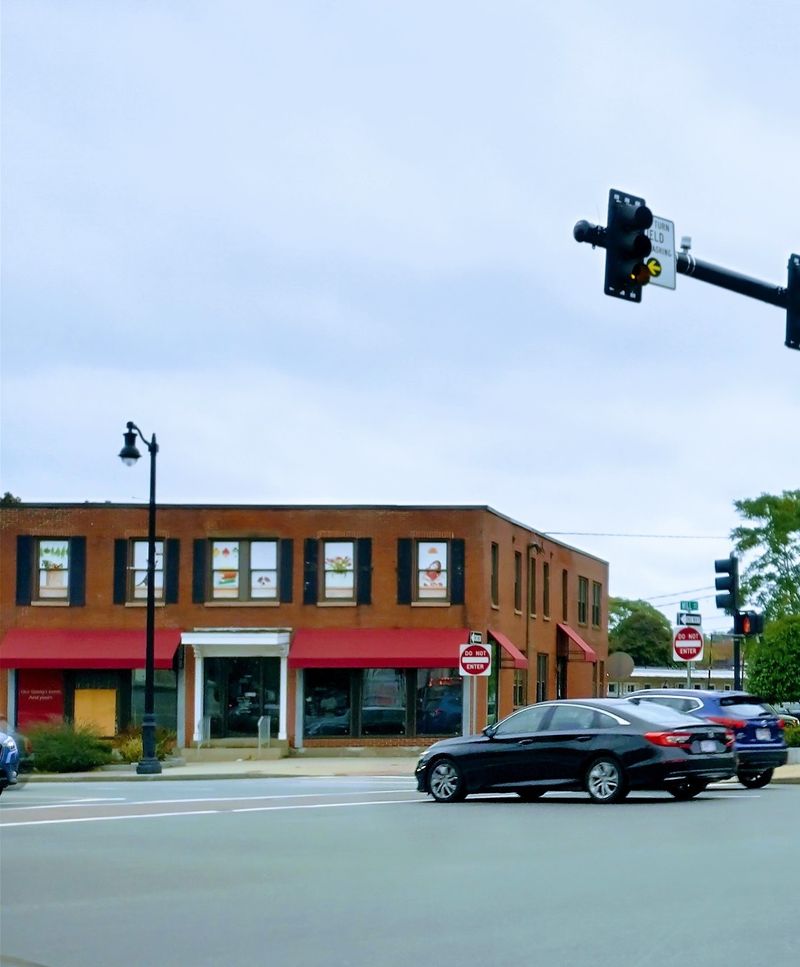
Leather City earned its nickname the hard way. Peabody sits in Essex County north of Boston, once a tanning powerhouse and now a busy suburban hub.
Proximity to Boston keeps home values climbing. Assessments follow, and older residents on fixed incomes feel the pinch first.
Some sell and move north into New Hampshire, where the tax structure differs.
Visitors get a surprisingly varied day. Peabody Square anchors downtown with restaurants, a historic library, and community events on the green.
Brooksby Farm offers apple picking, a bakery, and conservation trails through orchard land. Autumn weekends draw crowds, so arrive early.
The Ipswich River Wildlife Sanctuary sits nearby for paddling and quiet walking.
Local history buffs can trace the tannery era through preserved mill buildings.
Salem is minutes away, making Peabody a smart, calmer base during October madness.
Food leans Greek, Italian, and Brazilian depending on the block. Follow your nose.
Finish with cider donuts at the farm and you will forgive the traffic on Route 114.