
This Small Colorado River Town Has The Kind Of Friendly Charm That Is Hard To Fake
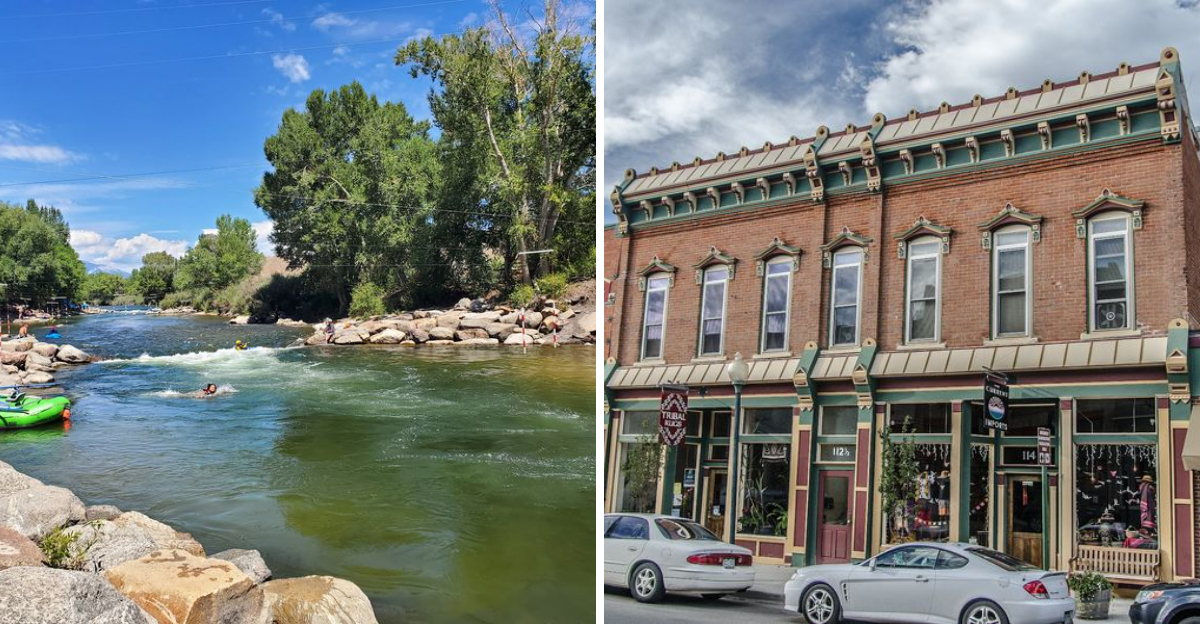
You notice it in the little things first. Someone holds the door without thinking about it, a cashier actually chats with you, and strangers greet each other like that is simply what people do here.
That easy warmth gives this small Colorado river town its personality. The river adds a calm backdrop, but the real draw is the feeling that nobody is in much of a rush.
Shops feel personal, conversations happen naturally, and even a short visit can leave you oddly attached to the place.
Colorado is famous for scenery, yet this town proves people can be just as memorable as the landscape. In a state where many destinations feel polished for tourism, this one still comes across as wonderfully genuine.
The friendliness never feels rehearsed, and that may be exactly why visitors start thinking about coming back before they have even left.
A Downtown That Wears Its History Proudly
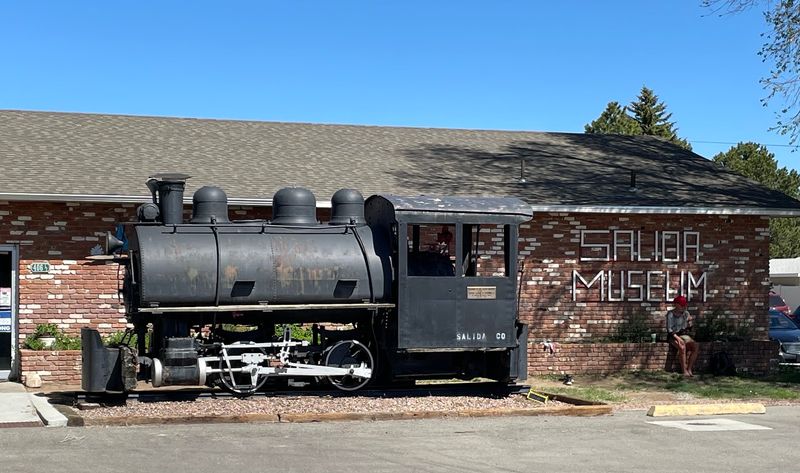
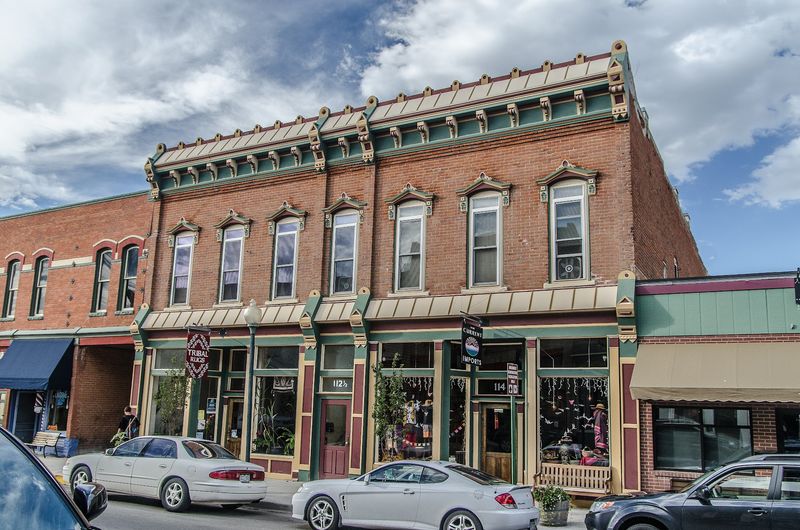
Red brick buildings can tell stories, and here they tell plenty. Salida holds one of the largest National Historic Districts in Colorado, with structures dating back to the 1880s.
The railroad arrived in 1880, and the town grew fast around it. Merchants built solid brick blocks that still line F Street today, now filled with shops and studios.
Walking these sidewalks is easy work. The core is flat, compact, and mostly free of traffic noise, so conversations happen naturally on corners.
Look up as you stroll. Faded painted signs, decorative cornices, and old window arches survive above the newer awnings below.
What keeps it charming is the mix. A hardware store might sit beside a gallery, and neither seems out of place.
Bring comfortable shoes and a slow pace. Rushing through would waste the best part of the experience.
The Arkansas River Runs Right Through The Middle
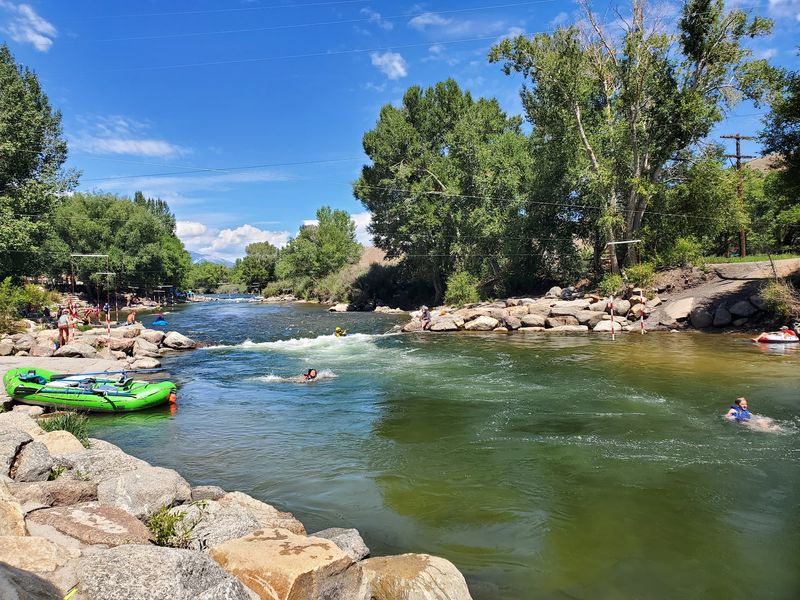
Most towns keep their rivers at a polite distance. Not this one, where the Arkansas River slices straight through the center of things.
The Arkansas begins high near Leadville and rolls south past town on its long journey east. By the time it reaches this valley, it has real energy.
You can stand on a footbridge downtown and watch kayakers spin in the current below. Kids skip rocks on the banks while paddlers wait their turn.
Cool air rises off the water on summer afternoons. That natural air conditioning makes riverside benches the most popular seats in town.
The sound matters too. A steady rush of water softens every conversation and replaces the usual city hum.
Anglers work the calmer stretches upstream and down. The Arkansas is known as one of the most heavily fished rivers in the state.
Come at golden hour if you can. The light hits the water and the brick walls at the same time, and it is genuinely memorable.
Whitewater Park Turns The River Into A Stage
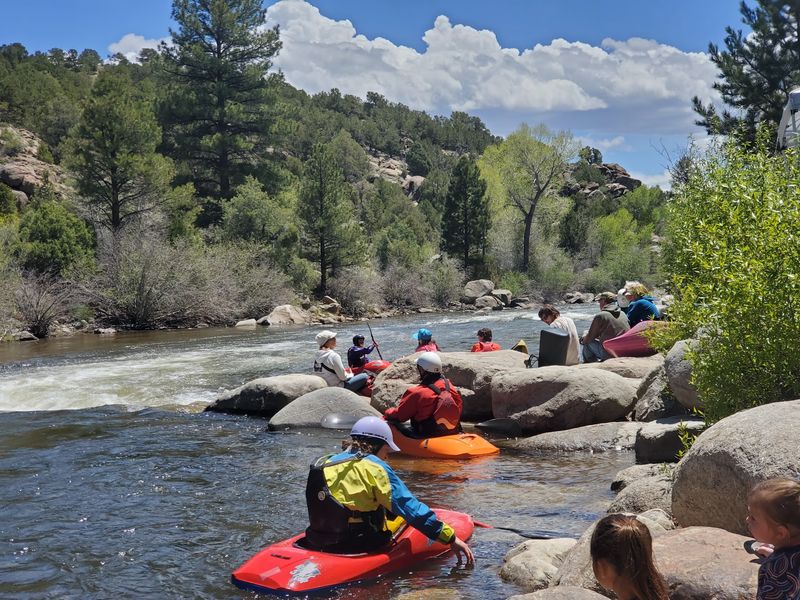
Free entertainment sits at the bottom of Riverside Park, and it never repeats itself. The Salida Whitewater Park was one of the earliest engineered play waves in the country, built in the 1970s.
Boulders and drops shape the current into waves and holes. Kayakers surf in place while rafts bounce through on their way downstream.
Grassy terraces line the bank like natural bleachers. Families spread out blankets and settle in for an afternoon of watching.
The best show usually lands in June. Snowmelt from the surrounding peaks pushes the water high and fast.
Tubing is popular too, especially later in summer when flows ease off. Local outfitters rent gear a short walk from the water.
Even non-paddlers get pulled in. Cheers rise when someone nails a trick, and groans follow a flipped boat.
Wear shoes you do not mind soaking. The rocks near the edge are slick, and curiosity usually wins.
Simple pleasures like this are what make the place stick in your memory.
Artists Outnumber Traffic Lights Here
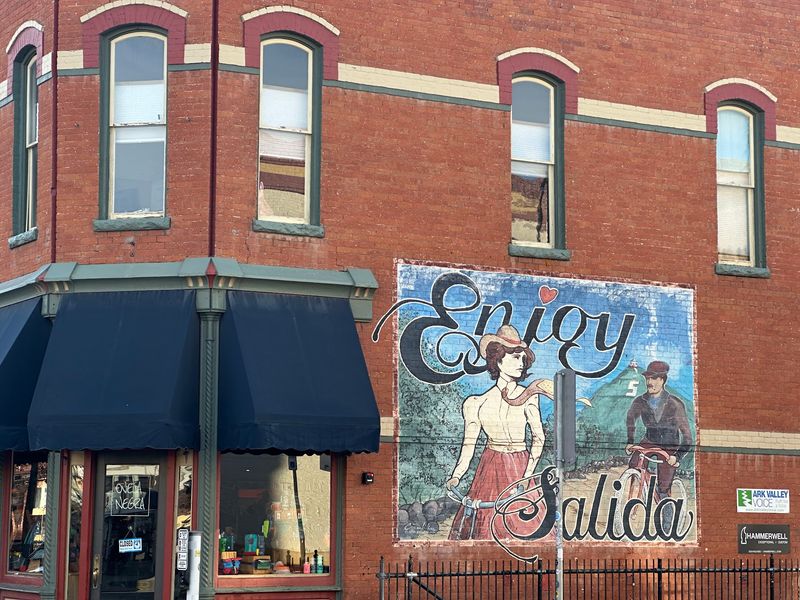
Here is a surprising detail. A town of roughly 5,666 people supports a genuine creative district recognized by the state.
Galleries and working studios fill the historic downtown blocks. Painters, potters, metalworkers, and jewelers all keep space within a few streets.
Many artists work in view of the sidewalk. You can watch a potter shape clay through an open door without paying a cent.
The Salida Creative District designation came through Colorado Creative Industries. That support helped turn old commercial buildings into affordable studio space.
Monthly art walks bring the neighborhood out in the evening. Doors stay open late, and the mood is relaxed rather than formal.
Prices range widely. Small prints and handmade mugs sit alongside larger canvases, so browsing never feels intimidating.
Ask questions if you are curious. Makers here generally enjoy explaining their process, and conversations start easily.
That openness is the real souvenir. You leave with a story attached to whatever you carry home.
Fourteeners Stand Guard Over The Valley
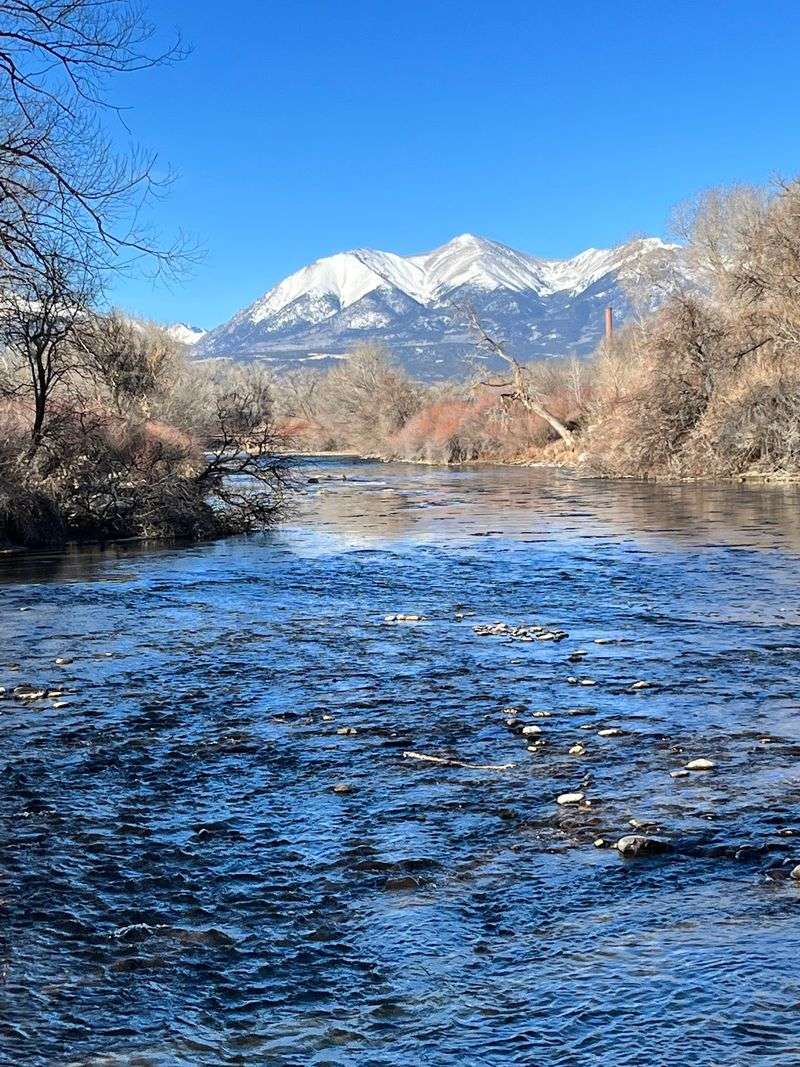
Chaffee County holds more peaks above 14,000 feet than any other county in the state. That is not a marketing claim, just geography doing its job.
The Collegiate Peaks rise north and west of town. Mount Princeton, Mount Antero, and Mount Shavano are all visible on clear days.
Shavano carries a famous feature each spring. A snow formation called the Angel of Shavano appears in its gullies as melt begins.
Trailheads sit within a short drive. Some routes climb hard toward summits, while others follow gentle creek beds through aspen groves.
Altitude deserves respect. The town sits above 7,000 feet, and summits add another mile of elevation on top.
Drink water, start early, and turn around when afternoon clouds build. Storms arrive quickly in summer.
Even from a downtown bench, the view earns attention. Snow lingers on high slopes well into June.
Photographers love the contrast. Brick buildings in the foreground, white peaks behind, all in one frame.
Tenderfoot Mountain And The Big Letter S
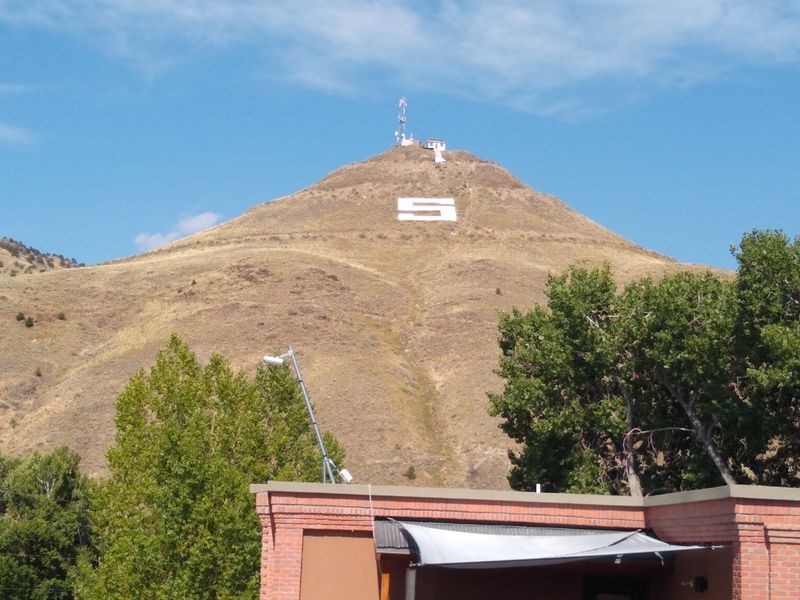
Every town needs a landmark, and this one picked a hill. Tenderfoot Mountain, often called S Mountain, rises just north of downtown.
A large white S sits on its slope, built by students long ago. School letters like this dot hillsides across the West.
Spiral Drive winds around the mountain to the top. The gravel road is narrow but manageable in dry conditions.
From the summit you get the full picture. The river, the grid of streets, and the Collegiate Peaks all line up neatly.
Hikers and mountain bikers use the trails on its flanks. Routes range from short loops to longer connections into the Arkansas Hills system.
Sunset draws a small crowd. People park, sit on rocks, and watch the valley change color.
Each December the S glows with holiday lights. The tradition turns the hillside into a beacon visible for miles.
Go once at midday and once at dusk. The two views feel like different places entirely.
Hot Springs Country Just Down The Road
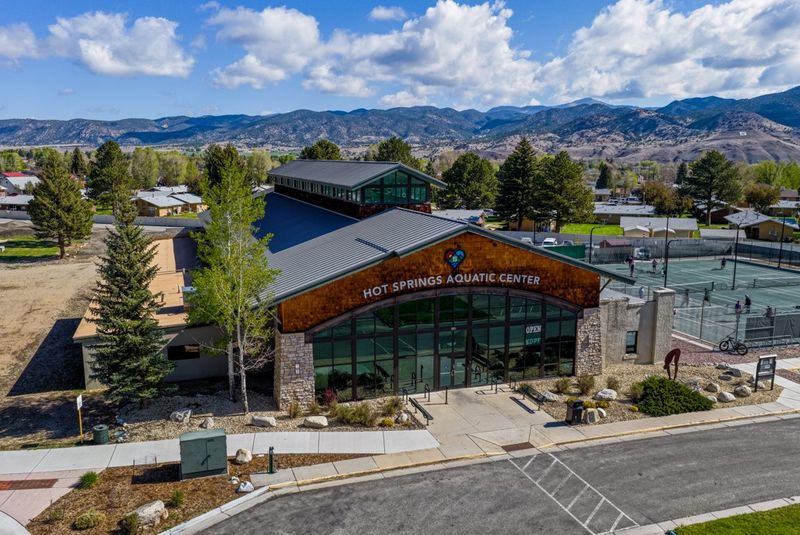
Geothermal water has been drawing people to this valley for centuries. The Upper Arkansas Valley holds several natural hot springs within easy reach.
Mount Princeton Hot Springs sits roughly 20 miles northwest, near the town of Nathrop. Its creekside pools let you soak beside cold rushing water.
Salida itself pipes geothermal water into the Salida Hot Springs Aquatic Center. It is one of the largest indoor hot springs pools in North America.
The water travels several miles from Poncha Springs by pipeline. That system has served the town since the 1930s.
Soaking after a hike feels earned. Tired legs recover faster, and the mineral water is comfortably warm year round.
Winter soaks are especially good. Steam rises while snow falls, and the contrast is hard to beat.
Reservations help during busy weekends. Popular pools fill quickly on holidays and school breaks.
Pack a towel, sandals, and patience. The pace here is slow by design.
Food That Punches Above The Population Count
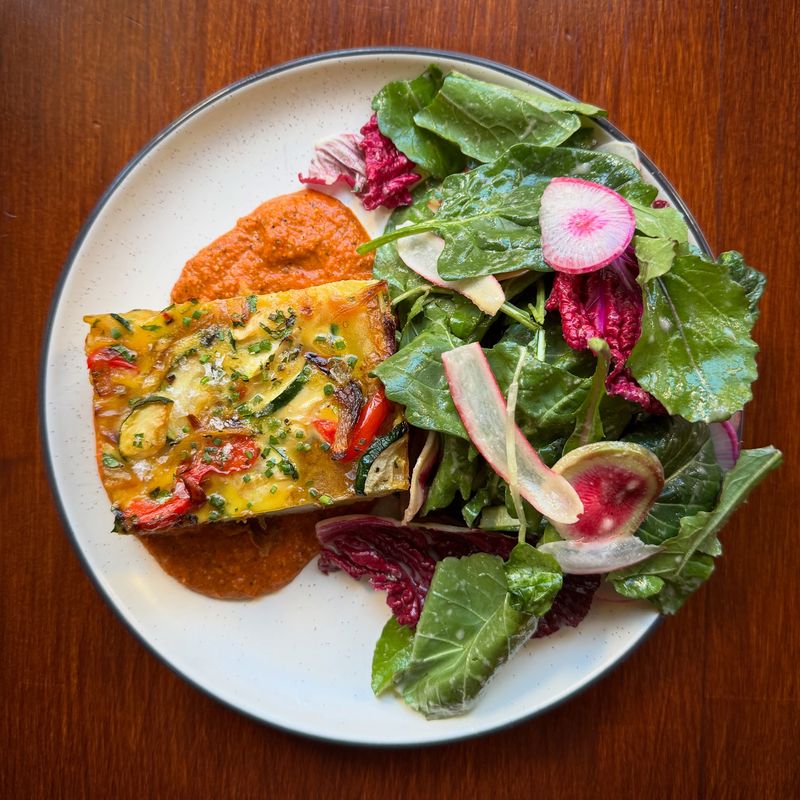
Small population, serious kitchens. The downtown blocks hold bakeries, cafes, taco counters, and sit-down restaurants within a few minutes of each other.
Mornings belong to coffee and pastry shops. Rafting guides, cyclists, and shop owners line up together before work.
Patios face the river or the street. On warm evenings, tables spill outdoors and the sidewalks feel busy in a good way.
Portions tend toward generous. Mountain towns feed people who spend all day outside, and menus reflect that reality.
Green chile shows up often, a nod to regional tradition. So do hearty breakfast plates built for early trailheads.
Service feels personal because it usually is. Owners often work the floor, and regulars get greeted by name.
Weekend evenings can get crowded downtown. Arriving early or eating a little late solves most waiting problems.
Ask what is fresh that day. Small kitchens change things often, and staff are happy to point you right.
Trails For Wheels And Boots Alike
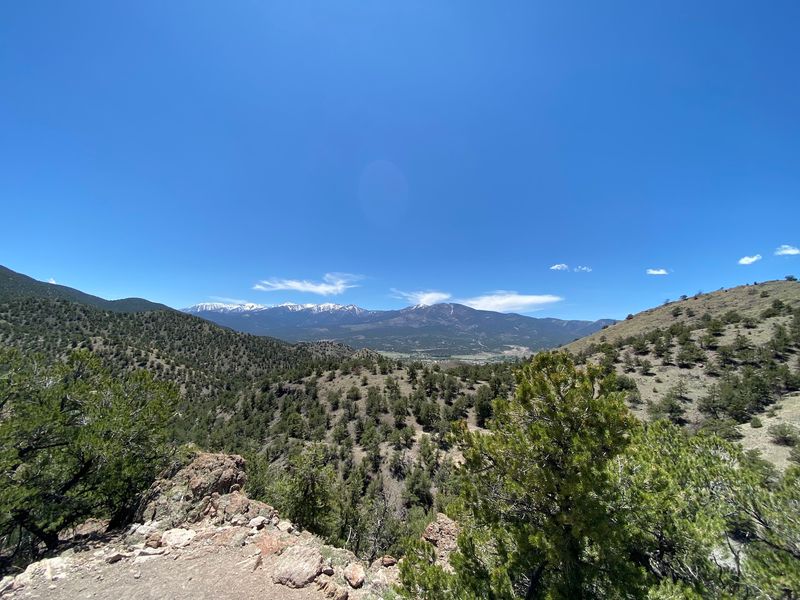
Roughly 30 miles of singletrack sit right on the edge of town. The Arkansas Hills trail system climbs the slopes east of the river.
Dirt here dries fast. Low elevation and dry air mean riding season starts earlier than in higher mountain towns.
Options suit different abilities. Some loops roll gently along benches, while others descend fast toward the river.
Views come free with the effort. Nearly every ridge line offers a look at the Collegiate Peaks across the valley.
Hikers and runners share these trails too. Early mornings bring the coolest temperatures and the quietest paths.
Rental shops sit downtown, so you can pedal from Main Street to dirt in minutes. That convenience is unusual.
Carry water and sun protection. The terrain is high desert, with pinyon, juniper, and limited shade.
Watch for cactus near trail edges. A small detail, but flat tires ruin good afternoons.
Small-Town Traditions That Draw Everyone Out
Tradition runs deep in this valley, and FIBArk proves it. Held each June, it bills itself as America’s oldest whitewater festival, starting in 1949.
The event grew from a downriver boat race between Salida and Cotopaxi. That original 26-mile course tested paddlers hard.
Today the weekend includes races, live music, a parade, and a foot race up Tenderfoot Mountain. Nearly the whole community turns out.
Summer also brings art walks and farmers markets. Produce, honey, and baked goods fill tables under canopies.
Winter has its own rhythm. Holiday lights outline the historic storefronts and the hillside letter glows above.
What stands out is participation. Volunteers organize most of it, and newcomers get folded in quickly.
Book lodging early for festival weekends. Rooms in Salida fill fast when events land on the calendar.
That easy welcome is the whole point. Genuine friendliness cannot be manufactured, and here it clearly is not.