
This Massachusetts Market Makes Buying Groceries In Bulk Surprisingly Easy
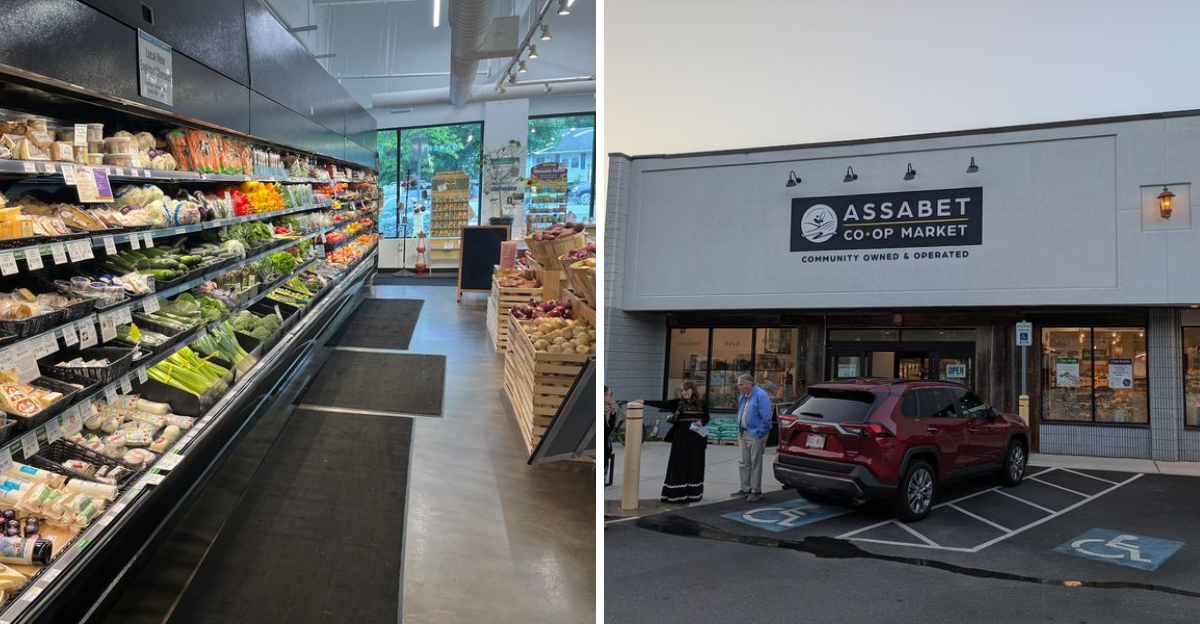
Buying groceries in bulk sounds great until you picture giant membership fees, restaurant sized carts, and enough paper towels to last until next summer. This Massachusetts market takes a much simpler approach.
Shoppers can stock up without turning the trip into a major commitment. Bulk orders are available to everyone, so you do not need to become an owner before filling the pantry with larger quantities of everyday favorites.
The shelves also cover plenty of regular grocery needs, making it easy to mix a normal shopping trip with a few bigger purchases.
That flexibility is what makes the place interesting. You can buy what you need for the week, order more of the foods your household goes through quickly, and skip the oversized warehouse experience altogether.
For anyone trying to stretch a grocery run a little further, this market proves that buying in bulk does not have to feel complicated.
A Bulk Section Built For Scooping, Not Guessing
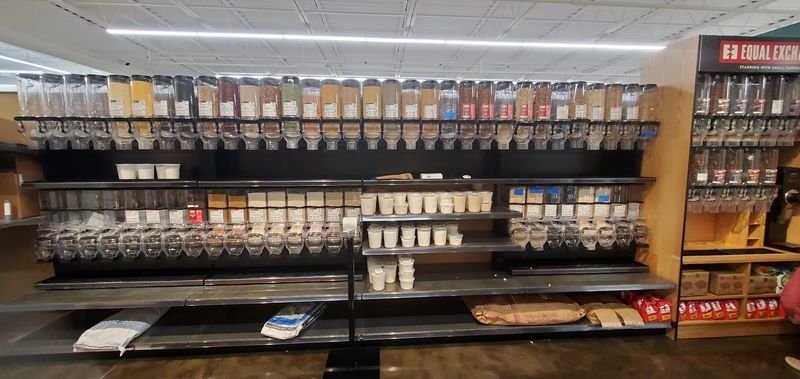
Scoops, bins, and a small paper bag. That is the entire learning curve here, and it takes about thirty seconds to master.
The bulk foods area at Assabet Co-op Market is set up so you buy the amount you actually want. Need two tablespoons of cumin for one recipe? Buy two tablespoons. Nobody makes you commit to a jar that sits in the cabinet for three years.
The market promotes bulk shopping for two clear reasons: it saves money and it cuts down on packaging. Both of those add up fast, especially for spices and loose tea, which are famously overpriced in tiny containers.
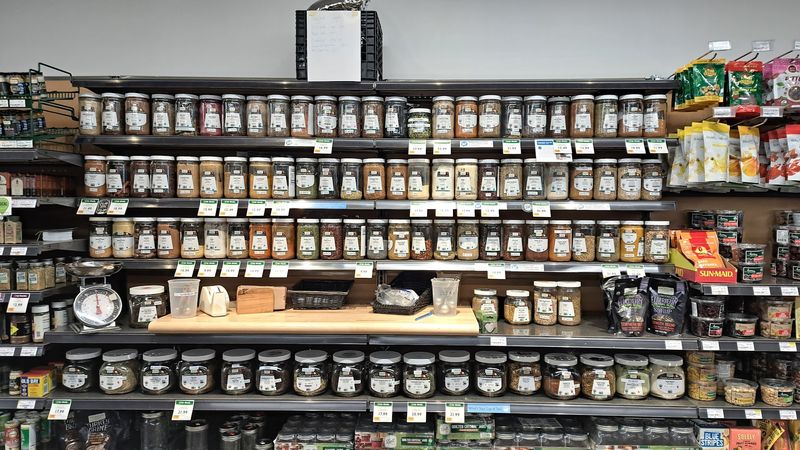
Newer additions to the bins include Organic Bee Pollen, Organic Beet Root Powder, and Organic Matcha Powder. Those are the kinds of ingredients that usually cost a small fortune in a sealed pouch.
Spices, seasonings, teas, grains and more sit within easy reach. The aisles are wide and the whole store is on one level, so maneuvering a cart or a mobility device is simple.
Bring your own container if you like, or use what is provided. Either way, you leave with exactly what your recipe calls for and not an ounce more. Practical shopping, minus the clutter.
Case Orders With A Ten Percent Owner Discount
Here is where bulk buying gets genuinely strategic. Owners of the co-op receive a 10% discount when they order products by the case.
Think about what that means for a household that goes through olive oil, canned tomatoes, or oat milk at a steady clip. Ordering twelve at once instead of one at a time trims the per-item cost twice over, first through the case price, then through the discount.
It works especially well for families, roommates splitting a pantry, or anyone who cooks in big batches on Sundays. Some people team up with a neighbor and divide the case between two kitchens.
Ownership is not required to shop at Assabet Co-op Market, and that matters. The doors are open to everyone in Massachusetts and beyond, whether you hold a share or wandered in on a whim.
Still, the case discount is one of the more concrete reasons people decide to become owners. It is a straightforward math problem rather than a vague promise.
Ask a staff member how case ordering works and they will walk you through it. The store is known for helpful people behind the counters, and this is exactly the sort of question they field regularly.
Ten Years Of Planning Before The First Cart Rolled
February 2012. A small group sat down in Maynard to talk about opening a food co-op. Nobody expected the conversation to last more than a decade.
The doors finally opened on May 31, 2023. That is eleven years of meetings, fundraising, planning, and patience before a single shopping cart moved.
Maynard was chosen deliberately. The town has a small-town feel, it is walkable, it is easy to reach, and it sits in the middle of communities that care about local food. Farms surround the area on nearly every side.
You can feel that long buildup in the store today. Nothing about Assabet Co-op Market feels rushed or franchised, because it was assembled piece by piece by people who live nearby.
In 2021, the project was accepted into the National Co+op Grocers network. That membership pools buying power across hundreds of co-ops, which helps keep prices on organic and natural products lower than a single small store could manage alone.
The result is a full-service grocery store rather than a specialty shop. Produce, meat, dairy, pantry staples, and that generous bulk section all live under one roof.
Slow starts sometimes build the sturdiest things. This one certainly did.
Produce Specials That Reward Weekly Shoppers
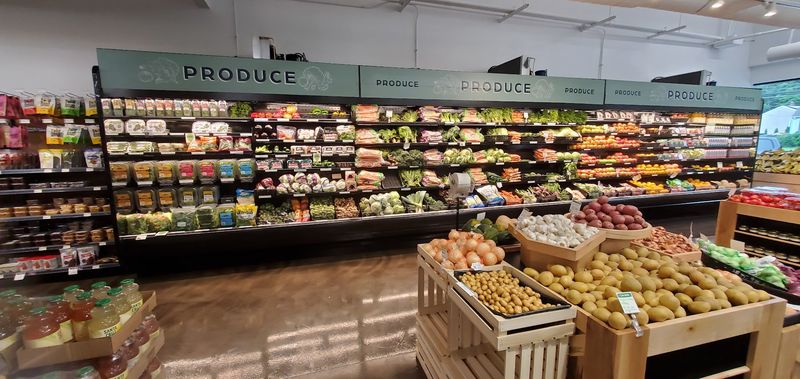
Organic produce has a reputation for emptying wallets. The rotating specials here push back against that idea.
Featured items have included organic green grapes, avocados, romaine lettuce, blueberries, and Valencia oranges. Those are not obscure garnishes. They are the things that actually end up in lunchboxes and salad bowls.
The trick is timing. Check what is on special before you plan meals for the week, then build dinners around whatever is marked down. It is an old-fashioned habit that still works beautifully.
Beyond produce, the store runs Co+op Deals on more than 100 organic and natural products at a time. That is a wide net, covering snacks, pantry goods, and household basics.
Local items get real shelf space too. Sophia’s Greek Yogurt shows up alongside tzatziki, hummus, spinach pie, breadsticks, and pita chips, which is basically a party platter waiting to happen.
Cheese fans should look for the Cave to Co-op specials, spotlighting selections from Vermont creameries. New England dairy at a discount is a hard thing to argue with.
Pair those deals with bulk grains and spices and a week of cooking starts to look downright affordable. That combination is the quiet genius of the place.
A Sixty-Four-Foot Deck Above The Assabet River
Grocery shopping does not usually come with a river view. This one does. Attached to the cafe area sits a deck stretching 64 feet, looking out over the Assabet River. Wooden railings, open air, moving water below.
It is the sort of spot where a coffee break stretches longer than planned.
The cafe serves prepared foods, so you can grab lunch and carry it straight outside. Sandwiches, soups, and grab-and-go options are all part of the lineup.
Morning coffee out there is a genuinely pleasant ritual. So is a mid-afternoon pause after loading up on bulk oats and dried fruit.
Wildlife wanders through the scene often enough that watching the treeline becomes part of the appeal. Birds, ripples, the occasional splash.
The deck also hosts community programming, including Yoga By the River and Music By the River. A grocery store doubling as a small riverside venue is an unusual combination, and it works.
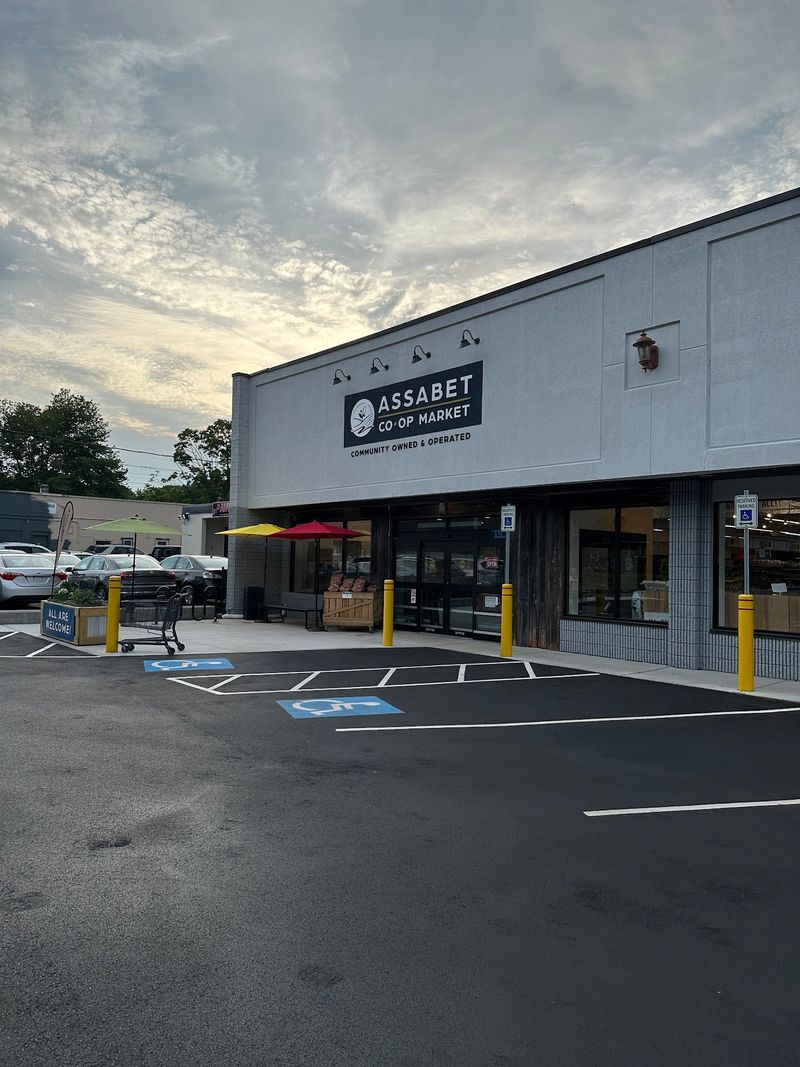
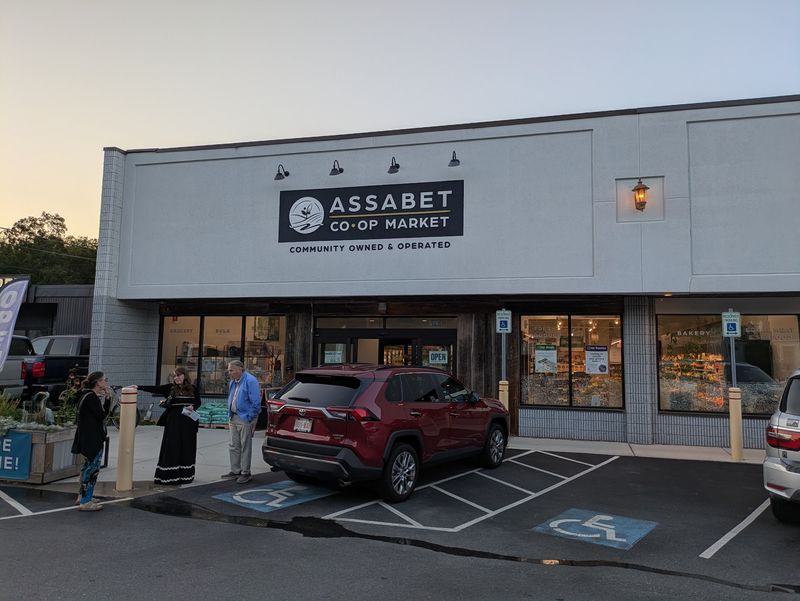
Find the whole setup at 86 Powder Mill Rd #1 in Maynard, right where the mill town history meets the water. Parking sits close by, and the store is wheelchair accessible throughout. Few errands end with a view like that.
Donut Sunday And Other Reasons To Show Up Early
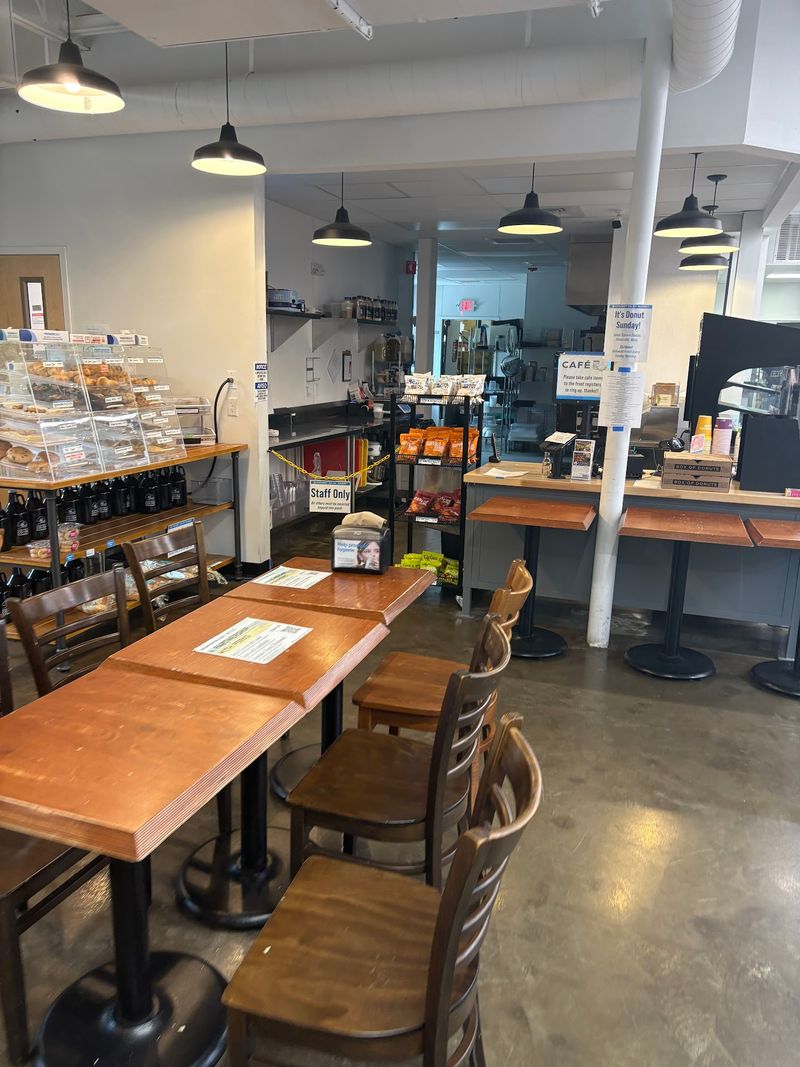
Sundays taste better with a donut in hand. The market seems to agree.
Donut Sunday brings in gourmet donuts from Union Square Donuts, with gluten-free options from Huckleberry Bakes for anyone who needs them. Two bakeries, one morning, plenty of glaze.
Events like this turn a grocery store into a gathering place. People show up for the pastry, stay for the coffee, and somehow leave with a week of groceries.
The co-op states plainly that serving as a center of community activity is part of its mission. Donut Sunday, Yoga By the River, and Music By the River are that mission in action rather than marketing language.
Timing helps if you are combining a treat with a bulk run. Arrive earlier in the day and the bins are fully stocked, the aisles are calm, and there is room to weigh and measure without a queue.
Doors open at 8 AM every single day and stay open until 8 PM. Seven days, thirteen hours, no confusing seasonal schedule to memorize.
Bring a jar, bring a friend, bring an appetite. That combination covers nearly every reason to stop by. Sweet start, sensible finish.
Seven Cooperative Principles Behind Every Shelf
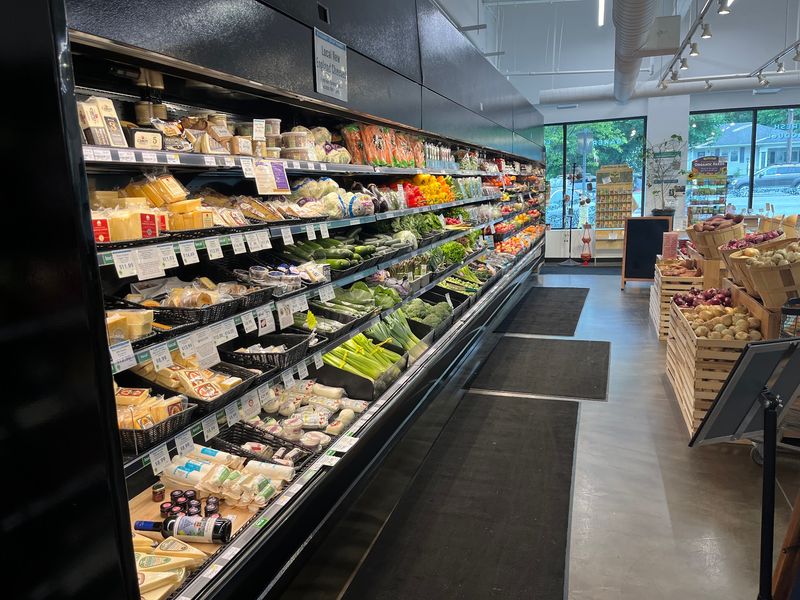
Most grocery stores answer to shareholders far away. This one answers to the people pushing the carts.
Assabet Co-op Market operates under the seven Cooperative Principles. Among them: voluntary and open membership, democratic member control, and concern for the community.
Democratic member control means owners have a genuine voice in how the store runs. Decisions are made close to home rather than in a distant office park.
The stated mission is specific. Support the regional food system, strengthen the local economy, and promote the well-being of members, the community, and the environment.
That environmental piece connects directly to the bulk section. Less packaging, less waste, fewer half-used containers headed for the trash.
Open membership is worth repeating because people misunderstand it constantly. Over 2,200 locals own the store, but shopping requires nothing more than showing up.
The market also partners with Walden Mutual Bank on a Local Impact CD program, letting community members put savings toward local farms and agriculture. Money circling back into the same soil that grows the food is a tidy loop.
Principles printed on a wall mean little on their own. Here they show up in the bins, the shelves, and the produce cases.
SNAP And EBT Accepted, No Asterisks
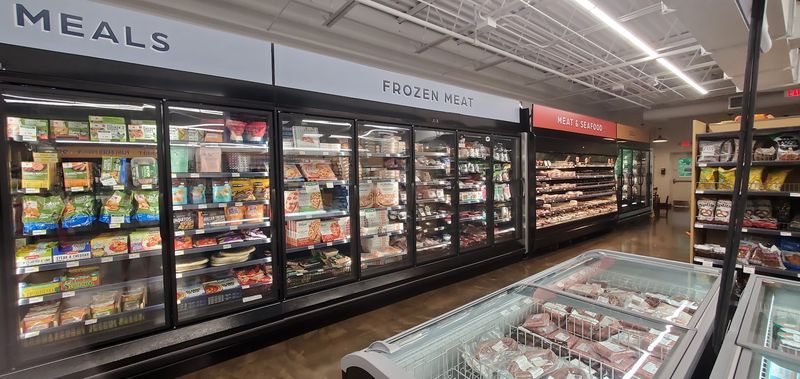
Good food should not require a special income bracket. The market treats that idea as a working policy.
SNAP and EBT payments are accepted here, which keeps the doors genuinely open to the whole community. Organic produce, bulk grains, pantry staples, all of it accessible.
Pairing SNAP with bulk buying is smart budgeting. Buying rice, oats, beans, or lentils by weight almost always beats the boxed equivalent, and you control the quantity precisely.
Layer in the Co+op Deals on over 100 organic and natural products and the savings compound further. Sale items sometimes land below what larger chains charge nearby.
Massachusetts has plenty of expensive places to buy vegetables. A community-owned store that accepts EBT and still sources locally is a different kind of proposition.
Staff are known for being patient and helpful, so questions at the register are handled without fuss. That matters when you are learning a new way to shop.
Practical tip: write your list by weight instead of by package. Half a pound of walnuts, a quarter pound of oats, one ounce of paprika.
Shopping that way keeps costs predictable. Accessibility and good groceries, together in one building. That is the whole point.
Planning Your First Bulk Run, Step By Step
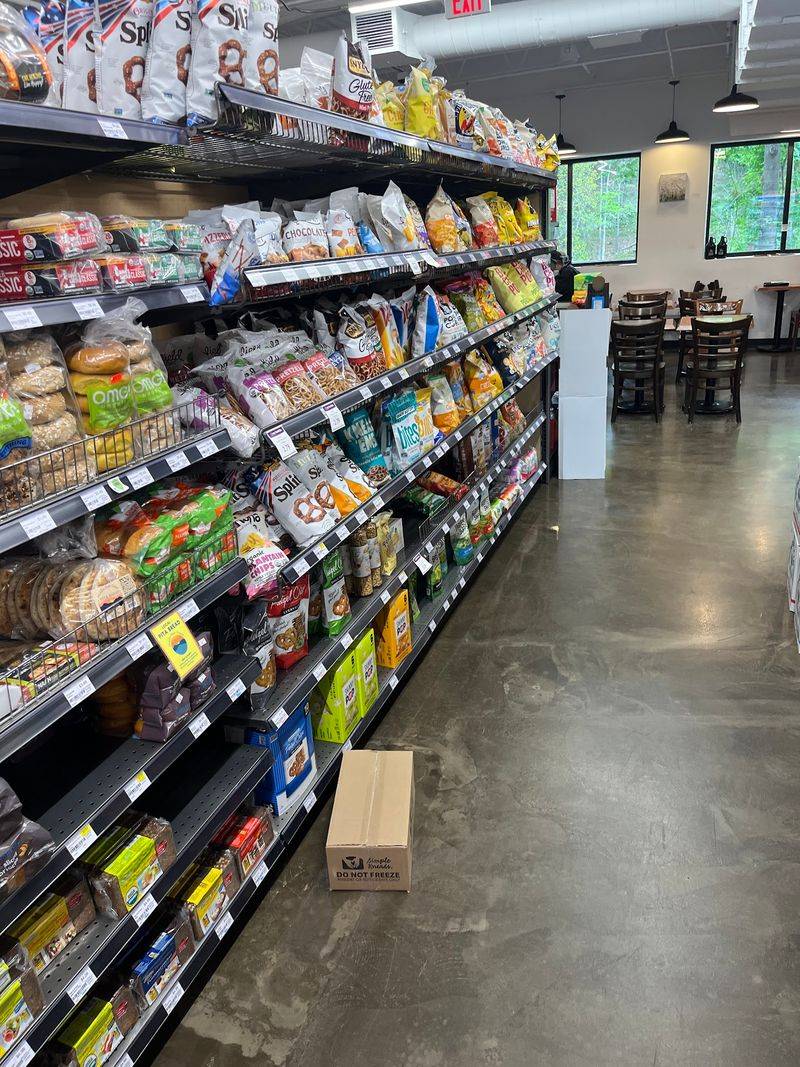
First-time bulk shoppers tend to overthink it. A jar and a shopping list solve almost everything.
Start small. Pick three items you use constantly, maybe oats, black pepper, and a favorite loose tea. Buy just those in bulk and compare the cost to your usual brands.
Clean glass jars work beautifully and keep everything visible in the cupboard. Cloth bags are lighter if you are walking or biking.
Label as you go. Ground spices look remarkably similar once they leave the bin, and future you will appreciate the note.
Combine the trip with lunch from the cafe and a seat on the riverside deck. Errand and outing, handled at once.
The address again, since it is easy to drive past: 86 Powder Mill Rd #1, Maynard, Massachusetts. The building sits close to the water, with level entry and wide aisles inside.
Once the routine clicks, buying groceries in bulk stops feeling ambitious. It just feels like grocery shopping done well.