
This Massachusetts Lake Is Home To More Snakes Than You’d Expect, Here’s What To Know
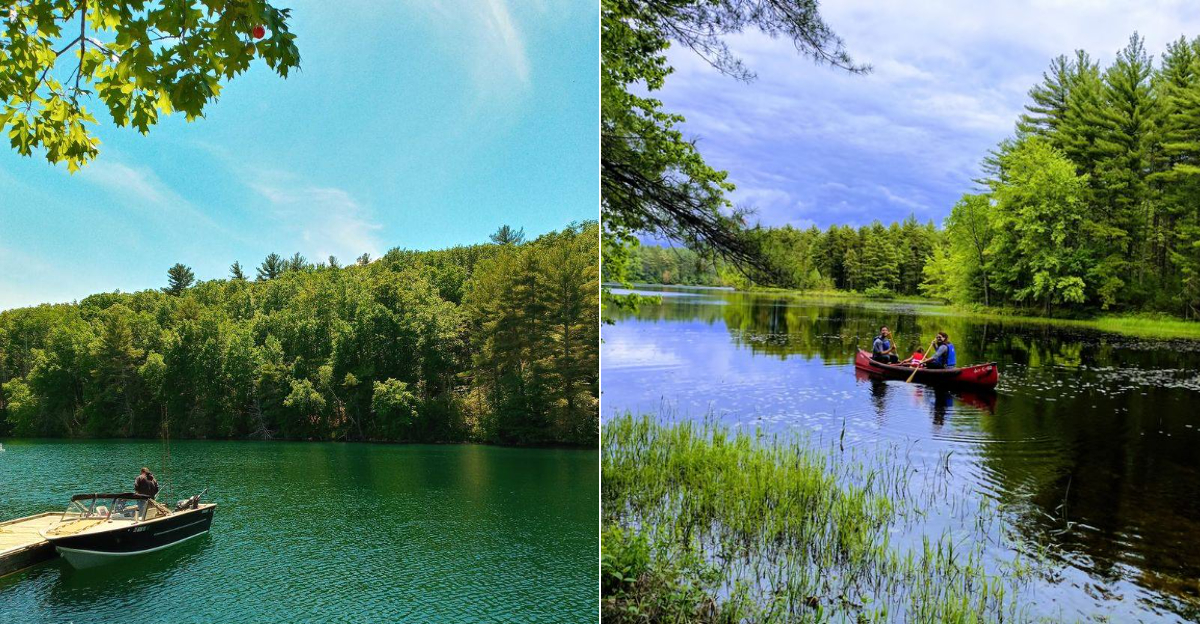
Picture a giant sheet of blue water, wrapped by hills, pine forest, and 181 miles of quiet shoreline. Bald eagles cruise above it.
Loons call across it. And yes, snakes live here too, more than most visitors ever imagine, sunning themselves on rocks and slipping away long before you get close.
Do not let that scare you off. Snakes here are shy, mostly harmless, and part of what makes this protected wilderness feel so alive.
Massachusetts built this place in the 1930s to supply drinking water to Boston, and in doing so created an accidental sanctuary where wildlife rules and cars, crowds, and noise stay far away.
Underneath the surface sit four lost towns. Above it, trails wind for miles through forest so quiet you can hear your own footsteps.
Photographers adore it. Hikers lose track of time on it.
Anglers whisper about it. Come for the views from the observation tower, stay for the strange thrill of walking through a landscape that history rewrote.
The Inland Sea Of Central Massachusetts
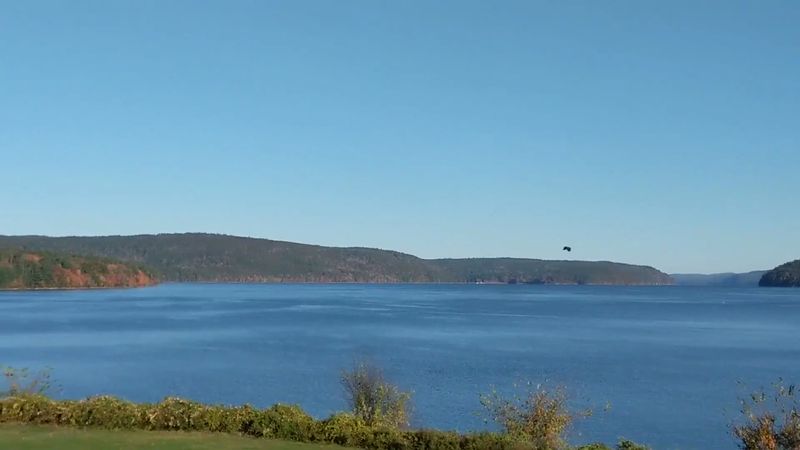
Thirty-nine square miles of water. That is the scale of Quabbin Reservoir, the largest inland body of water in Massachusetts, holding drinking water for Boston and dozens of towns.
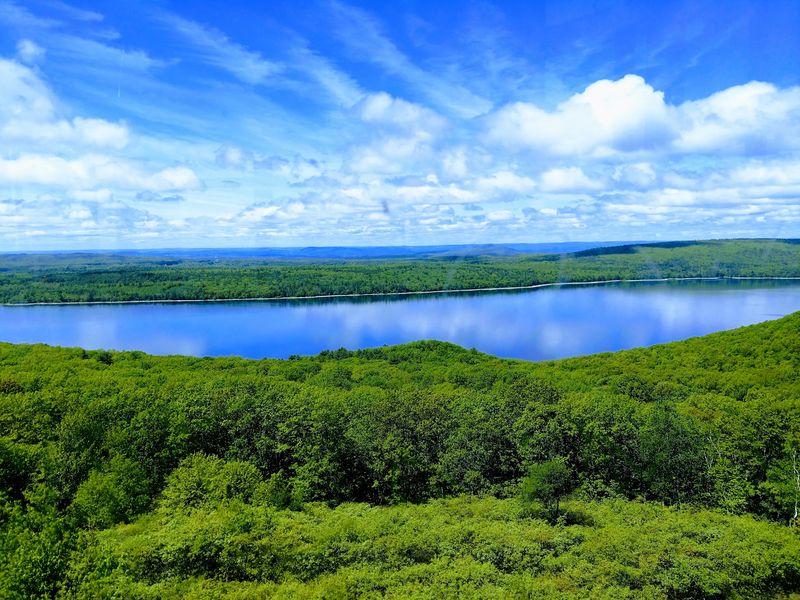
Visitors arriving for the first time almost always say the same thing: it is bigger than they pictured. From the observation tower on Quabbin Hill, the shoreline curls away into blue haze, dotted with wooded islands that were once hilltops.
There are no motorboats roaring past, no crowded beaches, no snack stands. Protection of the water supply keeps development out, which is exactly why nature took over so completely.
Snakes, eagles, deer, and bears all found room here. So did silence.
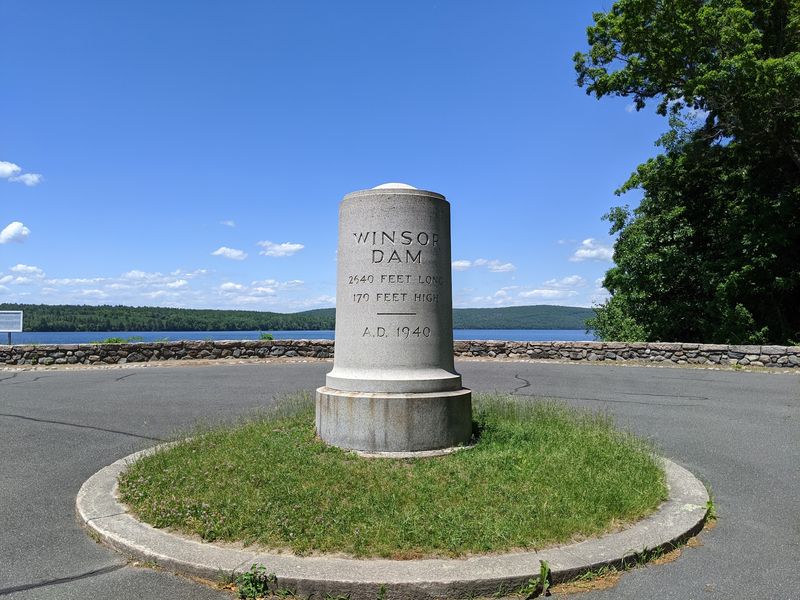
Entry is free, and gates open seasonally, so check ahead before driving out. Parking near the Winsor Dam area gives you the easiest start, with paved paths and portable restrooms nearby.
Give yourself half a day at minimum. One quick stop never feels like enough.
Which view will you chase first, the tower or the water’s edge?
Snakes Sunning On the Rocks
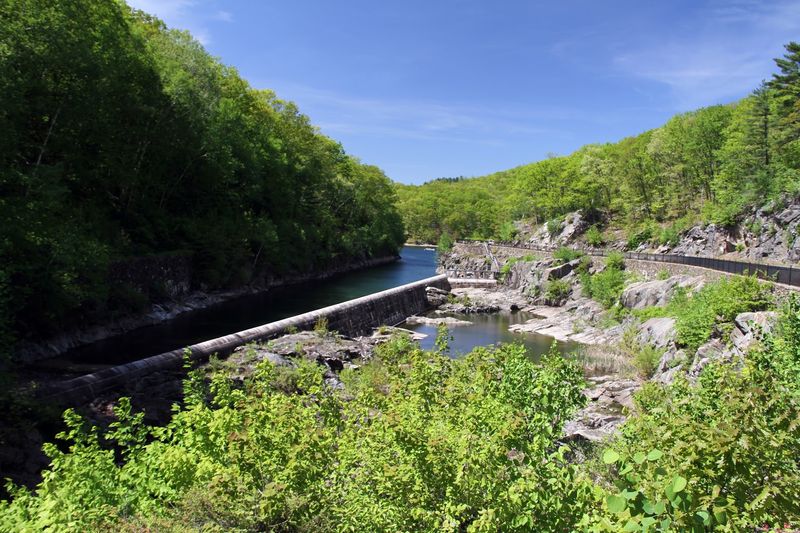
Warm rocks equal happy snakes. Along Quabbin’s stone walls, dam faces, and sunny trail edges, reptiles stretch out in the morning light to soak up heat before slipping back into the brush.
Garter snakes are the most common sighting by far. They are slim, striped, and completely harmless.
Northern water snakes patrol the shallows and sometimes startle anglers by swimming right past a fishing line. Milk snakes, ring-necked snakes, and black racers also call these forests home.
The reason there are so many comes down to habitat. Protected land, rock piles left from old farm walls, wetlands, and open sunny clearings create a reptile paradise that most of Massachusetts no longer offers.
Years ago, wildlife officials discussed placing a timber rattlesnake colony on one of Quabbin’s islands. The idea sparked debate statewide and was eventually shelved, but it left the reservoir with a reputation.
Practical advice: watch where you step, especially near stone walls. Snakes hear you coming and want nothing to do with you.
Would you snap a photo or quietly back away if one crossed your path?
Four Towns Sleep Beneath The Water
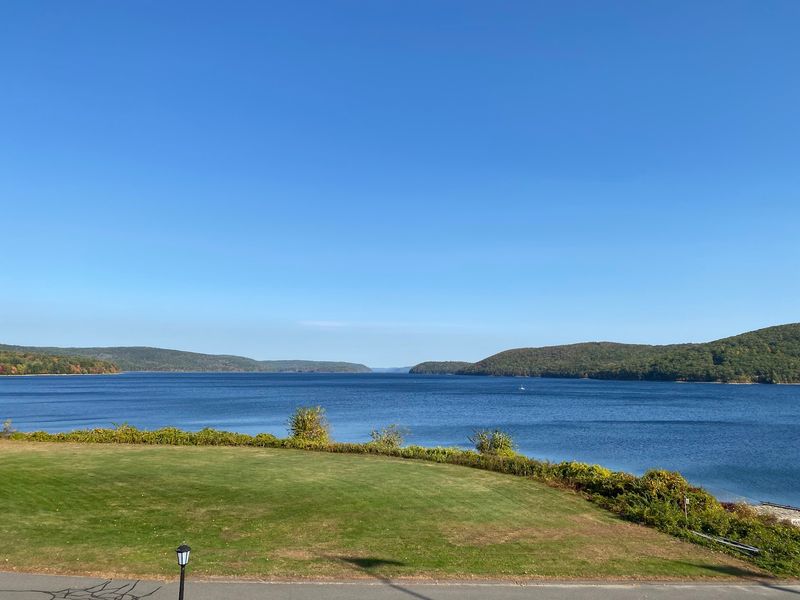
Dana. Enfield.
Greenwich. Prescott.
Four Massachusetts towns that no longer exist above water.
In the 1930s, families packed up, buildings came down, and even cemeteries were moved so the valley could be flooded. Roughly 2,500 people left homes their families had lived in for generations.
The last town gathering ended with music and tears, and then the water came.
Walk certain trails today and you will find the leftovers. Stone foundations.
Cellar holes filling with leaves. Old road beds that suddenly stop at the shoreline.
Granite steps that lead to nothing.
Visitors describe finding these remnants as the strangest part of their hike. One moment you are in deep forest, the next you are standing in someone’s former living room.
Dana Common is the most famous spot for this. A gentle walk brings you to a grassy clearing marked with signs showing where houses once stood.
Treat it gently. Nothing should be taken or moved.
Standing on a vanished town’s main street, what would you imagine the neighbors were like?
Eagles Overhead, Bears In The Brush
Bald eagles nearly vanished from Massachusetts. Quabbin brought them back.
A reintroduction project here in the 1980s helped restore the species across the state, and today nesting pairs soar over the water regularly.
Bring binoculars. Enfield Lookout is the classic viewing spot, where visitors line up quietly with scopes and cameras, scanning the treetops.
Eagles are only the headline act. Common loons float on the open water and call at dusk.
Deer step out along the roadside at dawn. Moose leave enormous tracks in muddy ground.
Black bears roam the deeper forest, and a few hikers have met one face to face.
Safety tip from regulars: make noise on remote trails. A whistle or simple conversation lets animals know you are coming, and they will move away.
Turkeys, otters, beavers, and coyotes round out the cast. Wildlife viewing is one of the most mentioned reasons people return again and again.
Sunrise and the hour before sunset give you the best odds.
Trails That Suit Every Pair Of Legs
Someone once walked six miles here without noticing. That happens a lot at Quabbin, where the paths are wide, well marked, and easy on the knees.
Start with the paved route near Winsor Dam if you want something simple. Strollers roll fine.
Kids do well. Portable restrooms sit near the main parking area by the police station.
Want more? Dozens of numbered gates open onto gravel roads and woodland trails that stretch for miles.
Gate 40 leads toward Dana Common. Others drop you at quiet coves where the only sound is water on stones.
Goodnough Dike offers a shorter loop, roughly a mile and a half, with wide open views across the reservoir and grassy spots ideal for a picnic. Are you the type to take the paved path or head straight for the wild gates?
One serious warning from experienced hikers: ticks are common, especially on shoreline trails. Wear long sleeves, use repellent, and check yourself thoroughly afterward.
Winter changes everything. Snowshoers love the quiet, and the frozen surface creates an entirely different landscape.
Two Wheels And Miles Of Open Road
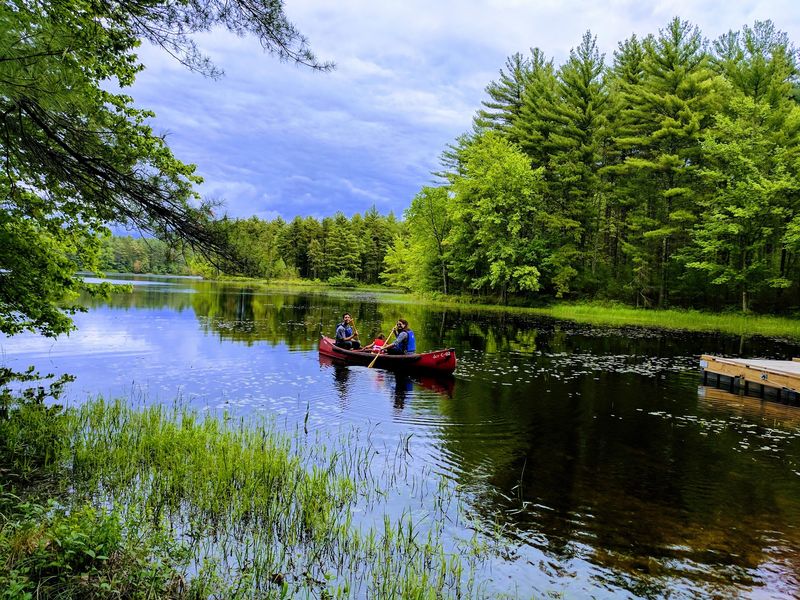
Cyclists have it good here. Quiet roads, almost no traffic, and views that open up around every bend make Quabbin one of the friendliest riding spots in Massachusetts.
The main park road climbs toward Quabbin Hill and the observation tower. That hill will make your legs work, but the reward at the top is a panorama stretching for miles.
Riders who prefer flat terrain stick to the Goodnough Dike area, where the pavement runs alongside water on one side and forest on the other.
Gravel riders and mountain bikers find plenty of options too. Several gated fire roads allow bicycles, though rules vary by gate, so read the posted signs before rolling in.
Autumn is peak season. The hills turn gold, orange, and deep red, and the road becomes a tunnel of color.
Pack water and snacks, because there are no shops inside the reservation. Cell service can also disappear in low spots.
Helmets on, phones charged, and give yourself extra time for photo stops.
Would you tackle the tower climb or cruise the flat shoreline stretch?
Fishing Where Trout And Salmon Share The Deep
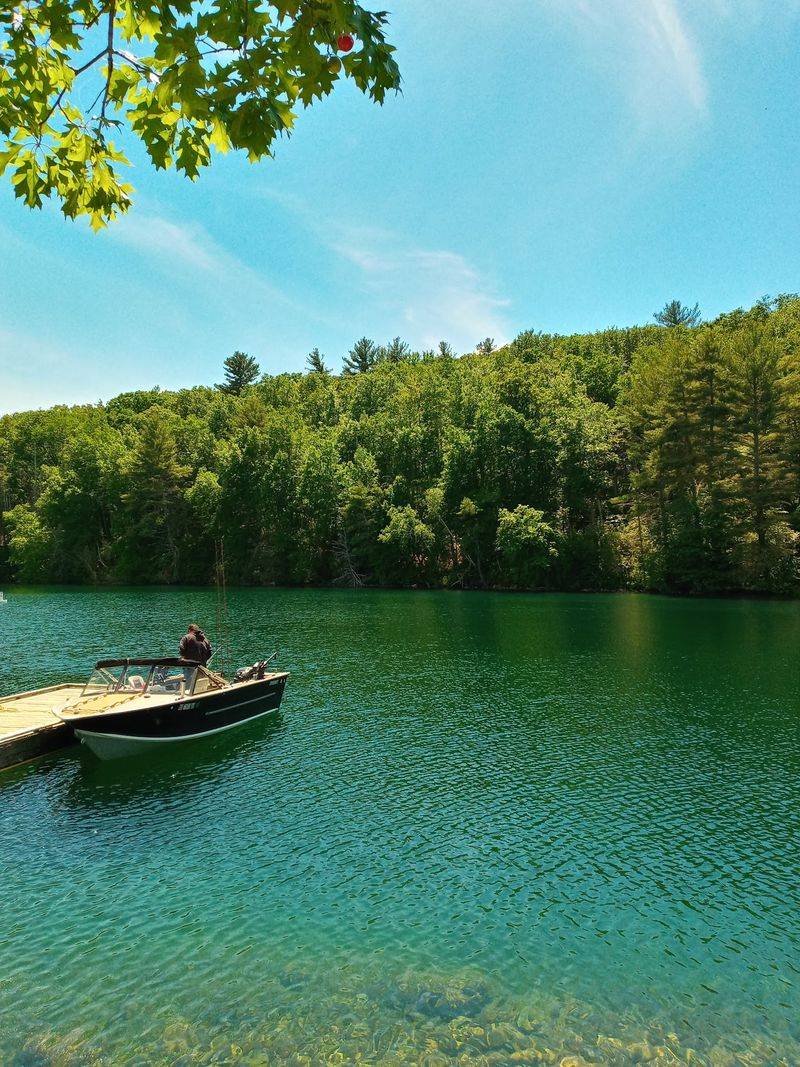
What would you rather hook, a fighting bass or a silver salmon?
Anglers speak about Quabbin with real affection. Deep, cold, and remarkably clean, the reservoir holds lake trout, landlocked salmon, smallmouth bass, largemouth bass, perch, and pickerel.
Shore fishing is allowed at designated areas, and boat rentals operate seasonally from official launch sites. Private boats need a special inspection seal, so plan ahead if you want to bring your own.
Rules exist for a reason. This is drinking water for millions of people in Massachusetts, so swimming is banned and every regulation gets enforced.
Check the current season dates and permit requirements before your trip.
Fly anglers love the shoreline coves during spring and fall. Early mornings bring mist off the surface and almost total silence.
Do not be surprised if a water snake glides past your line. They fish here too, and they are harmless.
Hank’s Meadow is a favorite access point, with an easy walk down to clear water and space for a family picnic afterward.
Bring a hat, sunscreen, and patience. The fish here are wild and picky.
A Photographer’s Playground In Every Season
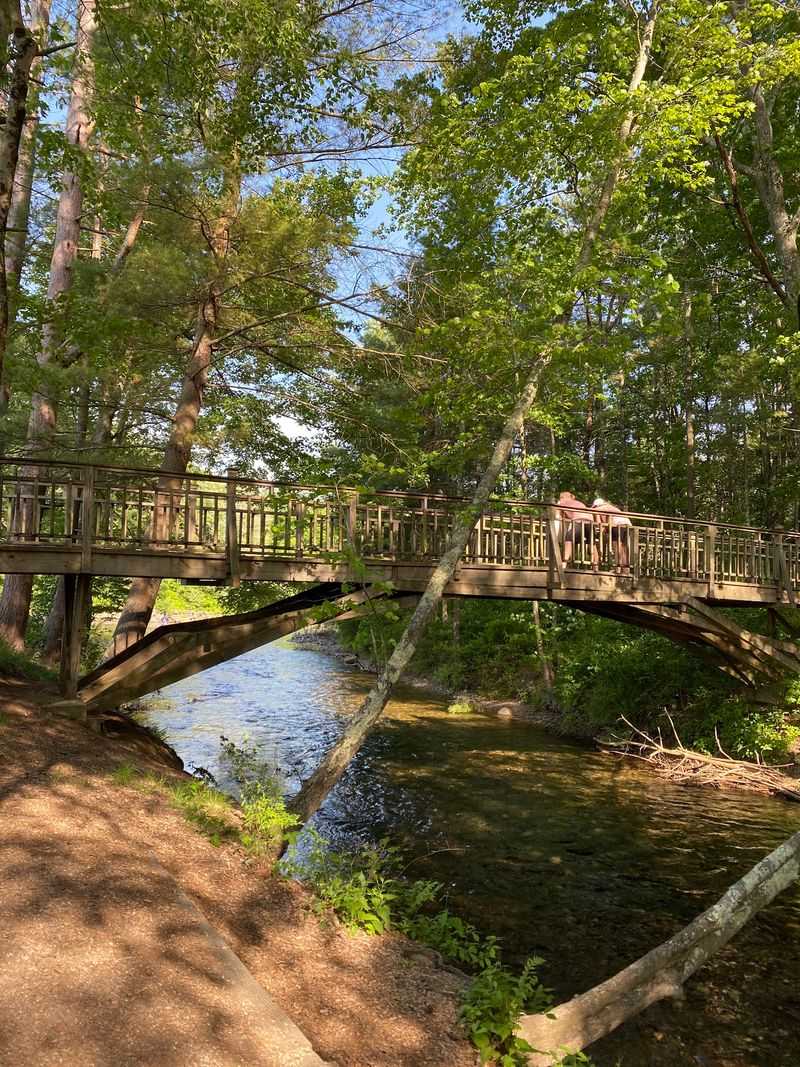
Some visitors admit they spend more time behind the camera than actually walking. Quabbin does that to people.
Light here shifts constantly. Morning mist hovers over the coves.
Midday sun turns the water a hard, bright blue. Late afternoon paints the hills in warm gold, and the islands throw long shadows across the surface.
Enfield Lookout delivers the postcard shot, with layers of ridges fading into the distance. The observation tower on Quabbin Hill gives you a full circle view that no single photo can quite capture.
Autumn is the showstopper. Maples and oaks explode into color, and the reflection on still water doubles the effect.
Photographers arrive from across Massachusetts just for those two or three peak weeks.
Winter has its own magic. Snow silences the forest, ice creeps across the coves, and bare trees reveal stone walls hidden all summer.
Practical tip: a zoom lens helps for eagles, and a wide lens handles the big vistas. Tripods work well at the lookouts.
Which season would you pick for your best shot here?