
The Tiny Upstate New York Village That Looks More Like A European Hill Town Than Anywhere In The State
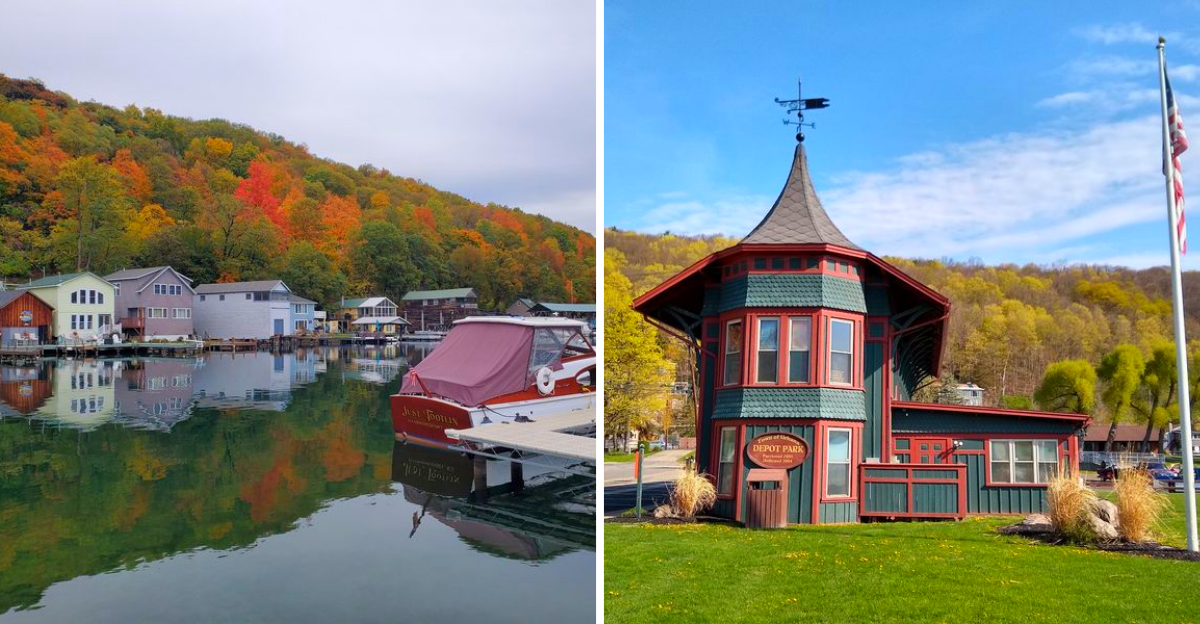
Fewer than 600 people live here. That number does most of the work in this story. A village that small should not hold this much, and yet it does.
Hillsides tip down toward blue water. Vineyards climb the slopes in neat rows. At the bottom sits a square that could pass for southern Europe if you squinted, or honestly even if you did not.
History runs deep in this corner of New York. So does aviation history in particular, which nobody expects and everybody remembers. The lakefront reads much bigger in person than it does on a map.
My favorite thing about places like this is how they refuse to explain themselves. You park the car and the surprise is already underway. Twelve reasons follow, though the real one is harder to write down.
Small towns this small are not supposed to be this interesting. This one never got the memo.
Water And Wooded Slopes In One Frame
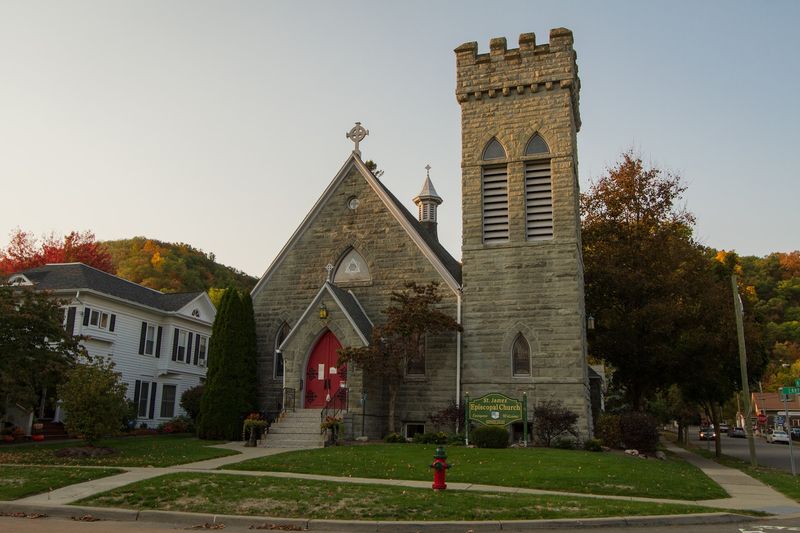
Certain views make you pull over without planning to. Long hills rise on both sides of a narrow lake valley, and the village settles at the very bottom where the water ends.
Grapevines run in neat rows along the steep pitches above town. Woods fill the gaps between them. The effect feels closer to an Italian lake district than to anywhere else in New York, and locals lean into that comparison with pride.
Keuka Lake, the water in question, carries an unusual Y shape carved by glaciers. Lake Como in Italy shares that same forked outline, which explains why this village earned the nickname Little Lake Como.
Down at street level, the scale stays modest. Narrow streets match the height of the buildings, so nothing feels oversized or out of place.
Morning fog often sits low on the lake before burning off by mid morning. Afternoons bring boats, swimmers, and long shadows across the vineyards.
Come at sunset if you can manage it. Light hits the western hills first, then slides down toward the water while the square below fills with people finishing their day.
Meet Hammondsport, Keuka Lake’s Southern Anchor
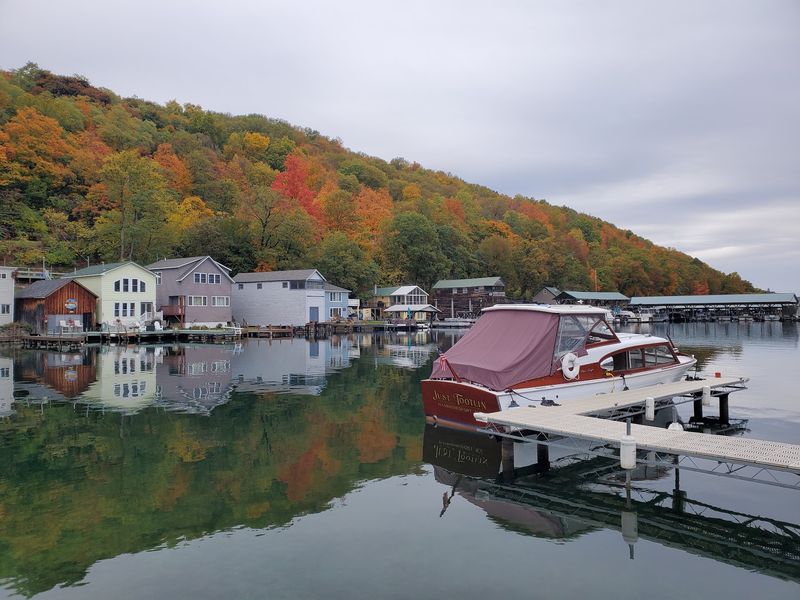
Names matter, so here it is. Hammondsport sits in Steuben County at the south end of Keuka Lake, and the whole village covers barely more ground than a large college campus.
The population came in at 583 during the 2020 census. That number rises sharply on summer weekends when visitors arrive for the water and the vineyard trail.
Village offices operate from 80 Shethar Street, which runs through the heart of the business district. The street name shows up often once you start exploring, since much of the shopping and dining sits along it.
First settlers arrived in 1792, back when the area went by Cold Spring Valley and Pleasant Valley. The village took its current name from Lazerus Hammond, who came in 1810 and laid out the village around 1826.
Incorporation followed in 1856. That timeline explains the mix of building styles you see today.
Parking works best on the side streets near the lakefront. From there, almost everything worth seeing sits within a ten minute walk, which is a rare gift for anyone tired of highway driving.
Pulteney Square, The Village Living Room
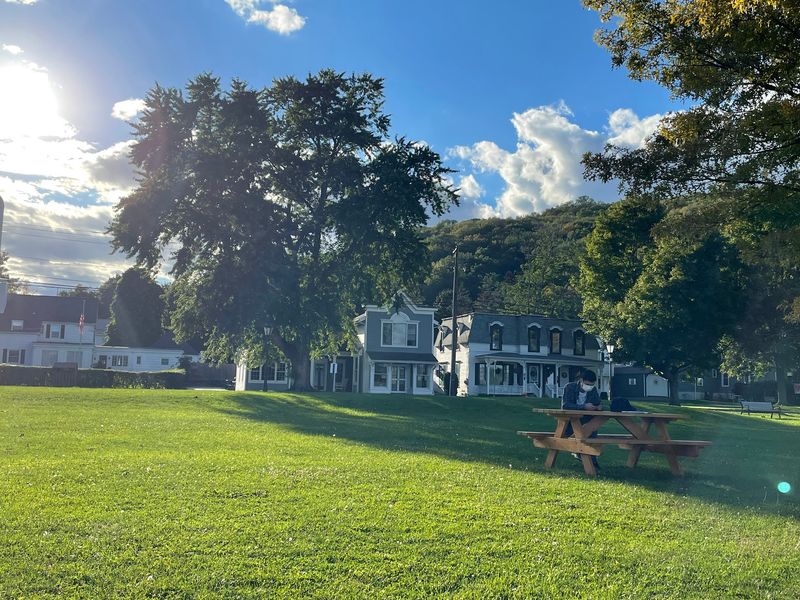
Every good village needs a center, and this one has a green square ringed by shops and old buildings. Benches sit under mature trees, giving shade on hot afternoons.
Pulteney Square works as the gathering point for markets, concerts, and seasonal events. On a quiet weekday you might share it with a few readers and someone walking a dog.
Buildings around the square belong to the Pulteney Square Historic District, listed on the National Register of Historic Places. Look closely and you will spot Greek Revival houses, Victorian storefronts, and Craftsman bungalows sharing the same block.
That architectural mix tells the story of a village that grew steadily rather than all at once. Each era left its signature on the streetscape.
Shops and restaurants sit close enough that you can circle the entire square in a few minutes. Many visitors do exactly that, then circle again once they spot something they missed.
Bring a coffee and claim a bench for twenty minutes. Watching the village move around you gives a better feel for the place than any guidebook can, and it costs nothing at all.
Glenn Curtiss And The Sky Above Keuka
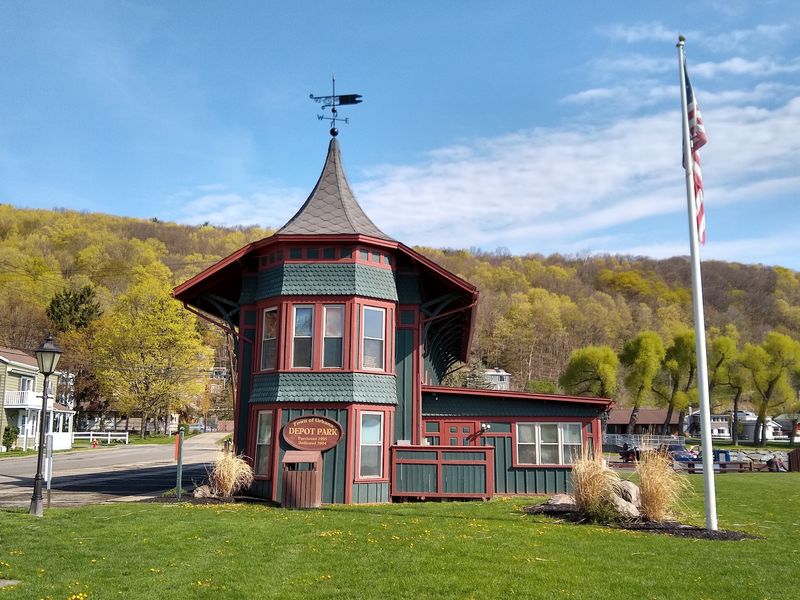
Aviation history hides in plain sight here. Glenn H. Curtiss, born in this village, became one of the most important pioneers in early flight.
He tested the first seaplanes right on Keuka Lake. The flat water and open valley gave him room to experiment, and the results changed how aircraft were built.
The Glenn H. Curtiss Museum honors that legacy with vintage aircraft, antique motorcycles, and exhibits covering local invention. Curtiss started with bicycles and motorcycles before turning his attention upward, which explains the two wheeled machines in the collection.
Kids tend to gravitate toward the aircraft. Adults often linger over the motorcycles and the workshop displays.
Restoration work happens on site, so you may see volunteers working on projects during your visit. Watching a plane come back together beats reading about it on a placard.
Plan for at least ninety minutes inside. Two hours is more realistic if you read the exhibit panels.
Annual events including Wings and Wheels bring machines out of storage and into the open air. Timing a trip around one of those weekends doubles the payoff for anyone who loves engines and old engineering.
Boats, Beaches And A Lake That Behaves
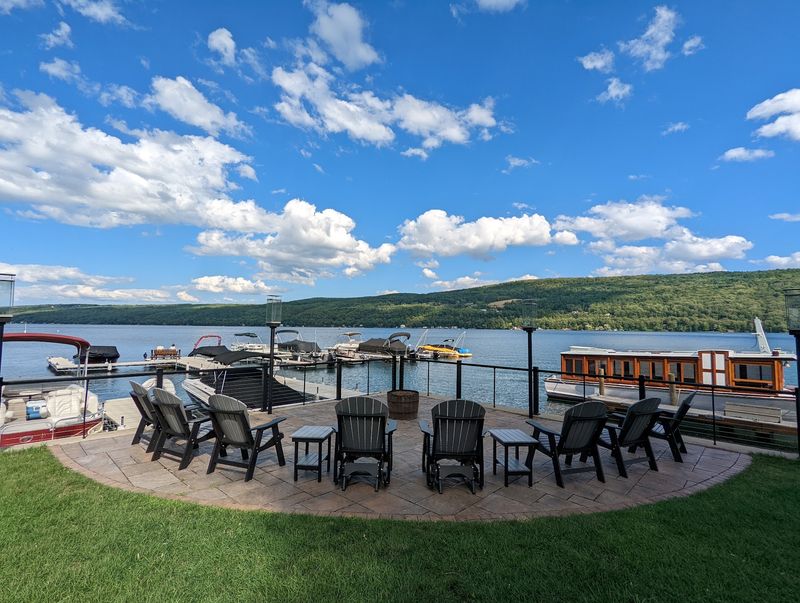
Swimming season here runs short and sweet. Keuka Lake stays clear and cool, and public access makes it easy to jump in without paying a fee.
Depot Park and Champlin Beach both sit close to the village center. Grass, sand, picnic space, and lake views come standard.
Boaters launch from the southern end and head north into the wider water. Sailing works well when the valley funnels wind down the lake, which happens more often than you might expect.
Kayaks and paddleboards suit the shoreline near town. The water stays calmer close to the south end, especially in the morning before boat traffic picks up.
Fishing draws its own crowd, with trout and bass among the local catches. Early hours produce the best results.
Families tend to set up for the whole day. There is shade, there is water, and there is a village within walking distance when snacks run low.
Pack water shoes if you have them. Parts of the shoreline turn rocky, and comfort matters more than style once you are wading out toward deeper water.
The Finger Lakes Boating Museum Keeps Craft Afloat
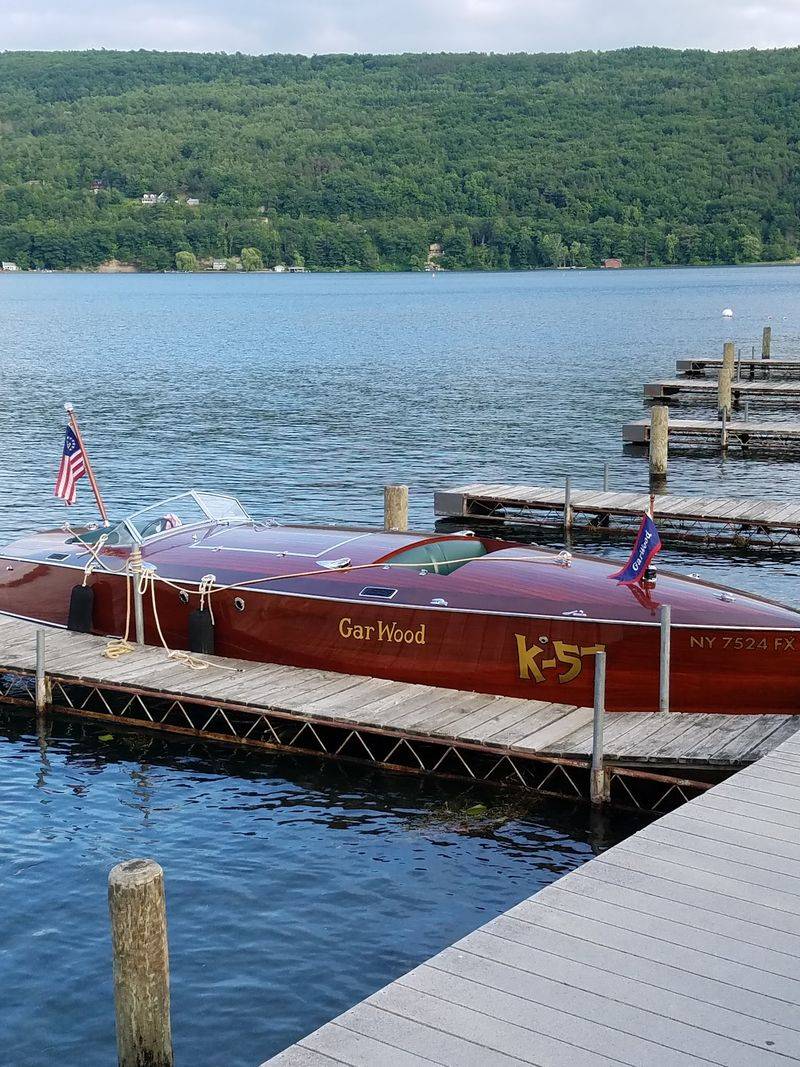
Wooden boats have a way of holding attention. The Finger Lakes Boating Museum collects and preserves them, telling the story of how people worked and played on these lakes.
Exhibits cover regional boat builders, racing history, and everyday craft used by families for generations. Many of the vessels were made within a short drive of the museum itself.
Restoration is part of the mission, not just display. Workshop areas let visitors see hulls being repaired and finished by hand.
The location near the lakefront makes sense given the subject. You can look at a boat inside, then walk out and see the water it was built for.
Programs and classes appear on the calendar throughout the year, including boatbuilding instruction. Anyone with an interest in woodworking will find plenty to study.
Hours vary with the season, so a quick check before visiting is wise. Summer brings the fullest schedule.
Storefronts With Real Character
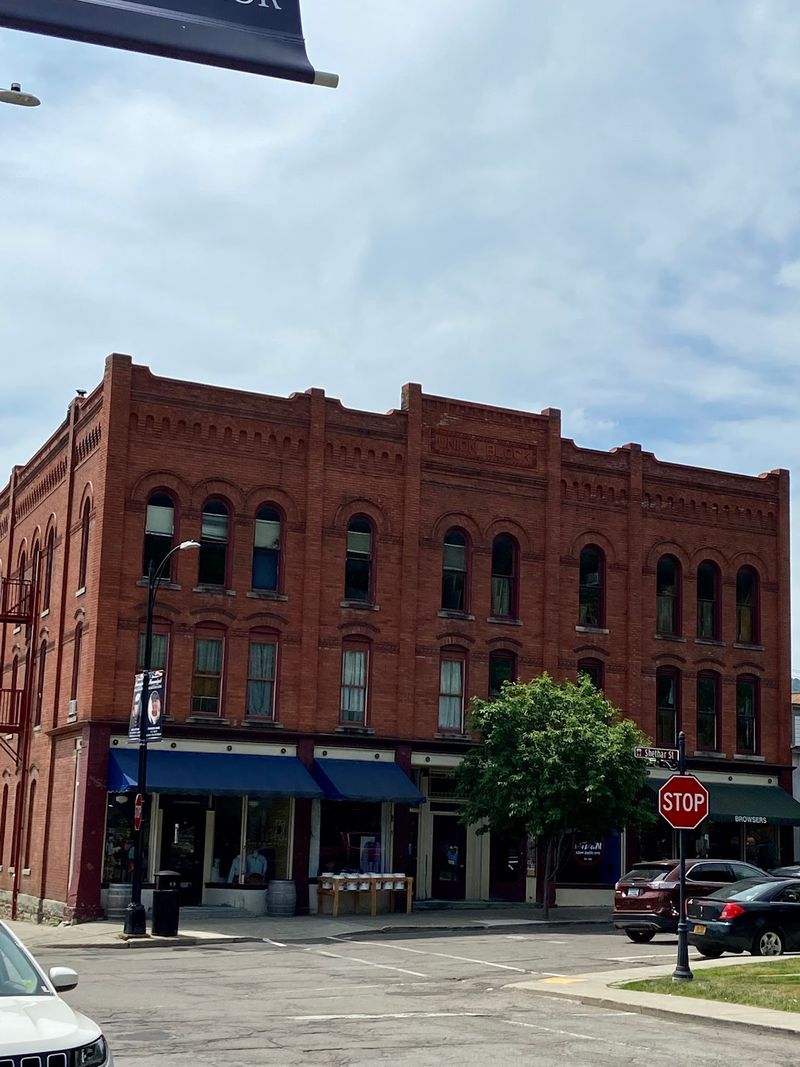
Chain stores never took hold here, which turns out to be a blessing. Independent shops fill the storefronts around the village center, and the variety is better than the small footprint suggests.
Art galleries display work by regional makers. Boutiques carry clothing, home goods, and gifts that you will not find in a suburban mall.
Bookshops, specialty food sellers, and craft stores round out the mix. Owners often stand behind the counter themselves and know the story behind everything on the shelves.
Prices stay reasonable for a resort area. That surprises visitors who expect lakefront markups on everything.
Because the district is compact, you can browse thoroughly in an afternoon. Doubling back is easy when you decide the second option was actually the better one.
Restaurants sit mixed among the shops, so a break for lunch never requires a drive. Menus lean toward local ingredients, which the surrounding farms supply generously.
Shoulder season visits reward patient shoppers. Fewer people means more conversation with the folks who run these places, and those conversations often lead to recommendations no website would ever give you.
Architecture That Reads Like A Timeline
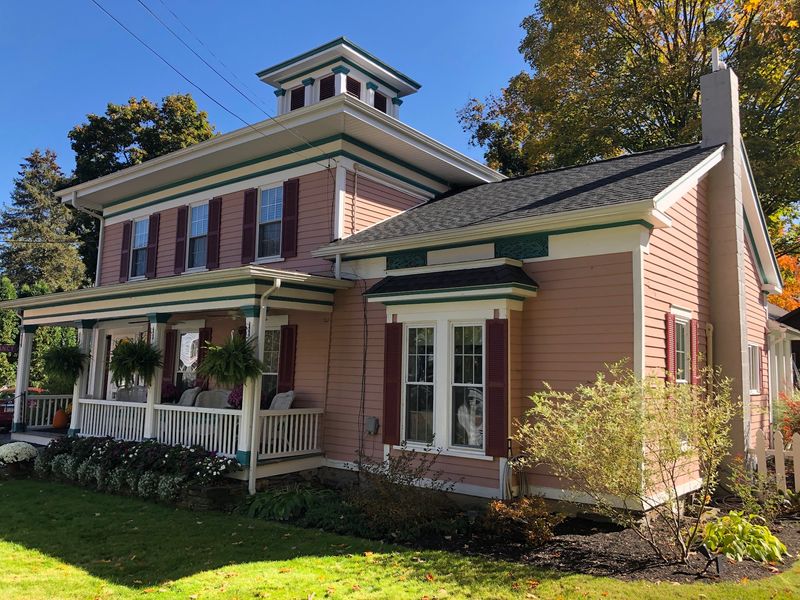
Buildings here function as a history lesson you can walk through. The Hammondsport Historic District covers nearly the entire village, a recognition few communities of this size receive.
Greek Revival homes show off symmetry and columns from the early nineteenth century. Victorian storefronts bring decorative trim and tall windows.
Craftsman bungalows appear on residential streets, representing the early twentieth century. Three distinct eras stand within blocks of each other.
Narrow streets keep everything in proportion. Nothing towers over its neighbor, which contributes to that European hill town feeling people mention.
Front porches face the sidewalk rather than hiding behind fences. Gardens spill toward the street in warmer months.
Take a slow loop through the residential blocks above the square. The elevation change gives you glimpses of the lake between houses.
Details reward attention. Iron fencing, original door hardware, and old stone steps survive in places where other towns replaced everything decades ago.
Preservation here was not accidental. Residents chose to protect what they had, and the whole village benefits from that decision every single day, visitors very much included.
Best Times To Show Up
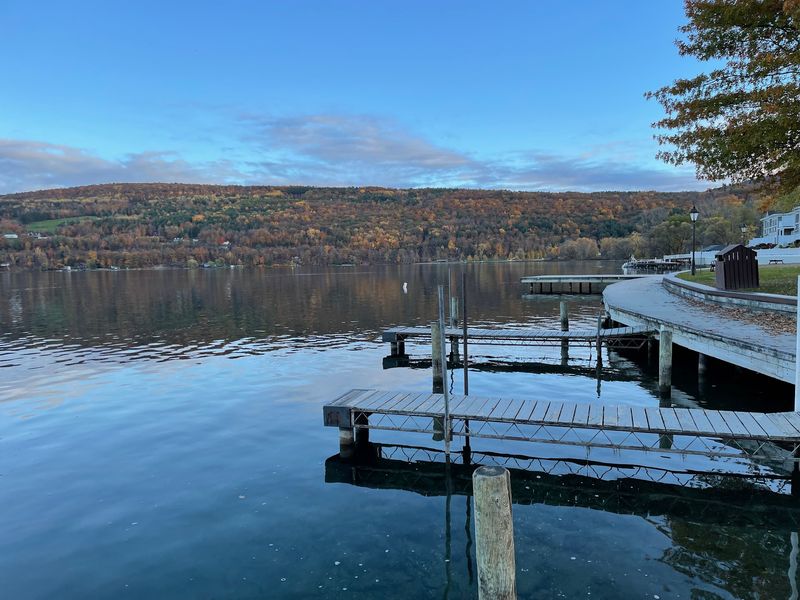
Timing changes everything in a lake village. Summer brings warm water, full patios, and the busiest streets of the year.
Autumn arguably wins on looks. Hills turn gold and red, harvest activity peaks at the vineyards, and the air turns crisp enough for a jacket.
Spring offers quiet streets and green hillsides waking up. Some seasonal businesses operate on shorter hours, so verifying schedules matters.
Winter has its own following, thanks to the Winter Stroll and snow on the surrounding slopes. The lake looks stark and beautiful under gray skies.
Weekends draw the largest crowds during warm months. Midweek visits feel noticeably calmer if your schedule allows flexibility.
Lodging fills fast during peak season and festival weekends. Booking well ahead is the difference between staying in the village and staying twenty miles away.
Two days gives you enough time for the museums, the lake, and a proper wander through the historic streets. Three days lets you slow down and actually relax.
New York holds plenty of pretty towns, but few combine water, hills, and history this neatly in one walkable place.