
Locals Know This Famous South Carolina State Park Hides A Lagoon Most Visitors Never Find
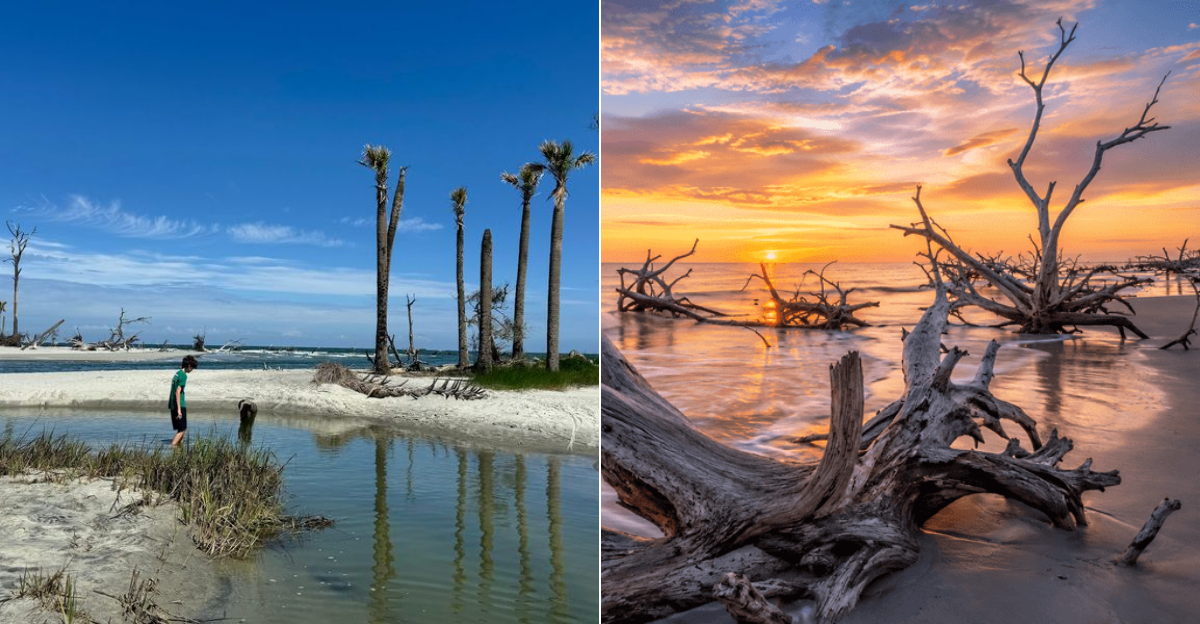
Picture South Carolina’s most popular state park, the kind of place that pulls in more than a million visitors a year. Everyone comes for the same postcard shots: the black and white lighthouse, the five miles of beach, the eerie tangle of Boneyard Beach.
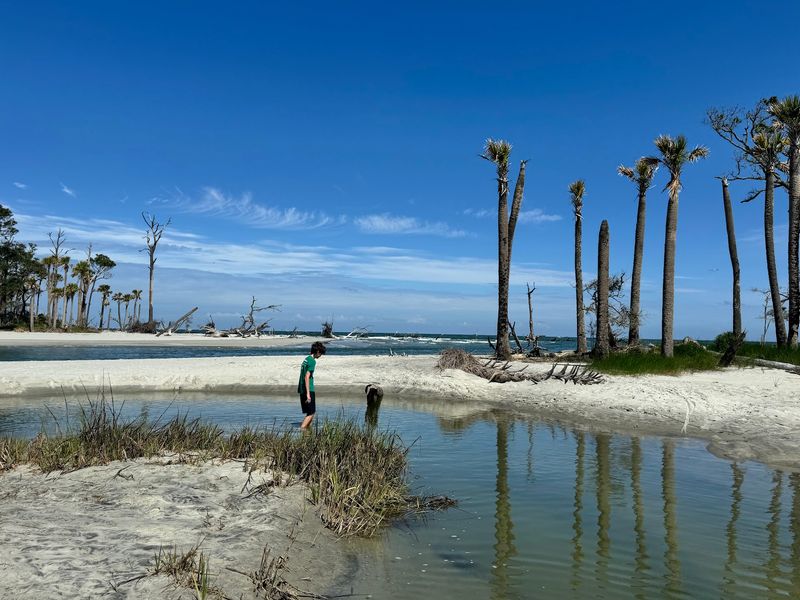
Almost nobody stops for what sits quietly behind the dunes. A calm saltwater lagoon spreads out flat and glassy, just a short walk from the crowds, and most visitors walk right past it on their way to the ocean.
This is the kind of coastal escape that makes you park the car, kick off your shoes, and forget what day it is. Herons stalk the shallows. Deer wander the forest trails at dawn.
Dolphins roll past the fishing pier while kids hunt for shark teeth in the wet sand. Hunting Island gives you all of it, the famous stuff and the quiet stuff, in one protected stretch of coast.
You do not need a boat, a guide, or a big budget to find the lagoon. You just need to know it is there, and a willingness to slow down.
Come for one afternoon and you will be planning a second trip before you leave the parking lot. Ready to see the side of this famous park that most people miss?
Quiet Coastal Waters Await
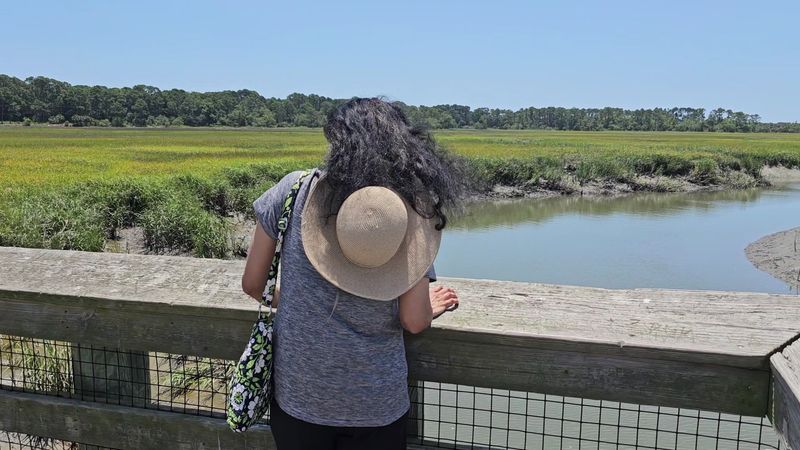
Everyone talks about the ocean side. The real surprise sits just behind the dunes at Hunting Island State Park, where a saltwater lagoon spreads out flat and glassy.
Locals sometimes call it the quiet side of the beach, and the nickname fits. There are no crashing waves here, no roar, no undertow tugging at your ankles.
Just still water, warm shallows, and the occasional splash of a fish breaking the surface.
Here is a fun bit of history. The lagoon was not carved by nature.
It formed in 1968 when sand was dredged from the area, and over the years it filled with life and became one of the most peaceful spots on the whole island.
Families with small children love it because the water stays gentle. Older visitors love it because you can sit on the bank for an hour and hear almost nothing but birds.
Photographers show up at sunrise when the surface turns pink and mirror smooth.
Bring a folding chair, a hat, and bug spray for the warmer months. Park near the south end, walk over, and pick your own patch of shoreline.
Odds are good you will have plenty of space to yourself.
What kind of tranquil moments are you hoping to find beside water this calm?
Wildlife Puts On Shows
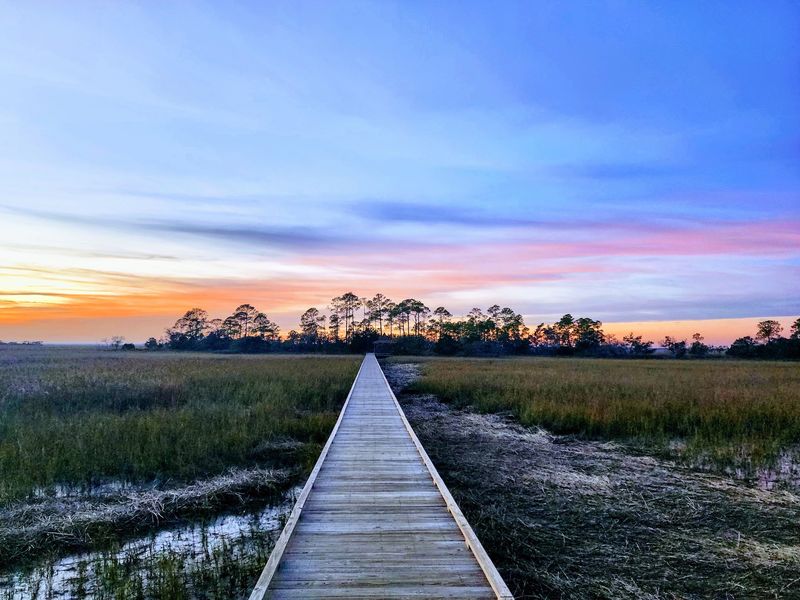
Binoculars are almost required equipment around this lagoon. The bird life alone can turn a casual walk into a two hour stakeout.
Blue herons stand frozen in the shallows like statues. Egrets pick their way along the mud.
Pelicans cruise overhead in tidy lines, sandpipers sprint along the wet edges, and kingfishers rattle from the branches. Hundreds of bird species pass through the park during the year.
Land animals join in too. Deer step out of the maritime forest at dawn and dusk, and raccoons patrol the campground with the confidence of park rangers.
Keep food sealed and never feed them.
The water hides stranger residents. Seahorses drift in the lagoon, and barracuda have been spotted there, which feels almost tropical for South Carolina.
Out on the ocean side, dolphins often play near the fishing pier.
Summer brings the biggest event of all. Loggerhead sea turtles crawl up these beaches to lay their eggs, and nests get marked and protected across the shoreline.
Never disturb a marked nest, and skip bright flashlights near the dunes at night.
Move slowly, stay quiet, and the animals will come closer than you expect. Early morning is your best window before the day heats up.
Paddle, Cast, Repeat
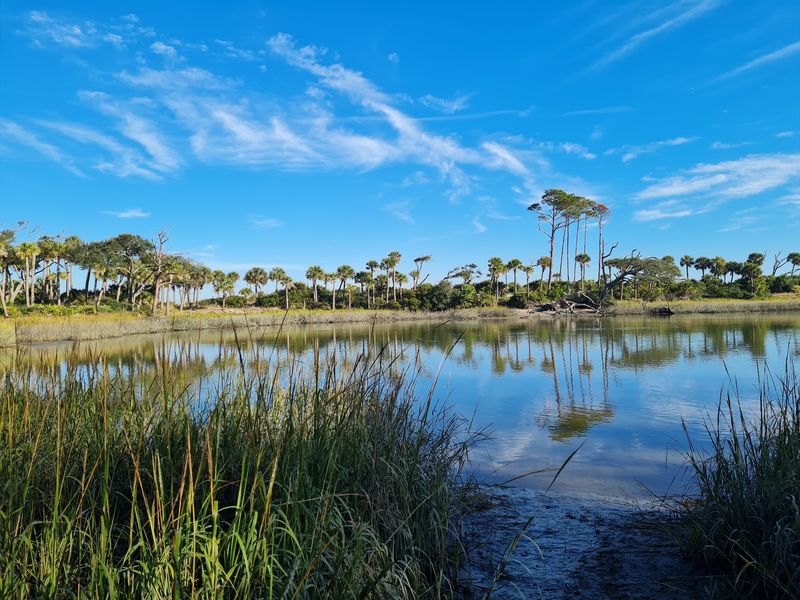
Few things beat gliding a kayak across water so smooth it looks like glass. The lagoon makes that easy, even for beginners who have never held a paddle.
No swells means no stress. You can drift close to the marsh edges, coast under overhanging branches, and float within a few feet of wading birds without spooking them.
Paddling here is more about slow looking than fast miles.
Anglers have their own reasons to love the place. Redfish and flounder hold in the lagoon, and the calm surface makes reading the water simple.
Some visitors fish the lagoon in the morning and switch to the ocean pier in the afternoon.
A few practical notes. Bring your own kayak or paddleboard if you can, since rentals are not always waiting on site.
Pack water, sunscreen, and a dry bag for your phone, because there is no shade in the middle.
Check the South Carolina fishing license rules before you cast, and always confirm current park regulations at the entrance station or nature center. Rules shift with the seasons and with turtle nesting.
Tides matter too. Low tide exposes mud flats and shell beds that make excellent wildlife viewing from the boat.
Forest Wraps The Shore
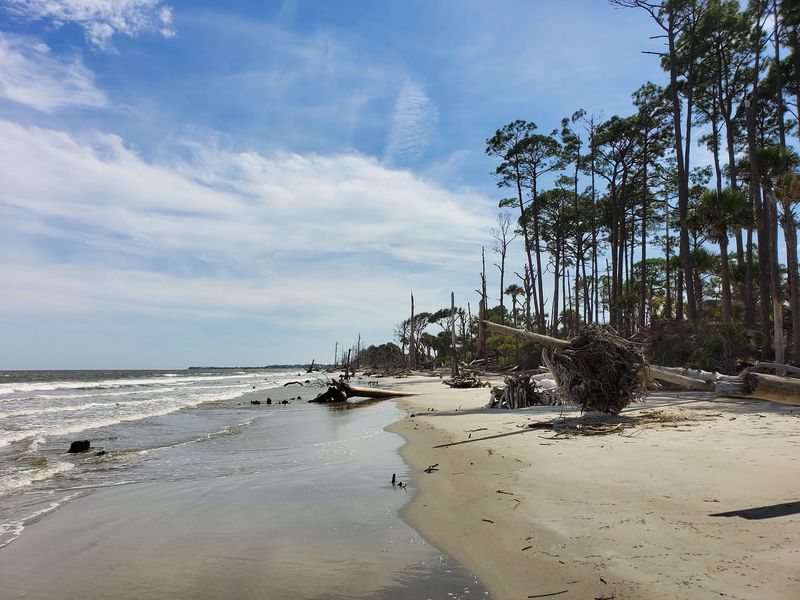
Walk fifty steps away from the lagoon and the temperature drops. A thick maritime forest wraps around the water, and the shade feels like a reward after the open sand.
Slash pines shoot up straight and tall. Live oaks twist sideways with beards of Spanish moss.
Cabbage palmettos, the state tree of South Carolina, tower above ancient dunes that hardened into ridges centuries ago.
Movie fans get a bonus. Parts of this semi tropical forest stood in for Vietnam in Forrest Gump, and once you see the dense green tangle, the casting makes perfect sense.
Trails weave through the woods and out to marsh boardwalks. One favorite route runs about two miles from the far parking area to the nature center, passing marsh views where birds outnumber people by a wide margin.
Wear closed shoes, since sandy paths hide roots. Carry water and repellent, and remember there are no trash cans along the trails, so pack out whatever you bring in.
Bikes are welcome on many paths, which turns a hot afternoon into a breezy adventure. The main park road itself is worth the drive, a green tunnel of palms and pines.
Fun fact to share on the trail. Those hardy palmettos once helped fortify colonial walls in South Carolina.
Which trail would you tackle first, forest or marsh boardwalk?
Boneyard Beach Steals Attention
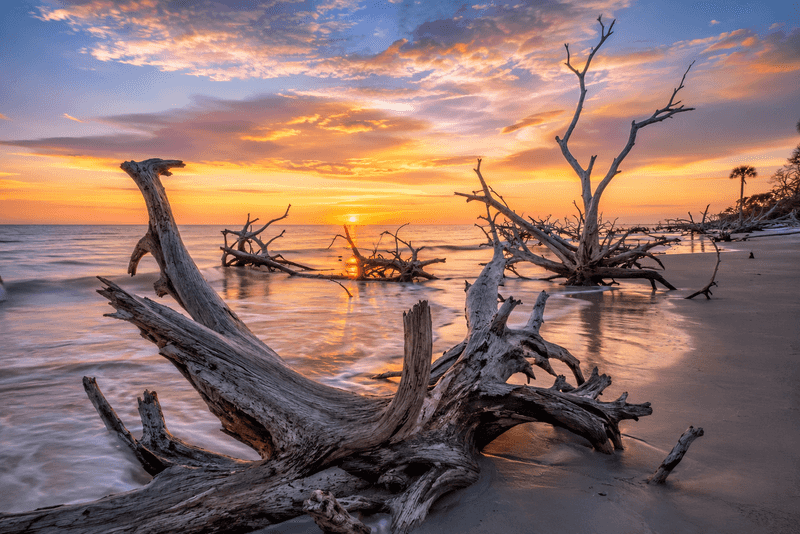
Some beaches are pretty. This one is dramatic.
At the southern end of the island, fallen trees lie across the sand with their roots reaching skyward, bleached pale by salt and sun.
The name locals use is boneyard beach, and it earns it. Pines and palmettos that once grew in the forest now rest on the shore, sculpted into shapes no artist could plan.
Erosion made this happen. Hunting Island is a barrier island, which means the Atlantic constantly reshapes it, taking sand from one place and stacking it somewhere else.
What sounds like loss creates one of the most photographed shorelines in South Carolina.
Visitors call the scene magical, and photographers plan whole trips around it. Sunrise and sunset paint the driftwood in gold and rose tones.
Low tide opens up the widest walking room and reveals tide pools between the trunks.
Getting there takes effort. Expect a walk from the pier parking area, so bring water and comfortable shoes.
Climbing on the trunks can be slippery, so watch your footing and keep an eye on children.
Give yourself an hour minimum. Most people arrive planning a quick look and end up wandering far down the sand.
Climb The Historic Lighthouse
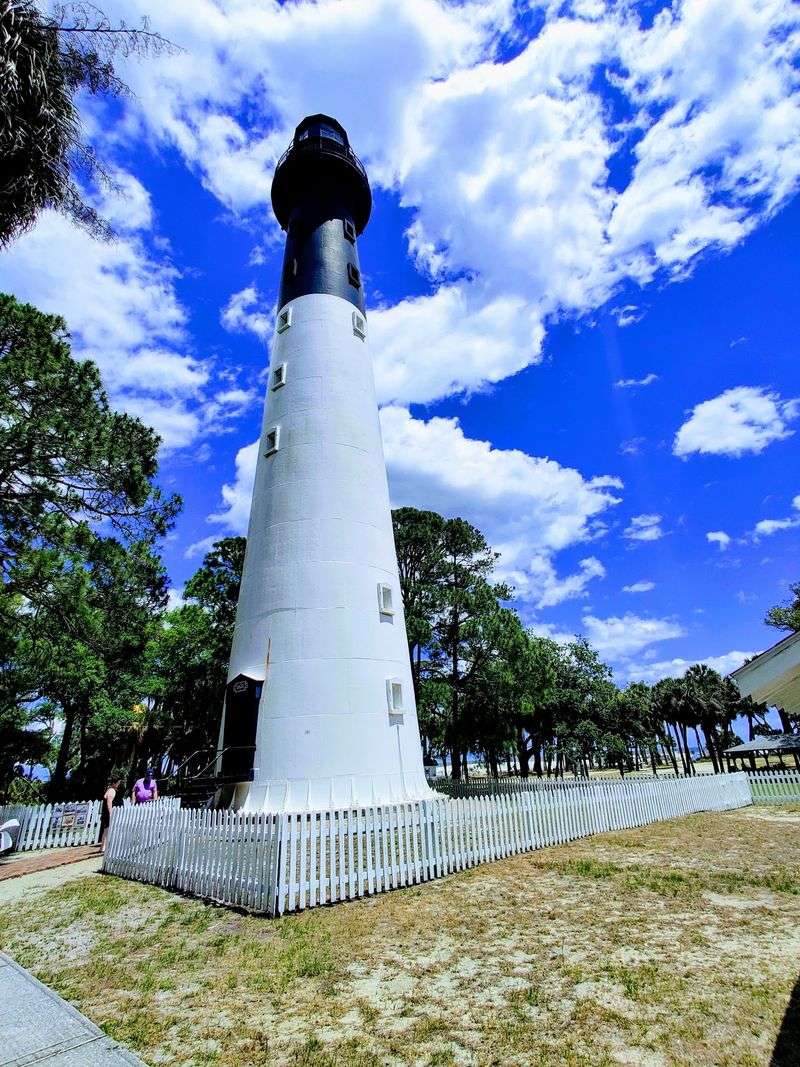
A black and white tower rises above the treetops on the north end of the island, and it has quite a story. The Hunting Island Lighthouse first shone in 1859, was destroyed during the Civil War, and rebuilt in 1875, engineered in movable iron segments that let the entire tower be relocated a mile inland in 1889 when erosion threatened to take it.
Even better, it holds a rare title. This is the only lighthouse in South Carolina open to the public for climbing.
The climb involves 167 iron steps spiraling upward in tight circles. Your legs will notice.
The payoff is a sweeping view of Lowcountry marsh, dark green forest, and the wide blue Atlantic stretching to the horizon.
Access depends on maintenance and weather, so check current park information before you count on reaching the top. Even when the tower is closed, the surrounding lighthouse park deserves a stop.
Parking near the lighthouse beach is plentiful, and the walk to the sand is short. Picnic tables sit under the pines, and a playground keeps younger visitors happy.
Bring repellent in early spring, since gnats can crash a picnic.
History buffs should also visit the nature center to learn how the tower was designed in sections so it could be moved when erosion crept too close. That clever engineering saved it.
Are you ready to trade a burning set of calf muscles for a view you will never forget?
Five Miles Of Sand
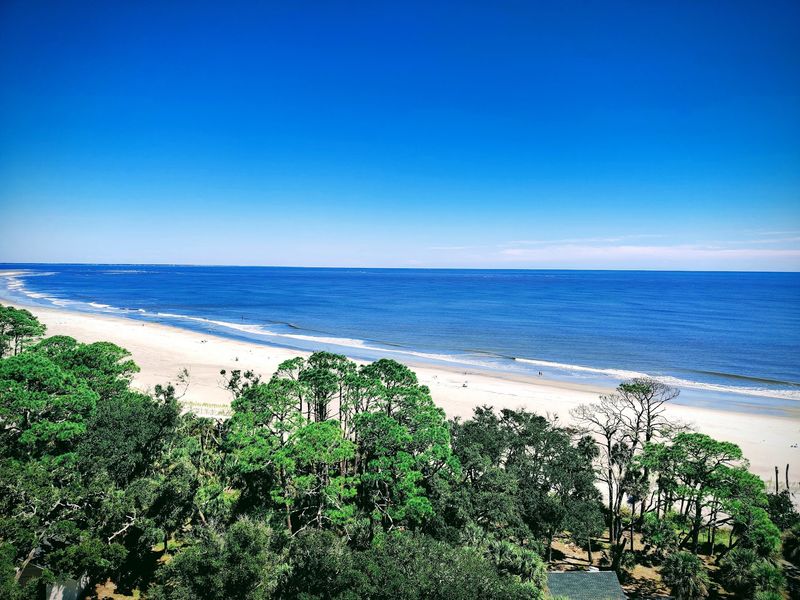
Five miles. That is how much pale, soft sand waits beyond the lagoon, and on most days you can walk long stretches of it without passing more than a handful of people.
Low tide widens the beach dramatically. The sand goes flat and firm, perfect for barefoot walking, kite flying, or letting a dog stretch out, since the beach welcomes leashed pets.
Shell hunters do well here. Visitors regularly turn up whelks, scallops, and the occasional shark tooth, and the odds improve after storms push new material ashore.
Facilities make a full beach day simple. There are restrooms and changing rooms, picnic areas, and a fishing pier where dolphins often surface nearby.
A small entrance fee applies, and it is worth every penny for how clean and well kept the shoreline stays.
Parking is limited on purpose, which keeps crowds thin. Arrive early on summer weekends if you want a spot near the lighthouse.
One more tip that surprises people. Because the island stays so dark at night, the sky here puts on a real show, and some visitors have spotted the Milky Way stretching over the water in the early morning hours.
Few beaches in South Carolina offer that.
Stay Overnight, Wake Wild
Day trips are great. Waking up here is better.
Campsites sit within a short walk of the ocean, so morning coffee comes with the sound of surf instead of traffic.
The campground is not full hookup, and that is part of the charm. Sites are shaded, showers and restrooms are available, and returning families treat the place as an annual tradition.
Cabin rentals exist too for anyone who prefers walls over canvas.
Reserve early. This is the most visited state park in South Carolina, yet the sheer size of the island keeps it feeling roomy and wild rather than packed.
Put everything together and the appeal is obvious. A quiet lagoon, a forest full of deer and birds, a shoreline of fallen trees, a climbable lighthouse, and miles of clean sand, all in one protected stretch of coast.
Practical reminders help. Bring trash bags since bins are scarce near the beach, secure your food against curious raccoons, and pack layers because coastal evenings cool off fast.
Two visits may be smarter than one. Plenty of tourists split their trip, hiking and birding on one day and beaching on the next, because seeing it all in a single afternoon simply is not realistic.