
This Hidden Iowa Lake Offers Unforgettable Summer Fishing Without The Crowds Found Elsewhere
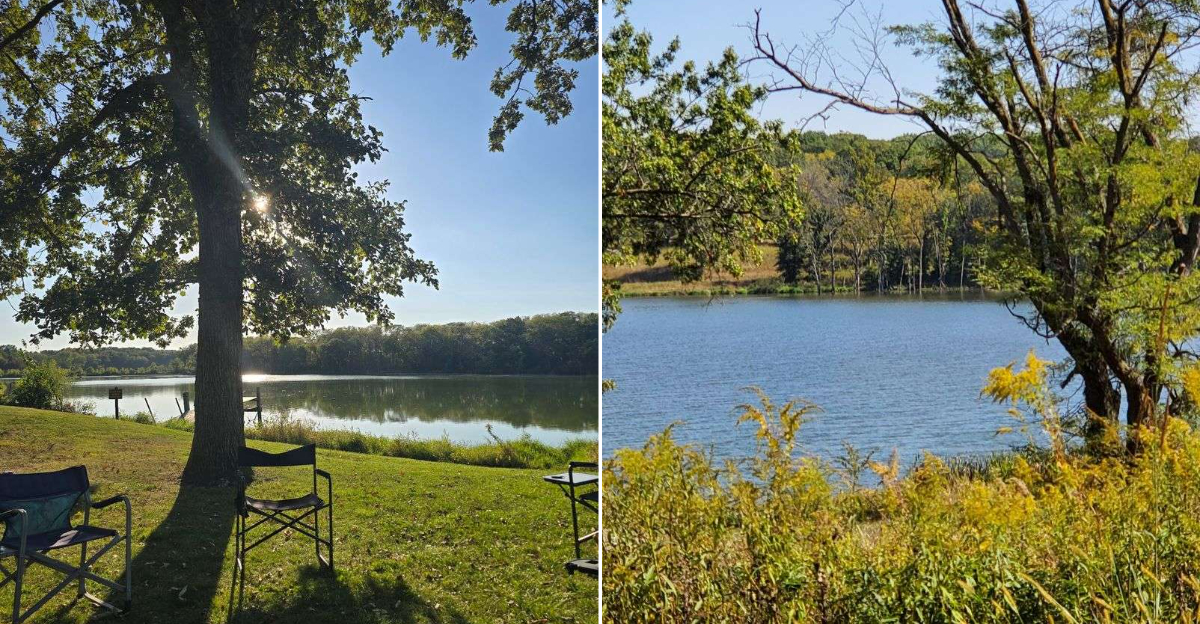
Good fishing requires two things above all: peace and the right bait. This Iowa lake delivers plenty of the first, without the crowds found at more popular fishing spots nearby.
Fishing spots along the shore rarely see more than a handful of people at once. The water stays calm enough for easy casting without much competition for good spots.
Locals know this lake well, appreciating the quiet more than convenience or nearby amenities. Nothing about the setting feels commercialized despite its appeal among those who’ve found it.
Regulars treat this lake almost like a personal retreat, returning often for the peace it offers. This lake proved that sometimes the best fishing days require nothing more than patience and solitude.
Optimal Techniques For Freshwater Fishing
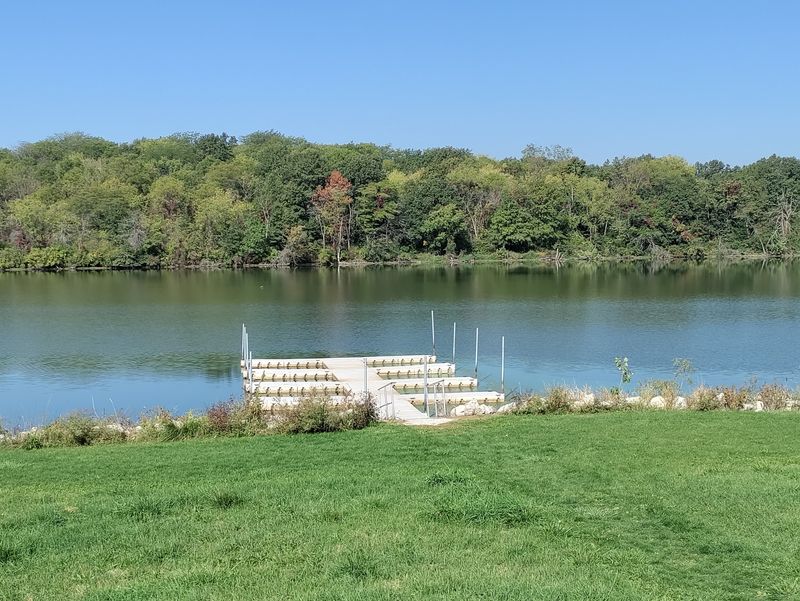
Topwater fishing at first light is the closest thing to magic this lake hands out. Largemouth bass push shallow when the sun is barely up, and a popper skittering across flat water can turn a quiet morning loud in half a second.
Crappie play a different game. They hang near shaded structure and deeper cover, so drifting a small tube jig or a live minnow past boat docks and submerged brush usually gets their attention.
Bluegill remain the friendliest fish in the water. A chunk of worm under a bobber, dropped near a jetty, and kids will be hollering within minutes.
Channel catfish barely care how hot it gets. Drift cut bait or stink bait along the dam face or around the rock jetties, especially after dark or right at daybreak, and the bites come steady.
Beginners do well with a close-faced reel and its thumb button, since tangles ruin more fishing trips than bad weather ever will. Keep casts short and controlled until the rhythm clicks.
The paved multi-use trail hugging a long stretch of shoreline makes moving between spots simple, and the accessible fishing areas mean bank anglers get real water, not leftovers. Try three or four locations before deciding the fish aren’t biting.
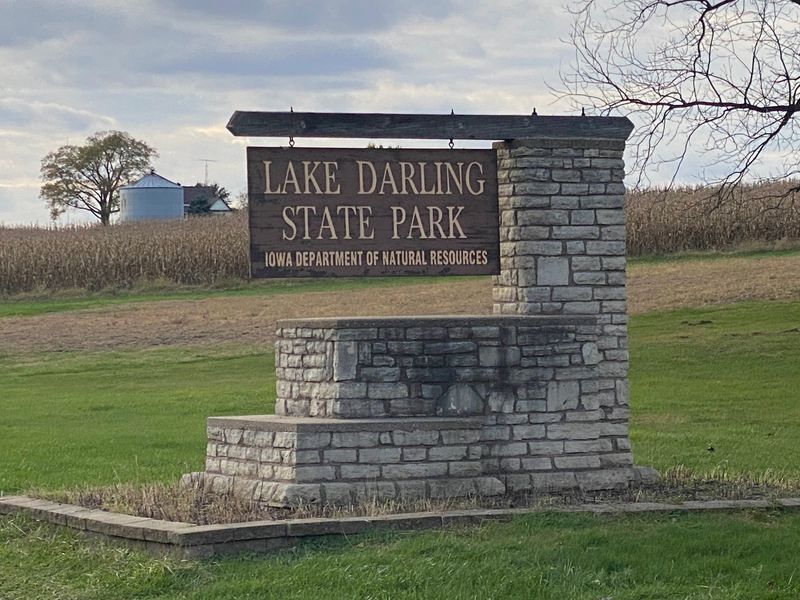
You can find the park at 111 Lake Darling Rd, Brighton, IA 52540.
Selecting The Right Bait For Summer Fish
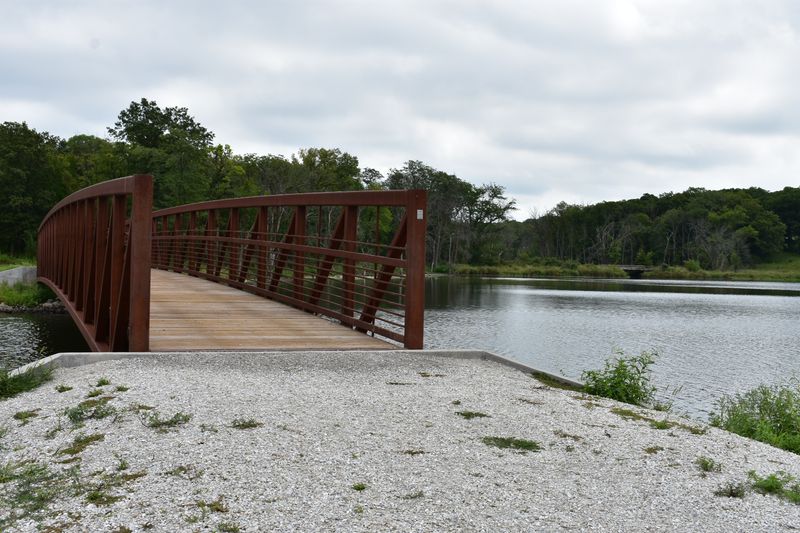
Bait choice in July comes down to one question: what are the fish already eating? Early summer, crayfish are everywhere in this lake, and bass gorge on them.
Later, as crayfish thin out, bass switch their attention to smaller fish. That’s when minnows and crankbaits shine, especially in colors that mimic the natural forage swimming around out there.
Crappie anglers do well with jigheads paired with bright plastic trailers. Pink and white is a longtime favorite, and black with chartreuse pulls fish out of shadowy water when visibility drops.
Bluegill keep things refreshingly simple. Small worms, fished shallow under a float, and there’s no need to overthink the presentation at all.
Channel catfish are the least picky diners in the entire park. Nightcrawlers, cut bait, or stink bait all work, and the smellier options tend to get results after sunset.
A smart move is packing two or three bait styles rather than committing to one. Water clarity here shifts with rain and runoff, so a lure that vanished from view yesterday might be perfect today.
Fun bit of history worth knowing: the lake went through a major restoration project, which reshaped habitat and forage populations. That work is a big reason the fishing feels this healthy on an ordinary summer afternoon.
Identifying Local Fish Species In Iowa
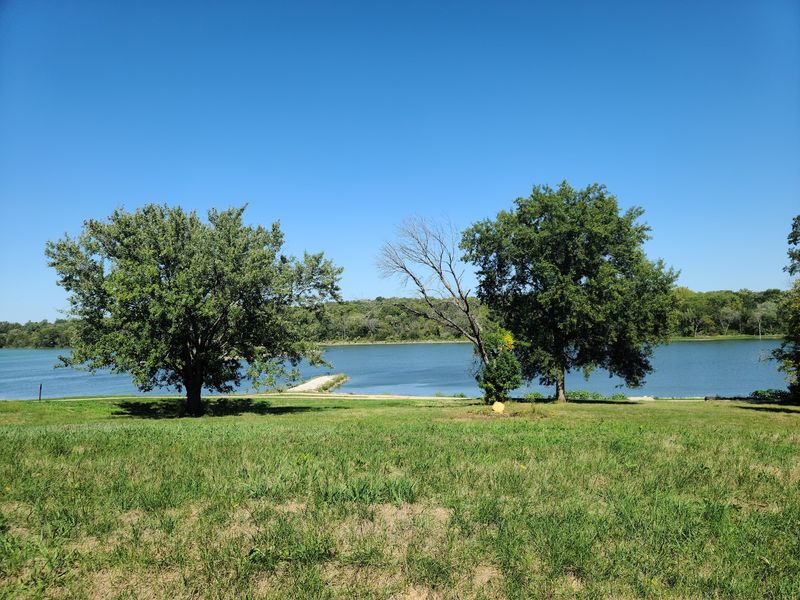
Three hundred and two acres of water hold a surprising variety, and that mix is exactly what keeps anglers returning. Largemouth bass headline the list, and they fight hard enough to bend a light rod into a question mark.
Black crappie are abundant here, and plenty of them grow to sizes worth bragging about at the campsite. Schools move around, so finding one usually means finding many.
Bluegill provide nonstop action on ultralight tackle. They’re the species that turns a slow afternoon into a busy one, and they’re perfect for teaching a kid how a bite feels.
Channel catfish round out the popular four, with real potential for a heavyweight. Nighttime shore fishing near the dam is where those stories start.
Beyond the headliners, the lake also holds bullheads, carp, flathead catfish, green sunfish, and redear sunfish. Redear are the crowd-pleaser nobody expects, since they feed heavily on snails and put up a stubborn scrap.
Learning to tell a green sunfish from a bluegill takes about two catches. Green sunfish have a bigger mouth and pale edges on their fins, while bluegill wear that dark ear flap.
Knowing what’s swimming below changes how you fish, because you stop guessing and start targeting.
Understanding Seasonal Fish Behavior
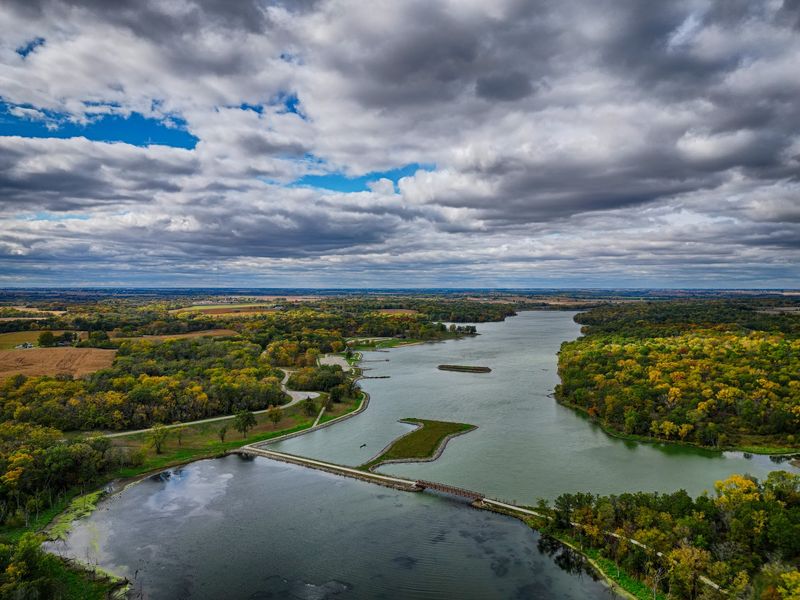
Water temperature runs the whole show in summer, and fish respond to it like a thermostat controls a house. As the lake warms, they slide toward cooler depths or thick shade.
Mornings and evenings are prime. Water sits at its coolest then, oxygen levels are friendlier, and feeding activity spikes noticeably.
Midday is a different story. Bluegill and largemouth bass drop deeper or bury themselves in cover, which means shallow casts often come back empty and confusing.
Crappie head for shaded shorelines and structures like boat docks, where cooler water and cover overlap. Fishing tight to those shadows beats fishing open water almost every time.
Channel catfish shrug off the heat better than the rest. They stay active through the day and really turn on after sunset, which pairs nicely with a park open until 10:30 PM.
A practical trick is to think about where oxygen and temperature both feel comfortable. Points, drop-offs, and the shady side of a jetty are far better bets than a sunbaked flat at two in the afternoon.
Rain changes things too. Runoff can stir up the water and push fish toward cleaner areas, so a spot that produced last weekend may need rethinking after a storm rolls through southeast Iowa.
Essential Gear For A Successful Fishing Day
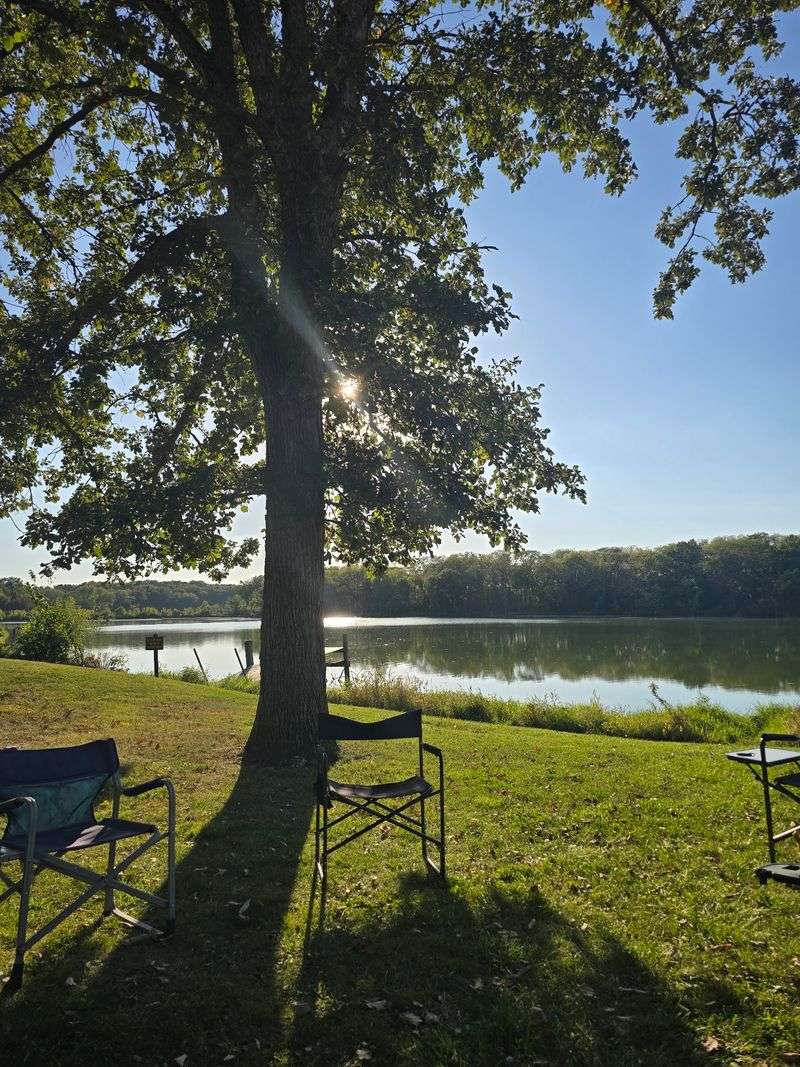
Gear does not need to be fancy; it needs to work. A medium-action rod paired with a 1000 to 3000 size spinning reel handles nearly everything swimming in this lake.
Line choice matters more than most people realize. A light 6-pound test monofilament is forgiving, easy to tie, and plenty strong for bluegill, crappie, and average bass.
Hooks in size 6 or 8 cover panfish nicely. Add a few split-shot weights and a small bobber, and bait depth becomes something you control instead of hope for.
A compact tackle box keeps the chaos contained. Line nippers and pliers belong in there too, because digging a hook out with fingernails is a rookie mistake nobody repeats.
Planning to release fish? A rubber landing net and wet rubber gloves protect their slime coat, which is basically their immune system.
Iowa requires a fishing license for anyone 16 and older, so square that away before loading the car. Nothing sours a morning faster than a paperwork problem.
Shore anglers benefit from the accessible fishing trail here, which opens up long stretches of bank without a boat. Boat ramps and docks are maintained well, and rentals like pedal boats add another way to reach quieter water.
Maintaining Safety While Fishing Outdoors
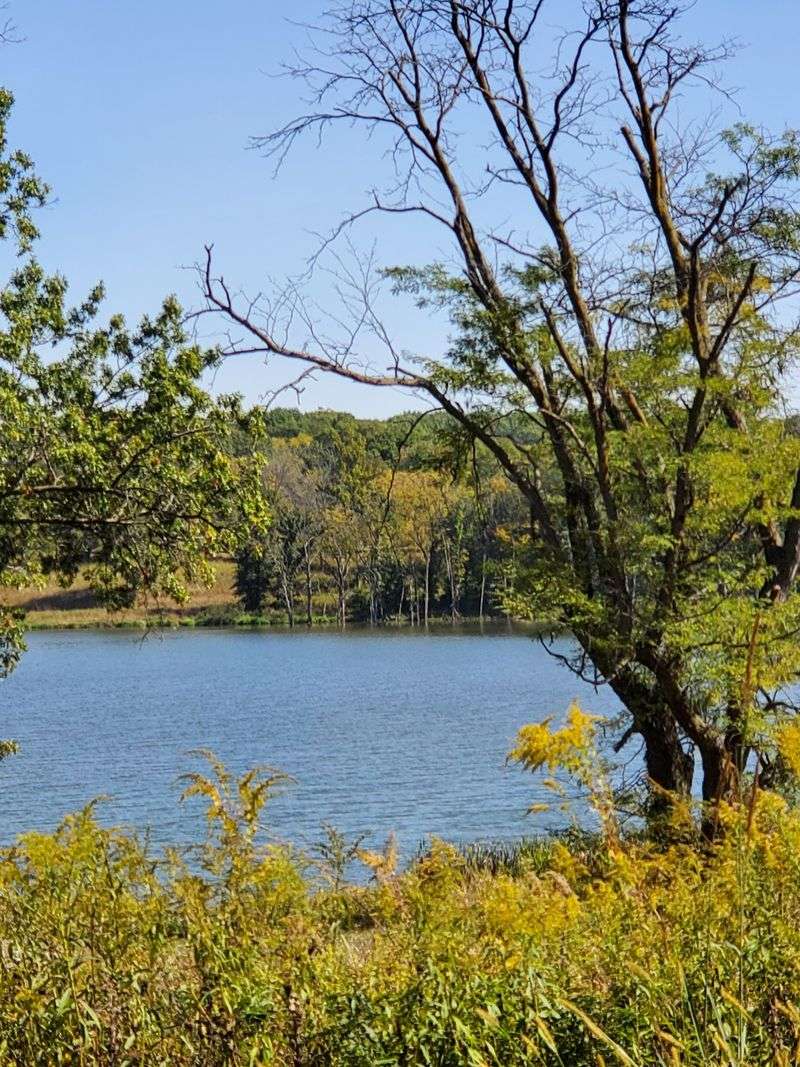
Nobody plans on a hook in the thumb, and yet it happens constantly. A basic first aid kit with bandages, antiseptic, pain relievers, and personal medications belongs in every tackle bag.
The sun is the sneakiest hazard on open water. A wide-brimmed hat, polarized sunglasses, and sunscreen applied generously beat squinting and sunburn, and the polarized lenses help spot fish too.
Bugs come with the territory near woodlands and shoreline vegetation. Insect repellent turns a miserable evening into a pleasant one.
Life jackets are strongly recommended, especially for children, and they need to fit snugly rather than float loose around the shoulders. A poorly fitted jacket is barely better than none.
Boaters should carry a wearable life jacket for everyone aboard, plus a throwable flotation device on vessels 16 feet or longer. Check that before leaving the ramp, not after.
Skipping the middle of the day is smart on both counts. The fishing slows, and the heat climbs, so shift your hours toward dawn and dusk.
One more rule that protects the whole lake: pull drain plugs and any water-draining devices during transport. That simple step keeps aquatic invasive species from hitching a ride to the next body of water.
Packing Provisions For A Day By The Water
Water first, always. Pack more than seems reasonable, because a warm Iowa afternoon on open shoreline drains a bottle faster than expected.
Snacks keep the energy steady. Something salty, something sweet, and something with protein covers most cravings without requiring a cooler the size of a suitcase.
Speaking of coolers, a small collapsible one earns its space. It keeps food cool and folds down flat once emptied, which matters when a canoe or kayak is involved.
A waterproof bag protects phones, keys, and licenses from splashes and surprise rain. Ziploc bags work in a pinch, though they tend to fail at the worst moment.
Layers make sense here more than people expect. Mornings run cool, boat rides get breezy, and by two o’clock everyone is peeling off sleeves.
Quick-drying clothing, a light long-sleeve shirt for sun cover, and a sweatshirt or jacket handle most of what a summer day throws at you. Cotton stays wet forever, and nobody enjoys that.
Footwear with real grip and non-marking soles prevents slips on wet docks and rocky shorelines. Flip-flops look great in photos and terrible in an emergency.
Picnic shelters, benches, and shaded tables scattered through the park make lunch breaks easy.
Pack out everything you carry in.
Sustainable Practices To Preserve Natural Habitats
A lake this healthy did not happen by accident, and keeping it that way falls on everyone holding a rod. Following local fishing regulations, including size and bag limits, is the single biggest contribution an angler makes.
Those limits exist for a reason. They protect spawning-age fish and keep populations balanced across every species in the water.
Catch and release only works when done carefully. Wet your hands before handling a fish, support its body, and keep it in the water as much as possible.
Barbless hooks and circle hooks make a real difference. They slide out easier, cause less damage, and boost survival rates for fish going back in.
Line left on the bank is a genuine hazard. Birds tangle in it, turtles get caught, and it lingers for years, so pack out every scrap of line, hook, and wrapper.
Never dump bait from one water body into another. Invasive species and unwanted fish spread exactly that way, and undoing the damage takes decades.
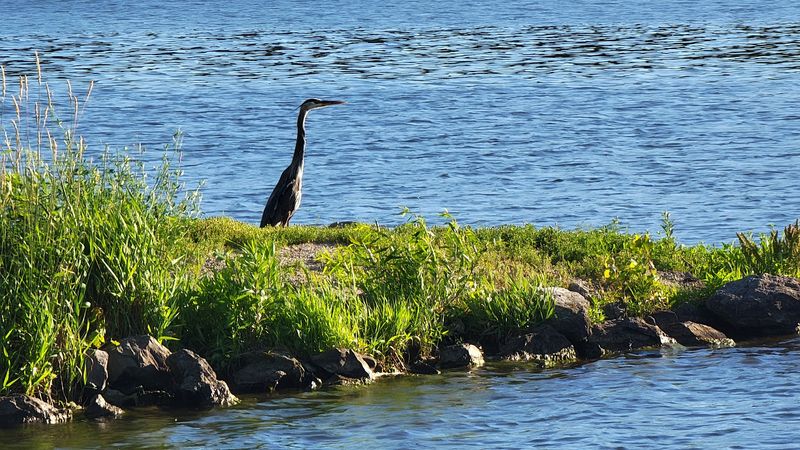
This lake underwent a serious restoration effort, and the payoff shows in the fishing today. Deer wander the shoreline, birds fill the observation area, and the trails stay green.
Treat it well, and the next generation gets the same quiet morning.