
This Overlooked North Carolina Town Is Far More Beautiful Than Most Travelers Expect
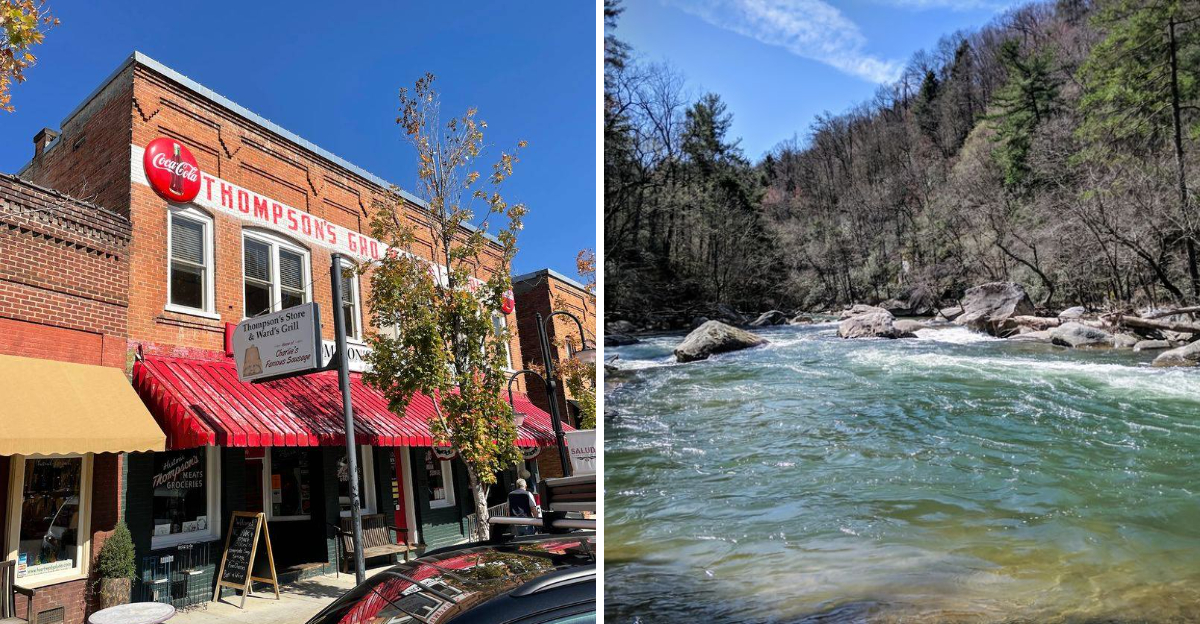
Some towns make you wonder how they stayed off your radar for so long. You drive in expecting a quick stop, then suddenly you are slowing down for mountain views, old streets, and scenery that feels far more impressive than you expected.
North Carolina has plenty of famous destinations, but this small town proves the state still has a few surprises left. What caught me most was how naturally beautiful everything feels. There is no big spectacle demanding your attention.
Instead, the landscape keeps revealing itself little by little, with leafy roads, historic buildings, peaceful corners, and views that make an ordinary afternoon feel memorable. That may be exactly why so many travelers pass it by. They simply do not realize what they are missing.
A Main Street Listed On The National Register
Few towns pack this much character into a handful of walkable blocks. The downtown district of Saluda sits on the National Register of Historic Places.
Storefronts here date largely from the late 1800s and early 1900s. Brick facades, tall windows, and wooden floors still hold their original character.
Main Street runs parallel to the old railway line, which shaped everything. Shops, bakeries, and galleries now fill buildings that once served rail crews.
Parking is free and easy, and the whole district takes minutes to cross. That compact size is exactly why people linger far longer than planned.
Benches and shade trees give you reasons to slow down between stops. Bring comfortable shoes, since the sidewalks tilt with the mountain grade.
Mornings are quiet and photogenic, with soft light washing the storefronts. Afternoons bring more energy, especially on weekends from spring through fall.
The town incorporated in 1881, and that history stays visible everywhere. Plaques and old signage reward anyone who reads while wandering.
Small does not mean sleepy in this corner of the mountains. A short street can still hold a very long list of surprises.
The Steepest Mainline Railroad Grade In The Country
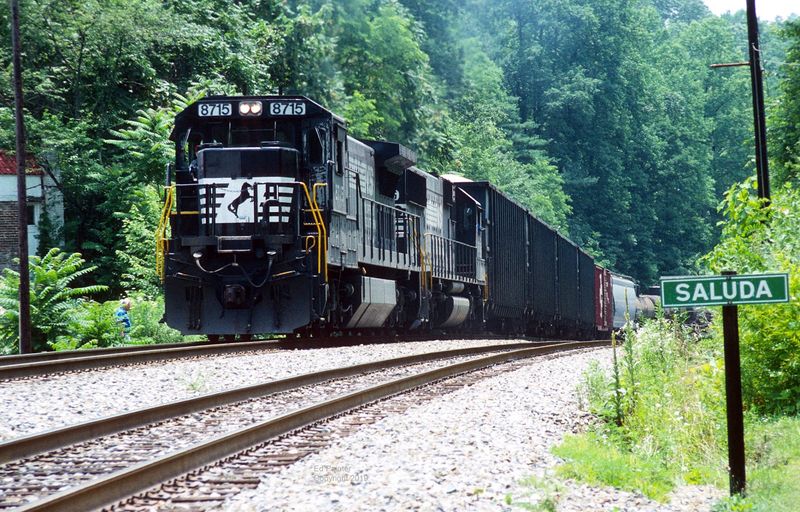
Railroad fans know this name long before they know the town. The Saluda Grade was the steepest standard-gauge mainline railroad grade in the United States.
Trains climbed roughly 4.7 percent at its steepest stretch, gaining altitude fast. That climb covered nearly three miles between Melrose and the top of the ridge.
Crews built the line in the 1870s to reach the mountain plateau. The community grew up around that effort and never really left it behind.
Regular freight service on the grade ended in 2001, and the rails went quiet. The corridor still cuts through town, curving past yards and old buildings.
Safety tracks once branched uphill to catch runaway cars. Traces of that clever engineering remain a favorite subject of local storytelling.
Stand near the corridor and you can picture the effort involved. It is a rare piece of transportation history sitting in plain sight.
Photographers love the curve where the line bends into the trees. Bring a zoom lens and respect posted boundaries along the right-of-way.
Ask about the grade in a downtown shop and conversation flows easily. Few subjects light up this community faster than its railroad past.
Pearson’s Falls And Its Wildflower Glen
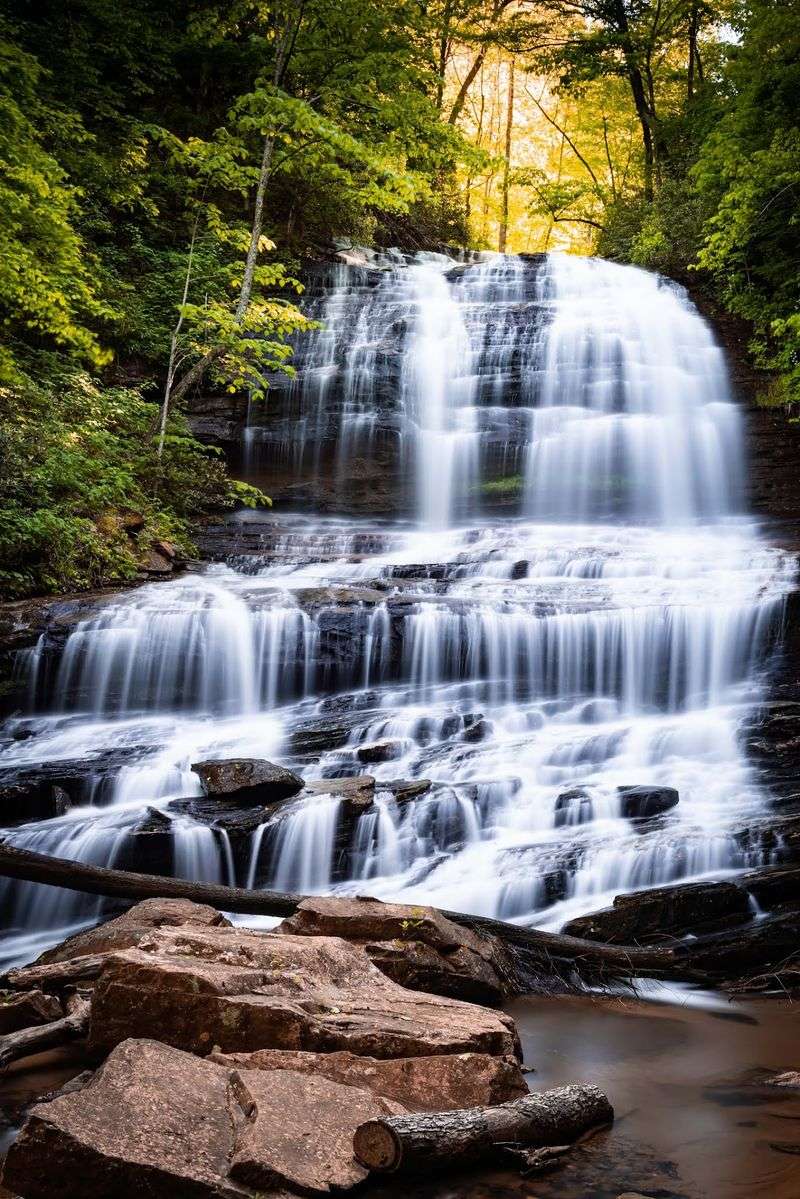
A quarter-mile trail leads to one of the loveliest waterfalls in the region. Pearson’s Falls drops about 90 feet in a wide, mossy cascade.
The Tryon Garden Club has protected the glen since 1931. That stewardship kept the forest floor rich with ferns, mosses, and wildflowers.
Botanists count hundreds of plant species inside this small preserve. Spring brings trilliums and violets that carpet the shaded banks.
The path is gentle and gravel-lined, suitable for most walking abilities. Handrails and benches appear where the grade rises slightly.
You will find the entrance at 2748 Pearson Falls Road, just outside town. A modest admission fee supports trail upkeep and conservation work.
Swimming is not allowed there, which keeps the water clear and the moss undisturbed. Photographers should choose overcast days for even, soft lighting.
Picnic tables sit near the parking area beside a rushing creek. Pack lunch and let the sound of water set your pace.
Hours change with the seasons, so check the schedule before making the drive. The glen sits only minutes from downtown Saluda, making it an easy addition.
Coon Dog Day, A July Tradition Since 1963
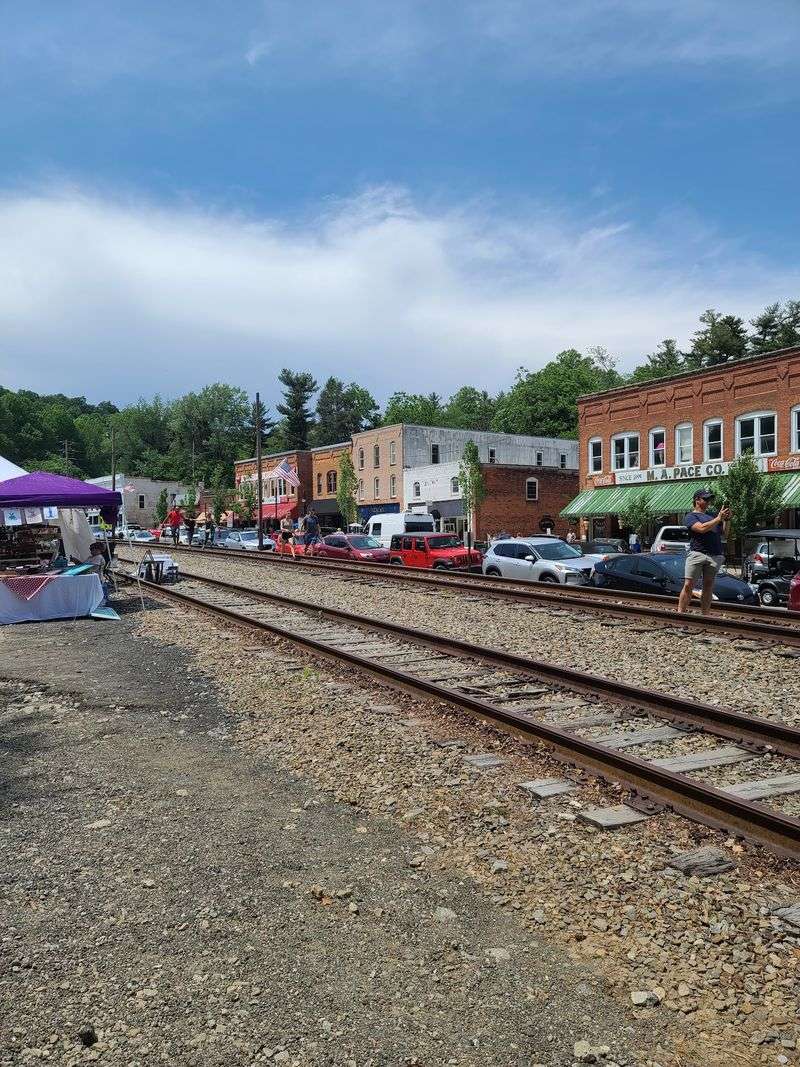
Since 1963, one July Saturday has belonged entirely to the hounds. Coon Dog Day is the biggest annual celebration in town, and it draws real North Carolina crowds.
The day starts with a street fair full of crafts and food. A parade follows, led by proud dogs and their equally proud owners.
Live music runs through the afternoon on and around Main Street. Friendly competitions test the hounds on tracking and treeing skills.
The festival began as a small neighborhood gathering more than sixty years ago. It has grown steadily while keeping its warm, small-town spirit.
Parking fills early, so arriving before mid-morning saves frustration. Shuttle options and side-street spaces help during the busiest hours.
Bring sun protection, water, and cash for the vendor booths. Shade is limited once the sun clears the ridgeline.
Dogs of every kind become instant celebrities during the parade. Even people who never hunt find the whole scene delightful.
Downtown shops stay open late and decorate for the occasion. Book lodging well ahead, since nearby rooms fill quickly.
Thompson’s Store, Serving Shoppers Since 1890
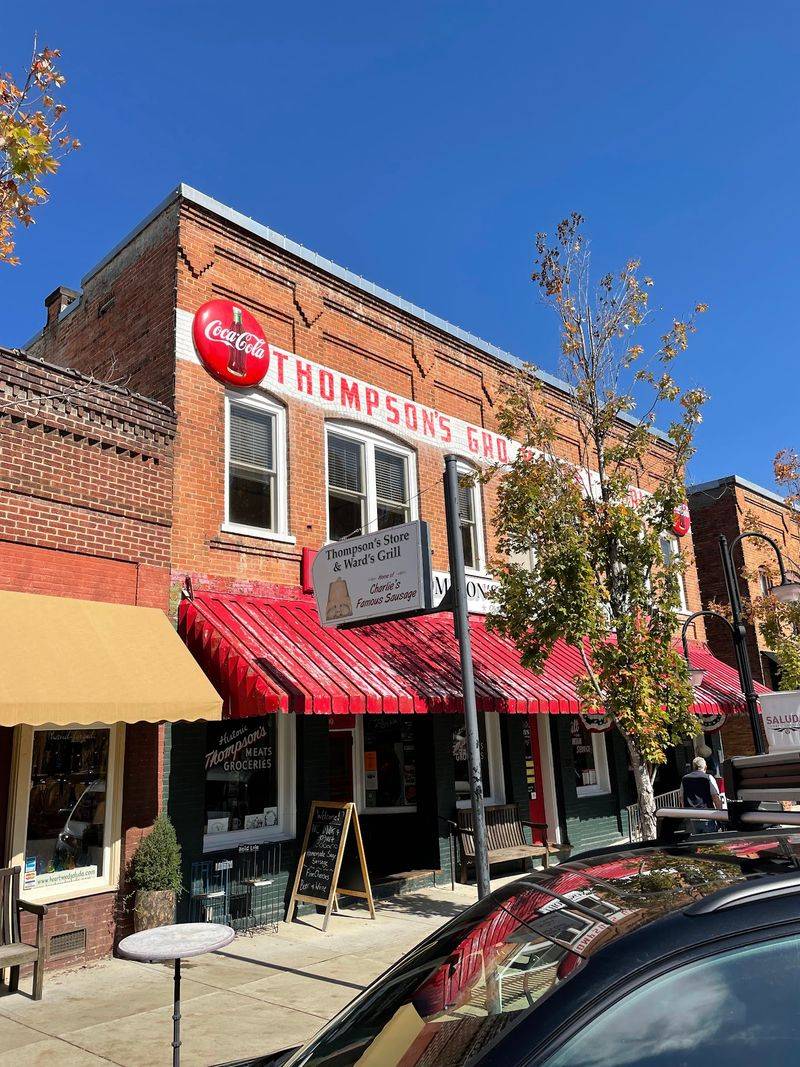
Groceries, biscuits, and neighborhood news have shared one roof here since 1890. Thompson’s Store is often called the oldest continuously operating store in the state.
Shelves hold everyday supplies, local honey, and regional pantry goods. Wooden floors creak in a way no renovation could ever fake.
Ward’s Grill occupies the back counter and serves breakfast and lunch. Eggs, hash browns, and burgers arrive fast on paper-lined trays.
Seating is limited, so mornings can feel pleasantly crowded. Regulars trade news while orders sizzle a few feet away.
You will find it on Main Street, in the heart of downtown. The storefront looks much as it did generations ago.
Cash moves quickly here, though cards are generally accepted. Arrive early on weekends, because the grill closes by early afternoon.
It is a working store, not a museum piece behind glass. That authenticity is exactly what makes the stop memorable.
Grab a snack for the road and browse the old signage. Prices stay fair, matching the unfussy setting.
The Green River Gorge And Its Roaring Narrows
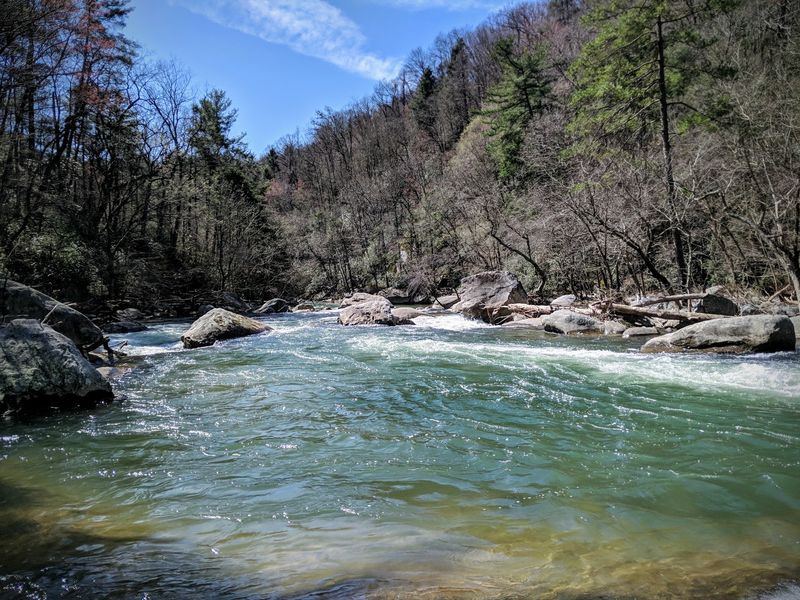
Expert paddlers speak about the Green River Narrows with genuine reverence. The gorge sits just north of town, deep, steep, and heavily forested.
Class V rapids draw skilled kayakers from across the country. The annual Green River Race each November tests speed through that section.
Hikers reach overlooks through the Green River Game Land trail network. Routes range from short forest walks to steep, rocky descents.
Downstream, the water calms enough for tubing during warm months. Seasonal outfitters run trips along the gentler cove section.
Wildlife includes hawks, salamanders, and plenty of songbirds. Rhododendron thickets bloom pink and white in early summer.
Cell service fades inside the gorge, so download maps beforehand. Tell someone your route and carry more water than you expect to need.
Water levels shift with dam releases, affecting both paddling and wading. Check release schedules before planning any river activity.
Autumn color here rivals anywhere in the southern mountains. Mid-October usually delivers the strongest display of the year.
Saluda Historic Depot And Its Model Trains
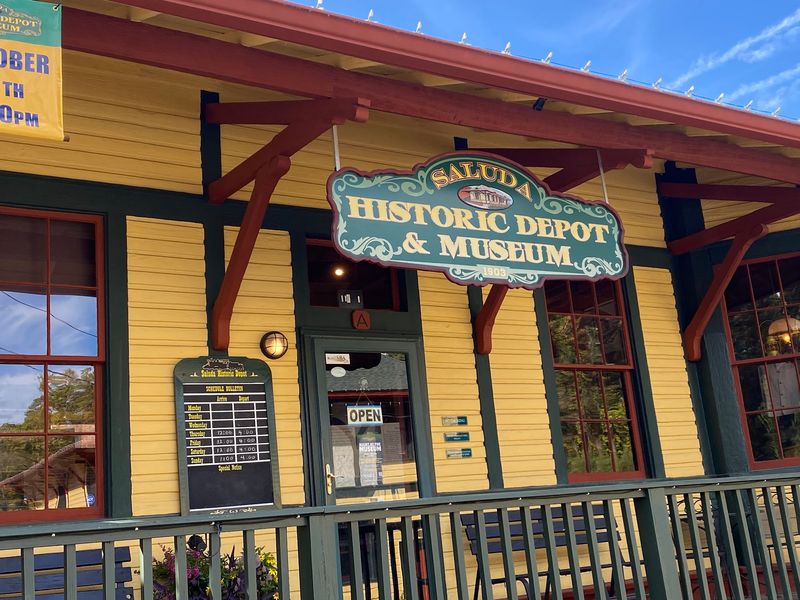
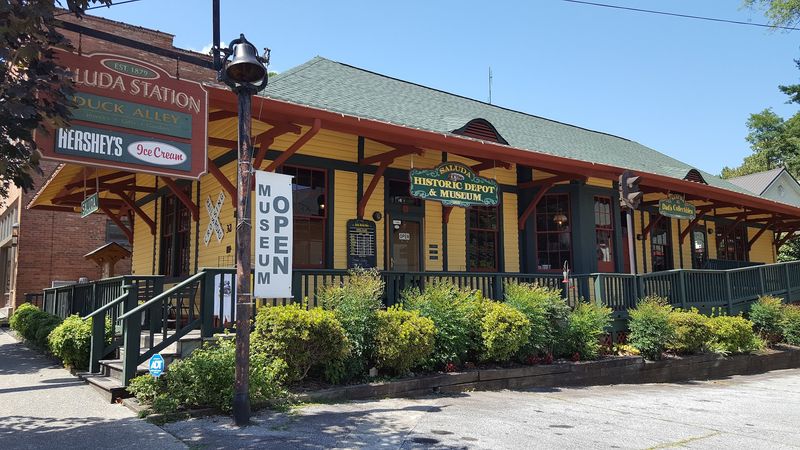
Every railroad town needs a depot, and this one survived to tell its story. The restored building now houses a small museum at 32 West Main Street.
Inside, exhibits explain how crews handled the famous climb. Photographs, tools, and timetables fill the rooms in a friendly, uncluttered way.
A detailed model train layout usually steals attention from younger guests. Adults tend to linger just as long beside it.
Volunteers staff the depot and clearly enjoy answering questions. Admission is free, though donations keep the lights on.
The grounds outside include benches and shaded lawn space. Community events often spill onto that lawn during summer evenings.
Hours are seasonal and limited, so plan around midday if possible. Weekends offer the most reliable opening times.
Even a short stop adds useful context to the rest of Saluda. Suddenly the curve of the street and the old buildings make sense.
Gift items lean toward railroad books and small souvenirs. It is an easy, low-cost stop worth twenty minutes.
An Arts Scene Bigger Than The Population Suggests
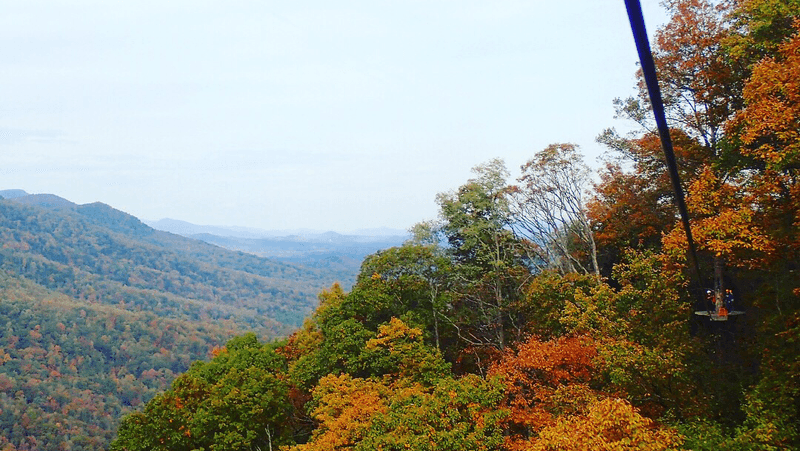
Six hundred residents somehow support a surprising number of working artists. Galleries and studios sit within a few steps of each other downtown.
Potters, painters, weavers, and woodworkers all keep space in the area. Many pieces reflect mountain landscapes, rivers, and native plants.
The Saluda Arts Festival takes over Main Street each May. Booths, demonstrations, and music fill the street for a single busy Saturday.
Summer Friday evenings bring the Top of the Grade concert series. Families spread blankets near the depot and settle in for live music.
Admission to those concerts is free, which keeps the crowd relaxed. Bring folding chairs, since seating is first-come and casual.
Shop owners often work behind their own counters. Conversations about technique and materials happen naturally.
Prices range from small keepsakes to serious collector pieces. There is no pressure to buy anything at all.
Creative energy this concentrated is unusual for a town this size. It gives Saluda a personality far larger than its map dot.
Green River Cove Road And Its Famous Switchbacks
Cyclists across the Southeast trade stories about this particular descent. Green River Cove Road drops into the valley through a series of tight hairpin turns.
The switchbacks stack up quickly, one after another. Drivers should take them slowly and stay well right on blind corners.
Climbing the road is a serious challenge for strong riders. Many treat it as a benchmark climb rather than a casual outing.
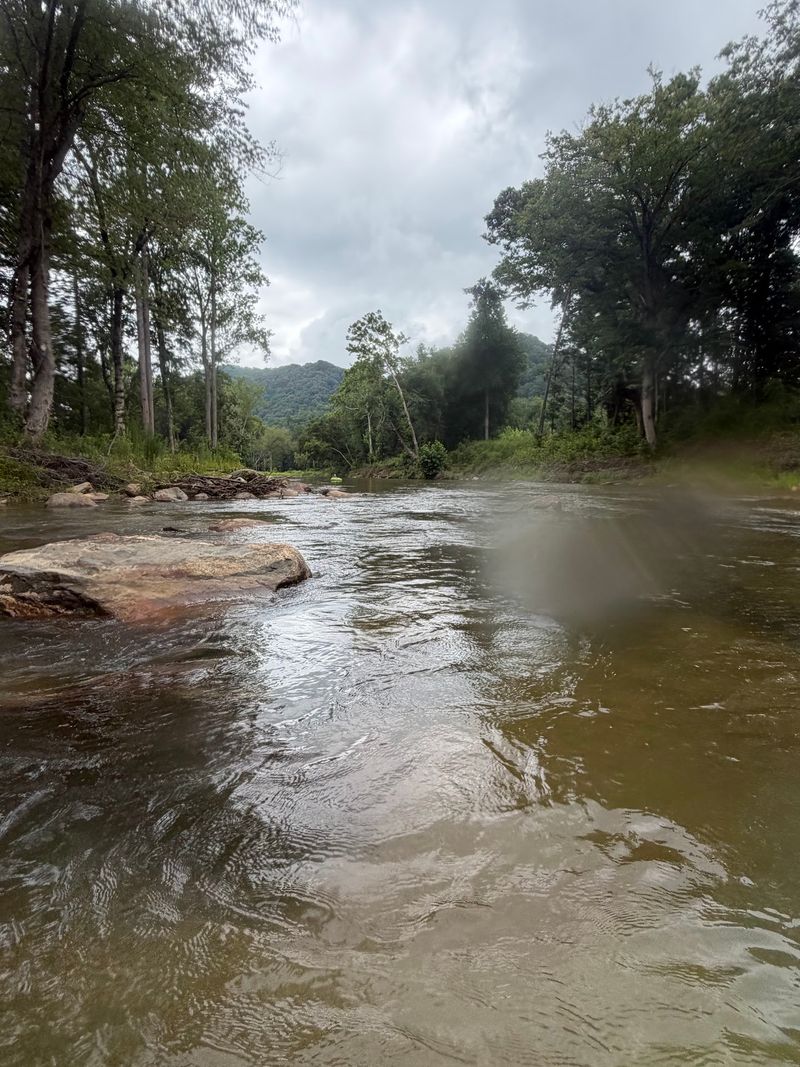
At the bottom, the river runs cool and shallow through the cove. Tubing outfitters operate along that stretch during warm weather.
Tree cover keeps the road shaded for most of the day. Temperatures often feel several degrees cooler down in the valley.
Pull-offs are limited, so resist stopping in the middle of turns. Patience matters more than speed on a road like this.
Fall foliage turns the whole descent into a slow-motion display. Weekends in October bring noticeably heavier traffic.
The road connects the gorge area with the wider countryside below. It is one of the most scenic short drives around.
Cool Mountain Air At Roughly 2,097 Feet
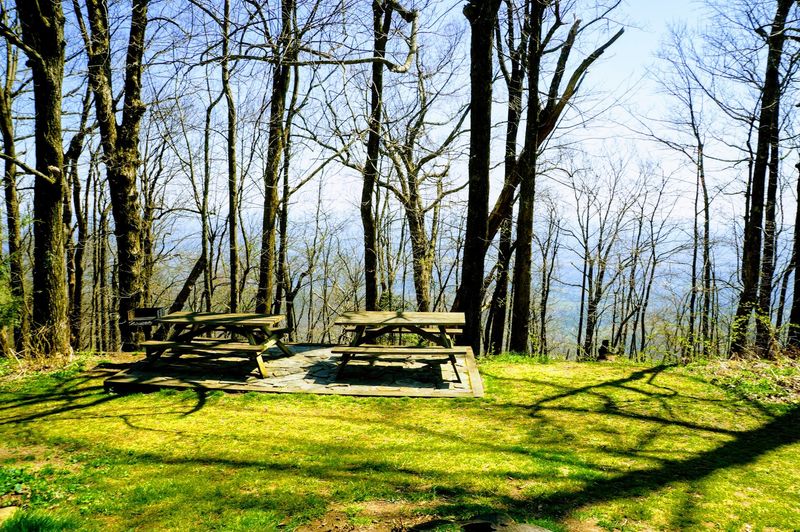
Summer heat loses much of its punch once you gain elevation. The town sits at about 2,097 feet along the Blue Ridge Escarpment.
That altitude keeps afternoons milder than the valleys below. Evenings often call for a light jacket, even in July.
Only 631 people lived here at the 2020 census. That number explains the unhurried pace on the sidewalks.
Access is simple from Interstate 26, using the nearby mountain exit. Asheville, Hendersonville, and Tryon all sit within an easy drive.
Spring arrives a little later here than in the lowlands. Fall color, in return, tends to linger longer.
Fog settles in the valleys on cool mornings, creating layered ridge views. Sunrise from higher ground can be genuinely stunning.
Pack layers no matter the season and you will be comfortable. Saluda rewards travelers who plan for mountain weather.