
The Small Adirondack Town Almost Nobody Has Heard Of Was Just Voted The Best In New York
Drivers pass straight through this hamlet without touching the brakes. That is the default, and it happens all day.
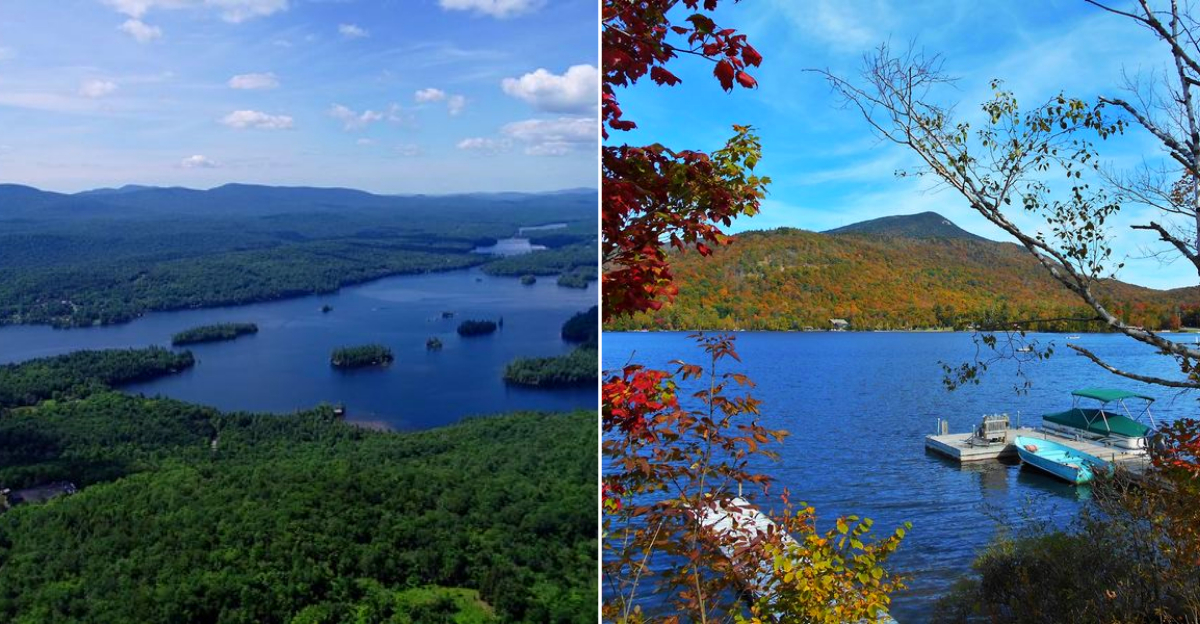
Three routes converge here in New York, water sits on one side, a tall green mountain on the other, and somehow the whole thing stays invisible to almost everyone heading somewhere else.
Food options are thin. That is not a complaint, it is the setup. One silver diner has done what a dozen restaurants could not, turning a dot on the map into a place people build entire trips around.
My weakness is a window seat and a diner breakfast, and this combination is close to unfair. Something about eating eggs with a mountain in view rearranges your priorities for the day. Take the seat by the glass and stay a while.
A Crossroads Hamlet Most Drivers Never Stop In
Three state routes meet in one tiny spot in the central Adirondacks, and most people treat the intersection as a place to pass through. Routes 28, 28N and 30 all converge here, sending traffic toward Lake Placid, Old Forge and points beyond.
Water sits on one side. A green mountain rises on the other. Neither one has a billboard.
The hamlet stays deliberately small. No strip of chain restaurants, no crowded main drag, just a handful of buildings between the shoreline and the trees.
Population numbers barely register, which is exactly why the place feels the way it does. Hamilton County holds the lowest population density of any county east of the Mississippi.
Six million acres of protected forest surround the whole area. That scale changes how a small town feels, since the wilderness starts right where the pavement ends.
What surprises visitors is how much sits inside such a compact footprint. A world class museum, a working arts center, a fire tower hike, and a lake wide enough to paddle all day.
Drive through once and the place registers as scenery. Stop, and it becomes a destination. Winter drops the traffic to almost nothing, which regulars quietly consider the best season.
Meet Blue Mountain Lake In Hamilton County
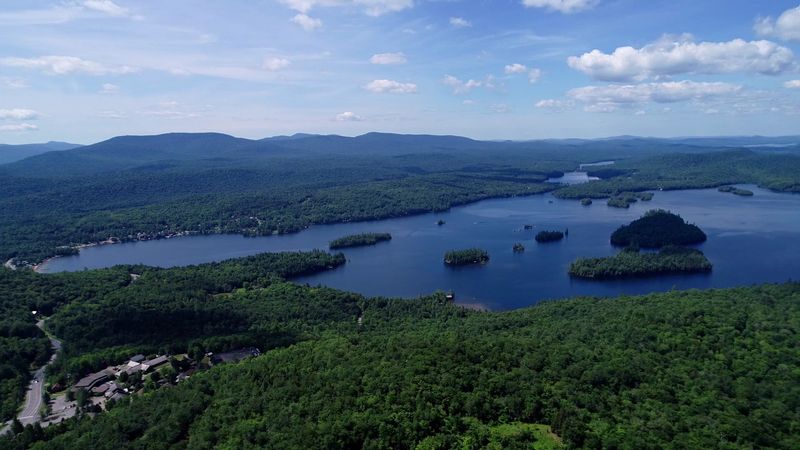
Names in the Adirondacks tend toward the literal, and this one earns it. Blue Mountain Lake takes its name from the peak standing behind the hamlet, and the water carries the same name.
The community sits roughly halfway between Lake Placid and Old Forge, which makes it a natural stopping point on a longer Adirondack drive. The Adirondack Experience museum anchors the north end at 9097 NY-30, Blue Mountain Lake, NY 12812.
Hoffman Notch and Moose River Plains Wild Forest sit nearby, wrapping the hamlet in protected land on multiple sides. Trailheads scatter across the surrounding roads.
Seasons shape everything here. Summer brings paddlers and hikers, fall delivers color that draws photographers from several states, and winter turns the whole area quiet enough to hear snow settle.
Some businesses close entirely for the cold months. That reality catches visitors off guard, so a quick check before driving out saves real disappointment.
Cell service runs spotty across Hamilton County. Downloading maps ahead of time is the practical move rather than an optional one.
New York holds plenty of mountain towns. This one stays small on purpose. Gas stations run sparse across this stretch, so filling the tank before you head in is smart.
A Lake Deep Enough For Cold Water Fish
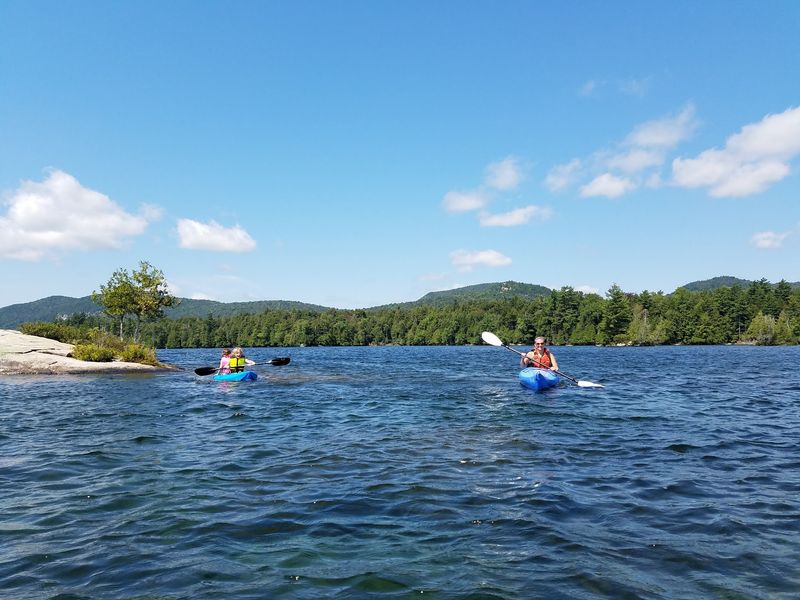
Water is the whole reason this hamlet exists, and the numbers explain why paddlers keep returning. The lake stretches across more than 1,200 acres with roughly 12 miles of shoreline to explore.
Depth matters here. Several stretches drop close to 100 feet, which keeps the water cold enough for trout to thrive alongside bass and smelt.
Islands dot the surface, tempting anyone with a canoe to spend an afternoon exploring. Morning is the ideal window, when the surface goes glassy before the wind picks up.
Connected waterways extend the trip considerably. Eagle Lake and Utowana Lake link up nearby, which turns a simple paddle into a genuine expedition for anyone with the time.
Wildlife puts on a steady show. Loons call across the water at dusk, warblers fill the shoreline trees, and bald eagles have been spotted here often enough that binoculars earn their space in your bag.
Blue Mountain Lake Boat Livery has been renting boats to visitors since 1908, which is a remarkable run for any family business.
Bring a hat and more water than you think you need. Reflection off the surface works harder than you expect. Motor restrictions keep the water calm, which suits beginners and swimmers alike.
The Museum That Tells The Whole Adirondack Story
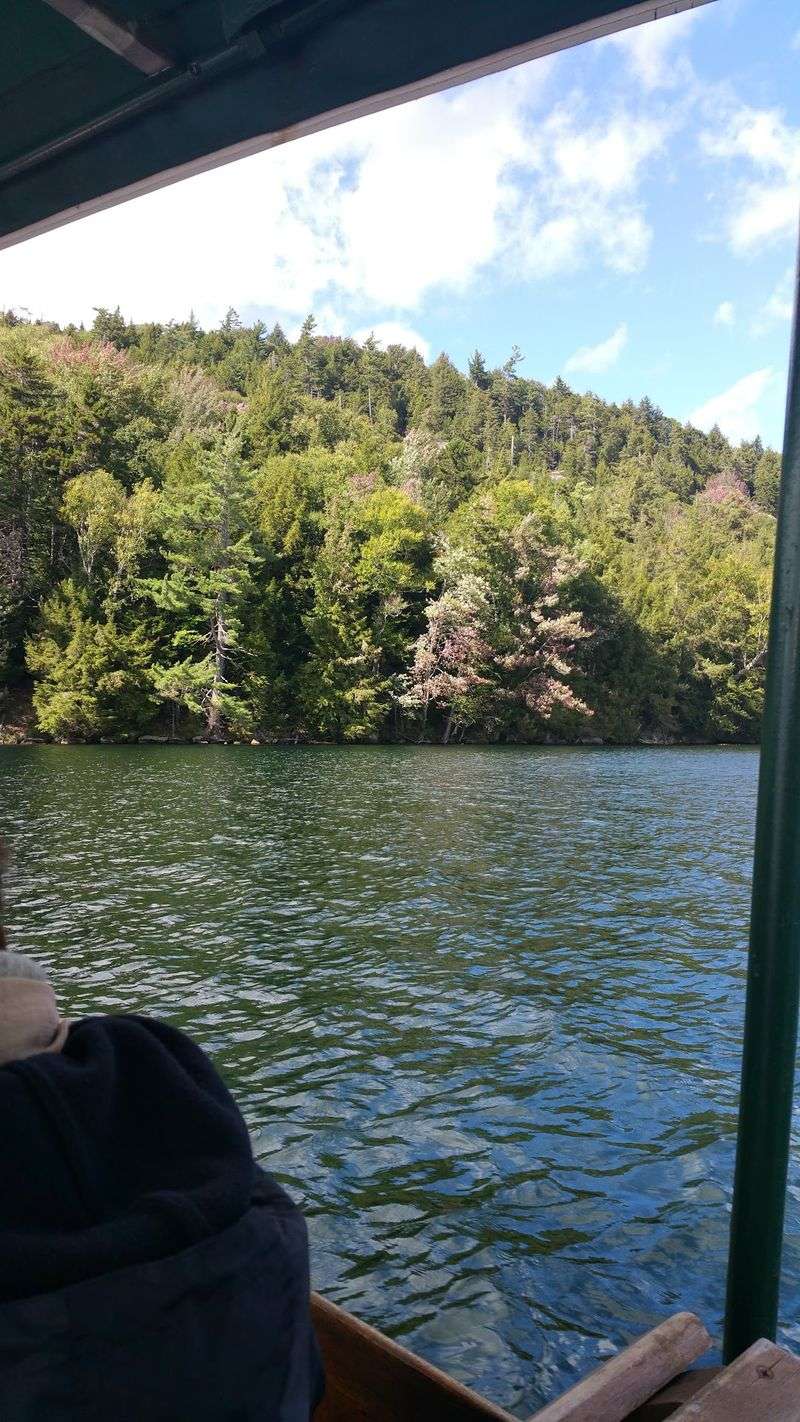
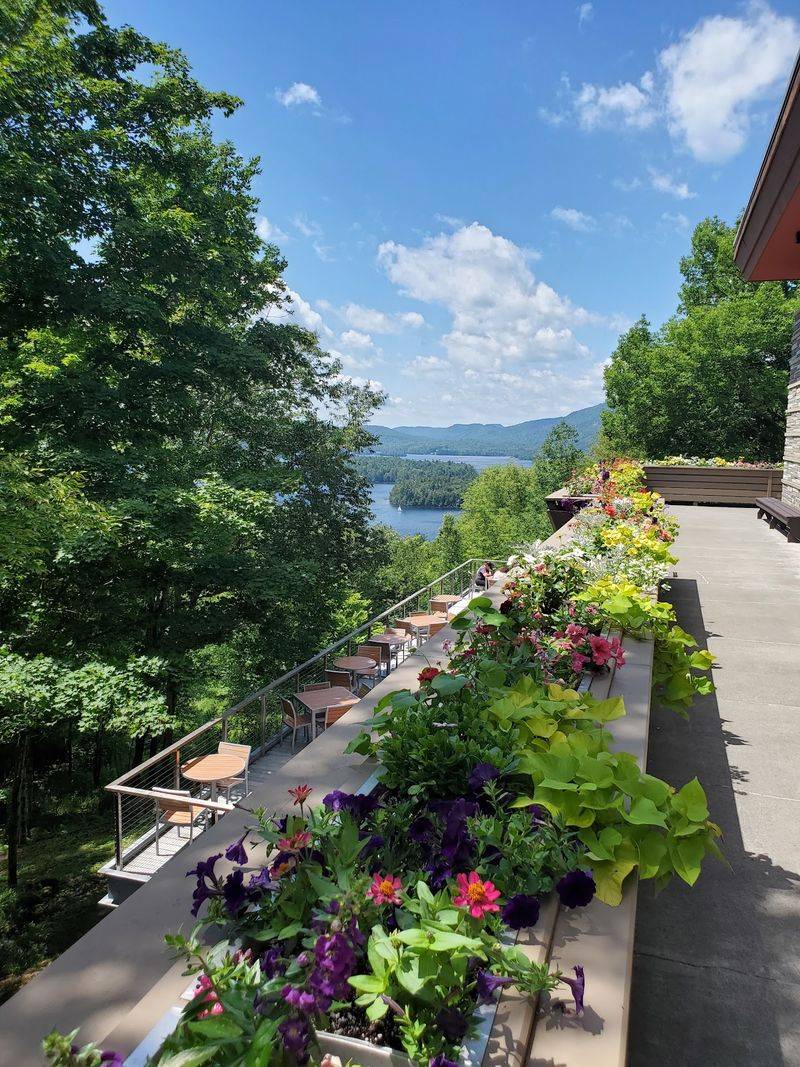
Few small towns anywhere hold a museum this ambitious. The Adirondack Experience, once known simply as the Adirondack Museum, spreads across a hillside campus with views straight out over the water.
Exhibits cover serious ground. Wilderness exploration, Indigenous history, logging, rustic design and the long story of how people have used and protected this region all get real attention.
Historic buildings sit throughout the campus rather than everything living under one roof. Walking between them turns the visit into something closer to a stroll than a museum shuffle.
An elevated fire tower stands on the grounds, originally relocated from Whiteface Mountain. Climbing it is worth the trip on its own.
Kids do genuinely well here, which is rare for a museum this substantial. Hands on exhibits keep younger visitors engaged while adults read the panels.
The season runs from late May through mid October, seven days a week. Adult admission sits around twenty one dollars, with reduced pricing for children and free entry for the youngest visitors.
Budget several hours. Plenty of people arrive planning ninety minutes and stay through the afternoon.
Climbing Blue Mountain For The Big View
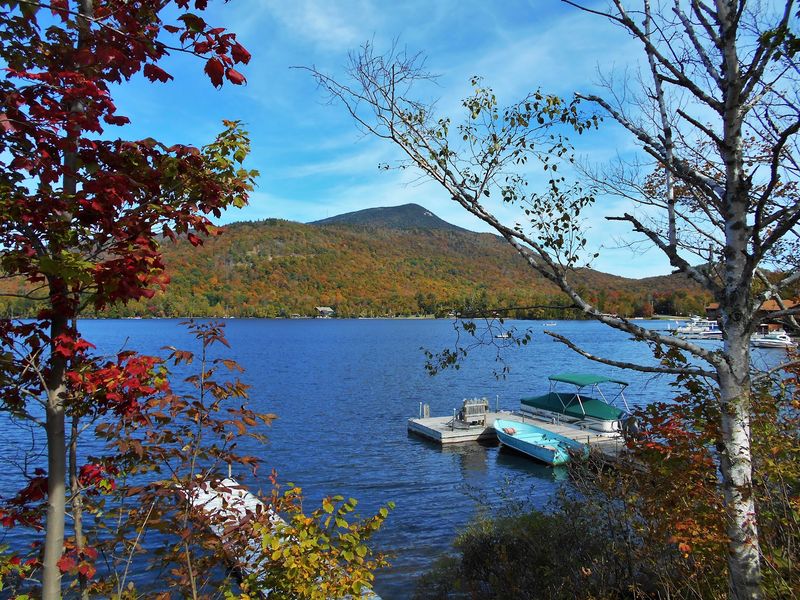
Half day hikes rarely deliver a payoff like this one. Blue Mountain rises behind the hamlet and rewards climbers with a fire tower and a view across a whole basin of scattered lakes.
The trail runs steady rather than brutal, gaining elevation consistently over roughly two miles each way. Rocky sections near the top ask for real footwear.
The tower is the prize. Climbing the steps opens up a panorama that stretches far beyond what the summit alone offers, with water glinting in every direction.
Morning starts beat afternoon ones. Weather in the Adirondacks shifts quickly, and clear skies at nine can turn gray by two.
Fall brings the most dramatic color along the route, though it also brings the biggest crowds on weekends. Weekday hikes stay considerably quieter.
Bring layers regardless of the forecast. Temperature at the summit runs noticeably cooler than the trailhead, and the tower catches every bit of wind.
Water and a snack round out the packing list. Hamilton County has no services along the trail, and the nearest store sits back down in the hamlet.
Arts, Craftsmanship And A September Tradition
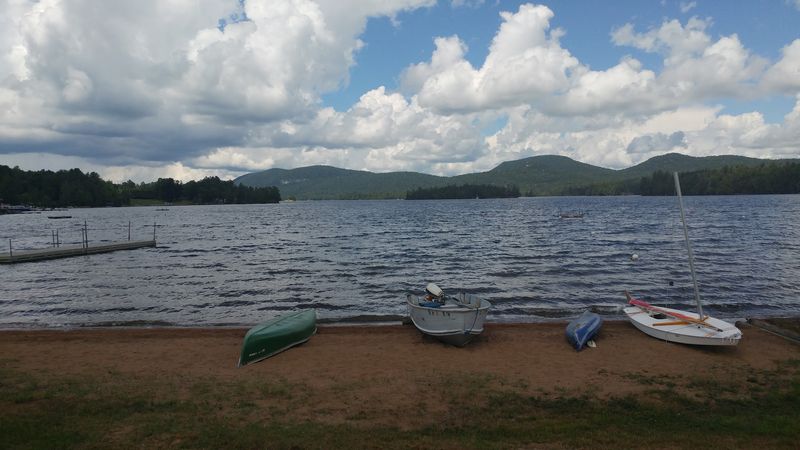
Culture in a hamlet this size sounds unlikely until you visit. The Adirondack Lakes Center for the Arts brings theater, workshops, exhibits and speakers to the shoreline throughout the year.
Programming shifts with the seasons and the schedule fills up fast. Kids camps run during summer months, which gives families a genuine reason to build a longer stay.
Admission to the center itself costs nothing, though hours vary considerably depending on the time of year. Checking before you drive over saves a wasted trip.
September brings the Rustic Furniture Fair, an annual gathering that showcases traditional Adirondack craftsmanship. Handmade furniture, twig art and work from makers who have practiced for decades all fill the grounds.
Rustic style originated in this region, built by guides and craftsmen using whatever the forest provided. Seeing it made by hand puts the whole tradition in context.
The fair draws visitors from well outside New York, so lodging books early that weekend. Plan several months ahead if a September trip appeals.
Small towns rarely support this much creative activity. This one manages it because the community decided to.
Planning A Stay In The Quietest Corner
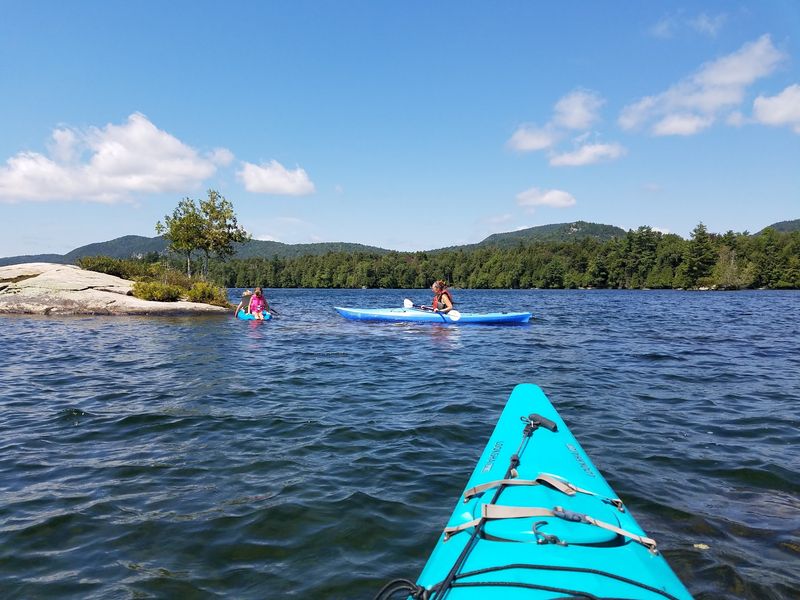
Lodging out here leans toward cabins, lakeside lodges and small inns rather than anything with a chain logo. Vacation rentals fill in the rest, many of them sitting directly on the water.
Summer weekends book months in advance, which surprises first time visitors who assume a hamlet this small stays empty. Reserve early or aim for shoulder season.
Camping options sit nearby, with both developed campgrounds and backcountry sites available across the surrounding wild forest. Permits and rules vary by location.
Dining runs limited by design. Chef Darrell’s Mountain Diner handles hearty breakfasts and comfort food inside a restored 1946 diner car, and it has become the hamlet’s unofficial gathering spot.
Stock up before arriving if you plan to cook. The nearest full grocery store sits a serious drive away, and prices reflect the distance.
Fall foliage along Route 30 ranks among the prettiest drives in the state. Time a trip for early October and the whole route becomes part of the experience.
New York keeps its best quiet places north. Blue Mountain Lake sits near the top of that list.