
This New Hampshire Coastal Town Offers A Quiet Escape Few Tourists Know About
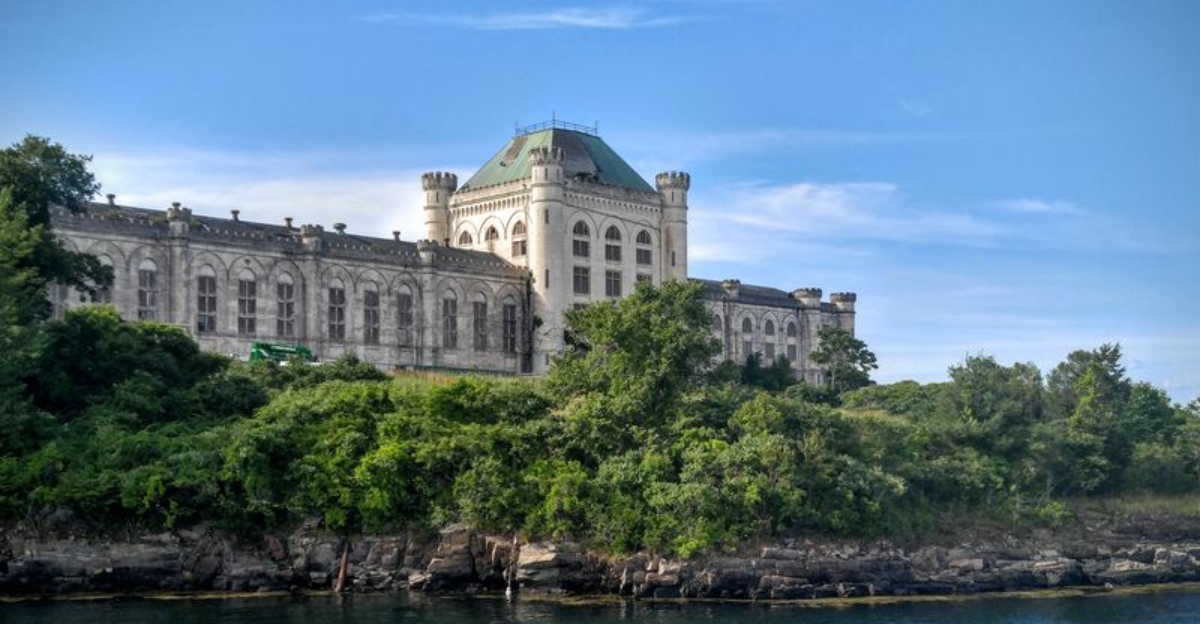
If you’re trying to dodge the summer crowds while everyone else heads to the popular spots, you’ll love this New Hampshire coastal town instead. Streets here stay quiet, without the tourist traffic that bigger destinations nearby tend to attract.
Locals prefer it this way, rarely advertising what makes this town worth visiting in the first place. Nothing about this place feels curated for outside attention or built around drawing bigger crowds.
Beaches stay uncrowded even during peak summer weekends, a rarity along most coastal towns. Visitors who do stumble upon this town often wonder why it isn’t more widely known.
That lack of recognition seems to be exactly what keeps it this peaceful. This town proves that sometimes staying hidden is precisely what makes a place worth finding.
Exploring Coastal Wildlife Habitats
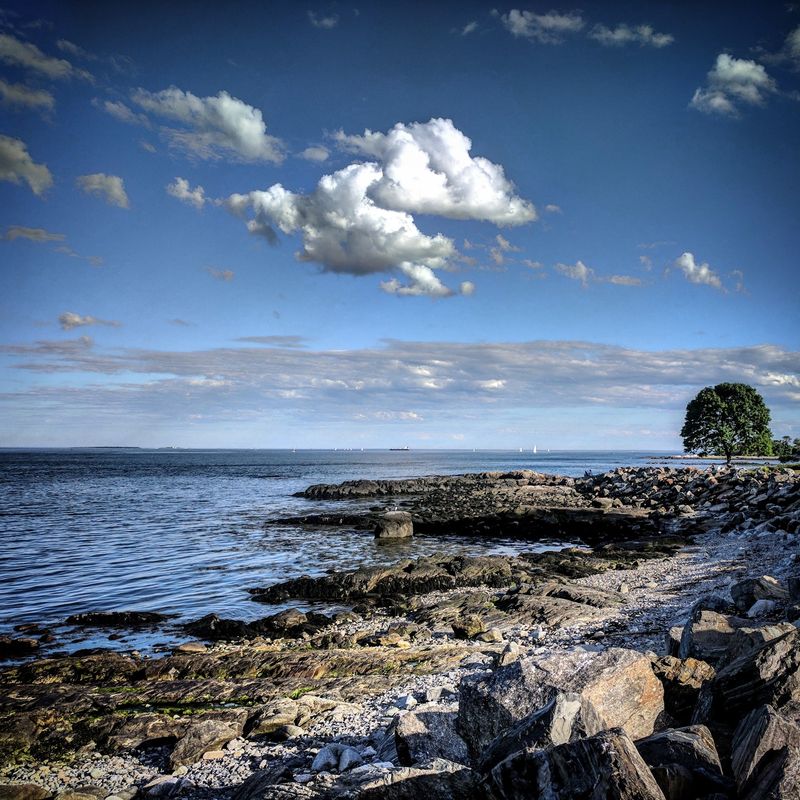
Small towns rarely pack this much variety into so little land. Great Island Common covers 32 acres of seaside green space and rocky shoreline, and that rocky edge is where the real action happens.
Tide pools fill and drain twice a day here. Crabs, snails, seaweed, and barnacles all take turns being the main attraction, depending on the water level.
Just a short drive away sits Odiorne Point State Park, a 330-acre stretch that mixes rocky shore, beach, freshwater marsh, saltwater marsh, and woodland. That combination is unusual, and it explains why the park records more species than any other birding site in the state.
Habitat variety matters more than size when it comes to wildlife. A marsh feeds different creatures than a wooded trail does, and having both side by side means more animals in a smaller space.
Fort Stark State Historic Site adds another angle, with kayak access to both the open ocean and Little Harbor. Paddling out gives a completely different view of the shoreline than walking it does.
Low tide is the smart time to explore the rocks. Footing gets slippery, so sturdy shoes beat flip-flops every single time.
Bring a small bucket if kids are along, then put everything back where it came from.
Discovering Local Maritime History
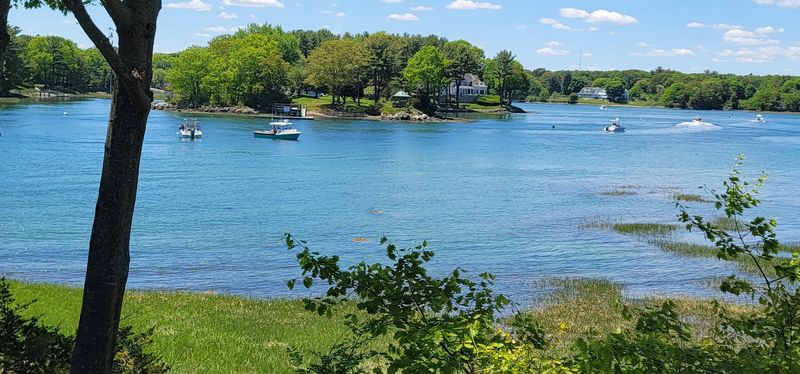
Here is a fact that surprises almost everyone. Fort Constitution was first fortified in 1631 and was originally just called The Castle, which is where the town got its name.
Later it became Fort William and Mary. Then in December 1774, colonists raided it and hauled off the gunpowder stored inside, an act many historians count as an early strike of the Revolutionary War.
The name changed again to Fort Constitution in 1791. Inside its walls stands the Portsmouth Harbor Light, established in 1771 and the first lighthouse built north of Boston.
The tower visible today is not the original. The current cast-iron version went up in 1878 and still marks the harbor entrance.
Town history stretches back to 1693, with shipbuilding and trade driving daily life for generations. Underwater archaeologists working the Piscataqua River at Salamander Point and Harts Cove found the wrecks of a schooner and the HMS Astraea.
Artifacts pulled from those sites include Iberian oil vessels, kaolin pipes, and Devon pottery, all now held by the New Castle Historical Society. Holding history in a collection makes it feel closer than any textbook can.
Then there is Walbach Tower, a circular masonry fort built in 1814 during the War of 1812 to guard the town beach. Small, strange, and completely worth a look.
Enjoying Secluded Beach Walks
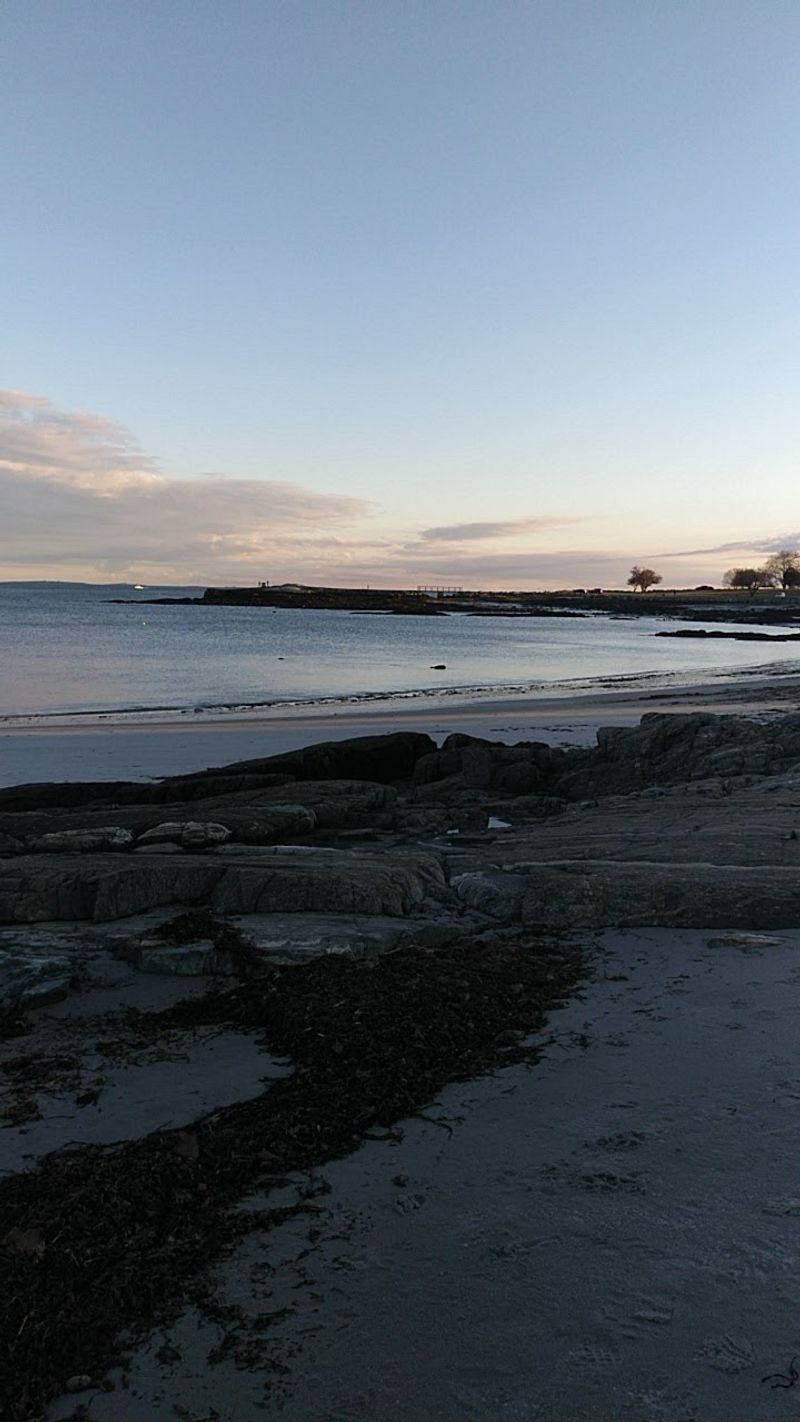
Finding a quiet beach in New Hampshire takes some strategy. With such a short coastline, the popular sand fills up fast once summer hits.
Great Island Common changes the math. Town-owned and spread across 32 acres, it pairs a small sandy beach with a rocky shoreline and wide lawns above the water.
Portsmouth Harbor sits right there in the view. Boats slide past, the light shifts on the water, and the whole scene feels slower than a typical beach day.
Fort Stark State Historic Site has a small beach too, which spreads the crowd even thinner. Two options in one tiny town is a nice problem to have.
Nobody should expect miles of empty sand. What the area does offer is room to breathe, which is honestly the harder thing to find.
Early mornings belong to walkers and dog owners. Late afternoons bring photographers chasing that low golden light across the rocks.
Water shoes make the rocky sections much friendlier. The stones stay slick where seaweed clings, and a wipeout ruins an otherwise lovely stroll.
Layers help more than people expect. Ocean breeze can knock ten degrees off a warm day without warning.
Pack a blanket and a snack, pick a bench facing the harbor, and let the afternoon stretch out. That is the whole appeal in one sentence.
Spotting Rare Bird Species
Serious birders keep this stretch of coast on their calendars all year. The mix of marsh, rock, beach, and woods means different species show up in every season.
Odiorne Point State Park shines brightest during migration. Waterbirds, shorebirds, and traveling warblers all pass through in impressive numbers.
Winter turns the coastal water into a completely different show. Scoters, Long-tailed Duck, Red-throated Loon, Red-necked Grebe, and Great Cormorant work the swells offshore.
Purple Sandpipers hunt along the icy rocks. Razorbill, Black Guillemot, and Bonaparte’s Gull round out a list that draws people from far outside the state.
Fall brings the raptors. From mid-September through October, Osprey, Northern Harrier, Bald Eagle, and Peregrine Falcon ride the coastal air currents south.
Summer has its own headliners. Glossy Ibis, Snowy Egret, Black-crowned Night-Heron, and Great Egret cross overhead, flying to and from a breeding colony on nearby Appledore Island.
Watching a Great Egret glide over the water never gets old. They look almost too big to be real.
Binoculars beat a phone camera every time out here. A simple field guide or bird app fills in the names.
Dress warmer than the forecast suggests for winter sessions. Standing still on an exposed shore gets cold in a hurry, and the best sightings reward patience.
Sampling Fresh Ocean Seafood
Working harbors have a smell and a soundtrack that no menu can fake. Ropes creak, gulls argue, and engines rumble before most people finish breakfast.
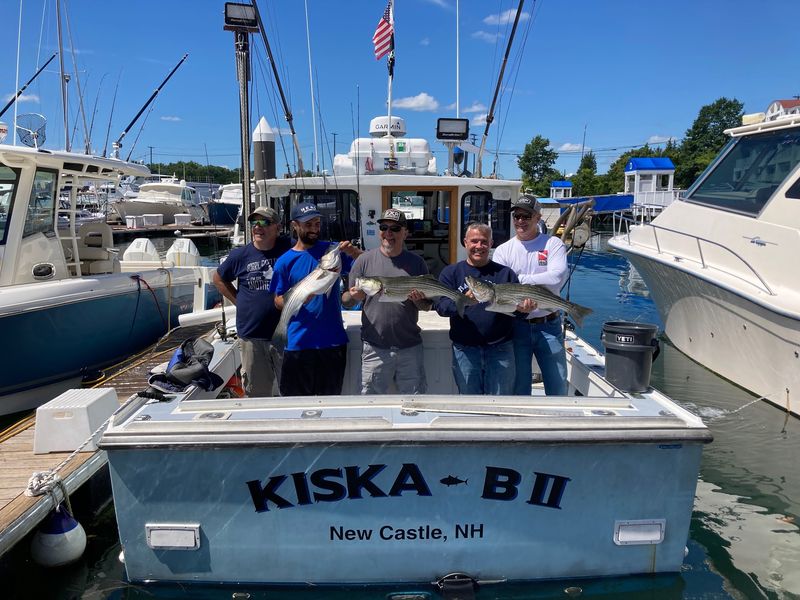
New Castle keeps an active harbor going, and that connection to the sea shapes daily rhythms around town. Fishing is not decoration here; it is a job.
The nearby Portsmouth waterfront adds more boats to the picture. Fishermen head out and come back with the day’s catch, year after year.
All that activity means fresh fish is genuinely easy to find in the area. Short trip from boat to kitchen, exactly how it should work.
Timing helps if freshness is the goal. Late morning and early afternoon usually line up with boats returning to the docks.
Asking what came in that day is smarter than reading a sign. Local fish shift with the seasons, so the honest answer changes.
Watching lobster traps get stacked on a pier is oddly satisfying. Every buoy carries its own color pattern, marking whose gear is whose.
Anyone who loves seafood should treat the harbor itself as part of the meal. Seeing where dinner came from adds something no restaurant can plate.
Bring a jacket for dockside wandering, since the wind funnels along the water. Then find a spot facing the boats and take your time.
Experiencing Nautical Art And Culture
Old shipwreck artifacts sitting in a former library are a wonderfully odd combination. The New Castle Historical Society makes it work inside the Old Library Museum.
Documents, maps, books, and photographs fill the collection. Objects recovered from local shipwrecks sit alongside them, connecting paper records to real broken hulls under the river.
Small museums like this one carry an advantage. Everything on display actually belongs to the place, which makes each item hit harder.
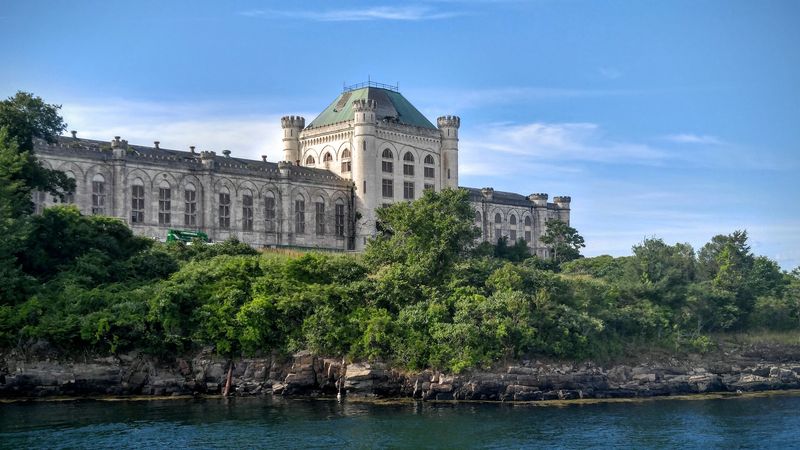
Then there is Wentworth by the Sea, the grand hotel standing on the island. Its towers and long rooflines are visible from a distance and impossible to mistake.
The building is a landmark for more than its looks. It hosted the signing of the treaty that ended the Russo-Japanese War, which is a startling credit for a town of about a thousand people.
World diplomacy happening on a small New Hampshire island still sounds made up. It happened anyway.
Nautical culture here is not staged for visitors. Boats, forts, lighthouses, and old records all belong to the same long story.
Photographers tend to love the hotel exterior in late afternoon. The light softens, and the white facade practically glows.
Reading a little history before wandering makes the whole island read differently. Suddenly a plain stone wall or weathered dock has a backstory worth knowing.
Participating In Kayaking Adventures
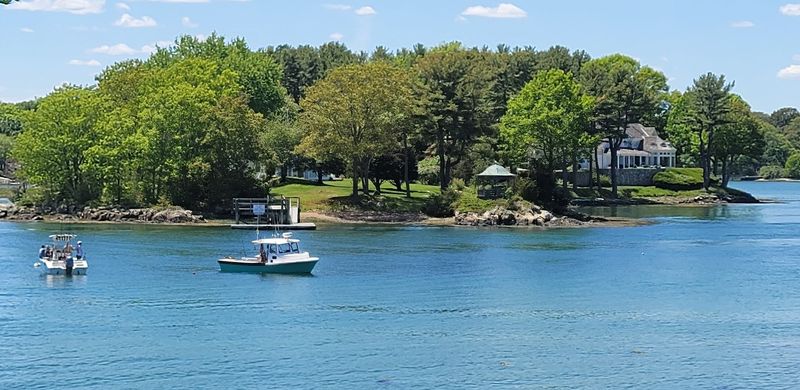
Paddlers get spoiled around here. Protected water, small islands, and creeks all sit within a very short distance of each other.
Little Harbor works well for beginners and intermediate paddlers. Conditions stay manageable, which builds confidence without much drama.
Stronger kayakers aim bigger. Circumnavigating New Castle Island is a real goal, and the historic waters of Portsmouth Harbor add plenty of interest along the route.
The waters surrounding the town are generally calm thanks to their sheltered layout. That is a rare gift on an open coast.
Route 1B loops through the islands, and the area it defines holds numerous small ones worth exploring. Discovering them from a kayak beats seeing them through a windshield.
Fort Stark State Historic Site provides kayak access to both the ocean and Little Harbor. Two very different paddles from one launch point.
Sagamore Creek sits between Portsmouth Harbor and Little Harbor and makes an excellent guided tour. Guides point out marsh birds and history that solo paddlers usually miss.
Goat Island stays reachable by kayak or canoe at any tide, which removes a lot of planning stress. No tide chart math required.
Checking the wind forecast still matters, since breeze pushes small boats around more than current does. Life jackets, water, and a dry bag round out the basics.
Early morning paddles tend to be the calmest and quietest of all.
Visiting Quiet Harbor Views
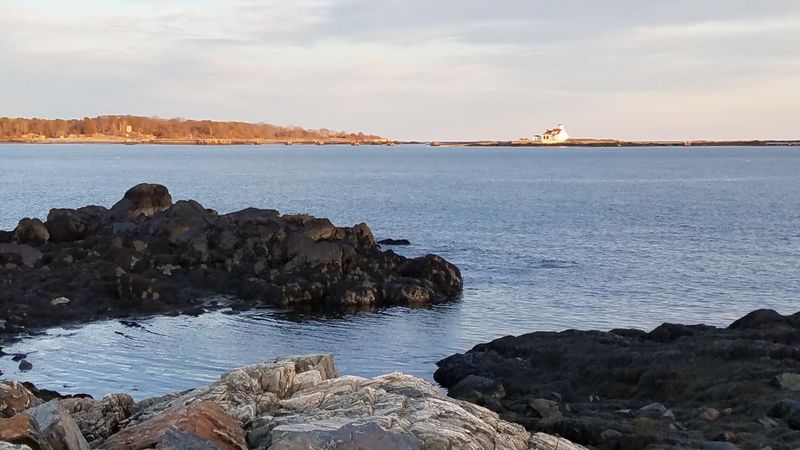
Some places give you one good view. This town hands out several, each with a different personality.
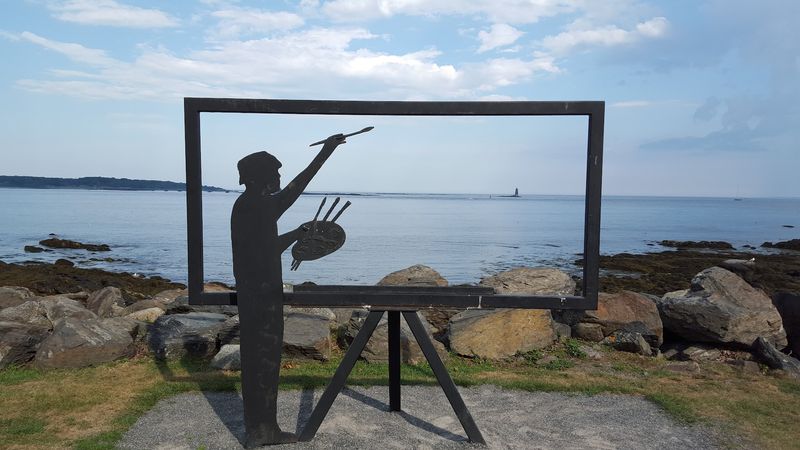
Great Island Common opens onto wide ocean scenery, with walking paths and sunsets spilling across the harbor. From those lawns, Portsmouth Harbor Light and Whaleback Lighthouse both come into view.
Three historic forts are visible from the same spot. Constitution, McClary, and Foster all sit within sight, which is a lot of history in one panorama.
Fort Constitution occupies a peninsula and offers picnic spots looking out over the Piscataqua River and the Atlantic. Eating lunch there feels like a small upgrade to an ordinary day.
Fort Stark sits on Jerry’s Point with an even wider spread. Piscataqua River, Little Harbor, and open Atlantic all in one sweep.
The Little Harbor side faces west and stays especially peaceful. Calmer water, softer light, fewer boats.
What ties it all together is motion. The working harbor keeps humming, and the tides keep shifting, so no two visits look quite the same.
Portsmouth Harbor Lighthouse is easy to spot from Great Island Common; no hiking required. That accessibility makes it great for families and anyone short on time.
Sunset is the obvious winner for photos. Arriving thirty minutes early means claiming a good bench before anyone else thinks of it.