
9 Quiet Massachusetts Islands That Should Be On Your Late Summer Bucket List
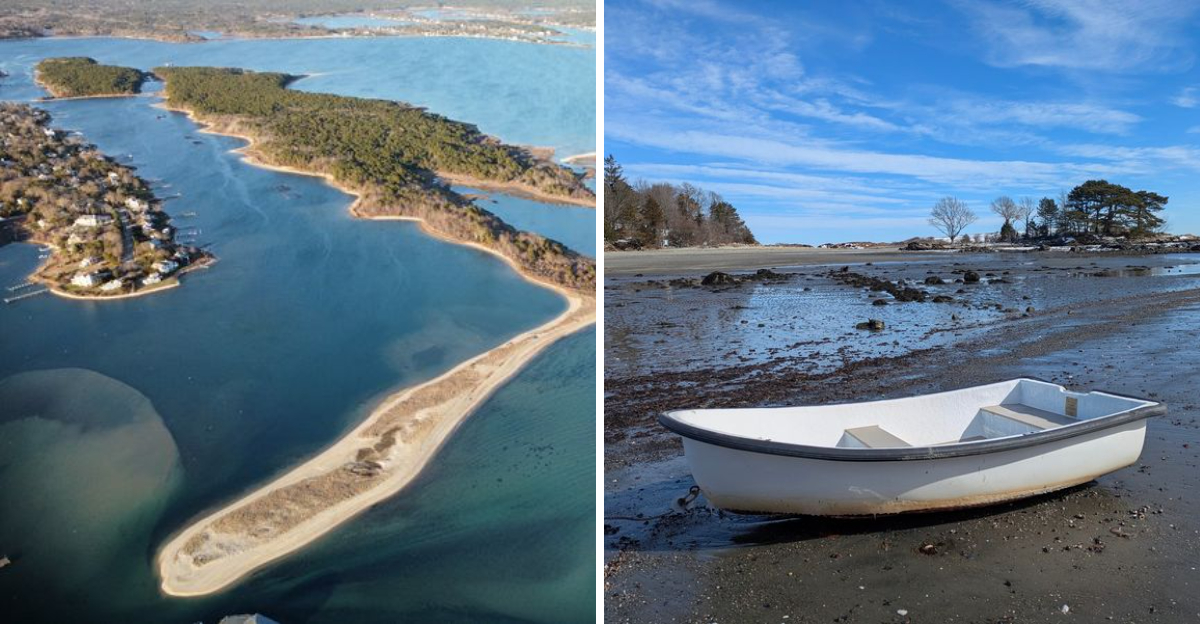
Late summer is when the coast starts to feel like it belongs to you again. The busiest weekends begin to fade, the air stays warm, and long afternoons near the water suddenly feel much easier to enjoy.
Massachusetts islands are especially good at stretching that feeling for one more trip.
A short ferry ride can trade traffic for beaches, grassy paths, quiet harbors, and salt air. Another island may ask for a kayak or boat, which only makes reaching it feel more rewarding.
By late August and September, the pace feels softer and the shoreline takes on a calmer mood. There is still time for a swim, a picnic, or a long walk before cooler days arrive.
These island escapes prove you do not need to travel far to make summer feel like it has one last surprise waiting.
1. Cuttyhunk Island, Gosnold
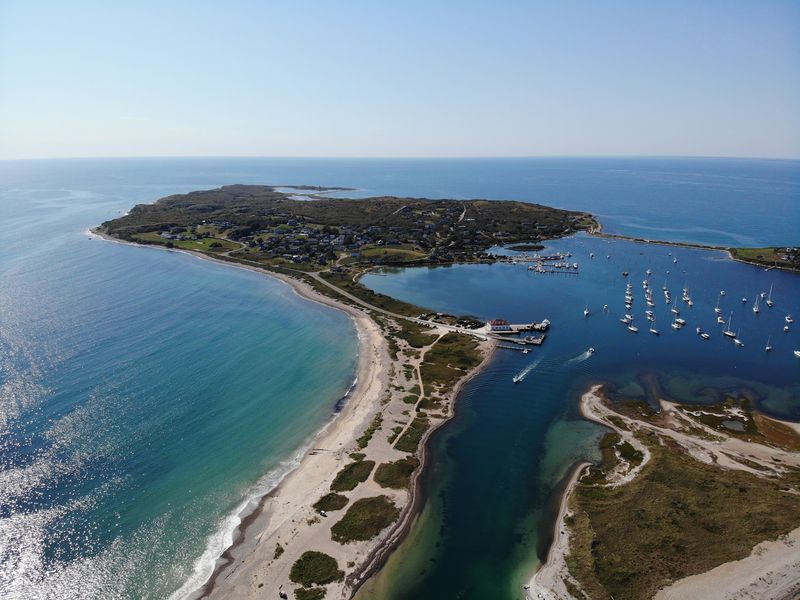
Golf carts outnumber cars here, and nobody seems to mind. Cuttyhunk is the outermost of the Elizabeth Islands, roughly 580 acres of ocean-scented quiet in the town of Gosnold.
Nearly half the island is a nature preserve, so trails for hiking and biking are plentiful. Old stripped-down Coast Guard bunkers from World War II now double as unusual picnic spots.
Piping plovers, least terns, oystercatchers, deer, and rabbits all share the space with you.
Climb Lookout Hill, the highest point, for a sweeping view of Buzzards Bay, Vineyard Sound, and Martha’s Vineyard. Three sandy beaches wait below: Church’s, Barges, and Channel.
Church’s is the favorite, thanks to open water views and eelgrass beds full of sea life.
Food is surprisingly good for such a small place. The Cuttyhunk Cafe opens at 5 AM with coffee, pastries, and breakfast sandwiches, then shifts to chowder, lobster rolls, and stuffed quahogs.
The Cuttyhunk Fishing Club serves the island’s only full breakfast, with views toward Gay Head.
Down at the fish dock, the Cuttyhunk Raw Bar shucks clams and its well-known oysters, and even floats shellfish out to boaters. The Lobster Shack handles fried fish and hot lobster rolls, while Soprano’s Pizza fires brick oven pies outdoors.
2. Chappaquiddick Island, Edgartown
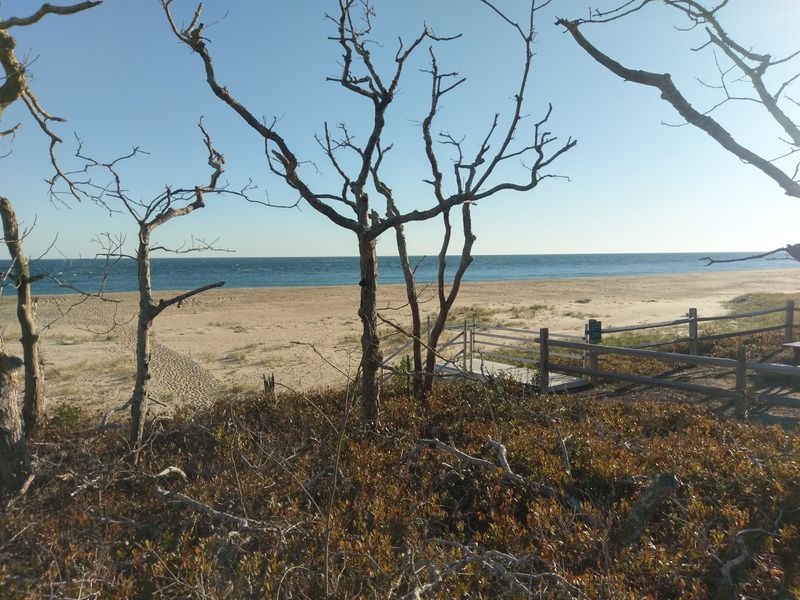
A short channel crossing from Edgartown changes everything. Chappaquiddick sits right beside busy Martha’s Vineyard, yet feels like a different decade entirely.
The terrain is flat, which makes it ideal for slow biking with no hills to grumble about. Beaches stretch out wide and mostly empty, especially once the calendar flips toward September.
Shorebirds treat the place as a sanctuary. Terns, oystercatchers, and piping plovers nest and feed along the sand, so posted areas deserve your respect.
Do not skip Mytoi, a Japanese-style garden that feels wonderfully out of place on a windswept island. Bridges, koi, and shade trees make it the calmest ten minutes of your day.
The Cape Poge Wildlife Refuge and its lighthouse reward anyone willing to walk or ride a sandy stretch. Wasque Point offers surf, wind, and more bird habitat.
Poucha Pond is the spot for kayaking and paddleboarding through saltmarsh channels.
Golfers can play nine holes at the Royal and Ancient Chappaquiddick Links, a course with a name far grander than its scale. The Dyke Bridge sits at the end of a dirt road for history-minded visitors.
Bring a packed picnic. Options for buying food are thin, and eating outdoors here is half the fun anyway.
3. Great Misery Island, Salem
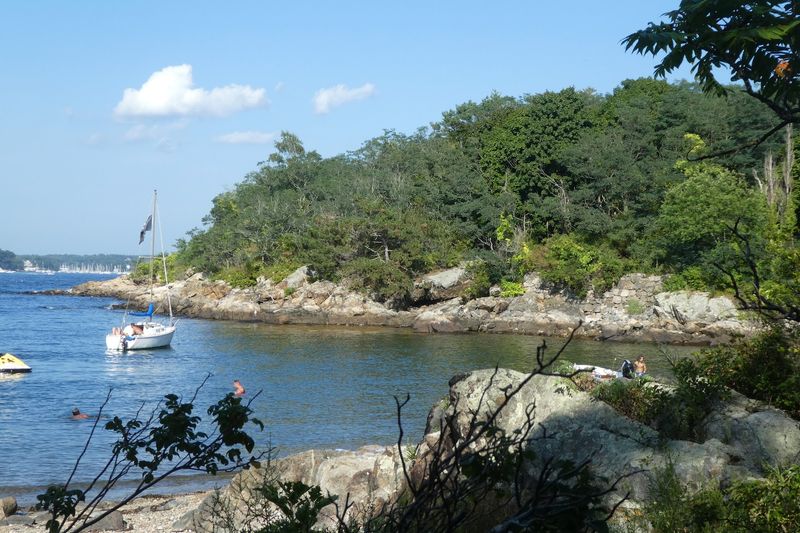
Do not let the name scare you off. Great Misery Island, floating in Salem Sound, is 83 acres of rugged beauty with more than two and a half miles of trails.
Paths wander through upland forest, small meadows, and along rocky shoreline. Aspen groves rustle overhead, and ocean overlooks appear right when your legs want a break.
The island once hosted an early 1900s resort, and the evidence is still scattered around. Ruins of a clubhouse, a tennis court, and guest cottages sit quietly among the trees like props from an old film set.
At low tide you can wade a shallow channel over to Little Misery Island, a four-acre companion. On its beach, remains of the steamship City of Rockland rest in the sand, a wreck brought there long ago.
Nature lovers get plenty to study. Conifers and hardwoods support a surprising range of fungi and lichens, which makes slow walking worthwhile.
Access comes by boat, dinghy, canoe, or kayak, and the paddle out delivers fine views of Salem Sound and the North Shore. Massachusetts history buffs will appreciate the Salem skyline in the background.
No shops exist here, so pack your own lunch and water. Find a flat rock and enjoy the silence.
4. Crowninshield Island, Marblehead
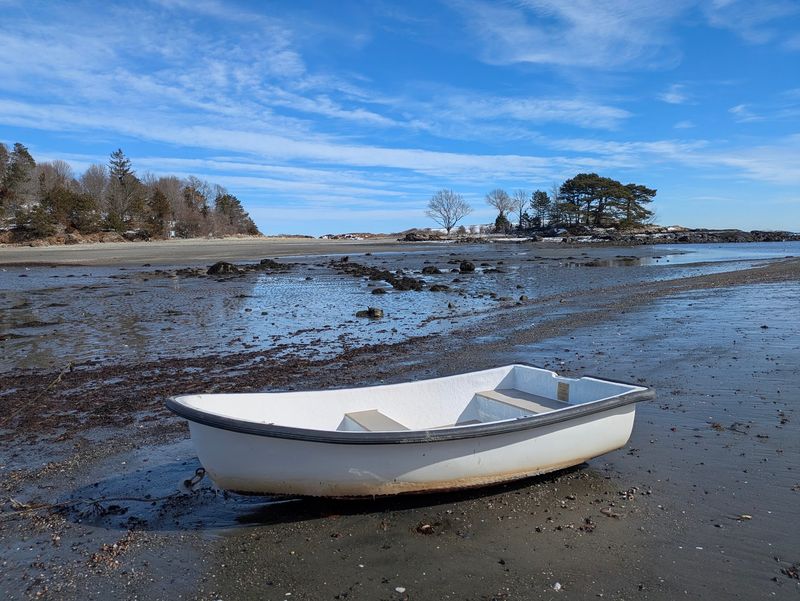
Tide charts become very interesting when you learn you can walk to an island. Crowninshield Island in Marblehead is small, sweet, and reachable on foot across shallow water at low tide.
The layout is simple: a sandy beach, a small open field, and a wooded hilltop. That is the whole place, and somehow it is enough.
Tide pools steal the show. They fill with shells and tiny sea creatures, turning the shoreline into a free aquarium for curious kids and equally curious adults.
A short loop trail circles past rocky outcrops. Along the way you get views of Marblehead Harbor, nearby islets, and the historic 17th-century Fort Sewall standing guard on the mainland.
The south-facing lawn is the obvious picnic winner. Sun hits it for most of the day, and boats drift by to keep you entertained while you eat.
Boaters can anchor and row a dinghy ashore. Everyone else should check the tide schedule twice, because coming back matters as much as getting there.
Since there are no facilities, bring water, snacks, and a bag for your trash. Late August afternoons here feel unhurried, which is exactly the point of visiting a quiet Massachusetts island in the first place.
5. Choate Island, Essex
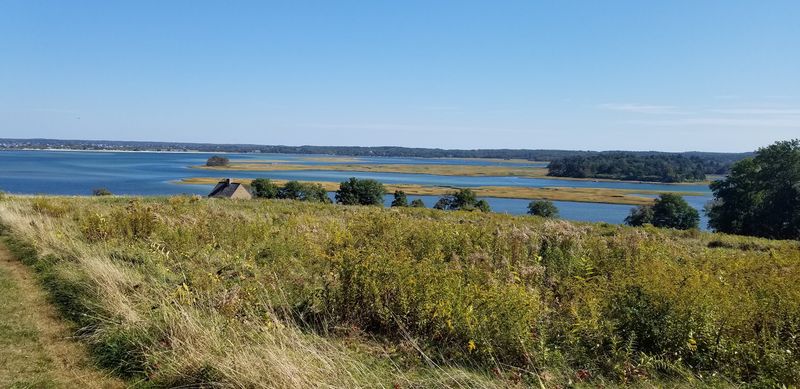
Rolling hills on an island feel like a small geological joke, and Choate Island delivers two of them. Also known as Hog Island, it sits in Essex as part of the Crane Wildlife Refuge.
The land is mostly wild and undeveloped. Drumlins rise out of salt marsh, and woodlands fill in the rest, creating a landscape that looks older than the boats passing nearby.
Migratory birds use the island heavily, and local wildlife moves through the quiet without much interruption. Binoculars earn their place in your bag here.
Trails run through varied terrain, from grassy slopes to shaded stretches under trees. Views open toward the Essex River and the wide marshlands that make this corner of Massachusetts so photogenic.
Getting there usually means a boat or kayak trip, and access can be seasonal. That extra effort is exactly why the island stays peaceful in late August.
There are no commercial buildings, no snack stands, no distractions. Conservation comes first, and visitors are guests in a protected space.
Pack food, water, and sturdy shoes, then plan your paddle around the tides. Reach the top of a drumlin on a clear afternoon and the whole marsh spreads out below you, glowing green and gold.
6. Washburn Island, Falmouth
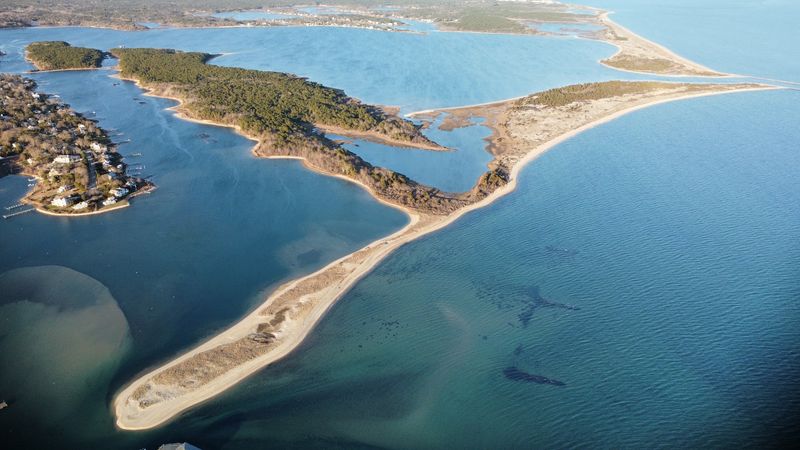
Camping on an island with no stores sounds extreme until you try it once. Washburn Island near Falmouth makes it possible, and the reward is a night with almost no artificial light.
The island sits inside the Waquoit Bay National Estuarine Research Reserve, which explains its untouched condition. Scientists study these waters, and the protection shows.
Sandy beaches wrap around coastal woodlands and salt marsh. The mix of habitats keeps a short walk interesting, since the scenery changes every few minutes.
Designated campsites are the main draw for overnight visitors. Day trippers come for swimming, fishing, and long stretches of shoreline that rarely feel crowded.
Birdwatchers do well here. Marsh edges and woodland borders attract a range of species, especially during late summer migration.
Access is by boat or kayak, so the paddle across Waquoit Bay becomes part of the adventure. Calm mornings are the smartest time to cross.
Nothing is sold on the island. No spigots, no snack bar, no forgotten-item rescue, which means your packing list matters more than usual.
Bring extra water, sunscreen, and a headlamp. Then sit on the sand at dusk and watch the Cape Cod sky do its slow color show without a single ferry horn interrupting.
7. Peddocks Island, Boston Harbor
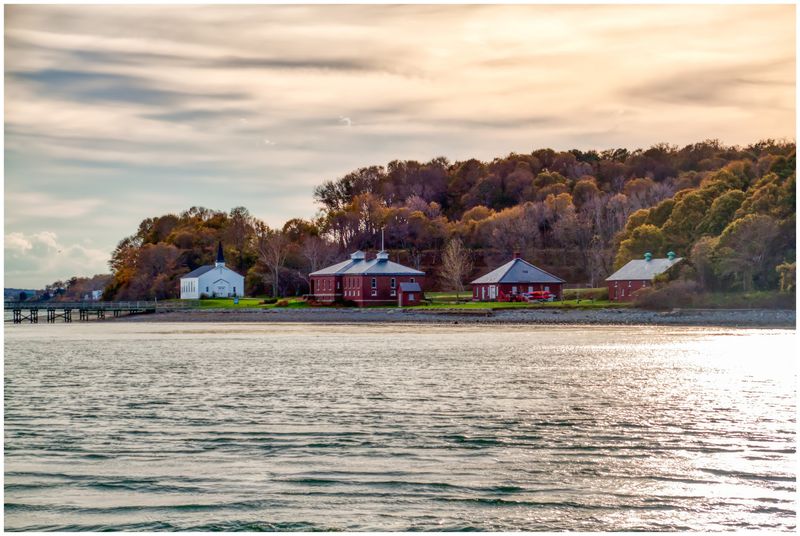
Few islands offer forts, yurts, and frisbee golf in one visit. Peddocks Island does, and it is one of the largest and most varied stops in Boston Harbor.
Size shifts with the tide, from 184 acres at high water to 288 at low. Four separate headlands connect through natural sand and gravel bars called tombolos, giving the island the longest shoreline in the harbor group.
History sits everywhere. Fort Andrews served from the early 1900s through World War II, and its brick ruins still line the paths.
A restored World War II era chapel stands near the coast, beautifully cared for.
Habitats range from marshes and ponds to coastal forest. Deer and turkeys roam freely, often surprising hikers who expected only seagulls.
Activities pile up quickly: hiking trails, fishing or crabbing off the pier, and a round of frisbee golf. Adirondack chairs face the water for anyone who prefers sitting to sprinting.
Overnight guests choose tents or yurts. A visitor center offers exhibits, and restrooms, fresh water, picnic tables, and charcoal grills are all available.
No food stands operate here, so load a cooler before the ferry. Grilling dinner with the Boston skyline in view is a solid Massachusetts flex.
8. Cathleen Stone Island, Boston Harbor
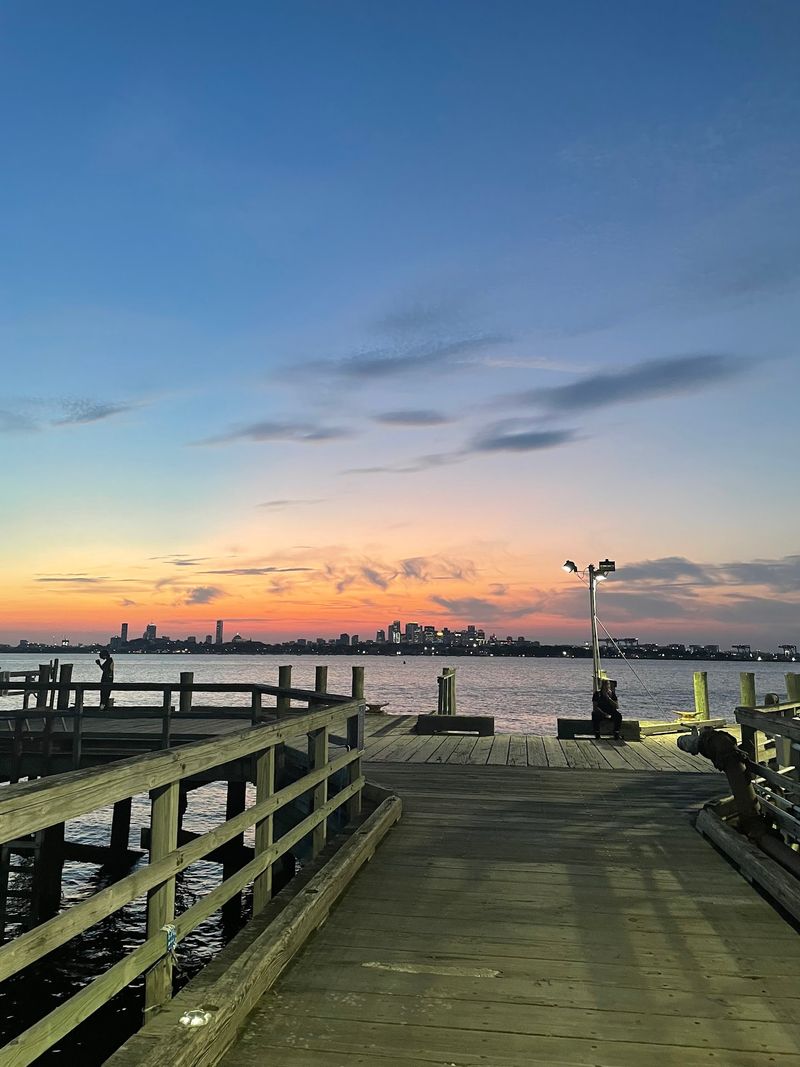
Once known as Thompson Island, this Boston Harbor spot now carries the name Cathleen Stone Island. The scenery, thankfully, has not changed a bit.
Salt marshes spread across a large share of the land. Flowering meadows and fruit trees fill in the rest, making it one of the greener harbor islands.
Wading birds love the marsh edges. Herons and egrets show up regularly, standing still until they decide otherwise.
Trails lead to Coolidge Meadow and Challenge Field, both wide open and breezy. At the southern end sits an old cemetery, a quiet reminder of the island’s long history.
An Outward Bound campus operates here, running leadership and environmental programs for students. That educational mission gives the island a purposeful, well-tended feel.
Public visits happen on select Saturdays, so checking the schedule before planning is essential. Once ashore, you explore trails, marsh, meadows, and shoreline at your own pace.
Amenities include restrooms, drinking water, hiking trails, and picnic areas. Food is not sold anywhere on the island, which means sandwiches come from home.
Bring bug spray for the marsh sections and a good pair of shoes. Then find a meadow bench, watch an egret hunt, and enjoy one of the calmest views near the city.
9. Plum Island, Newburyport And Newbury
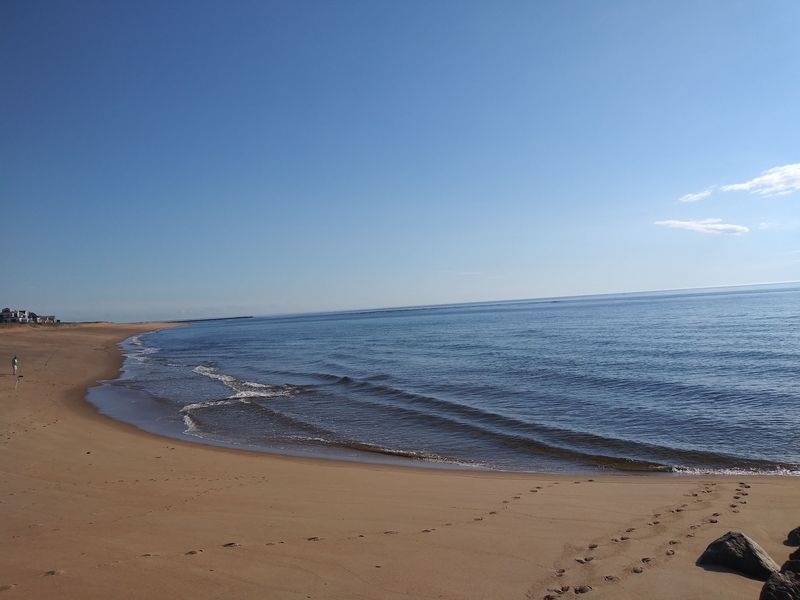
Barrier islands rarely offer both solitude and a great lobster roll. Plum Island, shared by Newburyport and Newbury, manages both without breaking a sweat.
Wide sandy beaches run for miles, backed by shifting dunes and rich salt marsh. Much of the island belongs to the Parker River National Wildlife Refuge, which protects habitat for migratory birds and other wildlife.
That protection keeps things peaceful away from the developed northern end. Boardwalks and trails wind through coastal landscapes built for slow walking and long camera lenses.
Late summer visits bring sweeping ocean views and stretches of sand where footprints are scarce. Birdwatchers arrive early and stay late.
Dining options are genuinely good. Plum Island Grille at 2 Plum Island Turnpike in Newburyport is a longtime local favorite.
P.I. Beachcoma at 23 Plum Island Turnpike in Newbury keeps things casual and beach-friendly.
Bob Lobster at 49 Plum Island Turnpike in Newbury handles the classics: golden fried seafood, award-winning lobster rolls, and hearty chowder. Take-and-bake seafood pies and lobster macaroni and cheese travel well too, and it opens daily from 11 AM to 8 PM.
Plum Island Provisions at 29 Plum Island Turnpike serves deli-style steak sandwiches. The Sunset Club at 4 Old Point Road welcomes families with first-come seating.