
One Of America’s Most Incredible Animal Sanctuaries Is Right In Massachusetts, And You’ll Want To See It
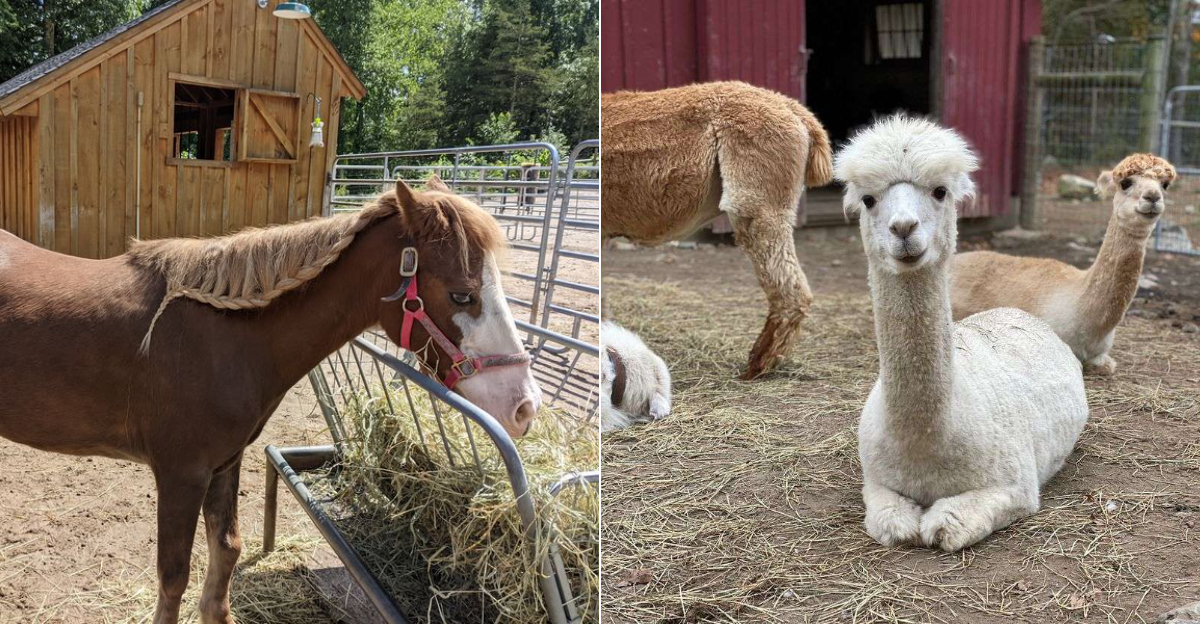
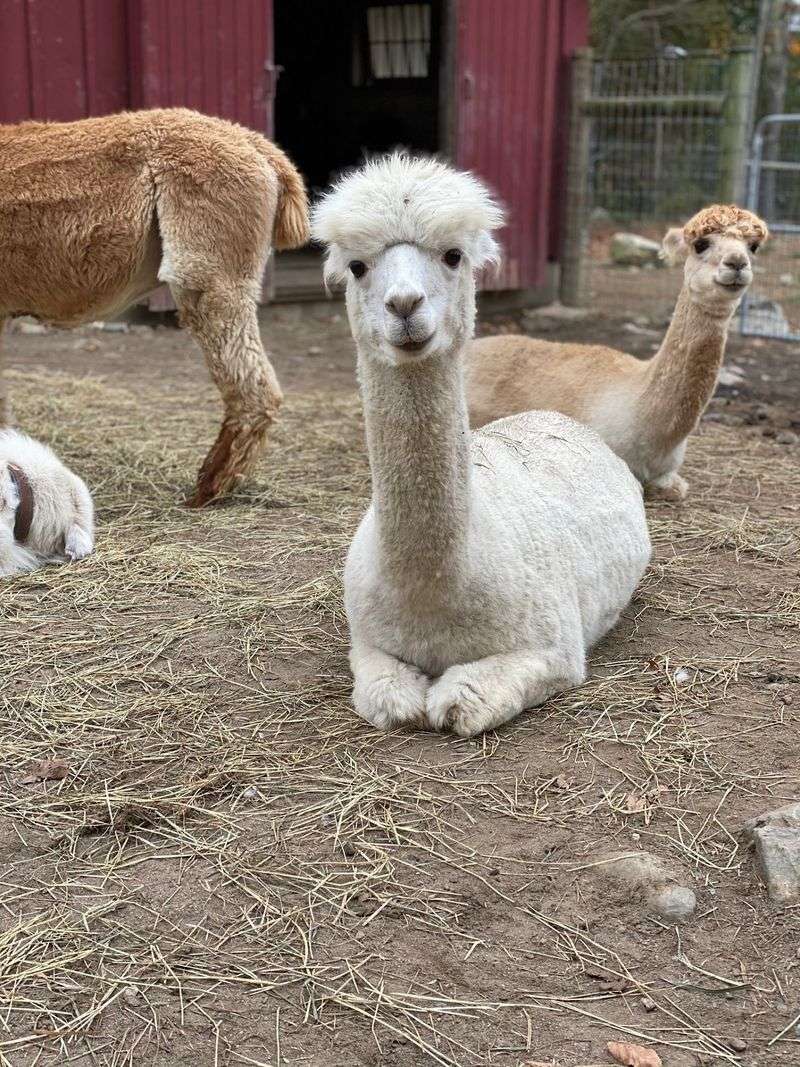
A llama might study your face, a rooster could strut past your boots, and a shaggy Highland cow may lean in for a scratch. In Massachusetts, more than 225 rescued animals live across 70 acres of woods and meadows, each with a name, a history, and plenty of personality.
What would you do if your morning walk came with curious alpacas, friendly donkeys, noisy geese, and a very opinionated turkey? Public trails wind through the property, including connections to the Bay Circuit Trail, while guided tours offer a closer look at the animals and their stories.
Families can join storytime walks, teens can volunteer, and travelers can spend a few peaceful hours around animals that have found a safe home. Tours run from March through December and can fill quickly during summer, so planning ahead is smart.
Bring closed-toe shoes and curiosity, then slow down and enjoy an experience that is anything but ordinary. You may leave with a favorite animal, a great story, and a much bigger smile.
A Compassionate New Beginning
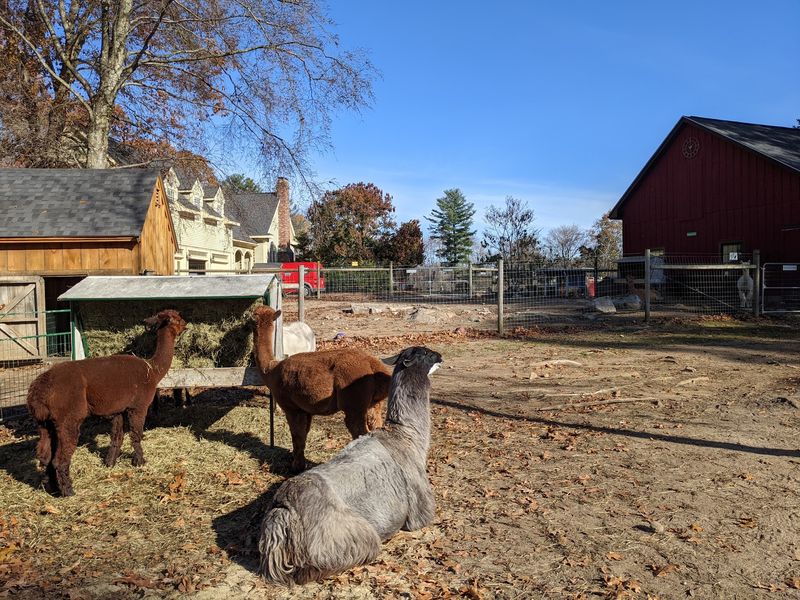
Unity Farm Sanctuary opened its gates in December 2016 with one mission: give farmed animals a safe home for life. Today more than 225 rescued residents live on the property.
The lineup reads like a barnyard dream team. Alpacas and llamas, horses, ponies, miniature horses, sheep, cows, goats, pigs, and donkeys all share the land.
Then come the feathered folks: chickens, ducks, geese, guinea fowl, and turkeys.
Each animal arrived with a backstory. Some came from difficult conditions, others from owners who could no longer care for them.
Nobody here is a number on a chart.
That is the heart of the place. Staff and volunteers learn every quirk, every favorite scratching spot, every food preference.
Miss Maxine the llama, for instance, has earned a reputation as the resident diva.
Beyond animal care, the non-profit runs education programs and works to spread a culture of kindness across Massachusetts communities. Learning happens naturally while you walk and watch.
Visitors frequently describe leaving with a changed outlook. Seeing a cow stretch out in the sun for a nap does something to a person.
Photos are welcome, and the animals rarely mind posing. The Highland bovines in particular seem to enjoy attention.
Wander The Forest Trails
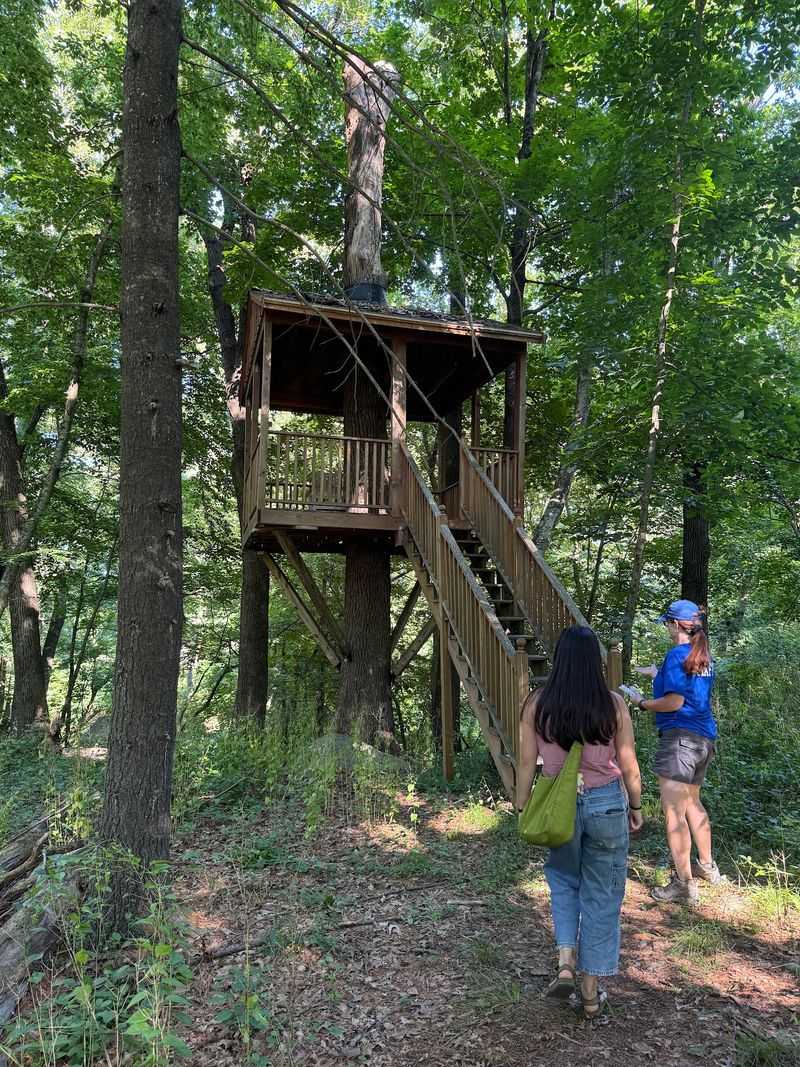
Not every visit has to include a guided tour. The sanctuary keeps public walking trails open year-round, free to explore from dawn until dusk.
Paths wind through woods and open meadows across roughly 70 acres. They also connect with the Bay Circuit Trail, a much longer route that threads through eastern Massachusetts.
Wild neighbors share these woods. Wild turkeys, deer, foxes, raccoons, opossums, fisher cats, coyotes, bobcats, and even bears move through the forest.
Most of them keep their distance. Still, walking quietly increases your chances of spotting tracks, feathers, or a deer freezing mid-step in the brush.
Dogs are welcome on the trails as long as they stay leashed. They cannot enter the animal rescue areas, and that rule protects the residents who have already been through enough stress.
Trail conditions shift with the seasons. Spring brings mud and birdsong, autumn delivers color that rivals anywhere in Massachusetts, and winter turns the meadows into wide white silence.
Sturdy shoes make a real difference. Roots and rocks appear where you least expect them.
Benches and quiet clearings invite you to sit a while. Many walkers say the stillness here works better than any meditation app.
Meet The Rescues Closely
The Kindness and Compassion Sanctuary Tours are the main event. Running March through December, each guided walk lasts about an hour.
A guide leads you through the grounds and introduces the residents one by one. You hear where they came from and how they are doing now.
Stories land hard sometimes. One visitor described feeling emotional after learning how animals from the dairy and meat industries arrive with lasting health problems.
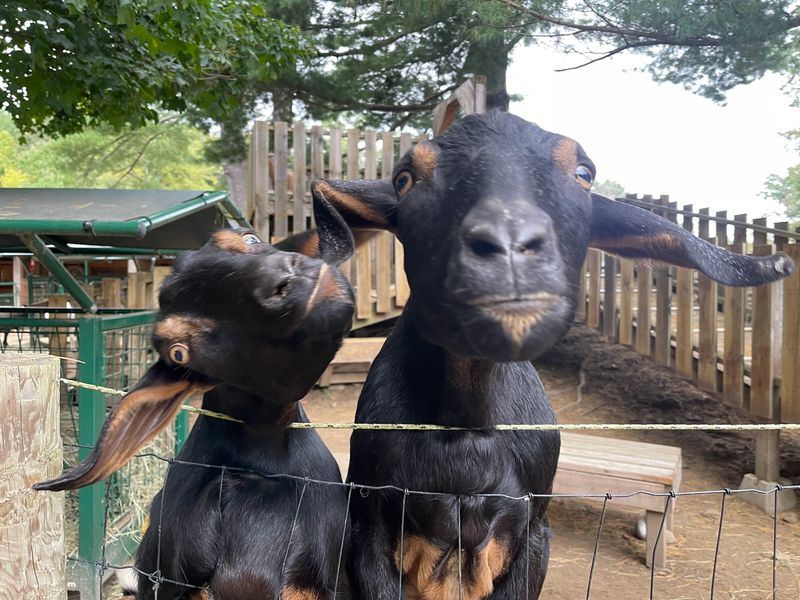
Then there are the lighter moments. Goats headbutting each other for attention, pigs snoring in the shade, a rooster deciding your shoulder looks comfortable.
Remember, this is a sanctuary and not a petting zoo. Many residents follow special diets, so visitors are asked not to feed them anything brought from home.
Interaction still happens plenty. Tour guides share safe ways to greet the animals and often provide approved treats like lettuce during the walk.
Drop-in visits to the main animal care zone are not allowed. Tickets sell out quickly during summer in Massachusetts, so booking early is smart.
Groups stay small on purpose. That keeps things calm for the animals and gives you room to ask questions.
Which resident’s story do you think will stick with you longest after you head home?
Programs Built For Everyone
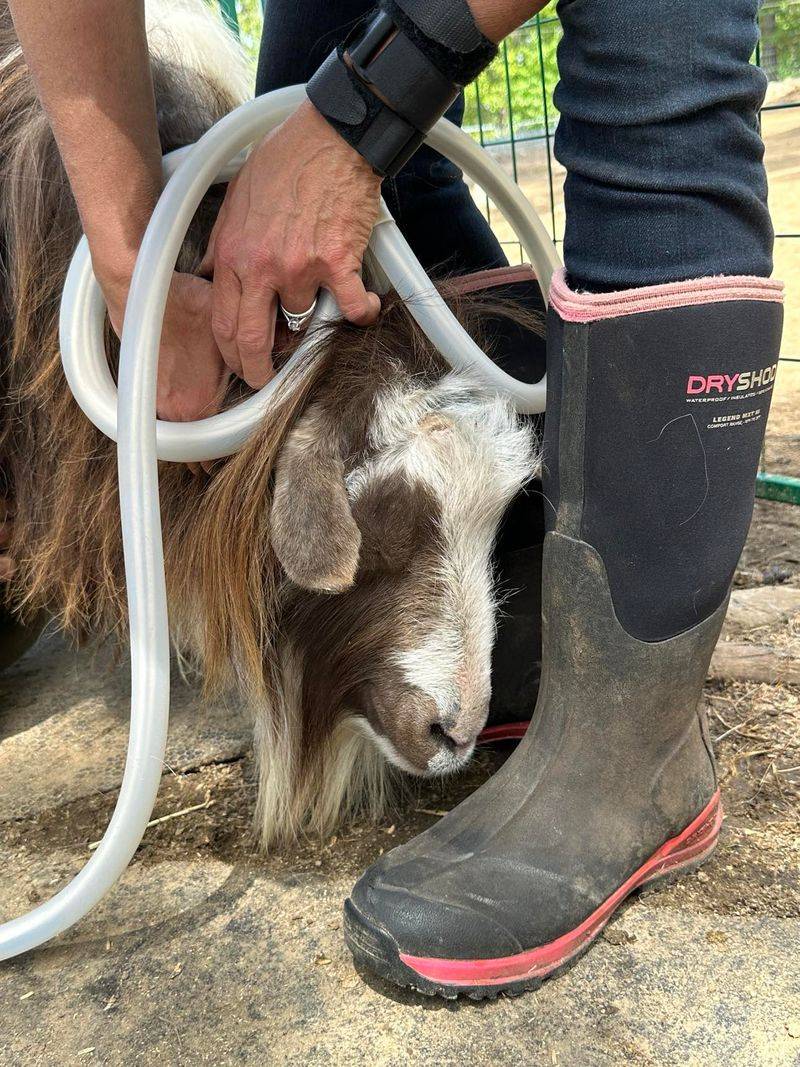
Twenty different visitors have mentioned volunteering here, and that says something. People show up once and keep coming back.
Adults can sign up for regular shifts. Veterans and active-duty personnel have their own pathways, and students aged 10 to 14 may join when an adult comes along.
Humane education workshops dig into how animals think and feel. Programs like LEAP Changemakers and LEAP Kids turn that learning into action.
Girl Scout troops earn badges through specially designed sessions. One parent brought a troop and left considering the volunteer program with her eleven-year-old.
Wellness and creativity retreats offer a slower pace. Imagine sketching or practicing yoga while alpacas graze in the next field.
Cannot make it to Massachusetts? Virtual tours and animal cameos bring the residents to classrooms and groups anywhere.
Plant-based groups have toured together and called the presentations eye-opening. Educational content sits right alongside the animal time.
Volunteers often talk about a sense of peace and acceptance they found here. Mucking stalls sounds like work until you realize a donkey is watching you do it.
Schedules and sign-ups live on the sanctuary website, which is worth reading before you plan anything.
Adventures For Young Explorers
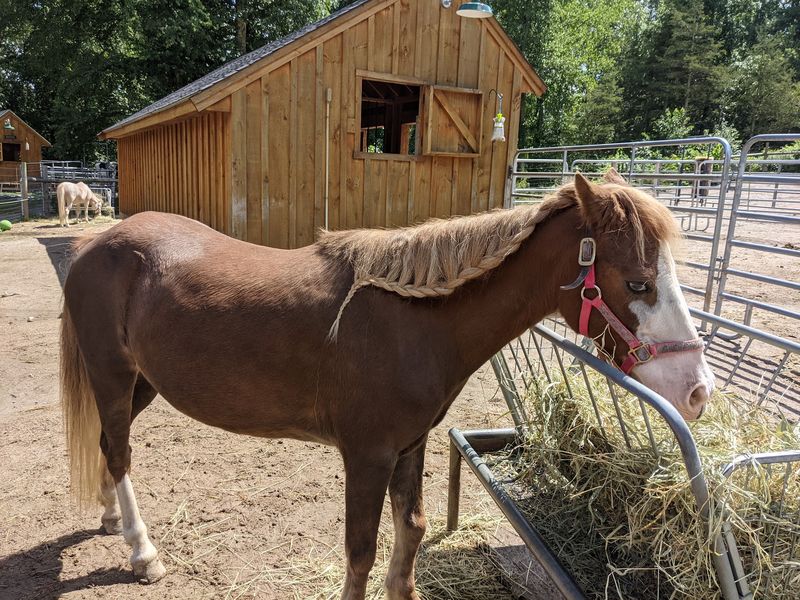
Little kids and farm animals belong together, and the sanctuary built a whole program around that idea. Preschool Storytime Tours mix a book or two with a short, age-appropriate walk.
Sessions last about 45 minutes. That timing fits small attention spans just right.
They run weekly on most Tuesdays and Sundays from April through November. Every child needs a ticketed adult along for the ride.
Stories happen outdoors, often with curious chickens wandering nearby. Kids listen, then go meet some of the animal residents in person.
Parents report that these visits stick. One family celebrated a seventh birthday here and called it a memory they will keep for years.
For families wanting more, The Sanctuary Forest School offers outdoor preschool programs. Learning happens in the fresh air, with mud, leaves, and real animals as teaching tools.
Younger toddlers do fine too. Visitors have brought two-year-olds and grandparents on the same outing without any trouble.
Dress kids in long pants and closed-toe shoes. Farms are wonderfully messy places.
The mix of quiet story time and lively animal meetings creates a rhythm that keeps children happy rather than overwhelmed. Few attractions in Massachusetts pull that off so smoothly.
Joyful Seasonal Celebrations Await
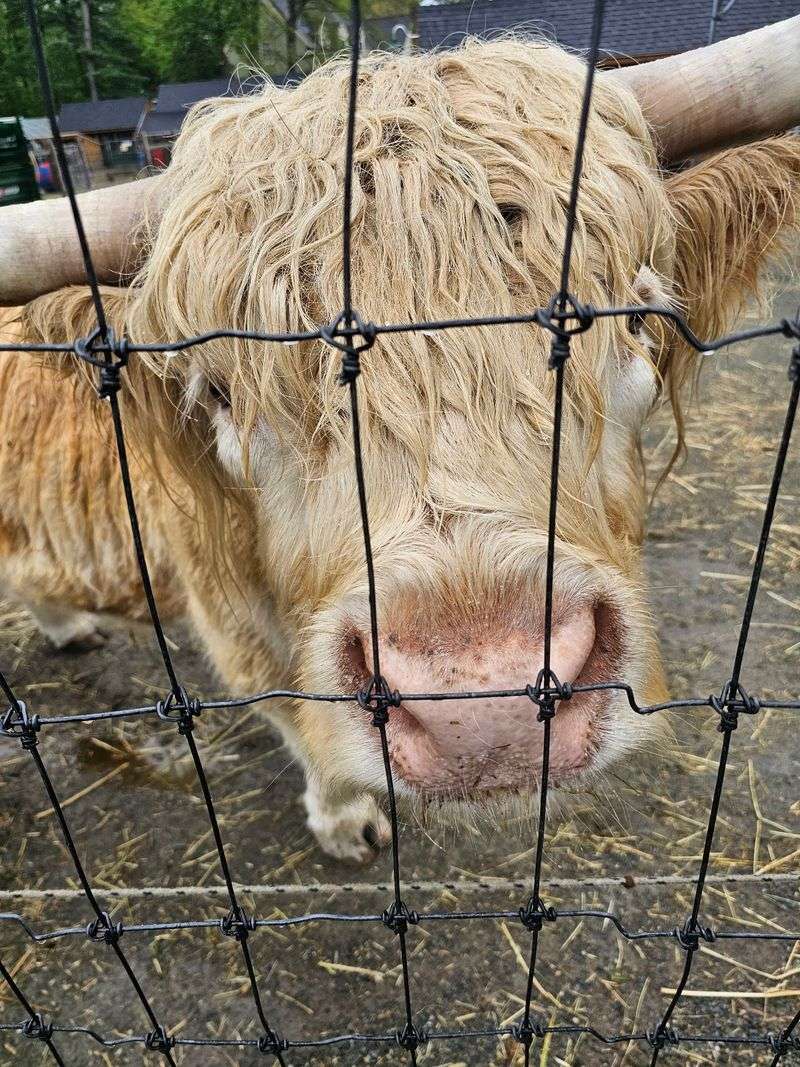
Dudley the Scottish Highland Bovine gets a birthday party every June, and yes, it is a real event. Dudleyfest brings music, face painting, vendors, and self-guided open house visits.
Shaggy, horned, and unbothered by crowds, Dudley handles his fame well. Visitors call him and the other bulls absolutely adorable.
Autumn brings Thanksliving, a celebration that flips the usual November script. Turkeys are guests of honor rather than menu items.
One tourist attended a turkey celebration and said the farm stayed in her thoughts a full month later. That is the kind of impression these gatherings leave.
Event days work differently from standard tours. Open house formats let you roam at your own speed and linger wherever you like.
Tickets for special events go fast. Checking the sanctuary calendar early in the season is your best move.
Vendors and activities make these days great for larger families. Kids who might fidget on a guided walk have room to move.
Kindness You Can Feel
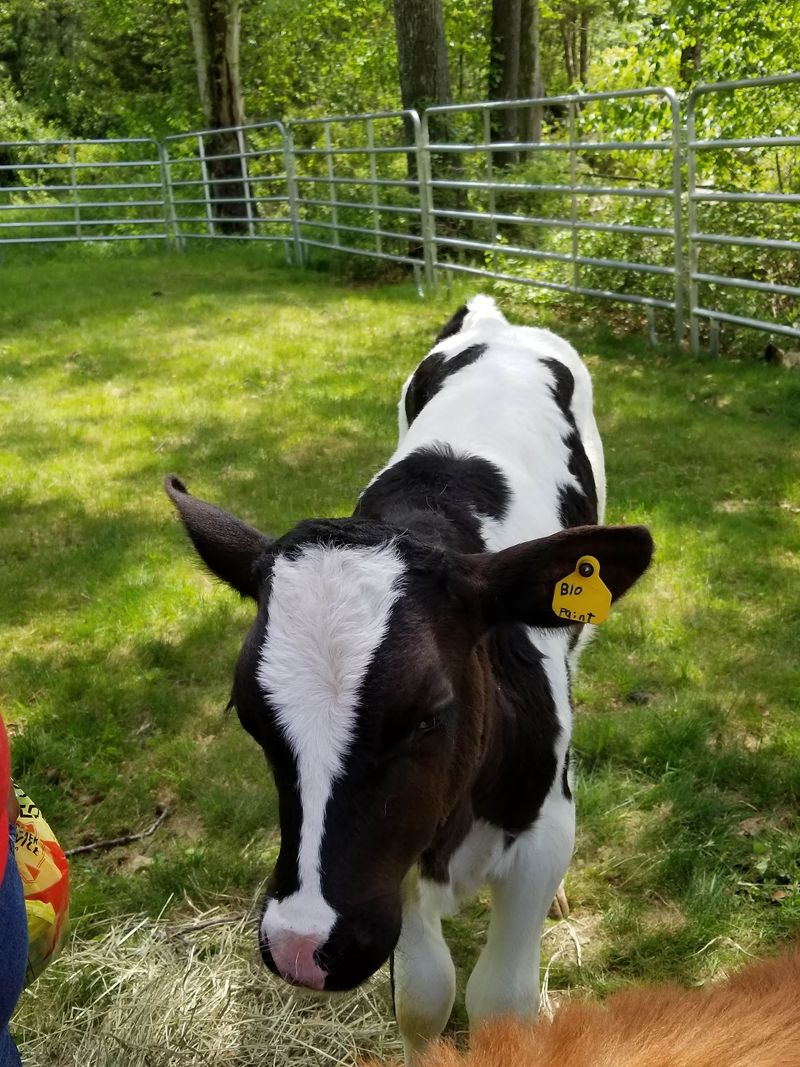
Something shifts when you look a rescued cow in the eye. Visitors describe it over and over, that moment of recognizing an individual rather than a farm animal.
The sanctuary calls this its culture of kindness and connection. Everything on the property points toward it.
Guests say the grounds help them reconnect with nature. Phones go in pockets, shoulders drop, breathing slows.
Volunteers speak about acceptance too. The environment welcomes people of every age and background without fuss.
One tourist put it plainly, saying places like this motivate better food choices. Nobody lectures you at the gate; the animals simply make their case by being themselves.
Kids often lead the way in this. Watch a seven-year-old meet a pig for the first time and you will see pure delight.
Some visitors have held a rooster or a turkey during their tour. Feathers are softer than most people expect.
Staff and volunteers at 17 Unity Ln, Sherborn, MA 01770, clearly love the work, and that energy is contagious. The enclosures are roomy and clean, and the residents look genuinely pleased to see people.
Massachusetts offers museums, beaches, and mountains, yet this stop delivers something rarer: a fresh way of seeing living creatures.
Smart Tips Before Arriving
A little preparation turns a good visit into a great one. Start with the sanctuary website, since several tourists said reading it first helped them plan properly.
Each household must print and complete a consent form. Bring it with you on tour day, filled out and ready.
Arriving early matters because tours begin promptly. Latecomers miss the introduction and sometimes the tour itself.
Dress for farm terrain. Long pants plus closed-toe shoes or boots keep you comfortable around hay, mud, and hooves.
Warm months call for a closed container of drinking water. Shade exists, but you will be walking outdoors the whole time.
Tours run rain or shine, pausing only for genuinely dangerous weather. Pack a rain jacket in spring and fall.
Pets stay home, even well-behaved ones, though leashed dogs may join you on the public trails.
As a vegan sanctuary, the property asks visitors not to bring animal products of any kind. No meat, eggs, or dairy on the grounds.
Plenty of on-site parking makes arrival easy. Cameras are welcome, and live webcams on the website let you check in on your favorites later.
Walk-in visits reach only limited areas, so reserved sessions give you the full Massachusetts experience.
What is the first thing going into your bag?