
The Same Smoking Method Since 1962 Defines This South Carolina BBQ Spot
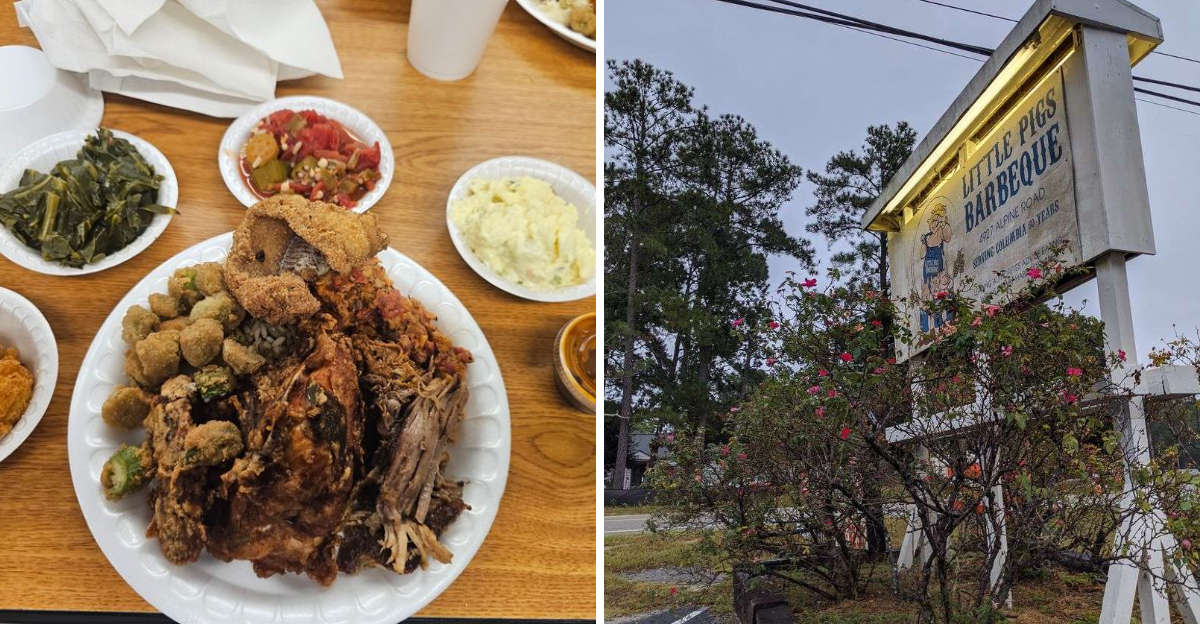
One smoking method. Six decades of zero shortcuts.
Hickory smoke curls through the dining room while trays refill before anyone notices they ran low. Pork gets marinated overnight, then smoked a second time for extra bark.
Trays reset with steady timing. Second trips barely raise an eyebrow around here.
South Carolina loves to fight about sauce, and here all three regional styles wait for you to pick a favorite. Mustard, tomato, and vinegar pepper each tell a different story about the state.
Southern sides pile up fast, from creamy mac and cheese to smoky collards and banana pudding everyone raves about. That kind of South Carolina tradition rewards patience over rushing.
Curious how six decades of consistency actually tastes? Bring your appetite and find out for yourself.
A Barbecue Story That Began In 1962
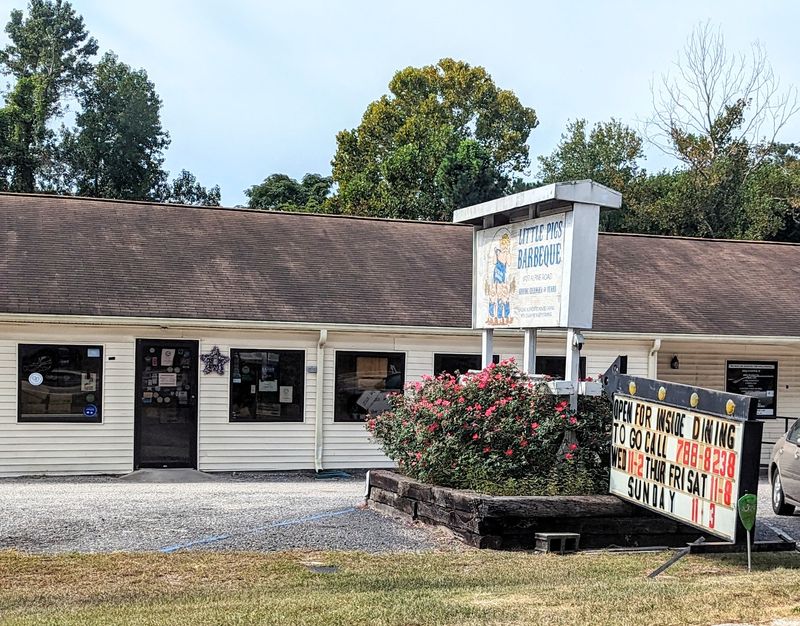
Sixty-plus years in one line of work builds real muscle memory. Little Pigs Barbecue opened in 1962 as part of a franchise group that started in Memphis.
That parent chain eventually ran into trouble. The Columbia location kept going on its own terms.
Independence turned out to be a good thing. The kitchen answered to local tastes instead of a corporate playbook.
The Alpine Road building has served as home since 1978. Decades in one spot give a restaurant a certain steadiness.
Regulars know the layout without thinking. Newcomers pick it up in about a minute.
History here shows up in the food, not in framed decor. The smoking method stayed the same while menus elsewhere came and went.
Expect a plain dining room and a focus on plates rather than presentation. That trade-off suits the crowd just fine.
Anyone curious about South Carolina barbecue tradition gets a straightforward lesson. The lesson arrives on a buffet plate.
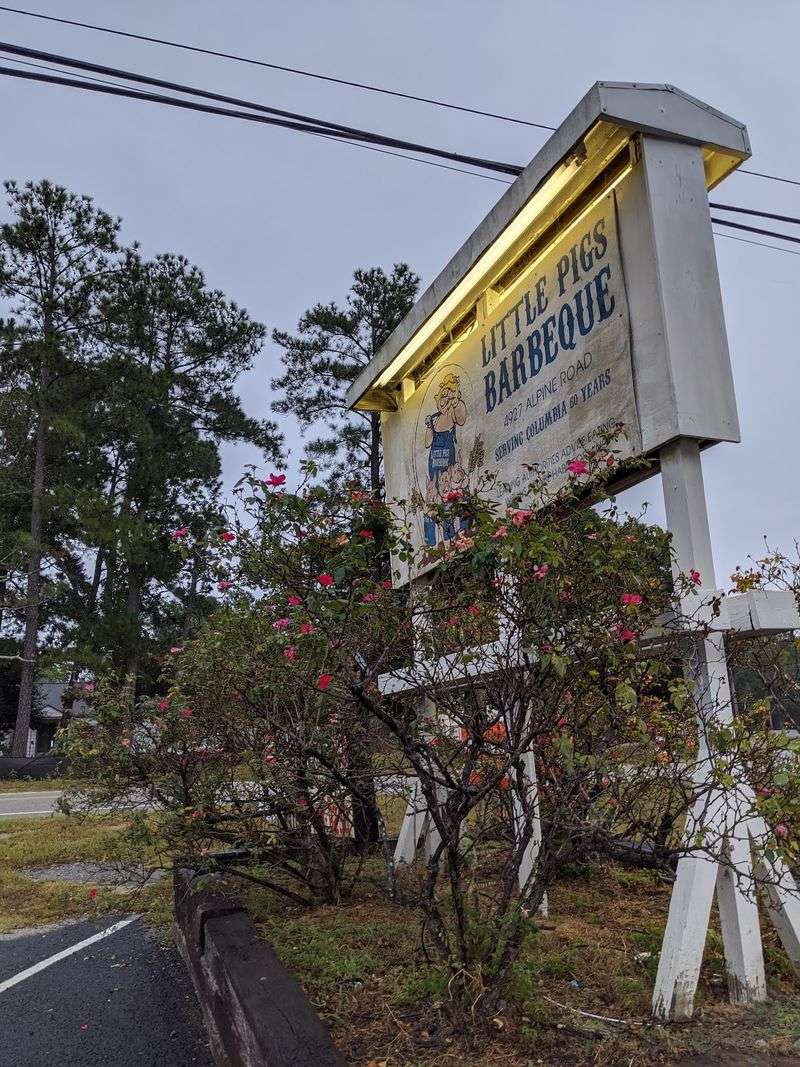
Plan a relaxed visit rather than a quick stop, since the pacing rewards patience. Little Pigs Barbecue sits at 4927 Alpine Rd, Columbia, SC 29223.
Hickory Wood And Nothing Else
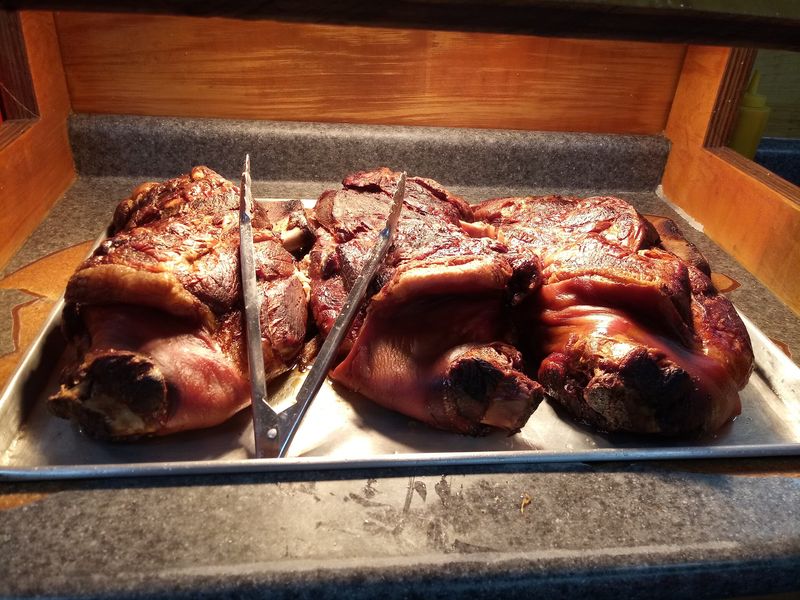
Wood choice changes everything about smoked meat. Only hickory fuels the smokers at this Columbia barbecue house.
Hickory burns with a strong, slightly sweet character. It leans deeper than fruit woods and hits harder than oak.
Sticking to one wood keeps results predictable. Cooks learn its habits and adjust by feel.
That consistency matters on a buffet line. Trays refill often, so each batch needs to taste like the last one.
Smoke also carries differently depending on humidity and weather. Long experience helps the pit crew read those shifts.
Guests notice the aroma before the first bite. It drifts through the dining room in a low, steady way.
Anyone sensitive to heavy smoke should sample a small portion first. Preferences vary, and honest tasting beats guessing.
Pork carries hickory well, which explains its central place on the menu. Chicken and sausage take the smoke a bit differently.
Ordering advice stays simple here: try one plain piece of smoked pork before reaching for sauce. That first taste shows exactly what the wood contributes.
Tradition rarely tastes this direct.
Meat That Visits The Smoker Twice
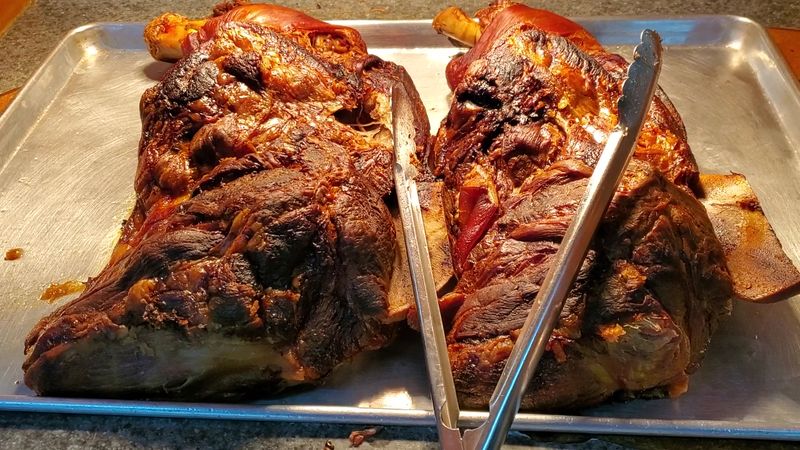
Once through the smoker is normal. Twice is the detail that sets this kitchen apart.
Before any smoke touches it, the meat sits in an overnight marinade. That slow soak works seasoning past the surface.
Then comes the first smoking session. A second round follows, building more bark and deeper flavor.
Double smoking takes planning. Nobody rushes a process built around long hours.
The payoff shows in texture. Pork pulls apart without much effort, and the outside keeps a bit of chew.
Repeating a method for decades creates a house style. Diners who grew up nearby recognize it immediately.
Practical tip for first-timers: watch which trays get refreshed while you wait. Fresh pans usually mean the best texture.
Portions come from a self-serve line, so start small and go back. Overloading a first plate wastes the chance to compare cuts.
The technique does not chase novelty. It simply repeats what worked in 1962.
That kind of stubborn consistency is rare in restaurant kitchens. Here it doubles as the main selling point.
Taste it and the reasoning becomes obvious.
The Buffet Line Runs Long
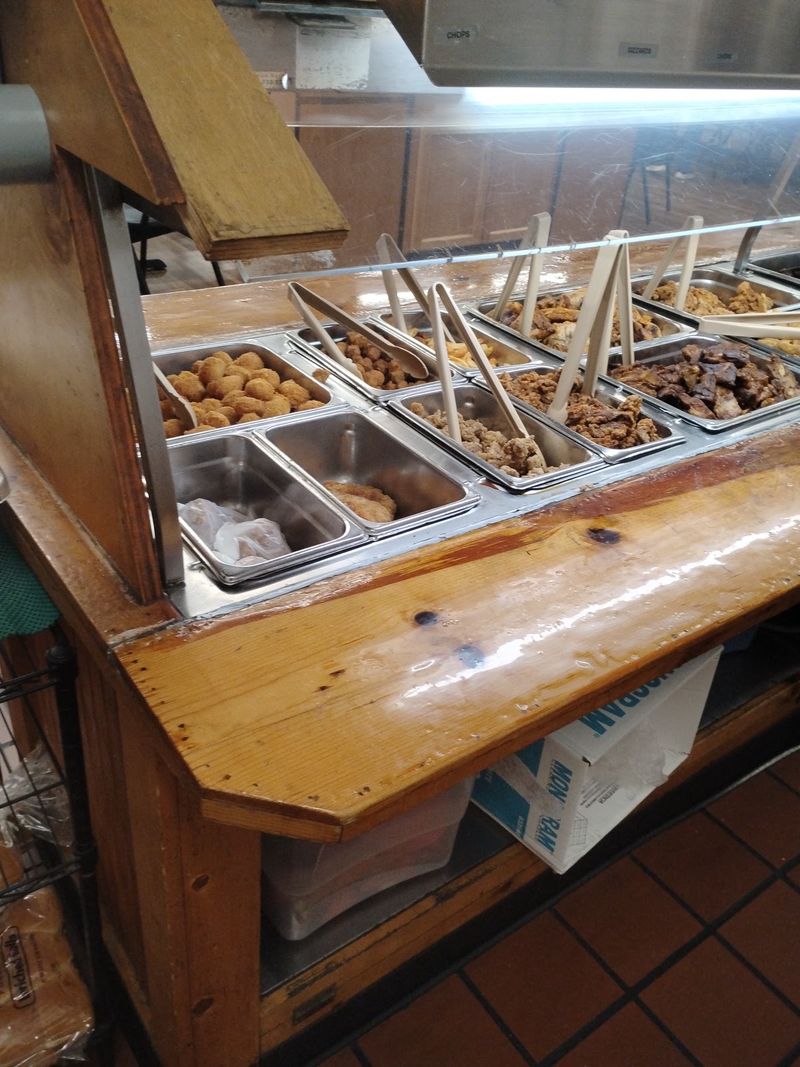
Hungry and indecisive? The buffet solves both problems at once.
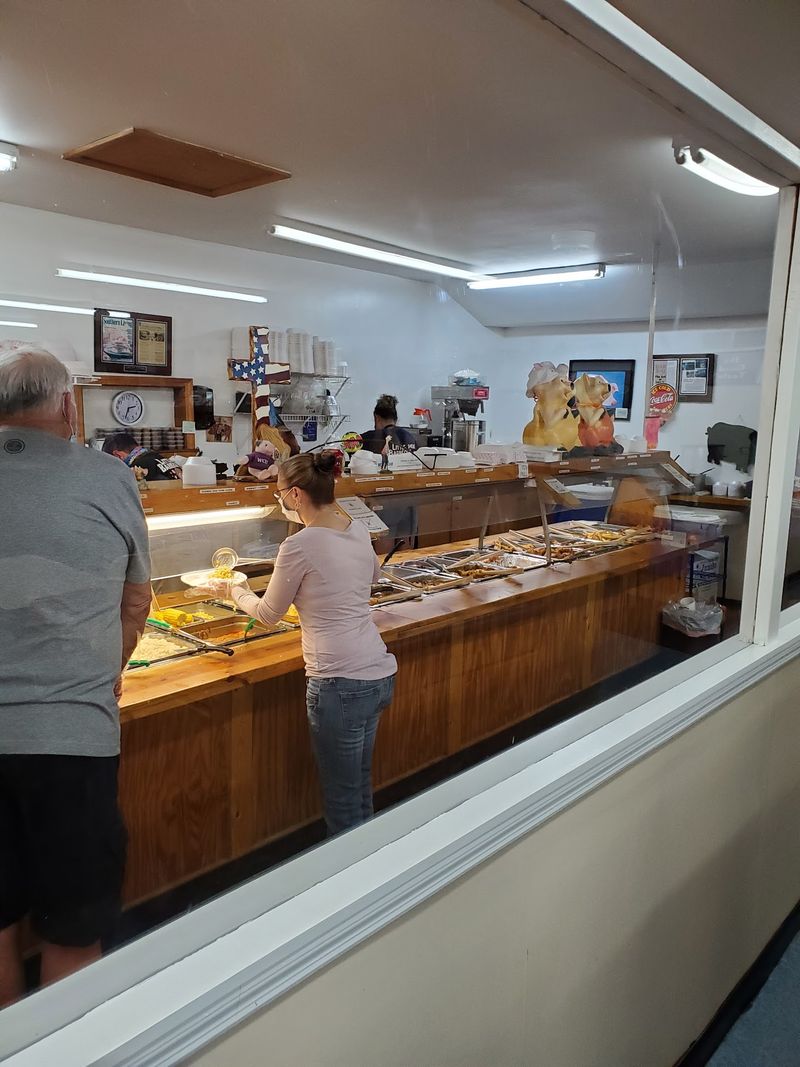
Trays stretch across meats, vegetables, and desserts. The all-you-can-eat setup covers lunch and dinner on open days.
Movement along the line stays brisk. Even when a crowd forms, things keep flowing.
Second trips are expected, not awkward. Most guests plan for them.
Service works on a split system. Staff handle drink refills while food stays self-serve.
Grab a plate, scan the whole line once, then decide. That quick loop prevents plate regret.
Midday visits often feel calmer than later stretches. Weekends can run busier, though it varies.
Groups fit comfortably thanks to larger tables. Families with kids blend right in.
Buffets live or die on turnover, and steady traffic here keeps pans moving. Fresher food is the direct result.
Dessert options exist but stay limited, so keep expectations modest. Banana pudding shows up frequently in conversation among guests.
Pace the meal instead of racing through it. The room encourages sitting a while.
Buffet dining at its most honest looks a lot like this.
Three Carolina Sauces On Standby
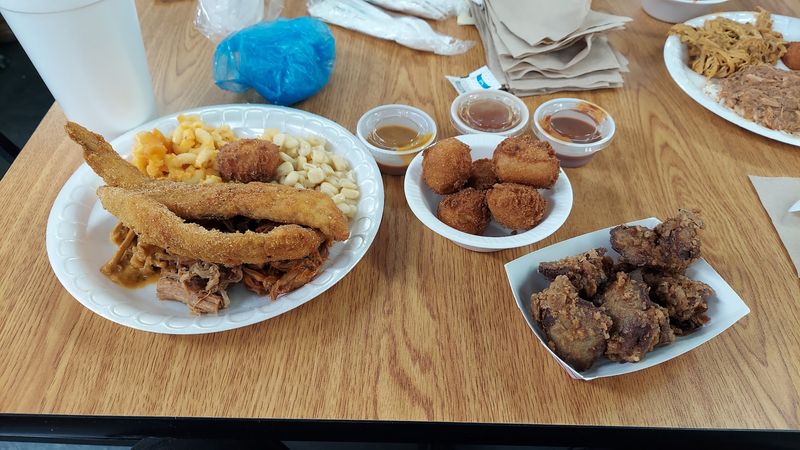
South Carolina argues about sauce more than most states. Here the argument gets settled by serving all three styles.
Mustard-based sauce leads the pack regionally. It brings tang, mild sweetness, and a savory finish.
Tomato-based sauce feels familiar to most visitors. Sweetness sits forward with spice underneath.
Vinegar-pepper sauce goes thin and sharp. It slices through rich pork in a hurry.
Trying all three on one plate is the smart play. Keep small pools separate rather than mixing them.
Start with the mustard version if the goal is local flavor. It represents the Midlands better than anything else.
Smoked pork also appears without sauce, which helps comparison. Taste plain first, then add.
Heat levels stay moderate overall. Anyone avoiding spice can lean tomato.
Sauce preference shifts with the meat, too. Chicken and pork respond in different ways.
Consider the sauce trio a short lesson in state geography. Each style traces back to a different part of South Carolina.
Few restaurants bother offering the full set. That choice reflects respect for regional habits.
Sample slowly and pick a favorite.
Pork Leads, But Options Keep Coming
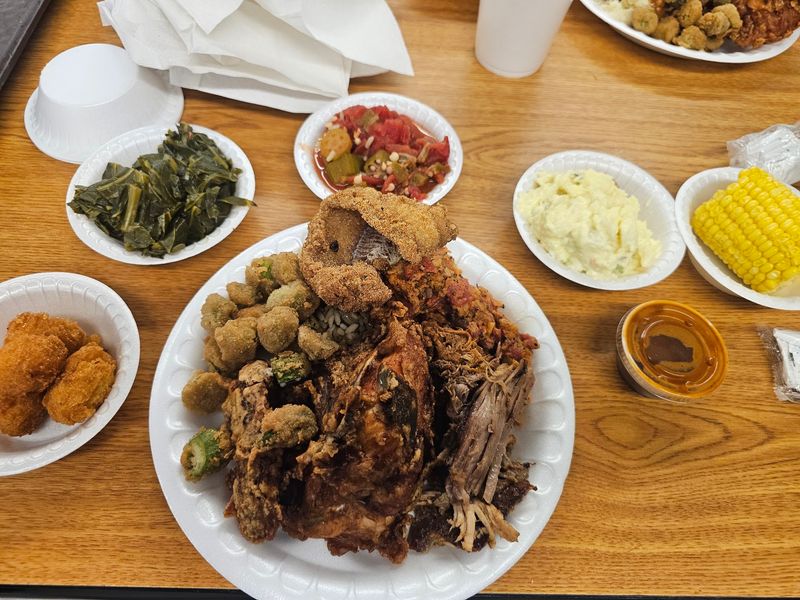
Pulled pork gets top billing, and rightly so. Still, the meat selection reaches further than newcomers expect.
Smoked sausage earns steady attention from regulars. Fried chicken holds its own beside it.
Barbecued chicken appears as well. Ribs turn up on the line depending on the day.
Fried fish rounds things out for guests who want a break from smoke. Availability shifts, so check the trays.
Variety like this rewards a strategy. Take small pieces of several meats before committing to seconds.
Textures differ sharply across the lineup. Smoked pork pulls soft while fried items stay crisp.
Plates fill fast, which surprises people. A modest first pass keeps room for the sides.
Anyone eating with picky kids benefits from the range. Fried chicken usually wins that vote.
The kitchen keeps output steady rather than fancy. Nothing arrives with garnish or fuss.
Offerings can rotate, so treat any single visit as a snapshot. Flexibility beats a fixed wish list.
Little Pigs Barbecue built its reputation on volume plus consistency. Both show up clearly at the meat trays.
Come curious and eat in stages.
Southern Sides Worth Saving Room For
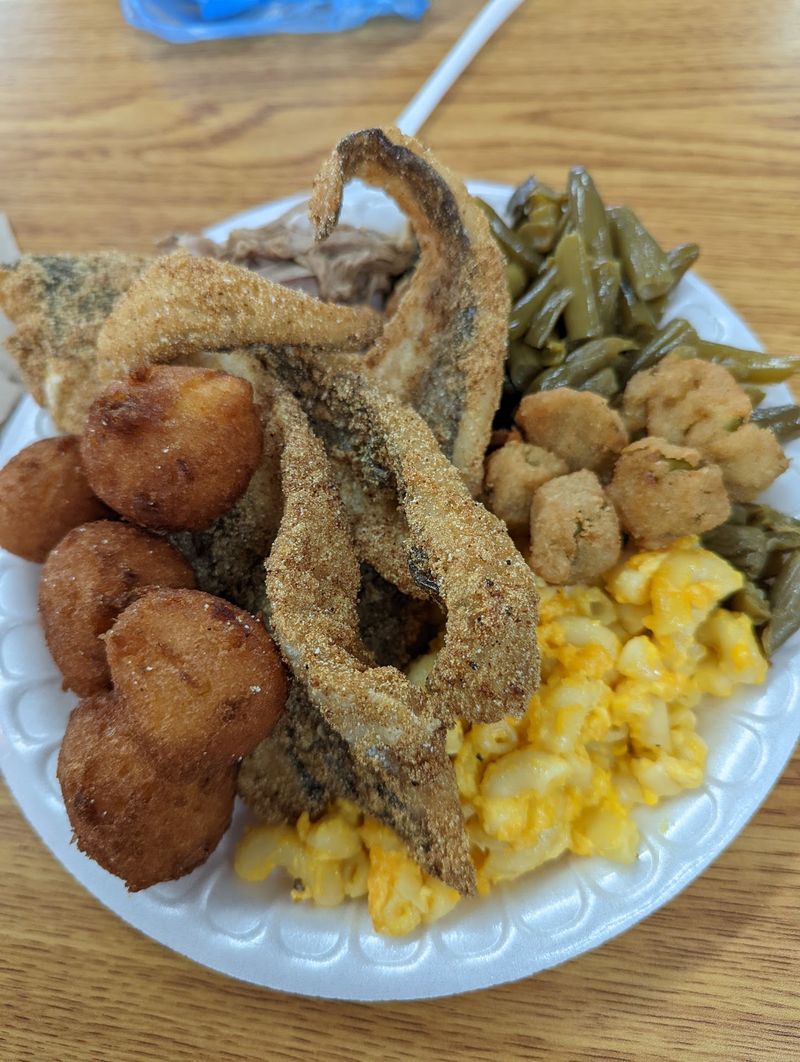
Skip the sides and the meal loses half its personality. Southern vegetables and starches fill a long stretch of the line.
Hash and rice counts as the most regional item there. That pairing rarely appears outside the Carolinas.
Collard greens bring a savory, slightly bitter edge. Macaroni and cheese offers soft comfort right beside them.
Hush puppies show up often in guest conversation. Fried okra adds crunch to a plate that leans soft.
Baked beans balance smoke with sweetness. Coleslaw and potato salad cool things down.
Candied yams lean dessert-adjacent. Some visitors treat them that way.
Building a good plate means mixing temperatures and textures. One cool side, one crisp side, one soft side works well.
Vegetable selection helps anyone eating lighter that day. Plenty of non-meat options sit within reach.
Portions stay in your control, which suits smaller appetites. Take a spoonful and return if it lands well.
Choices can change with the day and season. Nothing on a buffet is guaranteed permanent.
Country cooking done plainly still satisfies. These sides make the argument without effort.
No Frills, Plenty Of Comfort
Nobody comes here for mood lighting. Bright overhead light keeps the buffet trays easy to read.
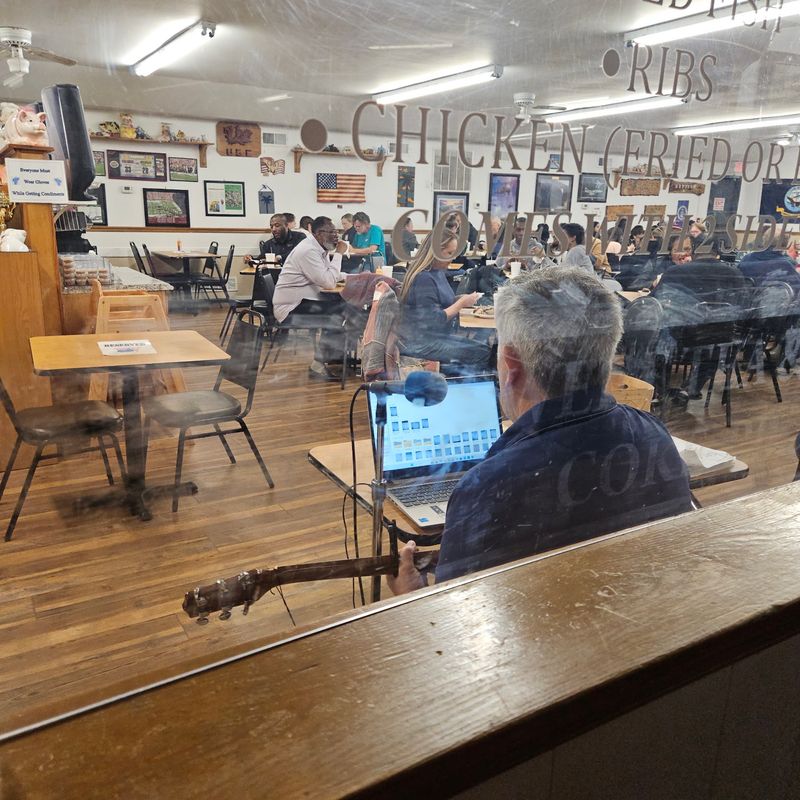
The dining room runs spacious and simple. Tables sit far enough apart for easy movement with a full plate.
Seating handles pairs and larger groups alike. Bigger tables help families and out-of-town visitors.
Noise stays lively. Conversation carries, though hearing your own table usually works fine.
Decor stays minimal, and that is the point. Attention lands on food instead of styling.
Guests wanting quiet should aim for earlier in the service window. Peak stretches feel busier and louder.
Plasticware and casual service come with the territory. Adjust expectations and the meal feels easier.
Comfort here comes from pacing, not polish. Nobody hurries a table along.
Parking sits close to the door, which helps on hot days. Access from the interstate corridor stays straightforward.
Impressions of service vary between visits, as they do anywhere. Approach with flexibility rather than a checklist.
The restaurant occupies a plain single-story building well outside downtown bustle. The address is 4927 Alpine Rd, Columbia, SC 29223.
Take-Out And Catering Keep Things Flexible
Short on time? The buffet is not the only route.
Sandwiches, plates, and baskets travel well. Individual sides can join the order.
Meat sold by weight suits home gatherings. Portions scale up without much fuss.
Catering covers larger events too. Receptions, birthdays, and workplace lunches fall in that range.
Bulk menu items simplify group planning. Ordering ahead helps, especially for bigger headcounts.
Confirm details directly when planning anything sizable. Availability and lead times can shift.
Take-out works nicely for anyone avoiding a crowded room. The food holds up during a short drive.
Pack sauces separately if the trip runs longer. Meat stays better that way.
Days of operation are limited, so check before heading over. A closed door ruins a good plan.
Feeding a group at home gets easier with hickory-smoked pork already handled. That saves an entire day of pit work.
Convenience here does not mean a different recipe. The same method feeds both buffet and to-go orders.
Flexibility like that keeps a decades-old kitchen relevant. Plan ahead and the process stays painless.
Why Tradition Still Draws A Crowd
Sixty years of repetition builds trust. That trust explains the steady parking lot on open days.
Generations of Columbia families have eaten here. Road trippers pull off nearby highways and join them.
Consistency, not novelty, drives the loyalty. Diners know roughly what waits on the line.
The setting stays humble, which keeps focus on cooking. Plain rooms age better than trendy ones.
Visitors curious about Midlands barbecue get a clear introduction. Three sauces and hickory smoke tell the story.
Arrive with an appetite and a loose schedule. Rushing undercuts the whole appeal.
Weekday visits often feel calmer than weekend ones, though patterns vary. Earlier seating usually means shorter lines.
Bring cash-free expectations in check and simply ask about payment when ordering. Small logistics like that vary over time.
Anyone chasing polished decor should look elsewhere. Anyone chasing smoked pork and country sides is in the right place.
Little Pigs Barbecue has held its ground while food fashions churned around it. Sticking with one method since 1962 turned out to be the strategy.
Plan a visit, take a plate, and let the smoke do the talking.