
This Arkansas Town Is Drawing Retirees With Small-Town Living And Lower Costs
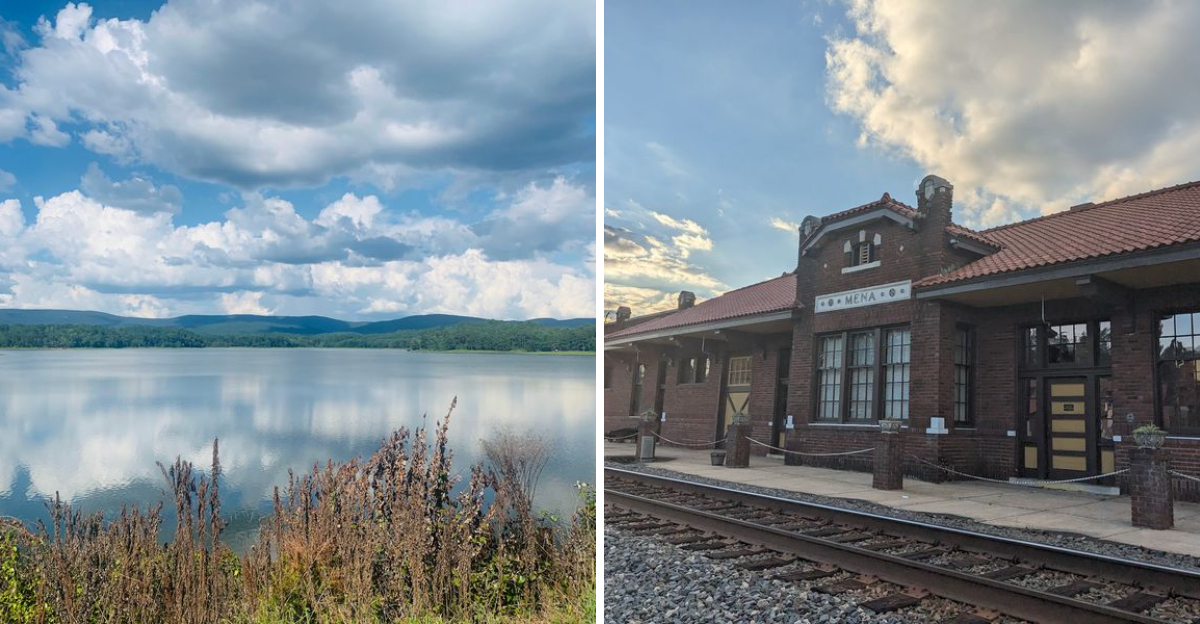
Retirement sounds a lot better when your monthly budget leaves room for more than bills. That is exactly why one Arkansas town is starting to catch the attention of people who want a quieter life without paying big-city prices.
The state offers plenty of places where life moves at a calmer pace, but this town adds something especially appealing: everyday costs that can make a fixed income stretch further. Housing tends to feel more manageable, traffic is lighter, and simple errands do not have to eat up the whole day.
There is also something comforting about living somewhere that still feels personal. Neighbors recognize each other, familiar businesses become part of the routine, and weekends can stay pleasantly uncomplicated.
For retirees thinking about the next chapter, Arkansas may deserve a closer look. The state can offer more breathing room, and this small town makes that idea feel surprisingly realistic.
Housing Costs That Leave Room For Fun
Money stretches differently once you leave the big metro areas behind. In Polk County, home prices sit well below national averages, which is exactly why retirees keep circling this corner of the map.
Modest ranch houses, older cottages, and small acreage properties make up much of the market. Many come with mature shade trees and a porch built for slow mornings.
Property taxes in this part of the state are famously low compared to the rest of the country. Arkansas also offers a homestead property tax credit for qualifying homeowners, which trims the annual bill further.
Lower monthly costs mean the budget can cover travel, hobbies, or grandkid spoiling. That trade-off is the whole reason people start browsing listings here.
Mena is the county seat, so paperwork, courthouse business, and permits happen a few minutes from home. No hour-long drive required.
Buyers should still budget for maintenance on older homes. Roofs and heating systems age the same everywhere, mountain views or not.
A Downtown Built For Strolling, Not Circling The Block
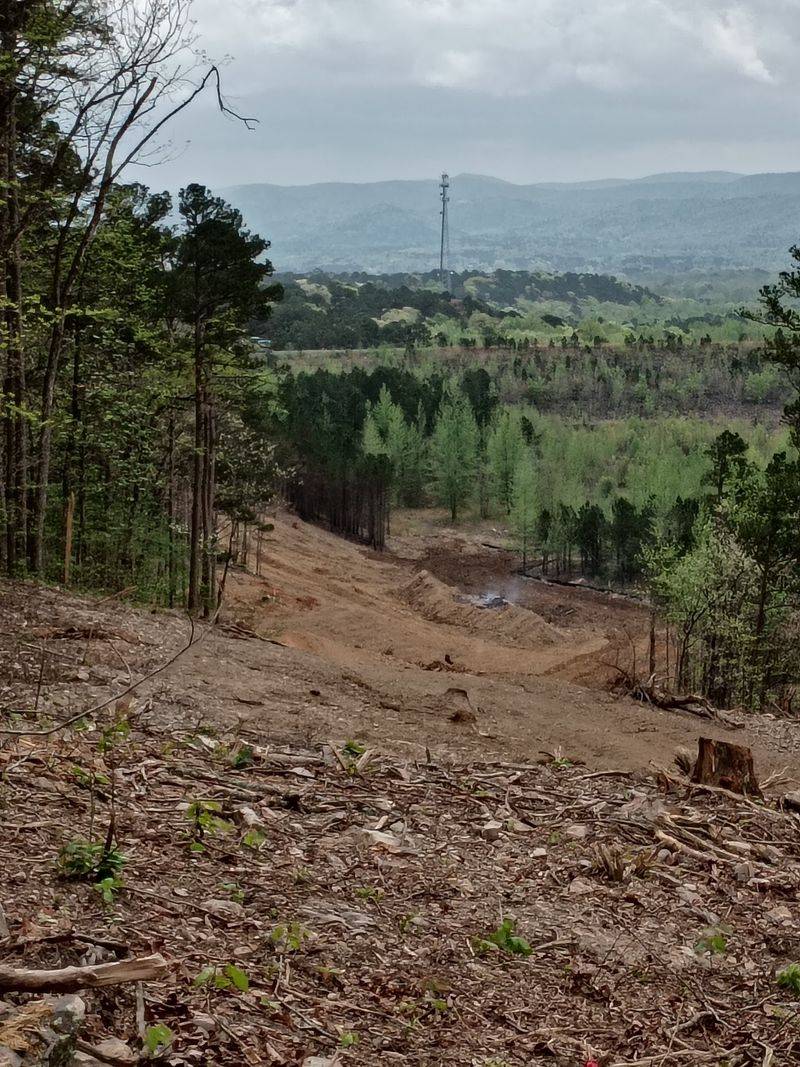
Parking here rarely involves a prayer or a parking garage. Downtown holds rows of older brick storefronts along Mena Street, the town’s main commercial spine.
Shops lean local rather than corporate. Antique dealers, gift stores, cafes, and service businesses fill the historic buildings.
Sidewalks stay flat and walkable, which matters when knees have opinions. Retirees can handle errands on foot and still be home before lunch.
The downtown district reflects the town’s railroad beginnings in 1896, when the Kansas City, Pittsburg and Gulf Railroad pushed through the valley. Many buildings date from the decades that followed.
Business owners tend to recognize repeat customers quickly. That kind of familiarity is hard to manufacture in a shopping mall.
Community events, seasonal markets, and holiday decorations turn the street into a gathering spot. It feels less like commerce and more like a front yard.
Bring cash for smaller shops. A few prefer it, and nobody wants a card machine standoff.
Ouachita National Forest Wraps Around Everything
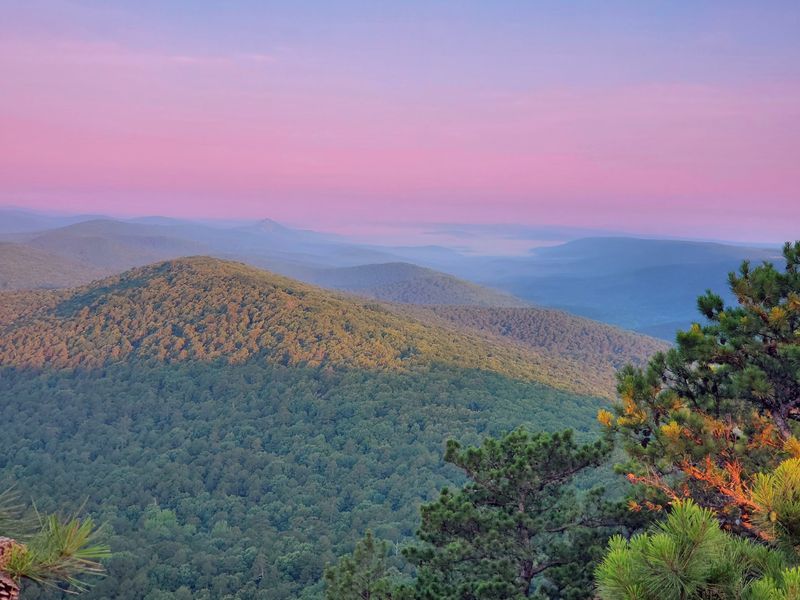
Some towns have a park. This one has more than a million acres of forest at the doorstep.
The Ouachita National Forest surrounds the community, offering hiking, fishing, birding, and picnic spots across western Arkansas and into Oklahoma. It ranks among the oldest national forests in the South, established in 1907.
Trails range from easy strolls to serious backcountry mileage. Retirees can pick the version that matches the day’s energy level.
Fall color here arrives in waves through October and November. Oaks, hickories, and maples put on a genuine show without any admission fee.
Wildlife watching stays rewarding year-round. White-tailed deer, wild turkey, and dozens of songbird species share the ridges.
Forest access points sit within a short drive of Mena, which keeps spontaneous outings realistic. No planning committee needed.
Carry water, a map, and decent shoes. Cell service thins out fast once the ridges rise around you.
Talimena Scenic Drive Starts Right Here
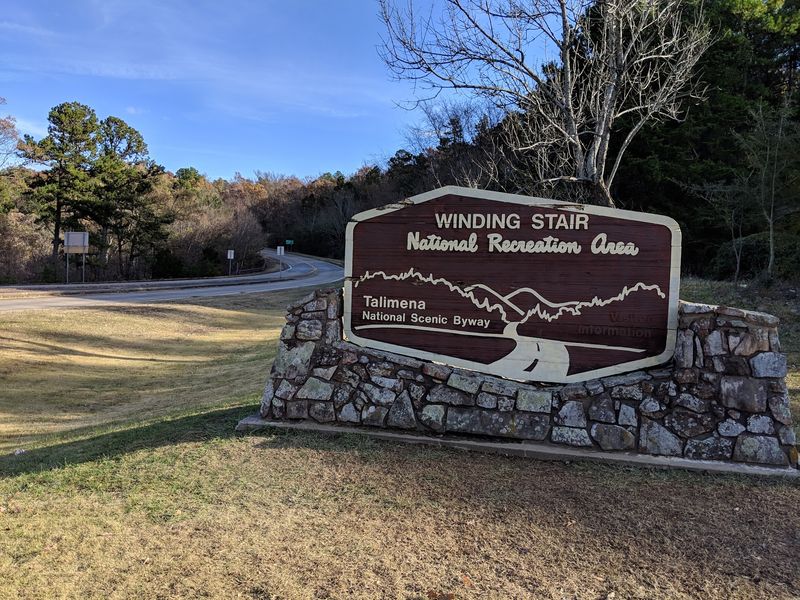
Few small towns can claim a National Scenic Byway as a neighbor. The Talimena Scenic Drive begins just north of town and runs roughly 54 miles west to Talihina, Oklahoma.
The route follows the crest of Rich Mountain and Winding Stair Mountain. Pull-offs deliver long views across ridge after ridge.
Autumn brings the heaviest traffic, and for good reason. The hardwood canopy turns gold and rust along the entire drive.
Interpretive stops explain the geology and history of the Ouachitas, which run east to west rather than north to south. That unusual orientation makes this range genuinely rare in North America.
Retirees often treat the byway as a standing invitation for guests. Family arrives, the drive fills an afternoon, everyone leaves impressed.
The Mena visitor information station near the eastern end offers maps and details. Worth a quick stop before setting out.
Fog rolls in on cool mornings. Take the curves slowly and enjoy the pace.
Queen Wilhelmina State Park And A Lodge On The Mountain
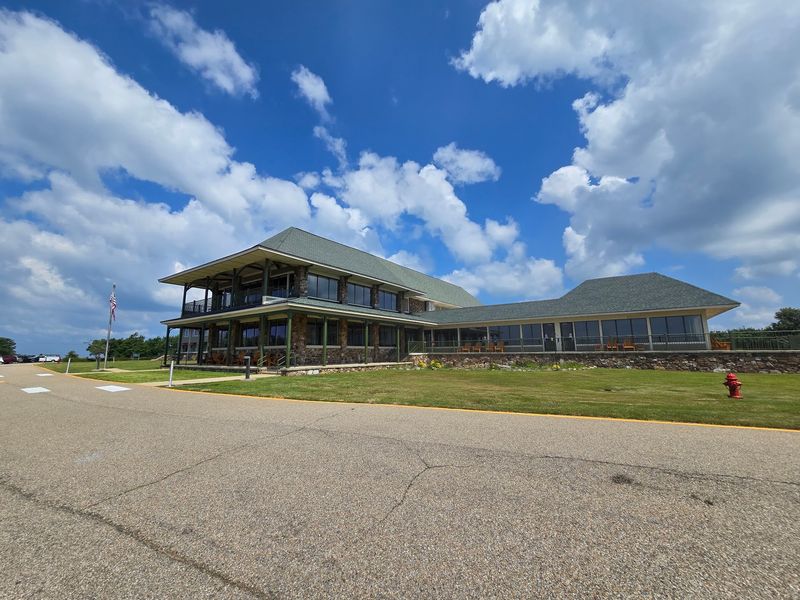
A Dutch queen once had a lodge named in her honor above this valley. Queen Wilhelmina State Park sits atop Rich Mountain, the second-highest point in the state at about 2,681 feet.
The original lodge opened in 1898, built by the railroad to attract travelers. The current lodge continues the tradition with rooms, dining, and enormous views.
The park offers campsites, hiking trails, and a miniature train that delights younger guests. Adults rarely object to a ride either.
Cooler summer temperatures on the ridge make it a favorite escape when the valley heats up. Elevation earns its keep.
Retirees living nearby often buy annual habits instead of vacations. Coffee at the overlook beats a plane ticket.
Access runs along the scenic byway west of Mena, roughly a 13-mile drive from town. Easy enough for a weekday outing.
Evenings up here get windy and chilly. Bring a jacket even in July.
Medical Care Close Enough To Count

Health care access ranks near the top of every retirement checklist. The community is served by a local hospital along with clinics, pharmacies, dental offices, and therapy providers.
Mena Regional Health System operates as the area’s hospital, providing emergency services, surgery, and outpatient care. That presence removes a major worry for people moving from larger cities.
Specialty appointments sometimes require travel to Hot Springs, Fort Smith, or Texarkana. Each sits within a few hours by car.
Local providers tend to know their patients by name rather than chart number. Continuity of care improves when the population is small.
Pharmacies downtown handle prescriptions without long waits. Errands stack neatly into a single morning.
Newcomers should confirm that their Medicare plan or supplemental coverage includes area providers before relocating. A quick phone check saves headaches later.
Retirees with ongoing conditions often schedule an introductory appointment soon after moving. Establishing a local doctor early pays off.
Lake Wilhelmina And Nearby Fishing Water
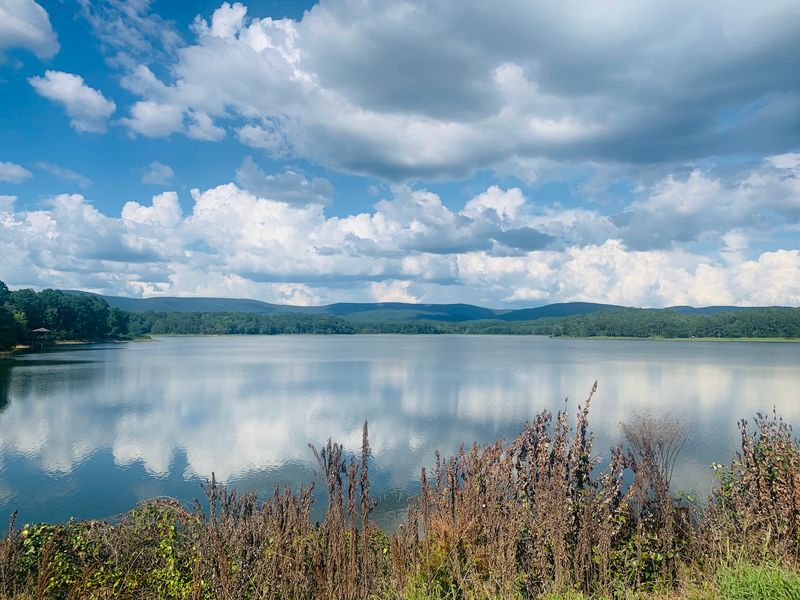
Anglers here rarely complain about crowded boat ramps. Lake Wilhelmina sits just west of town, offering quiet water for bass, catfish, and bream.
The lake covers roughly 350 acres and includes a campground and boat access. Mornings there are mostly birdsong and the occasional splash.
Larger destinations sit within reach too. Lake Ouachita, Nimrod Lake, and DeGray Lake all lie within a manageable drive east.
The Ouachita River begins in these mountains, which keeps the fishing scene varied. Streams, ponds, and reservoirs all take their turn.
Retirees with a kayak or johnboat get plenty of use out of it. Storage space is easier to find here than in a city apartment.
State fishing licenses are required and available online or at local retailers. Rates for residents aged 65 and older are reduced.
Sunscreen and a wide-brimmed hat matter more than fancy tackle. The water reflects plenty of light.
A Railroad Depot That Doubles As A Museum
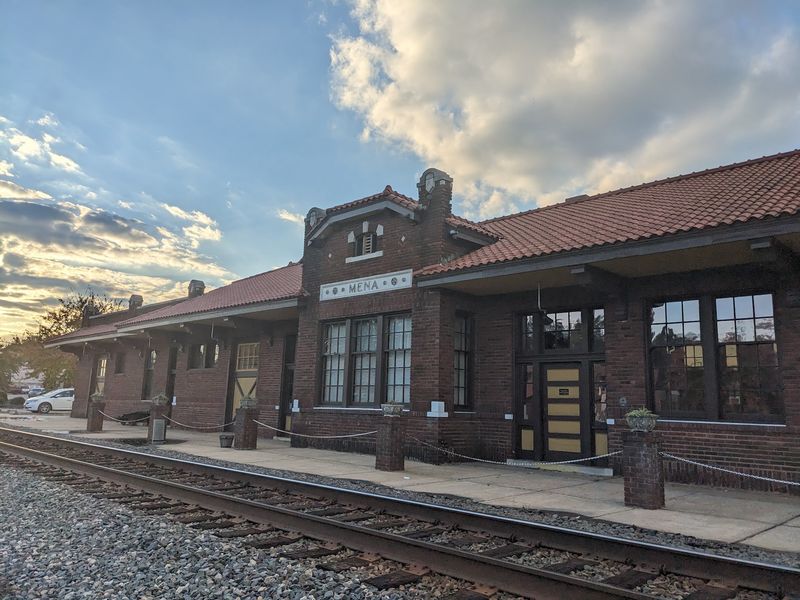
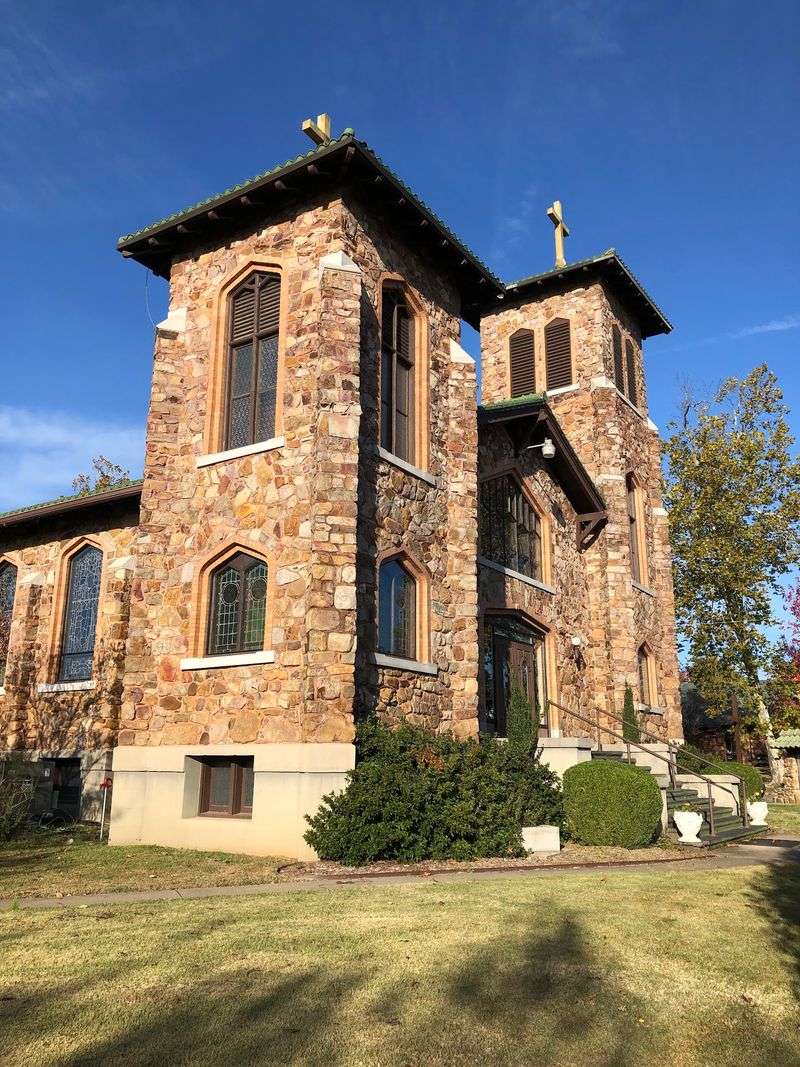
History here still smells faintly of rail steel and cedar. The old Kansas City Southern depot downtown houses a museum covering Polk County’s past.
Exhibits trace the railroad era, early settlers, and the town’s Dutch connection through investor Jan de Goeijen. He named the community after his wife, Folmina Margaretha de Goeijen-Meijer, whose nickname inspired the name Mena.
Displays include tools, photographs, textiles, and household items from the region’s frontier decades. Volunteers keep the collection organized and accessible.
Retirees frequently find their way into volunteer roles at places like this. Sharing local history is a satisfying way to meet people.
The depot also anchors the downtown district, sitting near the intersection of Sherwood Avenue and the rail line. Its architecture stands out immediately.
Admission is typically modest or donation-based, and hours vary by season. Checking ahead is wise.
Bring reading glasses. The archival labels reward slow attention.
Community Life Where Newcomers Get Folded In
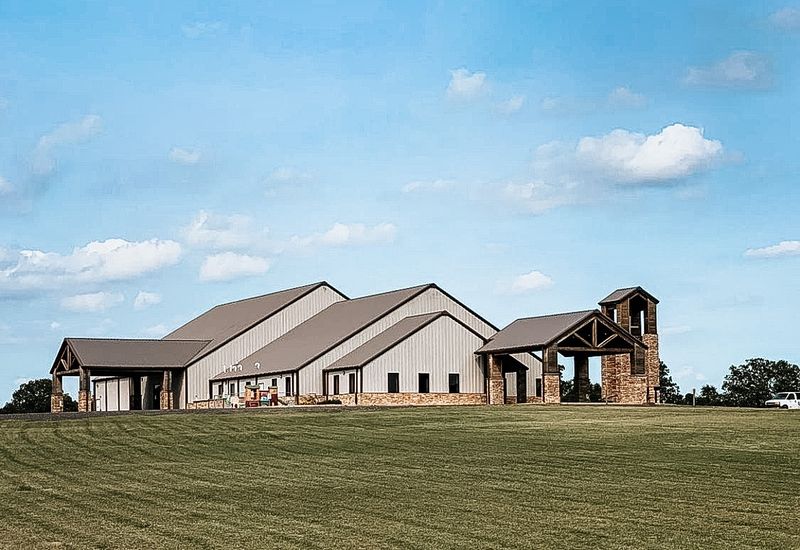
Nobody stays anonymous for long in a town of about 5,600 people. Churches, service clubs, garden groups, and the senior center all recruit steadily.
The Polk County Fair, seasonal festivals, and downtown events fill the calendar without overwhelming it. Attendance feels like running into half the county.
Cossatot River State Park-Natural Area and other regional draws bring day-trippers through, which keeps things lively. Locals benefit from the traffic.
Retirees often report that friendships form faster here than in previous cities. Shared errands and small venues do the work.
Rich Mountain Community College operates a campus in Mena, part of the University of Arkansas system. Continuing education classes appeal to adults of any age.
The public library hosts programs and provides internet access. It functions as a quiet social hub.
Showing up once is usually enough to get invited back. That is the practical charm of a small population.
Four Real Seasons Without Brutal Extremes
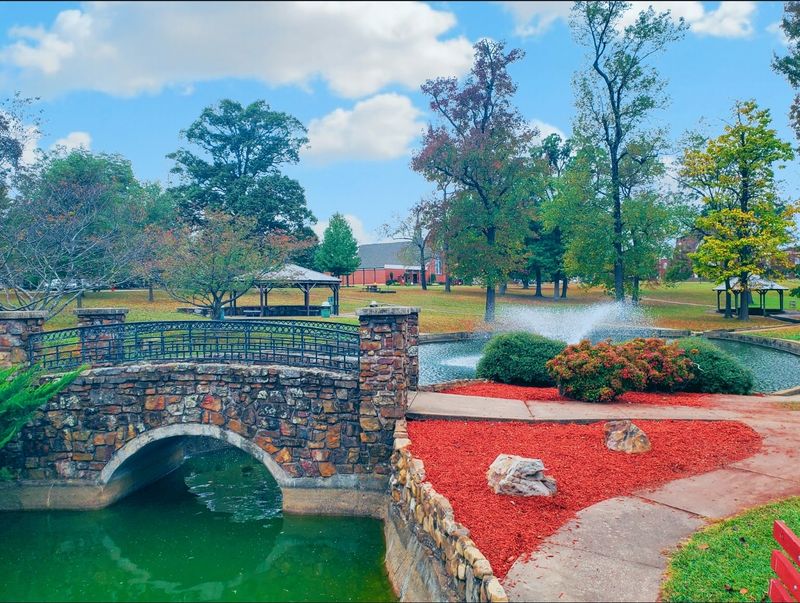
Weather here behaves like a well-mannered guest. Summers run warm and humid, winters stay mild by northern standards, and snow arrives lightly rather than by the foot.
Average January highs typically land in the low 50s Fahrenheit. Heating bills reflect that friendliness.
Spring brings dogwoods, redbuds, and wildflowers across the ridges. Gardeners find a long growing season waiting for them.
Autumn stretches out comfortably, often holding pleasant temperatures into November. Outdoor plans rarely get canceled.
The mountain setting moderates things slightly compared with the flatter parts of the state. Evenings cool down more reliably.
Severe storms do pass through in spring, so a weather radio and a plan make sense. Locals treat that as routine preparation.
The address is simple enough for a mail forward: Mena, Arkansas 71953. Sitting near coordinates 34.58 north and 94.23 west, the town holds a comfortable middle ground between forest and highway.
Pack layers for the first year. The mountains like variety.