
10 Rhode Island Islands Worth Adding To Your Late Summer Plans In 2026
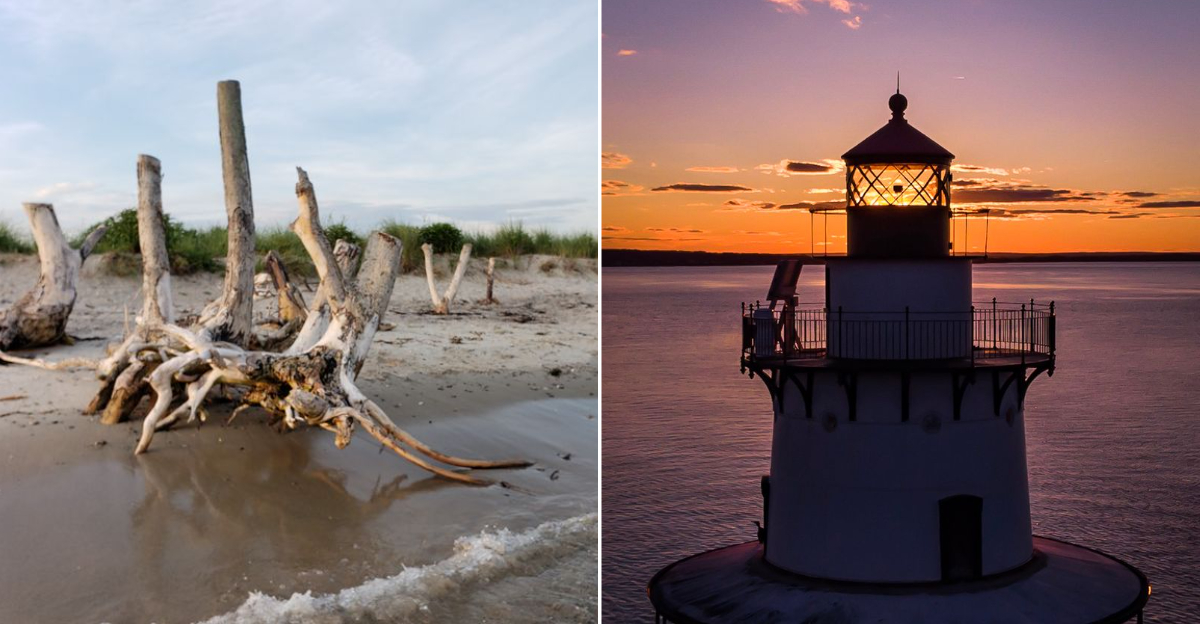
Rhode Island may be the smallest state on the map, but it hides almost 400 miles of coastline and a surprising number of islands. Late summer is when everything lines up just right.
The water stays warm, the crowds start to thin out, and ferry rides feel breezy instead of packed. You can bike past stone walls in the morning, hunt for sea glass by lunch, and watch sailboats drift home by evening.
Some of these islands have lighthouses you can sleep inside. Others have forts slowly being swallowed by trees.
A few have almost nothing at all, which is exactly the point.
Ever wanted a day where your biggest decision is which beach to nap on? That is the kind of trip waiting here.
You do not need a big budget or a long vacation either.
Rhode Island rewards people who slow down and look around. Here are ten islands in the Ocean State that deserve a spot on your late summer 2026 plans.
1. Block Island
Thirteen miles out to sea, and suddenly your phone matters a lot less. Block Island has that effect on people.
The ferry from Point Judith takes about an hour, and by the time you arrive, your shoulders have already dropped an inch.
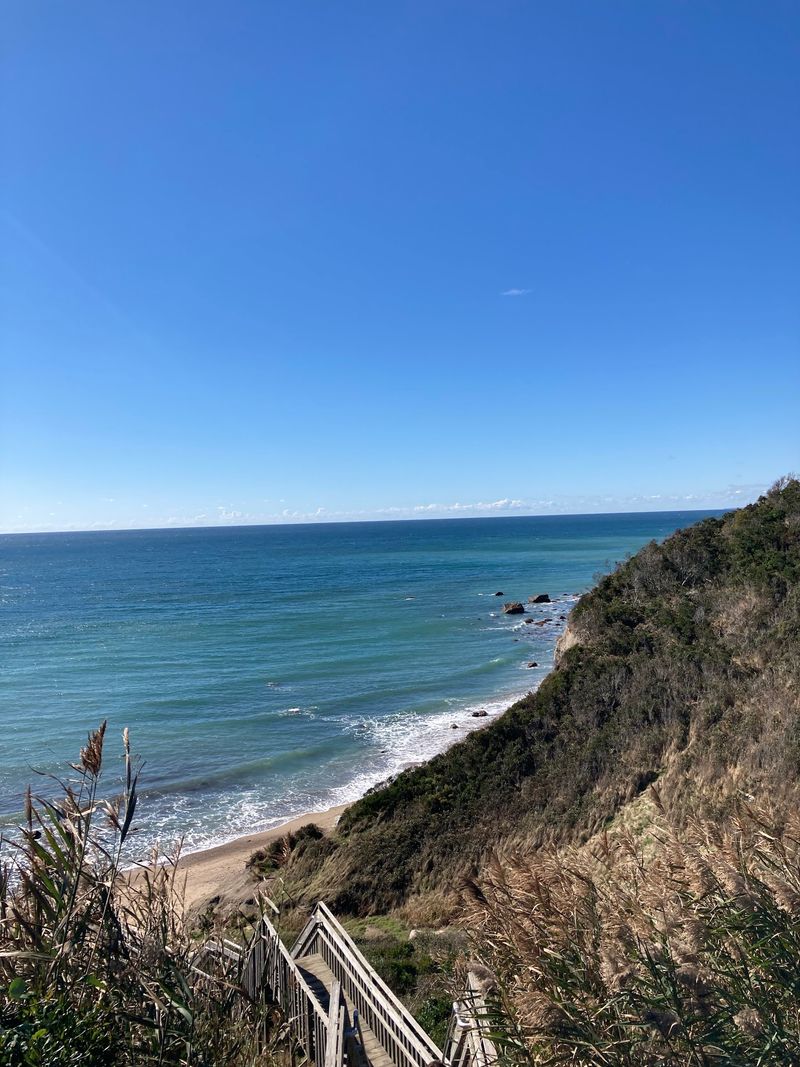
Mohegan Bluffs is the photo everyone comes for. Clay cliffs rise nearly 150 feet above the Atlantic, and a wooden staircase drops you down to a quiet beach.
Yes, climbing back up is a workout. Yes, it is worth it.
Rent a bike near the ferry dock and you have unlocked the whole island. Roads wind past old stone walls, open fields, and ponds full of birds.
Crescent Beach offers soft sand and calm water when you need a break from pedaling.
New Shoreham, the main town, keeps things small and friendly. Shops sell local crafts, and restaurants serve seafood pulled from nearby waters.
Check days and hours before you go, since some places shorten their schedule after Labor Day.
Fun fact: roughly 40 percent of Block Island is permanently protected land. That is why it still looks wild.
Late summer brings migrating birds through in waves, so pack binoculars if you like watching wildlife. Sunsets here glow orange over the water.
Rhode Island has plenty of pretty places, but few match this one for pure open-air freedom.
2. Conanicut Island
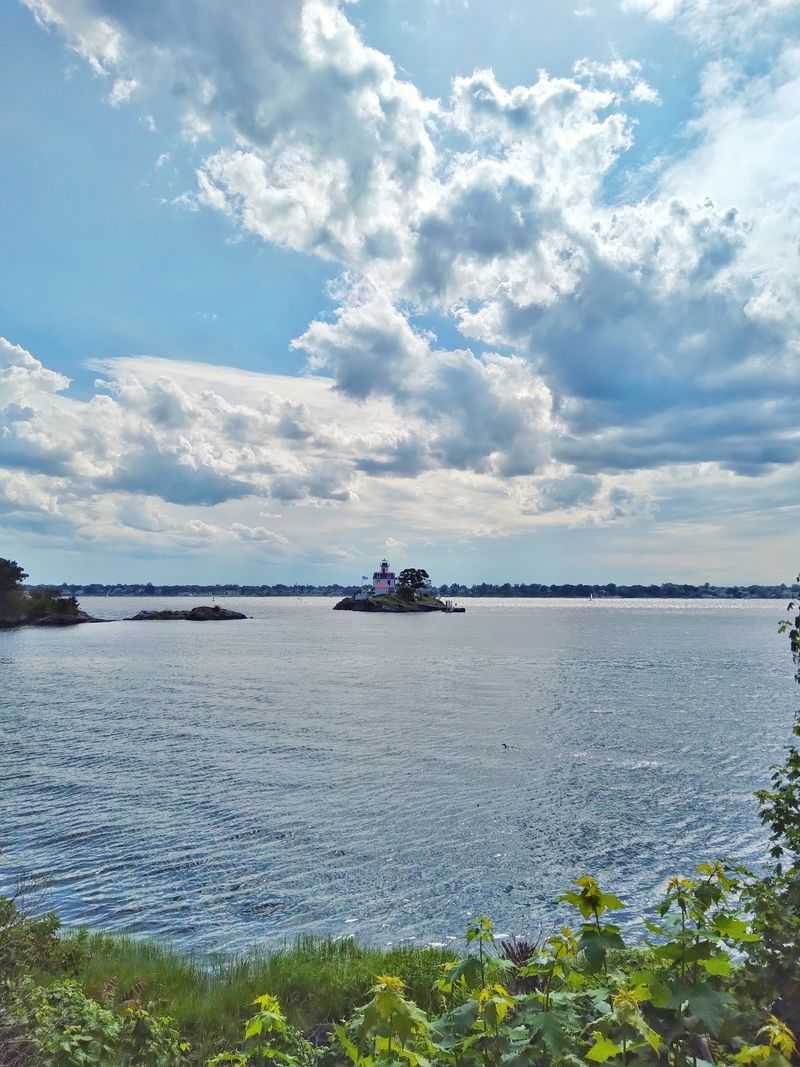
Most drivers zoom across Conanicut Island on their way to Newport. Big mistake.
Pull off in Jamestown and you will find one of the calmest corners in the Ocean State.
Beavertail State Park sits at the southern tip, and the rocky shoreline there feels almost like Maine. The lighthouse has guided ships since colonial times, and the granite ledges below are full of tide pools.
Bring sturdy shoes. The rocks are uneven and slippery near the waterline.
Jamestown village keeps a small-town rhythm. A short main street holds bakeries, cafes, and shops selling local art.
Grab breakfast, then wander toward the harbor and watch fishing boats unload.
Fort Wetherill State Park is the other highlight. Old military bunkers sit above deep coves, and divers gear up in the parking lot most summer weekends.
The views across to Newport are excellent, and picnic tables make it easy to linger.
Cyclists love this island because distances are short and scenery changes fast. One minute you are passing farm fields, the next you are staring at open bay.
Do not skip the Jamestown Windmill, built in 1787 and still standing tall. Open days vary, so check ahead.
Quiet, scenic, and easy to reach, Conanicut makes a great low-stress day trip in Rhode Island.
3. Aquidneck Island
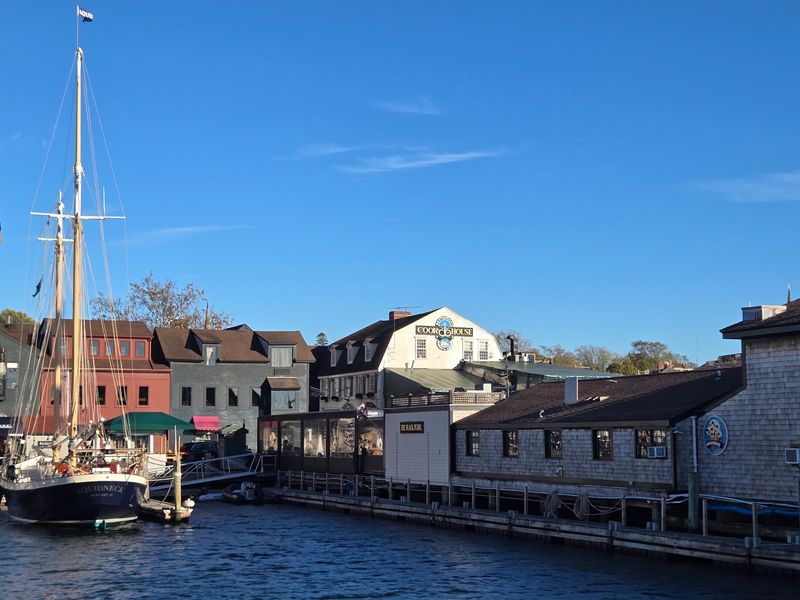
Mansions, sailboats, and a coastal path that hugs the Atlantic. Aquidneck Island packs more into its shoreline than almost anywhere else in New England.
Newport sits at the southern end and steals most of the attention, and honestly, it earns it. The Gilded Age mansions were built as summer houses for families with more money than sense.
The Breakers has 70 rooms. Marble House used 500,000 cubic feet of marble.
Walking through them feels a little unreal.
The Cliff Walk runs 3.5 miles between those mansion lawns and crashing surf. Parts are paved and easy.
Other stretches turn into rock scrambling, so wear real shoes and check trail conditions before starting.
Downtown, Thames Street buzzes with shops, galleries, and places to eat overlooking the harbor. Watch the boats come in while you finish a lobster roll.
Head north and the island changes character completely. Middletown has Second Beach and the Norman Bird Sanctuary.
Portsmouth offers quieter farmland and the strange, wonderful Green Animals Topiary Garden.
Early September is the sweet spot here. Warm water, thinner crowds, easier parking.
Aquidneck gives you history and beach time in one trip, which is a pretty rare combination anywhere in Rhode Island.
4. Prudence Island
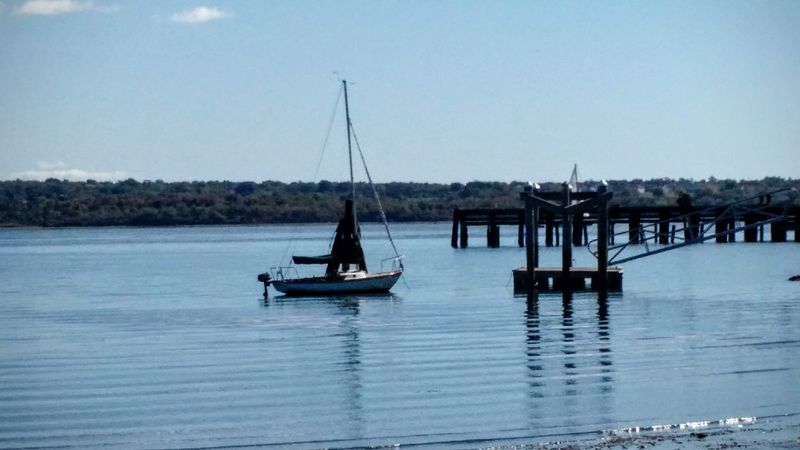
No traffic lights. No chain stores.
Prudence Island runs on a completely different clock, and that is the whole appeal.
A small passenger ferry leaves from Bristol and takes about 25 minutes. Cars are limited and expensive to bring over, so most visitors arrive on foot or with a bike.
Pack water and snacks, because services on the island are extremely limited.
Once you land, dirt roads lead in every direction. Ride slowly and you will spot deer almost immediately.
The island has one of the densest white-tailed deer populations in the region, which surprises first-timers.
Much of Prudence belongs to the Narragansett Bay National Estuarine Research Reserve. Trails cut through woods and salt marsh, and interpretive signs explain what lives in the water nearby.
Beaches here stay wonderfully empty. Spread a towel, watch the bay, and listen to almost nothing.
On a warm September afternoon you might have a whole stretch of sand to yourself.
Ferry schedules change by season, so confirm departure days before planning your return trip. Missing the last boat is a real possibility.
Simple, quiet, and genuinely restorative, Prudence proves that Rhode Island still has places where you can hear your own thoughts.
5. Rose Island
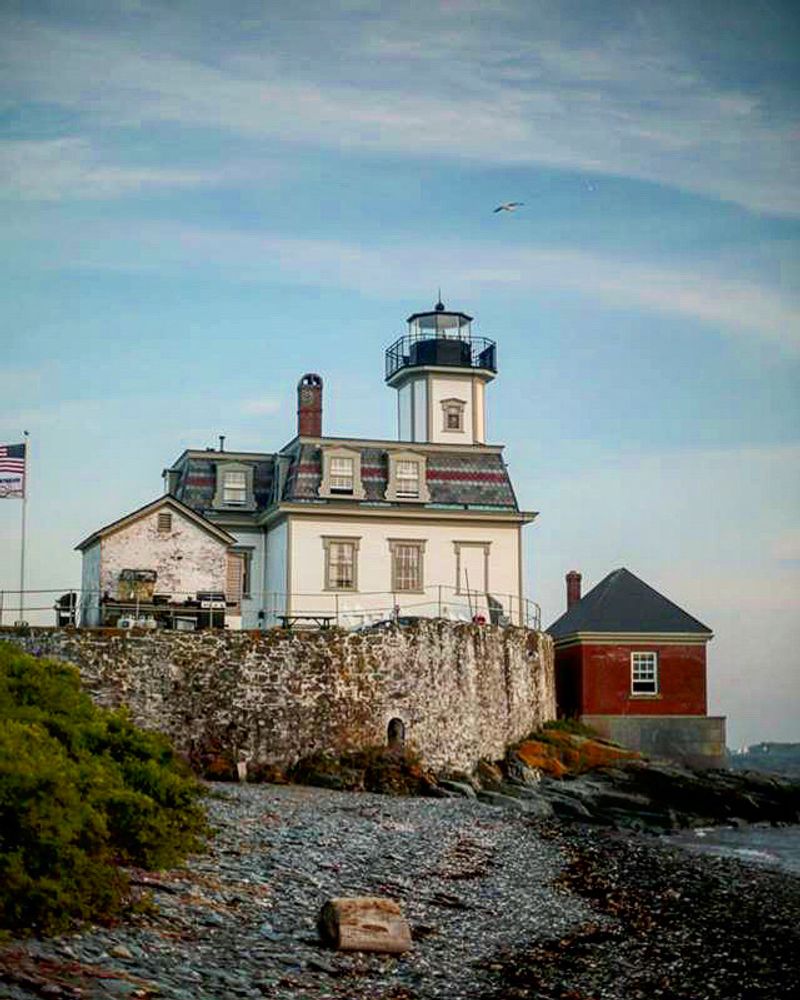
Want to sleep in a lighthouse? Rose Island actually lets you do it.
The 1870 lighthouse sits in Narragansett Bay, right beneath the Newport Bridge. Volunteers rescued the building after decades of neglect, and today it works as both museum and overnight lodging.
Guests help with small keeper chores, which sounds like work but ends up being the best part.
Water taxis and seasonal boats run from Newport, and a day visit works fine if overnight stays are booked up. Tours walk you through restored keeper quarters filled with period furniture and old logbooks.
The island doubles as a wildlife refuge. Nesting birds take over sections during summer, and paths are sometimes rerouted to protect them.
Respect the signs and you will still see plenty.
Sunsets from the deck are ridiculous in the best way. Sailboats glide past, the bridge lights flicker on, and Newport glows across the water.
Book overnight stays far ahead. Late summer weekends fill quickly, and the lighthouse only sleeps a handful of guests at a time.
Bring your own food and supplies, since there is no store waiting for you.
Rose Island turns an ordinary weekend into a story you will repeat for years, and it sits just minutes from downtown Rhode Island crowds.
6. Hog Island
Ask most Rhode Islanders about Hog Island and you will get a blank stare. That is part of its charm.
Sitting just off Bristol in the upper bay, this small island holds a tight cluster of summer cottages and not much else. There are no shops, no restaurants, and no roads worth naming.
A private launch service carries residents and guests across the short channel.
Boaters know it well. The waters around Hog Island offer sheltered anchorage, and sailors often drop the hook here for lunch.
Kayakers paddle the shoreline on calm mornings, hugging the coast and watching herons stalk the shallows.
Bird activity picks up in late summer as shorebirds fuel up for migration. Bring binoculars and a patient attitude.
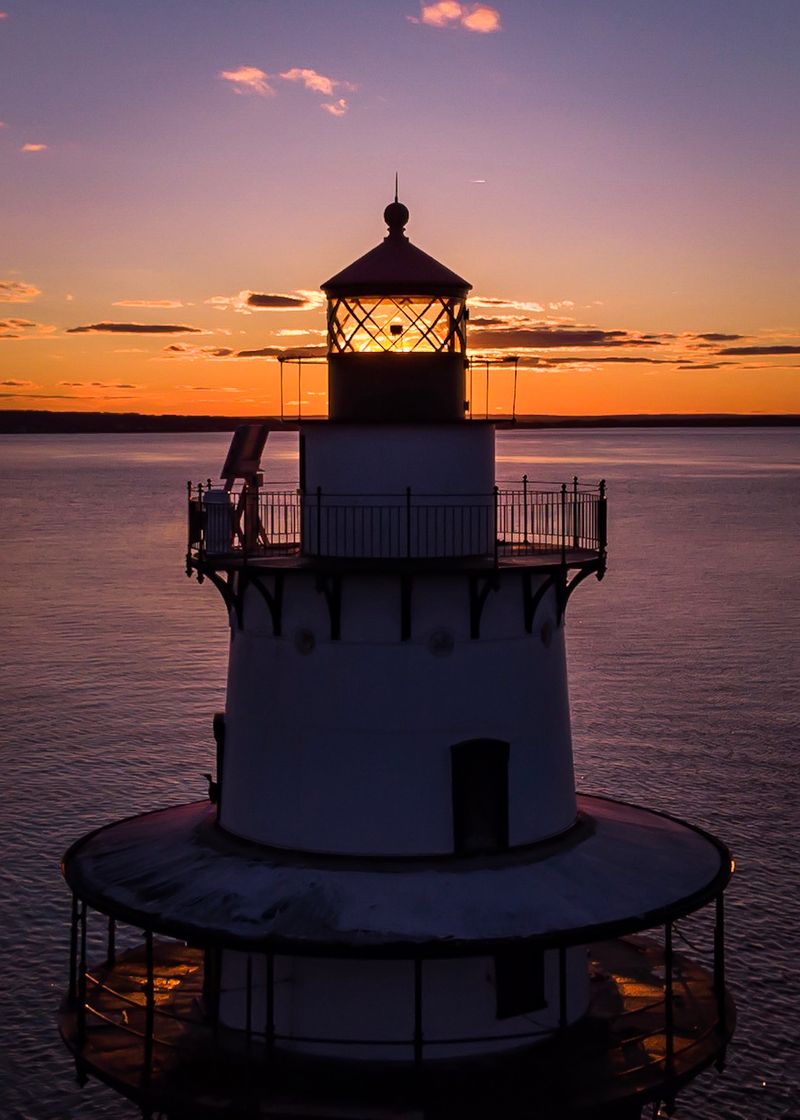
The Hog Island Shoal Light marks the southern approach, standing alone in the water like a metal chess piece. It makes a great photo from a boat.
Access is limited since most land is privately held, so plan a water-based visit and stay respectful of property lines. Public shoreline rights in Rhode Island generally extend to the wet sand area.
For paddlers looking for a short, scenic trip without a long drive, Hog Island delivers exactly the right amount of quiet.
7. Patience Island
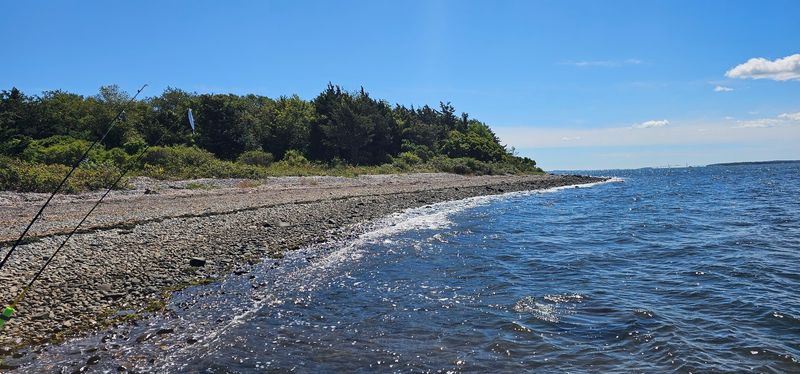
Here is an island with almost nothing on it, and people love it for exactly that reason.
Patience Island sits just west of Prudence, and reaching it takes a boat or a kayak. There is no ferry.
No dock service. No snack bar.
What you carry over is what you get.
State-managed land covers most of the island, and it operates as a conservation area. Trails are rough and sometimes overgrown, so long pants and bug spray are smart choices.
Ticks are common, so check yourself afterward.
Wildlife runs the show here. Deer wander freely, ospreys nest along the shore, and the surrounding waters attract seabirds all season.
In quiet moments you will hear wind in the trees and little else.
Small pebble beaches make good landing spots for kayaks. Time your paddle with the tide, because currents in the bay can push harder than they look from shore.
Camping is not permitted, so treat it as a day trip and carry out everything you bring.
Paddling from Bristol or Portsmouth takes planning and decent fitness, but the reward is real solitude.
Patience Island is one of the wildest places left in Rhode Island, and reaching it feels like a genuine accomplishment.
8. Hope Island
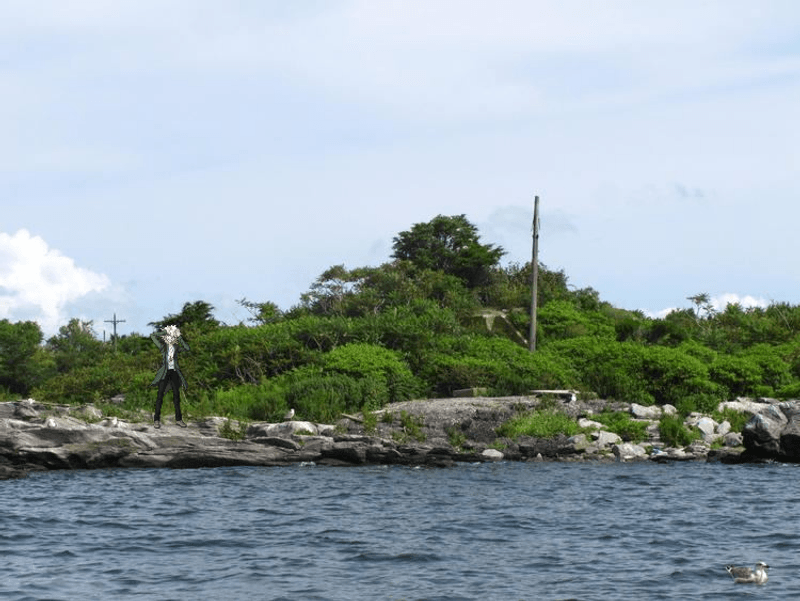
Birds outnumber people on Hope Island by roughly a thousand to one. Sometimes more.
This small, uninhabited island west of Prudence has become one of the most important nesting sites in Narragansett Bay. Herons, egrets, cormorants, and gulls all raise young here.
During nesting season the state restricts landing to protect them, so check current rules before you plan anything.
Boaters usually circle offshore with binoculars, which honestly gives the best view anyway. Watching hundreds of wading birds work the shoreline is a memorable sight.
The island has a layered past. It once held a private estate, and later served military purposes during wartime.
Old foundations still poke through the grass, slowly disappearing under vegetation.
Late summer works well for viewing because young birds are active and fishing constantly. Bring a zoom lens if photography is your thing.
Charter captains out of Warwick and East Greenwich sometimes include Hope Island on bay tours, which is the easiest way to see it without your own boat.
Keep noise low as you pass. Disturbed colonies can abandon nests.
Hope Island proves that not every destination needs a gift shop. In Rhode Island, sometimes the best view comes from staying respectfully offshore and simply watching nature do its thing.
9. Dutch Island
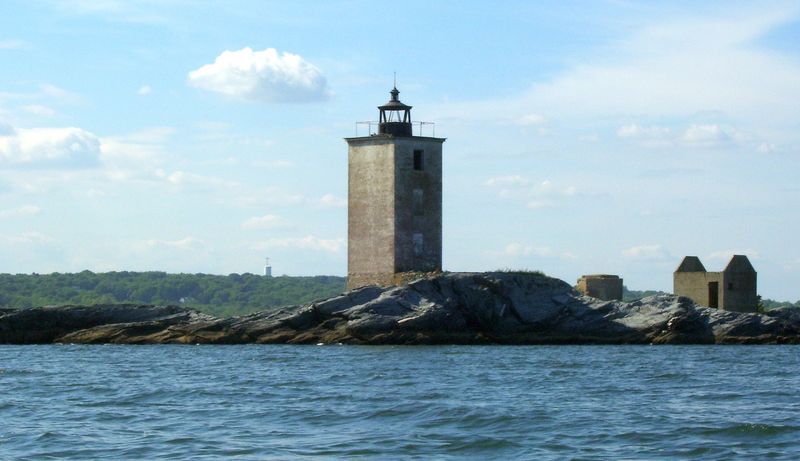
Crumbling bunkers, tangled vines, and an old lighthouse. Dutch Island reads like an adventure novel.
Sitting in the West Passage between Jamestown and the mainland, this uninhabited island once held Fort Greble, a coastal defense post active from the 1860s through World War II. Concrete gun batteries still stand, half swallowed by brush.
Explorers arrive by kayak or small boat, usually launching from Fort Getty in Jamestown. The crossing is short but the current moves fast, so check tide charts and pick a calm day.
Careful footing matters here. Old structures have open shafts, rusted metal, and unstable edges.
Bring a flashlight, wear long pants, and never explore alone.
Dutch Island Light stands at the southern tip, first lit in 1827 and rebuilt decades later. It is not open to the public, but it photographs beautifully from the water.
Wildlife has claimed the rest. Deer, rabbits, and nesting birds live throughout the woods, and the shoreline collects interesting driftwood.
Poison ivy grows thick along the paths, so learn what it looks like before you wander off trail.
History fans and paddlers both walk away happy from this one. Dutch Island offers a rugged, slightly eerie side of Rhode Island that most visitors never get to see.
10. Sandy Point Island
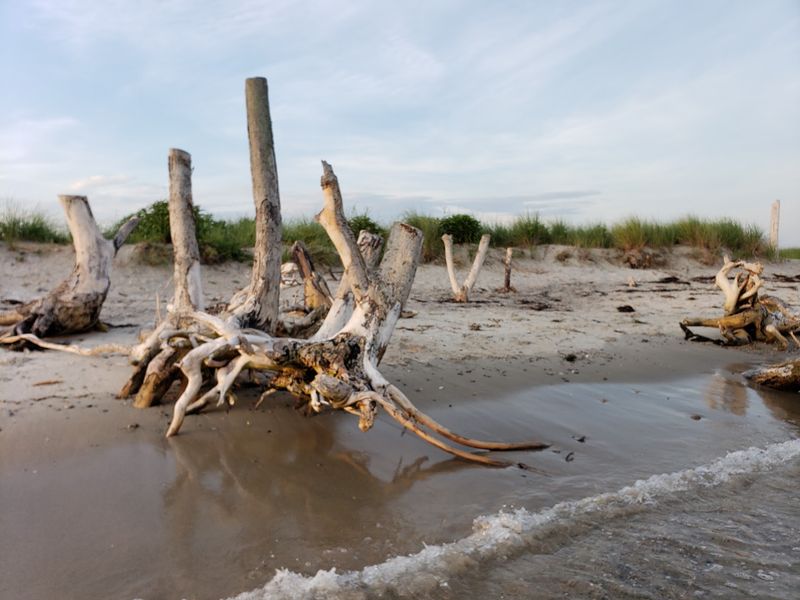
An island that changes shape? Sandy Point makes it happen.
Formed largely from sand that shifted after major storms, this low spit north of Prudence Island is one of the youngest landforms in Narragansett Bay. Tides and weather keep reshaping it, so no two visits look quite the same.
Kayakers and small boaters love the shallow water surrounding it. Landings are easy on the sandy edges, and the water stays warm through September.
Beachcombing here is genuinely fun. Shells, worn sea glass, and driftwood collect along the waterline after every tide cycle.
Kids tend to fill their pockets within minutes.
Shorebirds use the spit heavily, especially during migration. Some areas may be roped off to protect nests, so follow posted signs and give flocks plenty of space.
There is no shade at all. Bring a hat, sunscreen, and more water than you think you need.
Views stretch across the bay in every direction, and on clear days you can see boats moving between islands like slow-motion toys.
Check the forecast carefully, because wind picks up fast on open water.
Sandy Point rewards anyone willing to paddle a little further, and it might be the most peaceful sand you will find anywhere in Rhode Island.