
A Wealthy Tennessee Couple Left Their Home And Gardens To The Public And It Is Still Free To Visit
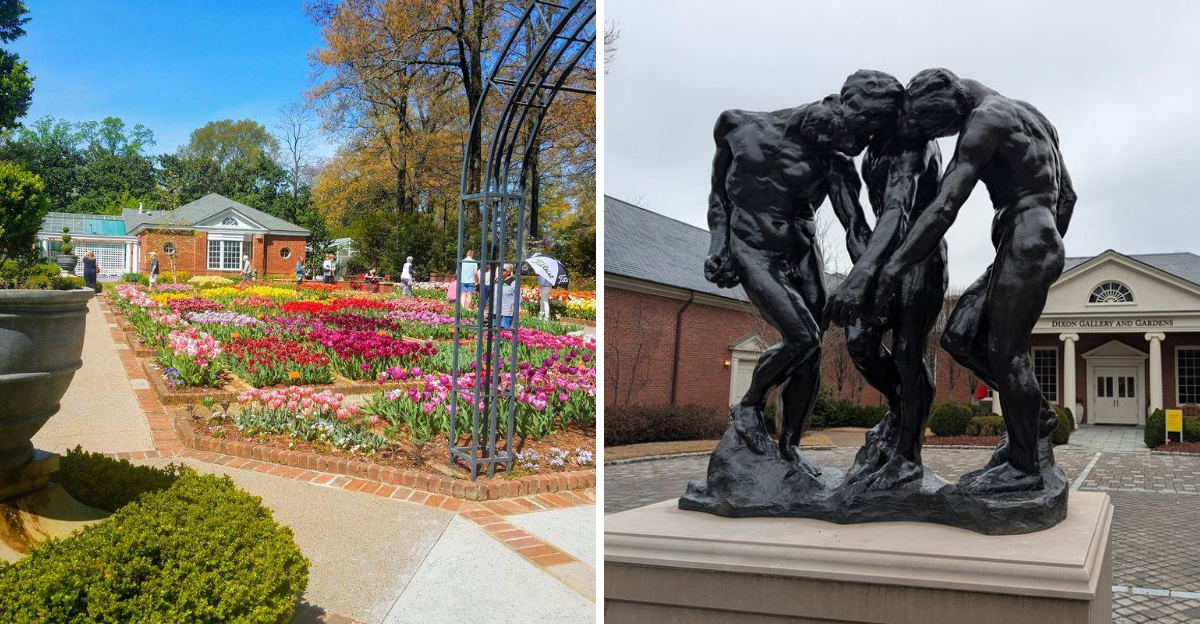
What would you do with a beautiful home, a remarkable art collection, and acres of gardens if you knew they could outlast you?
One Tennessee couple answered that question by giving it all a future beyond their own lifetime. Their former home and gardens became a place the public could enjoy, and decades later, visitors can still walk the grounds without paying admission.
That alone makes the story unusual. The setting adds even more to it.
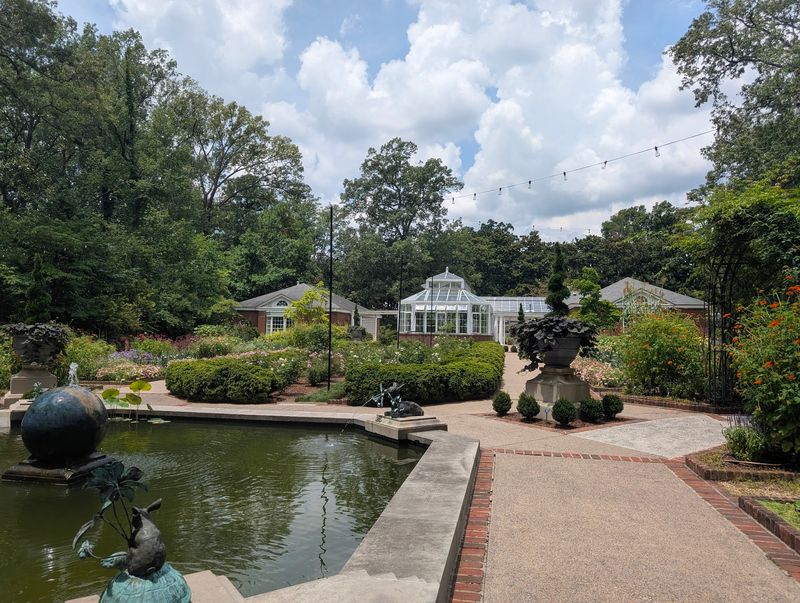
Quiet paths wind past lawns, sculptures, flowers, and carefully planned garden spaces, while galleries inside hold artwork collected over many years.
You can spend the morning outside, wander indoors for a change of pace, then return to the gardens when the weather feels too good to waste.
The generosity behind it all is what stays with you. What began as a private home became a lasting gift, and Tennessee visitors are still benefiting from that decision today.
The Couple Who Gave Everything Away
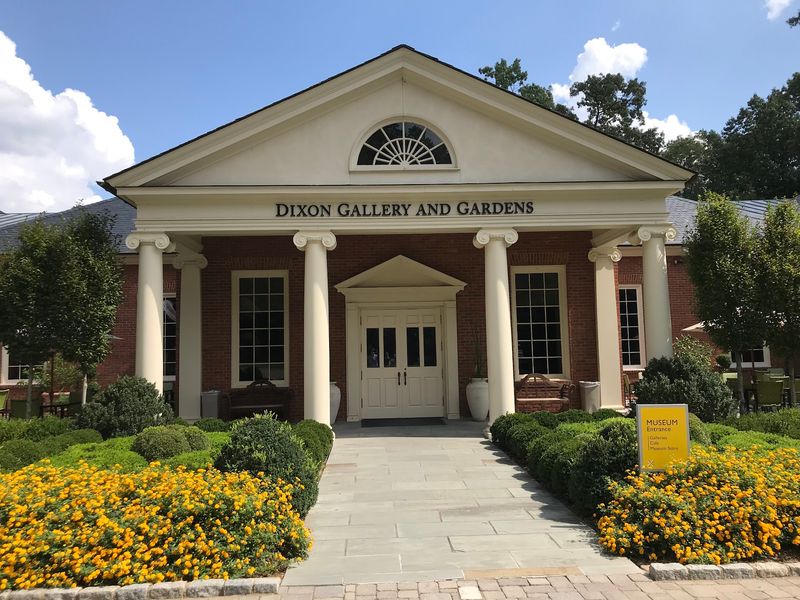
Hugo Norton Dixon and Margaret Oates Dixon had wealth, a love of art, and no children to inherit their home and collection. So they made a very different plan for what would happen after they were gone.
In 1958, they established a charitable foundation to help keep their home, gardens, and art together for the benefit of the Memphis community.
Both Hugo and Margaret died in 1974. Their former estate opened to the public in January 1976, turning a private home and collection into a place generations of visitors could enjoy.
Their involvement with Memphis culture went well beyond their own property. Hugo served as president of the Board of Trustees of the Memphis Brooks Museum of Art.
He also led the Memphis branch of the English Speaking Union.
Margaret helped found the institution that eventually became the Memphis College of Art and served as its first president.
Her life also included a remarkable brush with disaster. Margaret was aboard the M.E.
Norman when the steamboat capsized in the Mississippi River in 1925. She was among the 32 people rescued by Tom Lee, whose bravery later made him one of Memphis’ most celebrated heroes.
Hugo had his own extraordinary wartime story. As a young British citizen living in Germany during World War I, he was confined at the Ruhleben civilian internment camp near Berlin until the war ended.
Two eventful lives eventually produced a much quieter legacy. Every walk through the gardens and every visit to the galleries today traces back to their decision to preserve what they loved for the public.
Free Admission That Is Here To Stay
Free museums usually come with an asterisk. Not this one.
General admission to the Dixon Gallery & Gardens costs nothing, all year long, for everyone who walks through the gate. Checking in takes seconds, and you get a small sticker to wear.
The no-charge policy began as a temporary step during the COVID-19 pandemic. It worked so well that leadership made it permanent in 2025.
Members, donors, and community supporters cover the difference. Donations are welcomed but never required, and nobody is nudged at the door.
That decision matters more than it might sound. A family of five can spend an entire afternoon among Impressionist paintings and blooming borders without opening a wallet.
Parking is free too, which removes another common headache. On busy event days, staff direct traffic to keep the lot moving.
Hours run Tuesday through Saturday from 10 AM to 5 PM, with Sunday afternoons from 1 to 5 PM. Mondays are closed, while third Thursdays stretch later with extended hours until 8 PM.
Two to three hours is a comfortable amount of time for both the galleries and the grounds. Come back next season and the gardens will look completely different.
Few places this polished ask so little in return.
Impressionist Masterpieces Inside A Family Home
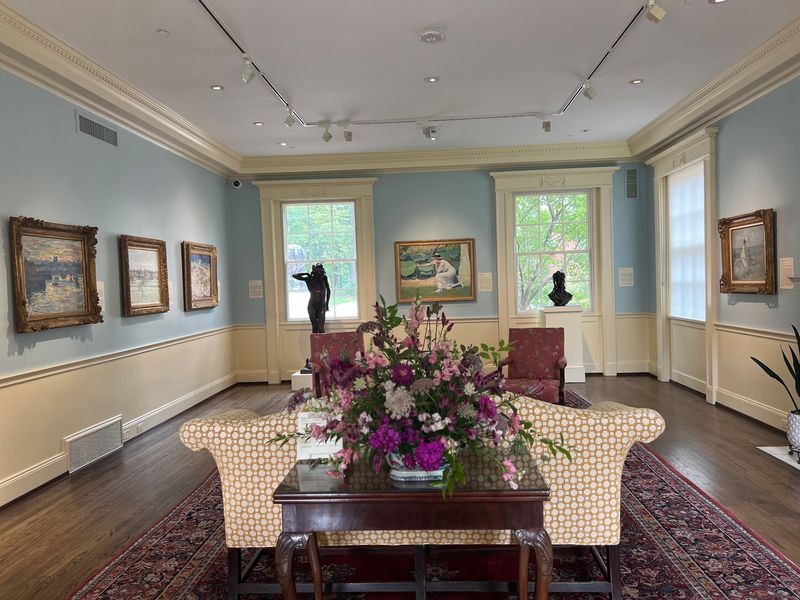
Monet, Degas, Renoir, Cassatt, Matisse. That is not a list from a European capital. That is Memphis.
The permanent collection here holds more than 2,000 objects, with a clear focus on European and American art from the late 1800s and early 1900s. French and American Impressionism and Post-Impressionism lead the way.
Paul Gauguin, Marc Chagall, Pierre Bonnard, Alfred Sisley, and Jean-Louis Forain all appear on the walls. Seeing them inside a former private residence changes the whole feeling.
Rooms are sized like rooms, not like airport terminals. You stand close, and the brushwork feels within reach.
Art historian John Rewald, a leading expert on Impressionism, advised the Dixons as they built the collection. His guidance gave the holdings real scholarly weight.
The original collection also included 18th and 19th century British portraits and landscapes. Hugo Dixon was born in England, and that heritage shaped his taste.
Labels throughout the galleries are clear and genuinely helpful. They explain what you are looking at without drowning you in jargon.
Rotating exhibitions of fine art and horticulture fill the calendar year-round. Return trips rarely repeat themselves, which keeps regulars coming back.
Seventeen Acres Of English-Style Gardens
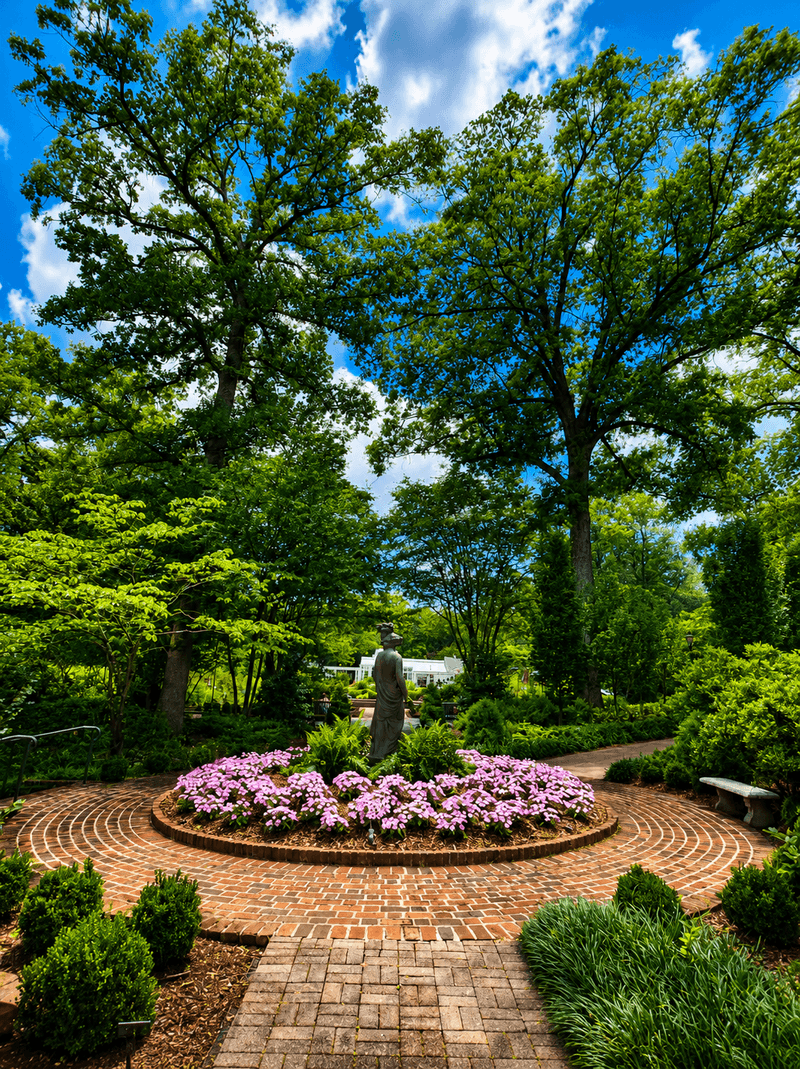
The grounds cover 17 acres and carry certification as an arboretum. That is a lot of green for a city address.
Layout follows the English Garden style, mixing wide open lawns with smaller, tucked-away formal spaces. You get grand views and quiet corners in the same walk.
Hugo’s sister, Hope Crutchfield, studied landscape design and helped the couple plan the grounds. She pulled ideas from English, French, and Italian traditions.
Sculptures appear along the winding paths, often where you least expect them. Children tend to spot them first.
Picnics are allowed on the lawn, and a simple blanket turns the south lawn into the best seat in Memphis. Shade is easy to find under the older trees.
Benches are scattered throughout for anyone who prefers sitting to strolling. Nobody rushes you along.
Each season brings a different color palette and texture. Spring bursts, summer deepens, autumn warms, winter reveals structure.
The Dixon Gallery & Gardens also hosts weddings and outdoor concerts on these lawns. Symphony performances draw big, happy crowds in mild weather.
Comfortable shoes help. There is more walking here than the front gate suggests.
Tulips By The Hundreds Of Thousands
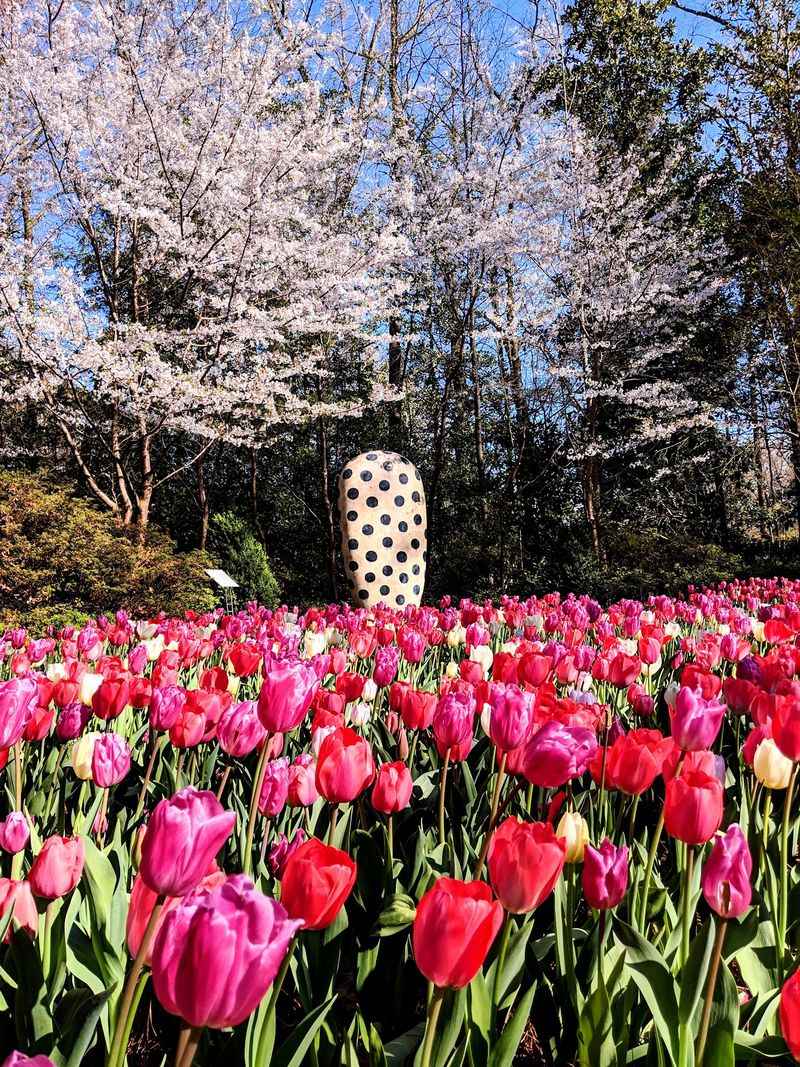
Spring is when this place shows off. Tulip season turns the paths into ribbons of color.
For the 50th-anniversary celebration, the plan calls for over 650,000 tulips across the grounds. That number is not a typo.
Blooms line multiple walkways, layered in waves of red, pink, purple, and gold. Photographers arrive early for soft light and thinner crowds.
Timing matters. Mid-February usually shows green shoots pushing up, while late March into early April brings peak color.
Cold snaps can nip a few petals, but the overall display holds up beautifully. Nature runs the schedule here, not a calendar app.
Bring a camera and a bit of patience. Family portraits taken among these beds have become a Memphis tradition.
Weekday mornings are calmer than weekend afternoons. If you want the paths mostly to yourself, aim for Tuesday or Wednesday right at opening.
Tulips are only the opening act. Roses, annuals, and perennials keep the color rolling through much of the year.
Checking the garden updates before driving over is a smart move. Bloom windows shift with the weather, and a few days can make a big difference.
A Cutting Garden, Formal Beds, And A Woodland Trail
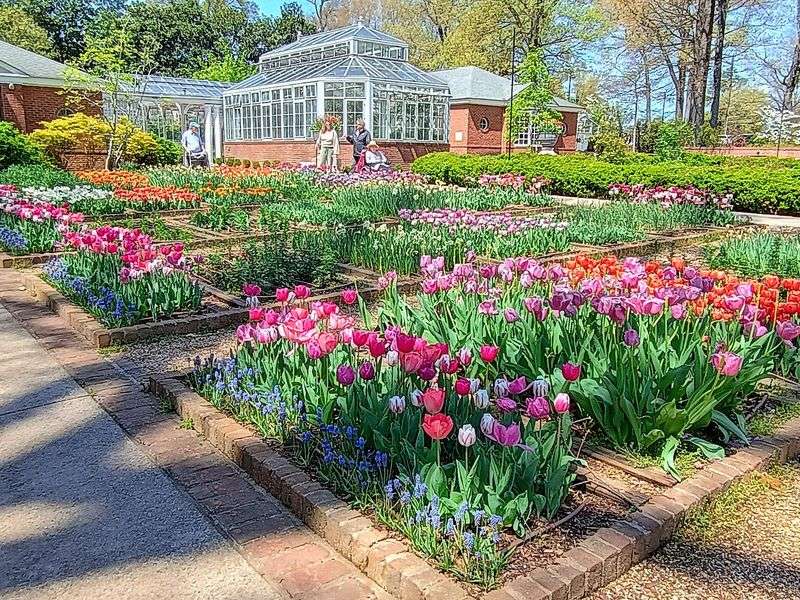
Three distinct garden areas give the grounds their personality, and each feels like its own world.
The Memphis Garden Club Cutting Garden works like a small flower farm. Roses, annuals, and perennials bloom here nearly year-round.
A fountain by Alabama sculptor Frank Fleming anchors that space. Nearby, a conservatory shelters tropical plants and stays inviting even in chilly weather.
The Suzanne Mallory Formal Gardens take a calmer approach. Designed around sacred geometry and framed by boxwood, the beds shift with seasonal color.
Ancient Camellia japonicas grow here, adding blooms when much of the landscape rests. Their glossy leaves hold the space together all winter.
The Liz Keljik Manugian Woodland Garden covers two acres of true Mid-South forest. Oaks and hickories form the canopy above dogwoods, ferns, and wildflowers.
A water feature with three interlocking rings sits along the shaded path. The sound of moving water does most of the work.
Walking all three back to back shows how much variety fits into a modest footprint. Formal, productive, and wild, side by side.
Guided garden tours and horticulture workshops help explain the design choices behind each area. Plant lovers usually leave with a list of ideas.
Porcelain, Pewter, And Hands-On Discovery

Nearly 600 pieces of 18th-century German porcelain fill one collection here. It ranks among the largest of its kind anywhere in the United States.
Known as the Warda Stevens Stout Collection, the display is a parade of delicate figures, plates, and vessels. Kids often find it more fascinating than the paintings.
English ceramics from the 18th and 19th centuries add another layer. The craftsmanship rewards a slow, close look.
Then there is the Adler Pewter Collection, with more than 300 objects spanning the 17th through 20th centuries. Utilitarian, commemorative, and decorative pieces sit together.
Pewter tells a different story than porcelain. These were things people actually used, dented and polished by daily life.
An interactive gallery called Making an Impression invites hands-on exploration. Porcelain, painting, landscape, portraiture, and still life all get their own station.
Younger explorers can try techniques instead of only reading about them. That small shift keeps restless kids engaged far longer.
A gift shop and a café sit near the indoor check-in area. Coffee, tea, hot chocolate, and pastries make a nice pause mid-tour.
Rotating exhibitions have covered everything from historic fashion to trains. Variety is part of the design.
What To Know Before You Visit Park Avenue
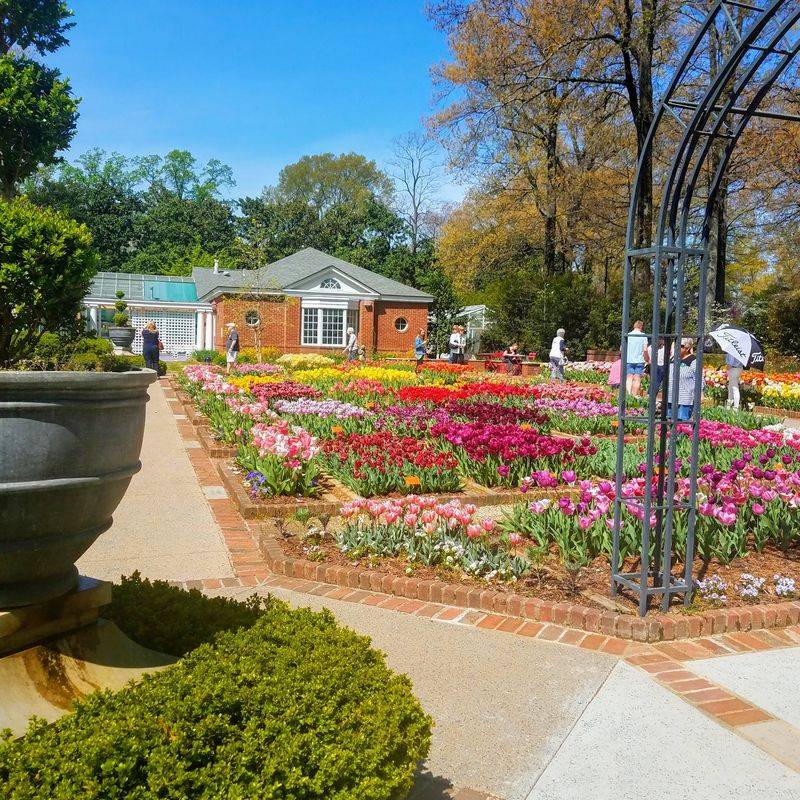
The address to punch into your phone is 4339 Park Ave, Memphis, TN 38117.
The mansion itself dates to 1942, designed by architect John Staub in Georgian style. Hugo Dixon insisted it be built with old brick salvaged from a cotton warehouse.
Greek Revival influences show up in the details. Those weathered bricks give the house a settled, lived-in warmth.
Give yourself two to three hours for a full loop. Galleries first, then gardens, works well on hot afternoons.
The Memphis Botanic Garden sits right next door, so pairing the two makes an easy day. Many people stumble onto the Dixon Gallery & Gardens that way.
Community programs run all week. Munch and Learn talks, yoga, Taijiquan, lunchtime meditations, and bilingual book clubs fill the calendar.
Outreach efforts like Art to Grow bring free art and horticulture lessons to students. The Dixons’ original teaching mission is still very much alive.
Bring a blanket, a water bottle, and a little curiosity. Tennessee has plenty of famous attractions, and this quiet Memphis estate holds its own against every one of them.