
This Peaceful Vermont Town Feels Made For Slow Mornings And Long Weekends
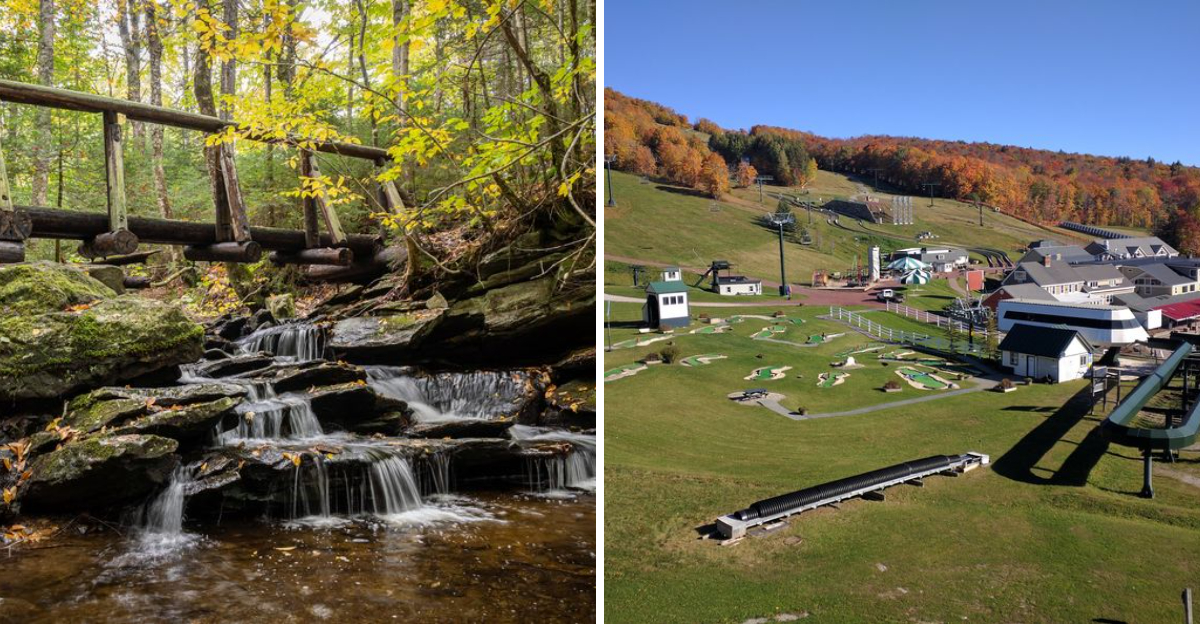
There are weekends when doing less sounds better than doing more. Vermont has a town that seems built for exactly that mood.
Mornings start gently here. Coffee lasts longer, streets stay calm, and there is no pressure to fill every hour with plans.
You can browse a small shop, grab something warm for breakfast, or simply enjoy the scenery. Nothing feels rushed.
That easy pace gives the town its charm. The state may be famous for beautiful countryside, but places like this make the scenery feel personal.
A couple of days can quickly feel like a real break. You sleep a little later and take your time over lunch.
Even an aimless afternoon feels like a good plan.
By the end of the weekend, leaving might be the hardest part. Somewhere in the state, this peaceful Vermont town makes slowing down feel surprisingly easy.
Hapgood Pond, Where Ambition Goes To Nap
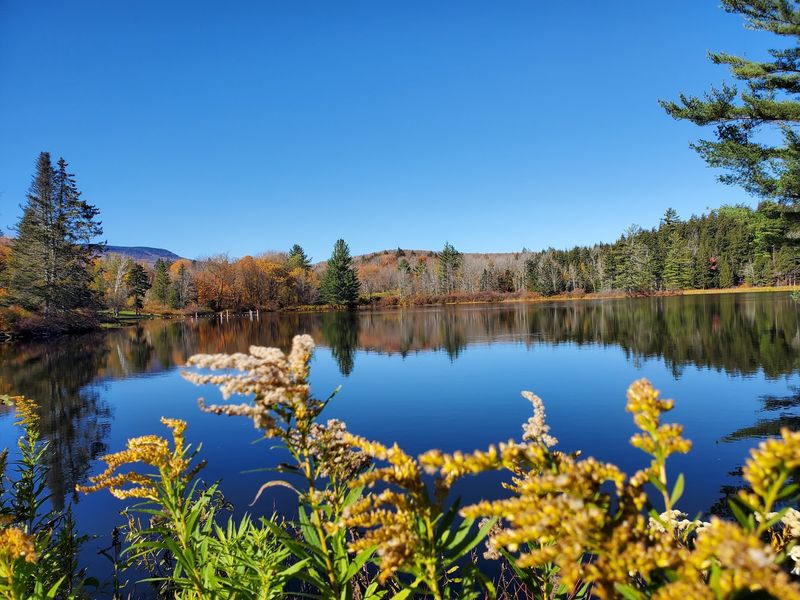
Water this calm feels almost polite. Hapgood Pond sits about two miles north of the village, off Hapgood Pond Road.
The seven-acre pond is the oldest developed recreation area in the Green Mountain National Forest. Crews from the Civilian Conservation Corps shaped it back in the 1930s.
A sandy beach slopes into shallow water, which suits families with small children. Picnic tables sit under tall pines, close enough for an easy lunch run.
An easy loop trail circles the shoreline in well under a mile. Expect flat footing, frogs near the edges, and plenty of shade.
Fishing draws steady interest, with trout stocked during the season. Canoes and kayaks are welcome, though motors are not.
A small campground nearby keeps things simple, with tent and trailer sites. Fees apply for day use, so bring a few dollars along.
Autumn turns the reflection into a mirror of gold and rust. Mornings are quiet enough to hear leaves land on the surface.
Bring a book, a blanket, and zero ambition. That is the correct way to spend an afternoon at the pond.
Breakfast That Refuses To Be Rushed
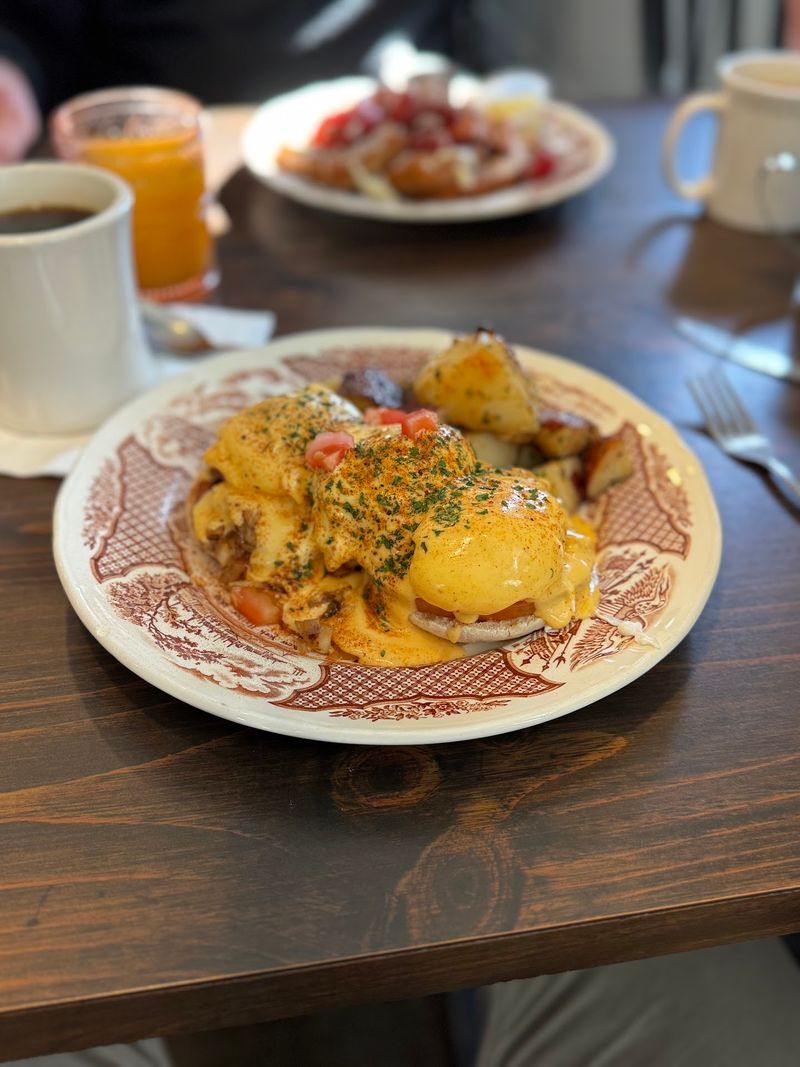
Coffee tastes better when old floorboards creak beneath your boots. The J.J.
Hapgood General Store has anchored the village center since 1827.
You will find it at 305 Main Street, a short turn off Route 11. Breakfast runs long here, and nobody nudges you toward the door.
Wood-fired pizza, fresh pastries, and farm eggs share space with everyday store shelves. The building ranks among the oldest continuously operating stores in the state.
Grab a window seat and watch morning fog lift off the surrounding hills. Conversation drifts easily, and the pace stays comfortably unhurried.
Weekend mornings bring a friendly crowd, so arriving early is a smart move. The porch works well for planning the rest of your day.
Stock up on snacks before heading toward the trails or the mountain. Stores like this one still do the quiet work of a community hub.
Peru keeps its center compact, which makes strolling simple after breakfast. You can cover the heart of the village in about ten minutes.
Good food plus short distances equals a properly slow morning. That formula is hard to beat on a Saturday.
Bromley Mountain And Its Sunny Reputation
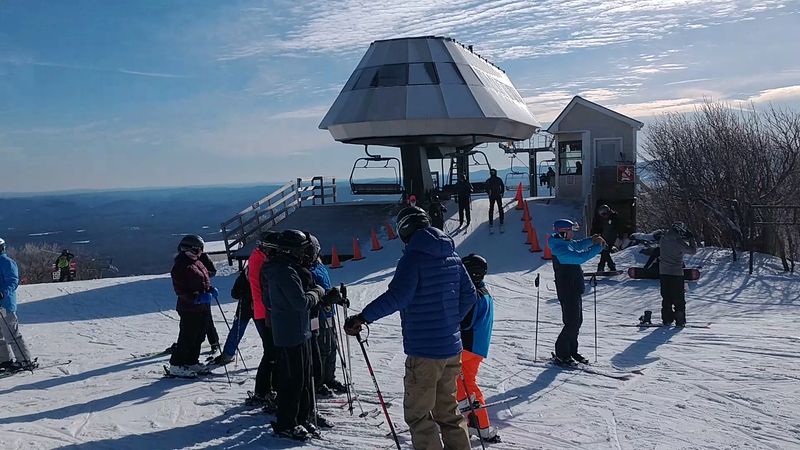
Sunshine is the selling point on this particular slope. Bromley Mountain earned the nickname Vermont’s Sun Mountain because its main trails face south.
The resort address is 3984 VT Route 11, just east of the village center. Its summit reaches roughly 3,284 feet, with a wide spread of runs below.
Beginners get long, forgiving terrain that builds confidence quickly. Stronger skiers can drift toward the steeper eastern side for more bite.
South-facing slopes mean warmer afternoons and less wind on the lift. Families notice the difference by lunchtime, especially in deep winter.
Bromley opened in 1938 and remains one of the oldest ski areas in the region. Its history is stitched into the town’s identity, season after season.
Lesson programs run for children and adults, and rentals are available on site. Book ahead on holiday weekends, since parking fills early.
The base lodge keeps a friendly, unfussy feel rather than a polished resort look. That casual tone fits Peru perfectly.
Snow days here reward patience and a slow lunch by the window. You will not feel hurried off the mountain.
A Town Name Invented To Sell Land
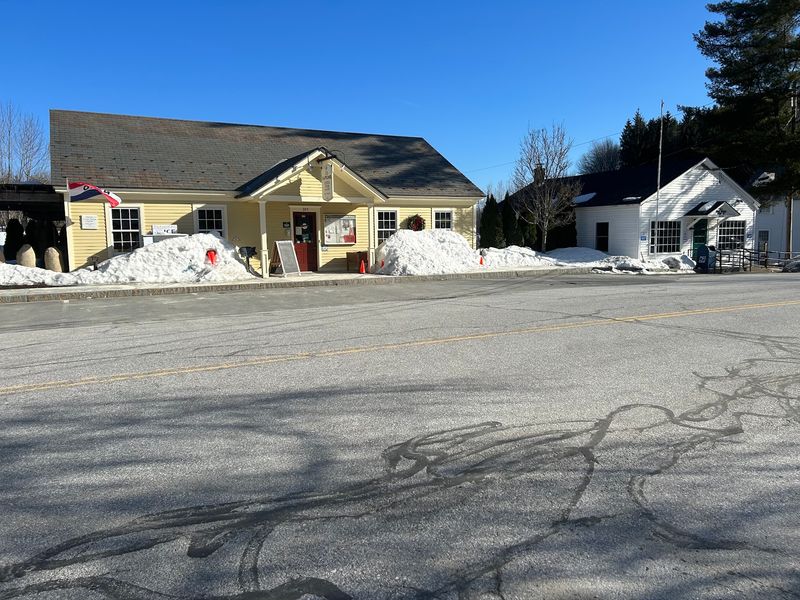
Here is a marketing story from the early 1800s. The town was originally chartered as Bromley, a name that sold nothing to buyers.
Early descriptions of the grant were blunt, calling it thirty-six square miles of trees, bears and mountain lions. Land grantees needed something more appealing on paper.
So they borrowed a name from South America and called the place Peru. The rename was a sales pitch, plain and simple.
It worked well enough that the name stuck for more than two centuries. The old title survives on the mountain, which is still called Bromley.
Two names, one town, and a small lesson in early American advertising. Few places wear their history that openly.
Small numbers help explain the calm you feel on the back roads. There simply is not much traffic to interrupt a morning walk.
Ask about the name at the store and you will get a grin. Residents know the story and enjoy telling it.
Wilderness Ridges Above The Village
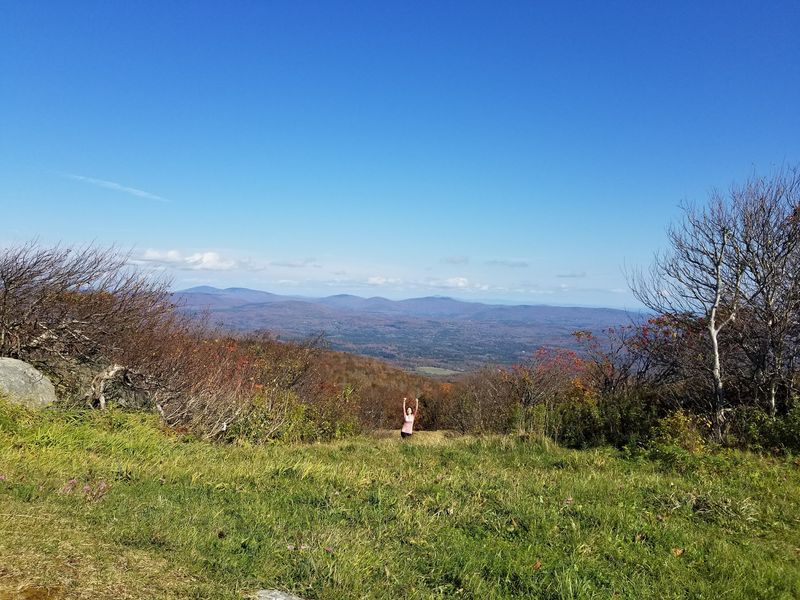
Boots on, phone off. The Peru Peak Wilderness covers roughly 7,000 acres inside the Green Mountain National Forest.
Peru Peak rises to about 3,429 feet, with Styles Peak close behind. Both sit along the Long Trail, which doubles as the Appalachian Trail here.
Wilderness rules keep the area free of roads, logging, and mechanized equipment. Expect rough footing, blowdowns, and genuine quiet.
Griffith Lake lies near the northern edge, a favorite overnight stop for hikers. Camping there requires care, since the shoreline is fragile.
Day hikers often start near Mad Tom Notch Road for a shorter approach. The climb is steady rather than brutal.
Views open at the summits in patches, not sweeping panoramas. The reward is the forest itself, mossy and thick.
Carry water, a map, and layers, because weather shifts fast at elevation. Cell service is unreliable across most of the ridge.
Return to the village by afternoon and the contrast is striking. Wilderness one hour, porch swing the next.
That easy switch between wild and settled defines a weekend in Peru. Few towns manage both so neatly.
The White Steeple At The Center Of Everything
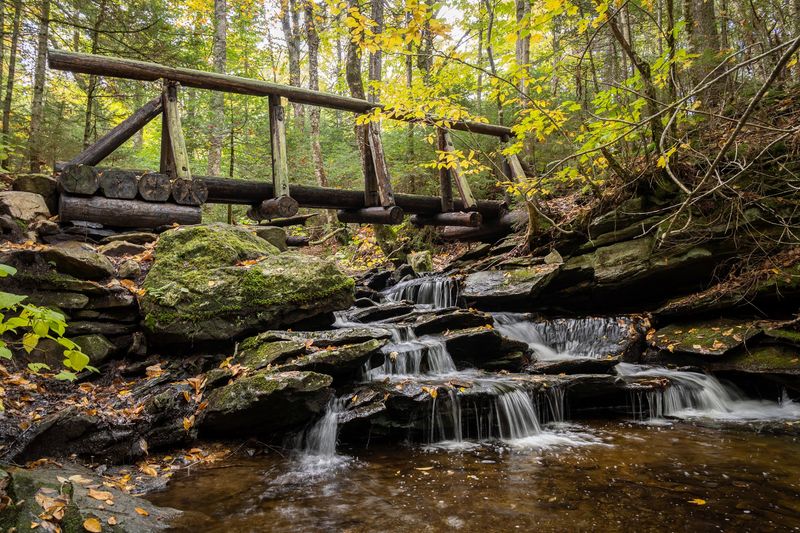
White clapboard, black shutters, and a steeple that points straight up. The Peru Congregational Church has stood at the village center since 1846.
Photographers find it early, especially when frost still sits on the grass. The building anchors a cluster of homes along Main Street.
The village district reflects nineteenth-century building patterns that survived largely intact. Clapboard houses, stone walls, and mature maples line the road.
Walking it takes minutes, but the details reward a slower pace. Look for hand-cut granite steps and old window glass with a slight ripple.
Winter light hits the steeple around mid-morning for the cleanest photographs. Autumn frames it in orange, which explains the steady stream of cameras.
Services still take place, so respect the space and keep noise low. Parking is limited, so leave room for residents.
Town meetings and community suppers still happen in buildings nearby. Small-town civic life continues here in its plainest form.
Stand still for a minute and the loudest sound may be wind in the maples. That silence is the reason people keep returning.
One Sunday In September, Everything Changes
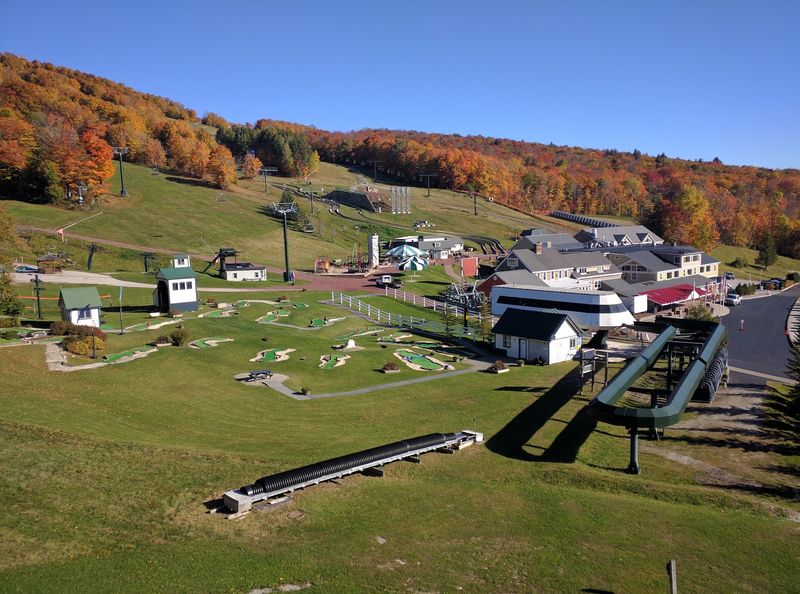
One Sunday each September, the population multiplies dramatically. The Peru Fair takes over the village on the last Sunday of the month.
Craft booths line Main Street, and food stands stretch along the roadside. Music, games, and demonstrations fill the day from morning until late afternoon.
It started in the 1970s as a modest community fundraiser. Growth came steadily, and thousands now arrive for the single-day event.
Handmade goods dominate, from woodwork and pottery to knitwear and preserves. Vendors travel in from across the region for the occasion.
Traffic backs up on Route 11, so early arrival saves frustration. Shuttle parking usually operates from designated fields nearby.
Foliage timing often lines up perfectly with fair day. Hills glow while the crowd moves slowly between booths.
Children’s activities run throughout, including rides and simple games. Bring cash, since not every vendor accepts cards.
By evening the street empties and quiet returns quickly. The town goes back to being a village of a few hundred.
Plan a long weekend around it if crowds do not bother you. Otherwise, come a week later for the same colors without the bustle.
Skinny Skis And Deep Forest Silence
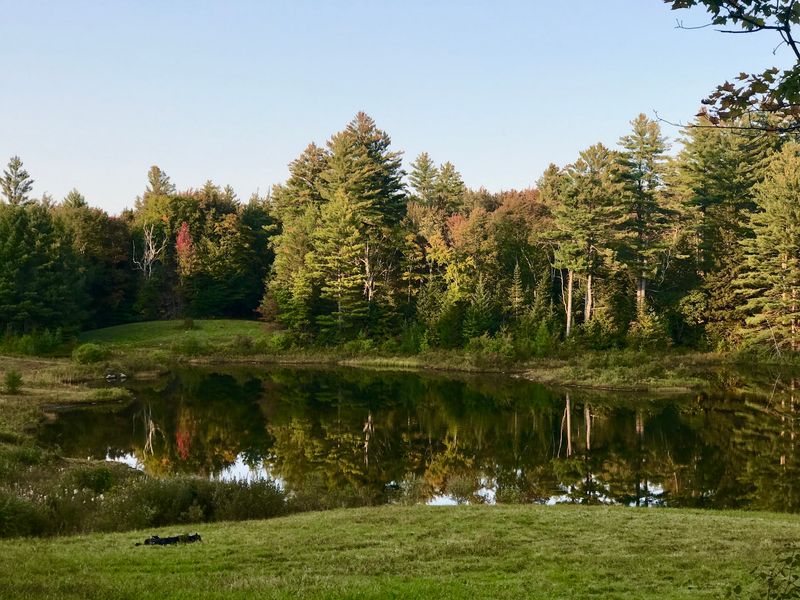
Skinny skis, deep woods, and no engine noise anywhere. Wild Wings Ski Touring Center operates on Styles Lane, just outside the village.
Its trail network covers roughly twenty-five kilometers through quiet forest. Grooming is done with care, and the terrain rolls rather than plunges.
The center is small by design and limits daily ticket numbers. That policy keeps trails uncrowded even on busy weekends.
Elevation helps, since snow tends to hold longer up here. Seasons often stretch from December into late March.
Rentals and lessons are available for people trying the sport for the first time. Classic tracks suit beginners better than skate lanes.
Warming huts along the route give you a place to pause. Hot drinks and a wood stove make a fine mid-loop reward.
Snowshoe routes run separately, which protects the groomed tracks. Pet policies are strict, so check details before loading the car.
Silence is the main attraction, broken only by skis brushing snow. Few winter activities feel this unhurried.
Pair a morning here with a slow lunch back in Peru. That schedule fills a Saturday nicely.
Summer Turns The Ski Hill Into A Playground
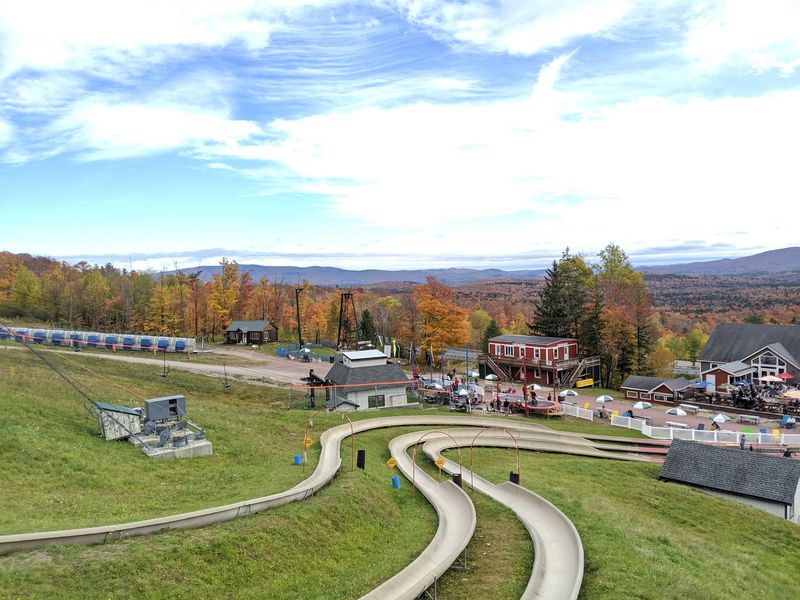
Winter is not the only season with a lift ticket. Bromley runs a summer adventure park with an alpine slide and a mountain coaster.
The alpine slide ranks among the longest in North America, dropping down grassy slopes. Riders control their own speed, which keeps nerves manageable.
The Sun Mountain Flyer coaster follows a track through trees near the base. Zip lines, a climbing wall, and a trampoline round out the options.
Scenic chairlift rides carry non-thrill-seekers to the summit for wide views. Bring a light layer, because breezes up top run cooler.
Day passes cover most attractions, though individual tickets are also sold. Weekday afternoons tend to be calmer than Saturdays.
Hikers can ride up and walk down on marked trails. The Long Trail crosses the summit, adding a serious option.
Foliage season turns the lift ride into the best seat around. Clear days reveal ridgelines rolling far toward neighboring states.
Operating dates shift with the season, so confirm hours before driving up. Summer weekends usually run the fullest schedule.
Kids sleep well after a day like that. So do adults, honestly.
When Hollywood Borrowed The Whole Village
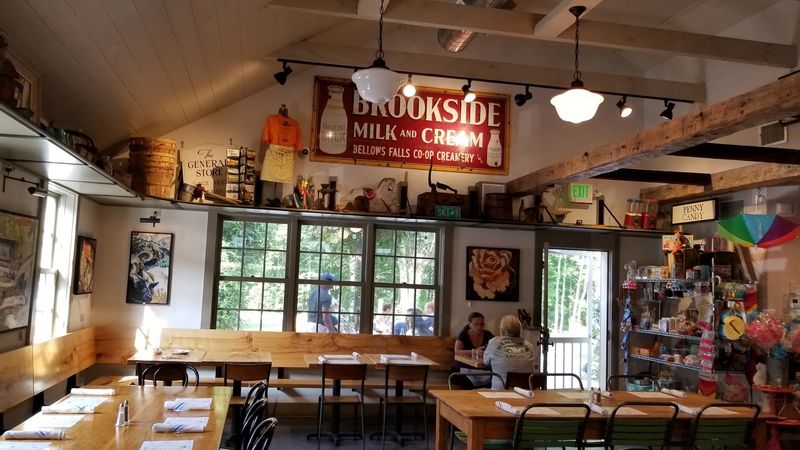
Hollywood came calling in the 1980s. Scenes from the 1987 film Baby Boom were shot right in the village.
The general store stood in for a fictional country town on screen. Its plain facade reached audiences across the country.
Diane Keaton starred, playing an executive who trades city life for rural routines. The plot leaned hard on small-town charm, and the setting delivered.
Locations were chosen for their unspoiled look, and little has changed since. You can stand in the same spot today without much imagination required.
Film crews left, but the story stayed part of local conversation. It remains a favorite piece of trivia around town.
Long weekends here follow a similar script to that fictional slowdown. Mornings stretch, afternoons wander, and evenings end early.
Lodging options include inns and rental homes scattered along the back roads. Nearby Manchester adds more choices about twenty minutes west.
Book ahead for foliage and ski season, since inventory is limited. Peru is small, and beds fill fast.
Come for two nights and you will understand the appeal. Come for three and you may start browsing property listings.