
A Beloved Georgia Fish Camp Serves Fried Catfish The Traditional Southern Way
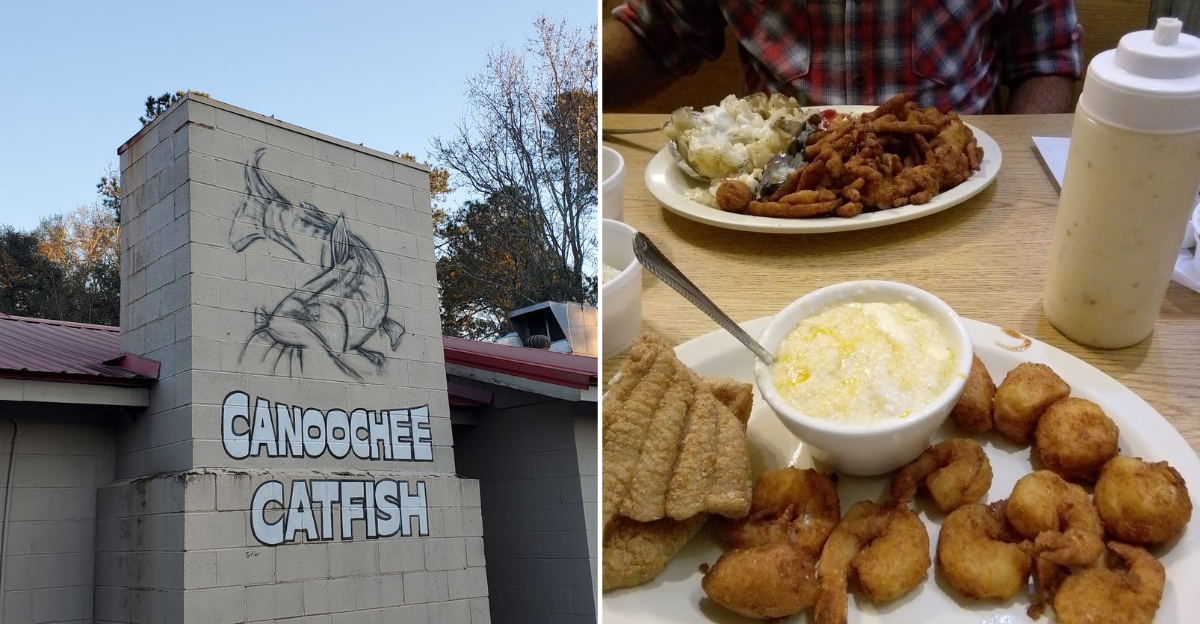
Southern cooking has a particular way of preparing fish that’s hard to find outside this part of the country. This Georgia fish camp keeps that tradition alive with fried catfish made exactly the way it’s always been done.
Fish here gets fried fresh throughout the day, never sitting under heat lamps waiting for orders. Regulars order the same dish consistently, trusting the recipe to taste exactly like it did the last time.
Nothing about the process has changed since the camp first opened its doors decades ago. Portions stay generous, matching the comfort food reputation this camp built over the years.
Every order gets prepared with the same care regardless of how busy the counter gets. This fish camp proved that some traditions taste even better the longer they stay unchanged.
History Of Fried Catfish In Southern Cuisine
Fried catfish did not arrive in the South from a single kitchen. It grew out of Native American river fishing, West African deep-frying skill, and European pantry basics like cornmeal and flour.
Catfish was already a familiar food along the West African coast, and it swam in huge numbers through Southern rivers and lakes. Enslaved Africans brought frying techniques and bold seasoning habits that shaped the dish into what people recognize today.
Because the ingredients were simple and cheap, the meal became a natural centerpiece for church suppers, family reunions, and weekend gatherings. By the mid-1960s, fried catfish sat firmly inside the Soul Food tradition.
Another twist helped it spread. As cotton farming declined, many landowners switched to raising fish in ponds, which made catfish easier to find and steadier in quality.
Fish camps grew out of all that history, usually near a river and usually run by one family for decades. Canoochee Catfish carries that thread forward with hand-breaded fish, limited hours, and a cash-only counter that feels like a small time machine.
Opening only Thursday through Saturday evenings is part of the charm. Dinner there becomes an event rather than a quick errand.
Anyone curious about where the tradition still lives can find it at 2652 Canoochee Garfield Rd, Twin City, GA 30471.
Techniques For Achieving The Perfect Crispy Texture
Crispy fish is less about magic and more about moisture control. Cooks pat the fillets dry with paper towels first, because wet fish turns breading into paste.
Next comes a dip in beaten egg or buttermilk, then a heavy roll through seasoned cornmeal. Some kitchens repeat the wet-and-dry cycle twice for a thicker, craggier crust.
Letting the coated fish rest a few minutes matters more than people expect. That short pause helps the cornmeal grip the fish instead of sliding off in the oil.
Oil temperature does the rest of the work. Between 350 and 375 degrees, the crust sets fast, and the inside steams rather than soaks.
Crowding the fryer is the classic mistake. Too many pieces at once drops the heat, and greasy fish is the sad result.
A spoonful of cornstarch, or a pinch of baking powder, creates tiny air pockets in the coating. The finish comes out lighter and shatters when you bite it.
Once the fish turns deep golden, it goes straight onto a rack or paper towels so steam can escape.
At Canoochee Catfish, food reaches tables hot and fresh, which is exactly why the crust holds up. Fried fish waits for nobody, and this kitchen seems to know it.
Common Seasonings Used In Traditional Southern Frying
Yellow cornmeal sets the stage. That slightly gritty base gives Southern fried fish its signature crunch and its color.
Salt, black pepper, and cayenne handle the core flavor. Cayenne is the one that decides whether the plate whispers or talks back.
Garlic powder and onion powder add savory depth without stealing attention from the fish. Both blend into the cornmeal so evenly that most diners never think about them.
Creole and Cajun blends show up often in fish camp kitchens, since one scoop delivers a dozen spices at once. Smoked paprika sneaks in sometimes for a faint campfire note.
Family recipes wander from there. Lemon pepper, Old Bay, or a splash of hot sauce mixed straight into the buttermilk are all fair game.
Balance is the real goal. Catfish has a mild, slightly sweet flavor, and heavy seasoning can bury it completely.
Seafood at Canoochee Catfish leans on that measured approach, with scallops and shrimp seasoned enough to taste like themselves. Whole fried catfish gets the same treatment.
Salt and pepper sit on the table for anyone who wants to adjust. Fish camps have always trusted diners to finish the job.
Side Dishes That Complement Fried Catfish
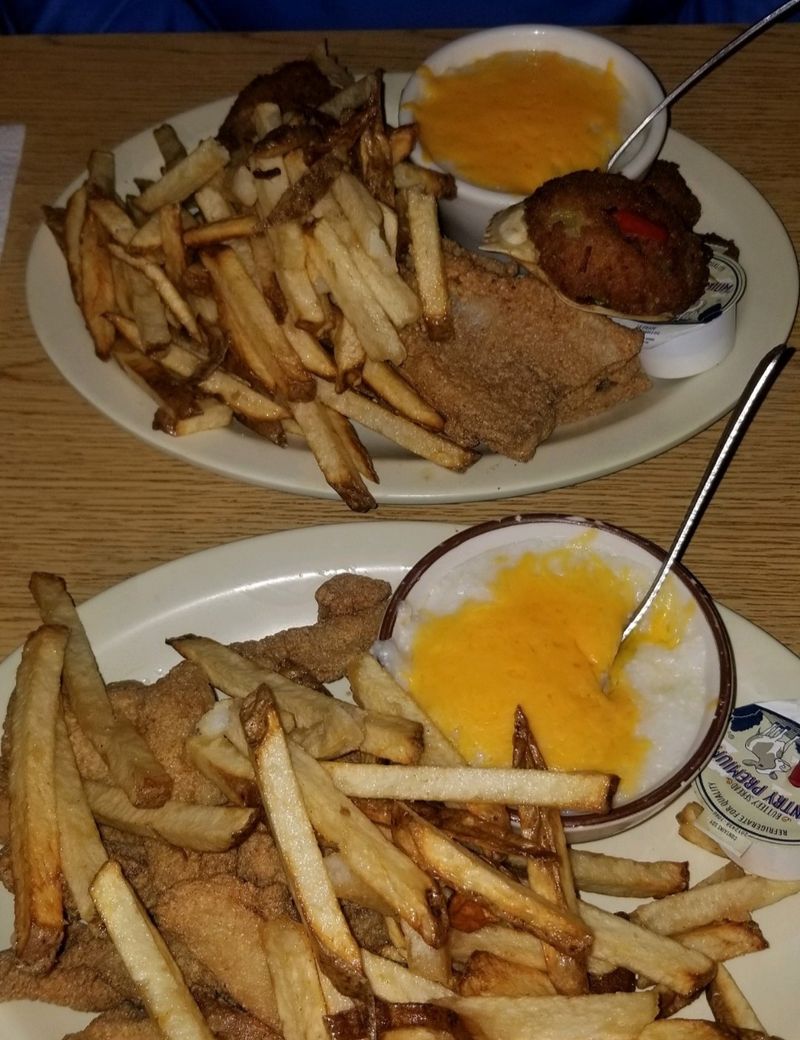
Hush puppies are non-negotiable. Those little fried cornmeal balls come out crisp outside, soft and slightly sweet inside, and they disappear before the main plate lands.
Coleslaw plays the cooling role. Cold, creamy, and tangy, it resets your mouth between bites of hot fish.
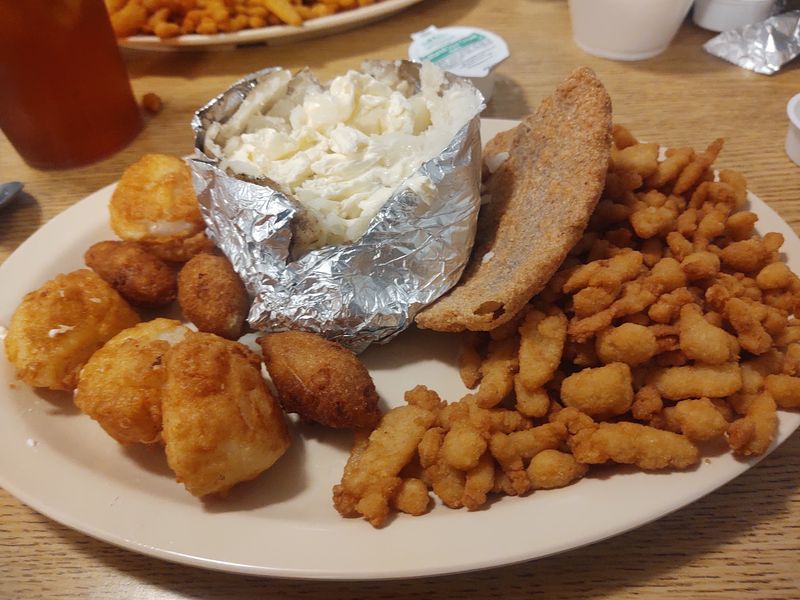
Baked potatoes are a fish camp favorite for good reason. Fluffy, buttery, and customizable, they stretch a seafood plate into a full-on feast.
Collard greens, fried okra, green beans, and mac and cheese round out the Southern lineup. Cornbread shows up when someone wants to soak up every drop.
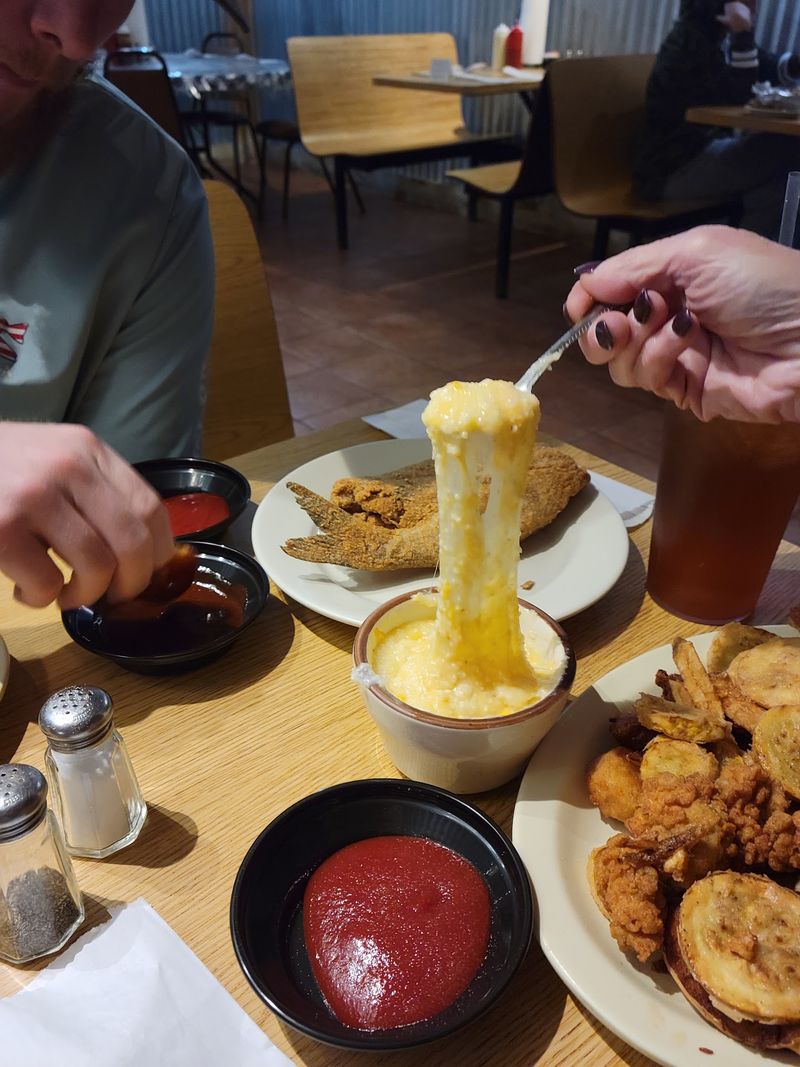
Grits deserve a mention too, especially the buttered kind that tastes homemade rather than boxed.
Meals at Canoochee Catfish arrive with two sides plus hush puppies, and the salad bar counts as one of them. Choosing a salad bar trip over fries feels like a small victory.
Fresh greens before a fried dinner is a smart strategy. Your appetite gets warmed up without getting wrecked.
Lemon wedges, tartar sauce, and hot sauce finish the plate. Each bite can taste a little different depending on your mood.
Dessert exists too, including strawberry cheesecake and brownies with vanilla ice cream. Bring a to-go box, seriously.
Choosing The Right Catfish For Frying
Great fried catfish starts long before the fryer heats up. The best fillets are white-fleshed, mild, and firm enough to hold their shape in hot oil.
Farm-raised catfish tends to taste cleaner because the fish eat a controlled grain diet. Wild-caught fish can sometimes carry that muddy note people complain about.
Color is a quick clue. Clean white meat is what you want, and a heavy dark streak usually means stronger flavor.
Whole fish tell on themselves too. Clear, bright eyes and deep red gills mean freshness, while cloudy eyes mean keep walking.
Size matters more than people think. Smaller fillets, roughly two pounds or less, cook evenly and stay tender instead of drying out on the edges.
Whole fried catfish is a specialty at Canoochee Catfish, and cooking fish on the bone keeps it juicy. The crust seals in moisture while the meat stays flaky.
Other white fish work well in a fryer, including cod, tilapia, flounder, walleye, and perch. Flounder appears on the menu here alongside shrimp, oysters, scallops, and clam strips.
Variety is part of the fun. One table can order five different things and everyone leaves happy.
Cooking Methods For Southern-Style Fried Catfish
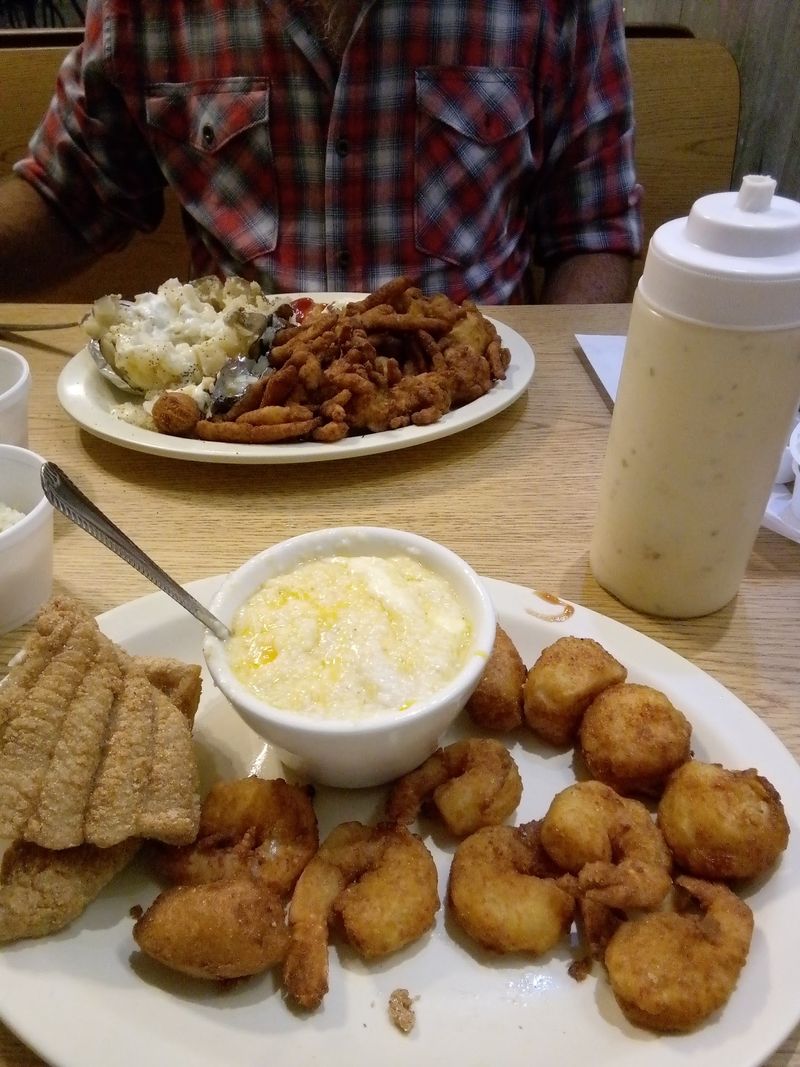
Two methods rule Southern fish kitchens: deep-frying and pan-frying in cast iron. Both aim for the same thing: a crust that crackles and fish that stays moist.
Prep begins with rinsing the fillets and drying them completely. A buttermilk soak follows, usually thirty minutes and sometimes closer to two hours.
Buttermilk does double duty. It tenderizes the fish and softens any strong flavor that might linger.
After the soak, fish goes into a cornmeal and flour dredge until every inch is covered. Neutral oils like peanut, canola, or vegetable handle the heat best.
Temperature discipline separates good fish from greasy fish. Cooks hold the oil between 350 and 375 degrees and fry in small batches.
Three to five minutes per side usually does it. Golden brown is the finish line, and overcooking turns tender fish rubbery fast.
Draining immediately on a rack keeps the crust intact. Sitting in oil is how crispy becomes sad.
Kitchens like Canoochee Catfish also grill, which is why salmon, shrimp skewers, and thick ribeyes share the menu with the fryers. Char-grilled and deep-fried under one roof is a nice problem to have.
Arriving at 5 PM helps, since the dining room fills quickly.
Tips For Pairing Fried Catfish With Non-alcoholic Drinks
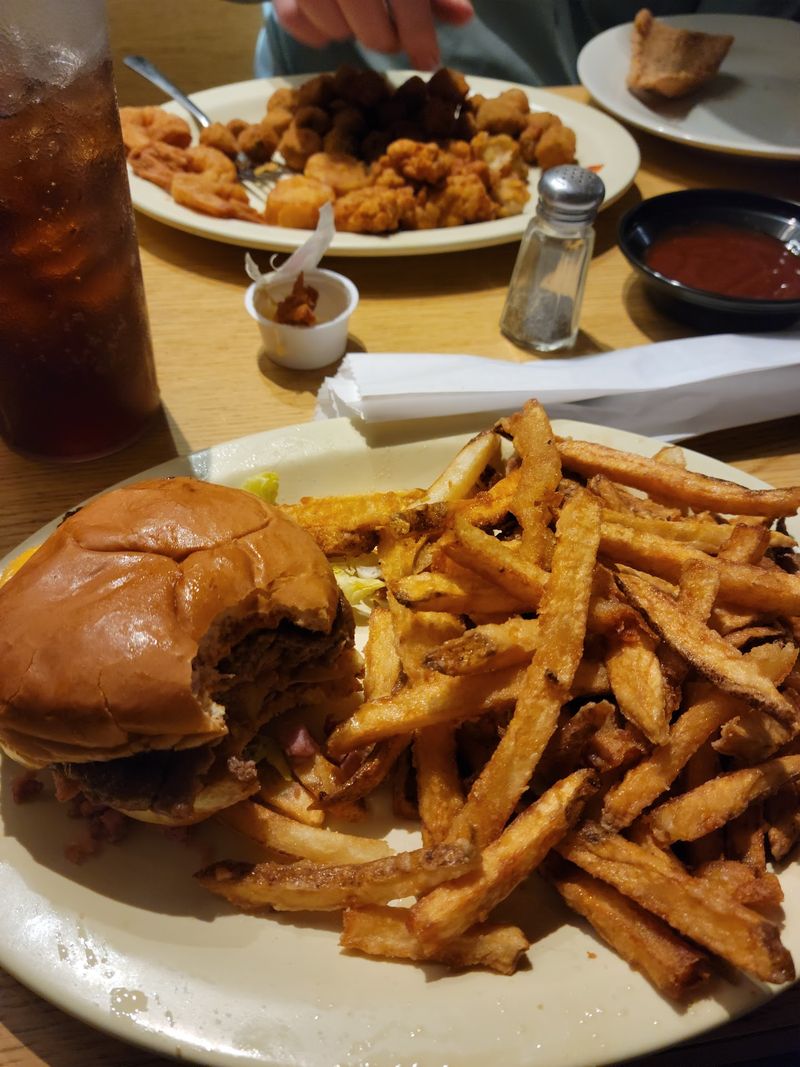
Rich fried food needs a drink with some backbone. Something bright and a little acidic clears the palate and keeps every bite tasting fresh.
Sweet iced tea with a squeeze of lemon is the Southern default, and it earns that spot. The chill and the citrus cut right through the crust.
Lemonade works just as well, whether it is classic, strawberry, or mixed half and half with tea for an Arnold Palmer.
Sparkling water is quietly excellent here. Bubbles scrub away the richness, and a lime wedge adds lift without sweetness.
Ginger ale and root surprise people by pairing nicely with seafood. Ginger especially brings a warm snap that plays off fried fish.
Fruit teas like peach or raspberry give the meal a different personality. Peach tea in Georgia feels almost required.
Overly sugary drinks are the main risk, since catfish has a delicate flavor that heavy syrup can flatten.
Servers at Canoochee Catfish are known for keeping glasses filled without being asked, which matters when the fryers are running hot. Empty tea glasses do not last long there.
Those lemon wedges on the plate are a hint. Bright and tart is the direction to lean.
The Role Of Catfish In Georgia Food Culture
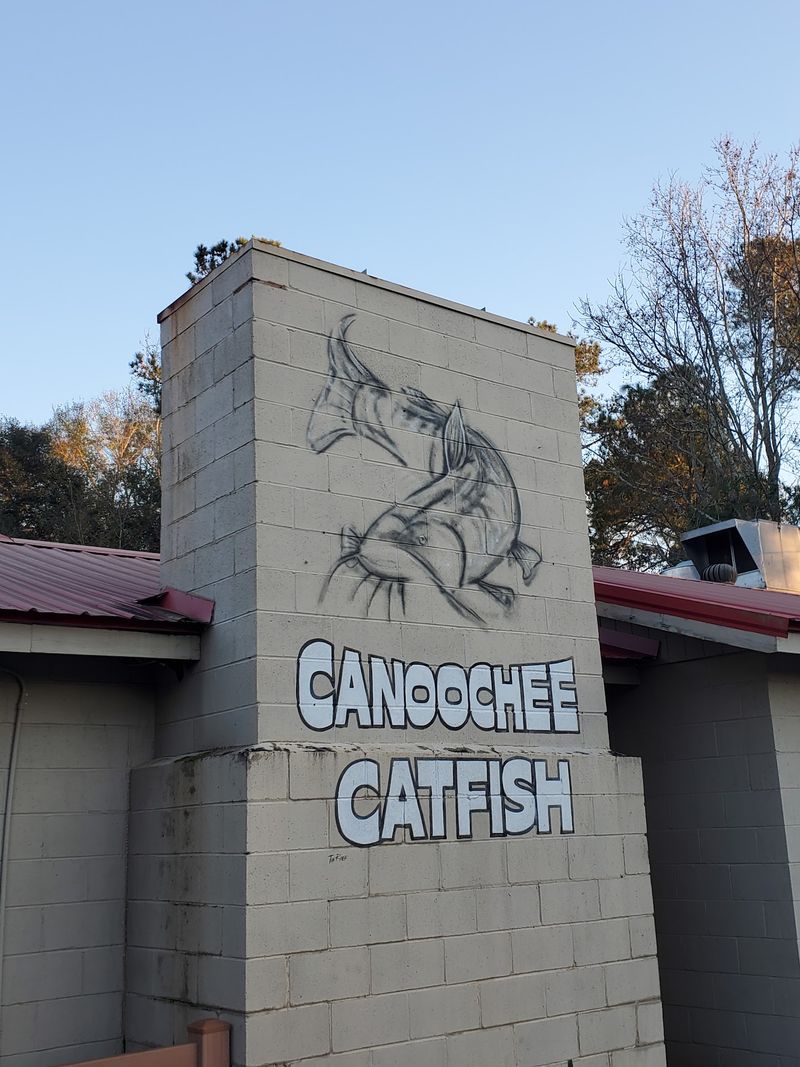
In Georgia, catfish is a social event with a side of hush puppies. Since the 1960s, it has anchored fish fries, birthdays, church suppers, and Friday nights.
Fish camps became the gathering halls of rural counties. Nobody dresses up, everybody eats well, and conversations run long.
Part of the appeal is honesty. Fried catfish never pretends to be fancy, and that is exactly why people trust it.
Canoochee Catfish has been feeding this corner of Emanuel County for decades, with owners and servers known by name. Waitresses work as a team, clearing plates and refilling glasses across the whole room.
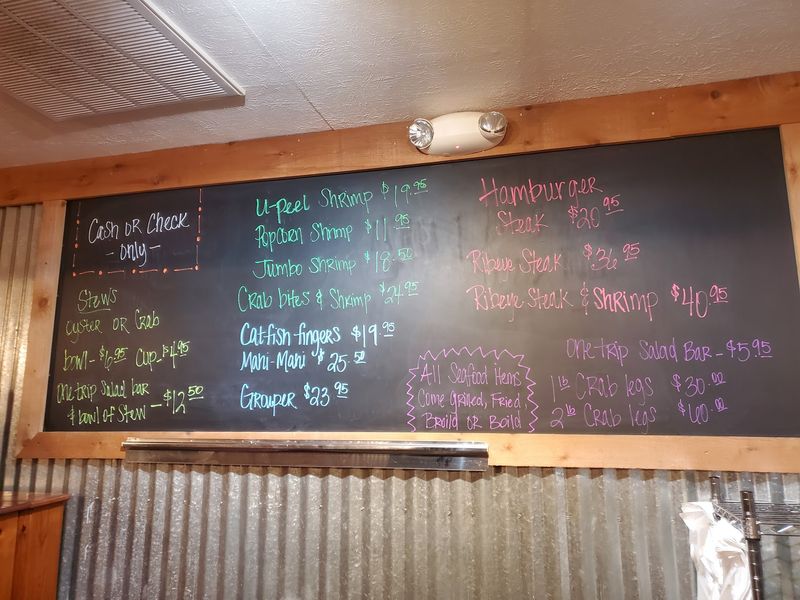
Cash and checks only, thanks to no cell service or WiFi out there. Bringing cash is the price of admission, and honestly it adds to the story.
No signal means no scrolling, so tables end up actually talking. Families pass the landline number to babysitters just in case.
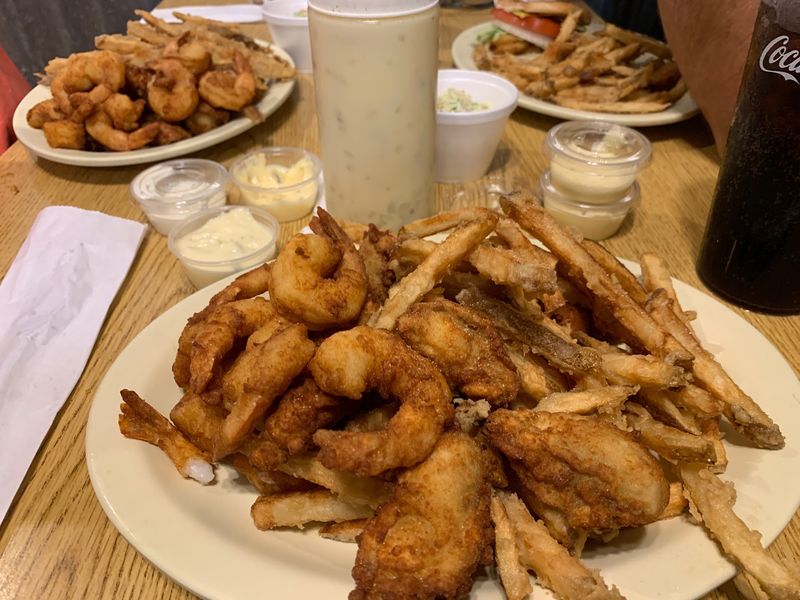
Portions run big enough that to-go boxes are standard equipment. Combination platters stack catfish with shrimp, scallops, oysters, and stuffed crab.
Hours stay tight, Thursday through Saturday from 5 to 10 PM. Planning is part of the ritual, and the drive out there always feels worth it.