
These 11 Idaho Rockhounding Spots Hold Crystals And Hidden Gems Waiting To Be Discovered
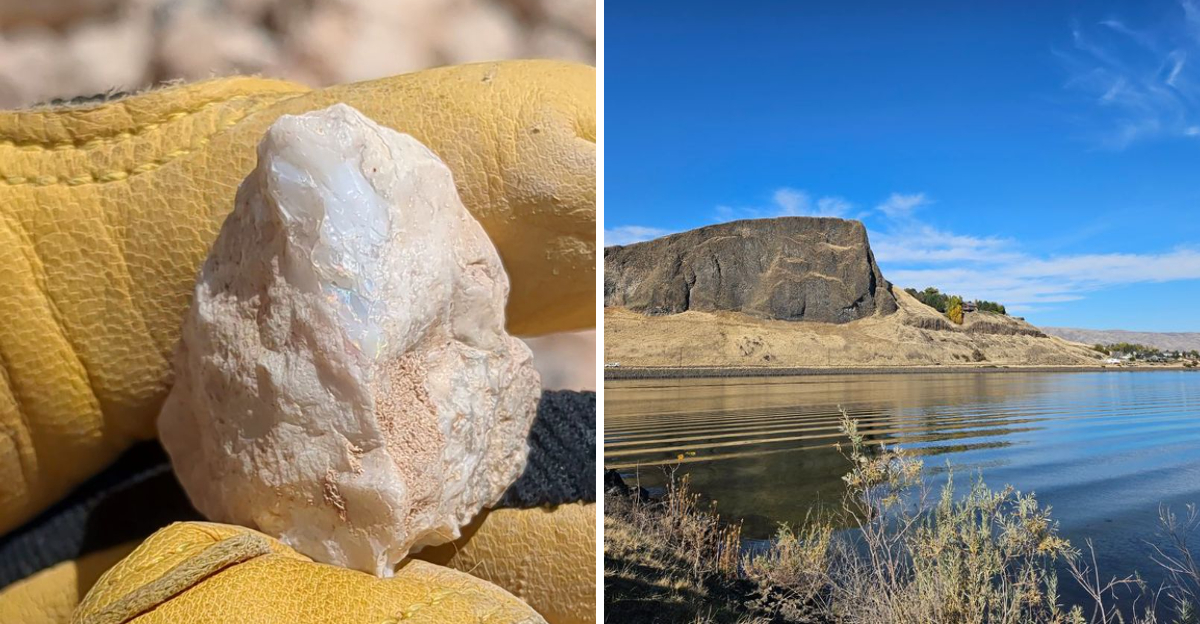
Eleven spots. Countless crystals hiding in plain sight.
Star garnets flash a six-pointed light found almost nowhere else on the planet. Opals shimmer in fire colors pulled straight from old volcanic gas pockets.
Idaho does not announce these places with billboards. Rivers, ghost towns, and quiet canyon rims hold the good stuff instead.
Ready for the real surprise? A canyon here plunges eight hundred feet, deeper than most visitors expect from a rockhounding trip.
Old mining streets creak underfoot in a town frozen near the 1860s boom years. Garnets, jasper, agate, and gold flakes wait in gravel bars across Idaho.
Bring boots, buckets, and low expectations for how much fits in the trunk after. The real find is never just one stone.
1. Emerald Creek Garnet Area, Fernwood
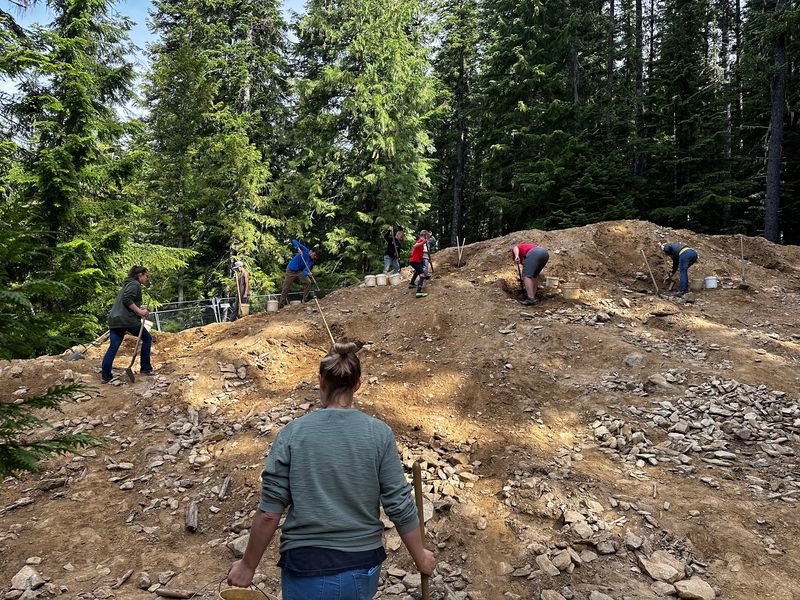
Star garnets show up in only two places on Earth, and one of them sits in the Idaho panhandle. The other is India.
Emerald Creek Garnet Area near Fernwood is run by the Forest Service. Visitors work provided gravel through sluice boxes and screens.
The routine goes like this. Scoop, screen, wash, then sort by hand.
Look for stones that read almost black in the sun and deep purple in the light. Cut correctly, they flash a four or six-pointed star.
Plan ahead here. The site runs on a seasonal schedule, and reservations plus a valid ID for your permit are part of the deal.
Bring rubber boots. Bring gloves too, because that water stays cold even in July.
Kids love this one. The digging feels like a treasure hunt with a geology lesson quietly attached.
Pack a change of clothes for the ride home. Mud finds its way into everything.
Check current rules before you drive out, since daily limits and hours can shift from season to season.
Nearby cedar forest makes the drive worth it on its own. Pull over, stretch, and enjoy the quiet before the digging starts.
Emerald Creek Rd, Fernwood, ID 83830
2. Spencer Opal Mine, Spencer
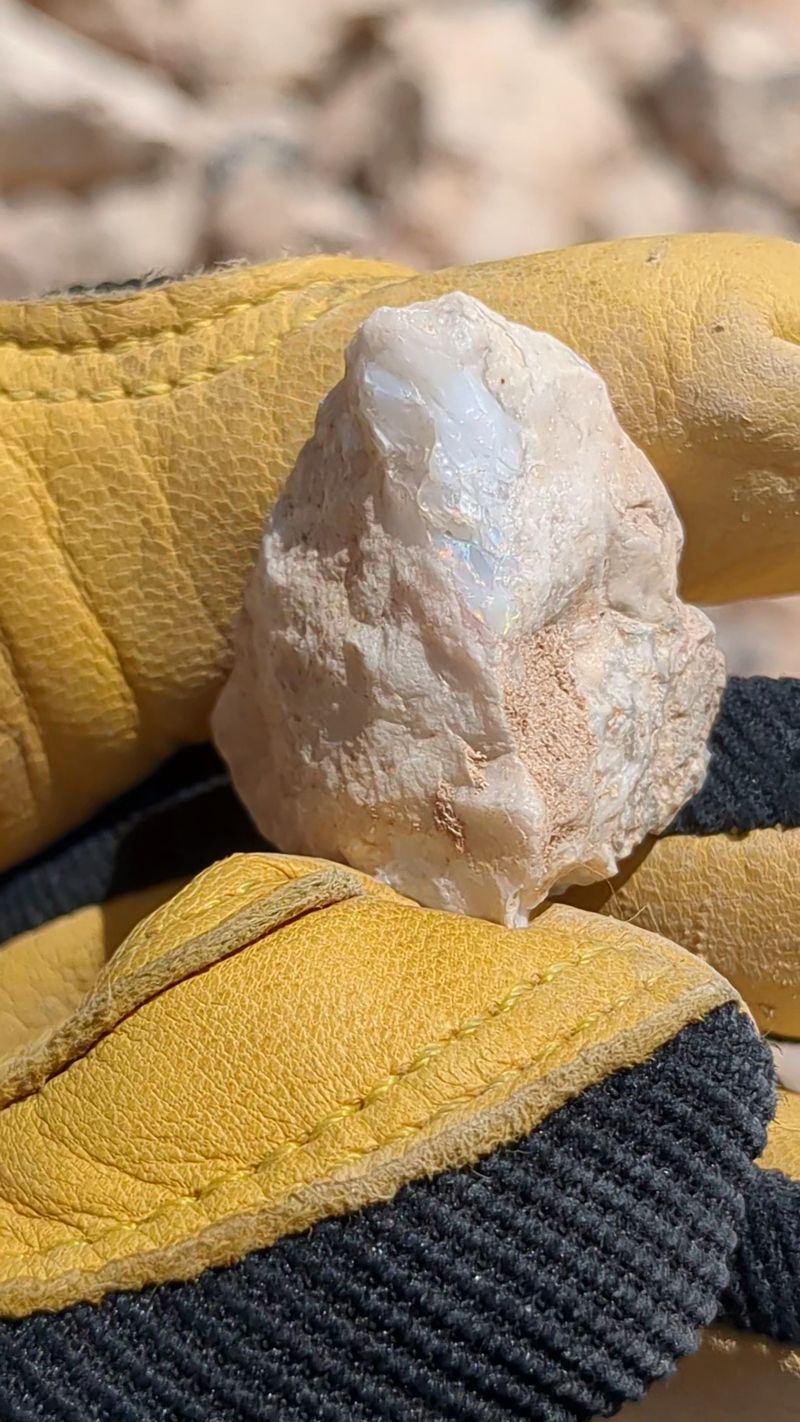
Idaho calls itself the Gem State, and Spencer makes a strong case for the nickname. The mine here ranks as the largest privately owned gemstone operation in the state.
People often call this town the opal capital of America. Precious and common opals both turn up.
Colors range widely. White, pink, yellow, and blue all appear in the rough.
The mini-mine area holds material hauled down from the main pit. You sift, split, and hunt for that flash of fire.
Guided trips into the main mine run during the season for anyone wanting a deeper look at how opal forms.
Geology fans, take note. The opal filled gas cavities inside rhyolite and obsidian flows, which is why it often shows up in thin layers.
Those thin seams demand patience. Split carefully and you may keep a piece intact instead of shattering it.
Ask staff about the pink precious opal. Locals consider it a signature find from this specific ground.
Wear closed shoes and sun protection. The high desert sun bounces off pale rock all day long.
Confirm seasonal availability before driving out, because operations depend on weather and snow.
27 Opal Way, Spencer, ID 83446
3. Bruneau Canyon Overlook, Bruneau
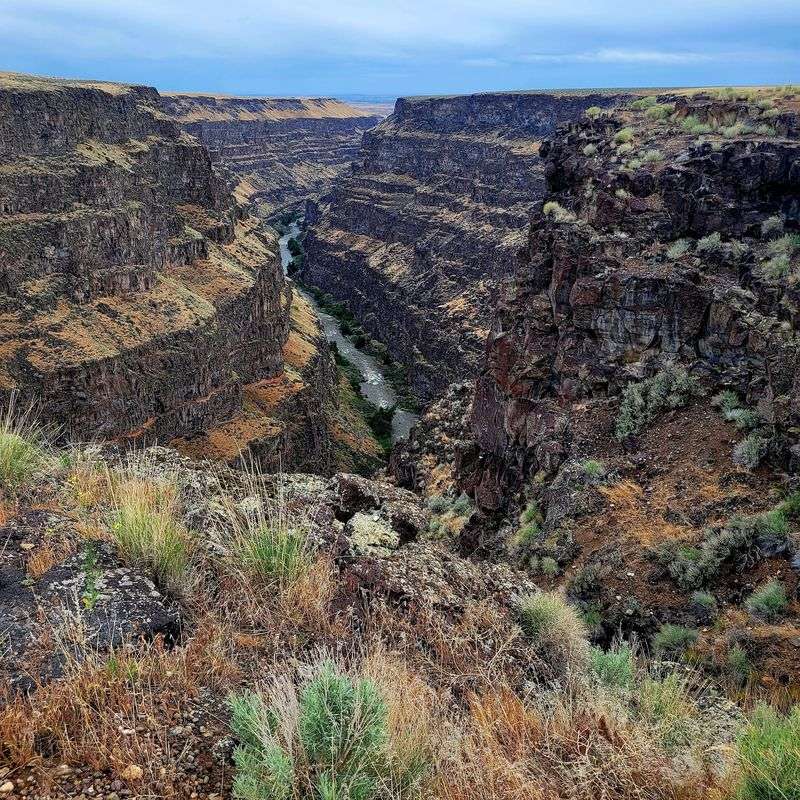
Eight hundred feet of sheer rock drops away from the railing. The Bruneau River threads through the bottom like a ribbon.
Folks call this the Grand Canyon of southwestern Idaho. The view alone earns the drive.
Rockhounds come for what lies scattered across the surrounding high desert. Jasper, agate, and petrified wood all turn up.
Jasper from this region draws collectors. Some pieces show tiny bubbles and sphere patterns locked in the stone.
Search the gulches, low hills, and road cuts rather than the overlook itself. Loose float rock rewards slow walking.
Water matters here more than anywhere else on this list. The desert offers no shade and no services.
Bring a full tank of fuel too. Cell service gets patchy fast once you leave the highway.
Dirt access roads can turn slick after rain. A high-clearance vehicle saves headaches.
Spring and fall bring far kinder temperatures than midsummer. Early mornings feel best.
Always confirm land status before collecting, since public and private ground sit side by side out here.
Stay back from the rim edge with children and dogs. That drop is no joke.
Overlook Rd, Bruneau, ID 83604
4. Silver City
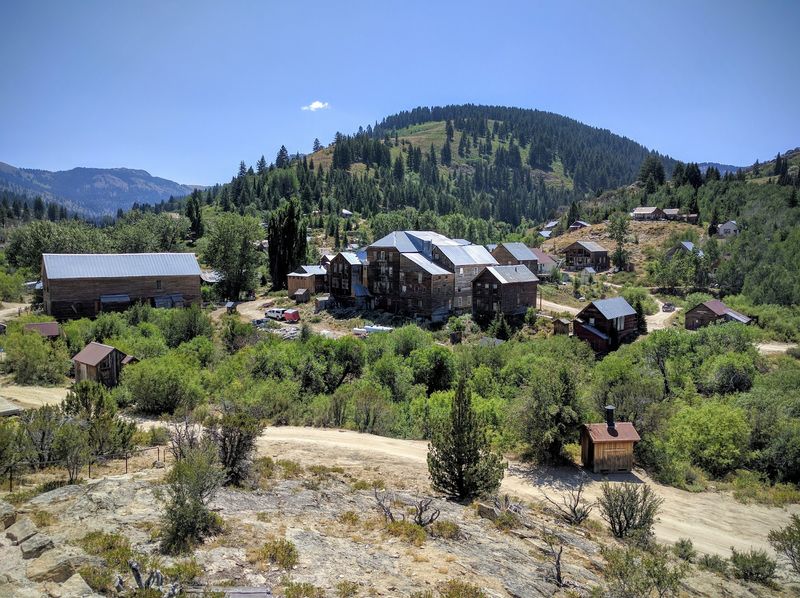
Weathered wooden storefronts still line the dirt streets up in the Owyhee Mountains. Silver City looks nearly untouched by the last century.
Mining built this place. Recreational rockhounds still find plenty worth carrying home.
Quartz crystals top the list. Sizes and clarity vary widely across the district.
Garnets turn up too, often deep red or leaning purple. Corundum has been reported around the area as well.
War Eagle Mountain nearby carries a strong reputation for both quartz and garnet.
Old tailings piles and stream gravels reward careful searching. Never enter old shafts or structures.
Getting here takes commitment. Gravel roads climb steadily, and snow closes access for much of the year.
Carry a real map. Digital directions get unreliable once you leave pavement.
Fuel up before you start the climb. There is no filling station waiting at the top.
Respect private property, because many buildings and claims here have owners.
Summer and early fall offer the safest window. Ask locally about road conditions first.
History buffs get a bonus. Walking these streets feels like stepping straight into the 1860s boom years.
Silver City, ID 83650
5. Priest Lake State Park, Coolin
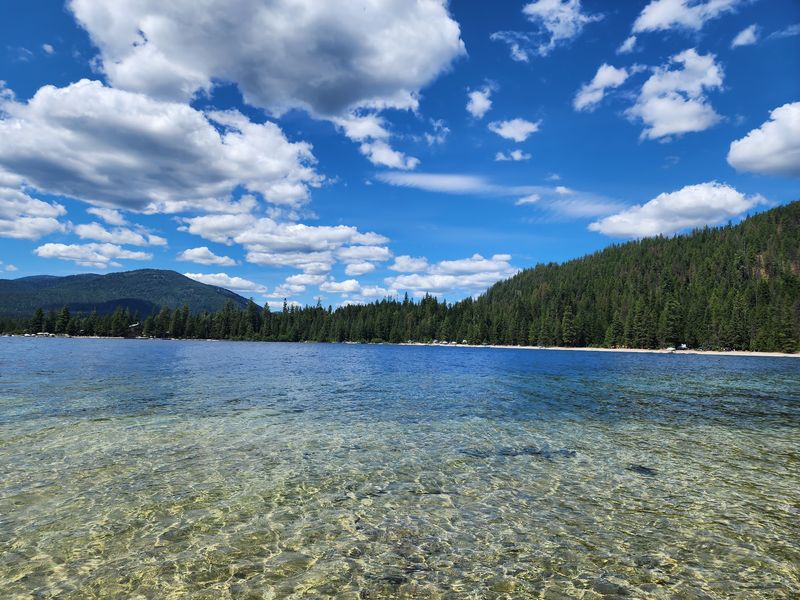
Clear water, cedar forest, and a shoreline full of pebbles worth a second look. Priest Lake State Park near Coolin delivers all three.
Most people come for paddling and camping. I come for the gravel along the water.
Quartz crystals and feldspar have both been reported along the shores of Priest Lake and Upper Priest Lake.
Glacial and alluvial deposits shaped this region. Stream-worked gravels often carry the most interesting material.
Walk slowly where creeks meet the lake. Moving water sorts and exposes fresh stones each season.
Wet the rock before you judge it. Dry pebbles hide their true color.
Follow park rules on collecting, since state parks limit what visitors may take.
Summer brings warm swimming and busy campgrounds. Book well ahead if you want a site.
Autumn thins the crowds. Larch trees turn gold and the shoreline goes quiet.
Pack bug spray in early summer. Mosquitoes take the forest seriously.
Hiking trails loop through thick woods with lake views at every turn. Bring a small bag for finds.
Cell coverage fades in spots, so download maps before arriving.
314 Indian Creek Park Rd, Coolin, ID 83821
6. Hells Gate State Park, Lewiston
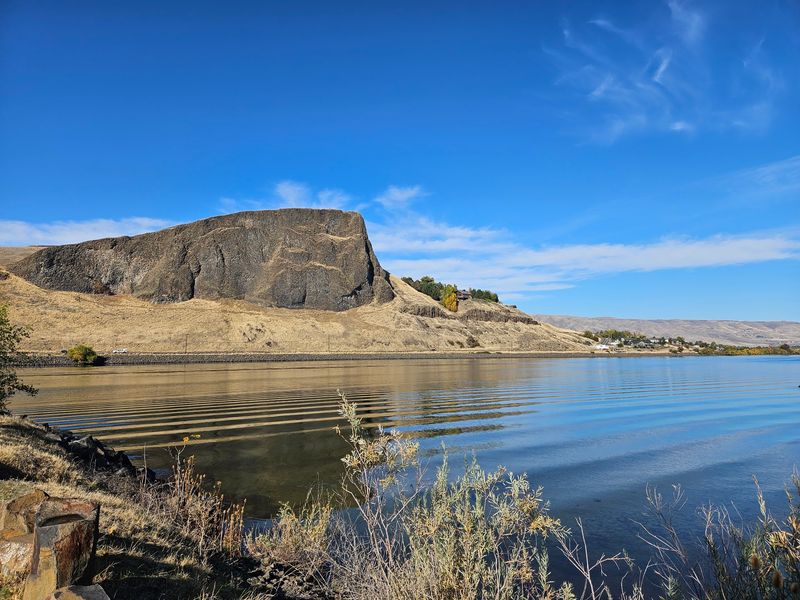
Ice age floods carved this valley roughly fifteen thousand years ago. The park sits right on that ancient river bottom.
Hells Gate State Park in Lewiston opens the door to North America’s deepest river gorge.
Basalt columns tower above the Snake River here. Those Pomona flows cooled around fourteen million years back.
Traditional gem digging is not the draw. The geology itself puts on the show.
Walk the riverside trails and study the columns up close. Their hexagonal shapes formed as lava cooled and cracked.
Photographers should aim for early morning. Low light sharpens every ridge in the dark rock.
Jet boat tours launch from the park marina and run deep into Hells Canyon. Book during the warmer months.
The park also connects to Lewis and Clark expedition history, with interpretive displays worth a slow read.
Summer heat climbs fast in this valley. Start early and carry water.
Collecting rules apply inside state parks, so check before pocketing anything.
Bikes work well on the paved river path. Families handle it easily.
Give yourself half a day minimum. The scale of the canyon deserves it.
5100 Hells Gate Rd, Lewiston, ID 83501
7. Black Canyon Park, Emmett
Moss agate. Plume agate.
Geodes hiding sparkling interiors.
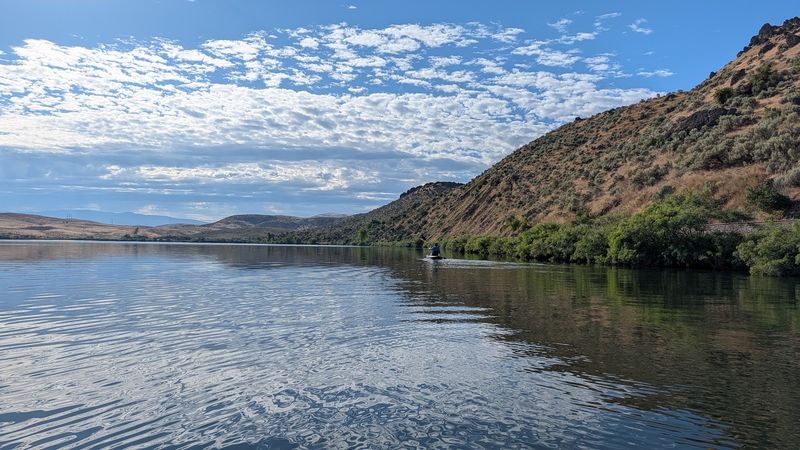
Black Canyon Park near Emmett puts all of that within reach of a single afternoon.
The reservoir here has built a reputation for agates and jaspers. Gravel bars along the Payette River give you the best odds.
Quartz crystals show up in clear, smoky, and amethyst varieties. Each one rewards a slow scan of the ground.
Hyalite opal has been reported in the area too. Bring a UV light and check your finds after dark.
Basalt and granite dominate the local geology. That mix explains the variety of material scattered along the water.
Water levels change through the year. Lower flows expose more gravel, so late summer often works best.
Wear sturdy shoes with grip. River cobbles roll under your feet without warning.
Confirm land ownership and collecting rules before filling a bucket. Public and private ground both exist nearby.
Boating and fishing draw crowds on weekends. Weekday mornings feel far calmer.
Tumble your agates at home. Even ordinary looking pieces can surprise you once polished.
Emmett sits an easy drive from Boise, making this a solid beginner trip.
5555 E Black Canyon Hwy, Emmett, ID 83617
8. Idaho City
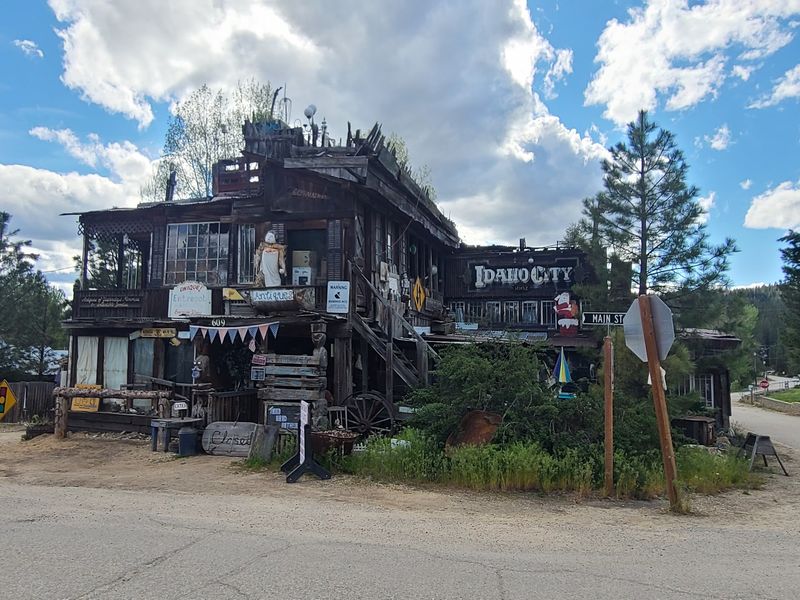
Gold fever built this town in 1862. The Boise Basin ranked among the richest gold districts in the country.
Idaho City still draws prospectors with pans and patience.
Mores Creek and Grimes Creek sit near town inside Boise National Forest. Both count as traditional panning waterways.
Recreational panning generally means simple hand tools only. Leave the heavy equipment at home.
Gold is the headline, but quartz and garnet also appear in the placer gravels.
Research land status carefully. Active private claims exist throughout the basin, and jumping one causes real problems.
Work the inside bends of the creek. Heavy material settles where the current slows.
Bring a snuffer bottle. Those tiny flakes vanish the second you try to pinch them.
Summer runs pleasant at this elevation, with pine shade along most creeks. Spring runoff makes panning tougher.
The town itself deserves an hour. Wooden boardwalks and preserved buildings tell the boomtown story well.
Bring cash for small shops, since service can be spotty.
Nearby hot springs make a fine reward after hours of crouching in cold water.
Even a single flake in the pan feels like winning something.
Idaho City, ID 83631
9. Riggins
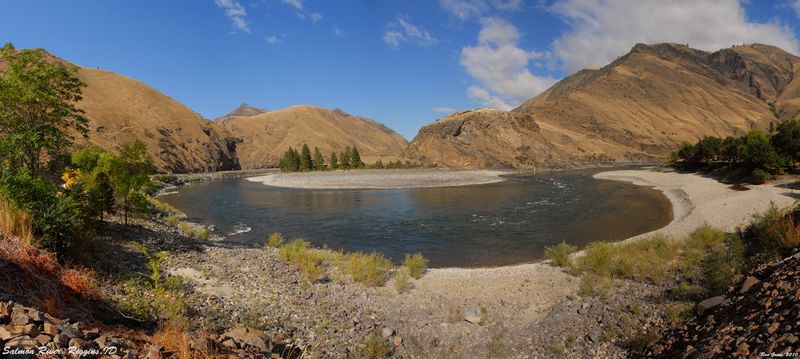
Deep canyon walls squeeze the Salmon River as it rushes past Riggins. The scenery alone justifies the drive.
Almandine garnets hide in this stretch of river country. Look for deep brown to purplish-red crystals sitting in schist among the cobbles.
Gold panning has a long history here too. The Florence District east of town produced heavily in its day.
The Salmon River system also carries agate, jasper, chalcedony, and petrified wood in its gravel bars.
High water each spring reshuffles the deck. Fresh material appears every season.
Drive the Salmon River Road and stop at accessible bars. Park safely and watch for traffic on narrow shoulders.
Confirm public access before collecting. Private land borders the river in several places.
Whitewater rafting keeps this town busy through summer. Book lodging early if you visit in July.
Bring a small pry bar for garnets locked in host rock. Patience beats force.
Late summer offers lower flows and more exposed gravel. That is prime hunting time.
Steelhead season brings anglers in fall, adding a different energy to the canyon.
Watch the weather, because canyon heat can spike quickly in midsummer.
Riggins, ID 83549
10. Clearwater River Near Orofino, Clearwater River
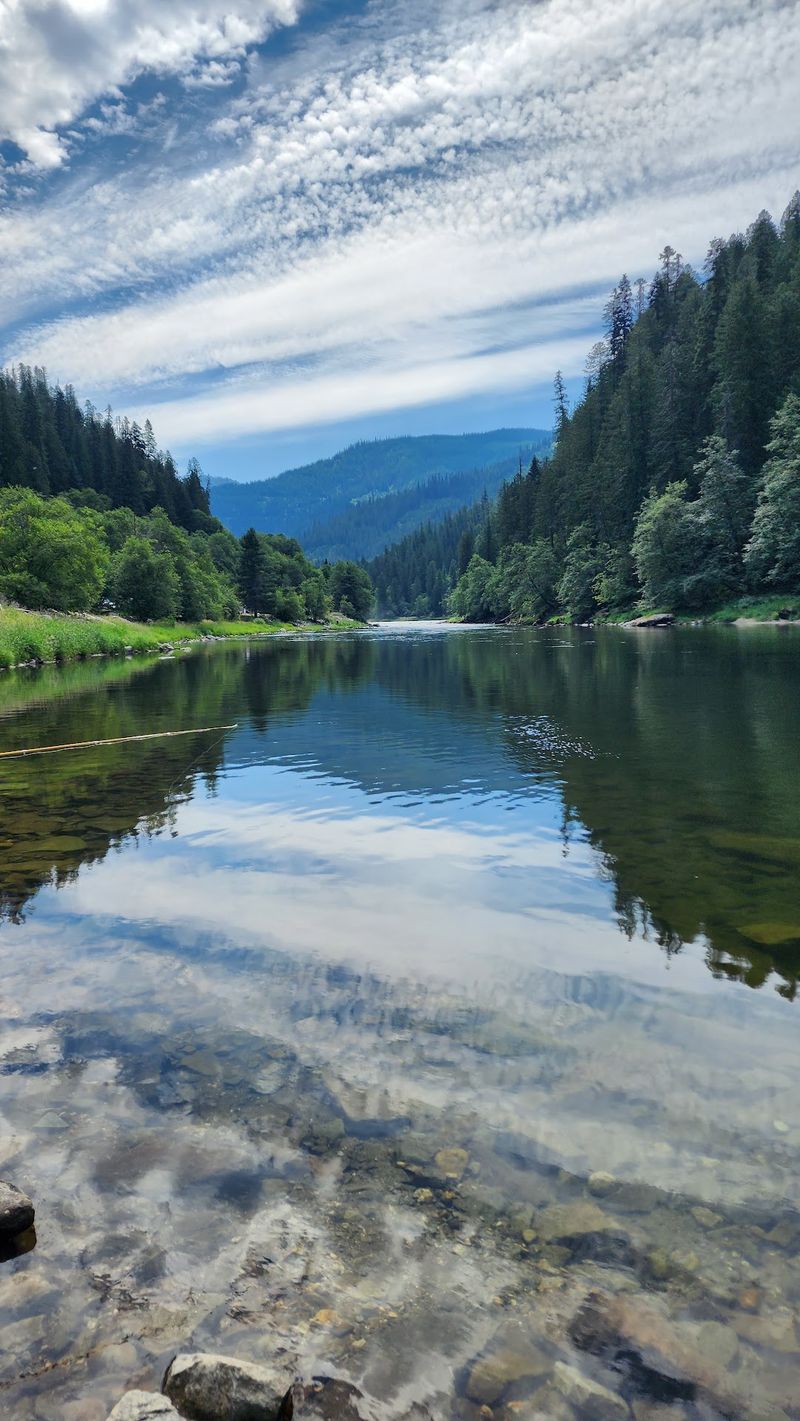
Idaho’s first major gold discovery happened along these banks in 1860. That single strike changed the territory forever.
The Clearwater River near Orofino still draws prospectors with pans and folding stools.
Recreational panning is allowed on BLM-managed sections. Verify boundaries before you start digging.
Fine gold remains in the gravels. Patience and clean technique matter more than muscle.
The river system offers more than gold. Agate, jasper, chert, and fibrolite all turn up.
Sapphire and epidote have been reported in Orofino Creek, a tributary feeding the main river.
Classify your material first. Screening out the big cobbles saves a lot of wasted panning.
Work slowly and let the water do half the job. Rushing loses the finest flakes every time.
Late summer and early fall bring lower, clearer water. Those conditions make everything easier.
Forested hills frame the river, and osprey often circle overhead while you work.
Always confirm land status, since ownership shifts along the corridor without obvious signs.
Fill any holes you dig and leave the bank as you found it.
Orofino sits close by for supplies and a hot meal afterward.
Clearwater River, Idaho
11. Salmon River In The Stanley And Salmon Area, Salmon River
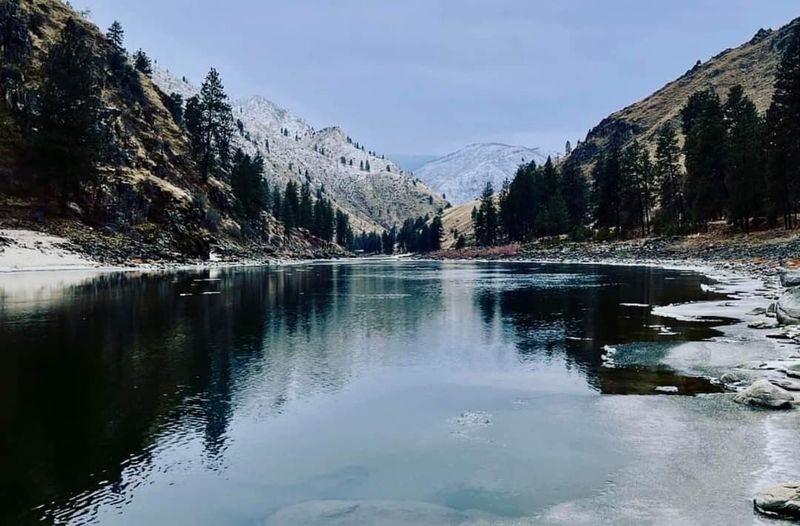
They call it the River of No Return. The name sticks with you long after the trip ends.
Around Stanley and Salmon, this river carries deep mining history and real rockhounding potential.
Certain stretches run through protected wilderness. Other sections allow recreational panning, so check the rules for your exact spot.
Placer gold shows up regularly. A few lucky prospectors have reported small nuggets.
Gravel bars hold plenty beyond gold. Agate, jasper, chalcedony, and petrified wood all appear.
Garnets, quartz, and even sapphires have been reported across the wider Salmon River system.
The Yankee Fork tributary stands out for its gold story and its preserved dredge, which sits as a striking reminder of industrial mining.
Sawtooth peaks frame the upper river near Stanley. Few panning locations offer scenery like it.
Nights get cold at this elevation, even in July. Pack layers regardless of the forecast.
Water runs frigid year round. Waterproof boots make long sessions bearable.
Late summer brings lower flows and safer access to bars.
Confirm land management rules before you sink a shovel anywhere.
Fill your holes, pack out trash, and this river will keep giving for generations.
Salmon River, Idaho