
This Massive Iowa State Fair Is The Perfect Way To Close Out Summer
Six hundred pounds of butter, carved into a life-size cow. That alone tells you summer is ending right.
This Iowa fairground spreads across acres of food stands, livestock barns, and midway lights. Corn dogs and pork chops fuel the grazing style everyone falls into.
Rides climb high above cornfields, and a giant slide sends riders down a striped burlap run. Contests get delightfully strange, from husband calling to cow chip throwing.
Barns smell like hay and early mornings, filled with prize livestock and teenagers who barely slept. Free stages keep music rolling until fireworks close it out.
Iowa families return year after year for reasons beyond nostalgia. Eleven days each August never feel like enough.
Plan two days, wear good shoes, and let this fairground close out summer right.
A Tradition That Started Back In 1854
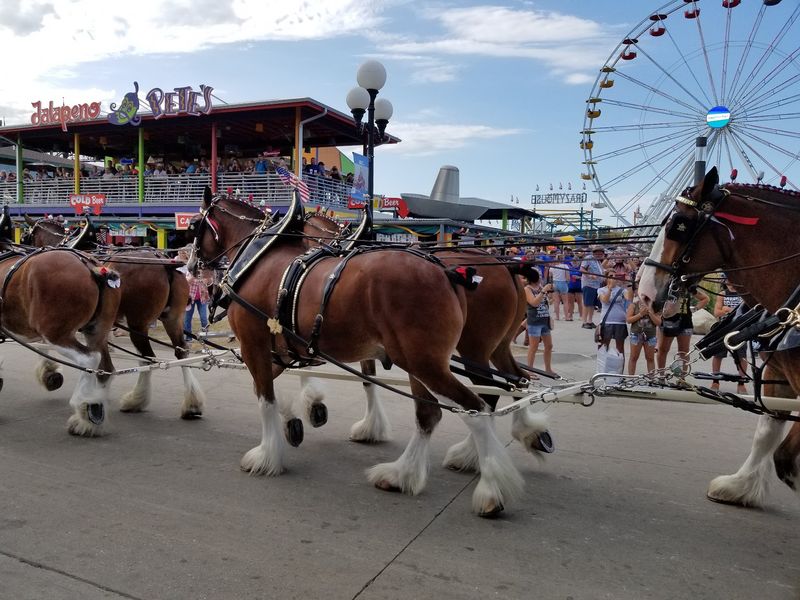
Before Iowa had highways, it had a fair. The very first one opened in Fairfield in October 1854.
It ran three days on a budget of about $323. Modest beginnings for something that now draws crowds by the million.
For years the fair wandered. Towns like Muscatine, Oskaloosa, and Cedar Rapids each took a turn hosting the growing celebration.
By 1879 it settled into Des Moines. The current site officially became the permanent home in 1886.
That address, 3000 E Grand Ave, Des Moines, IA 50317, has hosted generations since. Grandparents walk the same paths they wandered as kids.
The fairgrounds earned a spot on the National Register of Historic Places. That recognition covers buildings, not just memories.
Pioneer Hall still stands from those early days. Grandfather’s Barn, built around 1865, sits near the eastern edge.
Knowing the backstory changes how the grounds feel underfoot. Old brick and new food stands share the same block.
History here is not locked behind glass. It runs alongside the corn dog line, quietly, year after year.
445 Acres Of Organized Chaos
Comfortable shoes are not optional here. The grounds sprawl across roughly 445 acres.
That total includes about 160 acres of wooded campgrounds. Families park campers and stay for days rather than hours.
The Grand Concourse acts as the main artery. Foot traffic flows past food stands, exhibit halls, and stages in one continuous ribbon.
Pathways run wide and stable. Strollers, wagons, and wheelchairs all manage the routes without much struggle.
Visitors often mention how clean the place stays despite the crowds. Staff and volunteers keep things moving.
Several permanent buildings have air conditioning. On a scorcher, those become the most popular real estate on the property.
Water refill stations are scattered around, so a reusable bottle earns its keep. Restrooms appear frequently enough to avoid panic.
Free maps help enormously. Downloadable PDF versions and an interactive app map both exist for planning.
Trying to see everything in four hours simply does not work. Many regulars recommend two days minimum.
Pace matters more than speed on this particular patch of Iowa ground.
The Butter Cow Everyone Lines Up To See
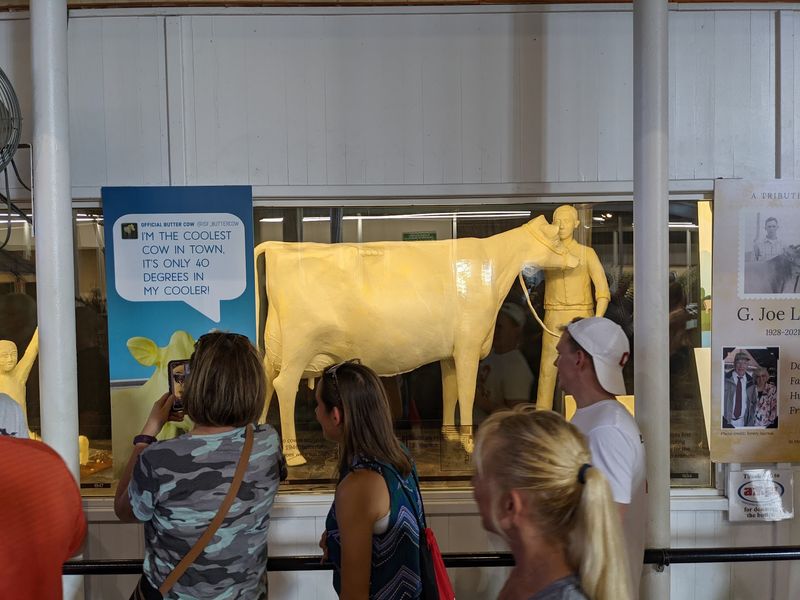
Roughly 600 pounds of cream butter. One life-size cow.
Zero regrets from the crowd waiting to see it.
The Butter Cow has anchored the Iowa State Fair since 1911. It lives inside a chilled 40-degree case in the Agriculture Building.
Only five sculptors have carried the tradition through its long run. That is remarkable continuity for such an unusual art form.
A companion sculpture usually joins the cow each year. Themes change, keeping repeat visitors curious about what appears next.
The line moves steadily, though mornings tend to be gentler. Crowds thicken as the afternoon heats up outside.
Kids press against the glass in disbelief. Adults do too, quietly, while pretending to take photos of the kids.
Photography is welcome, but the glass reflects, so angle carefully. Patience produces a better shot.
Butter sculpture might sound silly on paper. Standing in front of one, the craftsmanship lands differently.
Few attractions capture the character of this fair so neatly. Dairy country, artistic pride, and good humor, all in one cold case.
Food Served On A Stick, Naturally
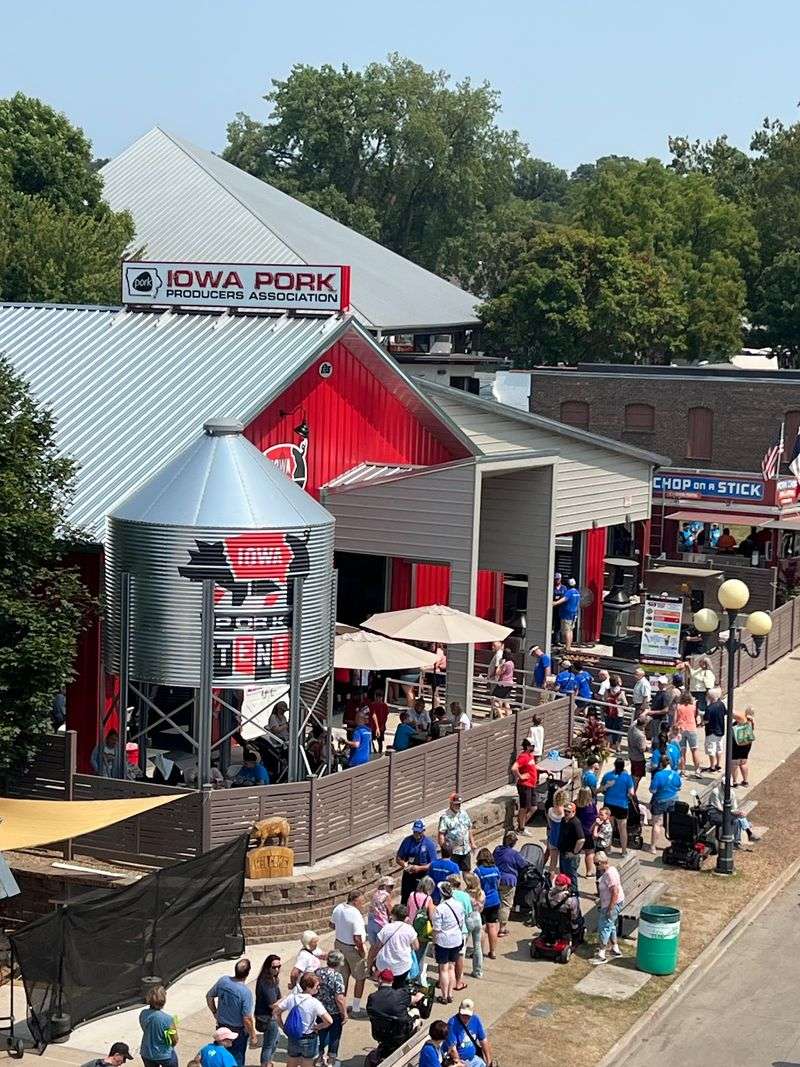
Cutlery is optional. Sticks do most of the heavy lifting.
More than 200 food vendors operate across the Iowa State Fair grounds. That number alone explains the wandering, grazing style most visitors adopt.
Pork chop on a stick remains a signature order. Corn dogs hold their classic ground beside it.
Deep-fried Oreos tempt the brave. Ice cream nachos cool things down when the sun gets aggressive.
Root beer floats show up constantly in visitor stories. So does pecan pie with bacon, because someone had to try it.
The fair’s food department ranks as the largest of any state fair. Judges evaluate more than 800 classes each year.
Prices vary by vendor and season, so bringing extra cash is wise. Many stands accept cards, but lines move faster with bills ready.
Sharing is smart strategy. Splitting items lets a group sample far more before anyone taps out.
The best approach involves small bites and long walks between them. Appetite management here is a legitimate skill.
Husband Calling And Other Delightfully Odd Contests
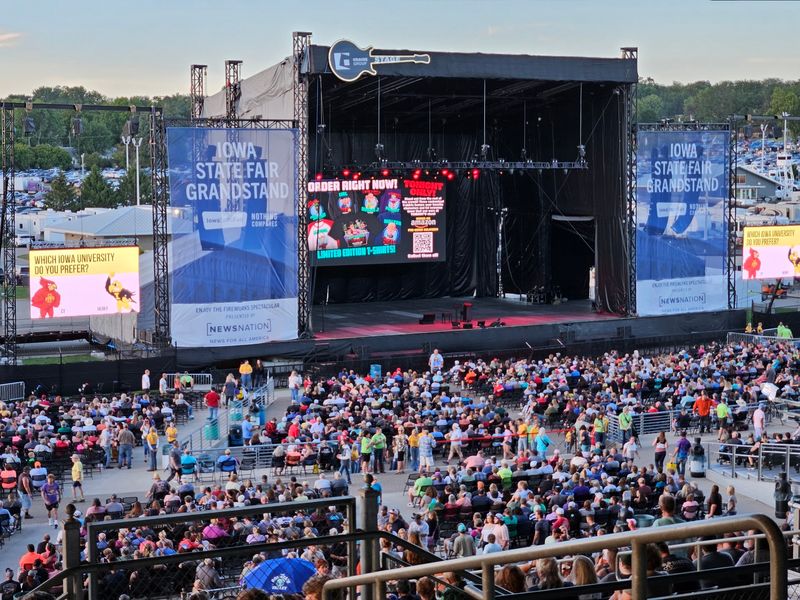
Someone will shout for a husband. Loudly.
On a stage. In front of hundreds of grinning strangers.
The Husband Calling competition honors an old rural habit. Wives once hollered across fields to bring men home for supper.
Cow Chip Throwing brings a different flavor of fun. A weighted rubber chicken now replaces the original ammunition, thankfully.
Beard growing contests attract serious competitors. Some entries look sculpted rather than grown.
Pig calling draws its own crowd of amused onlookers. Judges take it more seriously than you might expect.
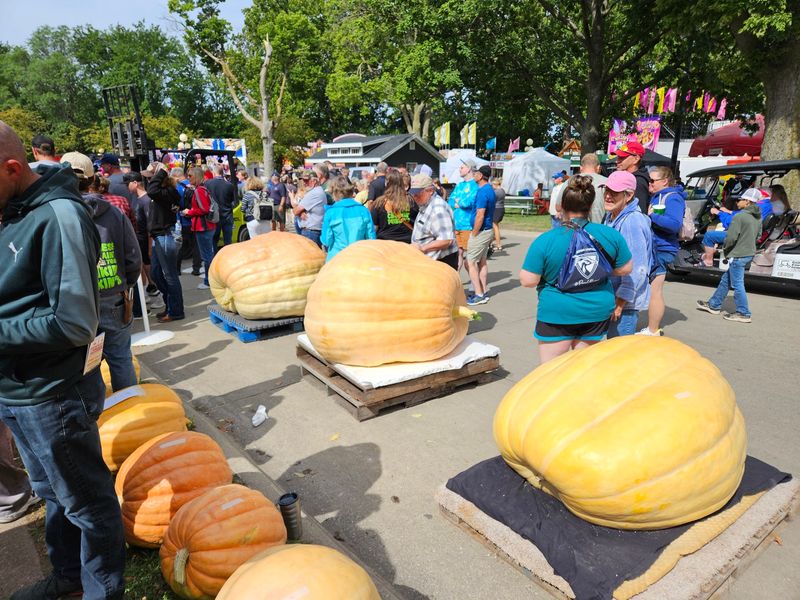
Traditional categories still thrive too. Baked goods, canned vegetables, and giant pumpkins fill exhibition tables with ribbons.
Watching these events costs nothing extra. Schedules appear in the fair map and app, so a quick check pays off.
Local families often have a cousin or uncle entered in something. That personal stake makes the cheering louder.
Silliness with roots is the honest description here. Every odd contest at this Iowa gathering traces back to real farm life.
Grab a bench seat early and enjoy the show.
Rides, Slides, And Sky-High Views
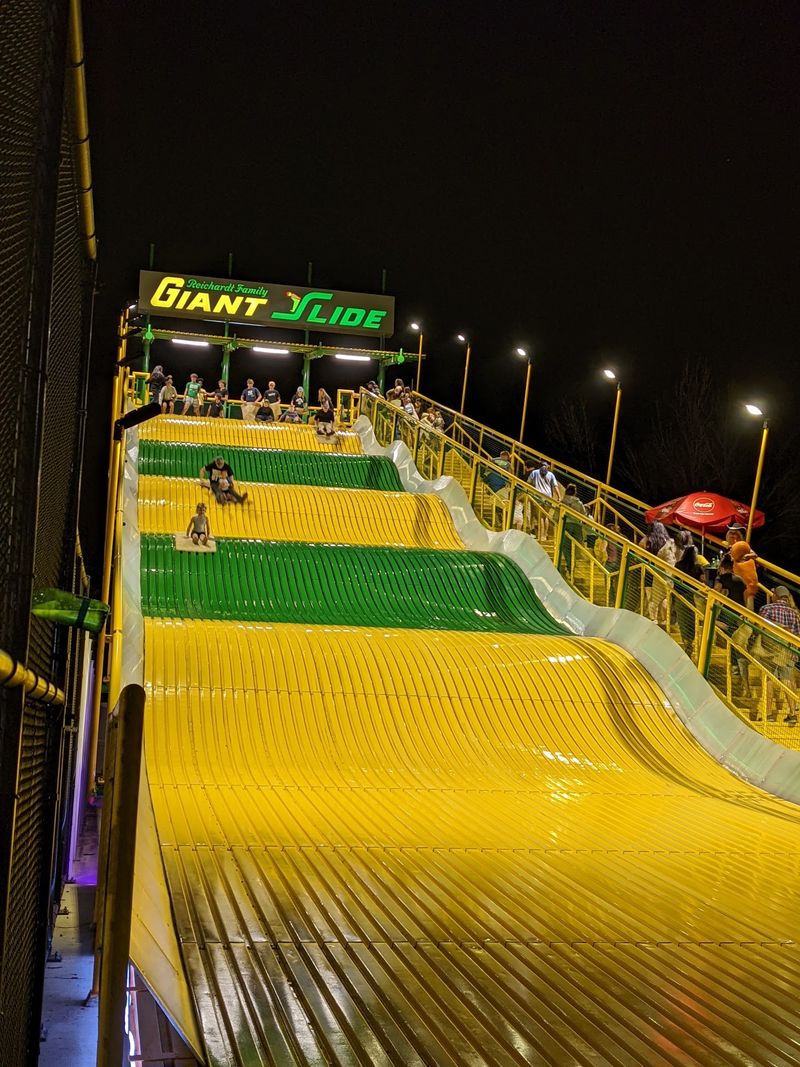
Screaming is encouraged on the Giant Slide. Gravity handles the rest.
Riders grab burlap sacks and rocket down the striped yellow drop. It has become one of the fair’s most photographed moments.
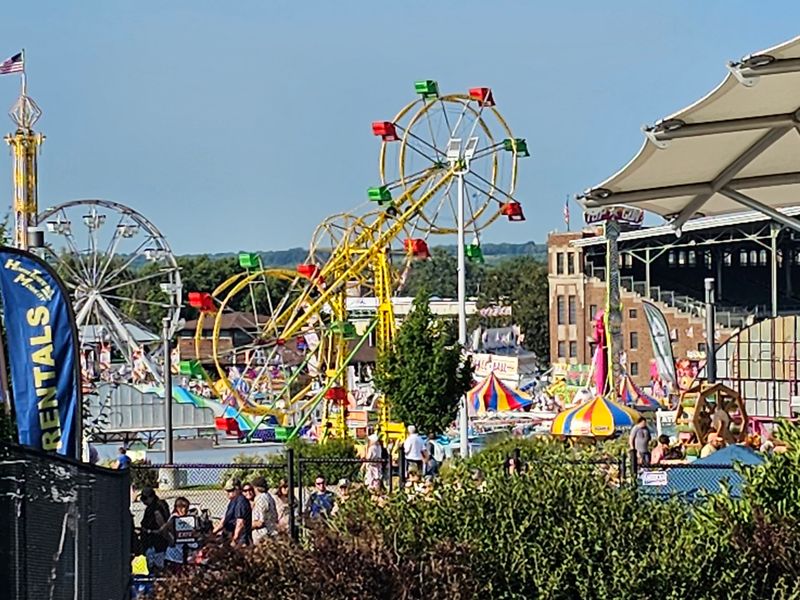
Thrill Ville, Thrill Town, and Thrill Zone spread rides across separate areas. Each zone targets a different appetite for speed.
The Ferris wheel offers calmer thrills and wide views. Cornfields and Des Moines rooftops appear beyond the fairgrounds edge.
The Sky Glider carries passengers above the crowd. It doubles as transportation when legs start complaining.
Ride tickets usually cost separately from gate admission. Budgeting for that ahead prevents surprises at the booth.
Evenings transform the midway. Lights flicker on, music swells, and fireworks close out many nights.
Younger children get their own gentler options in Thrill Town. Parents appreciate the shorter lines there.
Height and safety rules apply, so checking signs first saves disappointment. Operators enforce them consistently.
Nothing marks the end of summer quite like watching sparks over an Iowa skyline from a slowly turning wheel.
Barns Full Of Blue Ribbon Livestock
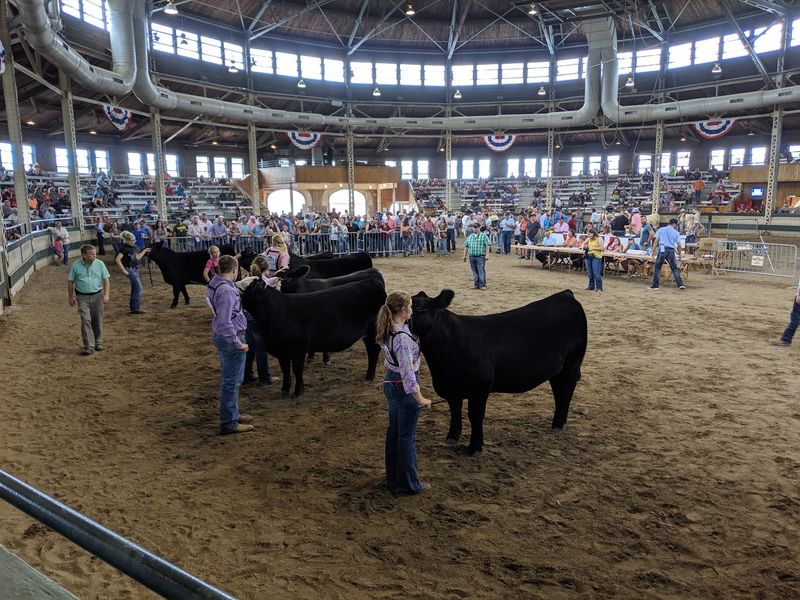
The barns smell like hay, sawdust, and early mornings. Regulars insist that smell is half the experience.
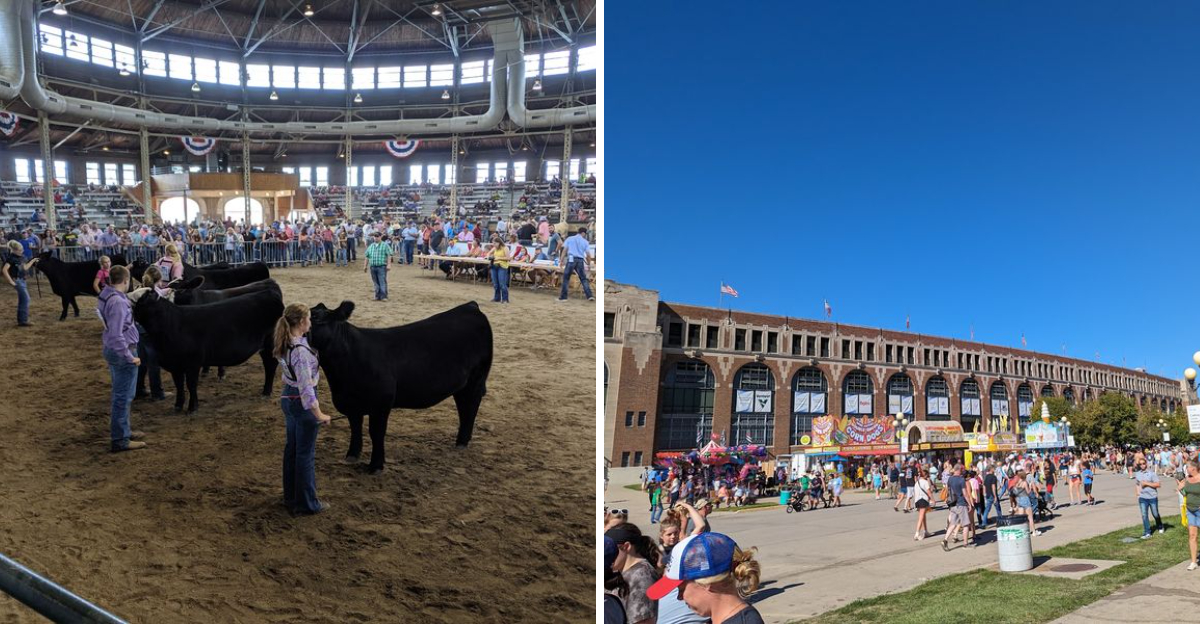
One of the world’s largest livestock shows unfolds here. Cattle, sheep, swine, and poultry fill barn after barn.
Members of 4-H and FFA clubs do most of the work. Teenagers wash, brush, and walk animals long before gates open.
The Avenue of Breeds displays roughly 70 different animal breeds. Some look familiar, others surprisingly rare.
The Paul R. Knapp Animal Learning Center hosts live births.
Visitors gather quietly and watch something genuinely unforgettable unfold.
A renovated milking parlor shows how dairy work actually happens. Staff answer questions without rushing anyone along.
Real Iowa farmers stand nearby, happy to explain their routines. Conversations here beat any placard.
Grand champion announcements draw big crowds. Ribbons represent months of feeding, training, and early alarms.
Aisles stay busy, so moving slowly and respecting the animals matters. Hand washing stations sit at most exits.
For anyone curious about where food begins, these barns answer the question honestly and up close.
Free Stages And Grandstand Nights
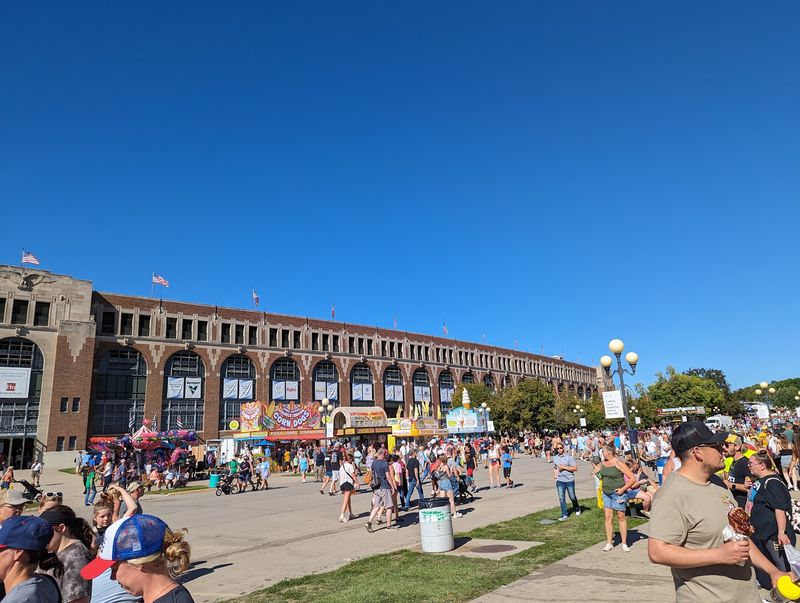
Music never really stops here. It just moves from stage to stage.
The Grandstand hosts nationally known performers most evenings. Those shows typically require separate tickets beyond fair admission.
Free stages scattered across the grounds carry the daytime load. Performances run continuously, and seats cost nothing.
The Anne and Bill Riley Stage showcases young Iowa talent. Its talent search has become a beloved tradition.
Other stages feature cover bands, gospel groups, and local acts. Wandering between them makes for an easy afternoon.
Shade and seating fill up quickly at popular performances. Arriving fifteen minutes early usually secures a decent spot.
Blankets and folding chairs help at outdoor venues. Plenty of visitors bring both without a second thought.
Fireworks cap many nights, visible from various points across the fairgrounds. People pause mid-conversation to watch.
Schedules shift daily, so checking the app keeps plans realistic. Lineups change from year to year.
Live music turns a long walking day into something that feels like a celebration rather than a marathon.
Where Kids Run The Farm For A Day
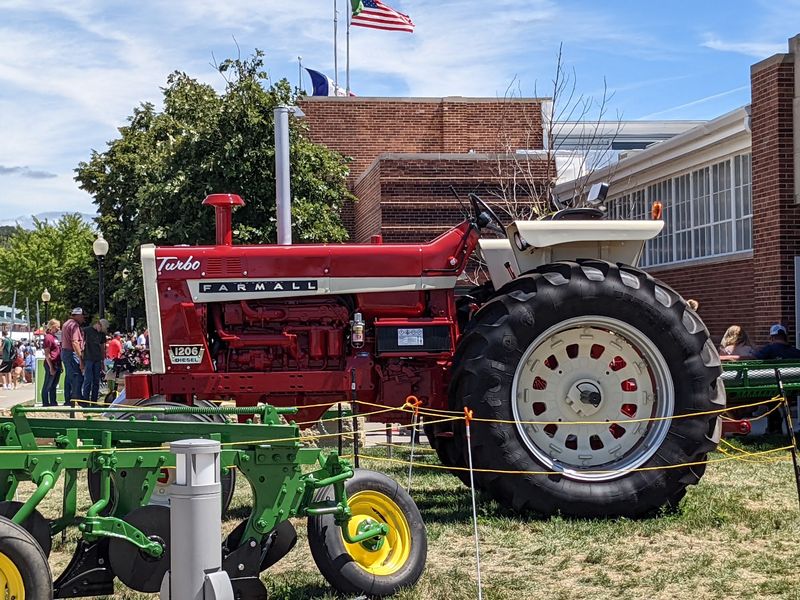
Tiny farmers, tiny tractors, tiny paychecks. Little Hands on the Farm hands children a full agricultural experience in miniature.
Kids roughly ages two through ten gather pretend produce. Then they sell it at a small market and spend their earnings.
The lesson lands gently. Children learn where food comes from without a single boring lecture.
The Blue Ribbon Kids’ Club adds more activities for younger visitors. Crafts and games rotate throughout the run.
Vet Camp appeals to older children fascinated by animals. Hands-on sessions cover basic animal health topics.
Thrill Town keeps rides scaled for shorter riders. Parents can actually relax there for a few minutes.
Water features around the grounds offer cool relief. On hot days, they become instant magnets for kids.
Stroller wheels handle the wide pathways fine. Shade breaks matter, though, especially during afternoon peaks.
Families often plan around nap schedules and early entry. Mornings tend to feel calmer across the Iowa fairgrounds.
Watching a five-year-old proudly haul a basket of plastic corn ranks high among the fair’s simplest pleasures.
Smart Planning For Eleven August Days
Eleven days each August. That is the window, and it fills fast.
Opening day generally runs a little quieter than the weekend rush. Early birds get shorter lines at popular exhibits.
Parking areas surround the grounds, and shuttle options exist during the run. Arriving early improves the odds of a close spot.
The address for GPS is 3000 E Grand Ave in Des Moines. Navigation apps handle it reliably.
Downloadable maps and an interactive app map help enormously. Both list daily schedules and building locations.
Cash plus a card covers most situations. Some smaller vendors prefer one over the other.
Weather swings from pleasant to sweltering, so sunscreen and a hat earn their space. Refillable bottles cut costs.
Two days beats one for anyone hoping to see the highlights. Regulars swear by splitting the visit.
Crowds are part of the deal, especially on weekends. Quiet corners exist for resting away from the flow.
Plan loosely, wander often, and let this Iowa tradition fill the last golden stretch of summer.